Anticorps Recombinant de lapin anti-CEBP Alpha/CEBPA
CEBP Alpha/CEBPA Recombinant Antibody for IF/ICC, FC (Intra), Indirect ELISA
Hôte / Isotype
Lapin / IgG
Réactivité testée
Humain
Applications
IF/ICC, FC (Intra), Indirect ELISA
Conjugaison
Non conjugué
CloneNo.
242101C9
N° de cat : 84668-4-PBS
Synonymes
Galerie de données de validation
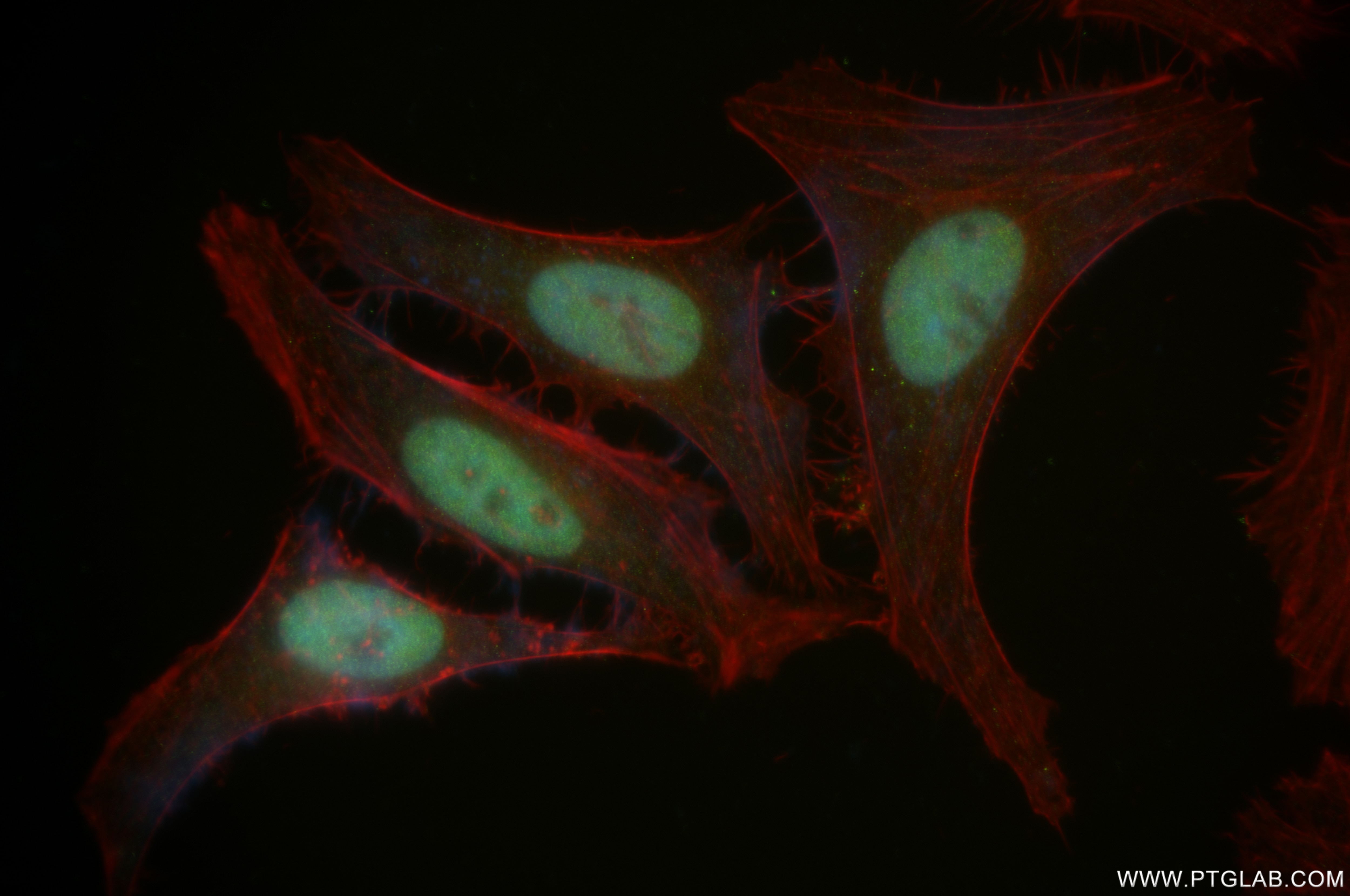
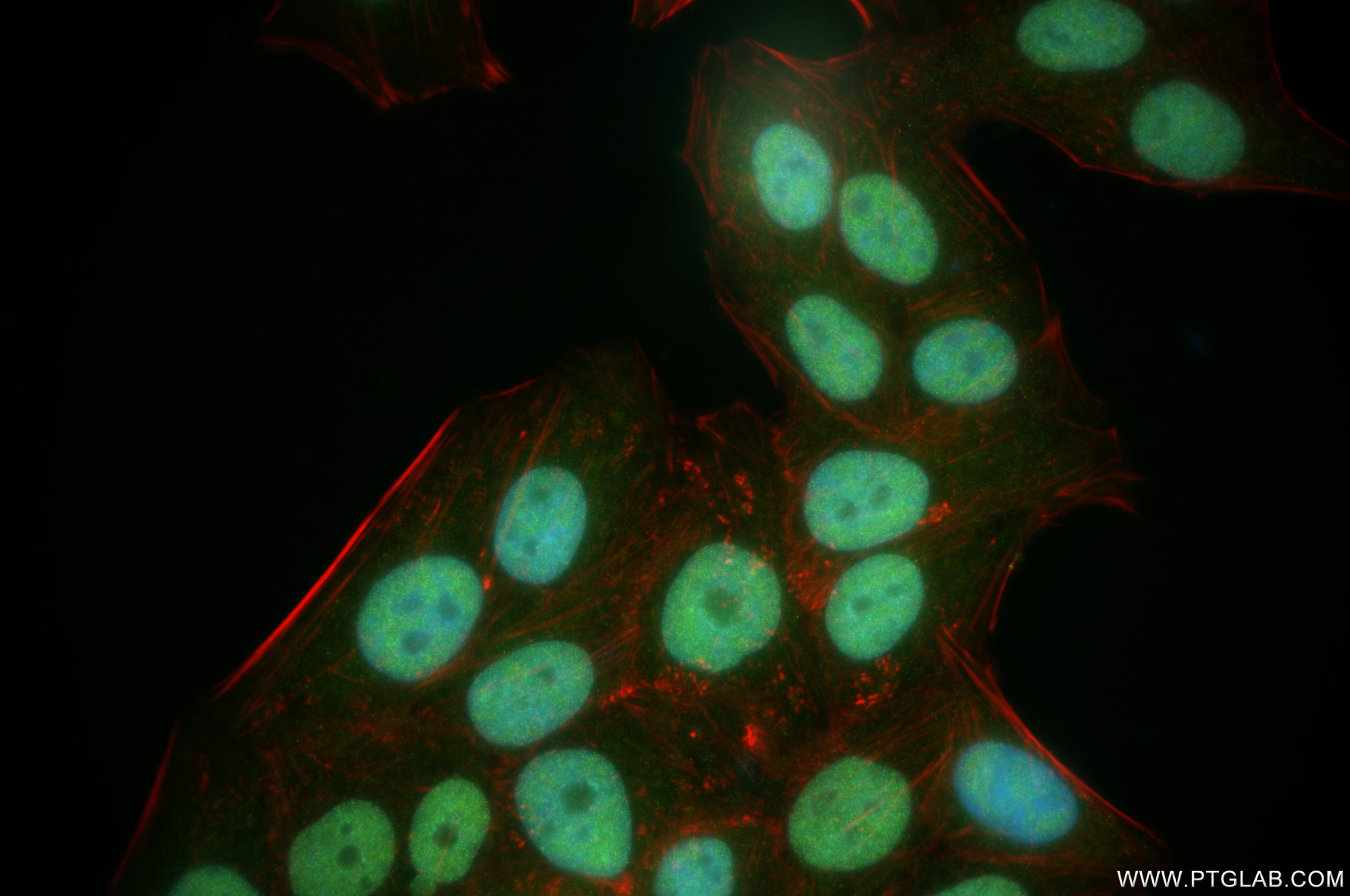
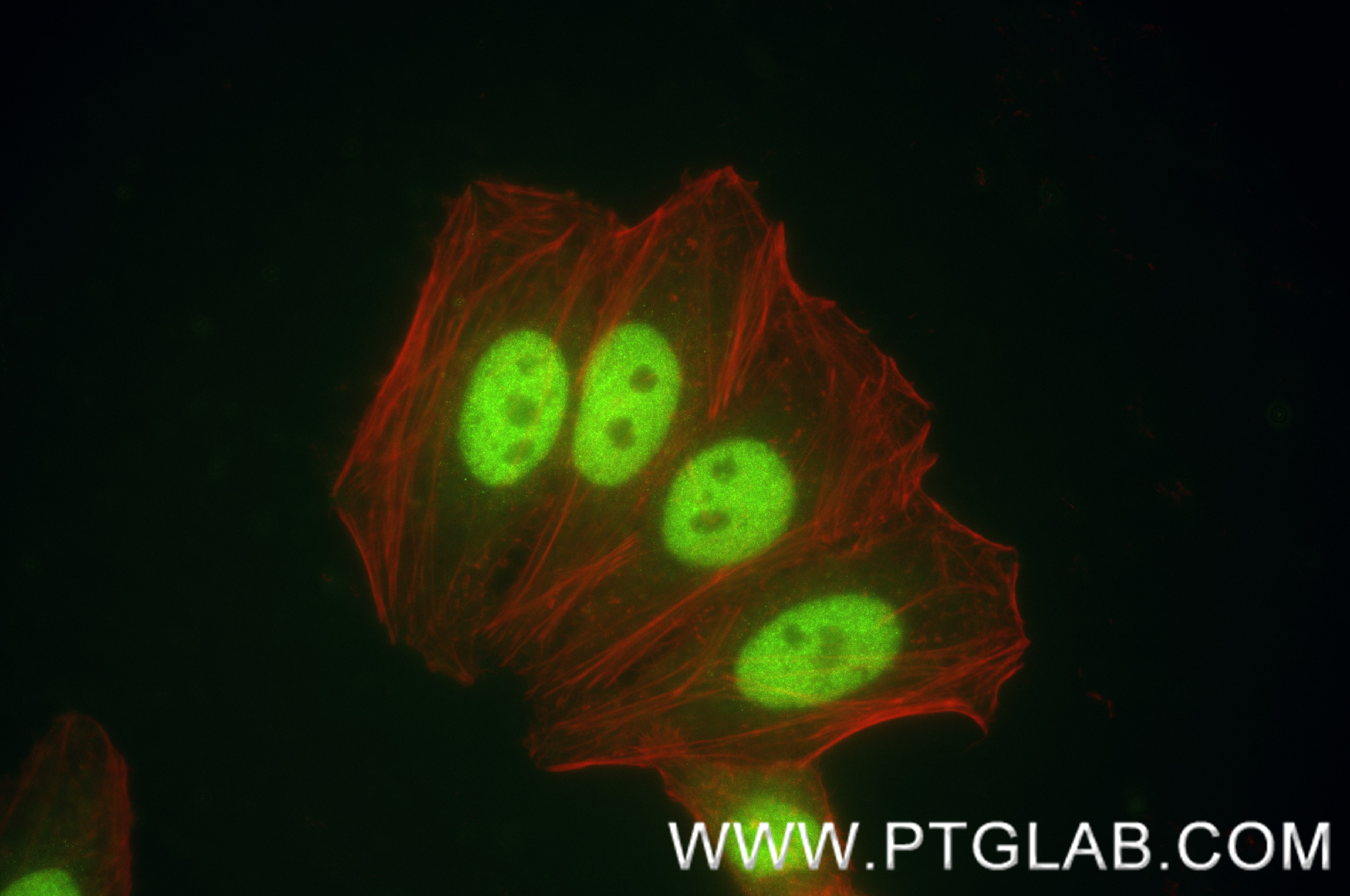
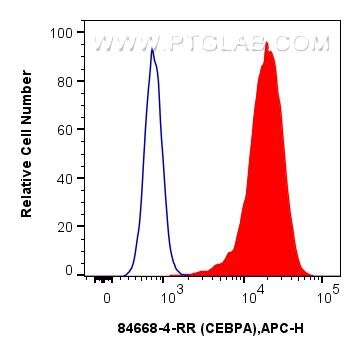
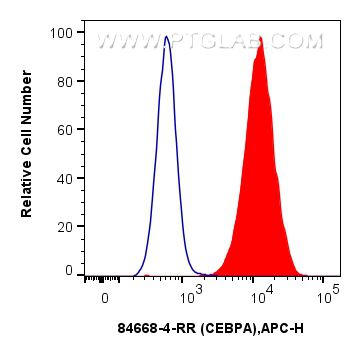
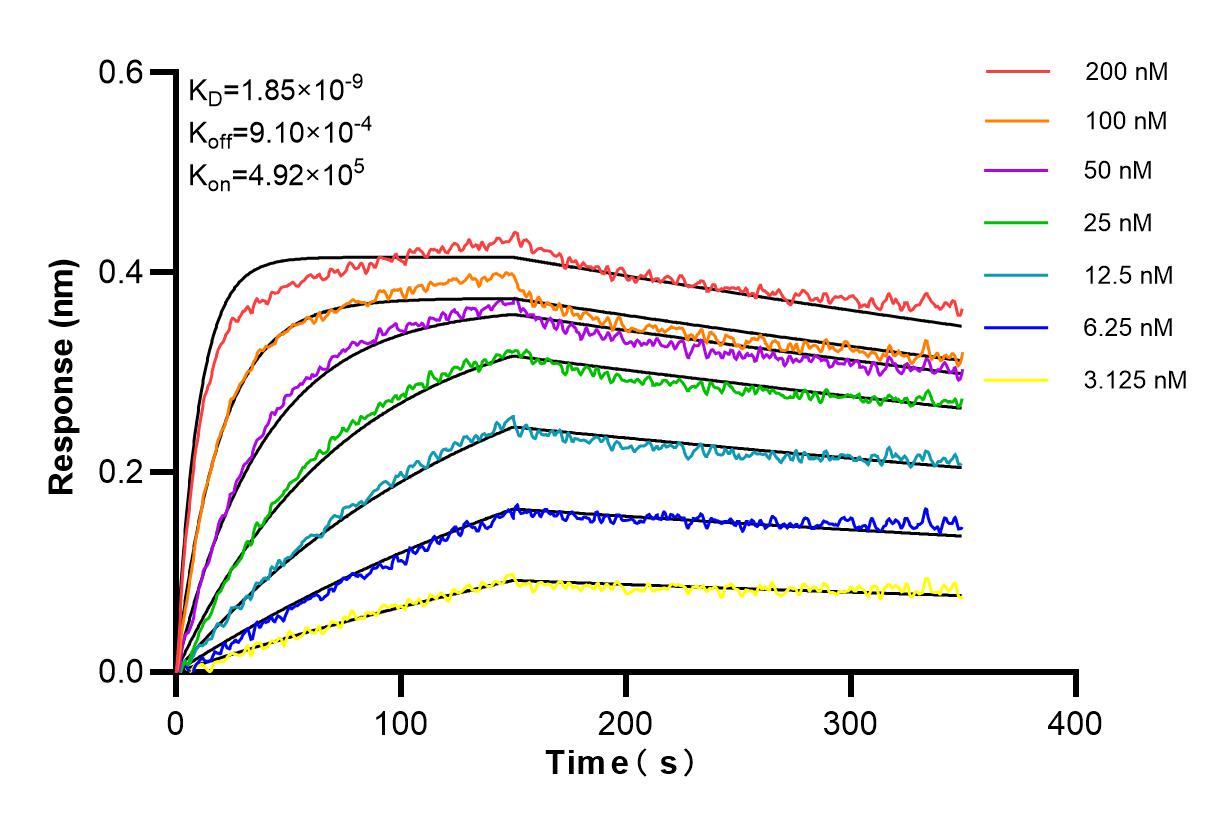
Informations sur le produit
84668-4-PBS cible CEBP Alpha/CEBPA dans les applications de IF/ICC, FC (Intra), Indirect ELISA et montre une réactivité avec des échantillons Humain
| Réactivité | Humain |
| Hôte / Isotype | Lapin / IgG |
| Clonalité | Recombinant |
| Type | Anticorps |
| Immunogène | CEBP Alpha/CEBPA Protéine recombinante Ag29947 |
| Nom complet | CCAAT/enhancer binding protein (C/EBP), alpha |
| Masse moléculaire calculée | 38 kDa |
| Poids moléculaire observé | 40-45 kDa |
| Numéro d’acquisition GenBank | NM_004364 |
| Symbole du gène | CEBPA |
| Identification du gène (NCBI) | 1050 |
| Conjugaison | Non conjugué |
| Forme | Liquide |
| Méthode de purification | Protein A purfication |
| Tampon de stockage | PBS only |
| Conditions de stockage | Store at -80°C. 20ul contiennent 0,1% de BSA. |
Informations générales
CEBPA and its isoforms play important roles in lineage determination and gene activation in a variety of cell types by activating transcription from lineage-specific promoters. CEBPA is a DNA-binding protein that recognizes two different motifs: the CCAAT homology common to many promoters and the enhanced core homology common to many enhancers. In hematopoiesis, C/EBPa is a key factor in driving the development of myeloid cells interacting with a variety of factors, including c-Myc, PU.1, and microRNAs. It can also form heterodimers with the related proteins CEBP-beta and CEBP-gamma. The encoded protein has been shown to bind to the promoter and modulate the expression of the gene encoding leptin which plays an important role in body weight homeostasis. CEBPA can interact with CDK2 and CDK4, thereby inhibiting these kinases and causing growth arrest in cultured cells. Several pathways have been implicated as the means by which CEBPA mediates cell cycle arrest and proliferation, including p21, cyclin-dependent kinases and the E2F complex via c-Myc.


