Anticorps Polyclonal de lapin anti-CEP162
CEP162 Polyclonal Antibody for WB, IHC, Indirect ELISA
Hôte / Isotype
Lapin / IgG
Réactivité testée
Humain
Applications
WB, IHC, Indirect ELISA
Conjugaison
Non conjugué
N° de cat : 30210-1-PBS
Synonymes
Galerie de données de validation
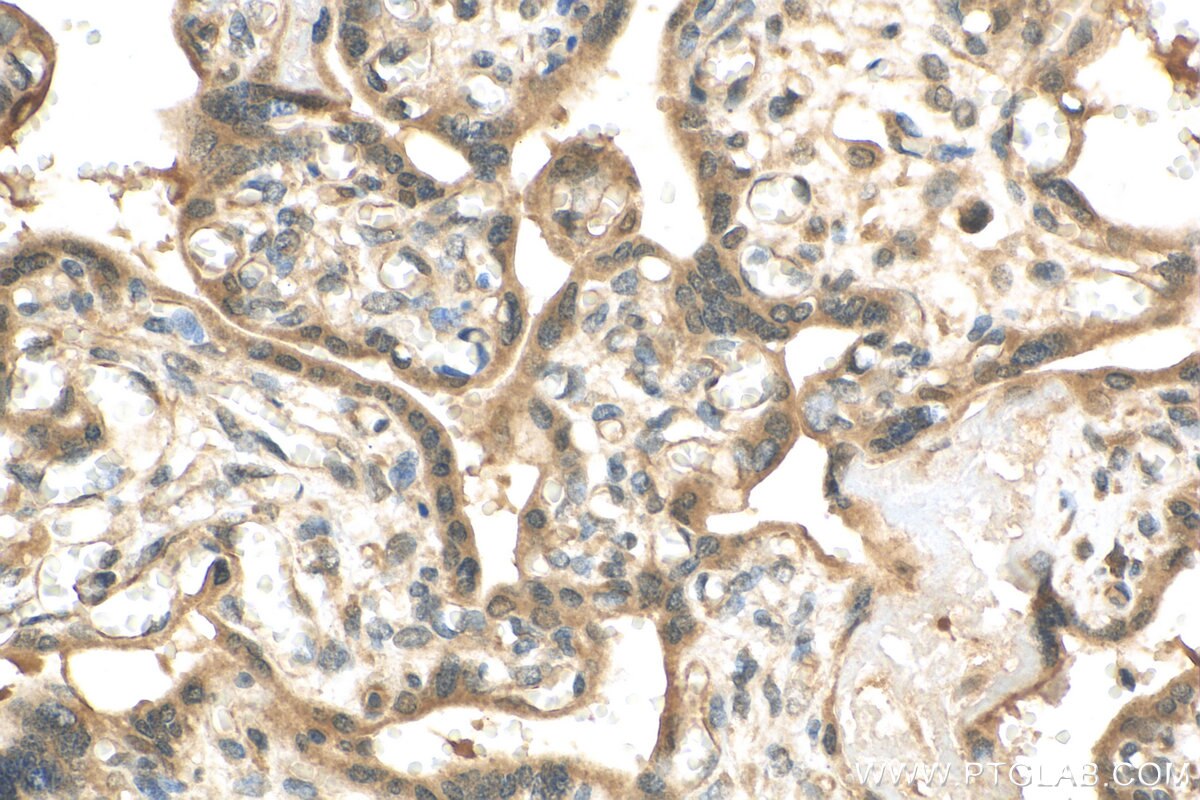
Informations sur le produit
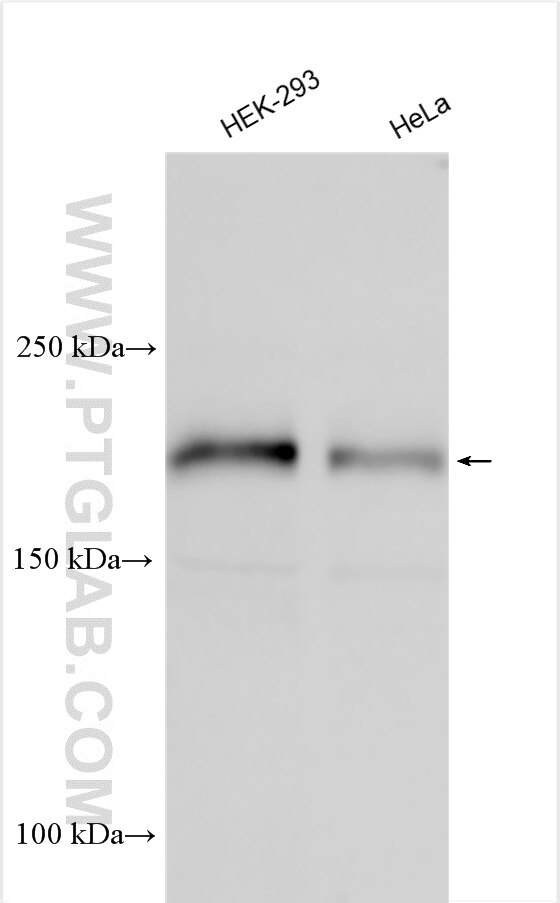
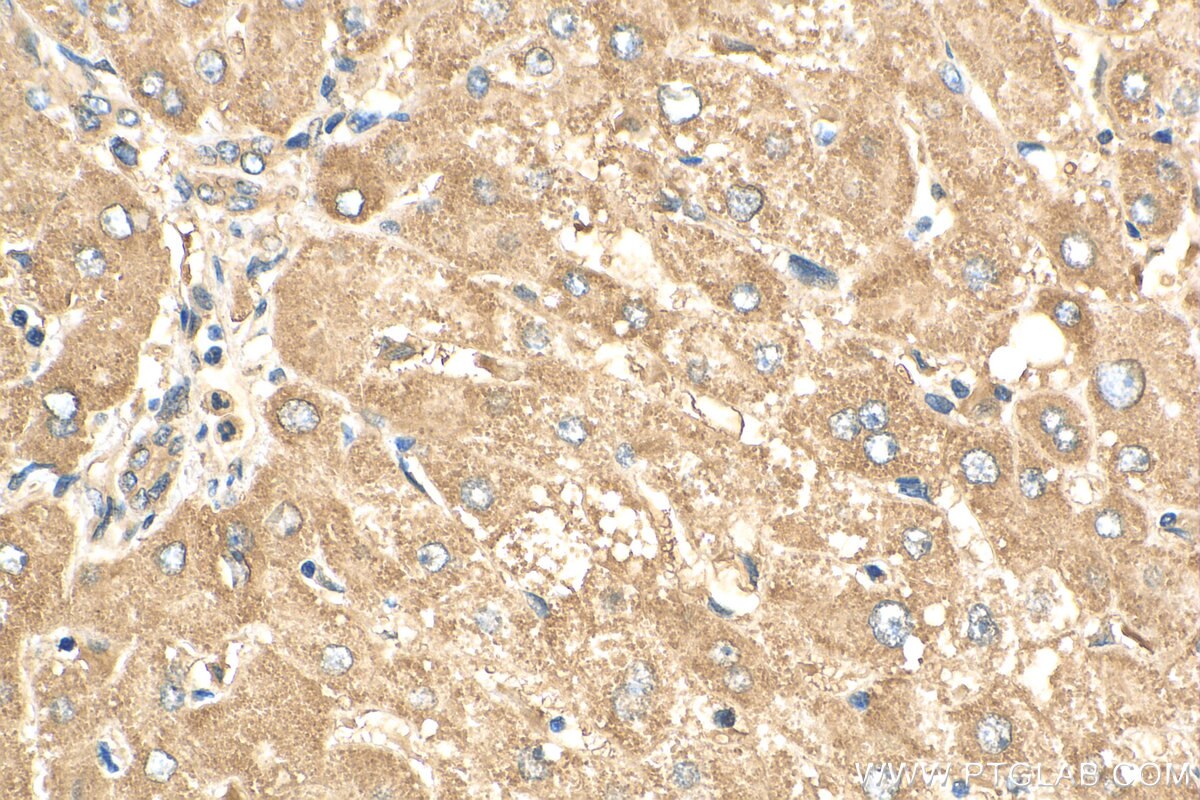
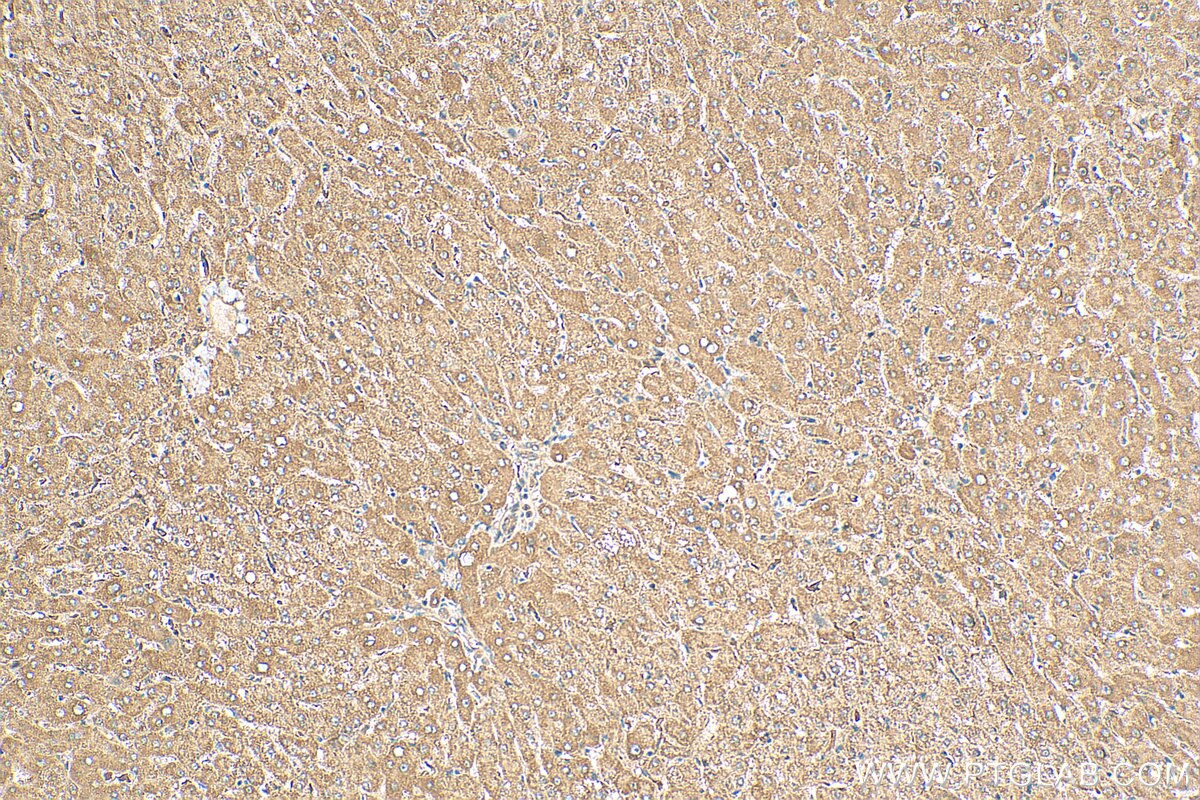
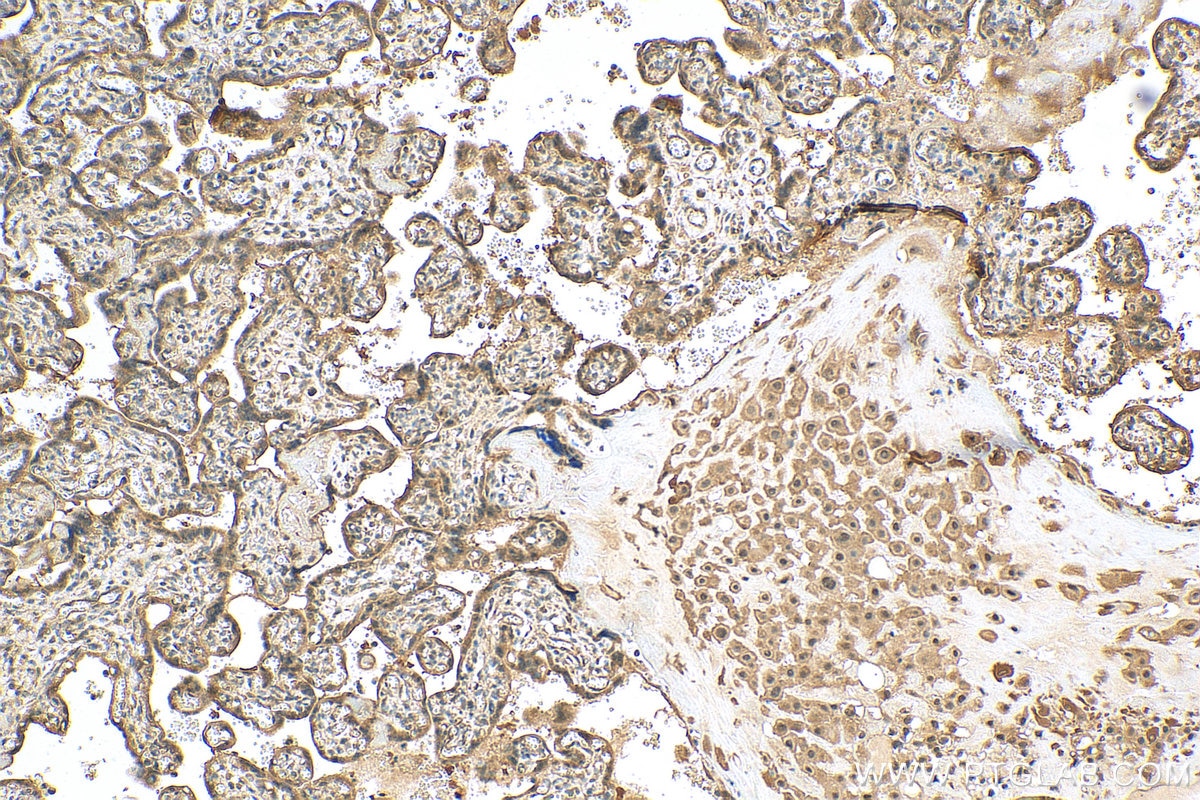
30210-1-PBS cible CEP162 dans les applications de WB, IHC, Indirect ELISA et montre une réactivité avec des échantillons Humain
| Réactivité | Humain |
| Hôte / Isotype | Lapin / IgG |
| Clonalité | Polyclonal |
| Type | Anticorps |
| Immunogène | CEP162 Protéine recombinante Ag32953 |
| Nom complet | KIAA1009 |
| Masse moléculaire calculée | 162 kDa |
| Poids moléculaire observé | 180 kDa |
| Numéro d’acquisition GenBank | NM_001286206.1 |
| Symbole du gène | CEP162 |
| Identification du gène (NCBI) | 22832 |
| Conjugaison | Non conjugué |
| Forme | Liquide |
| Méthode de purification | Purification par affinité contre l'antigène |
| Tampon de stockage | PBS only |
| Conditions de stockage | Store at -80°C. 20ul contiennent 0,1% de BSA. |
Informations générales
CEP162, also known as KIAA1009 and QN1, was found in organisms ranging from trypanosomes to vertebrates. A role for CEP162, involved in required to promote assembly of the transition zone in primary cilia. CEP162 acts by specifically recognizing and binding the axonemal microtubule. CEP162 localizes to the distal ends of centrioles before ciliogenesis and directly binds to axonemal microtubule, thereby promoting and restricting transition zone formation specifically at the cilia base.


