- Phare
- Validé par KD/KO
Anticorps Polyclonal de lapin anti-CEP290
CEP290 Polyclonal Antibody for WB, IHC, IF/ICC, IP, Indirect ELISA
Hôte / Isotype
Lapin / IgG
Réactivité testée
Humain
Applications
WB, IHC, IF/ICC, IP, Indirect ELISA
Conjugaison
Non conjugué
N° de cat : 22490-1-PBS
Synonymes
Galerie de données de validation
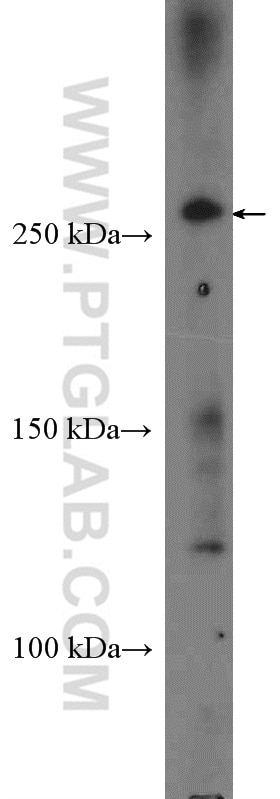
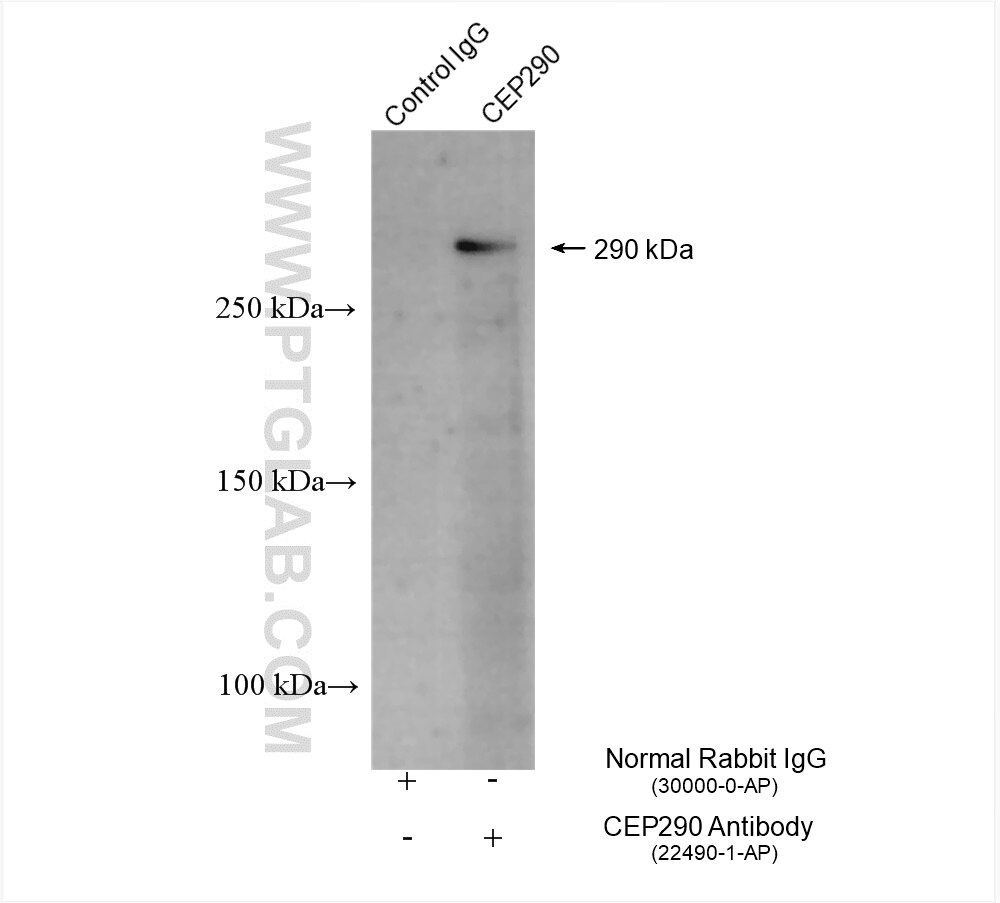
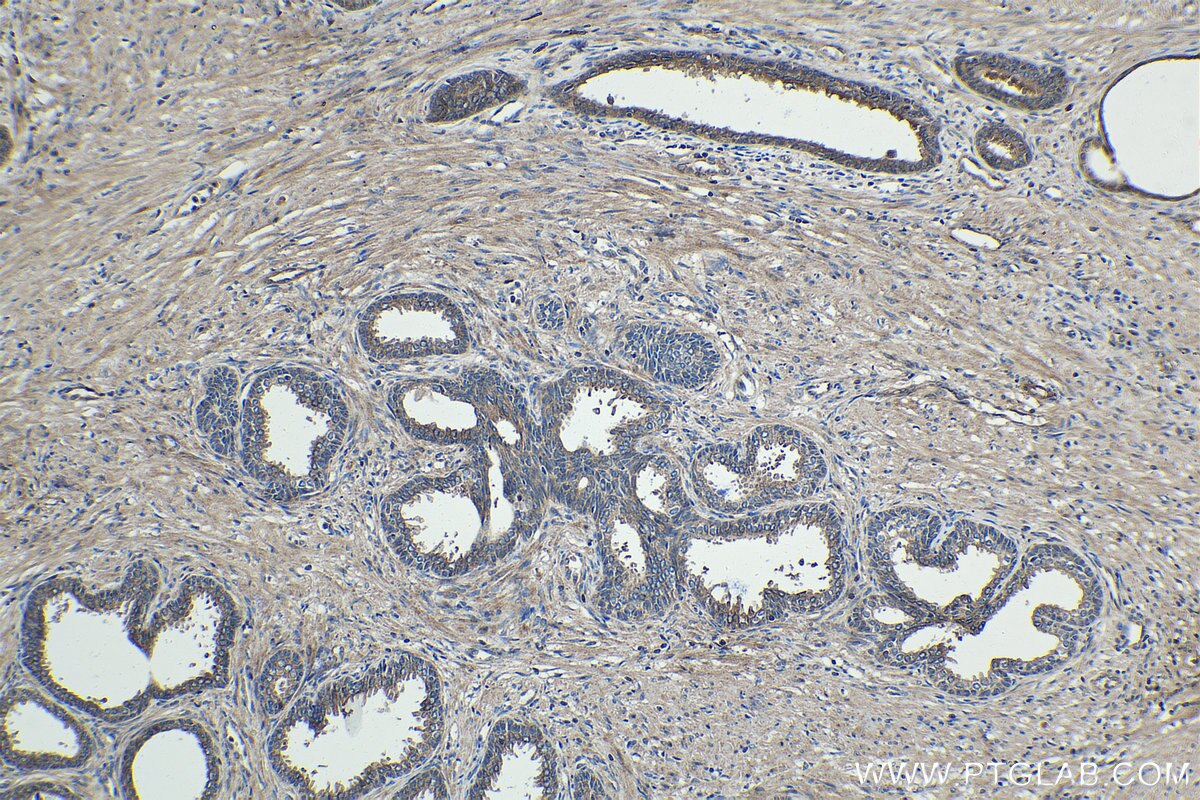
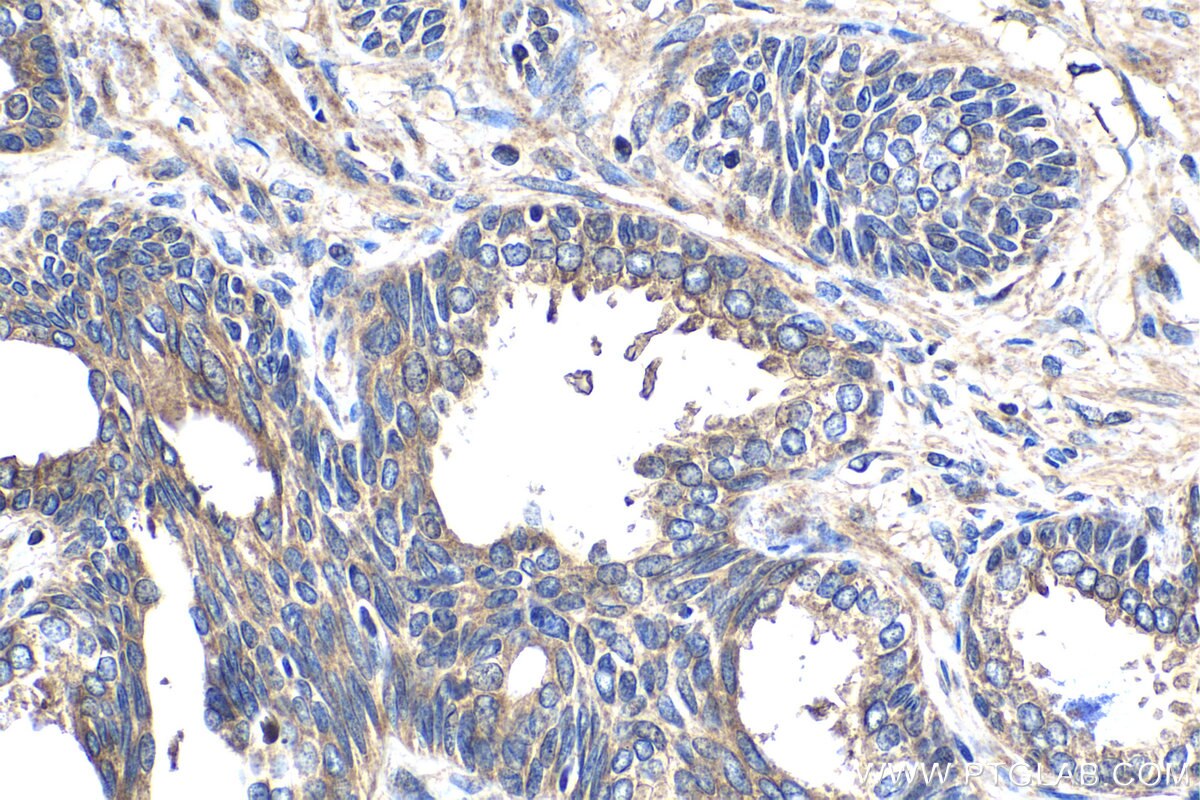
Informations sur le produit
22490-1-PBS cible CEP290 dans les applications de WB, IHC, IF/ICC, IP, Indirect ELISA et montre une réactivité avec des échantillons Humain
| Réactivité | Humain |
| Hôte / Isotype | Lapin / IgG |
| Clonalité | Polyclonal |
| Type | Anticorps |
| Immunogène | CEP290 Protéine recombinante Ag17457 |
| Nom complet | centrosomal protein 290kDa |
| Masse moléculaire calculée | 2479 aa, 290 kDa |
| Poids moléculaire observé | 290 kDa |
| Numéro d’acquisition GenBank | BC008641 |
| Symbole du gène | CEP290 |
| Identification du gène (NCBI) | 80184 |
| Conjugaison | Non conjugué |
| Forme | Liquide |
| Méthode de purification | Purification par affinité contre l'antigène |
| Tampon de stockage | PBS only |
| Conditions de stockage | Store at -80°C. 20ul contiennent 0,1% de BSA. |
Informations générales
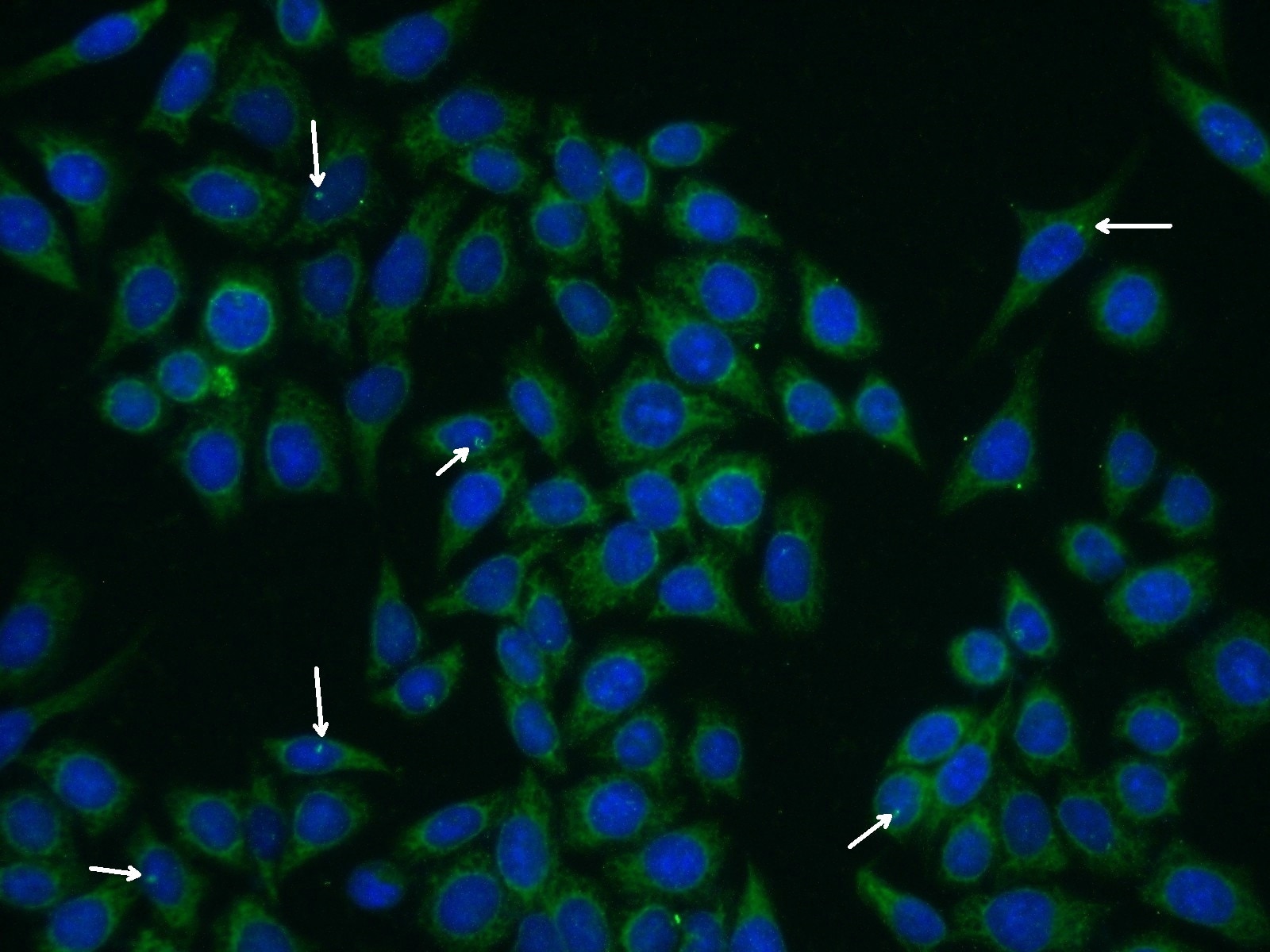
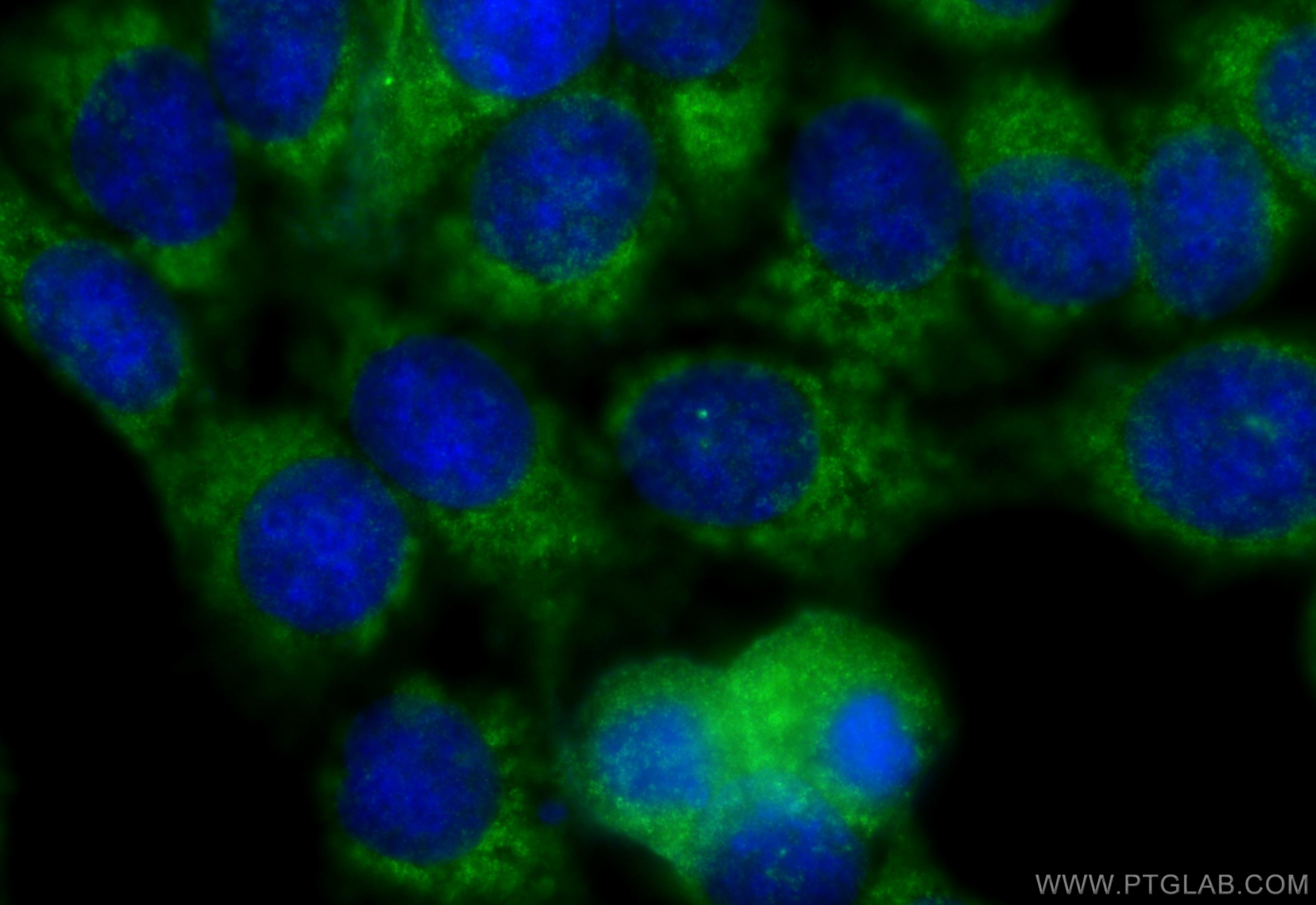
Studies in the Chlamydomonas model system has shown that the ciliary protein CEP290 is a critical component of these Y-link junctions. Additionally, numerous studies have demonstrated that CEP290's function is critical for IFT-in CEP290 knockdown experiments, many proteins that would normally localize to the cilium fail to do so, and cilium formation is disrupted or absent. Mutations in CEP290 are accountable for cases of nephronophthisis, Leber congenital amaurosis and Joubert syndrome. In IF analtsis of HeLa cells, the white arrows show centrosome and cilium staining. Two isoforms were produced by alternative splicing with predicted MW of 290 and 180 kDa according to UniProt. Catalog#22490-1-AP can recognise both.


