Anticorps Monoclonal anti-CKM-Specific
CKM-Specific Monoclonal Antibody for WB, IHC, IF-P, Indirect ELISA
Hôte / Isotype
Mouse / IgG2a
Réactivité testée
Humain, rat, souris
Applications
WB, IHC, IF-P, Indirect ELISA
Conjugaison
Non conjugué
CloneNo.
2G3F6
N° de cat : 60177-1-PBS
Synonymes
Galerie de données de validation
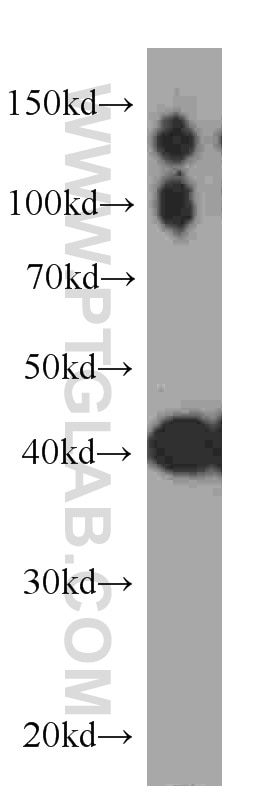
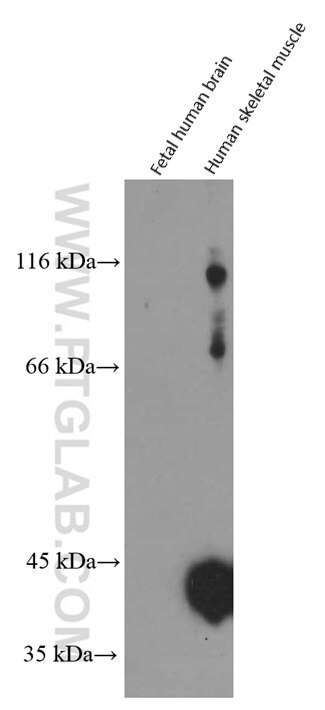
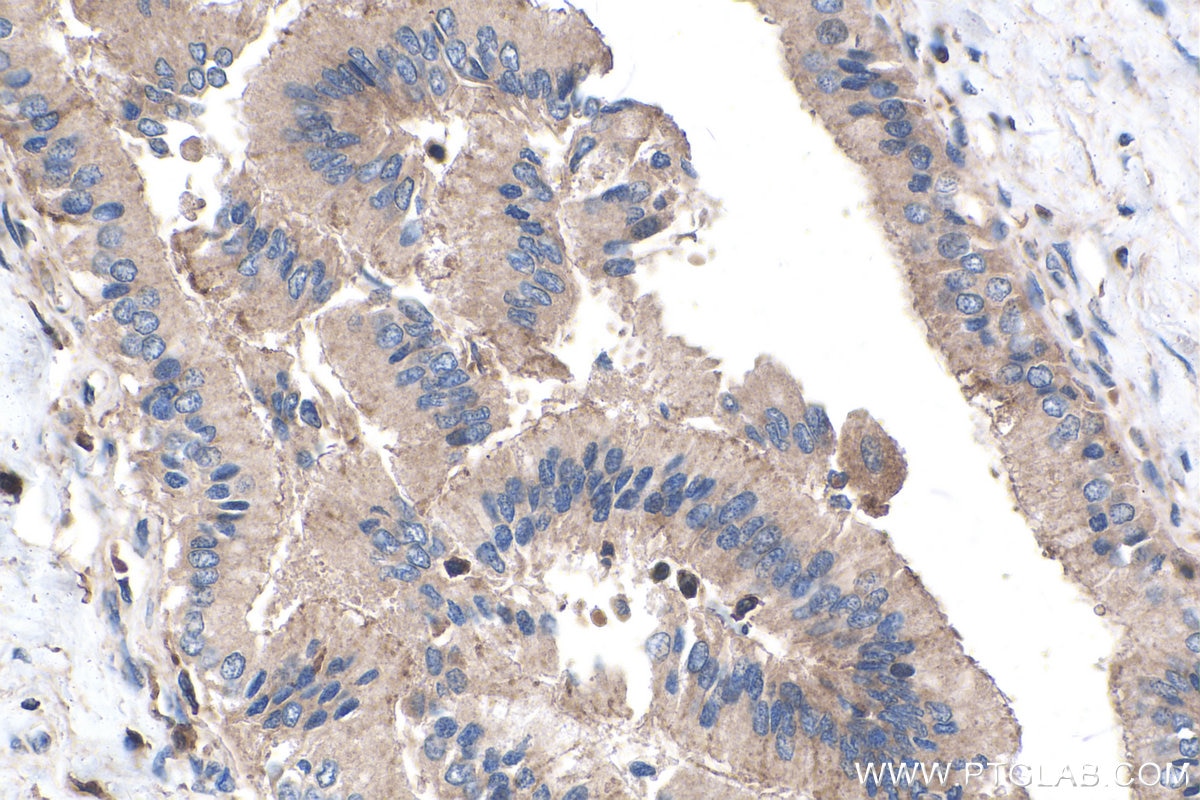
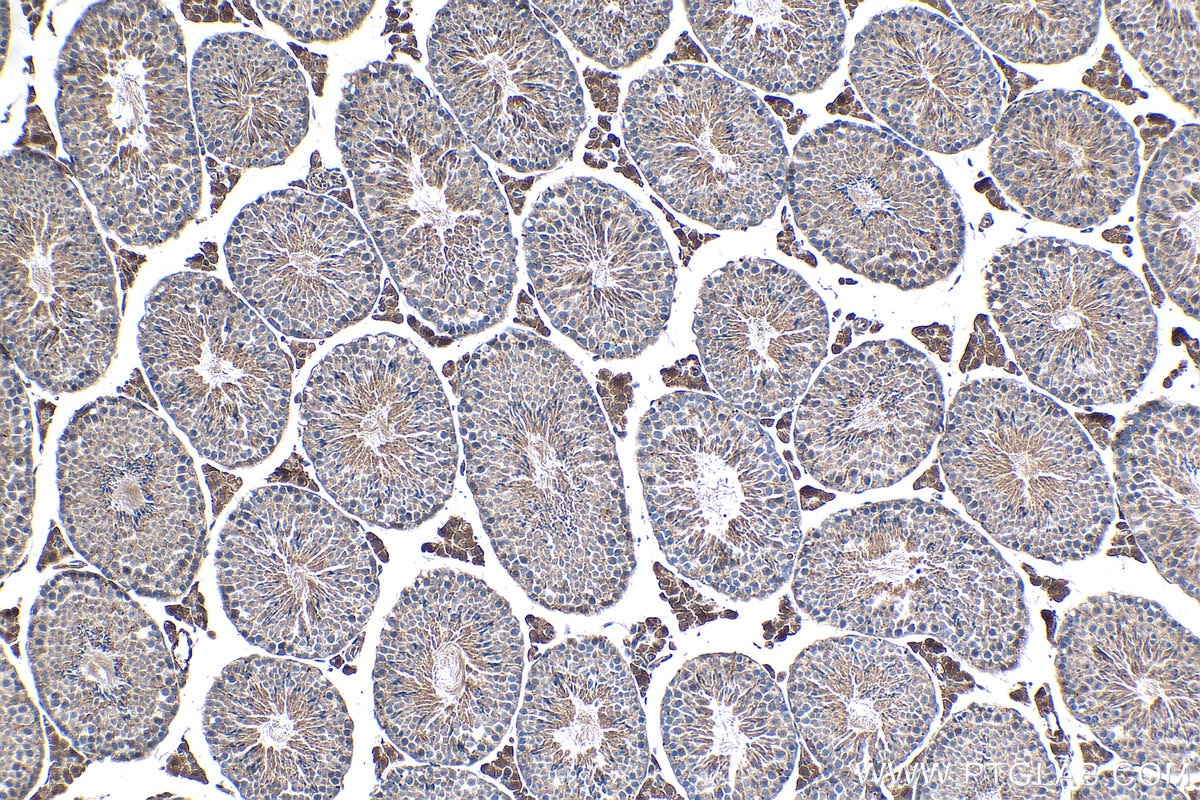
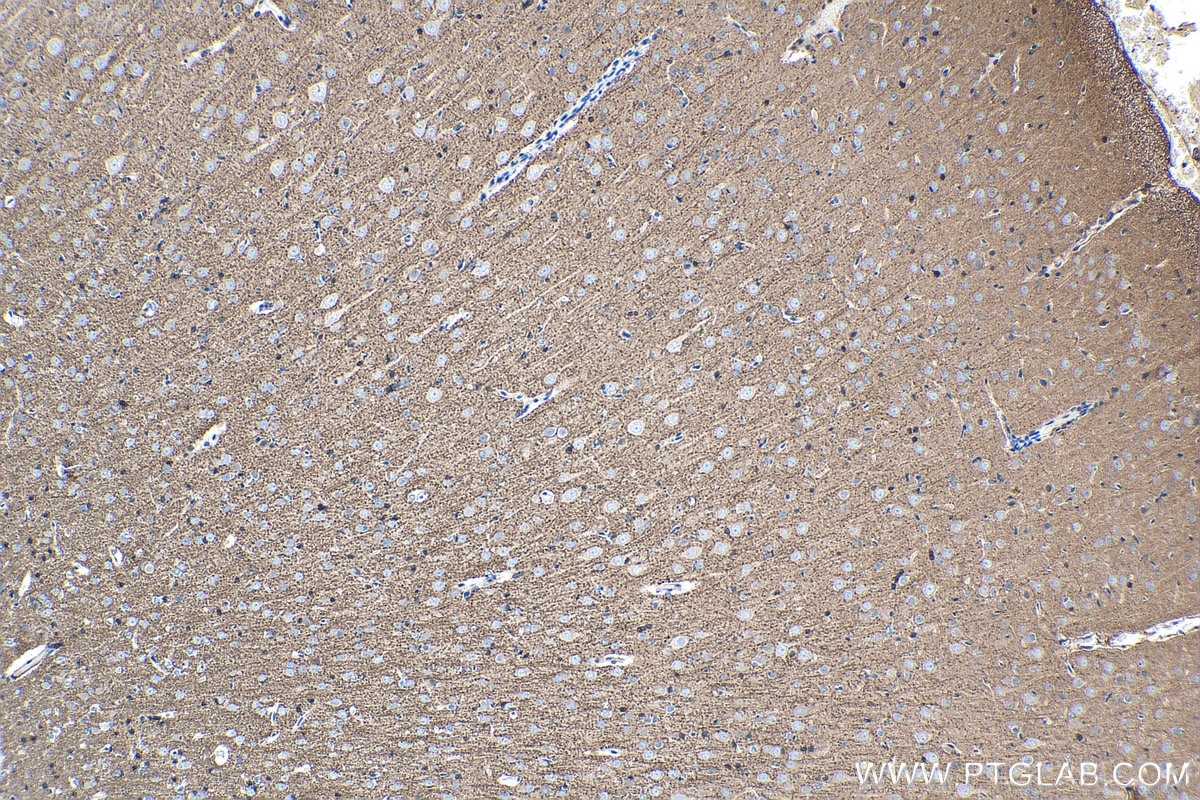
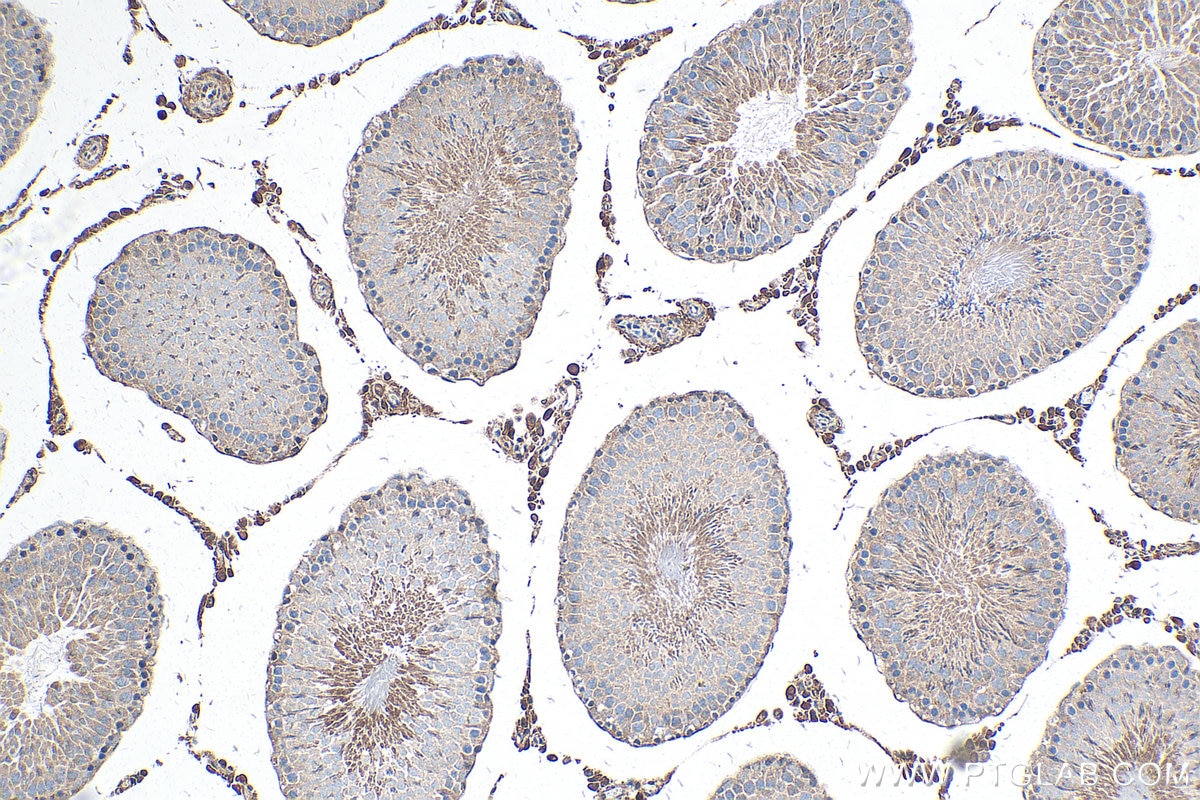
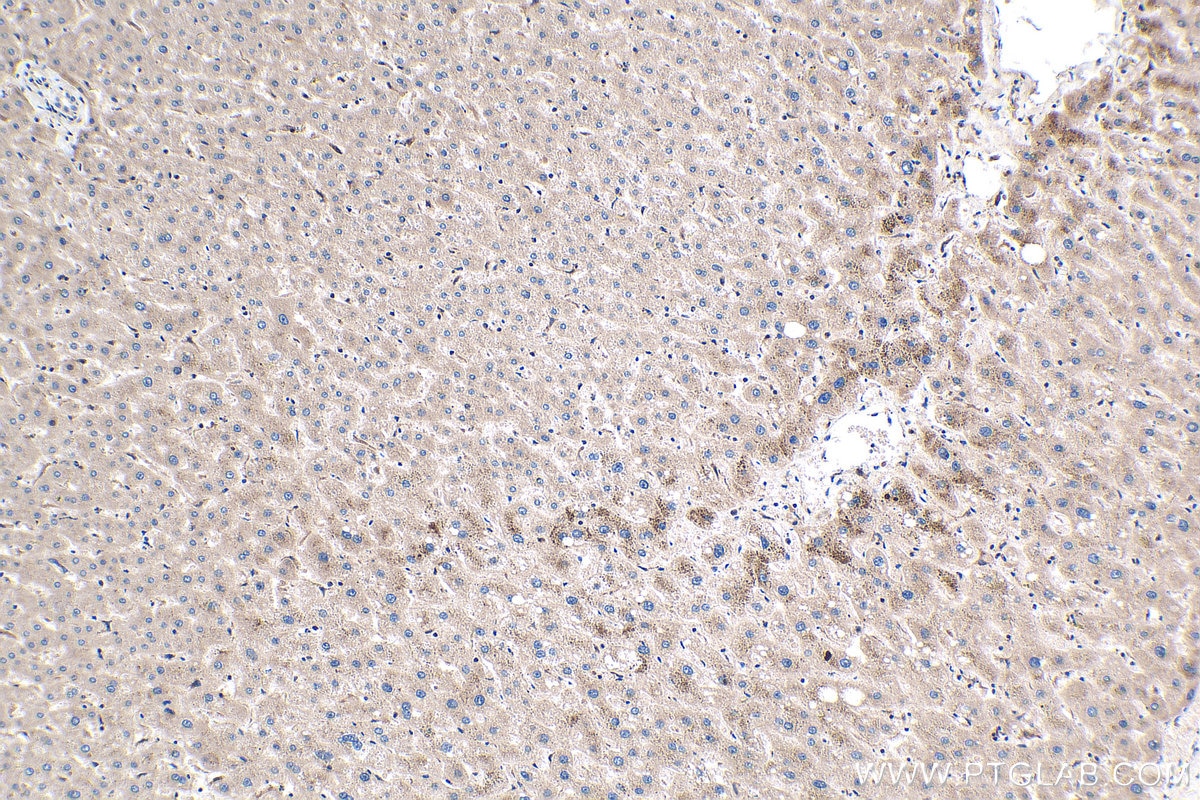
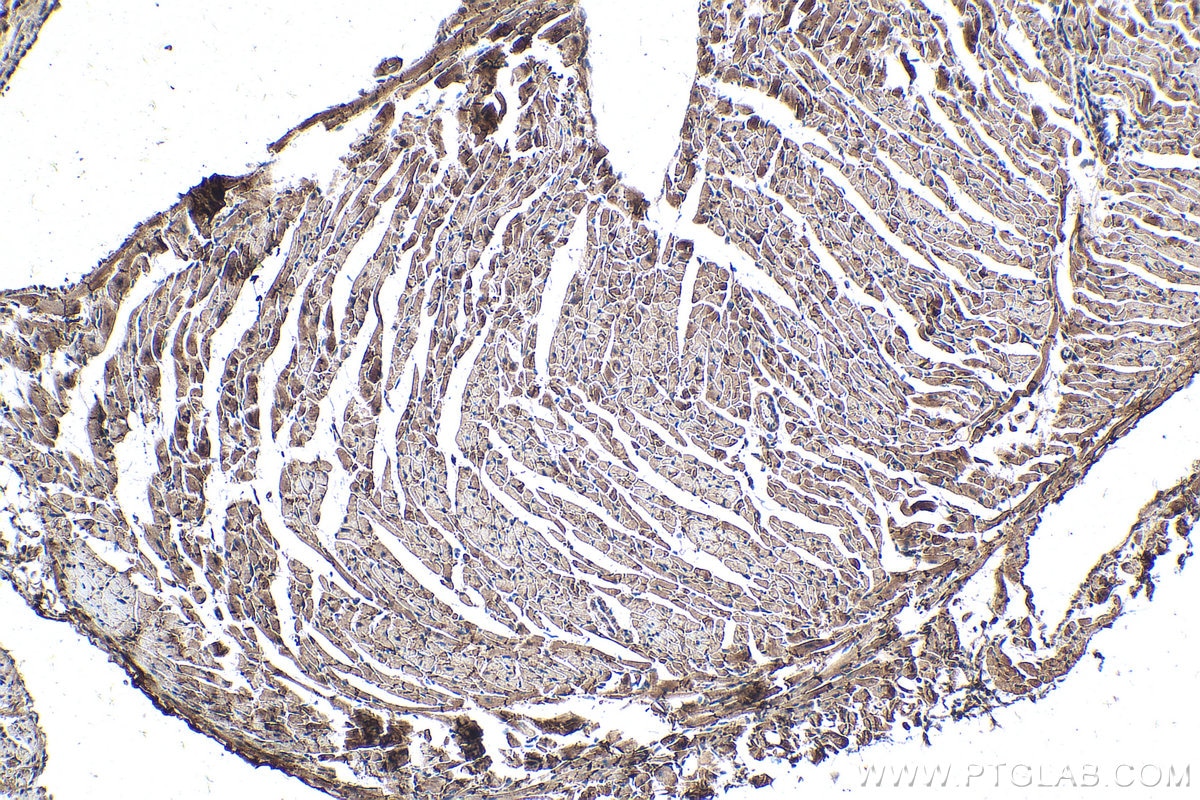
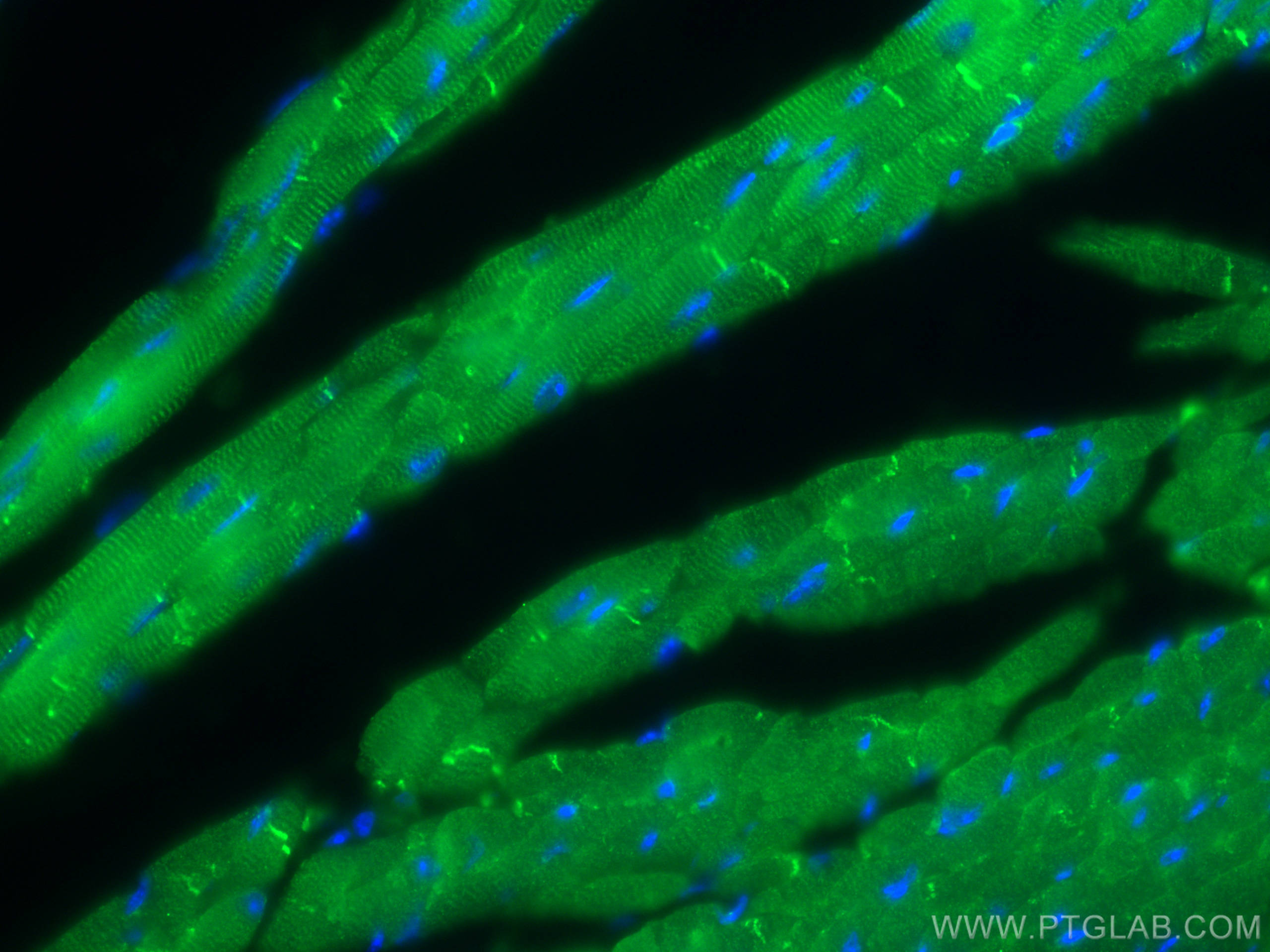
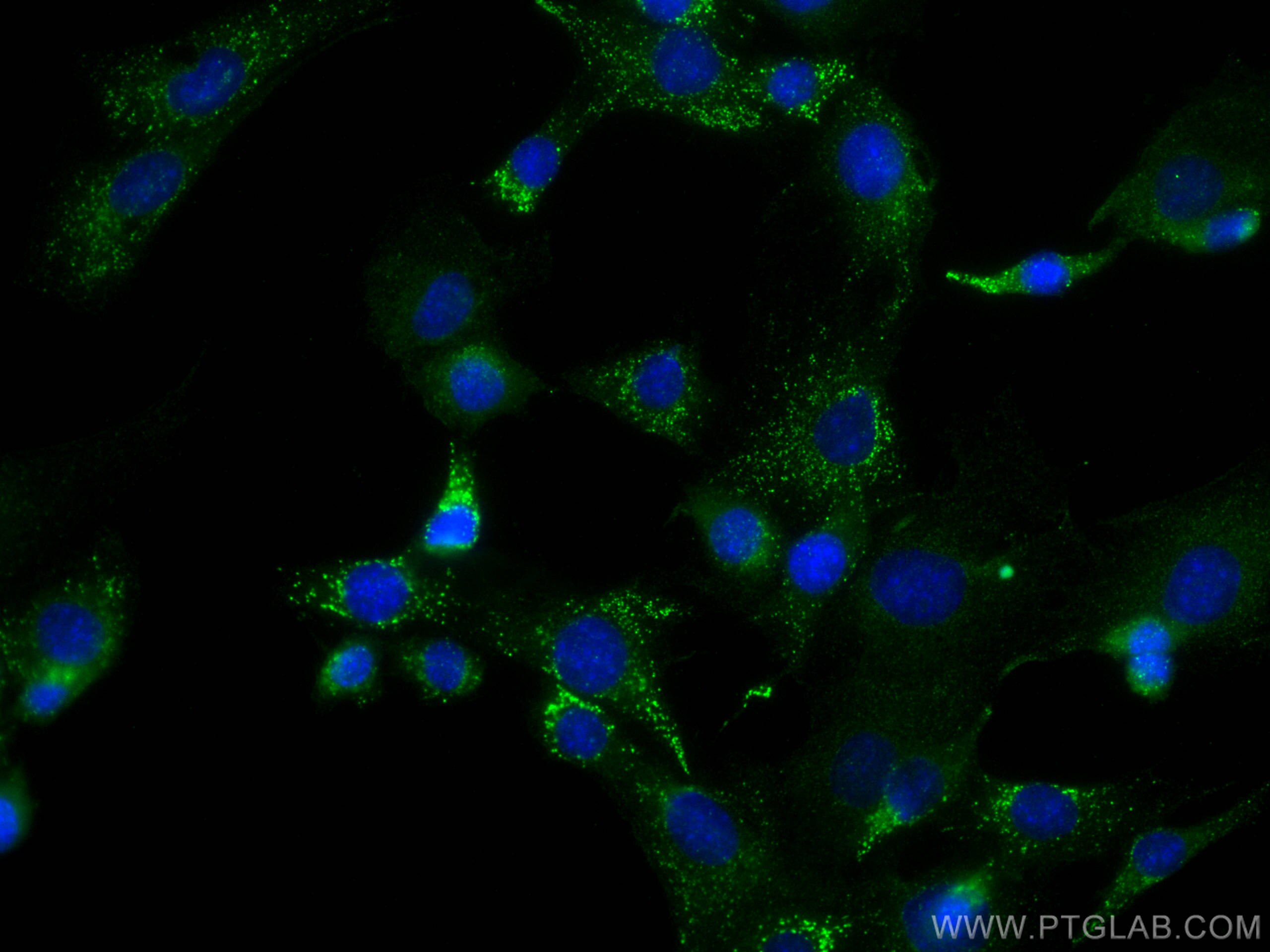
Informations sur le produit
60177-1-PBS cible CKM-Specific dans les applications de WB, IHC, IF-P, Indirect ELISA et montre une réactivité avec des échantillons Humain, rat, souris
| Réactivité | Humain, rat, souris |
| Hôte / Isotype | Mouse / IgG2a |
| Clonalité | Monoclonal |
| Type | Anticorps |
| Immunogène | Peptide |
| Nom complet | creatine kinase, muscle |
| Masse moléculaire calculée | 43 kDa |
| Poids moléculaire observé | 43 kDa, 90 kDa, 130 kDa |
| Numéro d’acquisition GenBank | BC007462 |
| Symbole du gène | CKM |
| Identification du gène (NCBI) | 1158 |
| Conjugaison | Non conjugué |
| Forme | Liquide |
| Méthode de purification | Purification par protéine A |
| Tampon de stockage | PBS only |
| Conditions de stockage | Store at -80°C. 20ul contiennent 0,1% de BSA. |
Informations générales
CKM, also named as CKMM and M-CK, is a member of the ATP:guanido phosphotransferase protein family. It is a cytoplasmic enzyme involved in energy homeostasis and is an important serum marker for myocardial infarction. CKM reversibly catalyzes the transfer of phosphate between ATP and various phosphogens such as creatine phosphate. It acts as a homodimer in striated muscle as well as in other tissues, and as a heterodimer with a similar brain isozyme in heart. CK isoenzymes play a central role in energy transduction in tissues with large, fluctuating energy demands, such as skeletal muscle, heart, brain and spermatozoa. CK MB consists of a dimer of nonidentical chains. With MM being the major form in skeletal muscle and myocardium, MB existing in myocardium. CKM has a calculated molecular mass of 43 kDa, and the 90-kDa and 130-kDa bands could be due to acovalent cross-linking of two and three CKm subunits, respectively (PMID: 20195383).


