- Phare
- Validé par KD/KO
Anticorps Recombinant de lapin anti-Caspase 3/P17/P19
Caspase 3/P17/P19 Recombinant Antibody for WB, IHC, IF/ICC, FC (Intra), ELISA
Hôte / Isotype
Lapin / IgG
Réactivité testée
Humain, souris et plus (3)
Applications
WB, IHC, IF/ICC, FC (Intra), ELISA
Conjugaison
Non conjugué
CloneNo.
5G20
N° de cat : 82202-1-RR
Synonymes
Galerie de données de validation
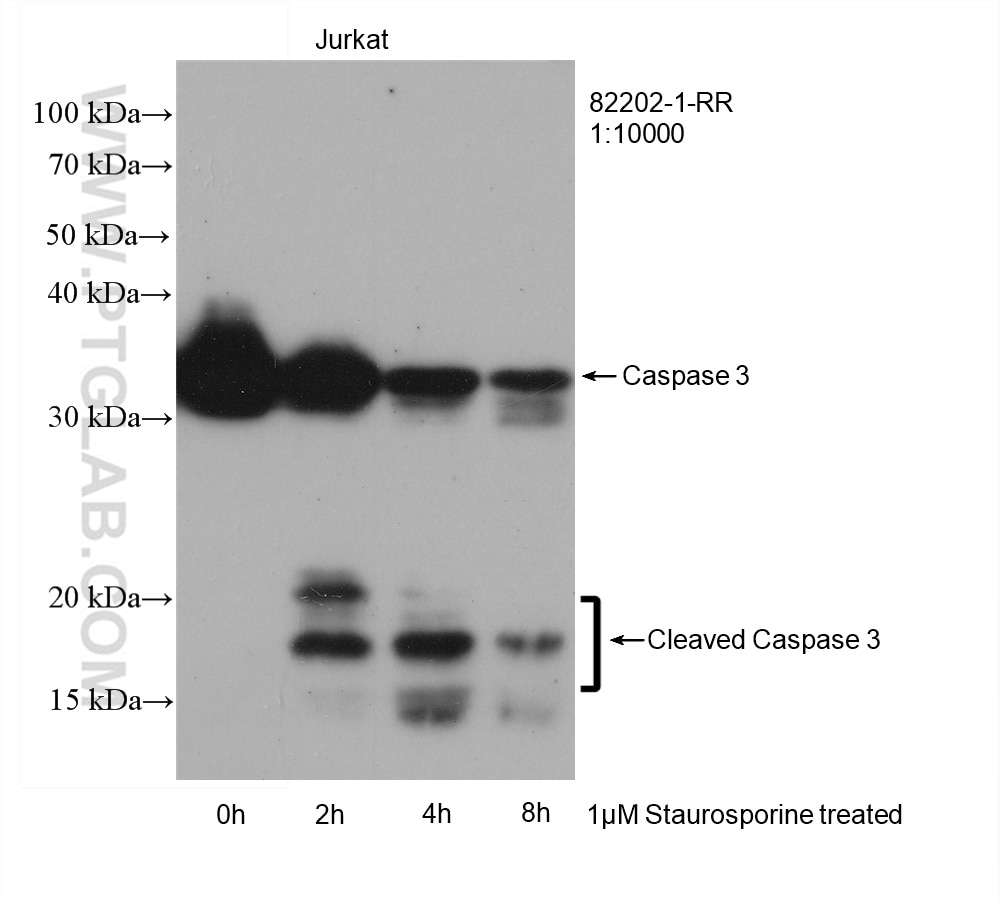
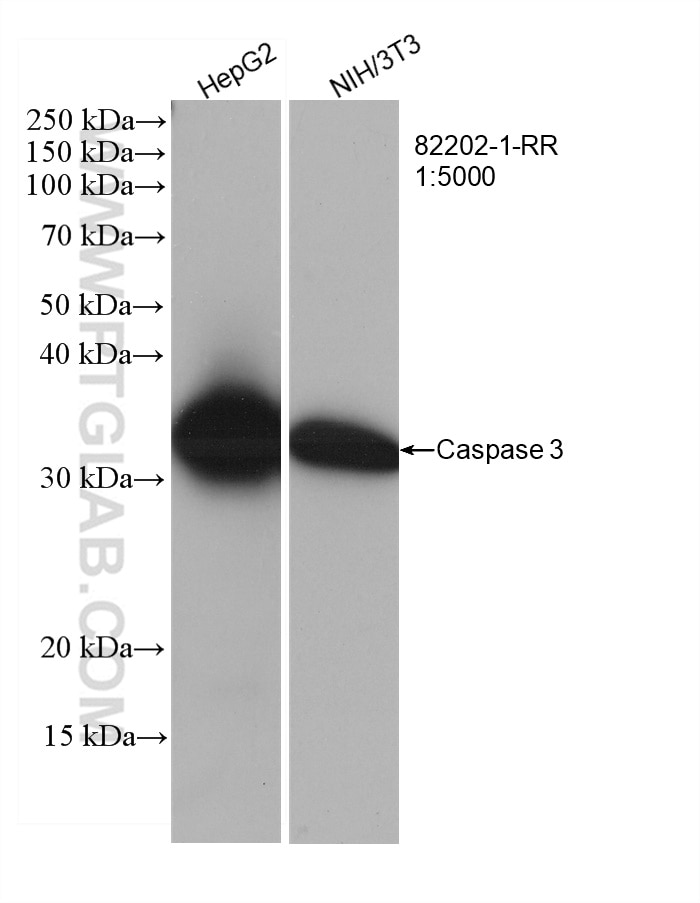
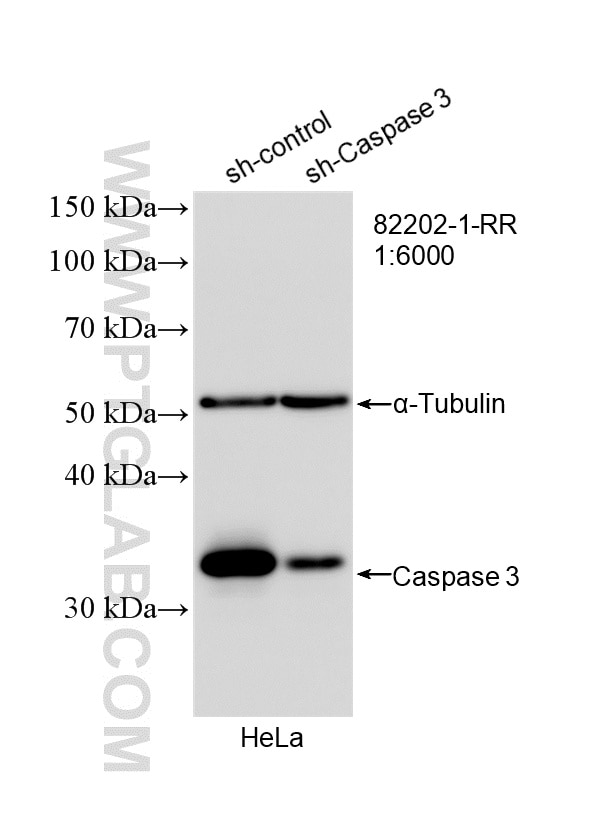
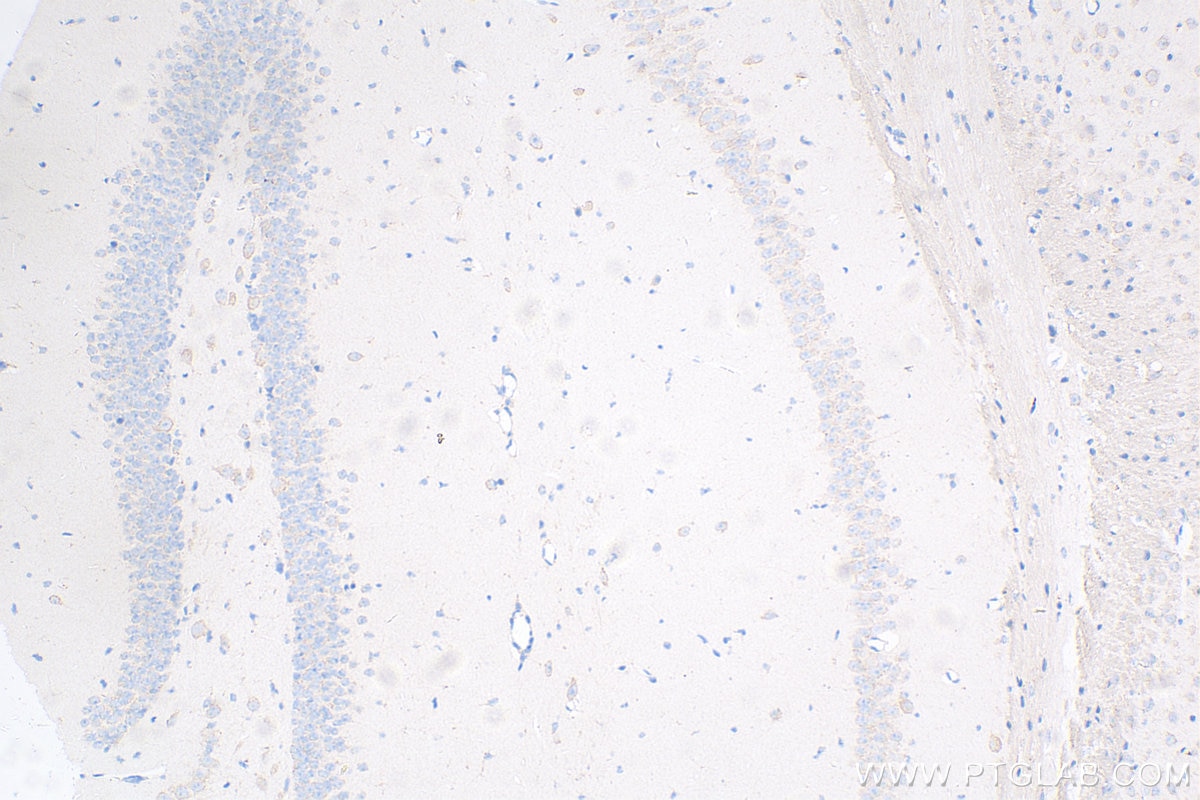
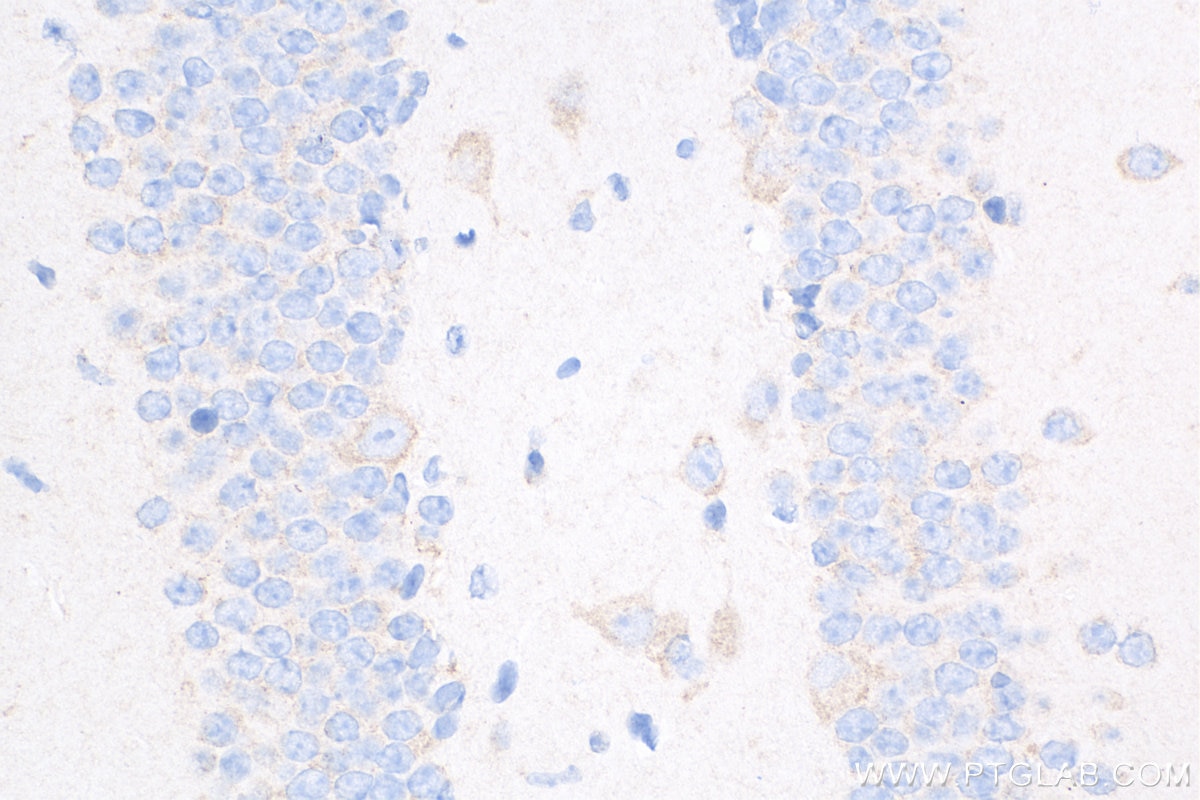
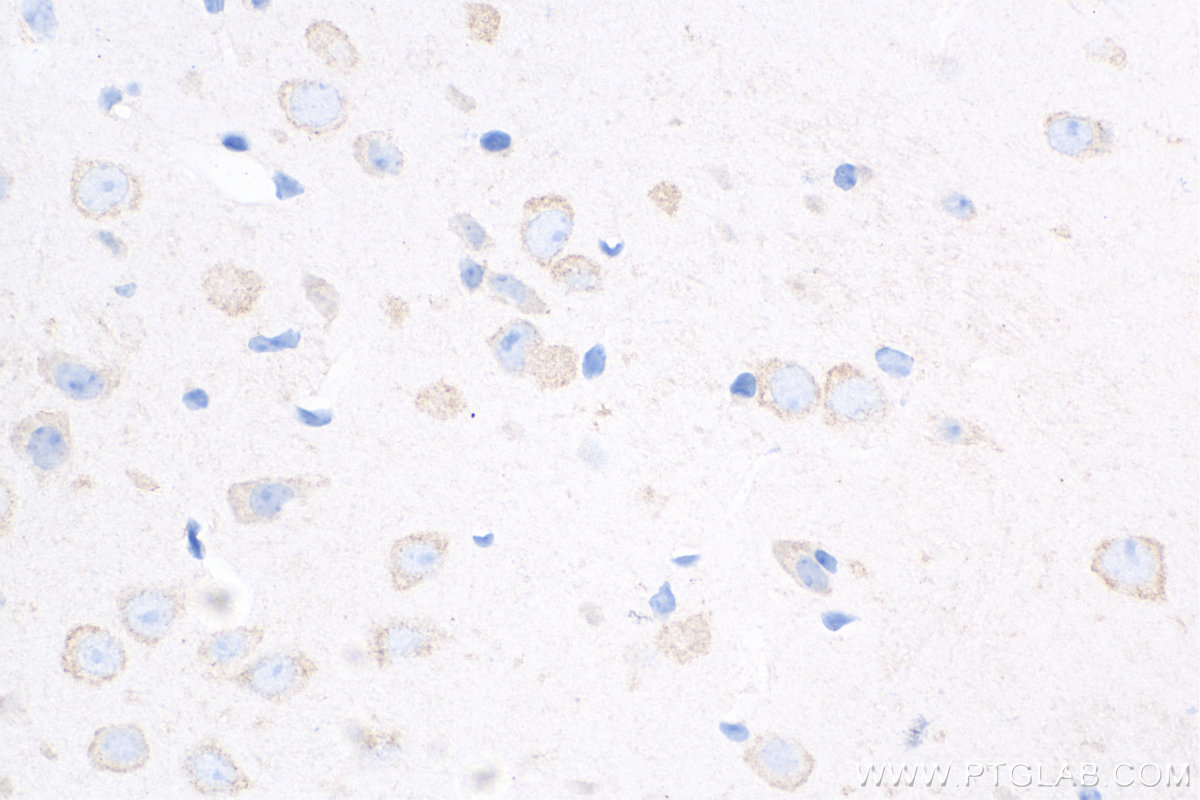
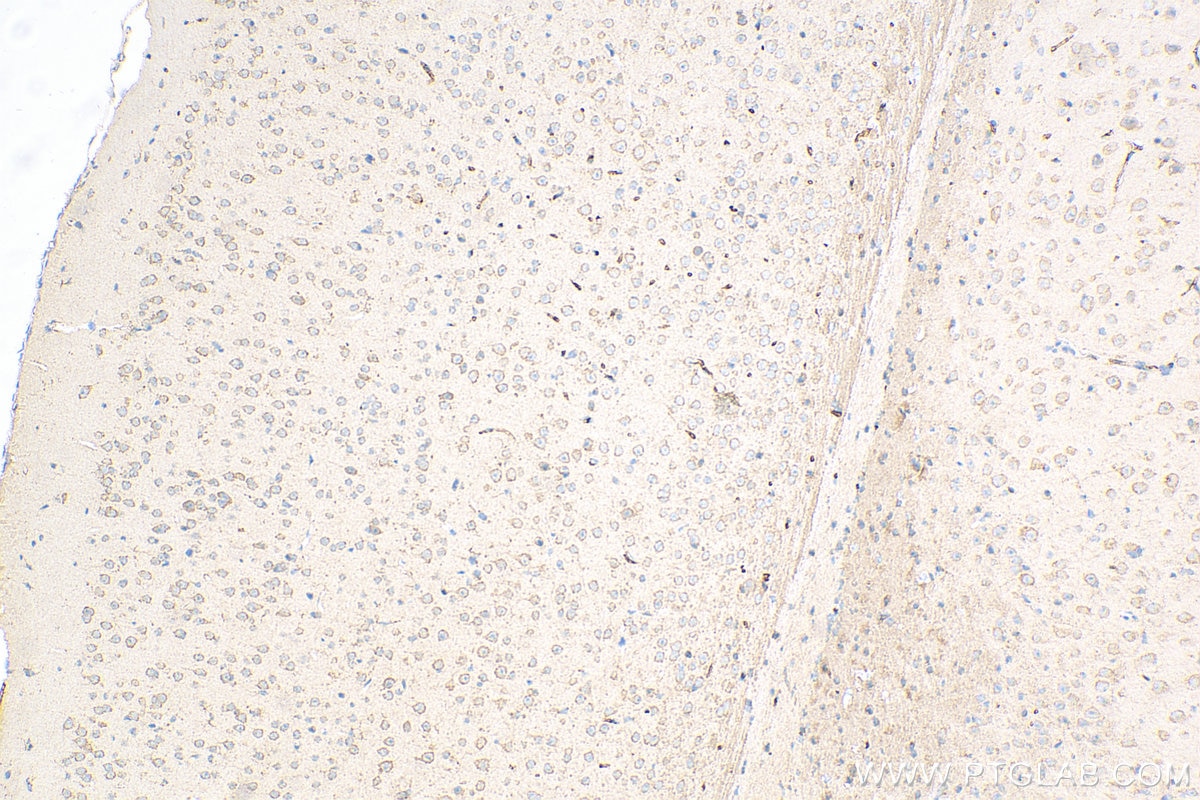
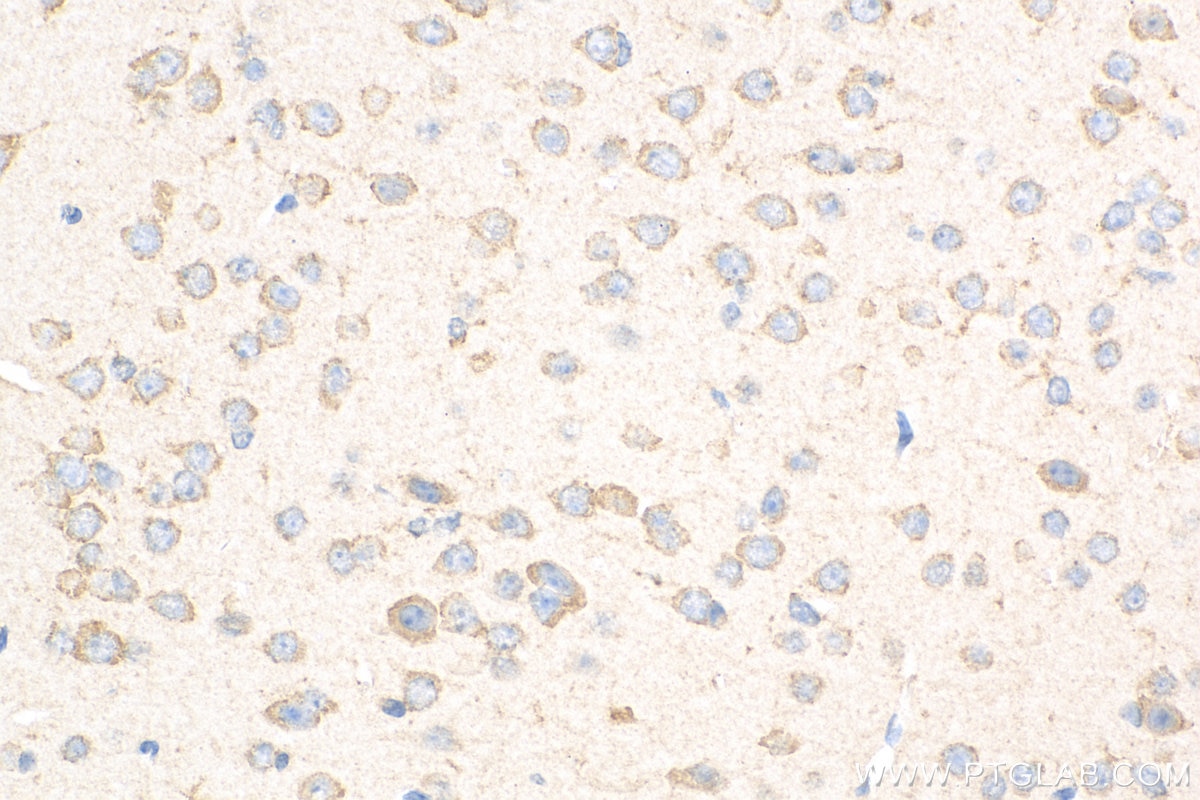
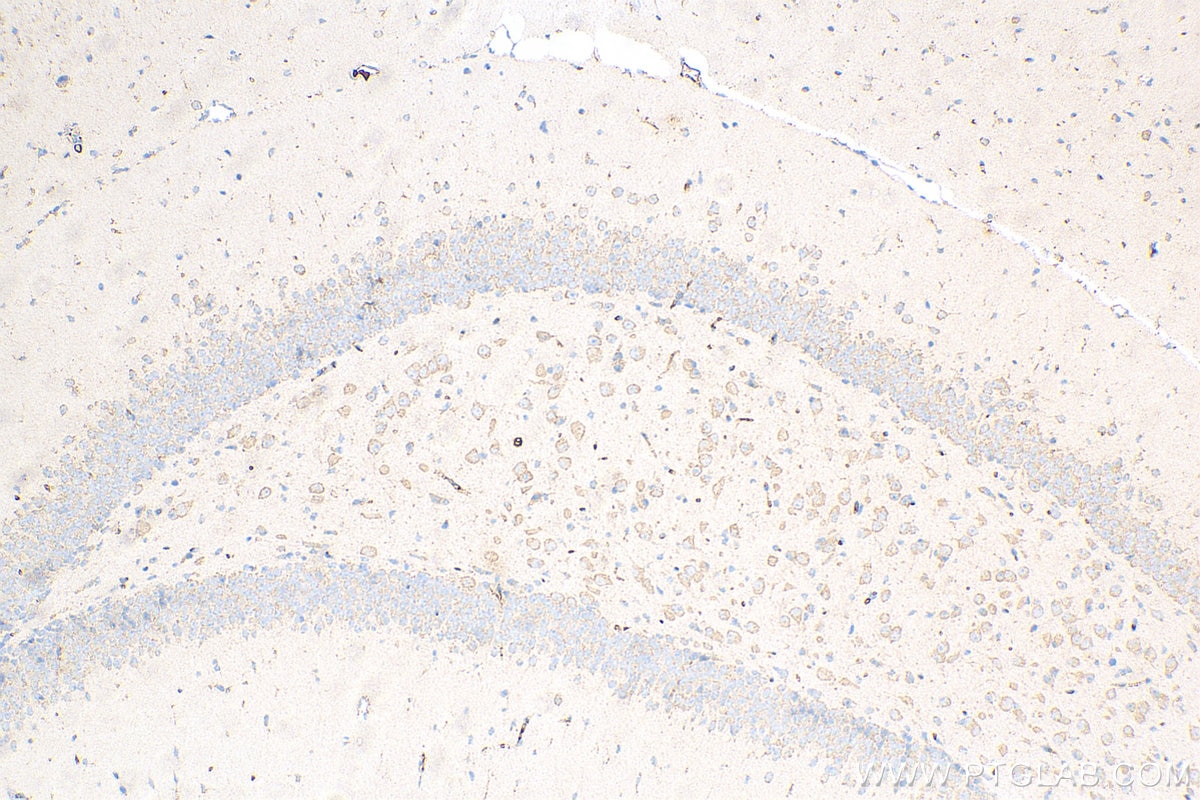
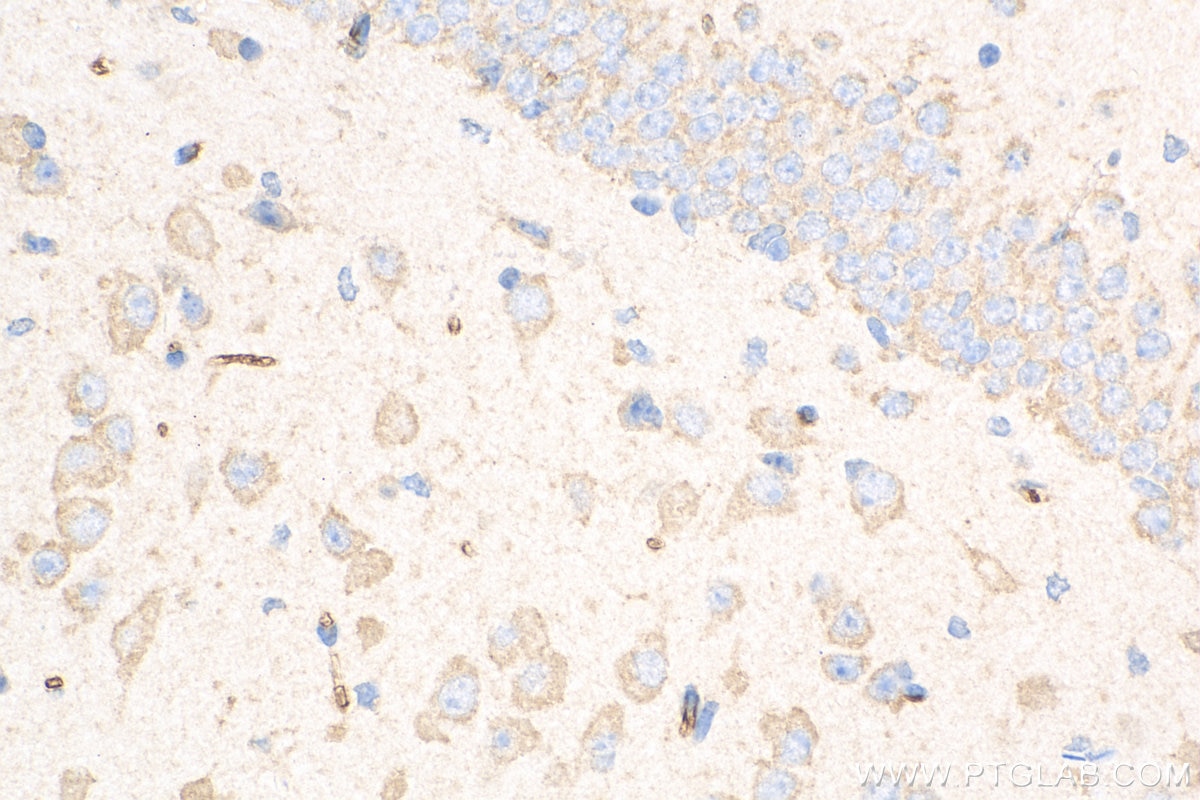
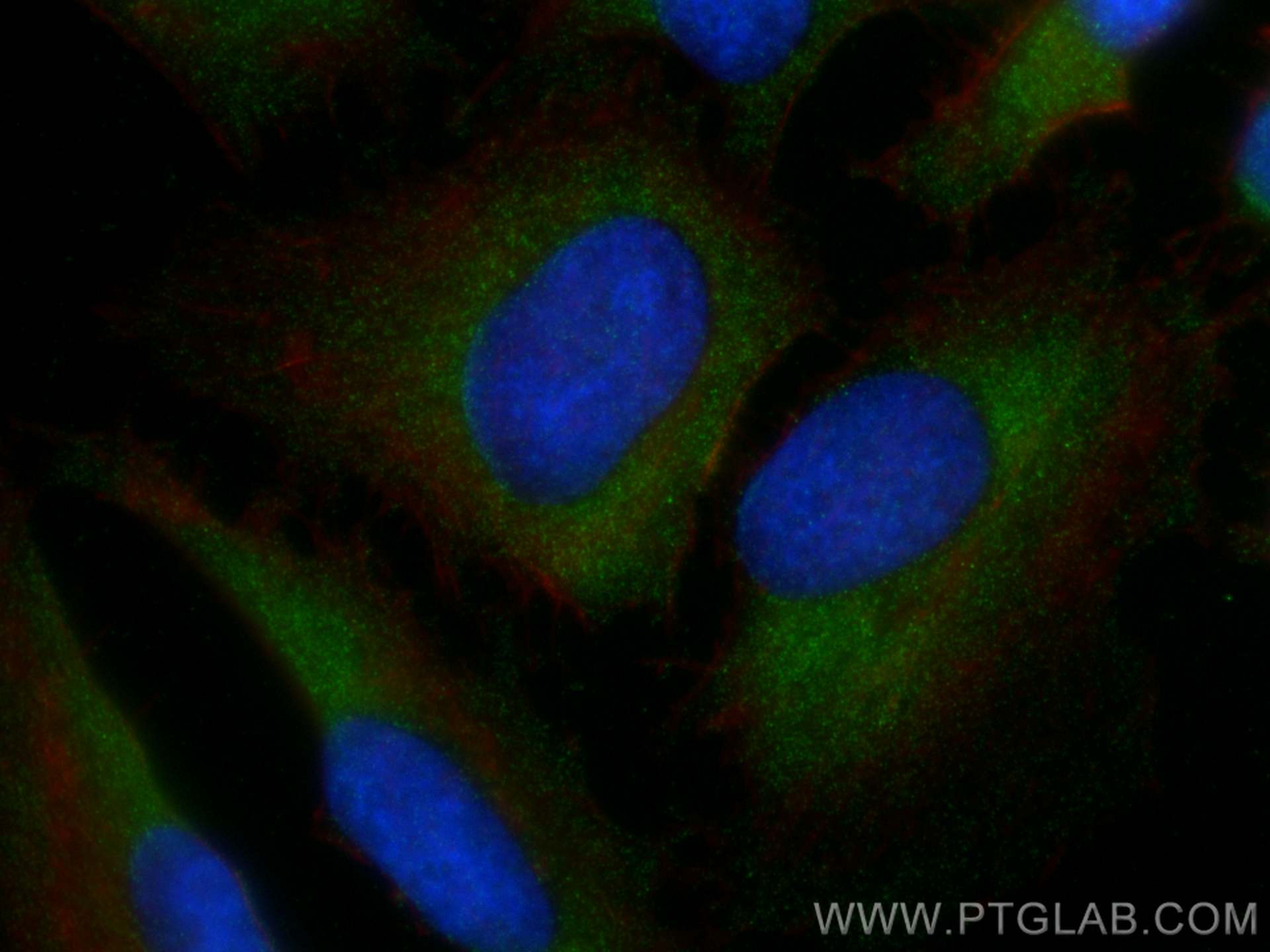
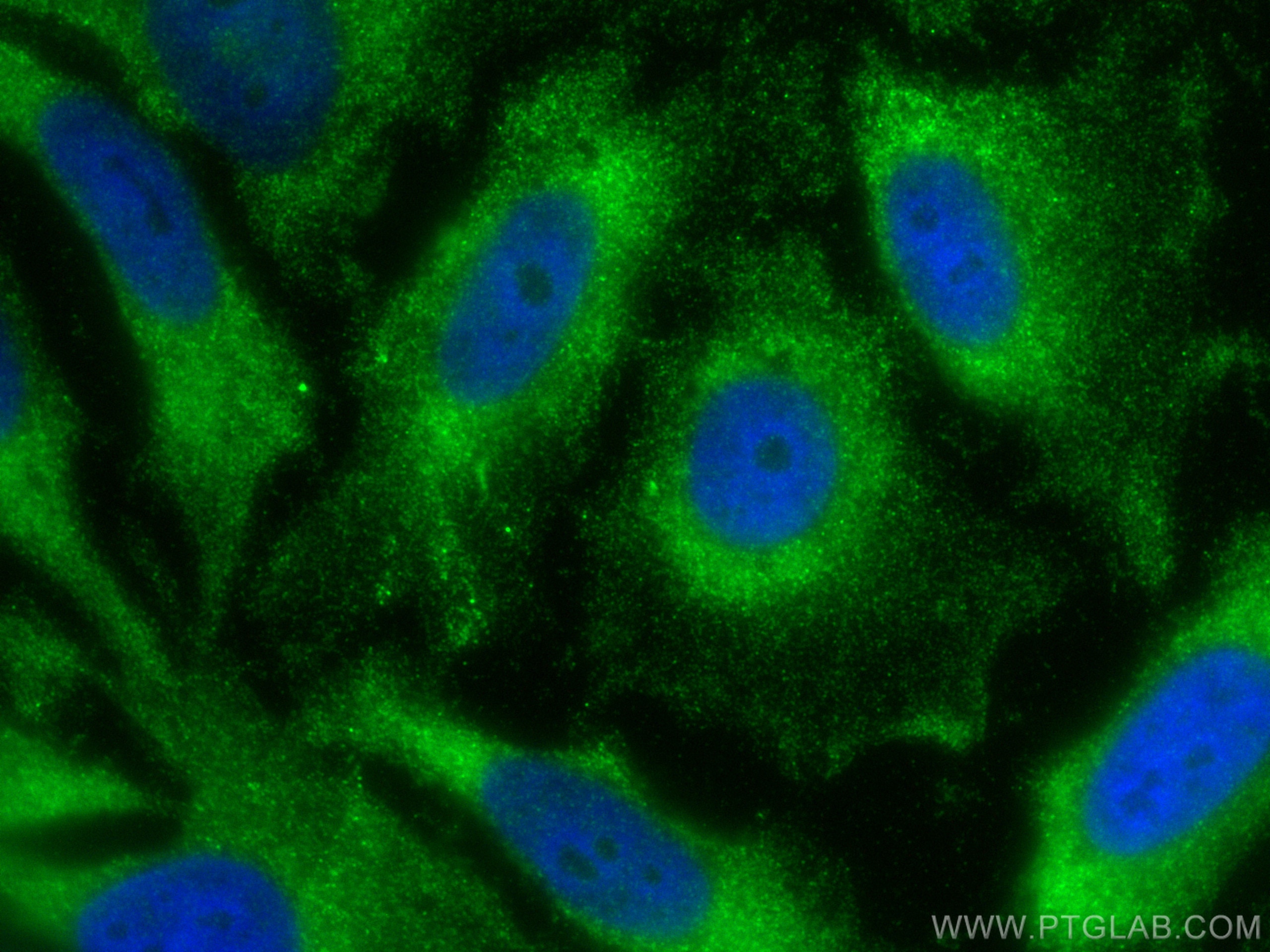
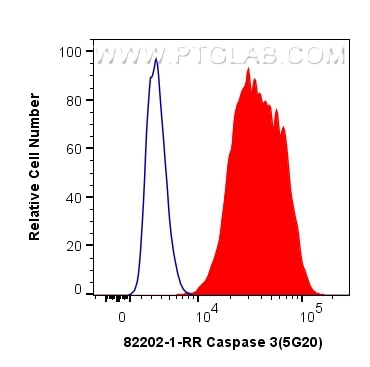
Applications testées
| Résultats positifs en WB | cellules Jurkat traitées à la staurosporine, cellules HeLa, cellules HepG2, cellules NIH/3T3 |
| Résultats positifs en IHC | tissu cérébral de souris, il est suggéré de démasquer l'antigène avec un tampon de TE buffer pH 9.0; (*) À défaut, 'le démasquage de l'antigène peut être 'effectué avec un tampon citrate pH 6,0. |
| Résultats positifs en IF/ICC | cellules HeLa, |
| Résultats positifs en FC (Intra) | cellules HepG2, |
Dilution recommandée
| Application | Dilution |
|---|---|
| Western Blot (WB) | WB : 1:5000-1:50000 |
| Immunohistochimie (IHC) | IHC : 1:250-1:1000 |
| Immunofluorescence (IF)/ICC | IF/ICC : 1:500-1:2000 |
| Flow Cytometry (FC) (INTRA) | FC (INTRA) : 0.40 ug per 10^6 cells in a 100 µl suspension |
| It is recommended that this reagent should be titrated in each testing system to obtain optimal results. | |
| Sample-dependent, check data in validation data gallery | |
Applications publiées
| WB | See 36 publications below |
| IHC | See 7 publications below |
| IF | See 4 publications below |
Informations sur le produit
82202-1-RR cible Caspase 3/P17/P19 dans les applications de WB, IHC, IF/ICC, FC (Intra), ELISA et montre une réactivité avec des échantillons Humain, souris
| Réactivité | Humain, souris |
| Réactivité citée | rat, bovin, Humain, Lapin, souris |
| Hôte / Isotype | Lapin / IgG |
| Clonalité | Recombinant |
| Type | Anticorps |
| Immunogène | Peptide |
| Nom complet | caspase 3, apoptosis-related cysteine peptidase |
| Masse moléculaire calculée | 32 kDa |
| Poids moléculaire observé | 32-35 kDa, 17 kDa, 19 kDa |
| Numéro d’acquisition GenBank | NM_004346 |
| Symbole du gène | Caspase 3 |
| Identification du gène (NCBI) | 836 |
| Conjugaison | Non conjugué |
| Forme | Liquide |
| Méthode de purification | Purification par protéine A |
| Tampon de stockage | PBS with 0.02% sodium azide and 50% glycerol |
| Conditions de stockage | Stocker à -20°C. Stable pendant un an après l'expédition. L'aliquotage n'est pas nécessaire pour le stockage à -20oC Les 20ul contiennent 0,1% de BSA. |
Informations générales
Caspases, a family of endoproteases, are critical players in cell regulatory networks controlling inflammation and cell death. Initiator caspases (caspase-2, -8, -9, -10, -11, and -12) cleave and activate downstream effector caspases (caspase-3, -6, and -7), which in turn execute apoptosis by cleaving targeted cellular proteins. Caspase 3 (also named CPP32, SCA-1, and Apopain) proteolytically cleaves poly(ADP-ribose) polymerase (PARP) at the beginning of apoptosis. Caspase 3 plays a key role in the activation of sterol regulatory element binding proteins (SREBPs) between the basic helix-loop-helix leucine zipper domain and the membrane attachment domain. Caspase 3 can also form heterocomplex with other proteins and performs the molecular mass of 50-70 kDa. This antibody can recognize p17, p19 and p32 of Caspase 3.
Protocole
| Product Specific Protocols | |
|---|---|
| WB protocol for Caspase 3/P17/P19 antibody 82202-1-RR | Download protocol |
| IHC protocol for Caspase 3/P17/P19 antibody 82202-1-RR | Download protocol |
| IF protocol for Caspase 3/P17/P19 antibody 82202-1-RR | Download protocol |
| Standard Protocols | |
|---|---|
| Click here to view our Standard Protocols |
Publications
| Species | Application | Title |
|---|---|---|
Int Immunopharmacol CSF1R inhibition agents protect against cisplatin ototoxicity and synergize with immunotherapy for Head and Neck Squamous Cell Carcinoma | ||
Acta Biochim Biophys Sin (Shanghai) Magnolol promotes the autophagy of esophageal carcinoma cells by upregulating HACE1 gene expression | ||
Biomol Biomed A repeated strike loading organ culture model for studying compression-associated chronic disc degeneration | ||
Int J Chron Obstruct Pulmon Dis Effective-Component Compatibility of Bufei Yishen Formula III Suppresses Mitochondrial Oxidative Damage in COPD: Via Pkm2/Nrf2 Pathway | ||
Biomater Res Genetically Modified Hepatocytes Targeting Bilirubin and Ammonia Metabolism for the Construction of Bioartificial Liver System | ||
Front Chem New molecular mechanisms of quercetin in improving recurrent spontaneous abortion based on in-depth network pharmacology and molecular docking |

