Anticorps Polyclonal de lapin anti-Cathepsin A
Cathepsin A Polyclonal Antibody for WB, IHC, Indirect ELISA
Hôte / Isotype
Lapin / IgG
Réactivité testée
Humain, rat, souris
Applications
WB, IHC, Indirect ELISA
Conjugaison
Non conjugué
N° de cat : 15020-1-PBS
Synonymes
Galerie de données de validation
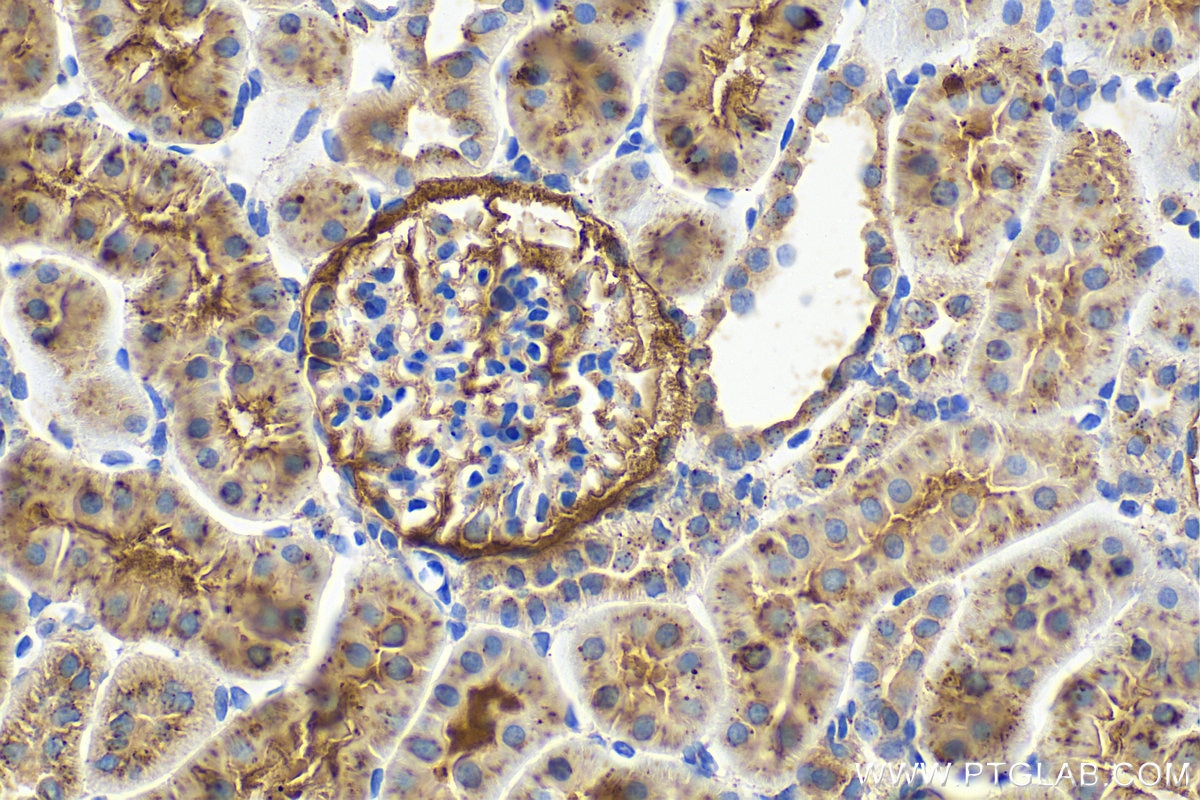
Informations sur le produit
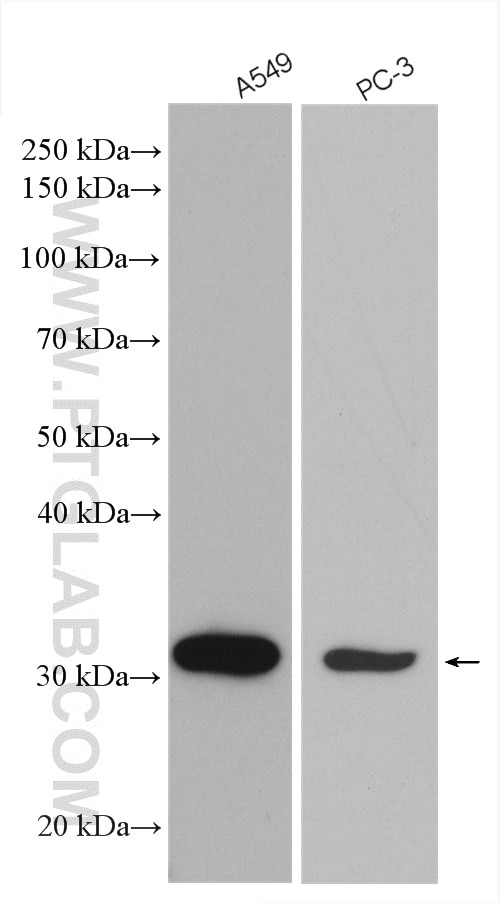
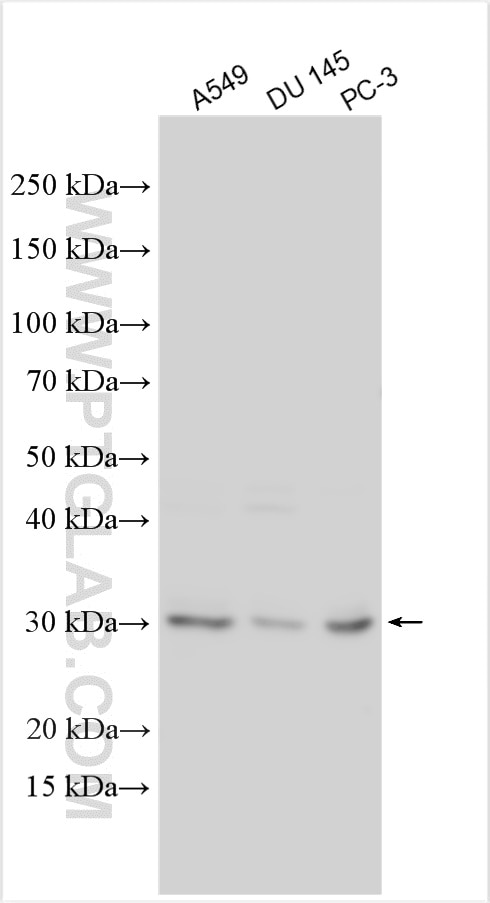
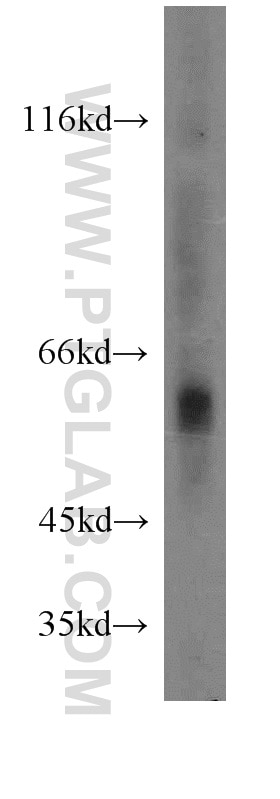
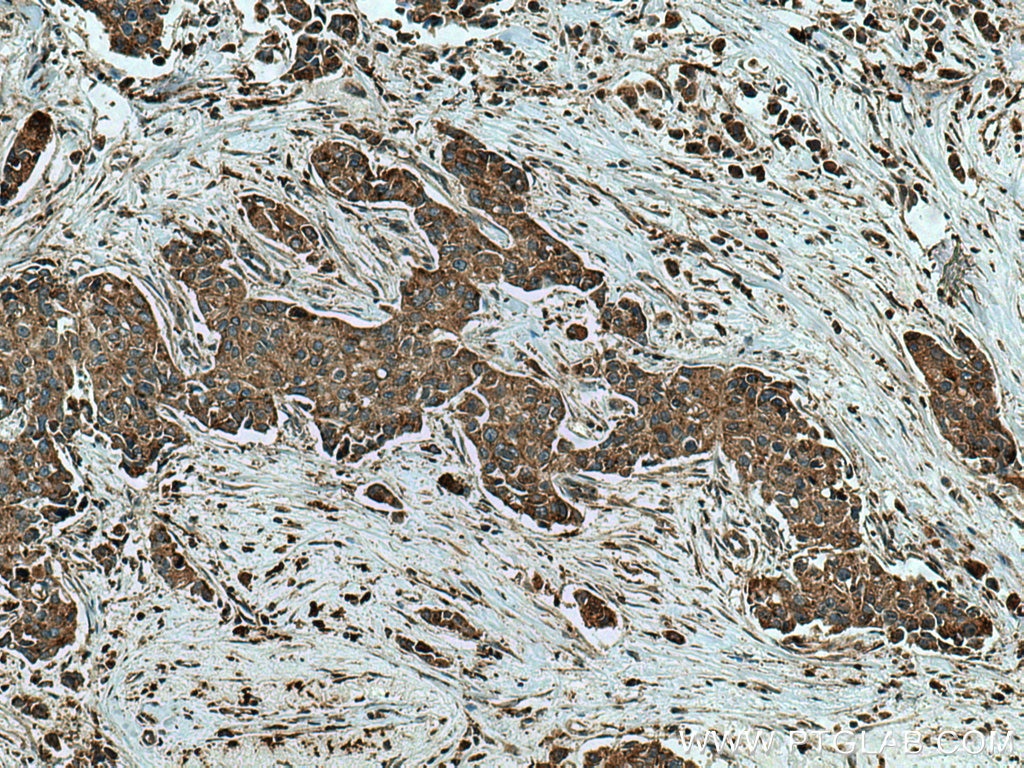
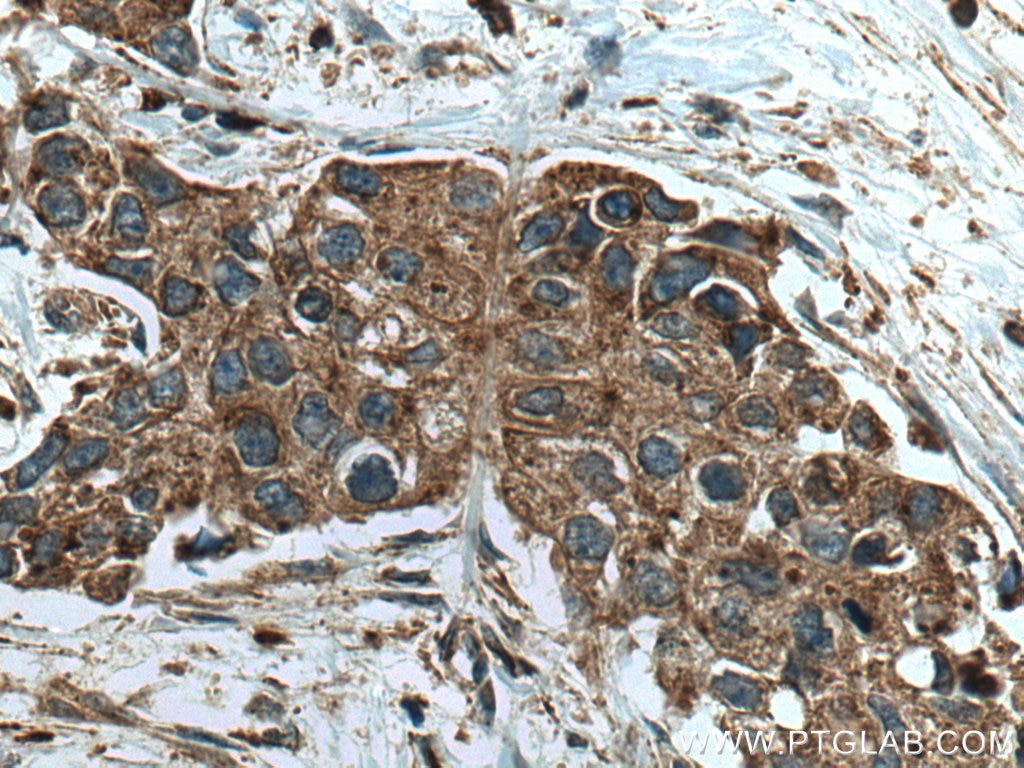
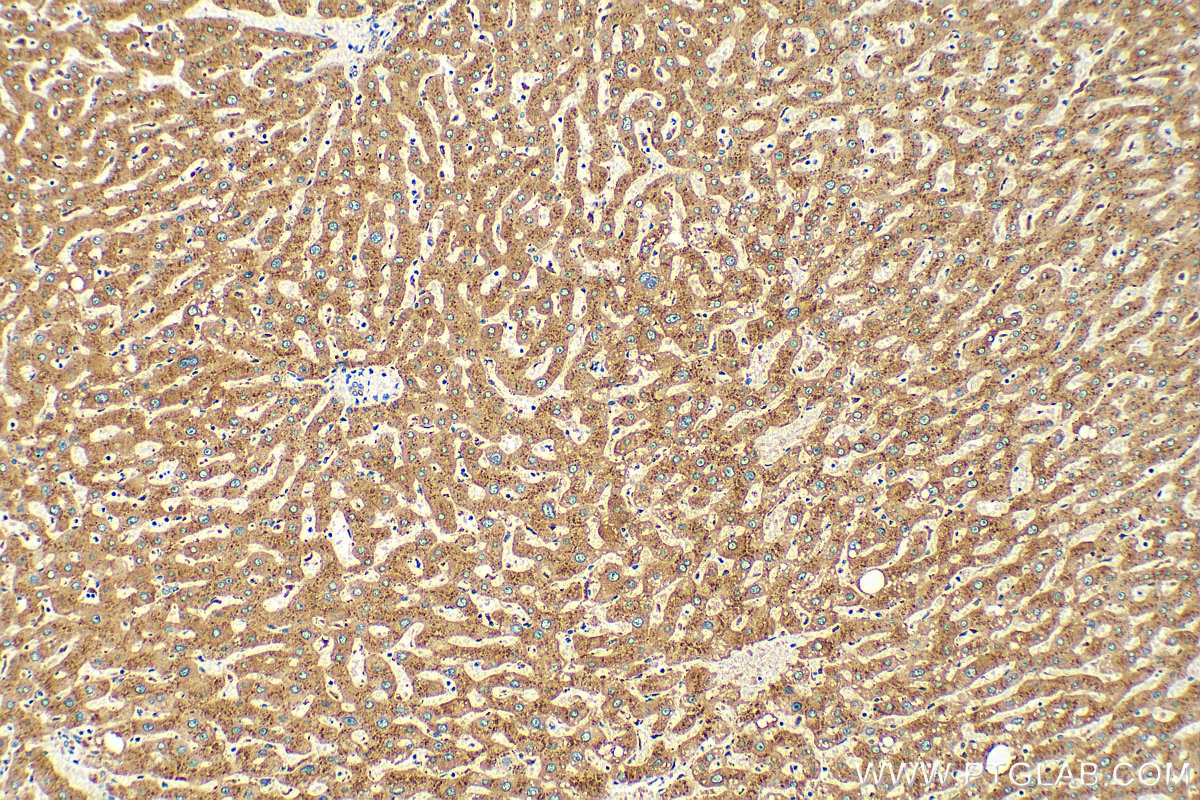
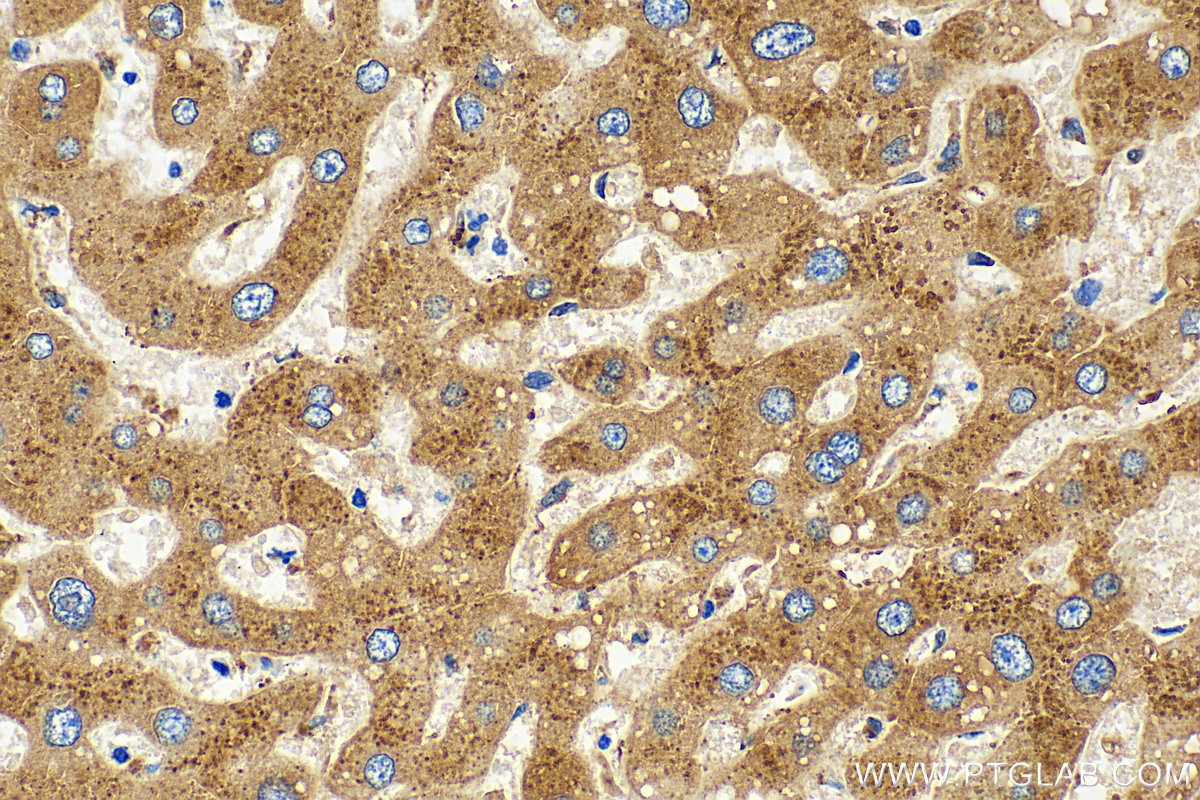
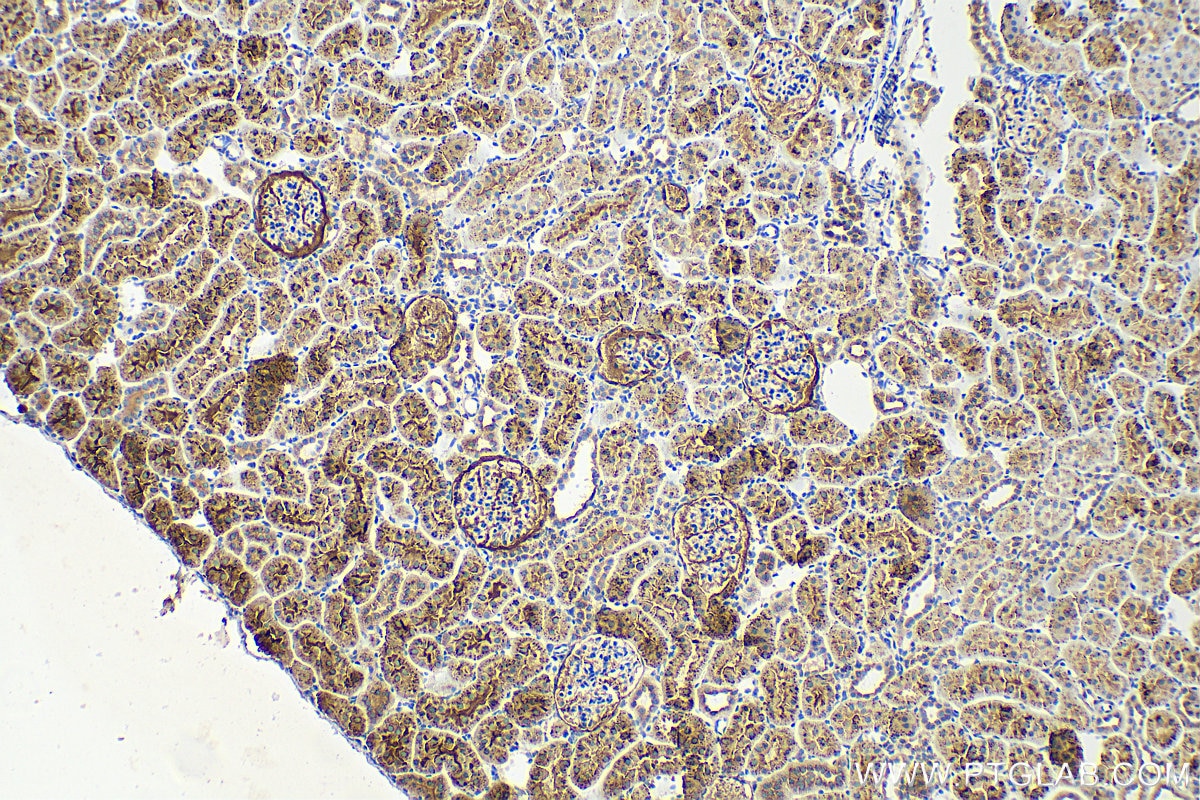
15020-1-PBS cible Cathepsin A dans les applications de WB, IHC, Indirect ELISA et montre une réactivité avec des échantillons Humain, rat, souris
| Réactivité | Humain, rat, souris |
| Hôte / Isotype | Lapin / IgG |
| Clonalité | Polyclonal |
| Type | Anticorps |
| Immunogène | Cathepsin A Protéine recombinante Ag7073 |
| Nom complet | cathepsin A |
| Masse moléculaire calculée | 54 kDa |
| Poids moléculaire observé | 54-60, 32, 20 kDa |
| Numéro d’acquisition GenBank | BC000597 |
| Symbole du gène | Cathepsin A |
| Identification du gène (NCBI) | 5476 |
| Conjugaison | Non conjugué |
| Forme | Liquide |
| Méthode de purification | Purification par affinité contre l'antigène |
| Tampon de stockage | PBS only |
| Conditions de stockage | Store at -80°C. 20ul contiennent 0,1% de BSA. |
Informations générales
CTSA is also named as PPGB(protective protein for beta-galactosidase), PPCA(protective protein cathepsin A), cathepsin A, carboxypeptidase C, carboxypeptidase L and belongs to the peptidase S10 family. It is a ubiquitously expressed multifunctional enzyme, with deamidase, esterase, and carboxypeptidase activities and a preference for substrates with hydrophobic amino acid residues at the P1-prime position. It can be cleaved into the following 2 chains and defects in CTSA are the cause of galactosialidosis (GSL). This protein has 2 glycosylation sites. CTSA is synthesized as a 54-kDa precursor protein and composed of 32- and 20-kDa subunits linked together by disulfide bonds(PMID: 16461364,19574551).


