- Phare
- Validé par KD/KO
Anticorps Monoclonal anti-Cathepsin D
Cathepsin D Monoclonal Antibody for WB, IHC, IF/ICC, FC (Intra), ELISA
Hôte / Isotype
Mouse / IgG2b
Réactivité testée
Humain
Applications
WB, IHC, IF/ICC, FC (Intra), ELISA
Conjugaison
Non conjugué
CloneNo.
2F6F7
N° de cat : 66534-1-PBS
Synonymes
Galerie de données de validation
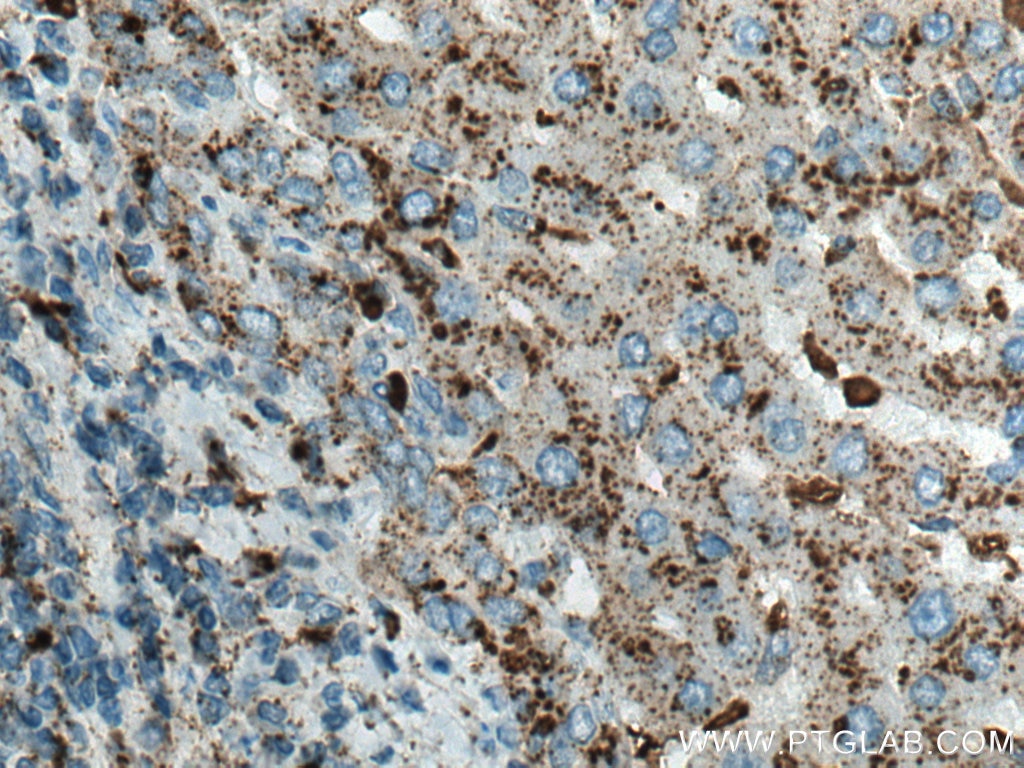
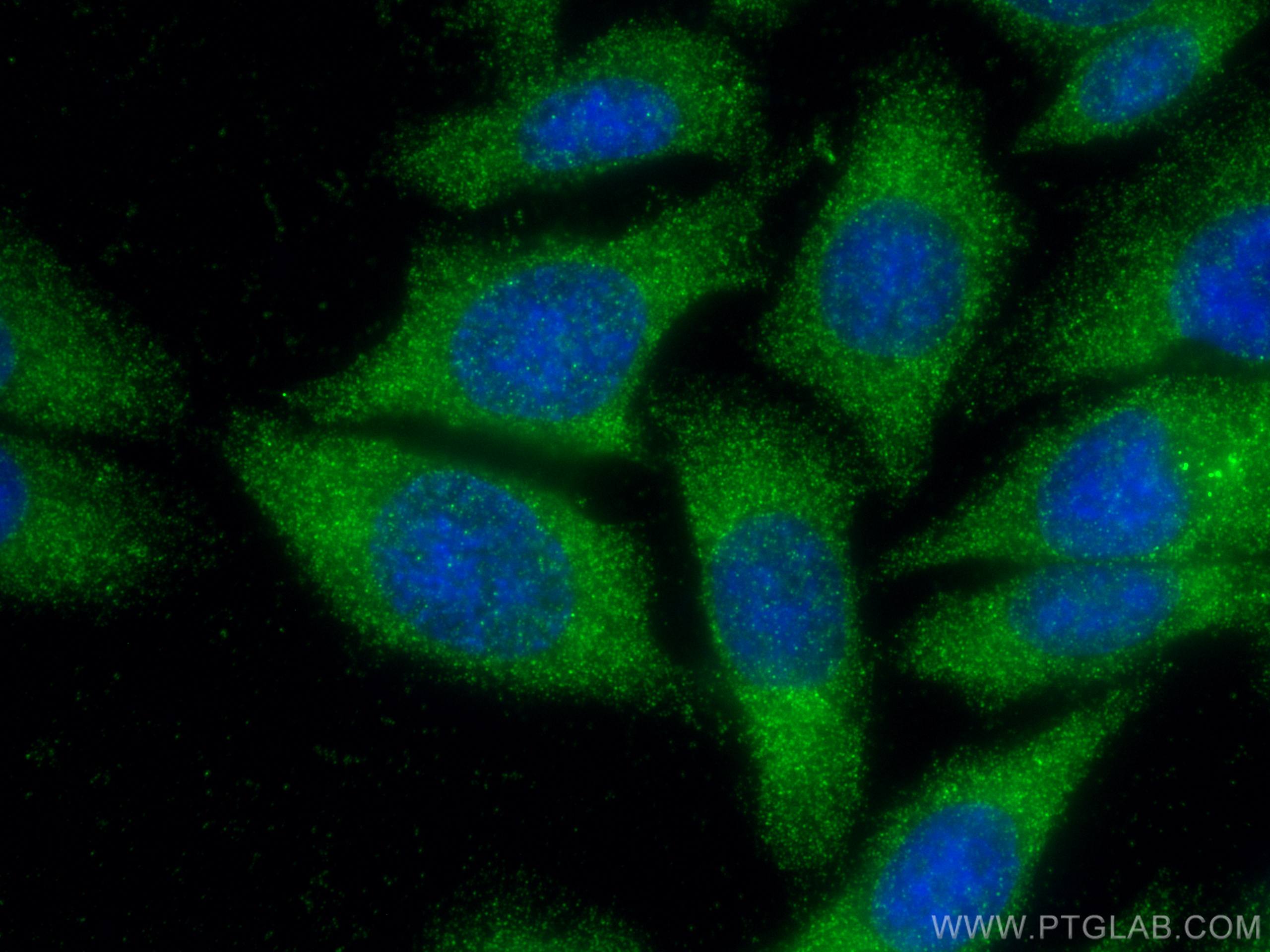
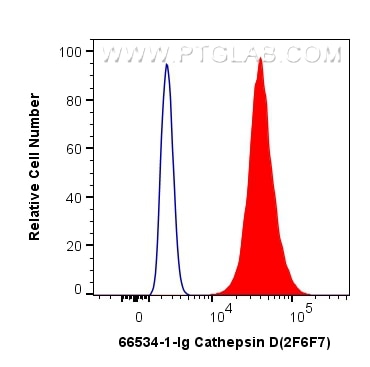
Informations sur le produit
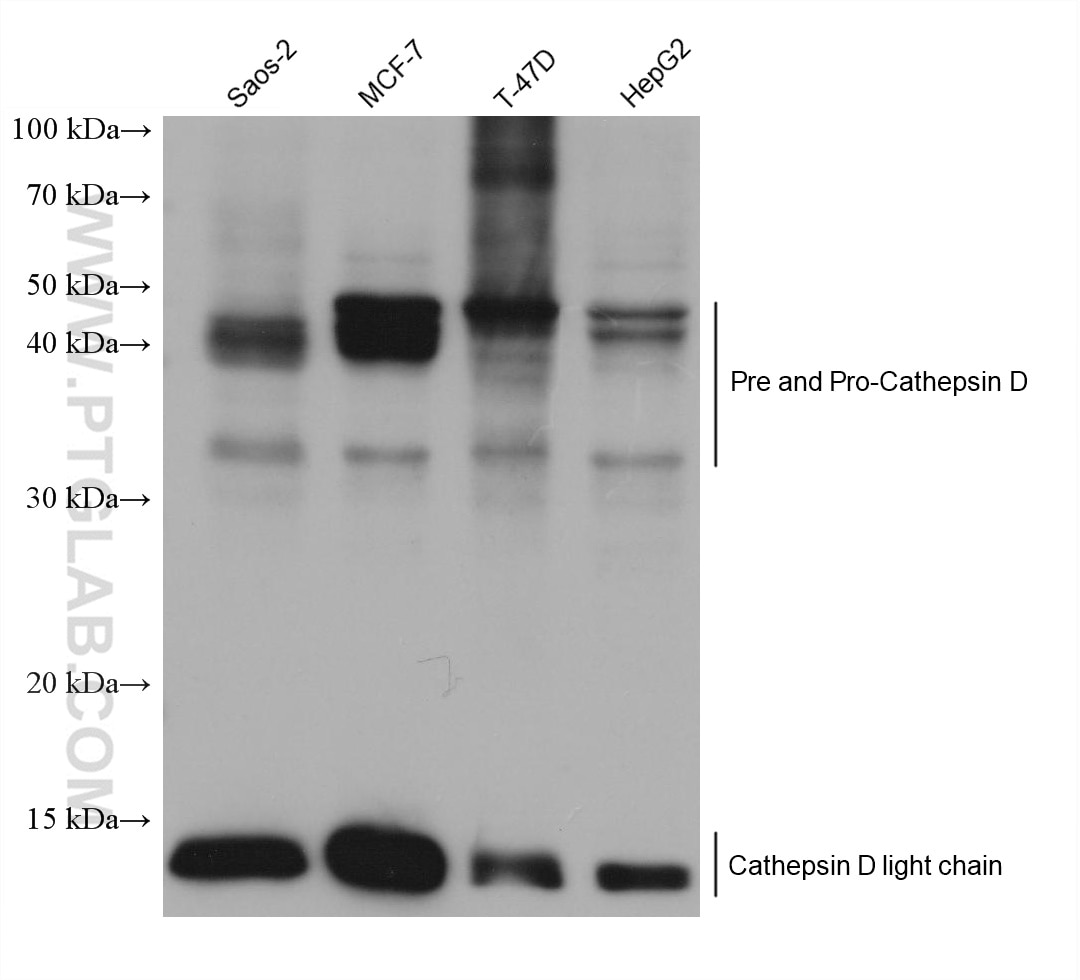
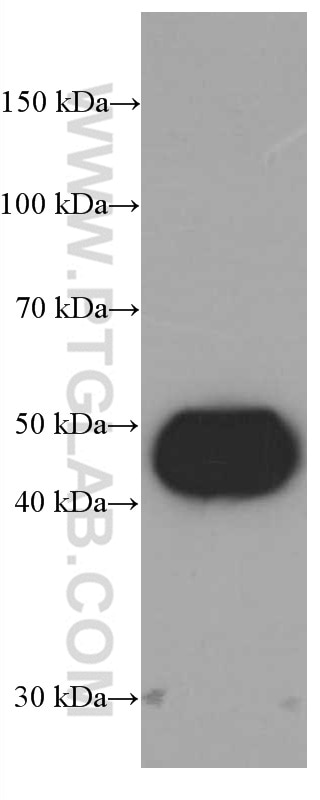
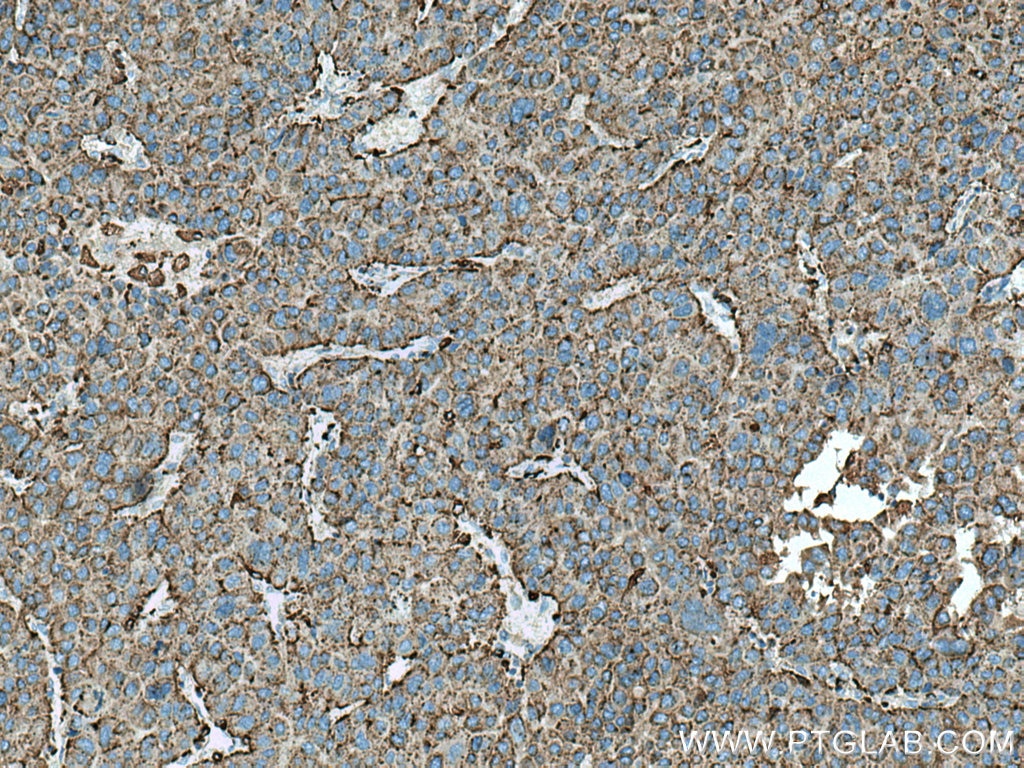
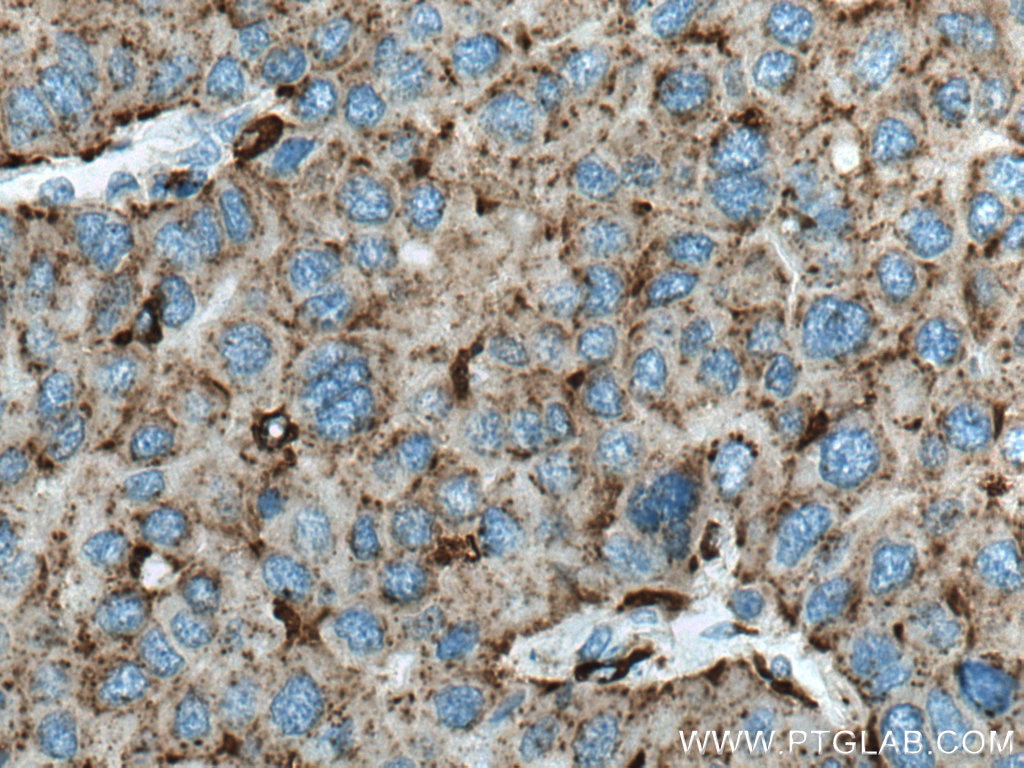
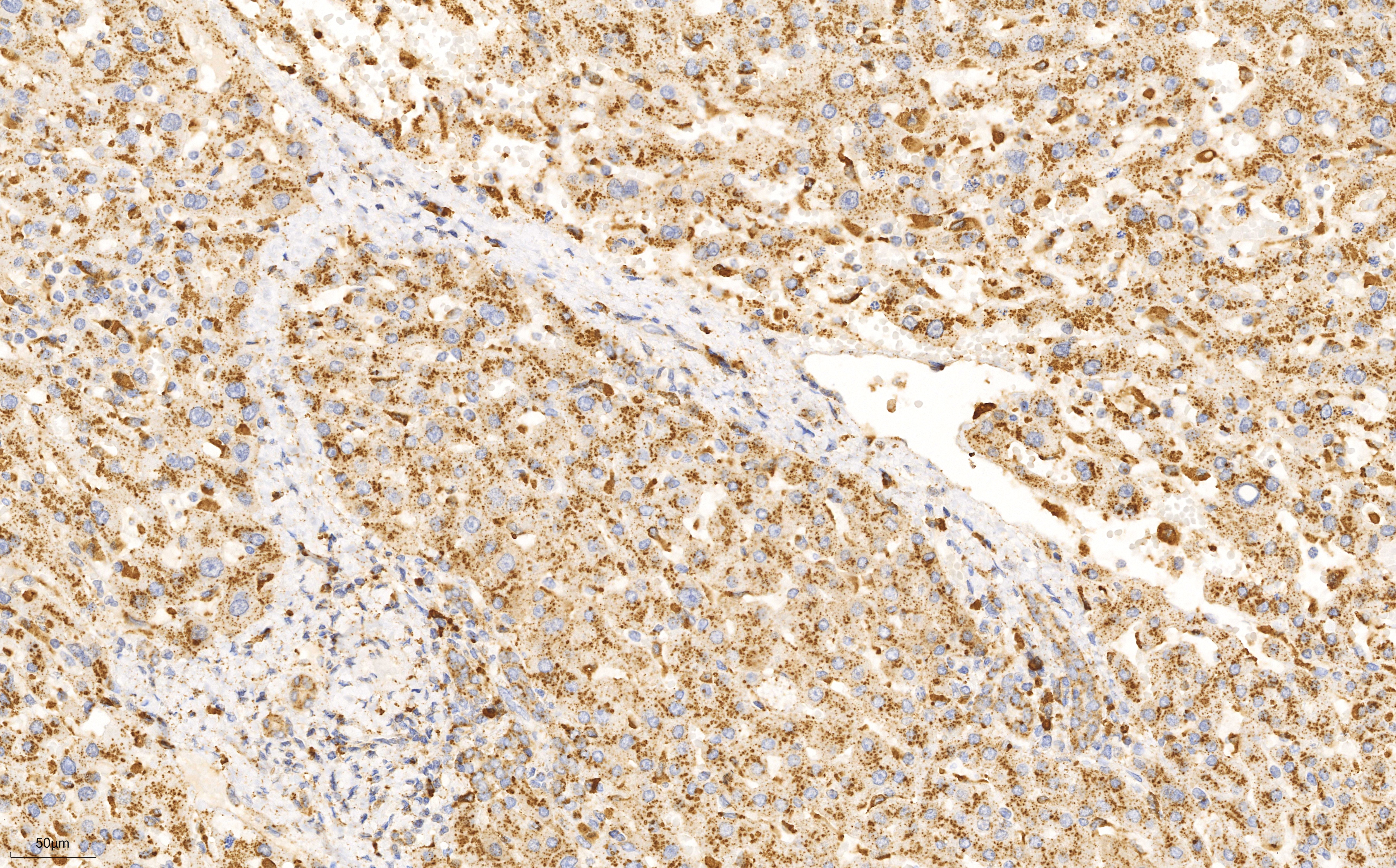
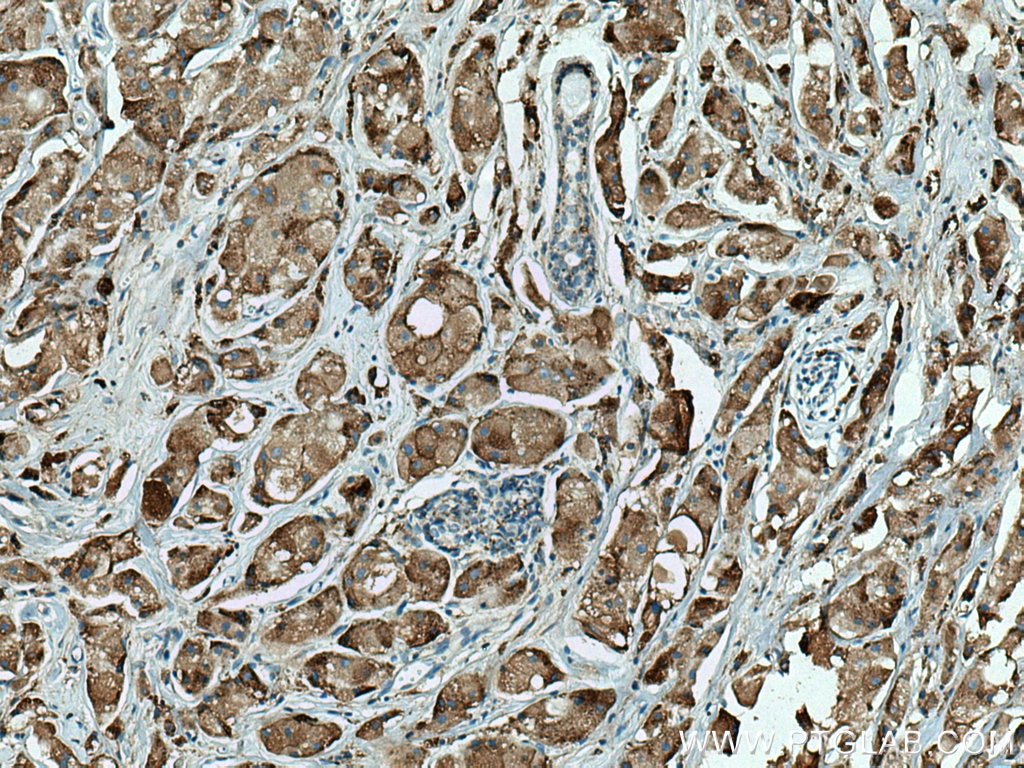
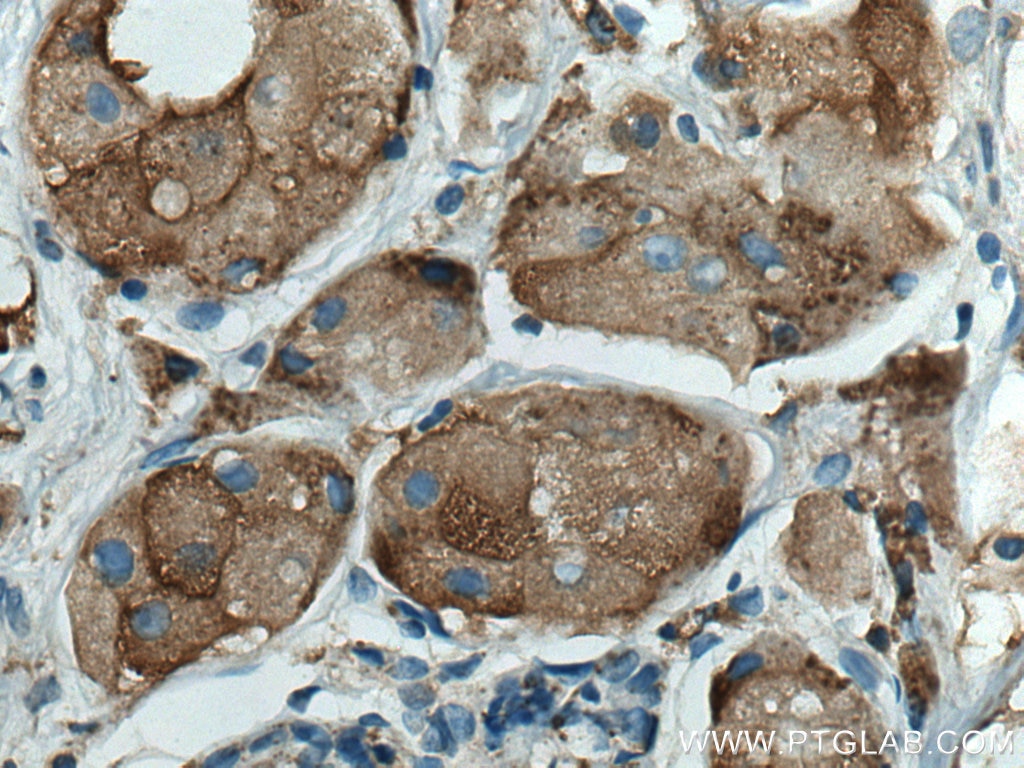
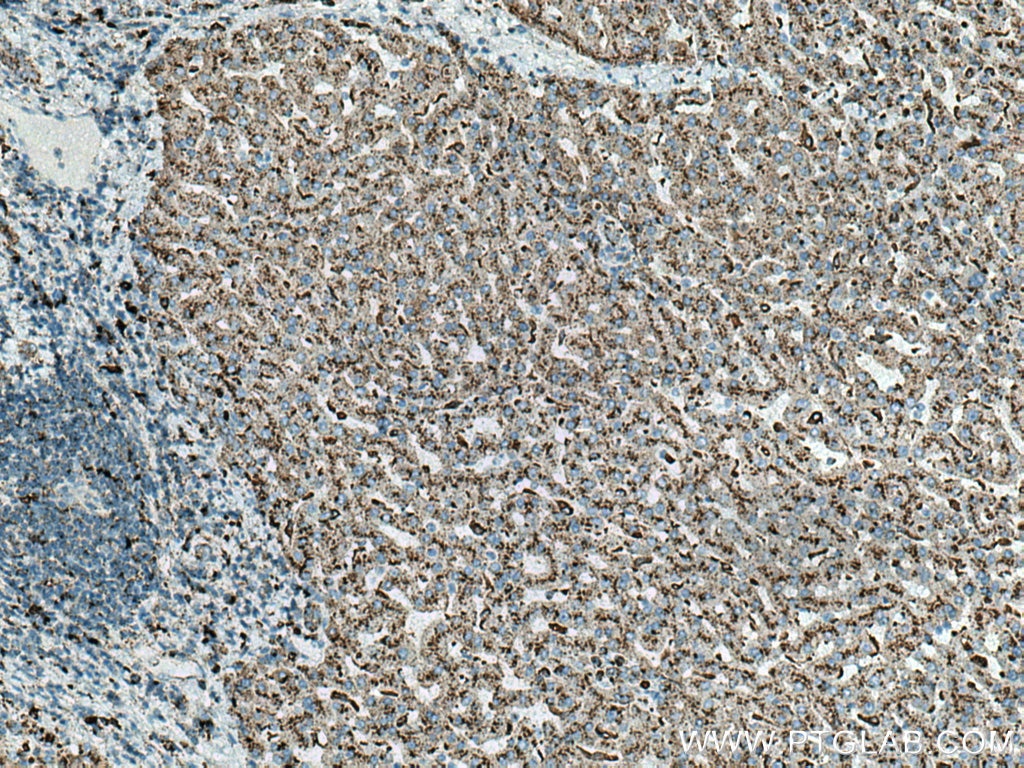
66534-1-PBS cible Cathepsin D dans les applications de WB, IHC, IF/ICC, FC (Intra), ELISA et montre une réactivité avec des échantillons Humain
| Réactivité | Humain |
| Hôte / Isotype | Mouse / IgG2b |
| Clonalité | Monoclonal |
| Type | Anticorps |
| Immunogène | Cathepsin D Protéine recombinante Ag15254 |
| Nom complet | cathepsin D |
| Masse moléculaire calculée | 412 aa, 45 kDa |
| Poids moléculaire observé | 32 kDa, 48 kDa, 52 kDa |
| Numéro d’acquisition GenBank | BC016320 |
| Symbole du gène | Cathepsin D |
| Identification du gène (NCBI) | 1509 |
| Conjugaison | Non conjugué |
| Forme | Liquide |
| Méthode de purification | Purification par protéine A |
| Tampon de stockage | PBS only |
| Conditions de stockage | Store at -80°C. 20ul contiennent 0,1% de BSA. |
Informations générales
CTSD (Cathepsin D) also named CPSD, belongs to the peptidase A1 family. It is ubiquitously expressed and is involved in proteolytic degradation, cell invasion, and apoptosis. Human CTSD is synthesized as a 52-kDa precursor that is converted into an active 48-kDa single-chain intermediate in the endosomes, and then into a fully active mature form, composed of a 34-kDa heavy chain and a 14-kDa light chain, in the lysosomes. It is a lysosomal acid protease found in neutrophils and monocytes and involved in the pathogenesis of several diseases such as breast cancer and possibly Alzheimer disease (PMID: 27114232, PMID: 30717773, PMID: 30051532).


