- Phare
- Validé par KD/KO
Anticorps Polyclonal de lapin anti-Cathepsin K
Cathepsin K Polyclonal Antibody for WB, IHC, IF/ICC, IF-P, IP, Indirect ELISA
Hôte / Isotype
Lapin / IgG
Réactivité testée
Humain, rat, souris
Applications
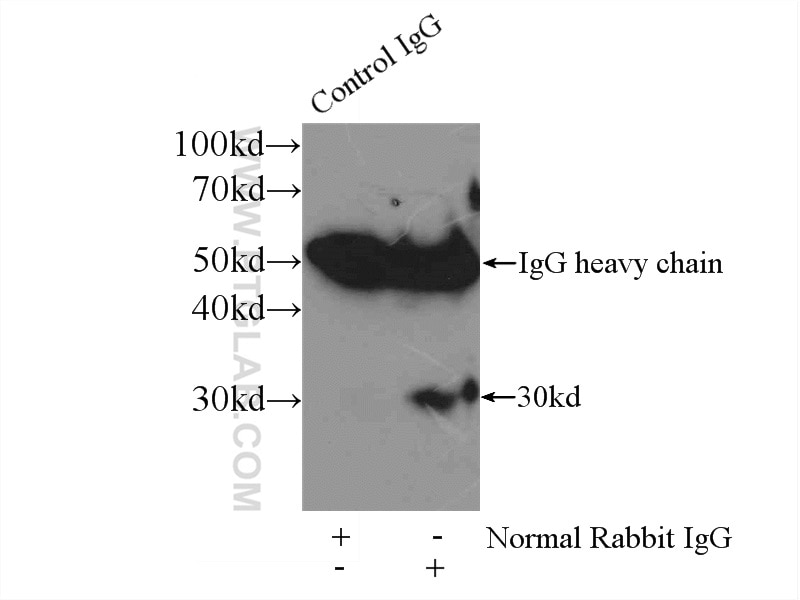
WB, IHC, IF/ICC, IF-P, IP, Indirect ELISA
Conjugaison
Non conjugué
N° de cat : 11239-1-PBS
Synonymes
Galerie de données de validation
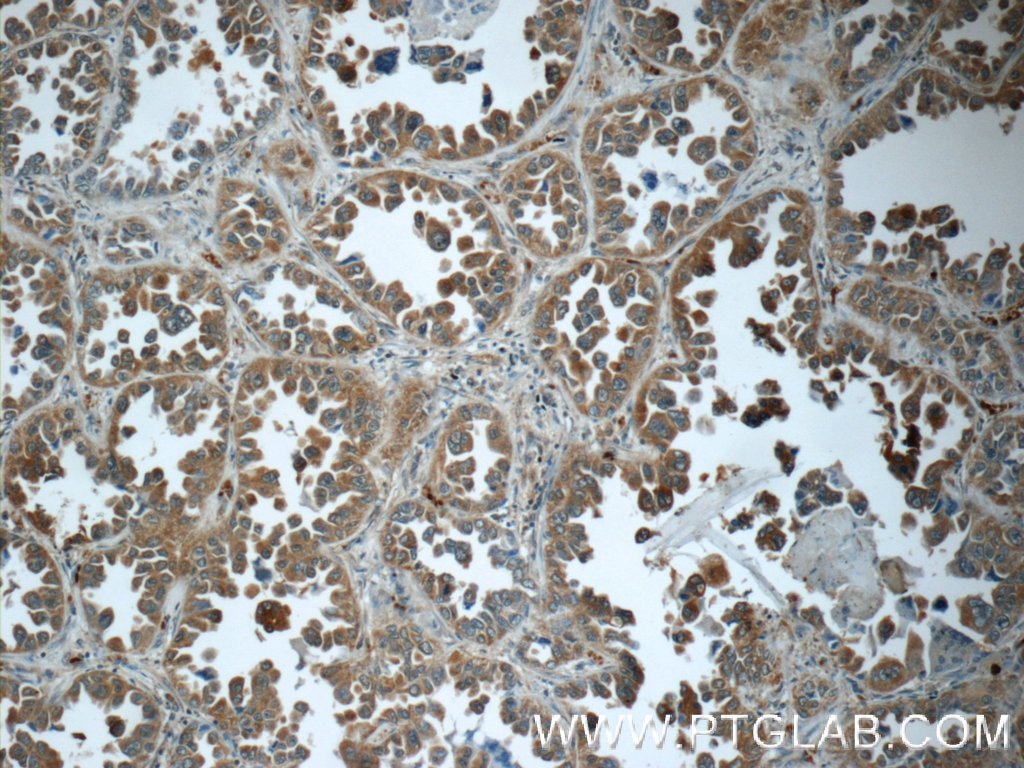
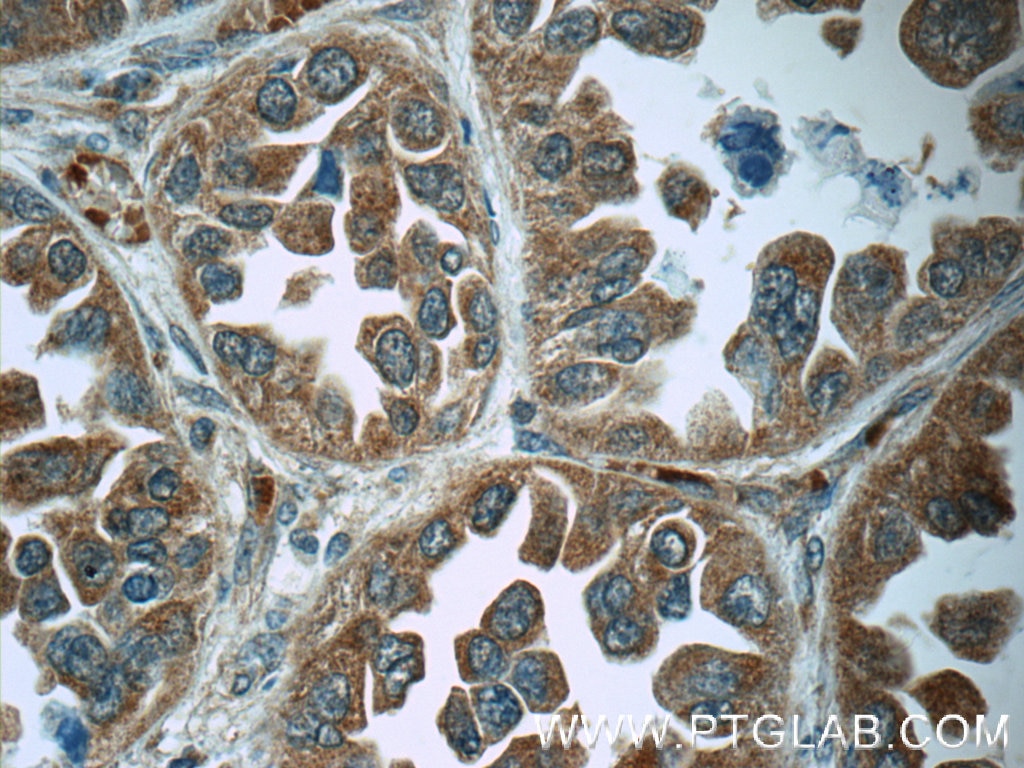
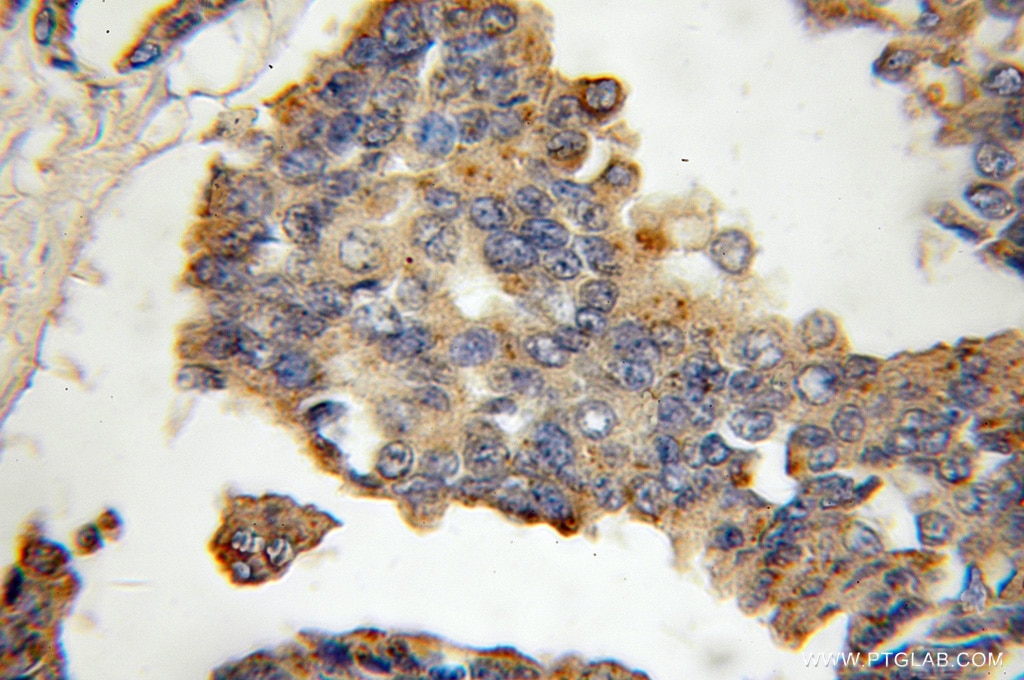
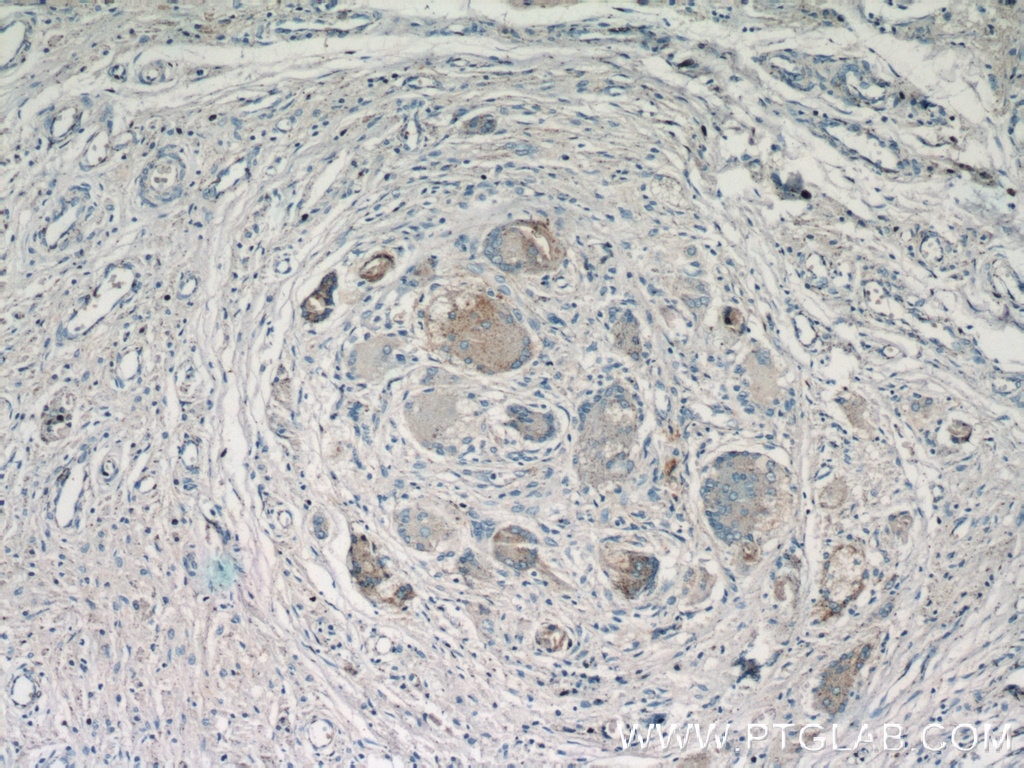
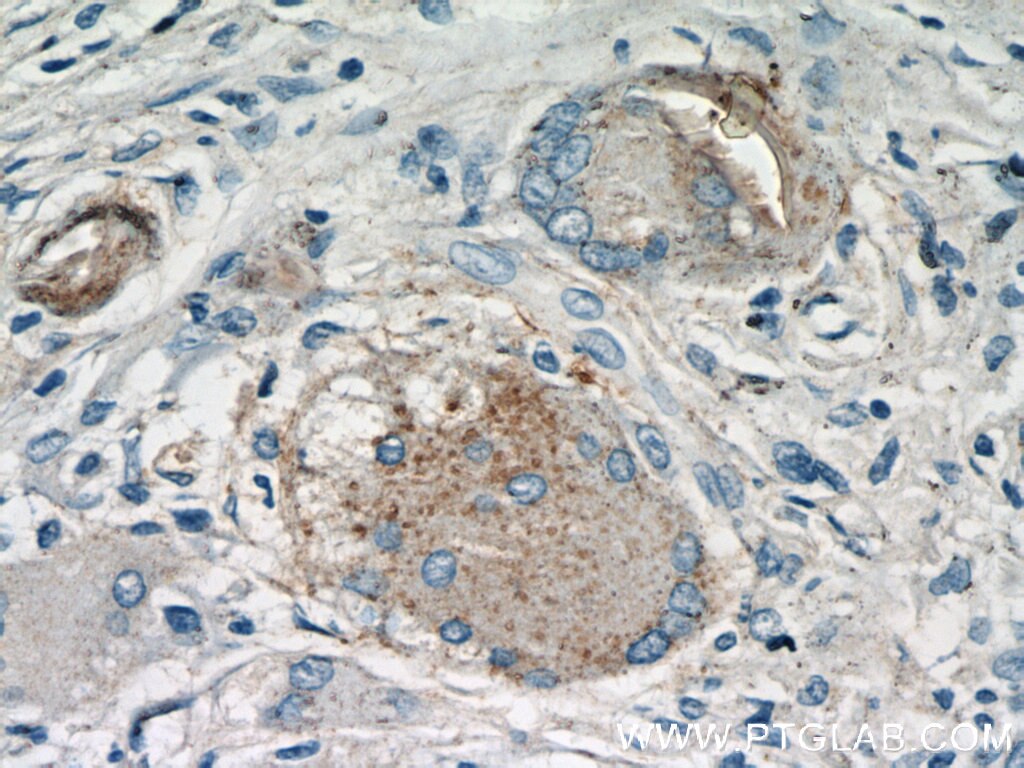
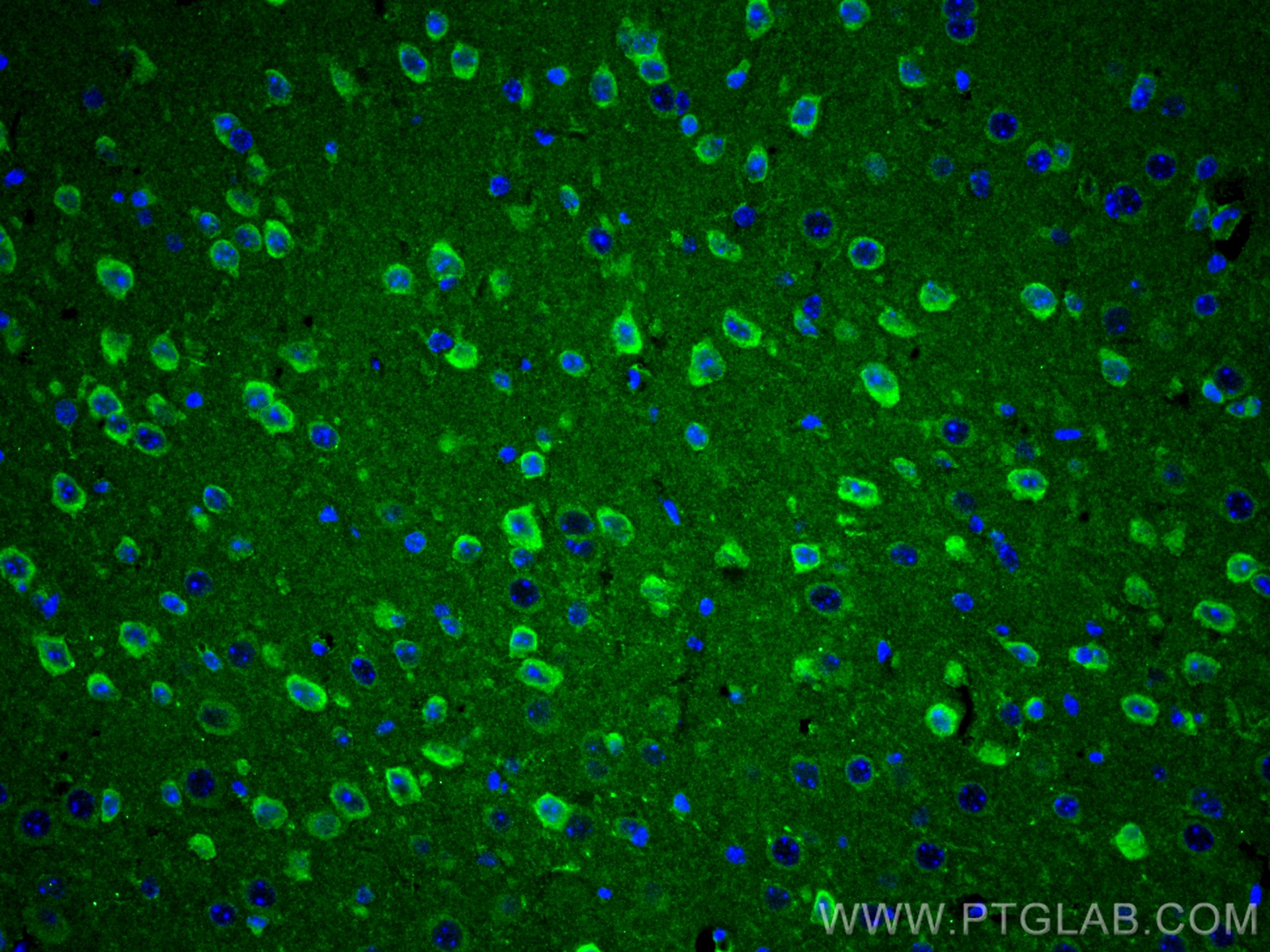
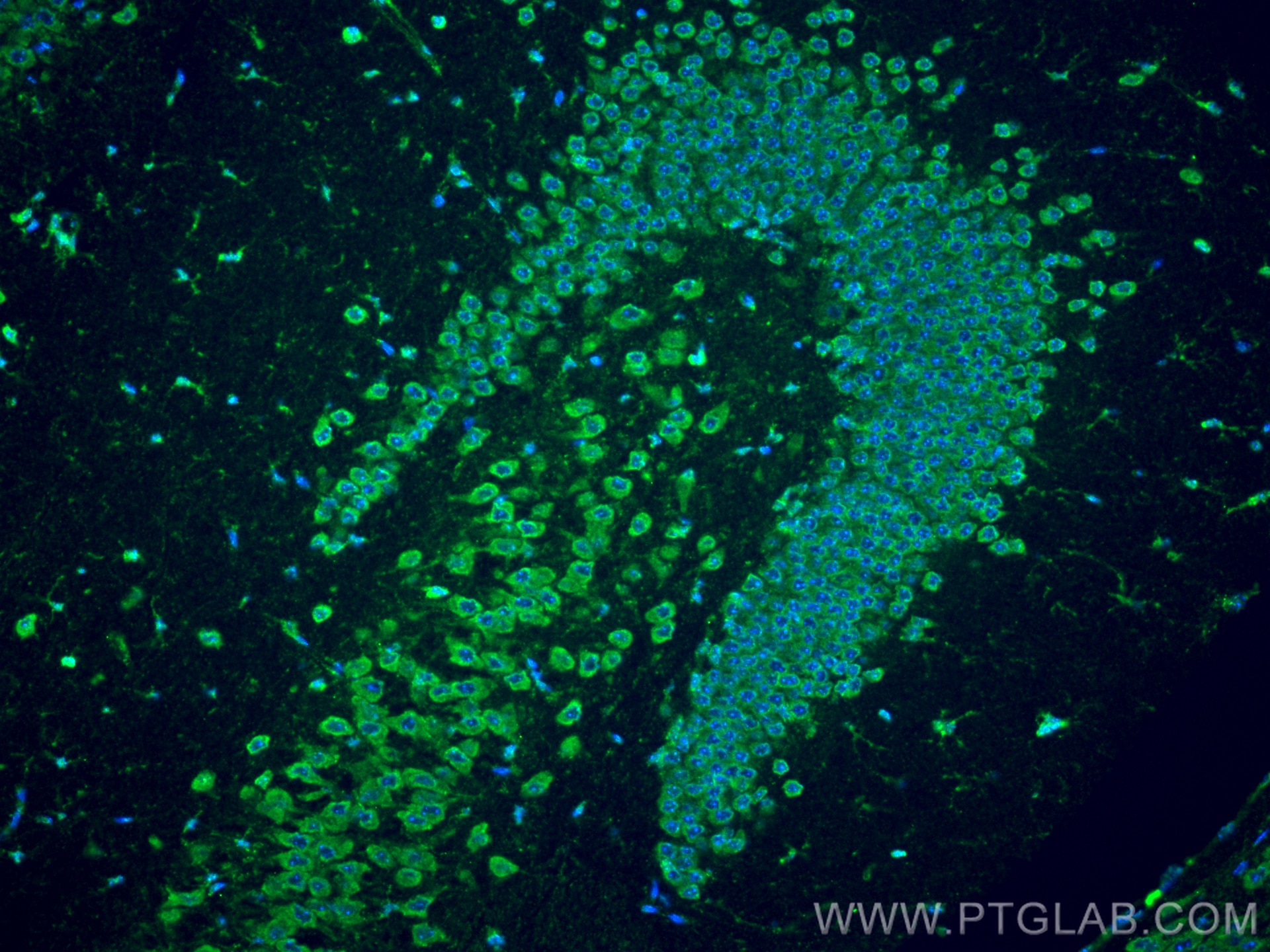
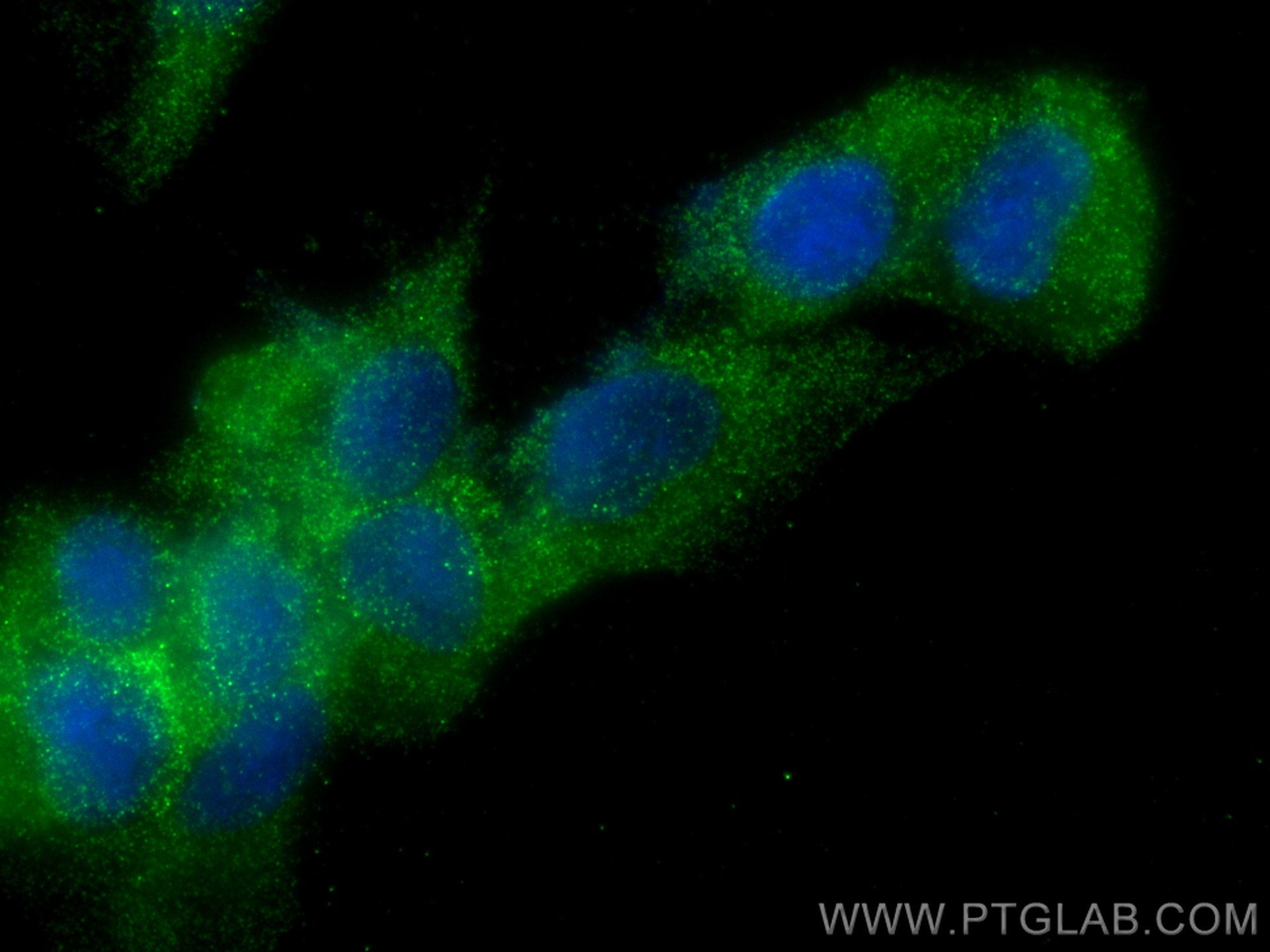
Informations sur le produit
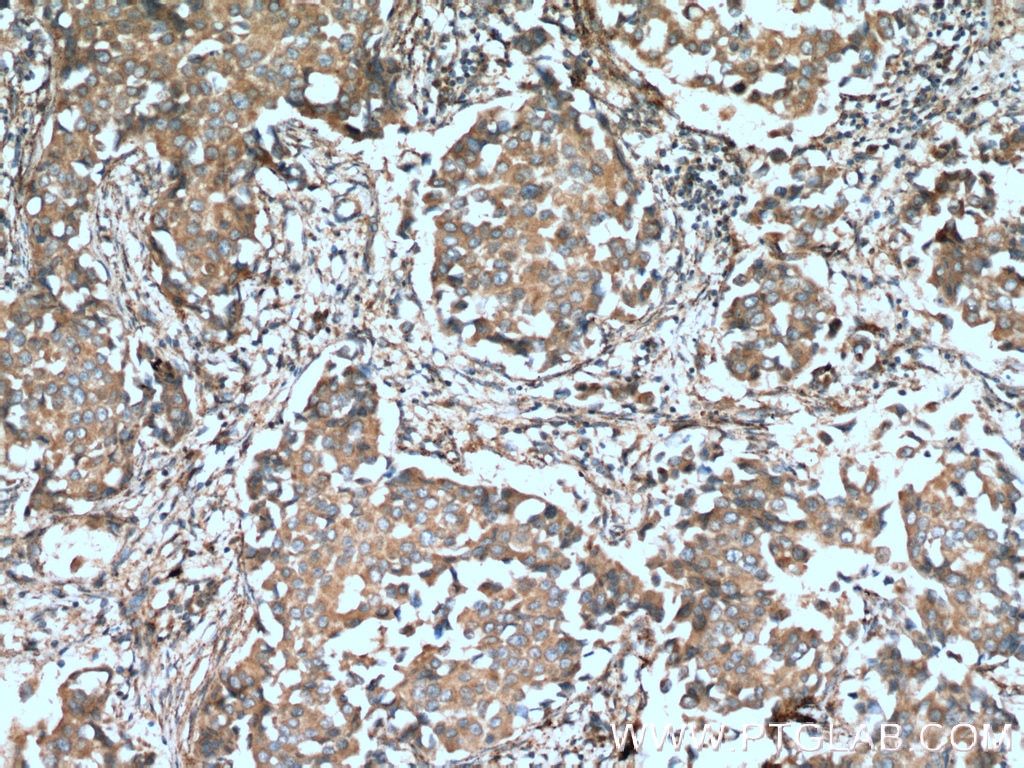
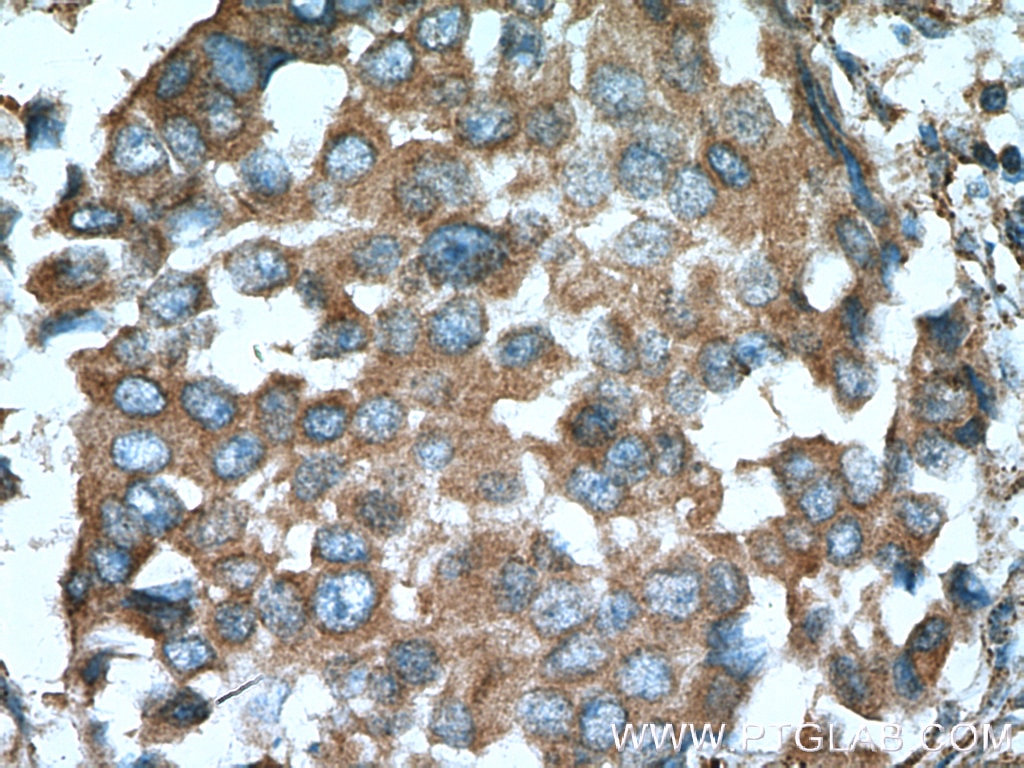
11239-1-PBS cible Cathepsin K dans les applications de WB, IHC, IF/ICC, IF-P, IP, Indirect ELISA et montre une réactivité avec des échantillons Humain, rat, souris
| Réactivité | Humain, rat, souris |
| Hôte / Isotype | Lapin / IgG |
| Clonalité | Polyclonal |
| Type | Anticorps |
| Immunogène | Cathepsin K Protéine recombinante Ag1761 |
| Nom complet | cathepsin K |
| Masse moléculaire calculée | 39 kDa |
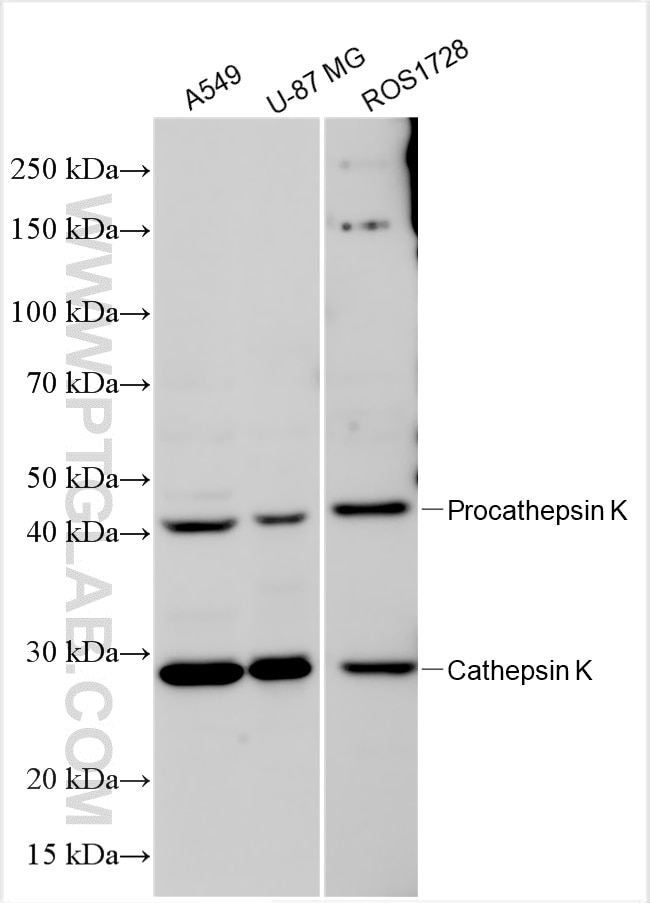
| Poids moléculaire observé | 27 kDa, 38~46 kDa |
| Numéro d’acquisition GenBank | BC016058 |
| Symbole du gène | Cathepsin K |
| Identification du gène (NCBI) | 1513 |
| Conjugaison | Non conjugué |
| Forme | Liquide |
| Méthode de purification | Purification par affinité contre l'antigène |
| Tampon de stockage | PBS only |
| Conditions de stockage | Store at -80°C. 20ul contiennent 0,1% de BSA. |
Informations générales
CTSK(cathepsin K), also named CTSO, CTSO2, is a recently identified lysosomal cysteine proteinase. CTSK is synthesized as a proenzyme of 38 kDa and subsequently enters acidic lysosomal compartments, in which the propeptide is cleaved and transformed into an active enzyme and it may influence adipocyte differentiation through modifying extracellular matrix components(PMID:16912123). It is revealed both the 46-kDa cathepsin-K precursor and the 30-kDa mature form in mouse bone extracts (PMID:9811821). The high CTSK protein levels are only detected in primary cultured fibroblasts derived from normal and neoplastic breast tissue, where the 37- and 25-kDa bands to be detected correspond to pro- and mature proteins through western blot (PMID:18765527). The full length protein has a signal peptides with 15 amino acids and a propeptide with 99 amino acids. CTSK may have cross reaction with the other members of cathepsin family and form a complex of 70 kDa with an unidentified subunit(PMID:1930136).


