Anticorps Recombinant de lapin anti-Cytokeratin 7
Cytokeratin 7 Recombinant Antibody for WB, IHC, IF/ICC, IF-P, Indirect ELISA
Hôte / Isotype
Lapin / IgG
Réactivité testée
Humain
Applications
WB, IHC, IF/ICC, IF-P, Indirect ELISA
Conjugaison
Non conjugué
CloneNo.
242229F1
N° de cat : 86153-7-PBS
Synonymes
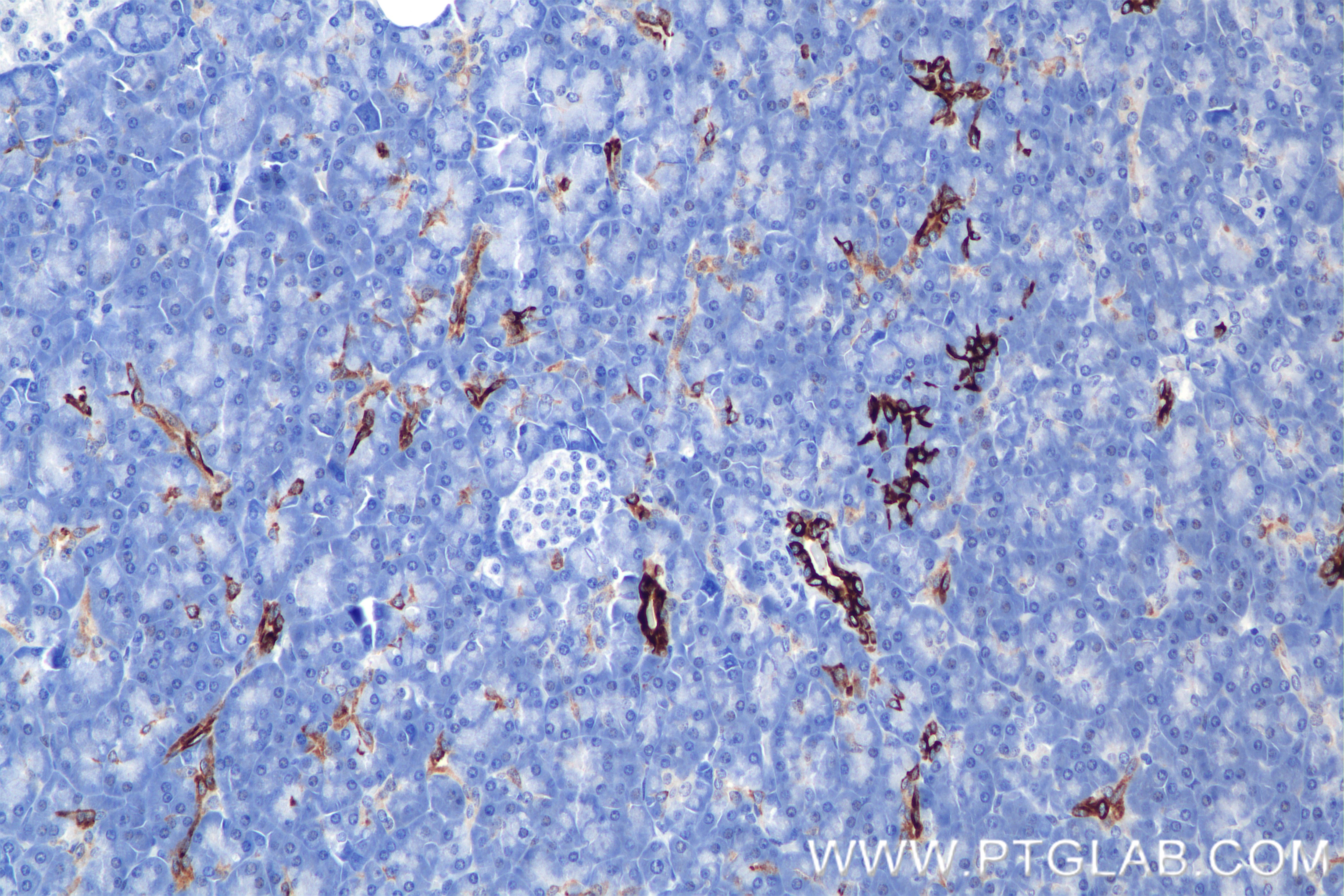
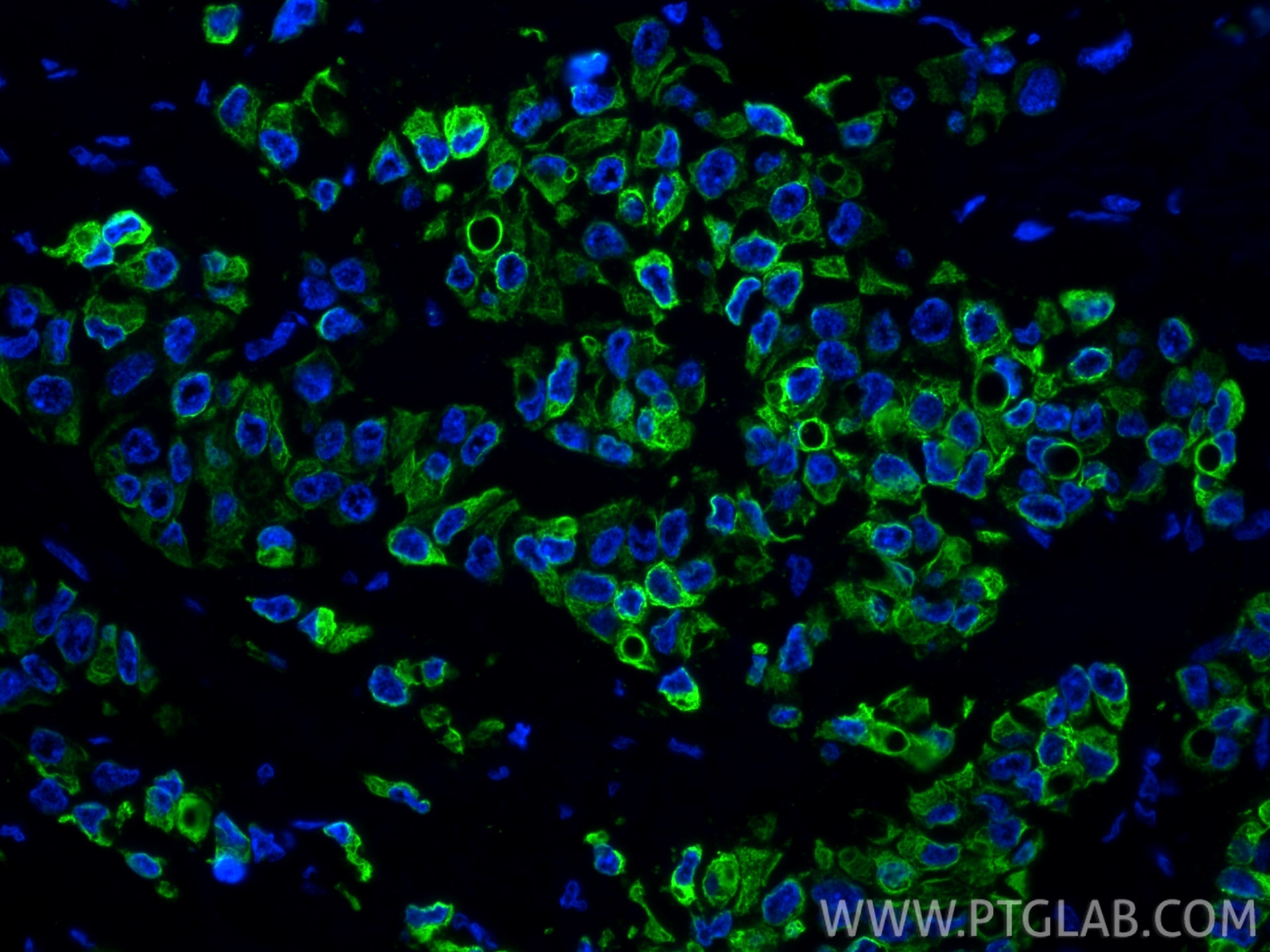
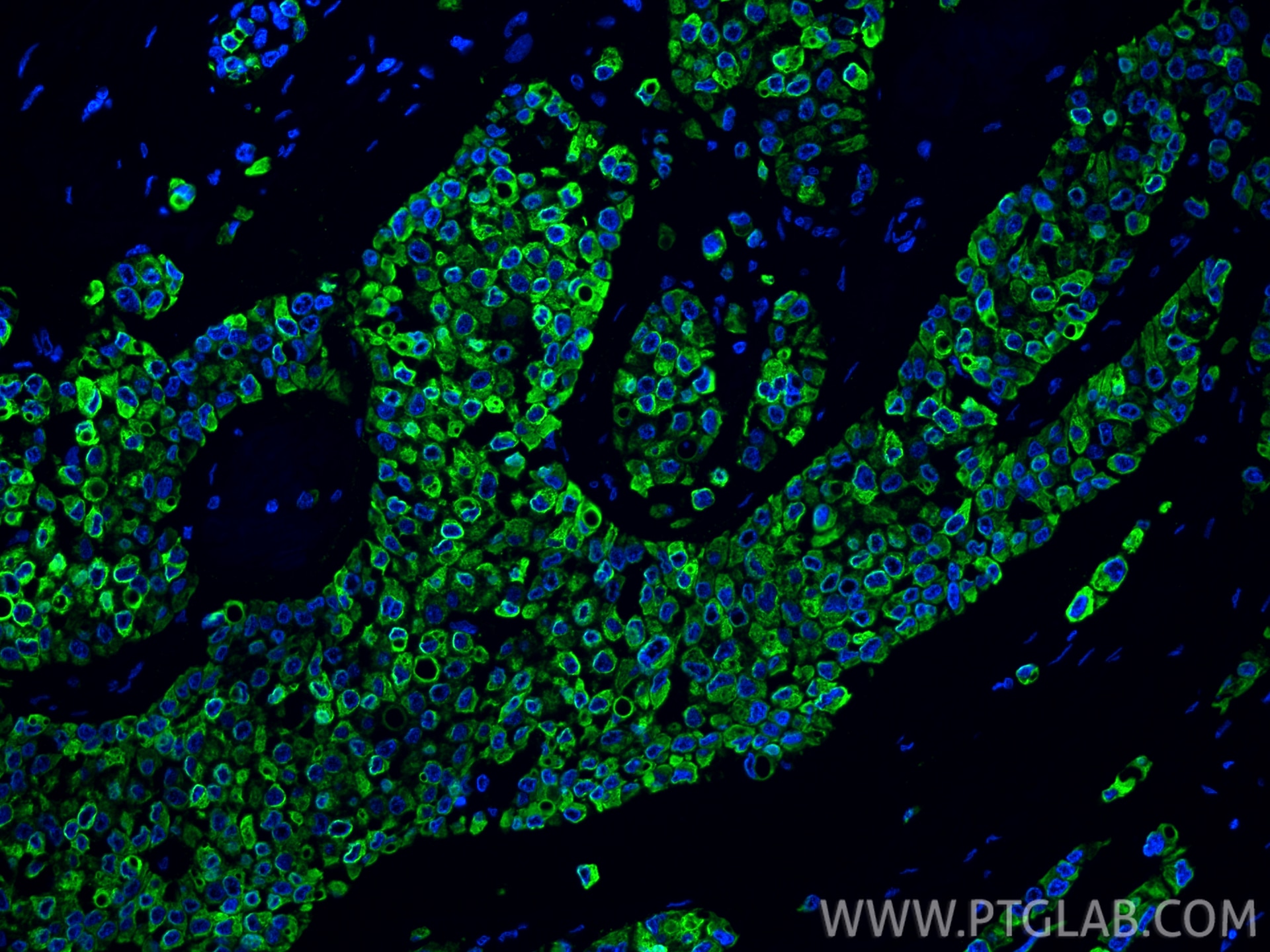
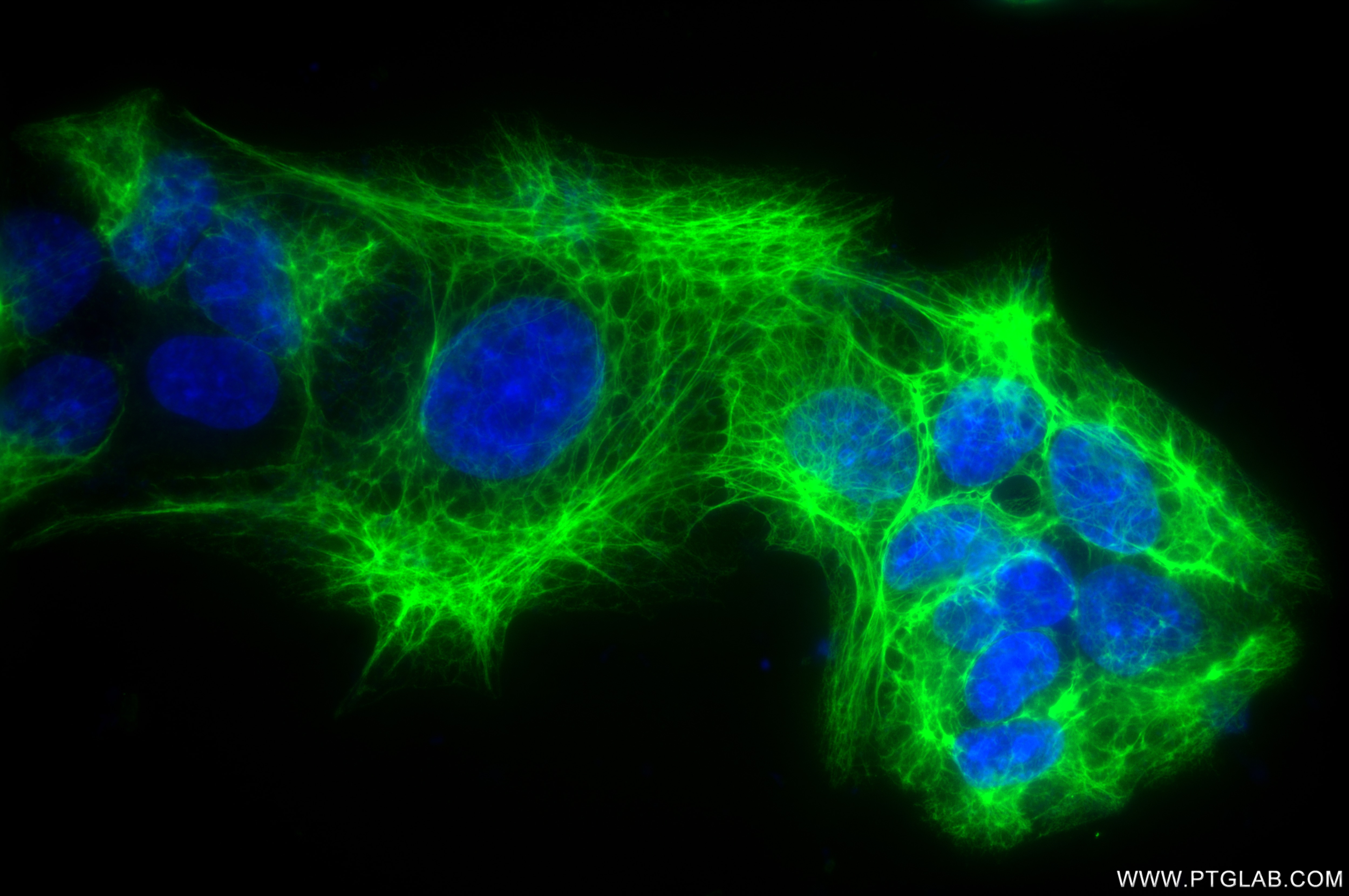
Galerie de données de validation
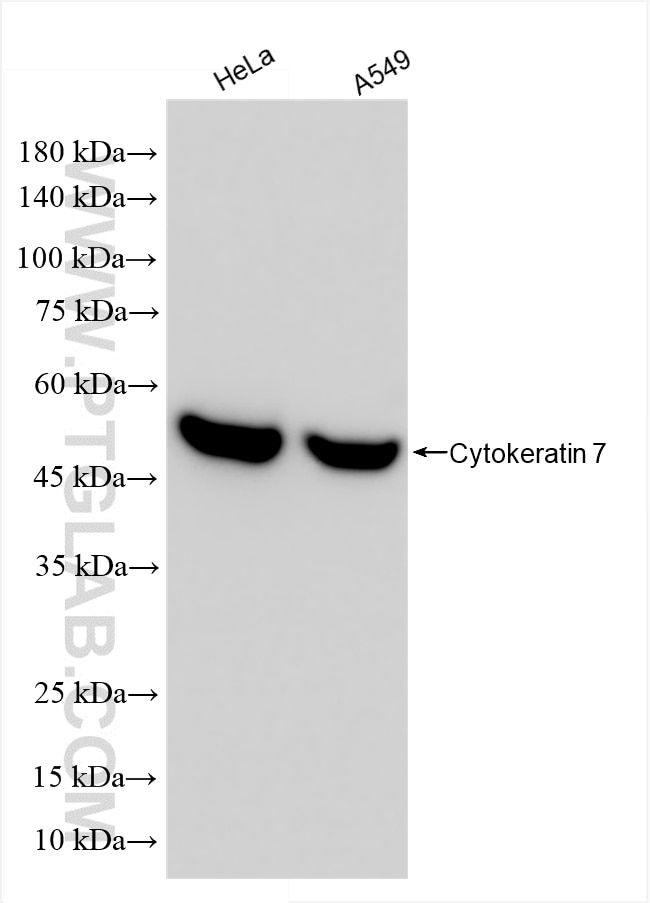
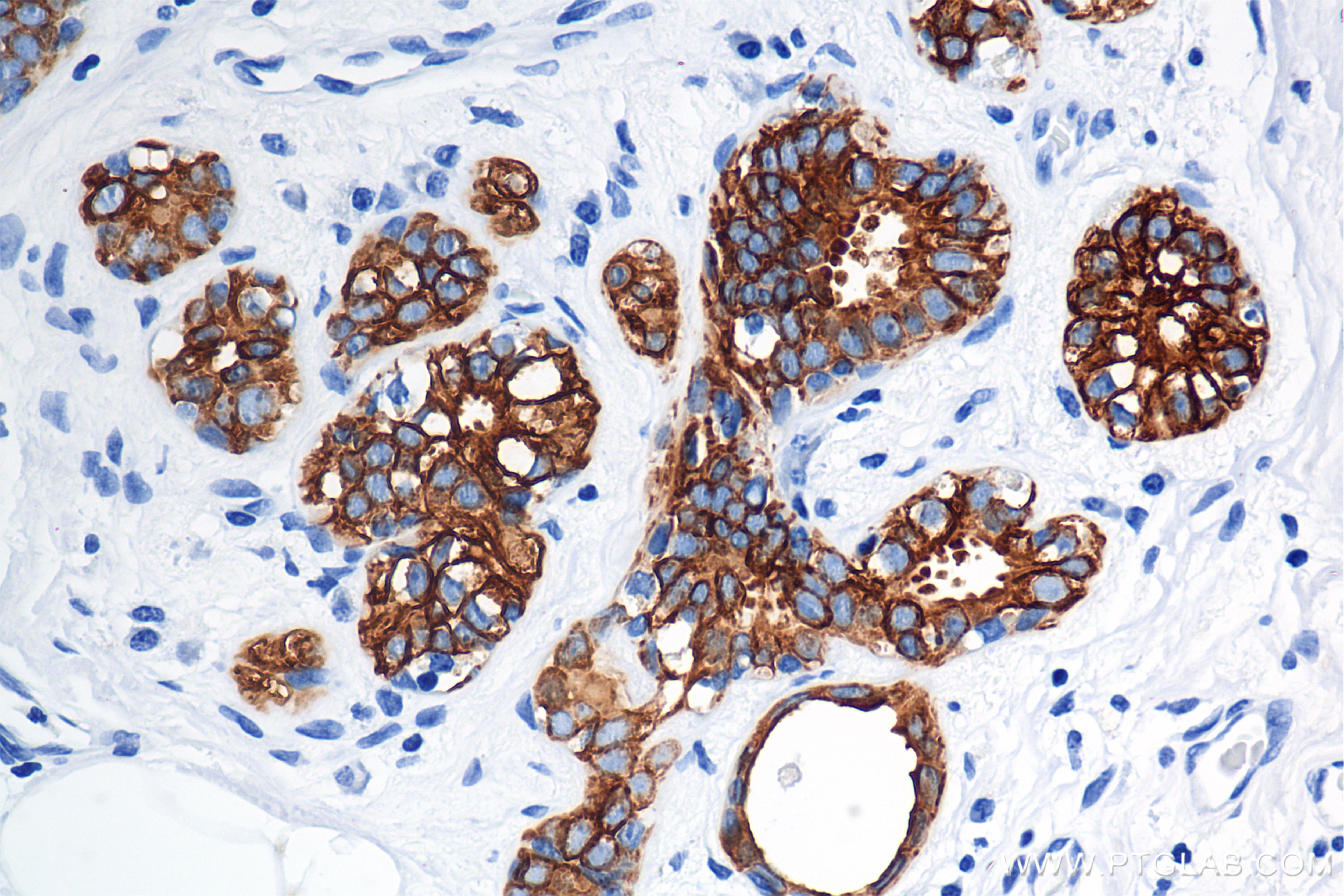
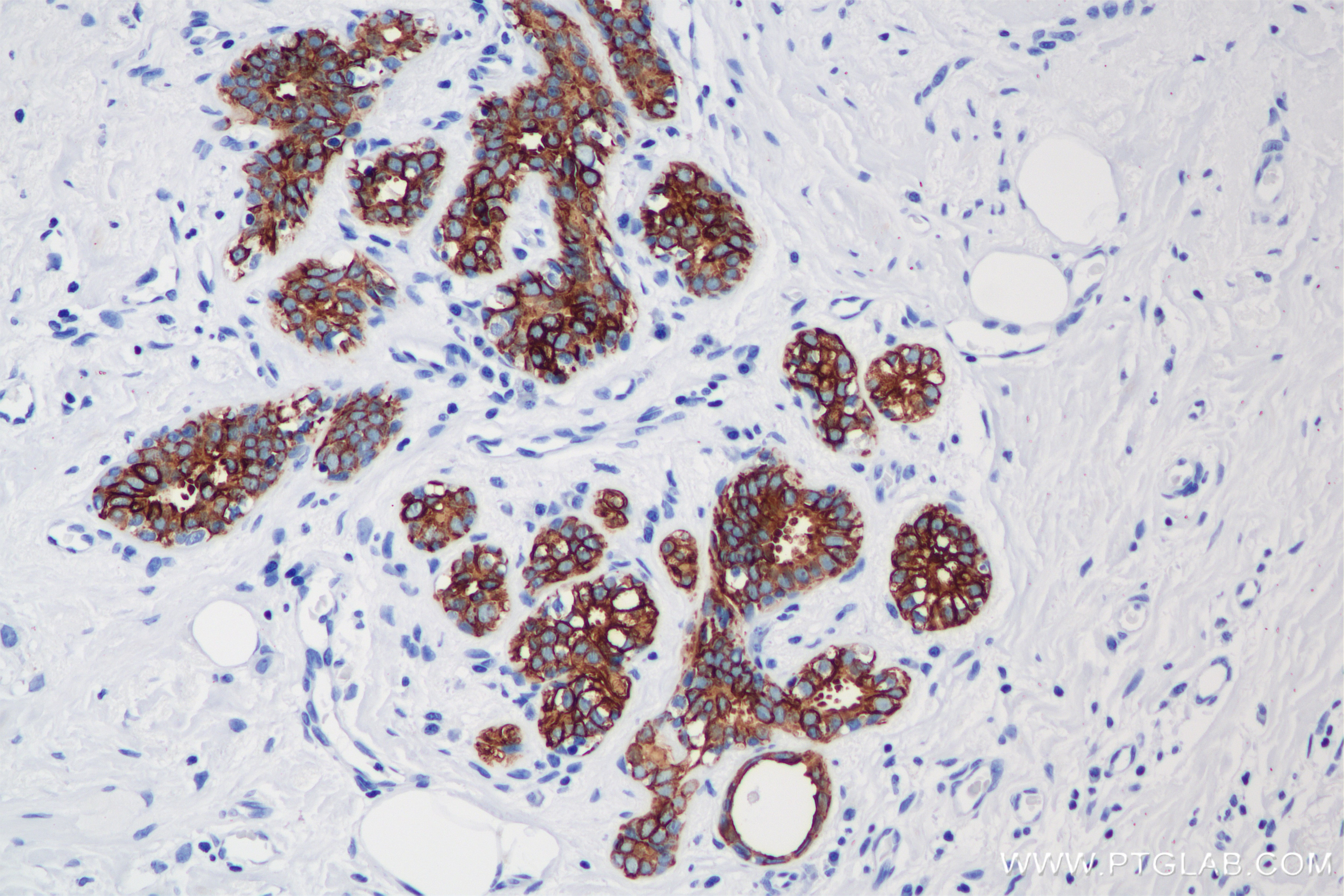
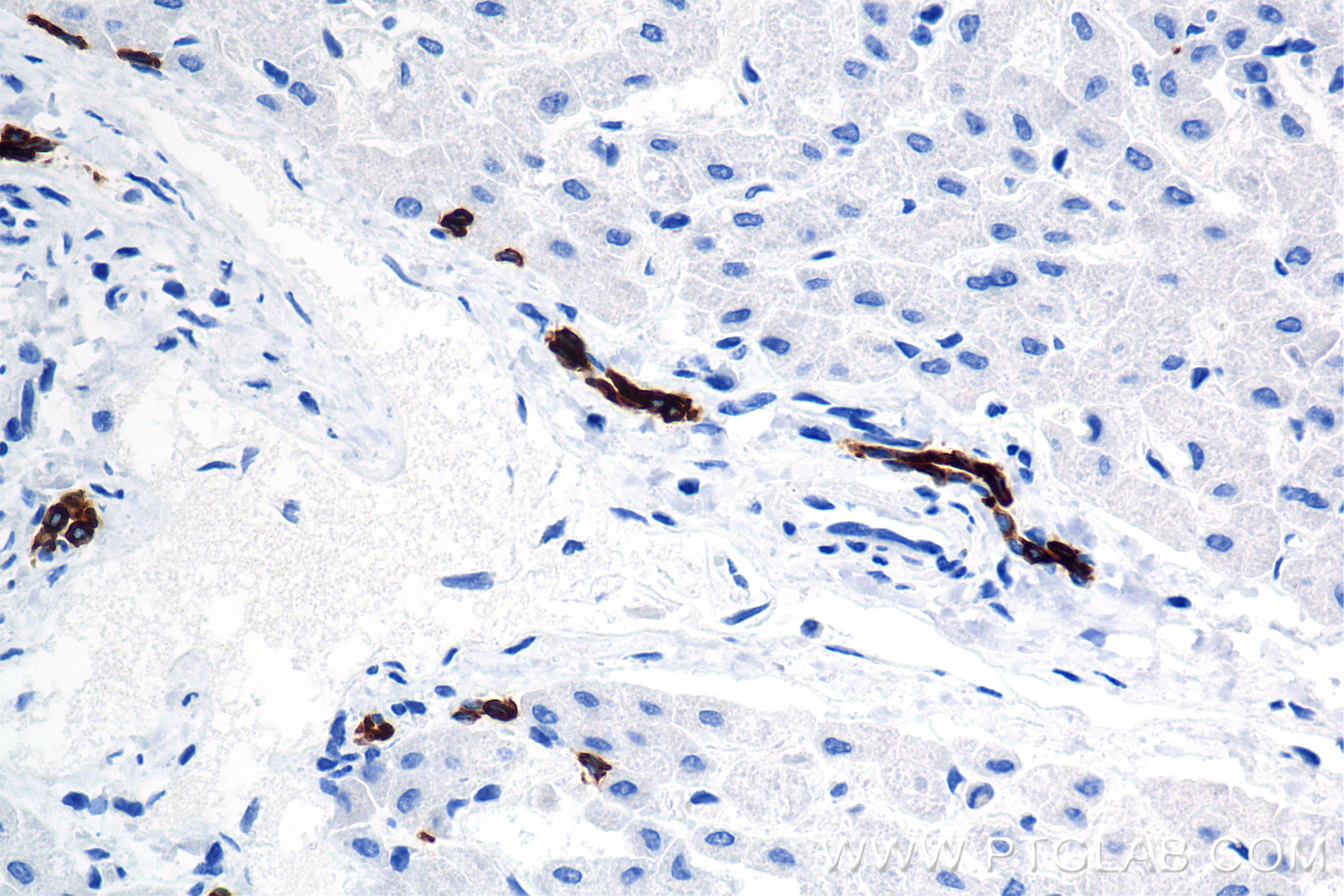
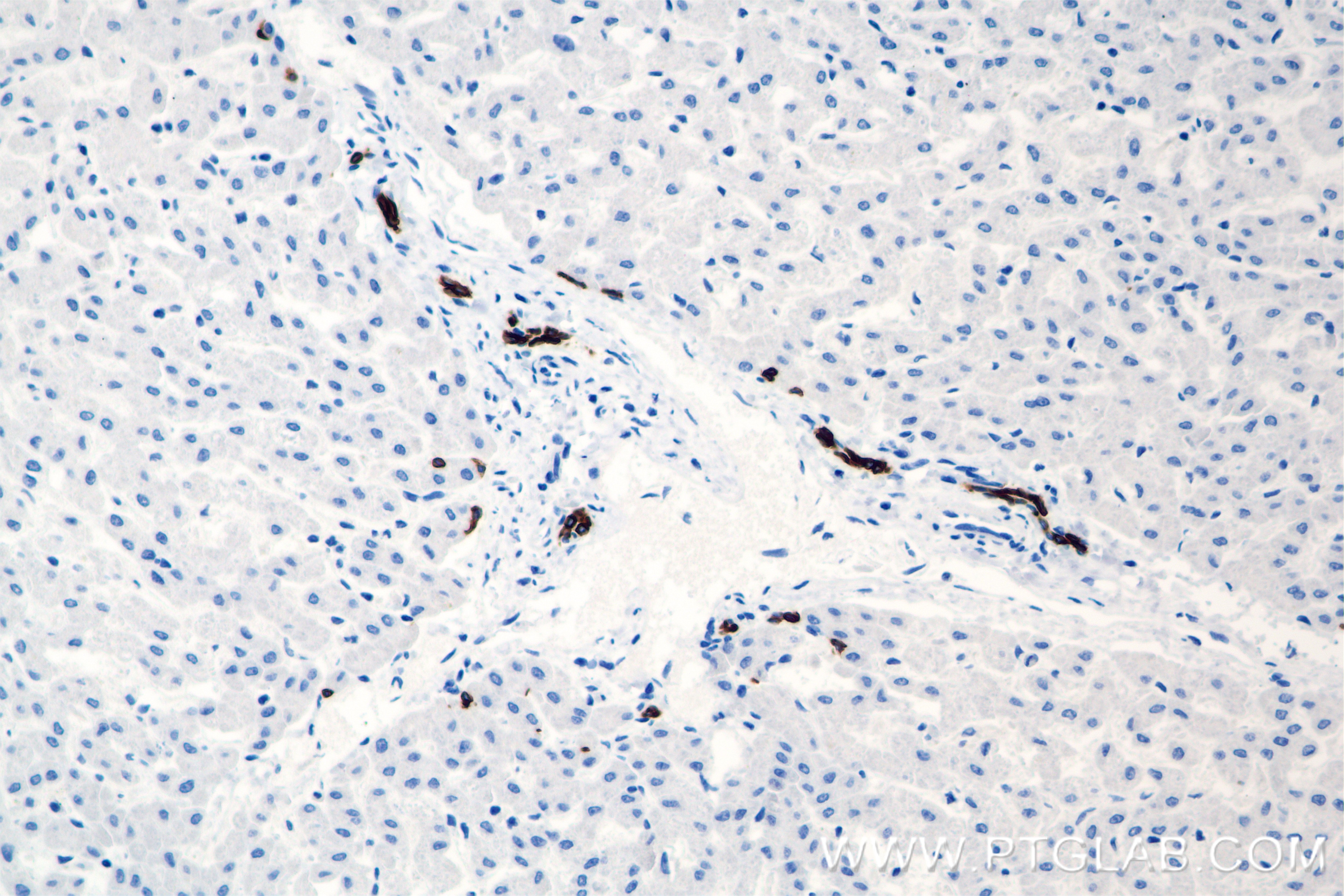
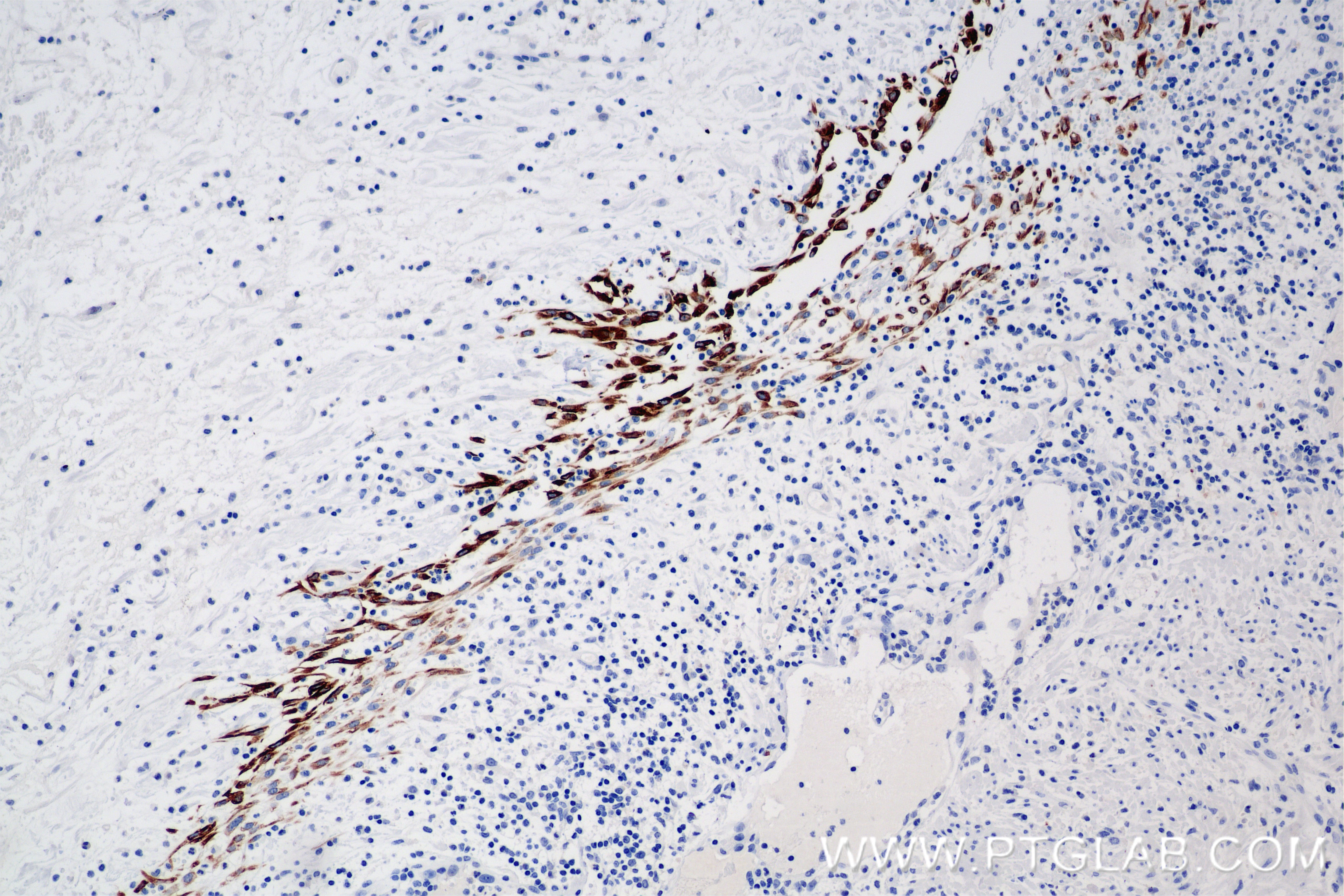
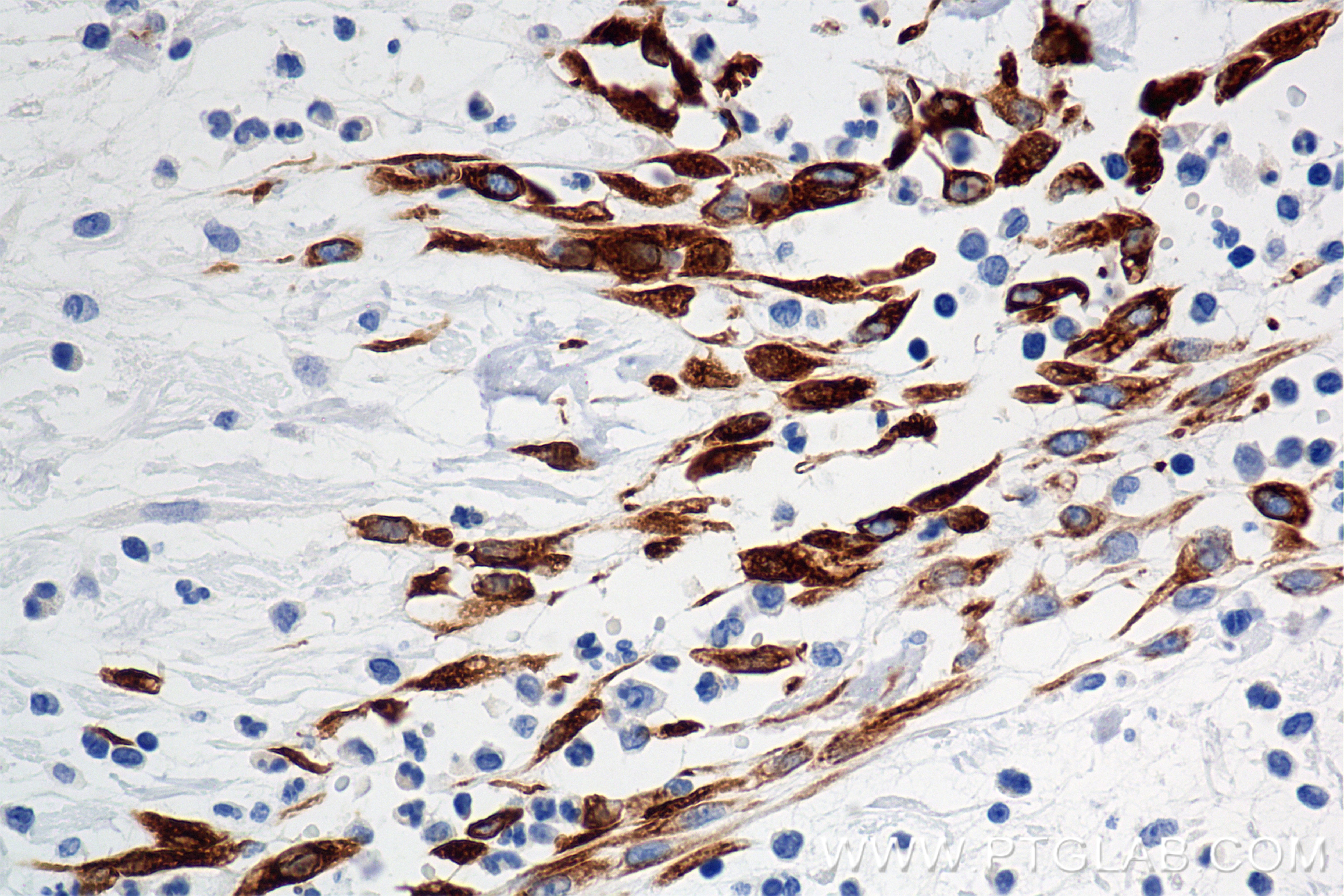
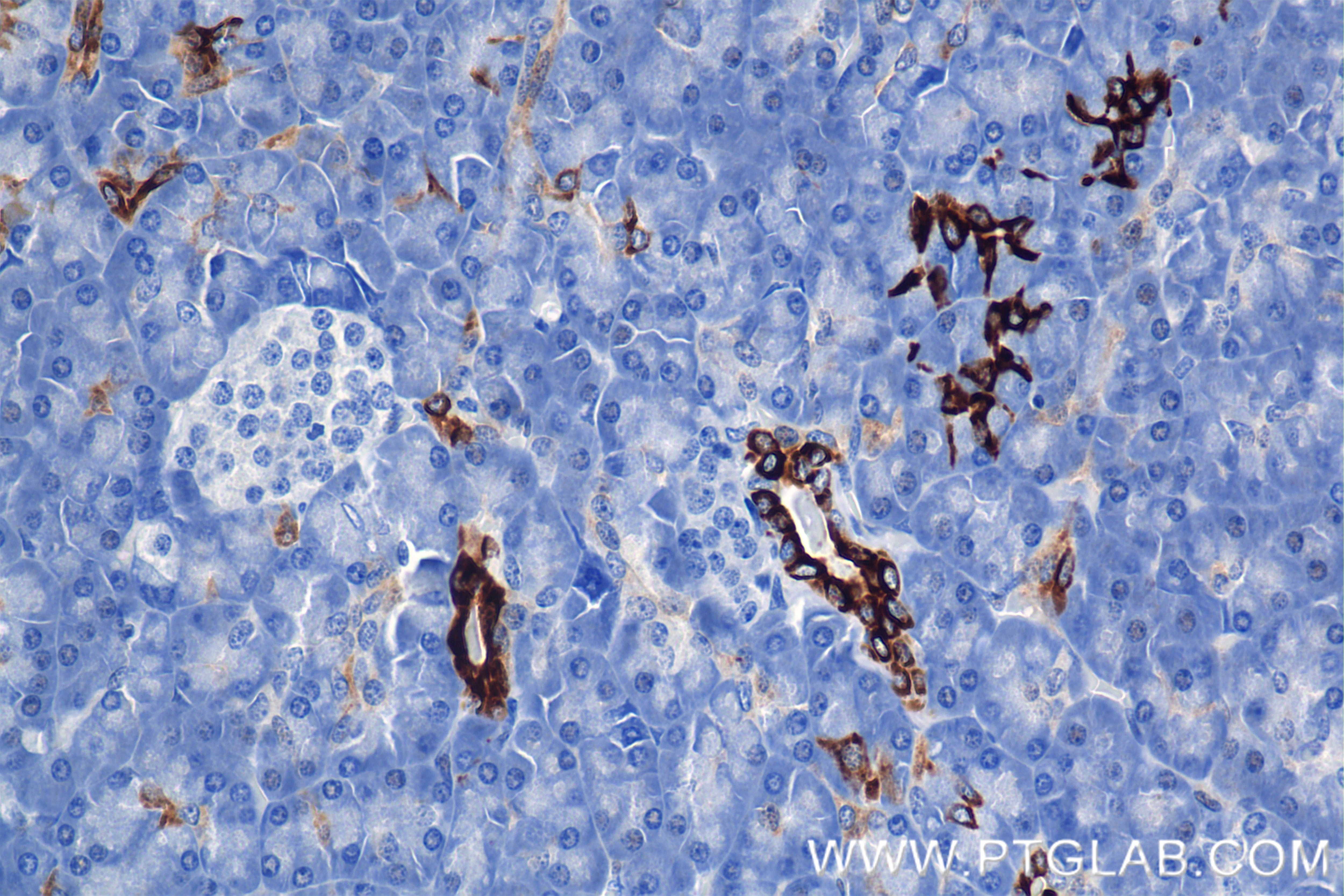
Informations sur le produit
86153-7-PBS cible Cytokeratin 7 dans les applications de WB, IHC, IF/ICC, IF-P, Indirect ELISA et montre une réactivité avec des échantillons Humain
| Réactivité | Humain |
| Hôte / Isotype | Lapin / IgG |
| Clonalité | Recombinant |
| Type | Anticorps |
| Immunogène | Peptide |
| Nom complet | keratin 7 |
| Masse moléculaire calculée | 51 kDa |
| Poids moléculaire observé | 51 kDa |
| Numéro d’acquisition GenBank | NM_005556 |
| Symbole du gène | Cytokeratin 7 |
| Identification du gène (NCBI) | 3855 |
| Conjugaison | Non conjugué |
| Forme | Liquide |
| Méthode de purification | Purification par protéine A |
| Tampon de stockage | PBS only |
| Conditions de stockage | Store at -80°C. 20ul contiennent 0,1% de BSA. |
Informations générales
Cytokeratin 7 (CK7) is a type II keratin protein that is a principal constituent of the intermediate filament cytoskeleton. It is primarily expressed in simple epithelia lining the cavities of internal organs, glandular ducts, and blood vessels. Abnormal expression of CK7 has been linked to various pathological conditions, including cancer. Overexpression of CK7 promotes tumor progression and metastasis in different human cancers, and its suppression leads to rapid tumor regression, highlighting its potential as a therapeutic target CK7 is also involved in inhibiting interferon-dependent interphase, promoting DNA synthesis, initiating translation possibly through interaction with p150 (the largest subunit of eukaryotic translation initiation factor 3), and interacting with G protein-coupled estrogen receptor 1 (GPER1), which activates several signaling pathways. In the context of cancer diagnosis, CK7 is used as a marker to distinguish between different types of carcinomas. It is expressed in most adenocarcinomas, particularly those of the lung and colorectal origin, and is useful in differentiating primary ovarian carcinoma from metastatic colorectal carcinoma. CK7 expression has also been studied as a predictor of an unfavorable prognosis in colorectal carcinoma.


