- Phare
- Validé par KD/KO
Anticorps Polyclonal de lapin anti-DOCK8
DOCK8 Polyclonal Antibody for WB, IHC, Indirect ELISA
Hôte / Isotype
Lapin / IgG
Réactivité testée
Humain, rat, souris
Applications
WB, IHC, Indirect ELISA
Conjugaison
Non conjugué
N° de cat : 11622-1-PBS
Synonymes
Galerie de données de validation
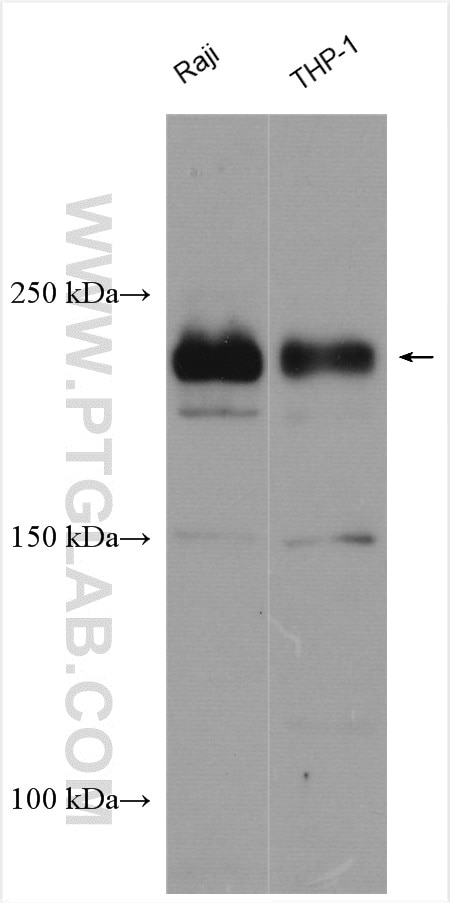
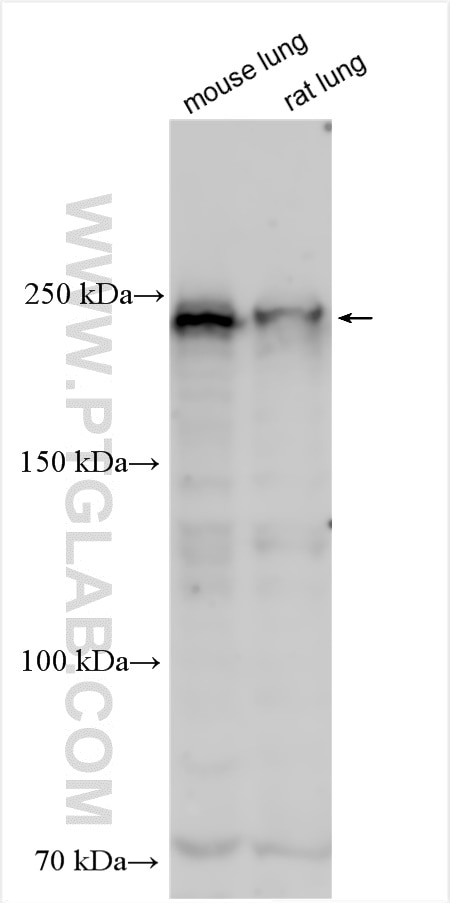
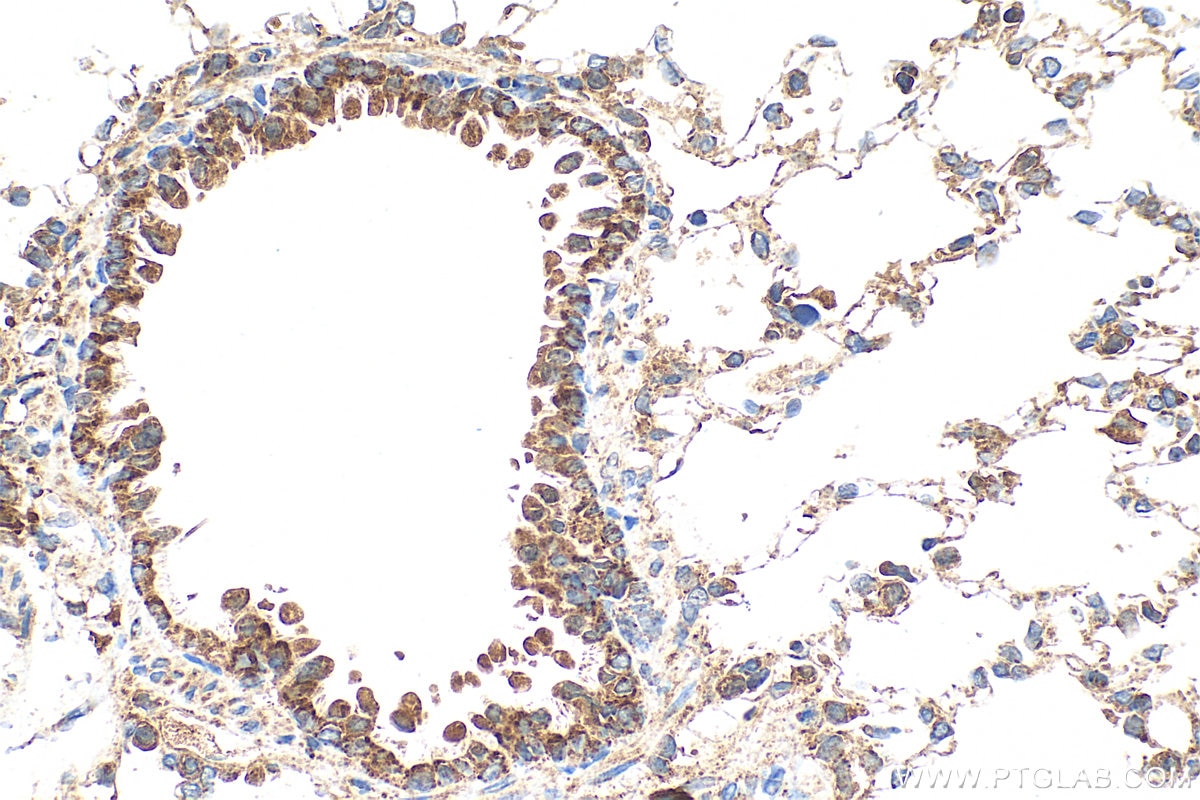
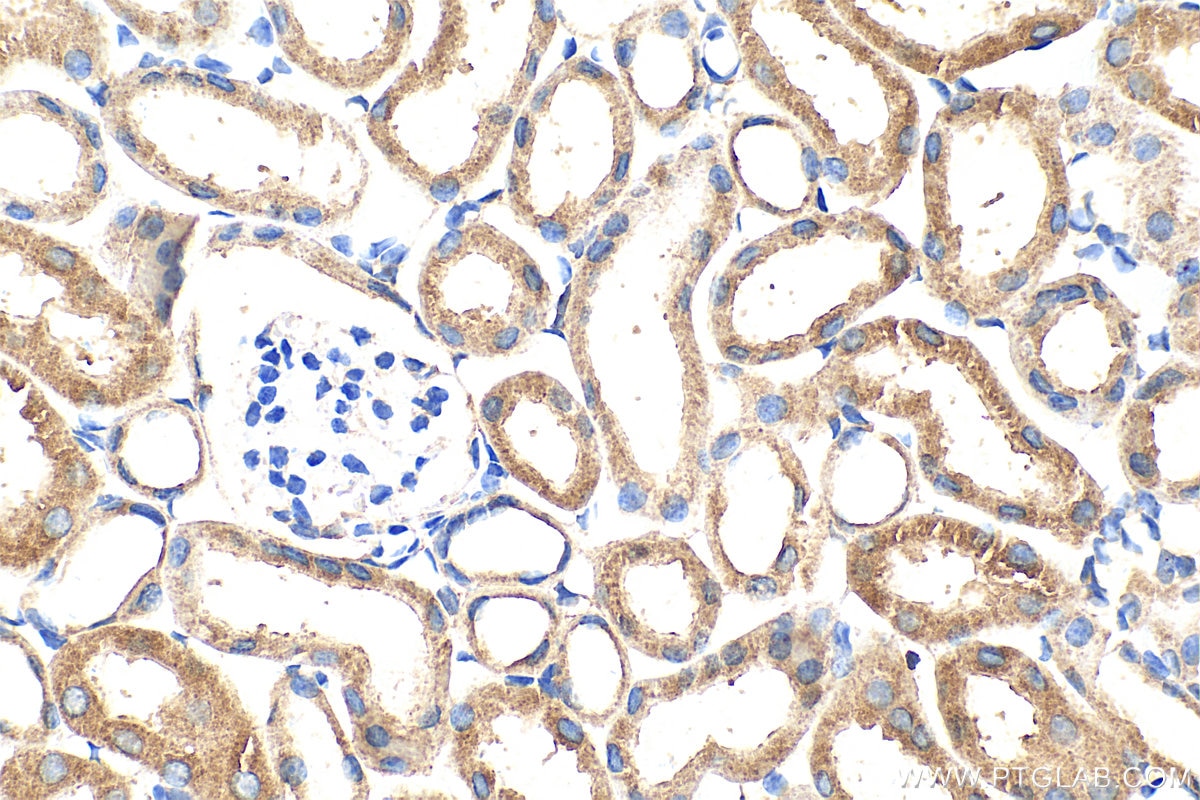
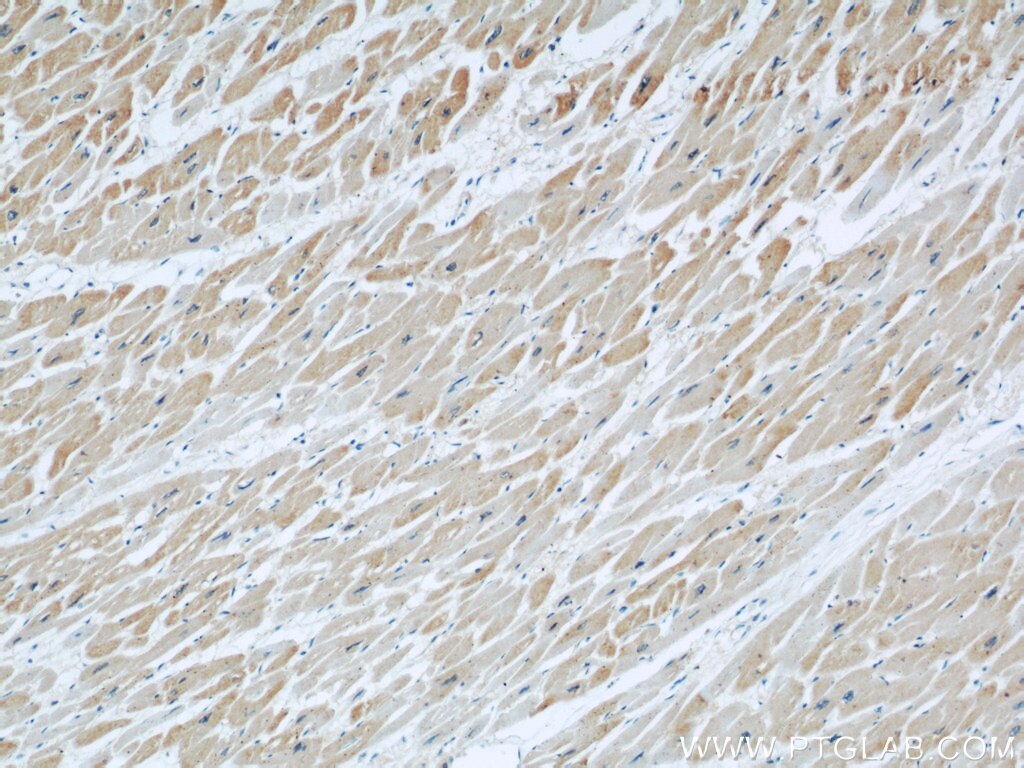
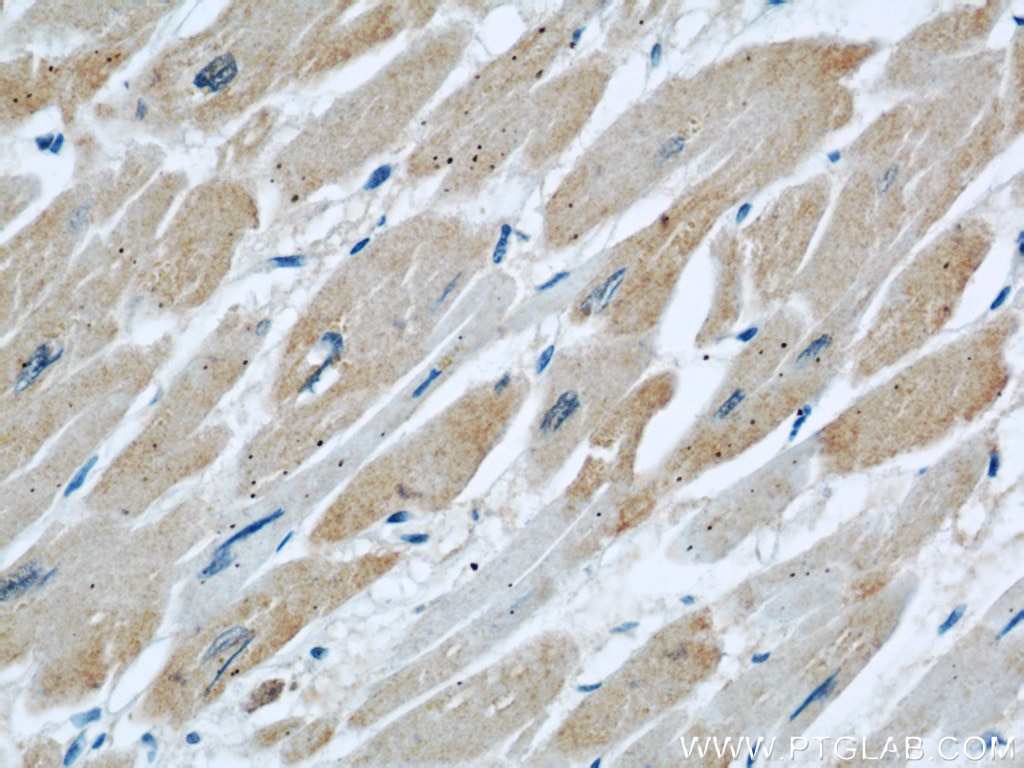
Informations sur le produit
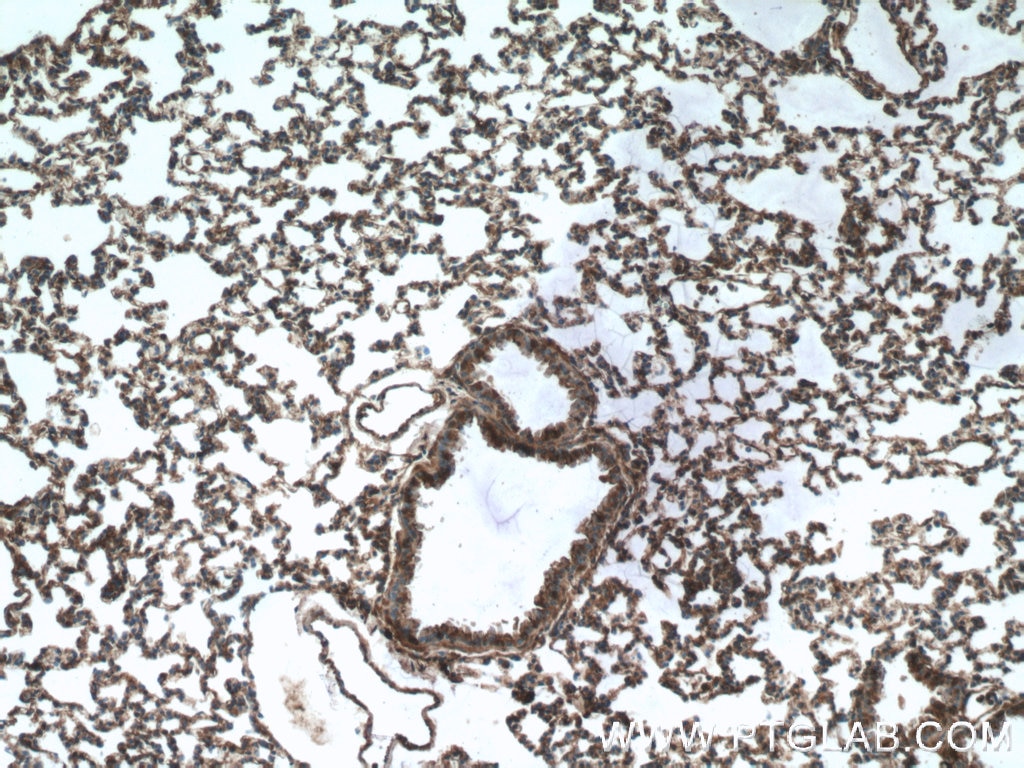
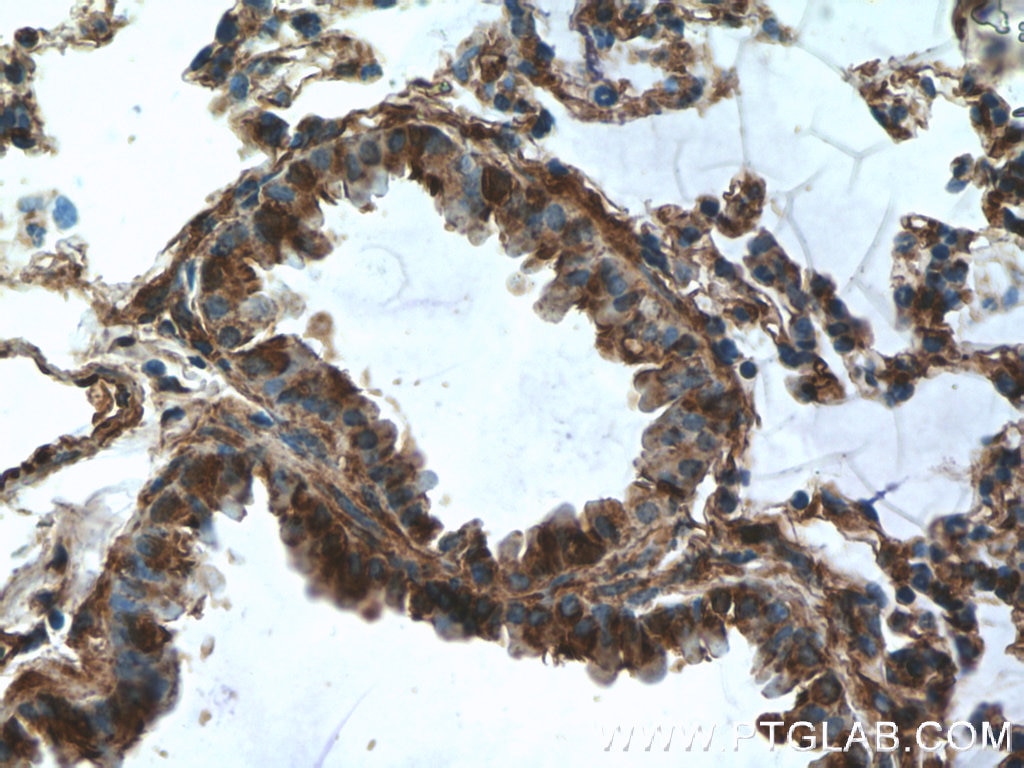
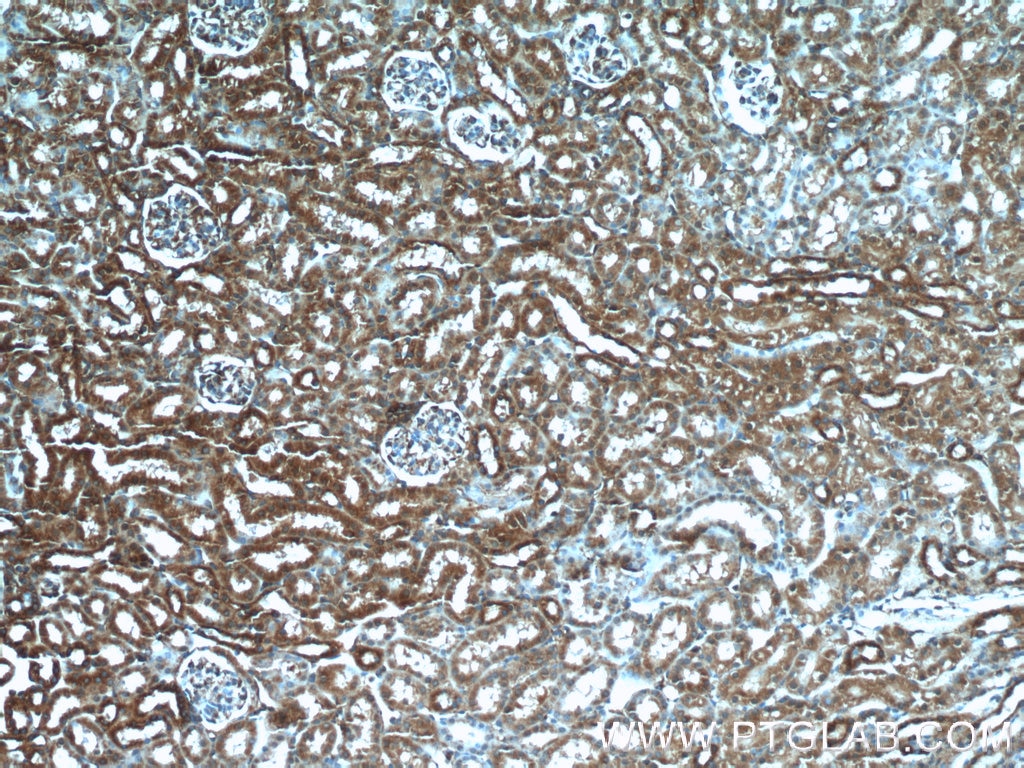
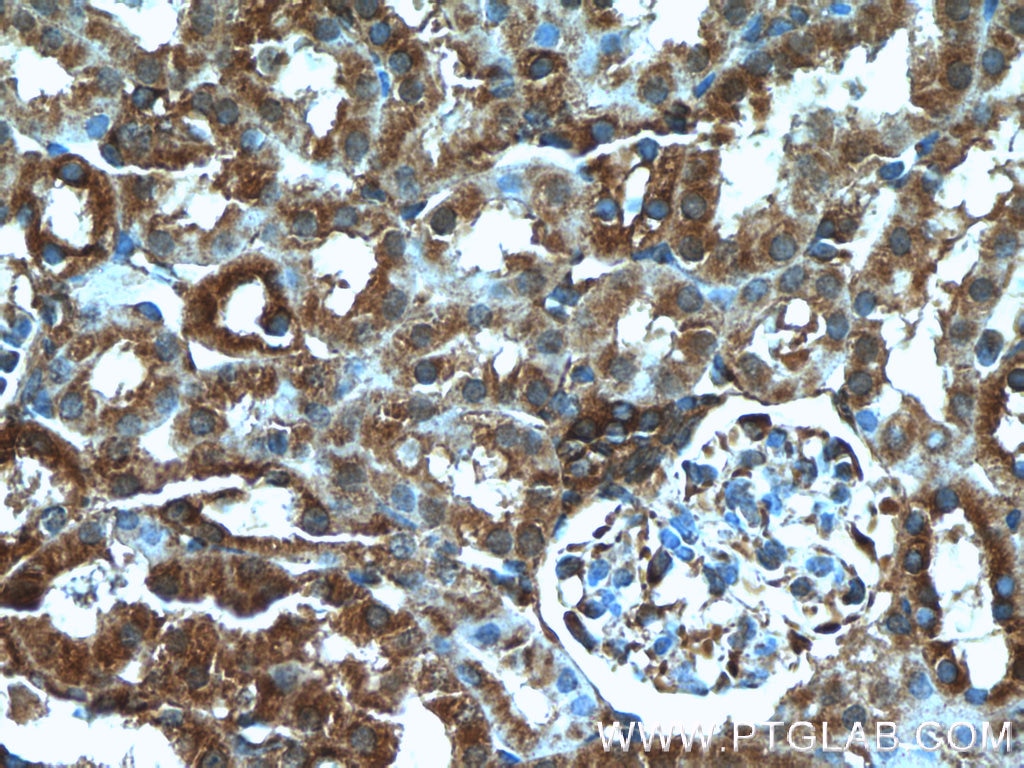
11622-1-PBS cible DOCK8 dans les applications de WB, IHC, Indirect ELISA et montre une réactivité avec des échantillons Humain, rat, souris
| Réactivité | Humain, rat, souris |
| Hôte / Isotype | Lapin / IgG |
| Clonalité | Polyclonal |
| Type | Anticorps |
| Immunogène | DOCK8 Protéine recombinante Ag2040 |
| Nom complet | dedicator of cytokinesis 8 |
| Masse moléculaire calculée | 2031 aa, 231 kDa |
| Poids moléculaire observé | 230-239 kDa |
| Numéro d’acquisition GenBank | BC019102 |
| Symbole du gène | DOCK8 |
| Identification du gène (NCBI) | 81704 |
| Conjugaison | Non conjugué |
| Forme | Liquide |
| Méthode de purification | Purification par affinité contre l'antigène |
| Tampon de stockage | PBS only |
| Conditions de stockage | Store at -80°C. 20ul contiennent 0,1% de BSA. |
Informations générales
Background
Dedicator of Cytokinesis 8 (DOCK8) is a protein that regulates the actin cytoskeleton, with particular importance in immune cells and a key role in innate and adaptive immune responses.
What is the molecular weight of DOCK8?
231 kDa. DOCK8 is a protein composed of 2031 amino acids and is a guanine nucleotide exchange factor (GEF).
What is the function of DOCK8?
DOCK8 is a member of the DOCK family of proteins, which have a unique DRH2 domain enabling them to act as GEFs and so controlling a range of cellular processes in various signaling pathways (PMID: 12432077). The specific target of DOCK8 is Cell division control protein 42 homolog (Cdc42), a small GTPase that is involved in regulation of the cell cycle and forms a complex. DOCK8 also acts as a scaffold molecule in this complex that initiates actin polymerization via the Wiskott-Aldrich Syndrome protein (WASp) (PubMed: 28028151, PubMed: 22461490).
What diseases are associated with DOCK8?
The role of DOCK8 in immunity was first identified with the study of DOCK8-deficient patients who presented with combined immunodeficiency (PMID: 19776401; PMID: 20004785). The subsequent study of DOCK8 in immune cells such as T cells, natural killer (NK) cells, and B cells has revealed how it regulates their normal function. This includes the regulation of immune synapse formation, immune cell trafficking, regulation of dendritic cell polarization, and cytokine production (PMID: 28366940).
DOCK8 deficiency is caused by a number of different mutations in the gene. It leads to the autosomal recessive form of the immunodeficiency disease Hyper-IgE syndrome, or Job's syndrome. The symptoms of DOCK8 deficiency include eczema, high levels of serum IgE, hypereosinophilia, and recurrent respiratory and skin infections as a result of impaired immune cell function.


