Anticorps Recombinant de lapin anti-E-cadherin
E-cadherin Recombinant Antibody for IHC, ELISA
Hôte / Isotype
Lapin / IgG
Réactivité testée
rat, souris
Applications
IHC, ELISA
Conjugaison
Non conjugué
CloneNo.
241282A5
N° de cat : 84111-1-RR
Synonymes
Galerie de données de validation
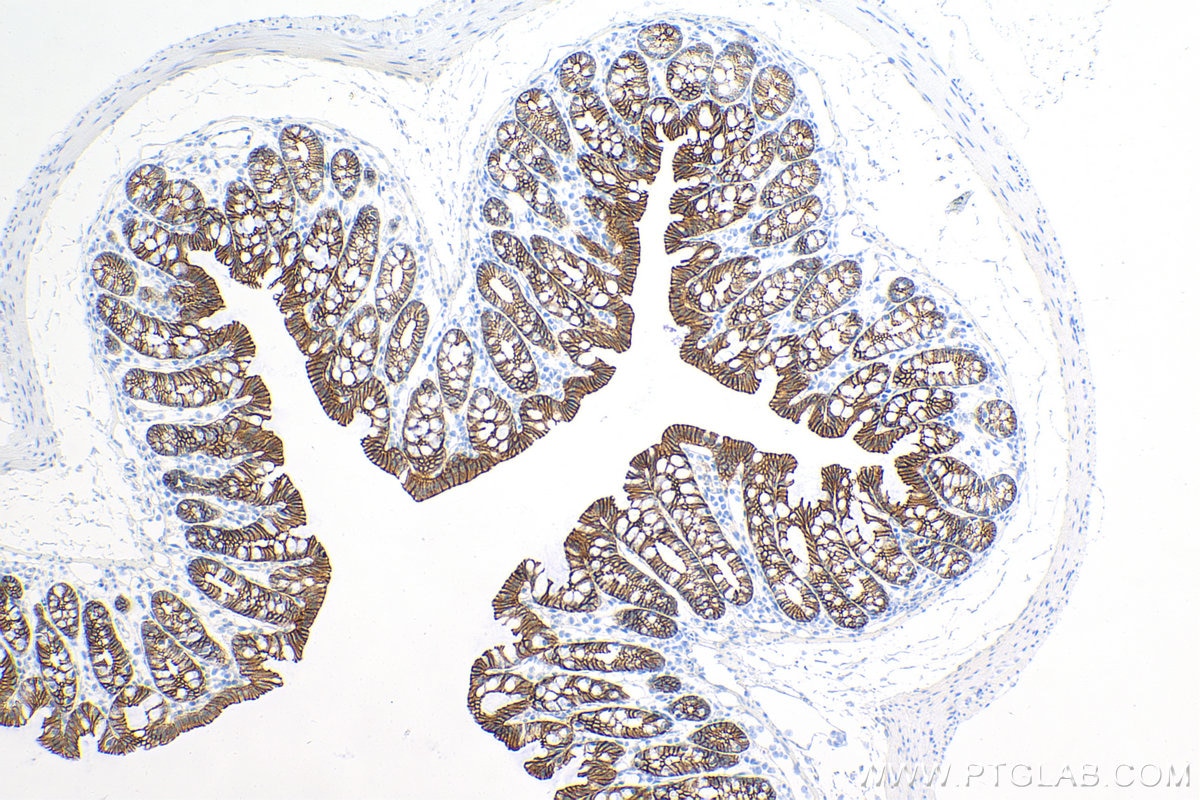
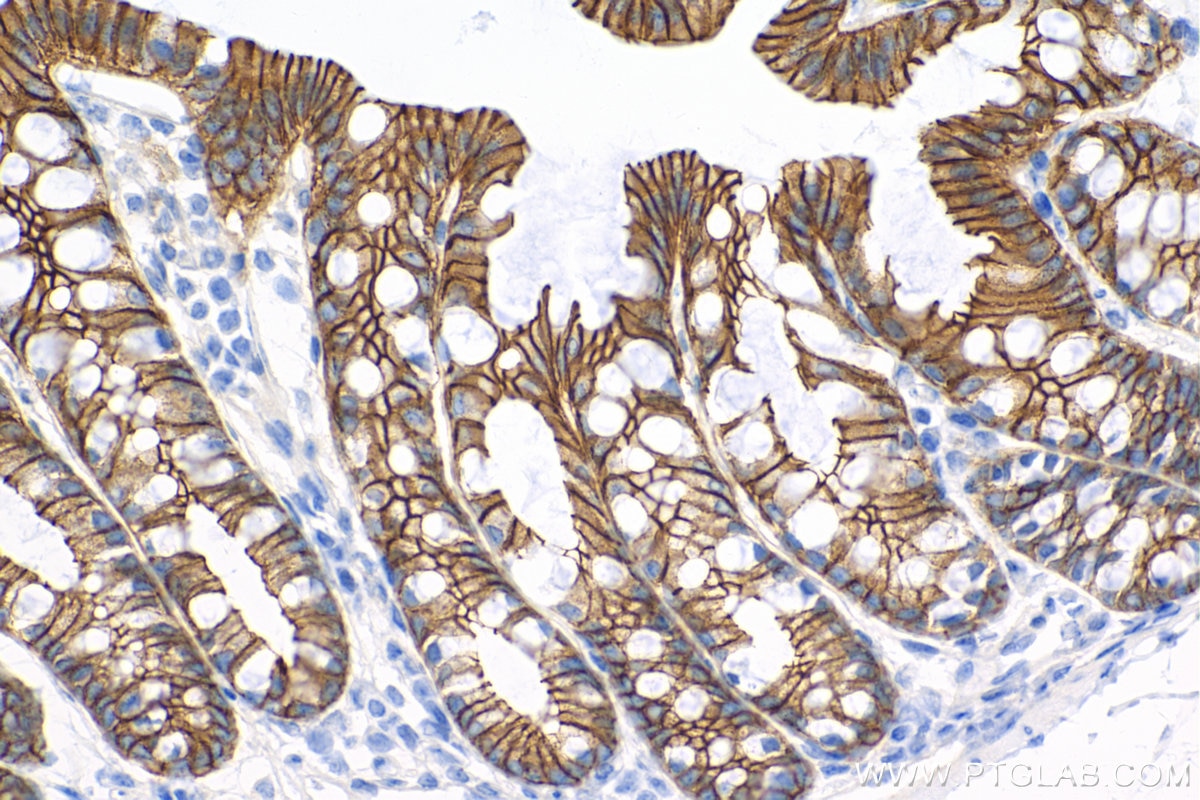
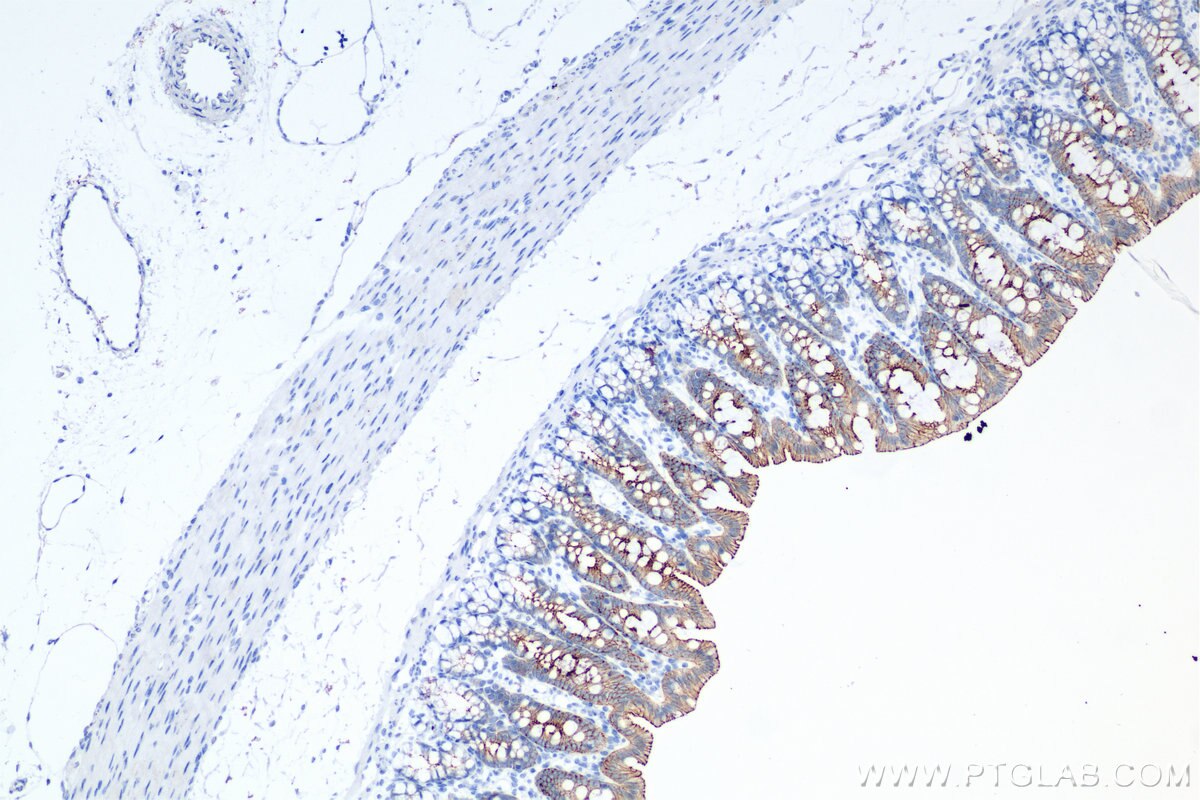
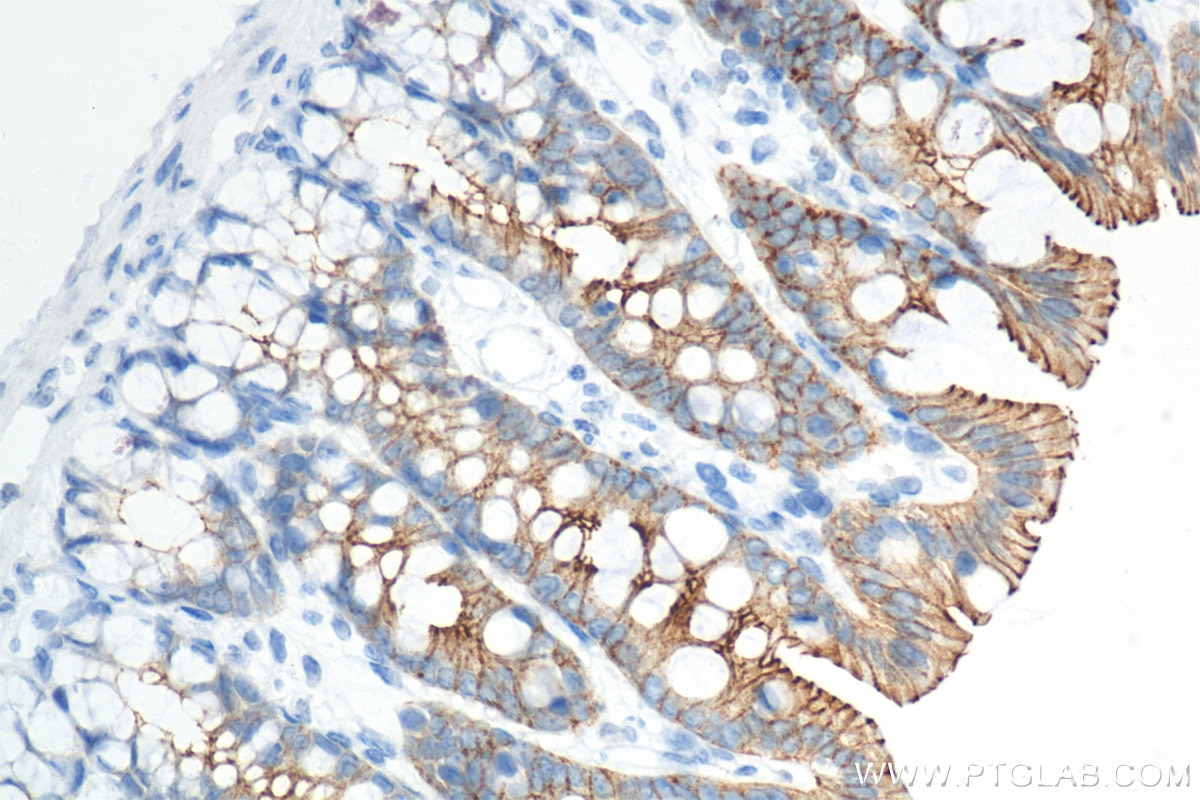
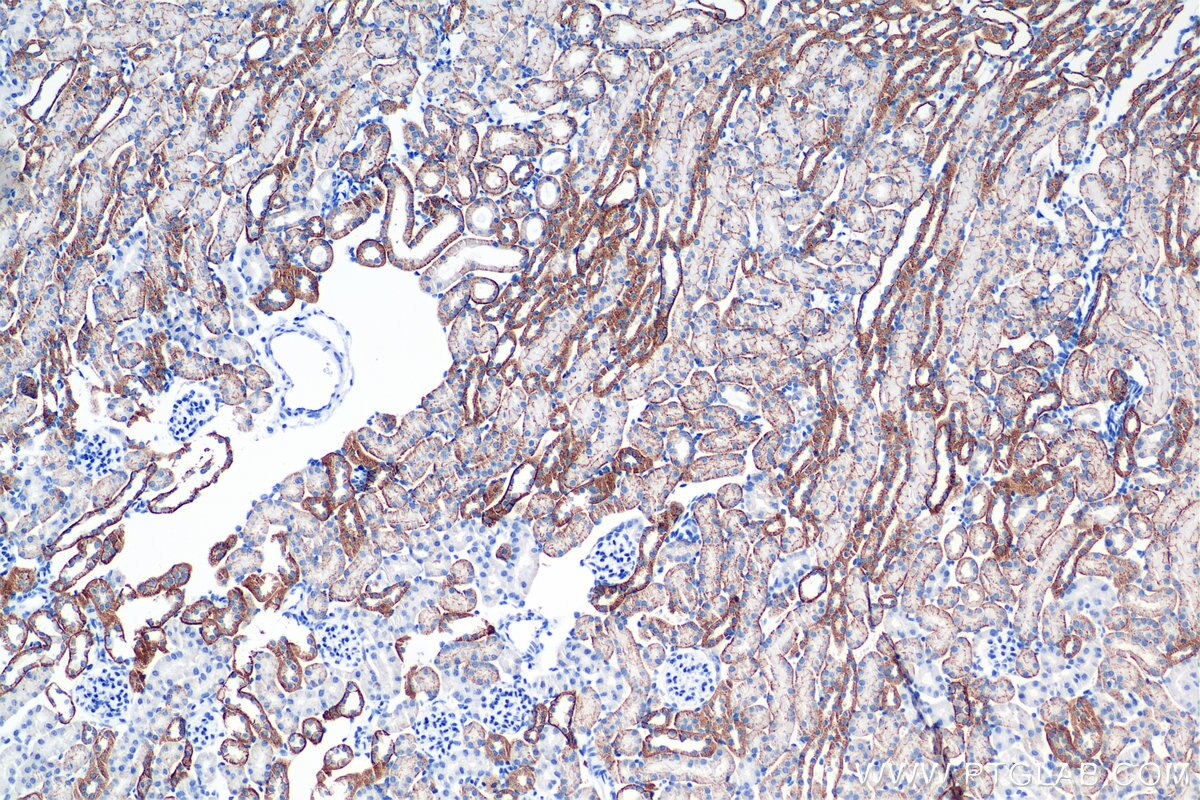
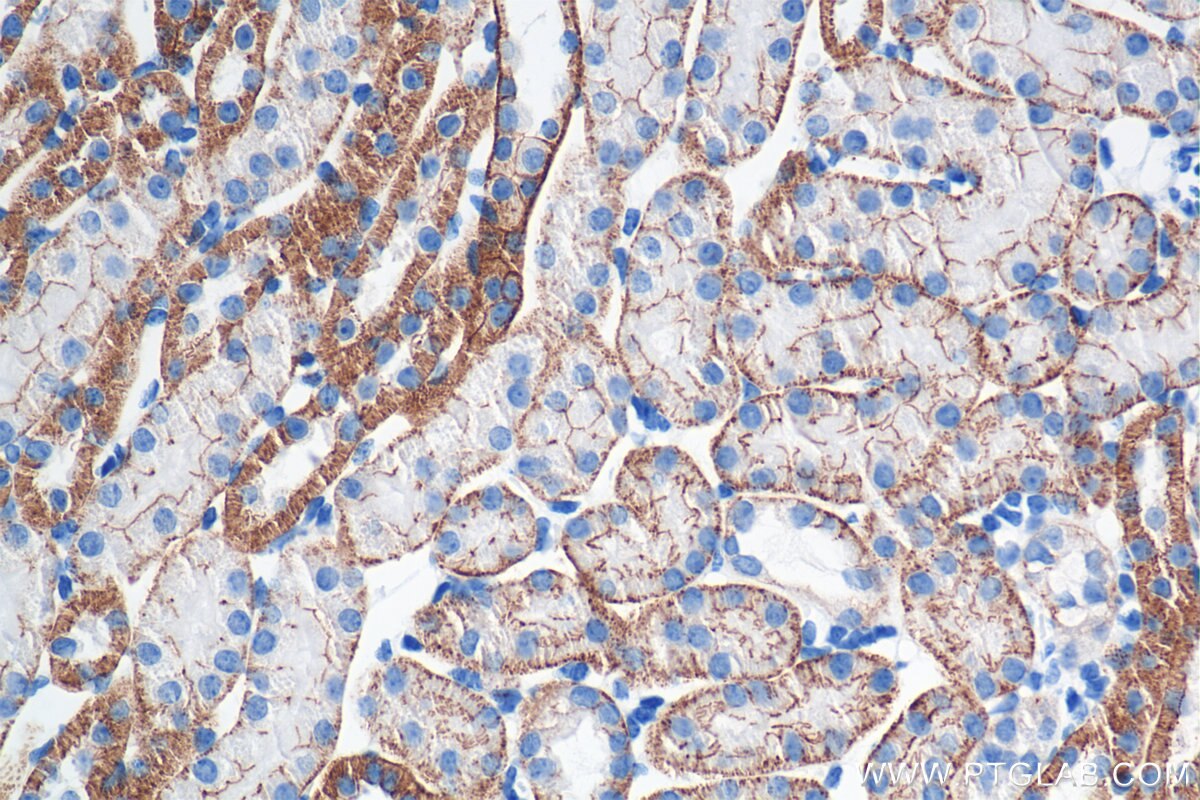
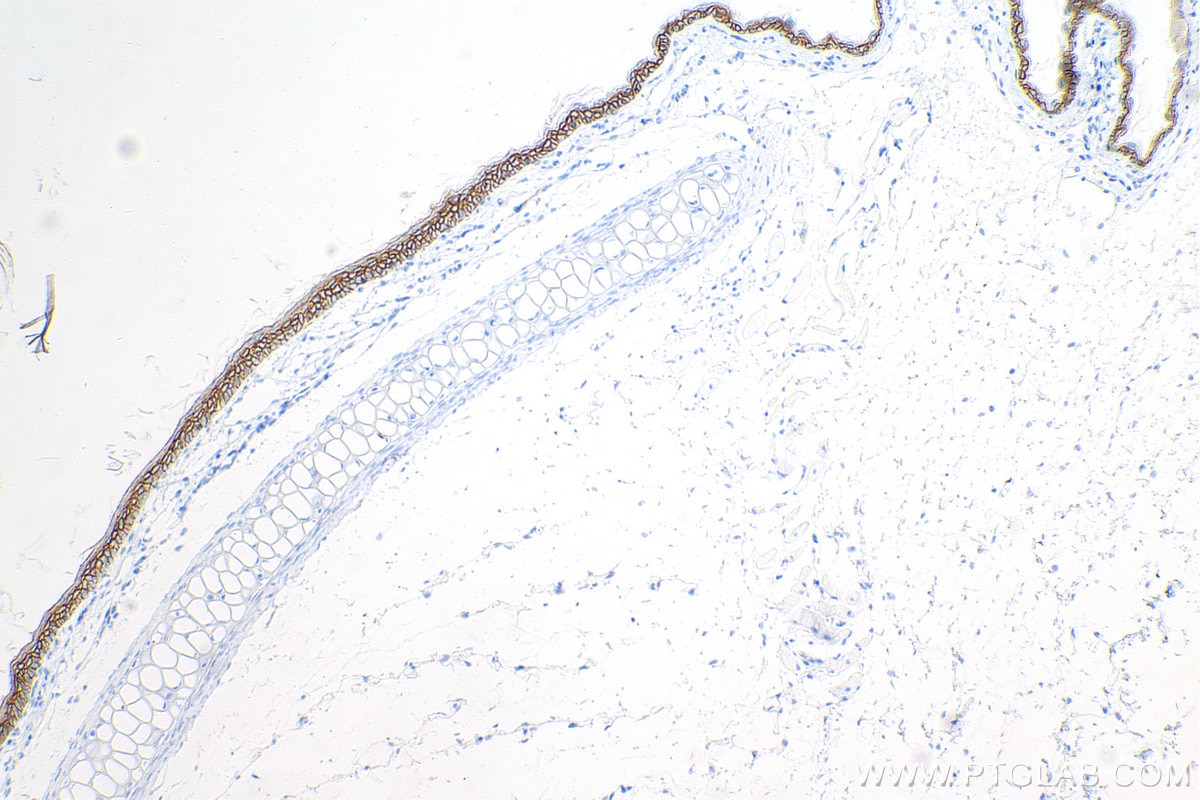
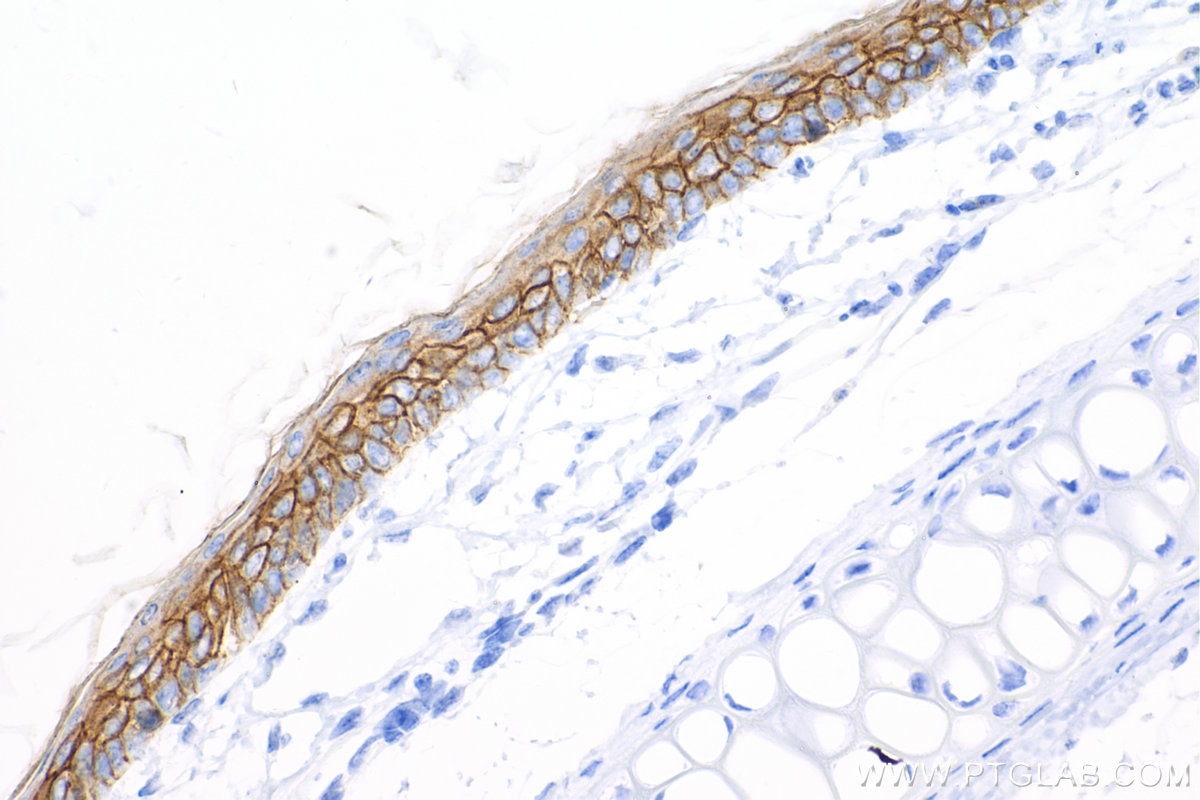
Applications testées
| Résultats positifs en IHC | tissu de côlon de souris, tissu cutané de souris, tissu de côlon de rat, tissu rénal de souris il est suggéré de démasquer l'antigène avec un tampon de TE buffer pH 9.0; (*) À défaut, 'le démasquage de l'antigène peut être 'effectué avec un tampon citrate pH 6,0. |
Dilution recommandée
| Application | Dilution |
|---|---|
| Immunohistochimie (IHC) | IHC : 1:1000-1:4000 |
| It is recommended that this reagent should be titrated in each testing system to obtain optimal results. | |
| Sample-dependent, check data in validation data gallery | |
Informations sur le produit
84111-1-RR cible E-cadherin dans les applications de IHC, ELISA et montre une réactivité avec des échantillons rat, souris
| Réactivité | rat, souris |
| Hôte / Isotype | Lapin / IgG |
| Clonalité | Recombinant |
| Type | Anticorps |
| Immunogène | E-cadherin Protéine recombinante Eg0975 |
| Nom complet | cadherin 1 |
| Masse moléculaire calculée | 98kDa |
| Numéro d’acquisition GenBank | NM_009864.3 |
| Symbole du gène | E-cadherin |
| Identification du gène (NCBI) | 12550 |
| Conjugaison | Non conjugué |
| Forme | Liquide |
| Méthode de purification | Purification par protéine A |
| Tampon de stockage | PBS with 0.02% sodium azide and 50% glycerol |
| Conditions de stockage | Stocker à -20°C. Stable pendant un an après l'expédition. L'aliquotage n'est pas nécessaire pour le stockage à -20oC Les 20ul contiennent 0,1% de BSA. |
Informations générales
Cadherins are a family of transmembrane glycoproteins that mediate calcium-dependent cell-cell adhesion and play an important role in the maintenance of normal tissue architecture. E-cadherin (epithelial cadherin), also known as CDH1 (cadherin 1) or CAM 120/80, is a classical member of the cadherin superfamily which also include N-, P-, R-, and B-cadherins. E-cadherin is expressed on the cell surface in most epithelial tissues. The extracellular region of E-cadherin establishes calcium-dependent homophilic trans binding, providing specific interaction with adjacent cells, while the cytoplasmic domain is connected to the actin cytoskeleton through the interaction with p120-, α-, β-, and γ-catenin (plakoglobin). E-cadherin is important in the maintenance of the epithelial integrity, and is involved in mechanisms regulating proliferation, differentiation, and survival of epithelial cell. E-cadherin may also play a role in tumorigenesis. It is considered to be an invasion suppressor protein and its loss is an indicator of high tumor aggressiveness. E-cadherin is sensitive to trypsin digestion in the absence of Ca2+.
Protocole
| Product Specific Protocols | |
|---|---|
| IHC protocol for E-cadherin antibody 84111-1-RR | Download protocol |
| Standard Protocols | |
|---|---|
| Click here to view our Standard Protocols |


