Anticorps Recombinant de lapin anti-E-cadherin
E-cadherin Recombinant Antibody for WB, IF/ICC, Cytometric bead array, Sandwich ELISA, Indirect ELISA
Hôte / Isotype
Lapin / IgG
Réactivité testée
Humain, souris
Applications
WB, IF/ICC, Cytometric bead array, Sandwich ELISA, Indirect ELISA
Conjugaison
Non conjugué
CloneNo.
241282A8
N° de cat : 84111-2-PBS
Synonymes
Galerie de données de validation
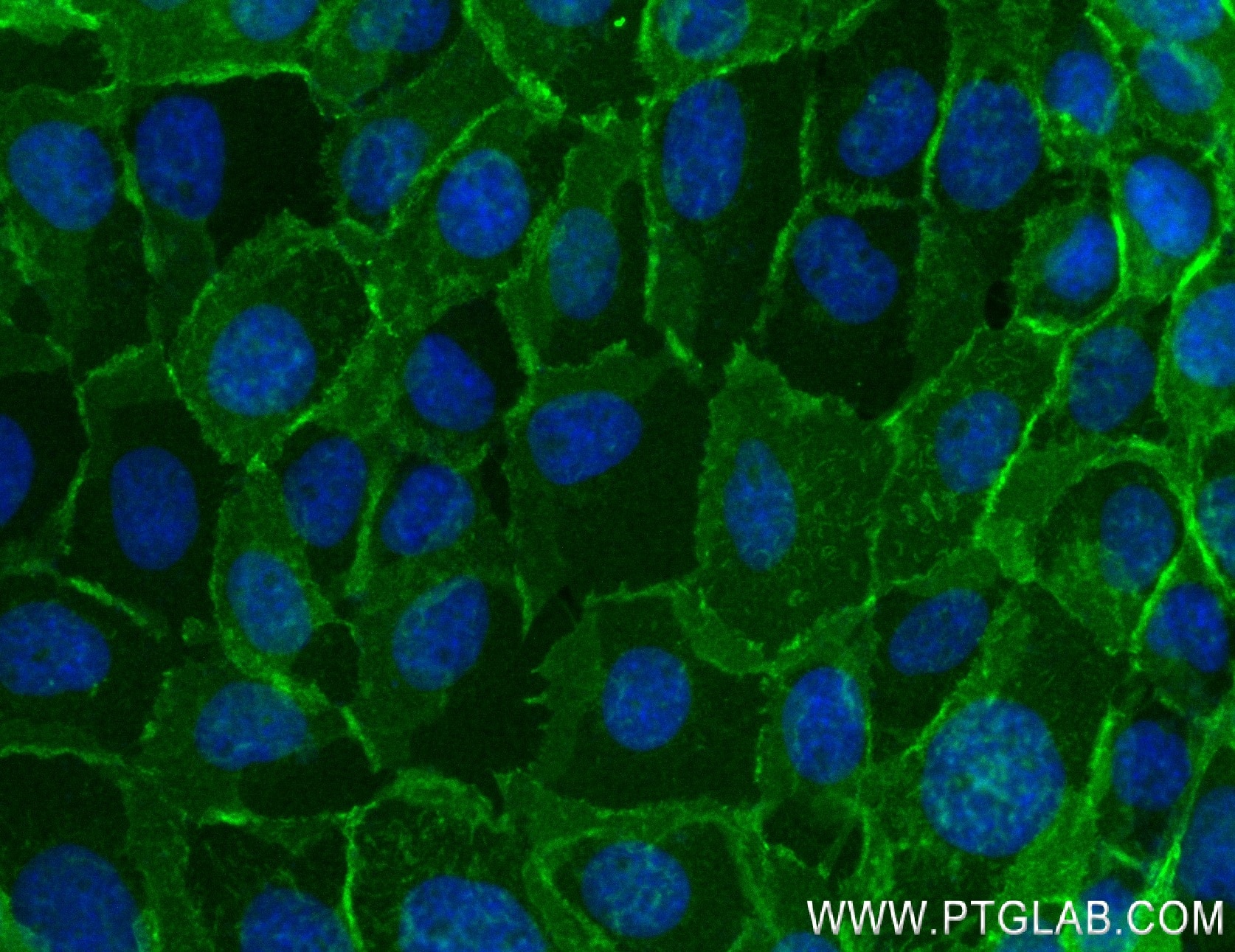
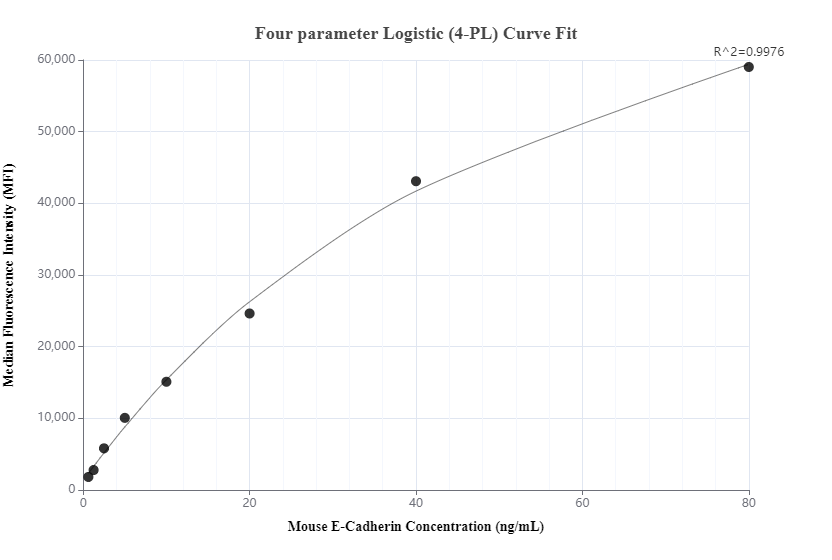
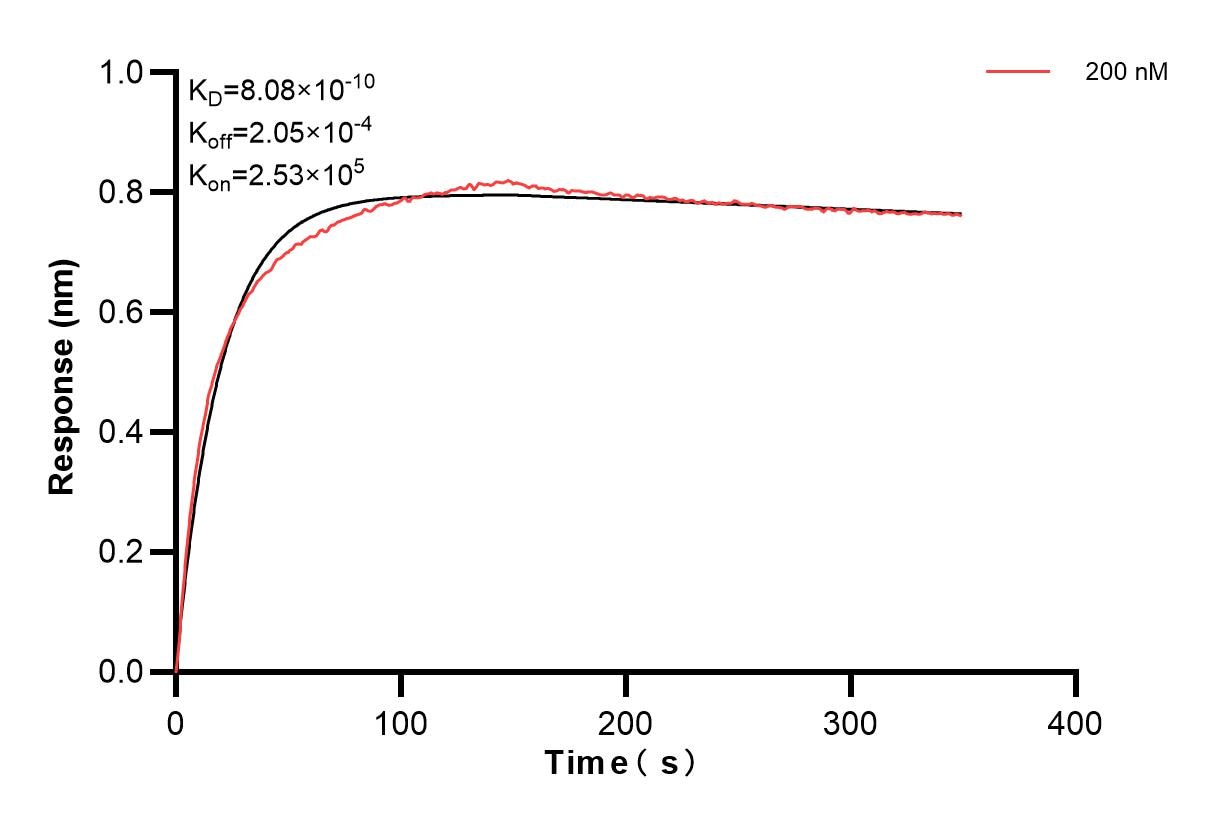
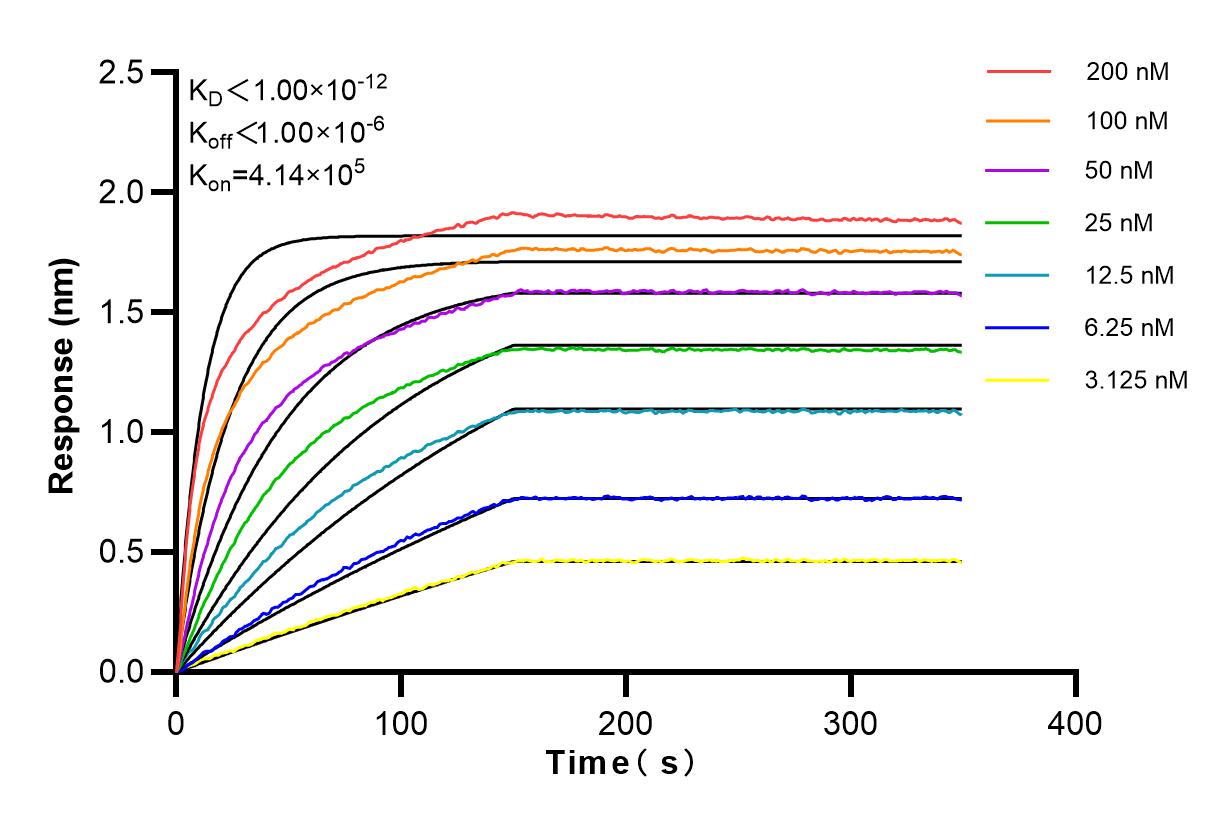
Informations sur le produit
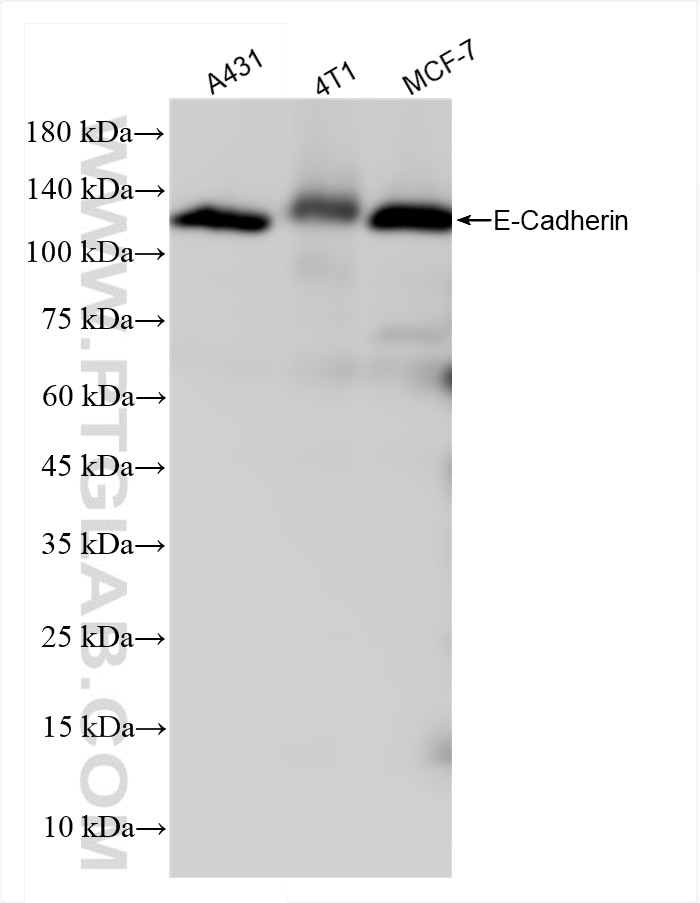
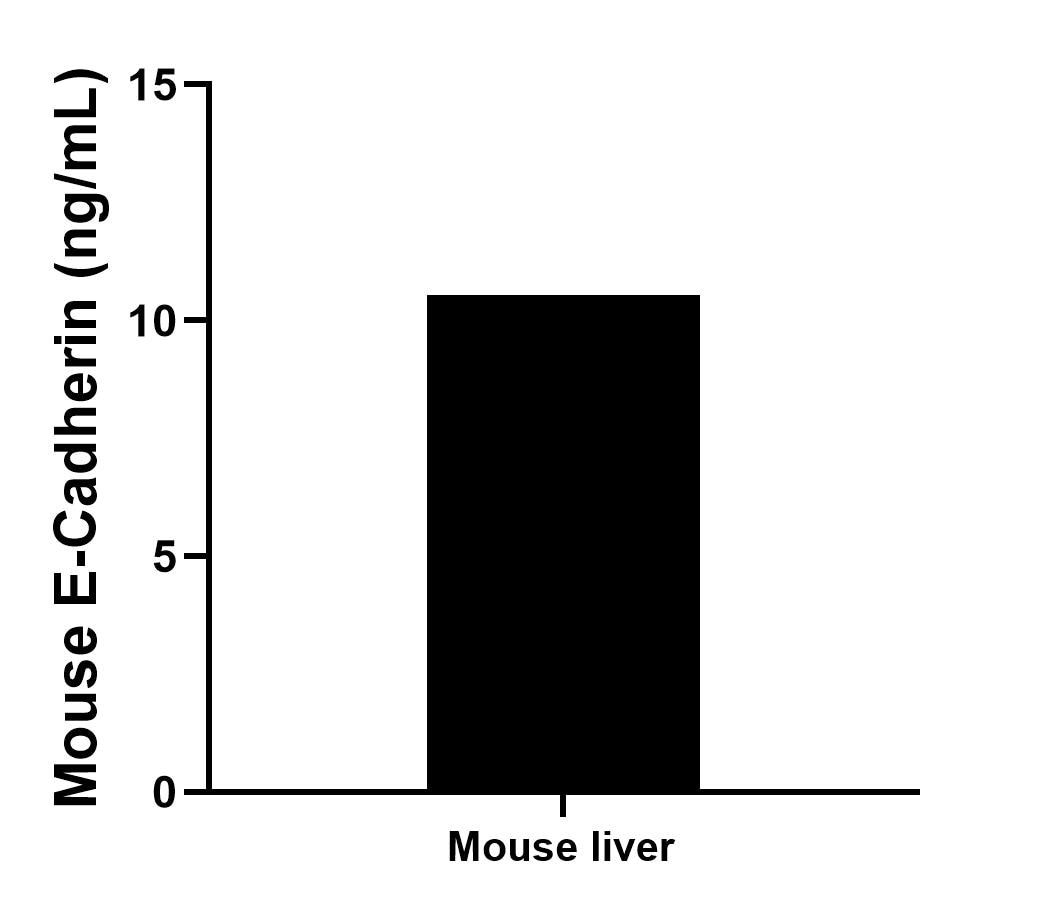
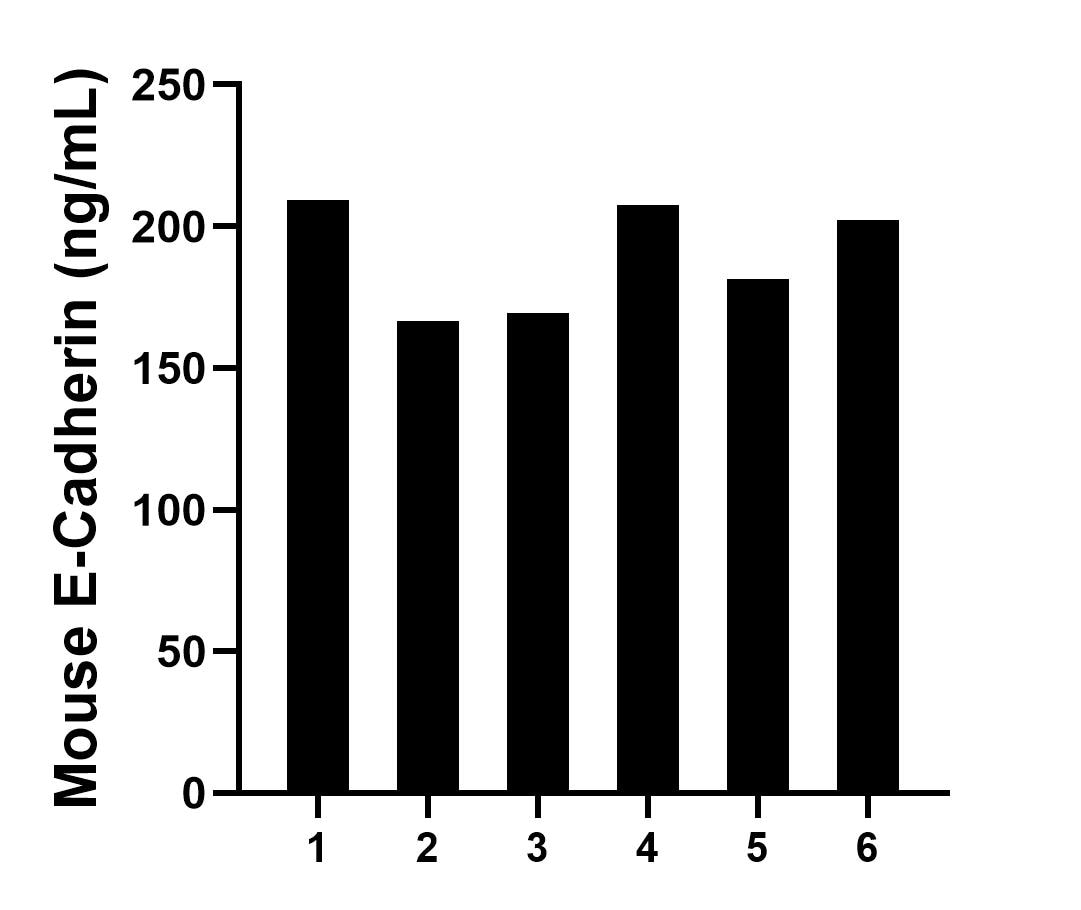
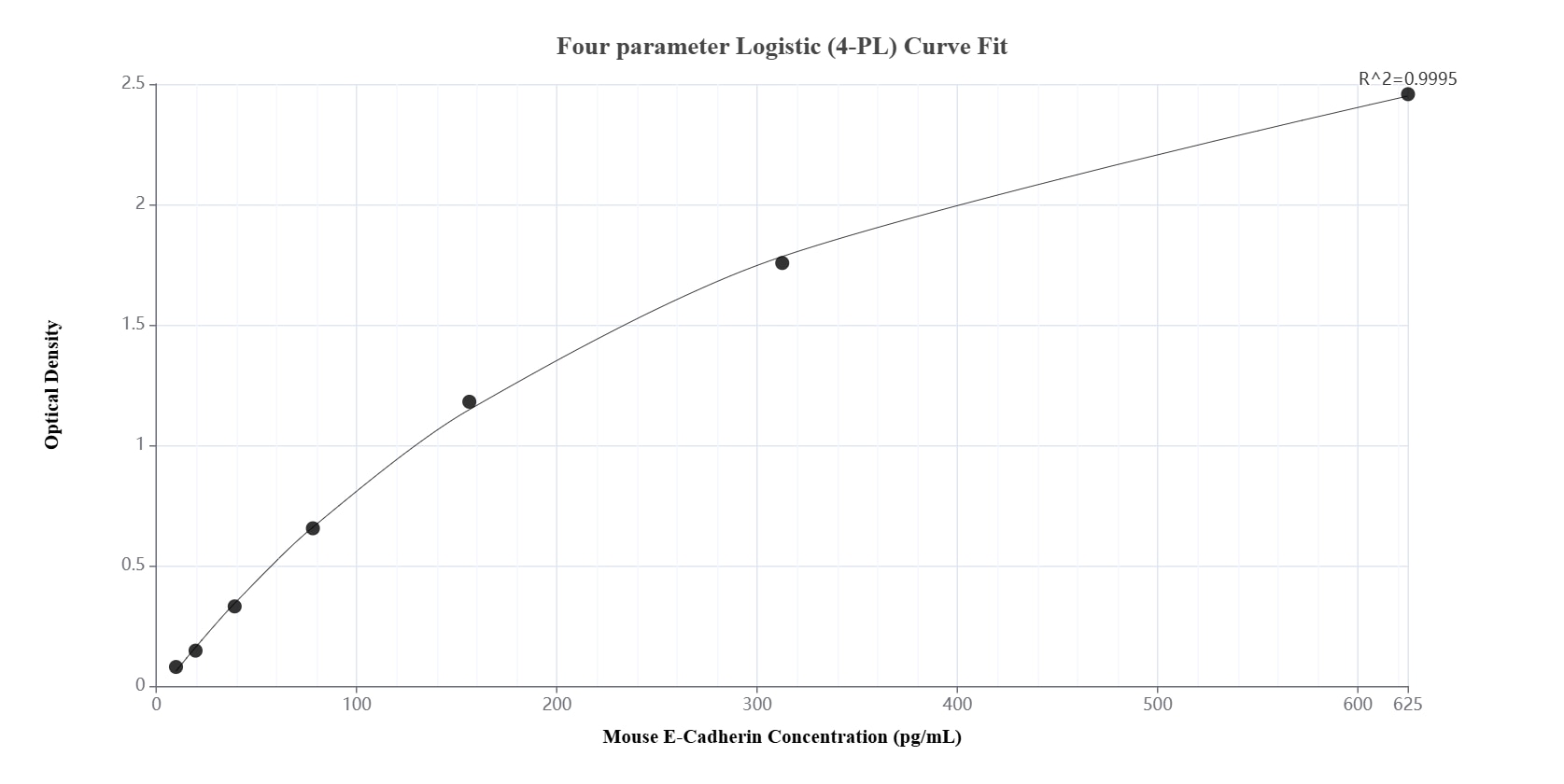
84111-2-PBS cible E-cadherin dans les applications de WB, IF/ICC, Cytometric bead array, Sandwich ELISA, Indirect ELISA et montre une réactivité avec des échantillons Humain, souris
| Réactivité | Humain, souris |
| Hôte / Isotype | Lapin / IgG |
| Clonalité | Recombinant |
| Type | Anticorps |
| Immunogène | E-cadherin Protéine recombinante Eg0975 |
| Nom complet | cadherin 1 |
| Masse moléculaire calculée | 98kDa |
| Poids moléculaire observé | 135 kDa |
| Numéro d’acquisition GenBank | NM_009864.3 |
| Symbole du gène | E-cadherin |
| Identification du gène (NCBI) | 12550 |
| Conjugaison | Non conjugué |
| Forme | Liquide |
| Méthode de purification | Purification par protéine A |
| Tampon de stockage | PBS only |
| Conditions de stockage | Store at -80°C. 20ul contiennent 0,1% de BSA. |
Informations générales
Cadherins are a family of transmembrane glycoproteins that mediate calcium-dependent cell-cell adhesion and play an important role in the maintenance of normal tissue architecture. E-cadherin (epithelial cadherin), also known as CDH1 (cadherin 1) or CAM 120/80, is a classical member of the cadherin superfamily which also include N-, P-, R-, and B-cadherins. E-cadherin is expressed on the cell surface in most epithelial tissues. The extracellular region of E-cadherin establishes calcium-dependent homophilic trans binding, providing specific interaction with adjacent cells, while the cytoplasmic domain is connected to the actin cytoskeleton through the interaction with p120-, α-, β-, and γ-catenin (plakoglobin). E-cadherin is important in the maintenance of the epithelial integrity, and is involved in mechanisms regulating proliferation, differentiation, and survival of epithelial cell. E-cadherin may also play a role in tumorigenesis. It is considered to be an invasion suppressor protein and its loss is an indicator of high tumor aggressiveness. E-cadherin is sensitive to trypsin digestion in the absence of Ca2+.


