- Phare
- Validé par KD/KO
Anticorps Polyclonal de lapin anti-ELOVL4
ELOVL4 Polyclonal Antibody for WB, IHC, IF/ICC, Indirect ELISA
Hôte / Isotype
Lapin / IgG
Réactivité testée
Humain, rat, souris
Applications
WB, IHC, IF/ICC, Indirect ELISA
Conjugaison
Non conjugué
N° de cat : 55023-1-PBS
Synonymes
Galerie de données de validation
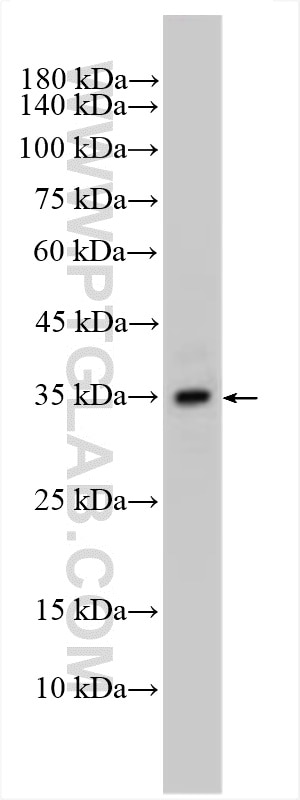
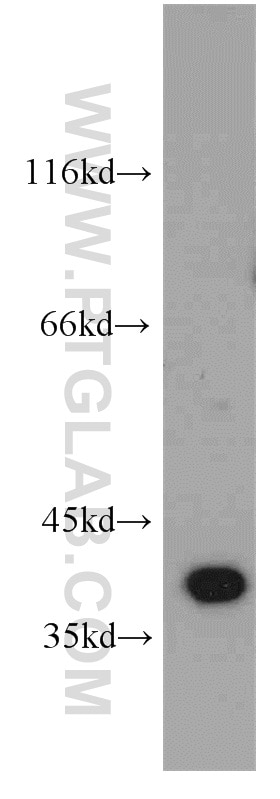
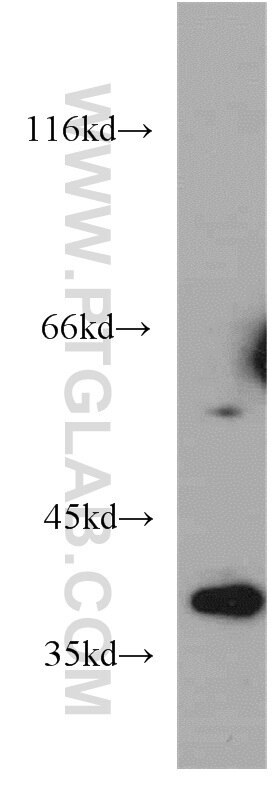
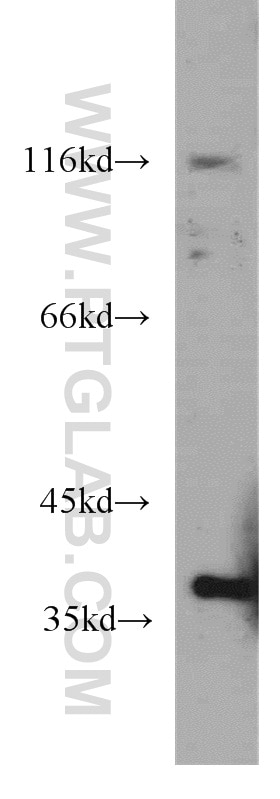
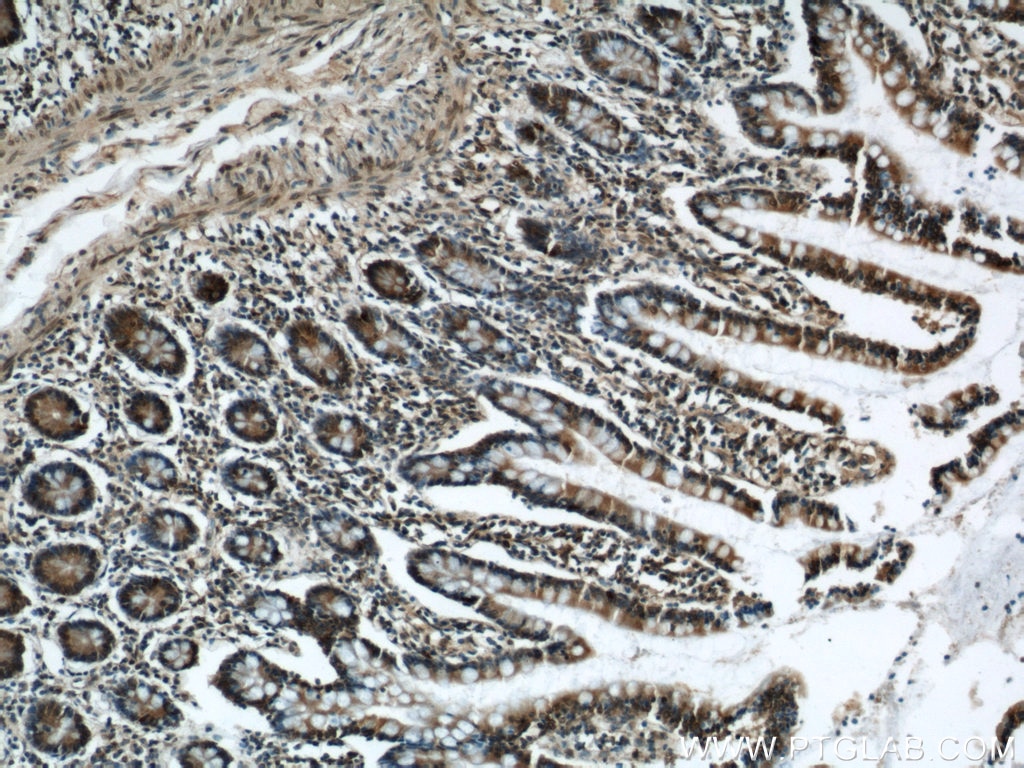
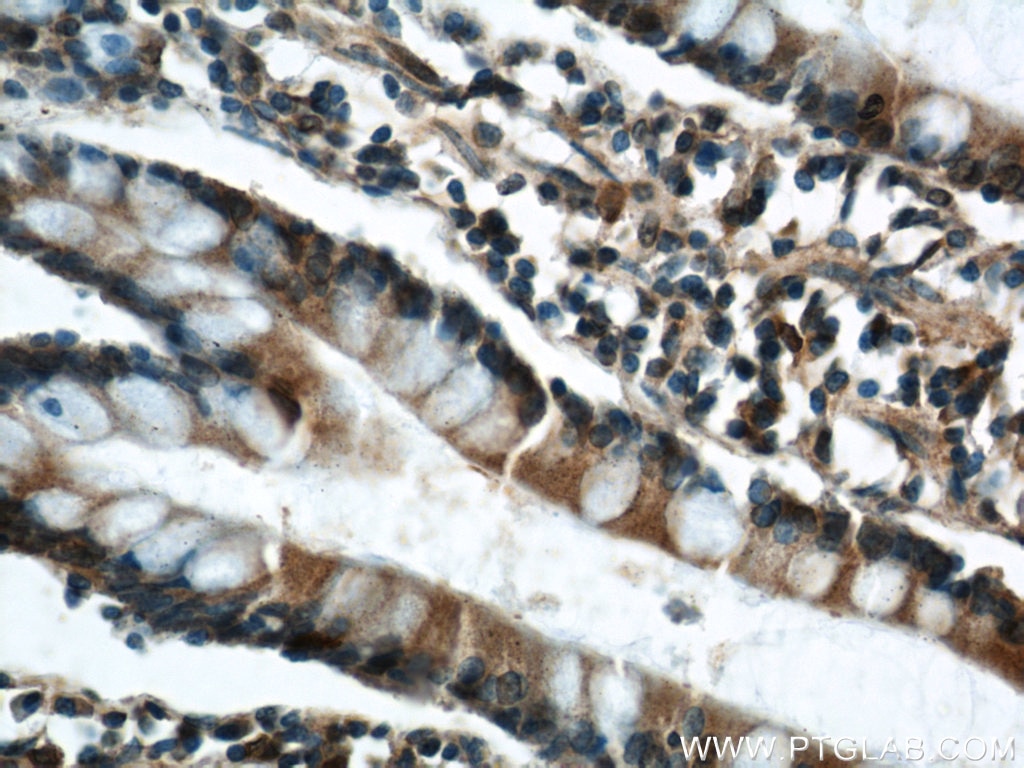
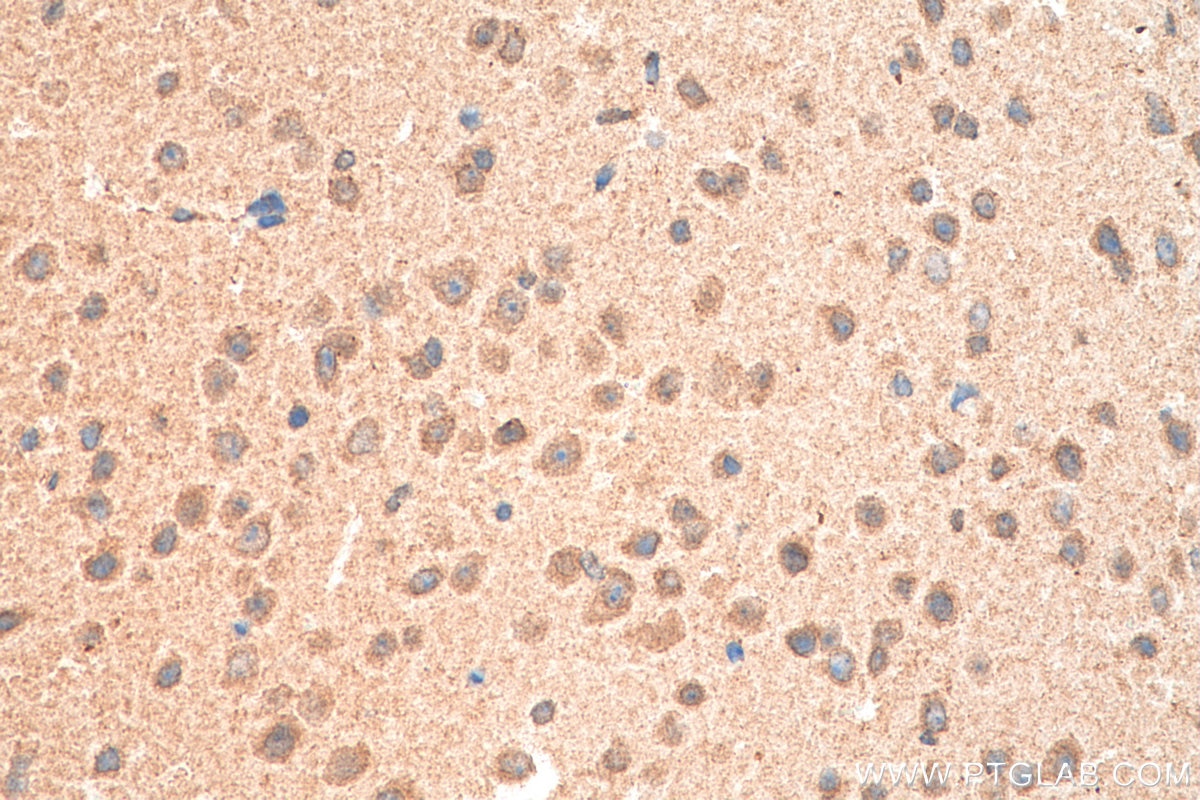
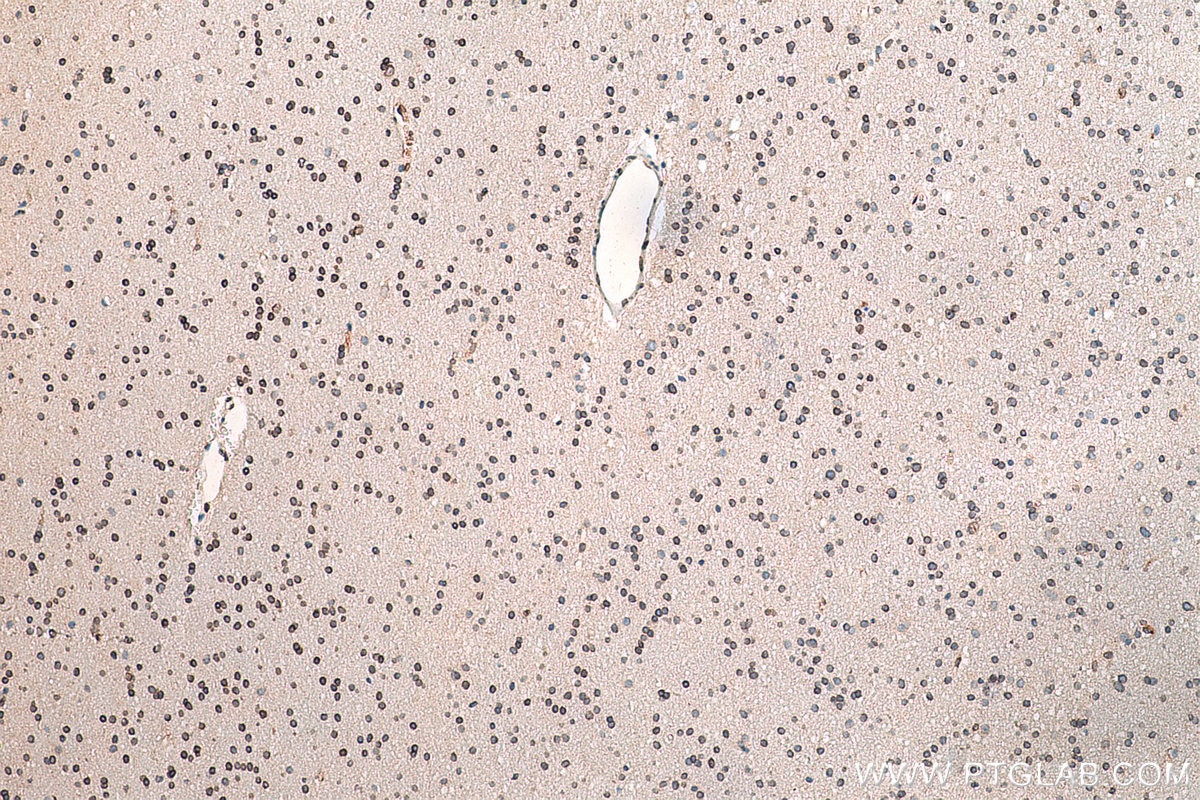
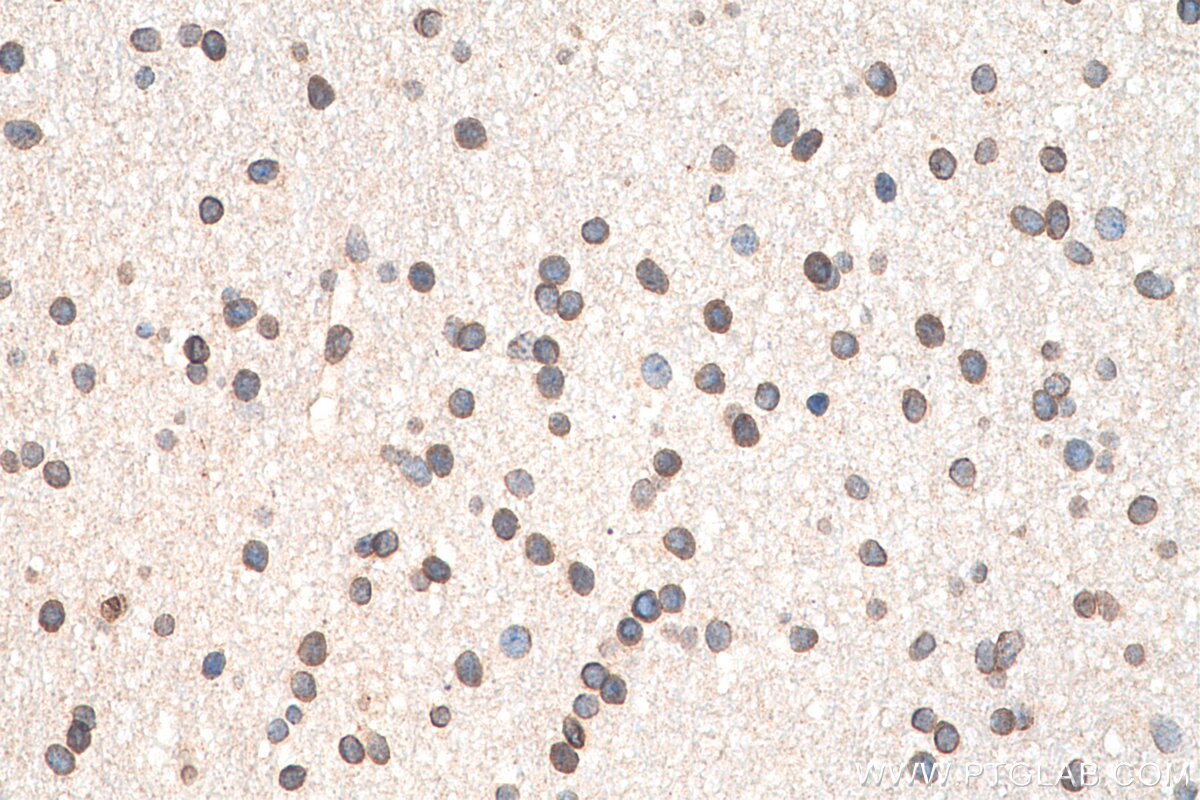
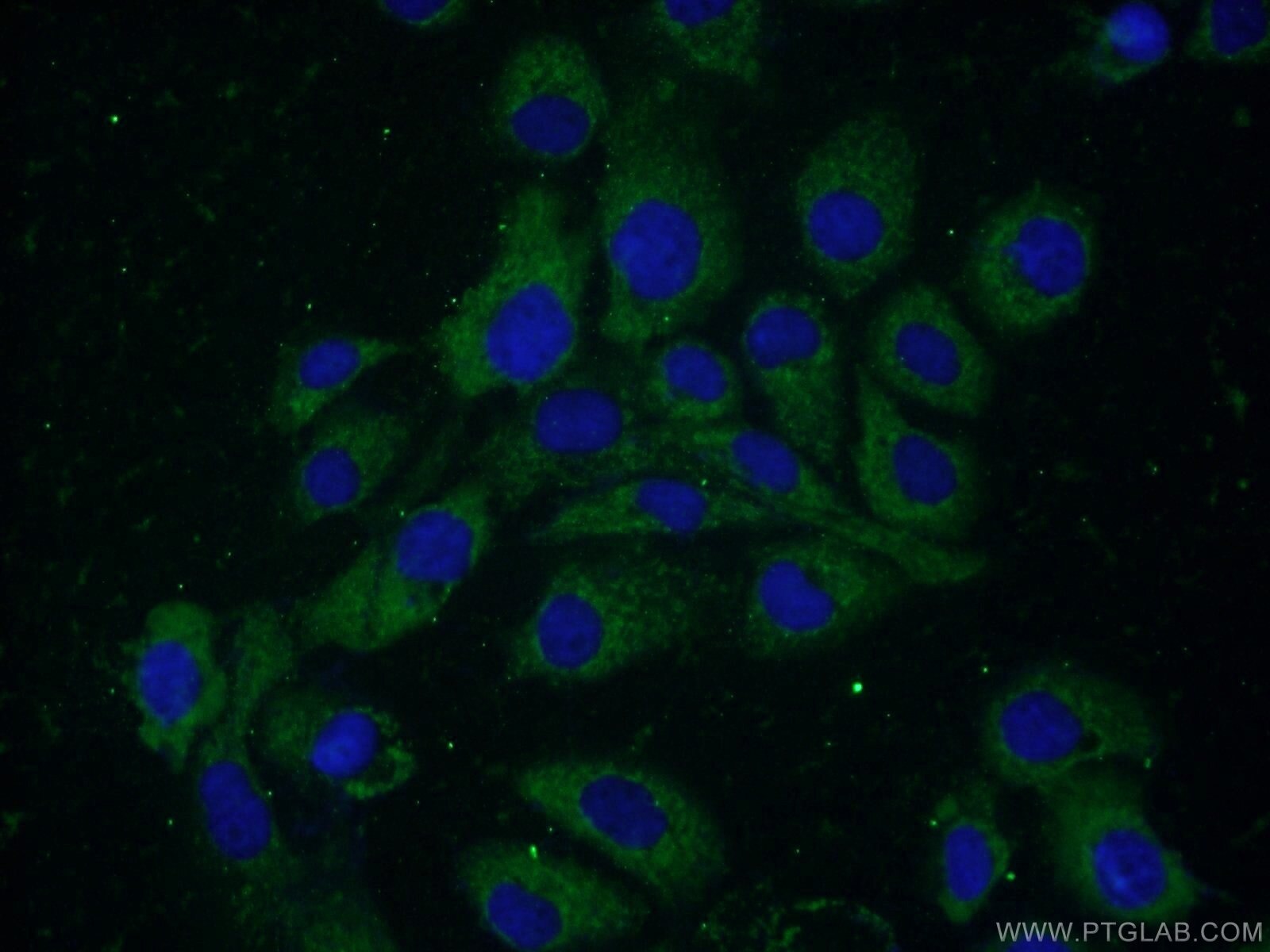
Informations sur le produit
55023-1-PBS cible ELOVL4 dans les applications de WB, IHC, IF/ICC, Indirect ELISA et montre une réactivité avec des échantillons Humain, rat, souris
| Réactivité | Humain, rat, souris |
| Hôte / Isotype | Lapin / IgG |
| Clonalité | Polyclonal |
| Type | Anticorps |
| Immunogène | Peptide |
| Nom complet | elongation of very long chain fatty acids (FEN1/Elo2, SUR4/Elo3, yeast)-like 4 |
| Masse moléculaire calculée | 37 kDa |
| Poids moléculaire observé | 37-40 kDa |
| Numéro d’acquisition GenBank | NM_022726 |
| Symbole du gène | ELOVL4 |
| Identification du gène (NCBI) | 6785 |
| Conjugaison | Non conjugué |
| Forme | Liquide |
| Méthode de purification | Purification par affinité contre l'antigène |
| Tampon de stockage | PBS only |
| Conditions de stockage | Store at -80°C. 20ul contiennent 0,1% de BSA. |
Informations générales
ELOVL4, also named as ADMD, STGD2 and STGD3, belongs to the ELO family. It is a component of the fatty acid elongation system. Elovl4 is involved in the biosynthesis of very long chain fatty acids. It seems to represent a photoreceptor-specific component of the fatty acid elongation system residing on the endoplasmic reticulum. ELOVL4 may be implicated in docosahexaenoic acid (DHA) biosynthesis, which requires dietary consumption of the essential alpha-linolenic acid and a subsequent series of three elongation steps. Defects in ELOVL4 are the cause of Stargardt disease type 3 (STGD3). The antibody is specific to ELOVL4.


