Anticorps Polyclonal de lapin anti-EPHB3
EPHB3 Polyclonal Antibody for IHC, IF/ICC, Indirect ELISA
Hôte / Isotype
Lapin / IgG
Réactivité testée
Humain, souris
Applications
IHC, IF/ICC, Indirect ELISA
Conjugaison
Non conjugué
N° de cat : 21382-1-PBS
Synonymes
Galerie de données de validation
Informations sur le produit
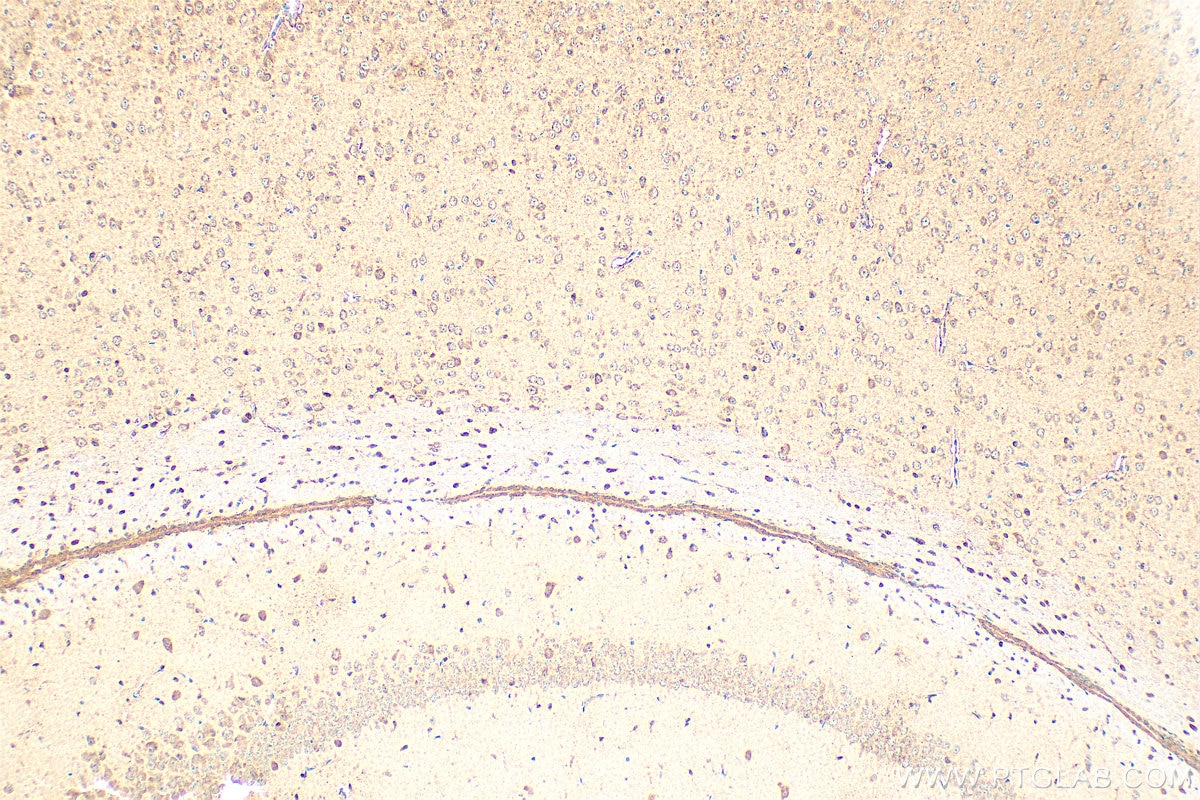
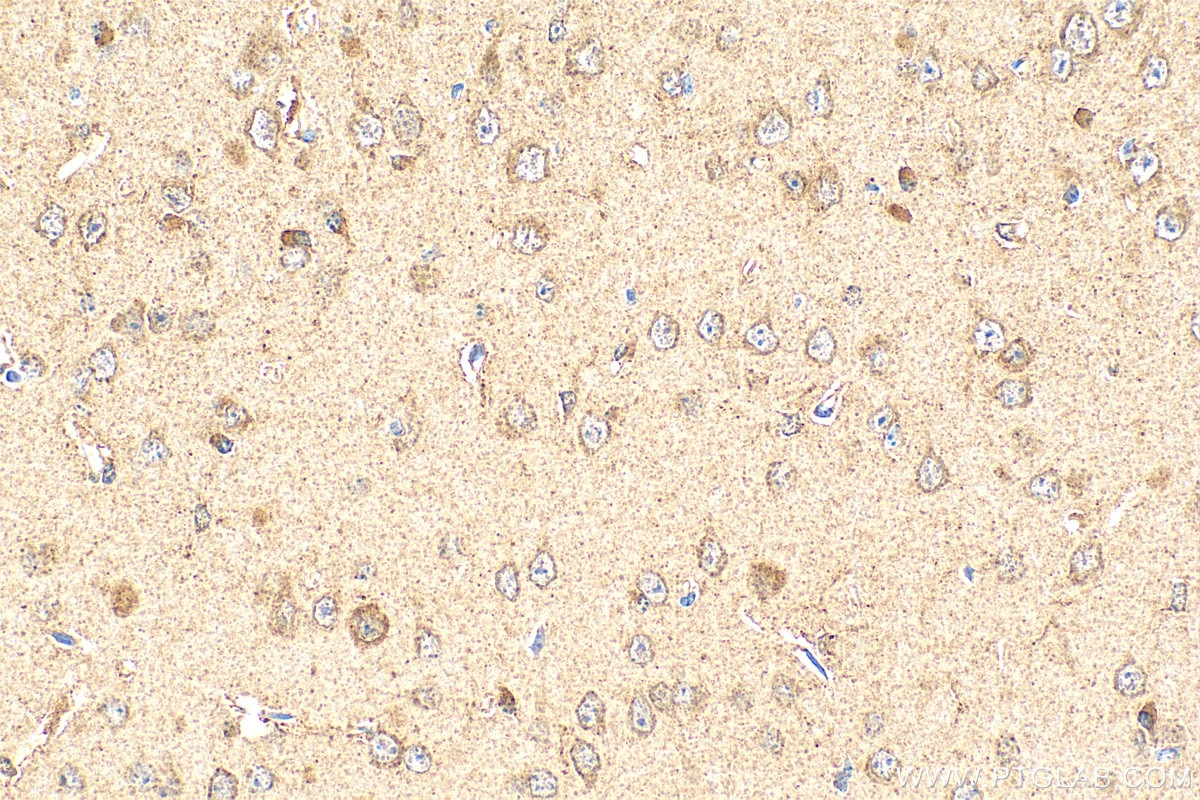
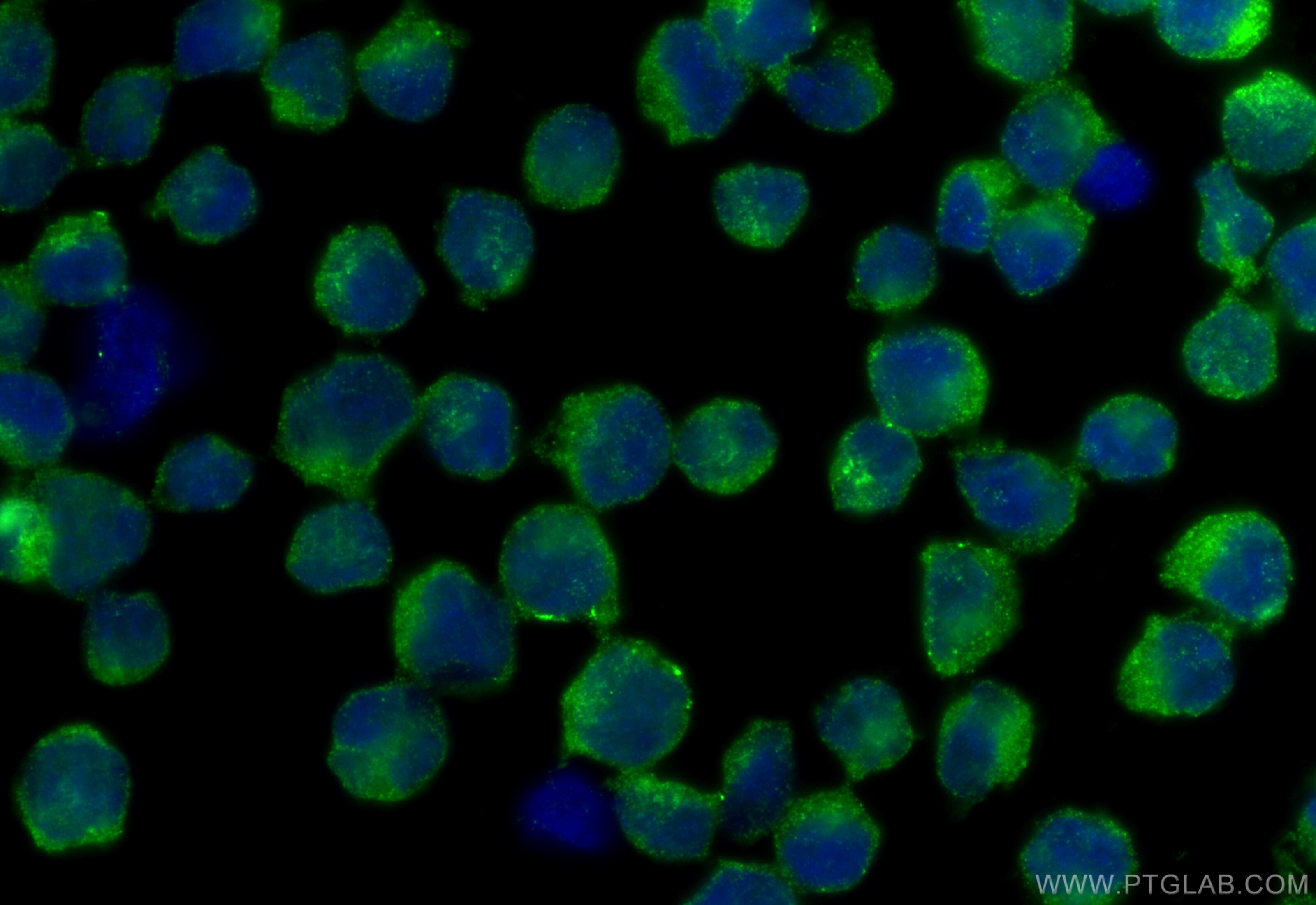
21382-1-PBS cible EPHB3 dans les applications de IHC, IF/ICC, Indirect ELISA et montre une réactivité avec des échantillons Humain, souris
| Réactivité | Humain, souris |
| Hôte / Isotype | Lapin / IgG |
| Clonalité | Polyclonal |
| Type | Anticorps |
| Immunogène | EPHB3 Protéine recombinante Ag16016 |
| Nom complet | EPH receptor B3 |
| Masse moléculaire calculée | 998 aa, 110 kDa |
| Numéro d’acquisition GenBank | BC052968 |
| Symbole du gène | EPHB3 |
| Identification du gène (NCBI) | 2049 |
| Conjugaison | Non conjugué |
| Forme | Liquide |
| Méthode de purification | Purification par affinité contre l'antigène |
| Tampon de stockage | PBS only |
| Conditions de stockage | Store at -80°C. 20ul contiennent 0,1% de BSA. |
Informations générales
EPHB3 is a member of the Eph receptor tyrosine kinase family. The Eph receptors comprise a large family of closely related transmembrane tyrosine kinases that actively signal when bound to their ephrin ligands. The Eph receptors are characterized by an extracellular region with a unique cysteine-rich motif extending over its amino-terminal half, followed by two fibronectin type III motifs (PMID: 9530499). They are divided into two sub-groups (EphA and EphB) based on the similarity of their extracellular domain sequences and their affinities for binding ephrin-A and ephrin-B ligands (PMID: 11114742). The EPHB3 protein has multiple functions in the nervous system, including regulating neural networks, participating in epileptic activity, and playing a role in repair after spinal cord injury.


