- Phare
- Validé par KD/KO
Anticorps Monoclonal anti-FGFR3
FGFR3 Monoclonal Antibody for WB, IF/ICC, Cytometric bead array, Indirect ELISA
Hôte / Isotype
Mouse / IgG1
Réactivité testée
Humain
Applications
WB, IF/ICC, Cytometric bead array, Indirect ELISA
Conjugaison
Non conjugué
CloneNo.
1F3G1
N° de cat : 66954-1-PBS
Synonymes
Galerie de données de validation
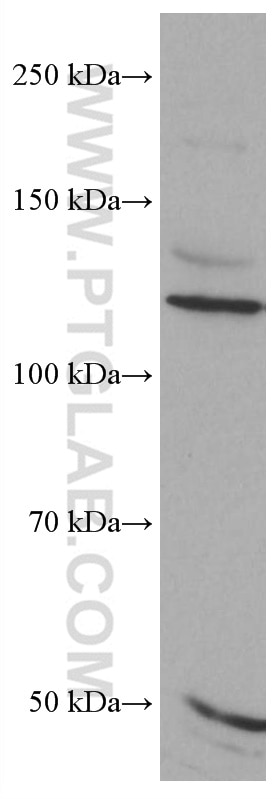
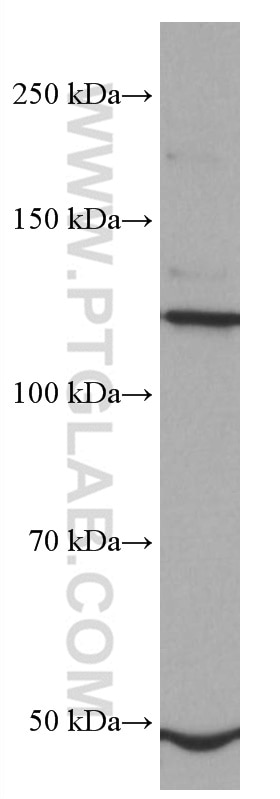
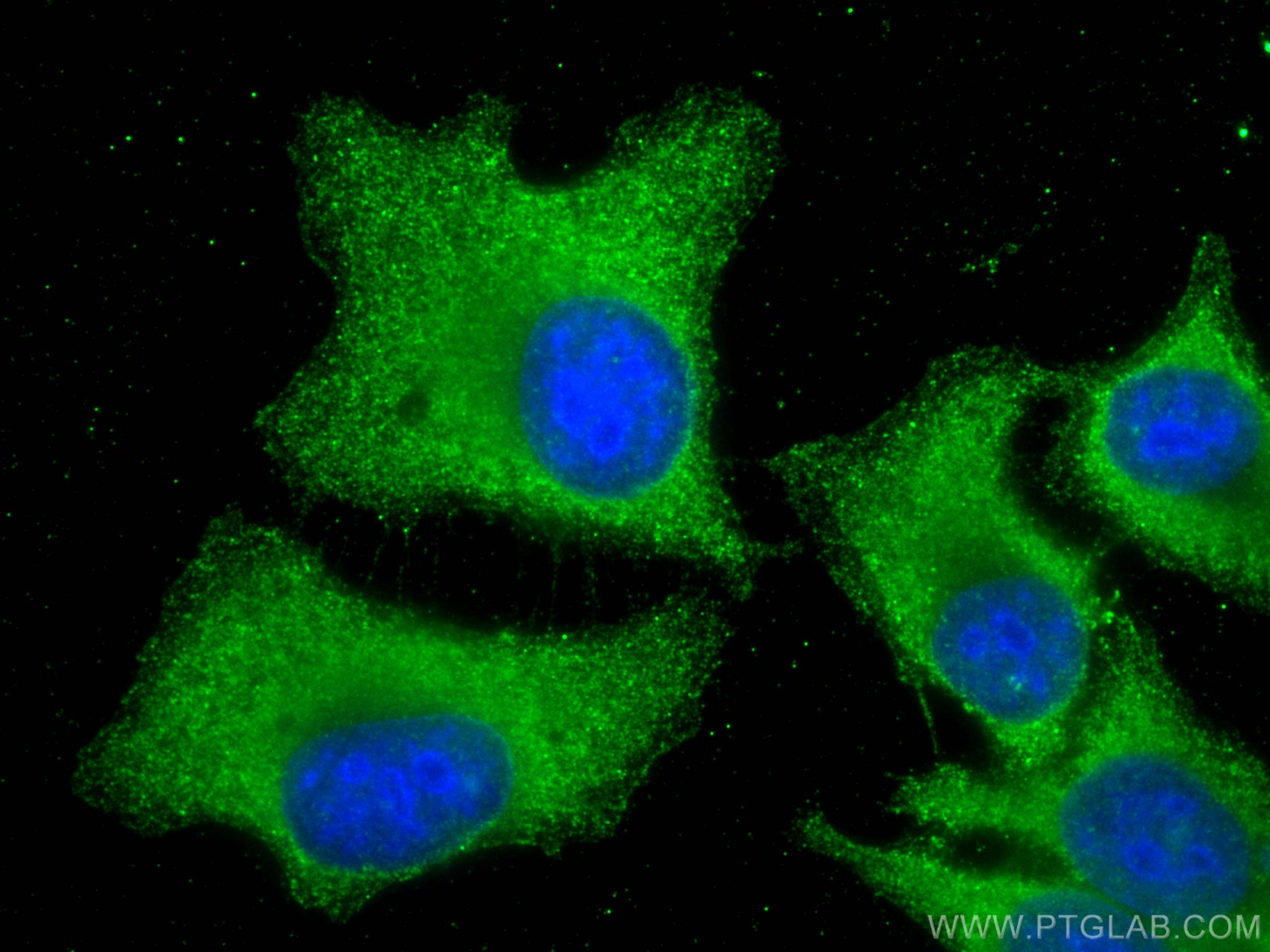
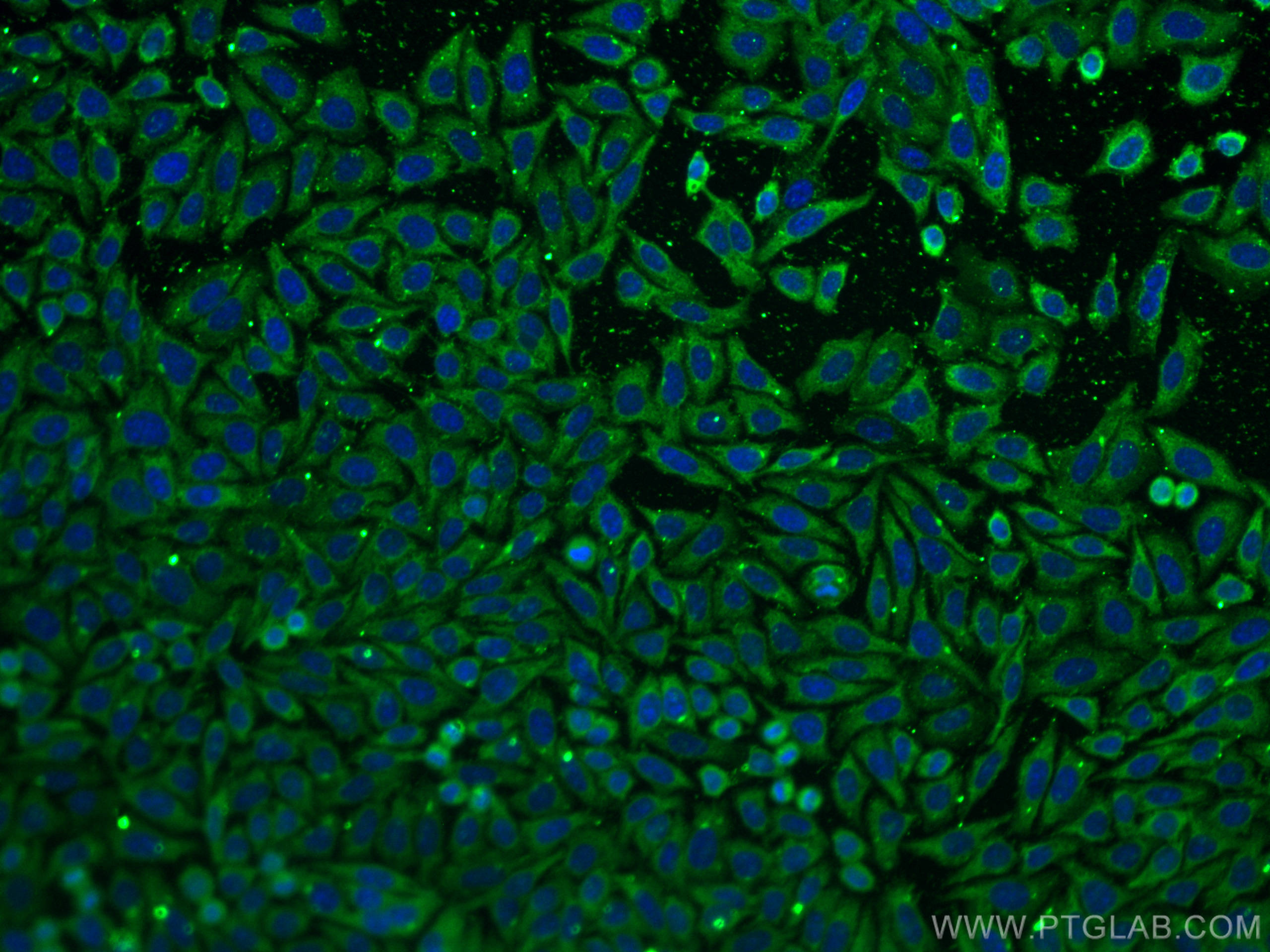
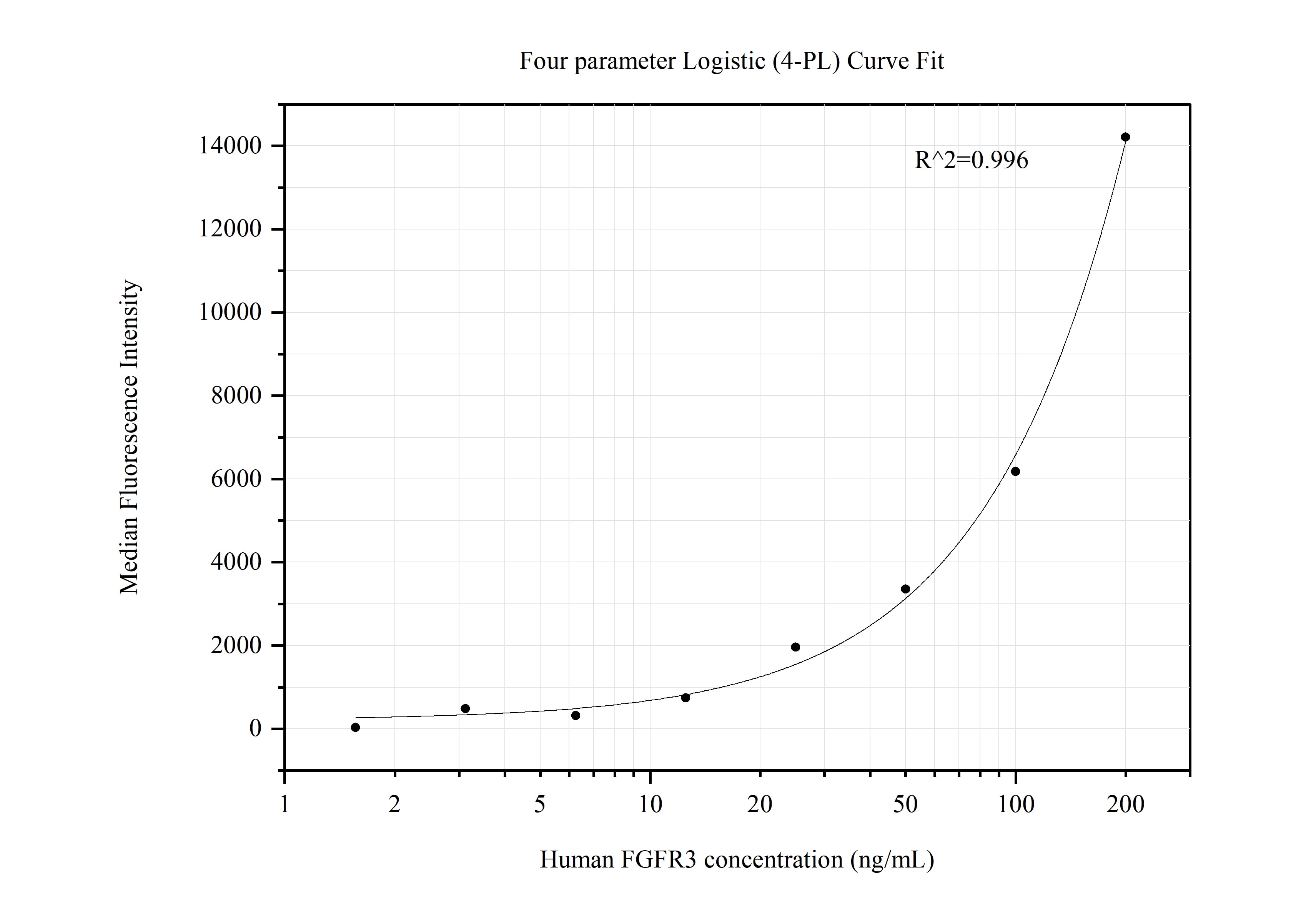
Informations sur le produit
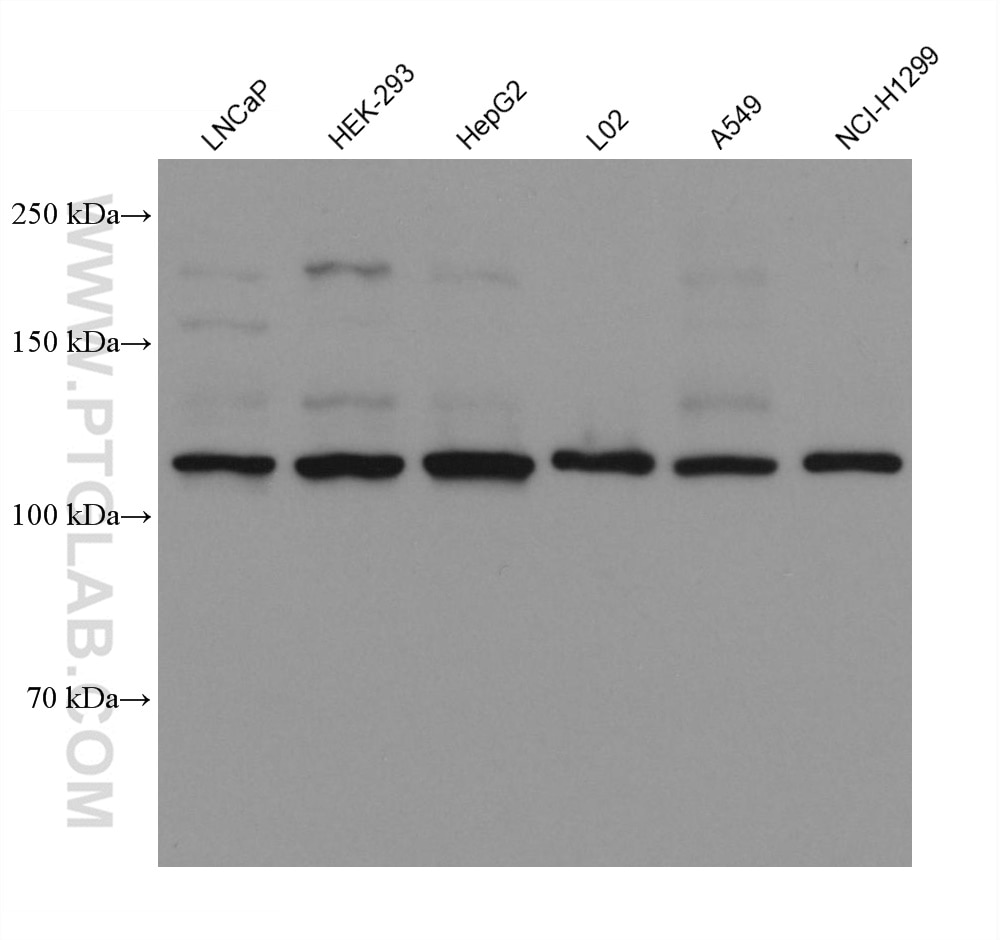
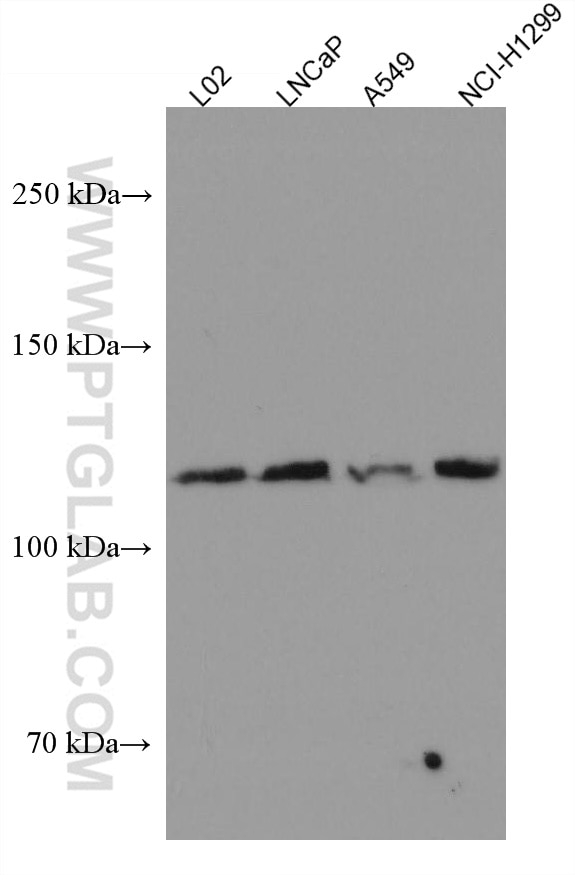
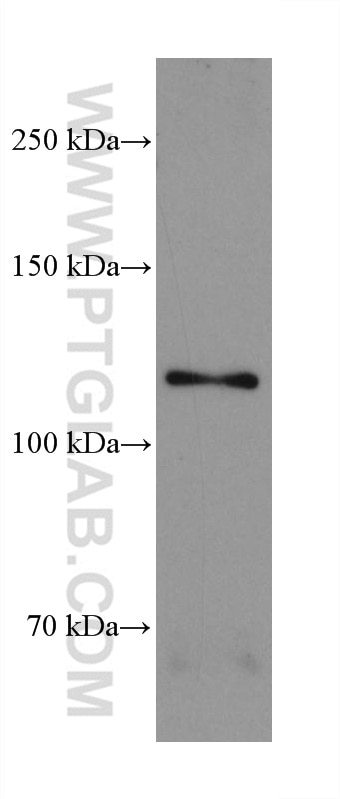
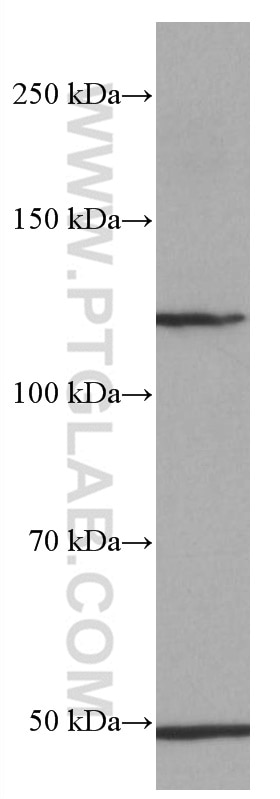
66954-1-PBS cible FGFR3 dans les applications de WB, IF/ICC, Cytometric bead array, Indirect ELISA et montre une réactivité avec des échantillons Humain
| Réactivité | Humain |
| Hôte / Isotype | Mouse / IgG1 |
| Clonalité | Monoclonal |
| Type | Anticorps |
| Immunogène | FGFR3 Protéine recombinante Ag26290 |
| Nom complet | fibroblast growth factor receptor 3 |
| Masse moléculaire calculée | 87 kDa |
| Poids moléculaire observé | 125-135 kDa |
| Numéro d’acquisition GenBank | NM_000142 |
| Symbole du gène | FGFR3 |
| Identification du gène (NCBI) | 2261 |
| Conjugaison | Non conjugué |
| Forme | Liquide |
| Méthode de purification | Purification par protéine G |
| Tampon de stockage | PBS only |
| Conditions de stockage | Store at -80°C. 20ul contiennent 0,1% de BSA. |
Informations générales
Fibroblast growth factors (FGFs) are polypeptide growth factors involved in a variety of activities including mitogenesis, angiogenesis, and wound healing (PMID: 1847508). The human FGF receptor family, a subfamily of receptor tyrosine kinases (RTKs), comprises of four family members-FGFR1, FGFR2, FGFR3, and FGFR4 (PMID: 23900974). Each receptor contains an extracellular domain with either two or three immunoglobulin-like domains, a transmembrane domain, and a cytoplasmic tyrosine kinase domain. FGFR3 binds acidic and basic fibroblast GH and plays a role in bone development and maintenance. Mutations in the FGFR3 gene lead to craniosynostosis and multiple types of skeletal dysplasia. Due to frequent mutations in certain cancers, the FGFR3 gene has also been associated with tumor progression.


