Anticorps Recombinant de lapin anti-Progranulin/PGRN
Progranulin/PGRN Recombinant Antibody for WB, Cytometric bead array, Sandwich ELISA, Indirect ELISA, Sample test
Hôte / Isotype
Lapin / IgG
Réactivité testée
Humain
Applications
WB, Cytometric bead array, Sandwich ELISA, Indirect ELISA, Sample test
Conjugaison
Non conjugué
CloneNo.
250681G2
N° de cat : 86118-2-PBS
Synonymes
Galerie de données de validation
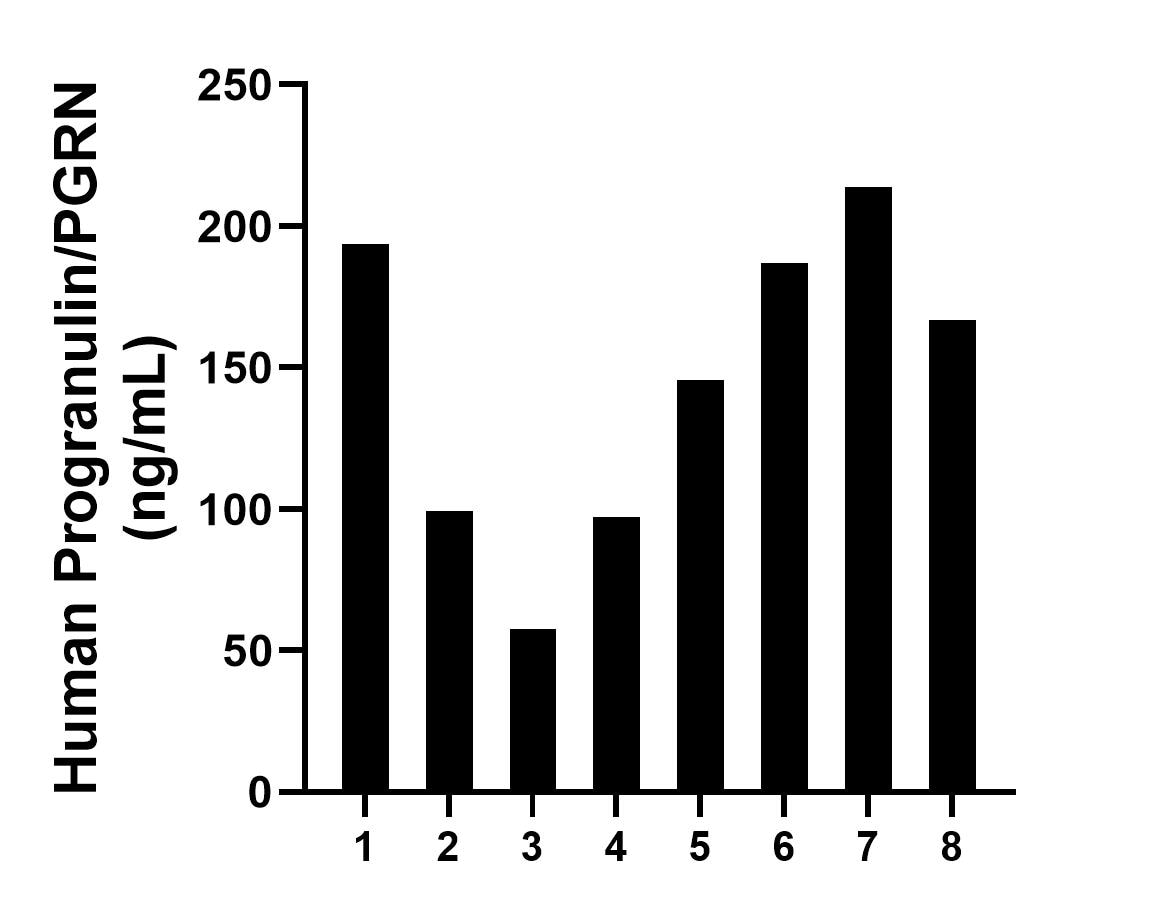
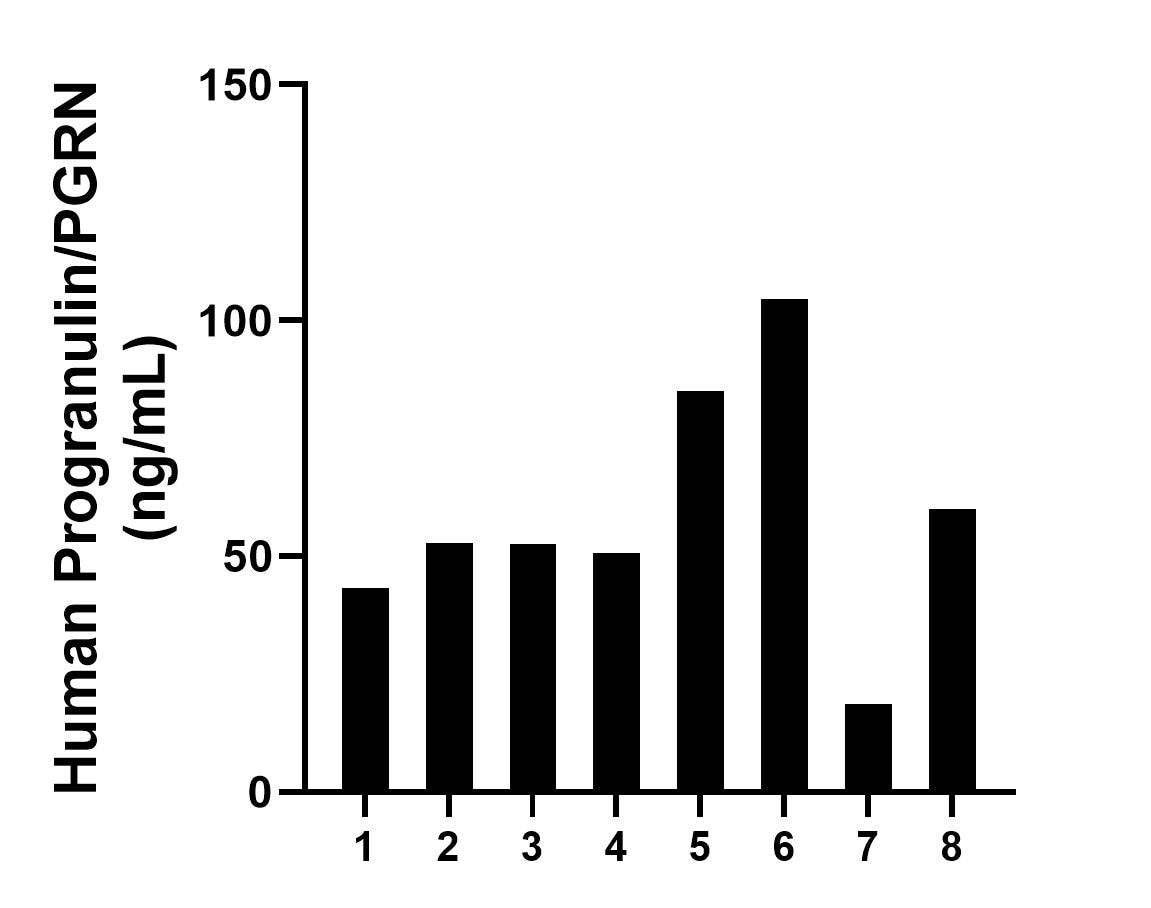
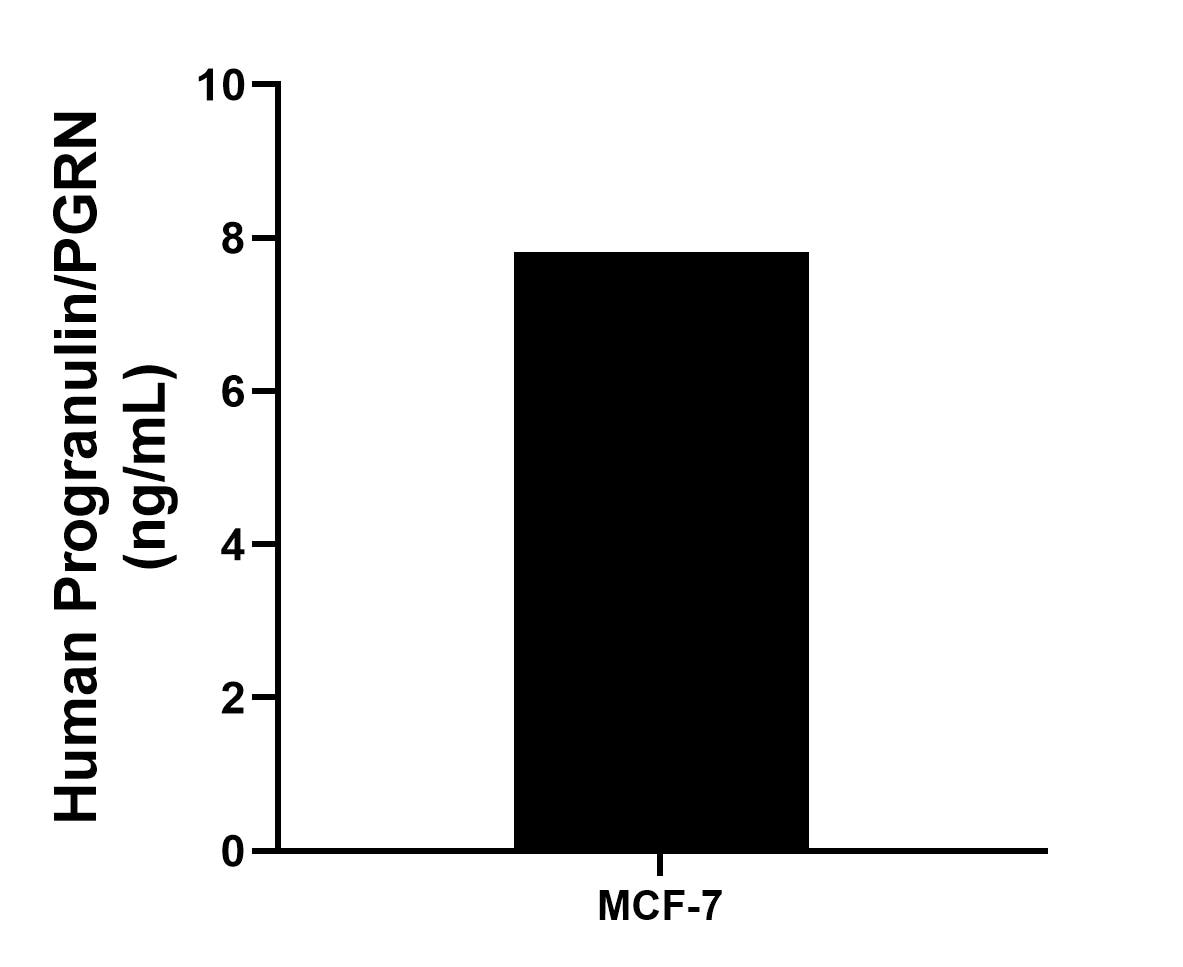
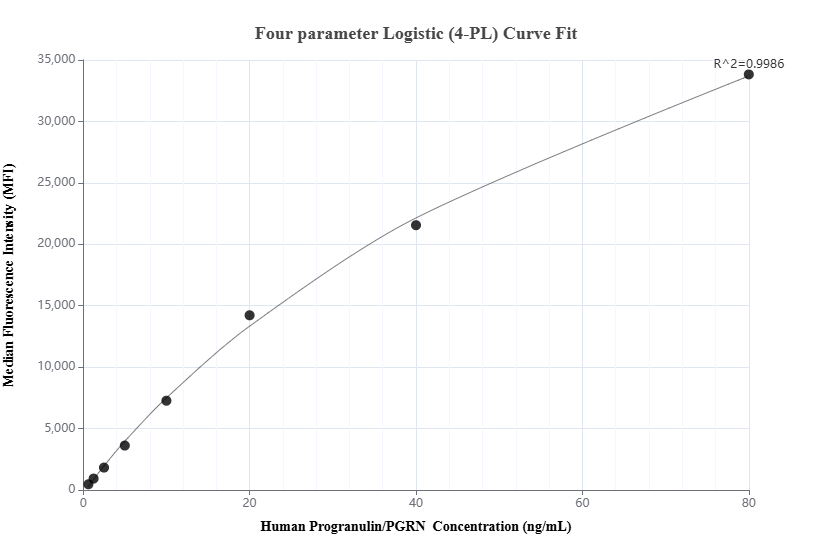
Informations sur le produit
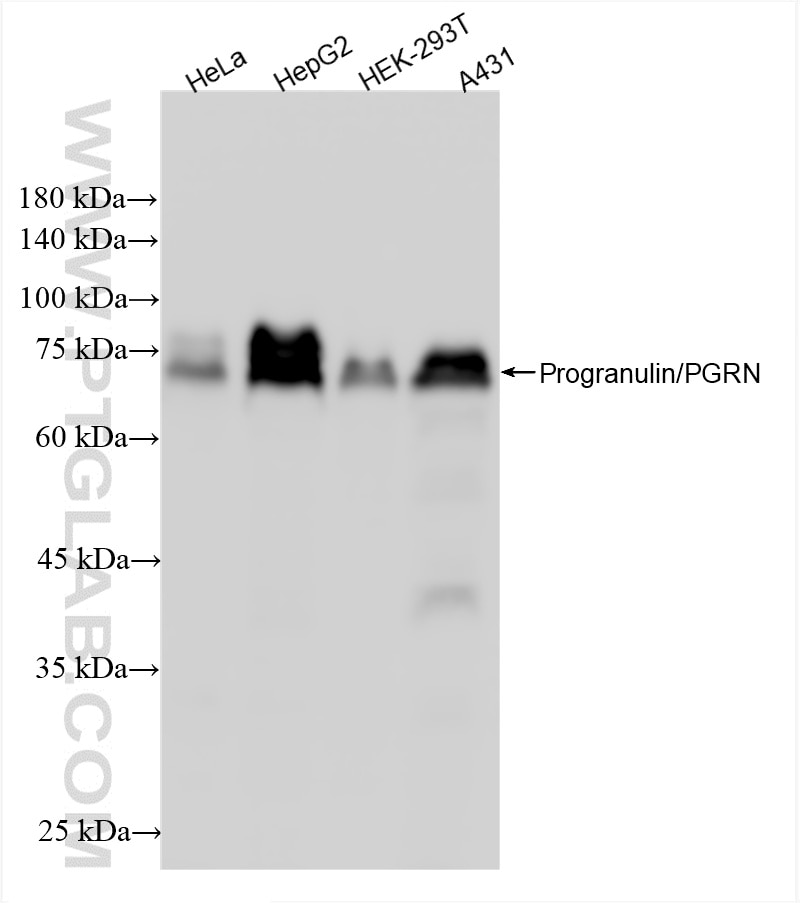
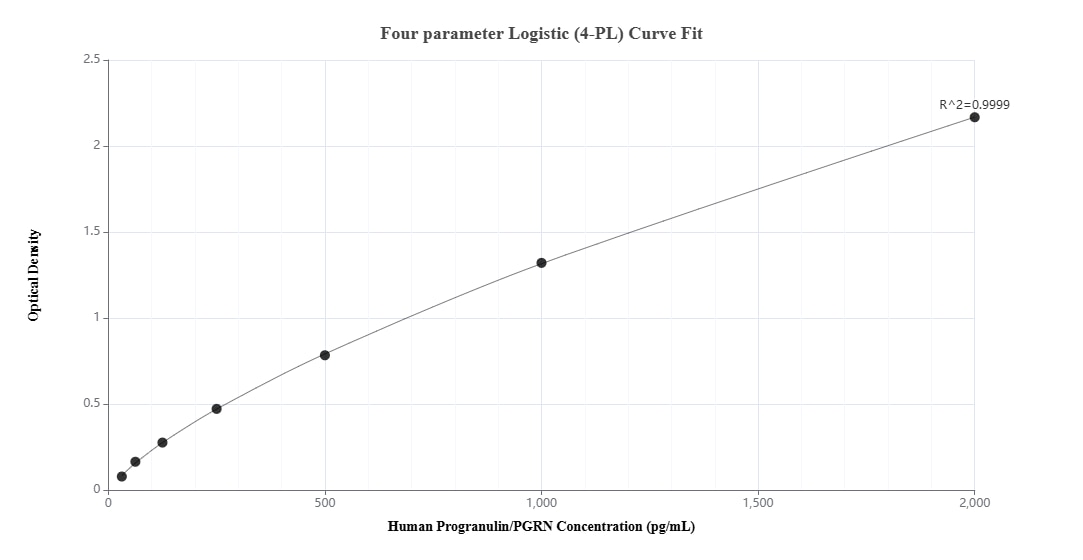
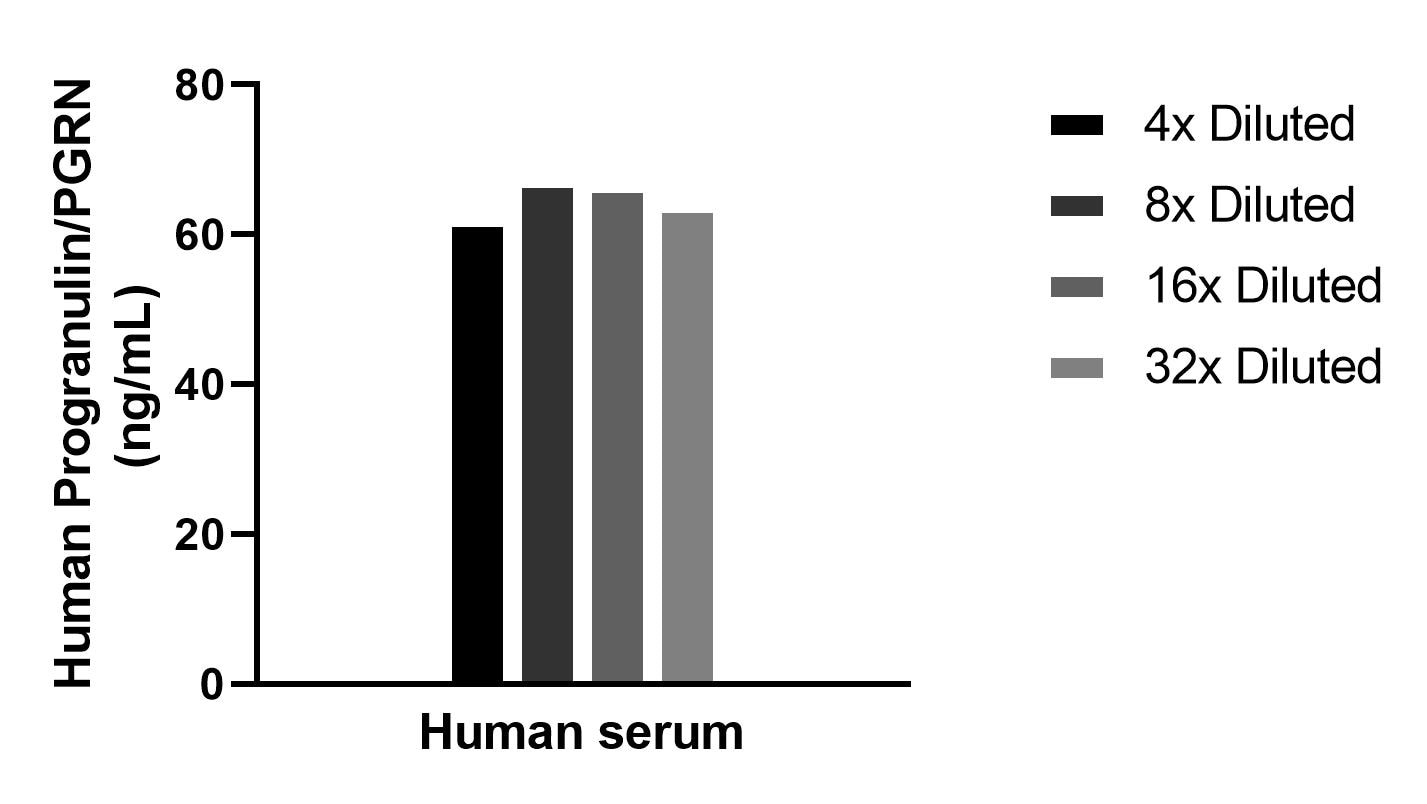
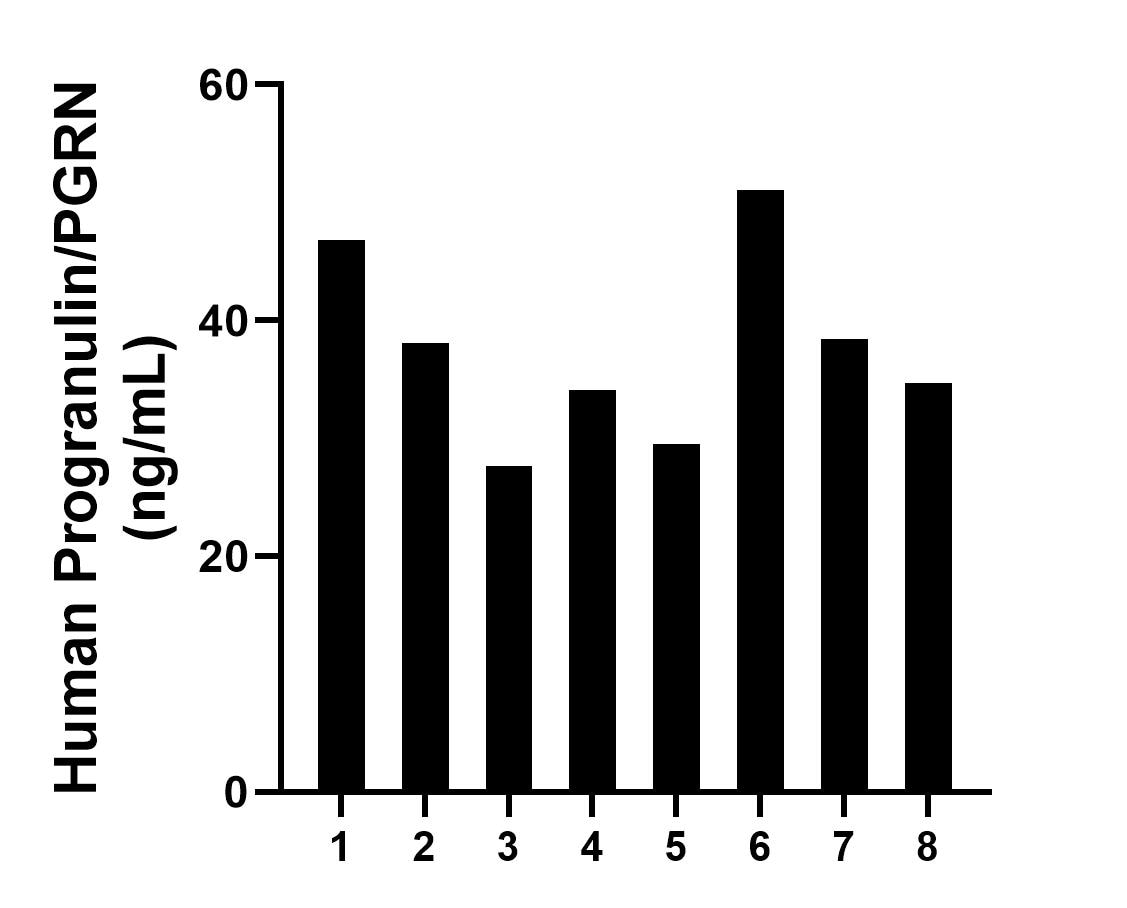
86118-2-PBS cible Progranulin/PGRN dans les applications de WB, Cytometric bead array, Sandwich ELISA, Indirect ELISA, Sample test et montre une réactivité avec des échantillons Humain
| Réactivité | Humain |
| Hôte / Isotype | Lapin / IgG |
| Clonalité | Recombinant |
| Type | Anticorps |
| Immunogène | Progranulin/PGRN Protéine recombinante Eg2954 |
| Nom complet | granulin |
| Masse moléculaire calculée | 64 kDa |
| Poids moléculaire observé | 74 kDa |
| Numéro d’acquisition GenBank | NM_002087.3 |
| Symbole du gène | Granulin |
| Identification du gène (NCBI) | 2896 |
| Conjugaison | Non conjugué |
| Forme | Liquide |
| Méthode de purification | Purification par protéine A |
| Tampon de stockage | PBS only |
| Conditions de stockage | Store at -80°C. 20ul contiennent 0,1% de BSA. |
Informations générales
GRN, also known as PGRN or PCDGF, is a cysteine-rich protein of 68.5 kDa that is typically secreted into a highly glycosylated 88 kDa form. PGRN is a unique growth factor that plays an important role in cutaneous wound healing. It has an anti-inflammatory effect and promotes cell proliferation. When PCDGF is degraded to several 6-25 kDa fragments, called granulins (GRNs) by neutrophil proteases, a pro-inflammatory reaction occurs. PGRN is widely expressed, particularly in epithelial cells, immune cells, neurons, and chondrocytes. High levels of PGRN expression have been reported in human cancers, and its expression is closely correlated with the development and metastasis of several cancers. The recent discovery that mutations in the gene encoding for pro-granulin (GRN) cause frontotemporal lobar degeneration (FTLD), and other neurodegenerative diseases leading to dementia, has brought renewed interest in progranulin and its functions in the central nervous system.


