Anticorps Monoclonal anti-Glucocorticoid receptor
Glucocorticoid receptor Monoclonal Antibody for WB, IHC, IF-P, ELISA
Hôte / Isotype
Mouse / IgG1
Réactivité testée
Humain, rat, souris
Applications
WB, IHC, IF-P, ELISA
Conjugaison
Non conjugué
CloneNo.
1D9A9
N° de cat : 66904-1-Ig
Synonymes
Galerie de données de validation
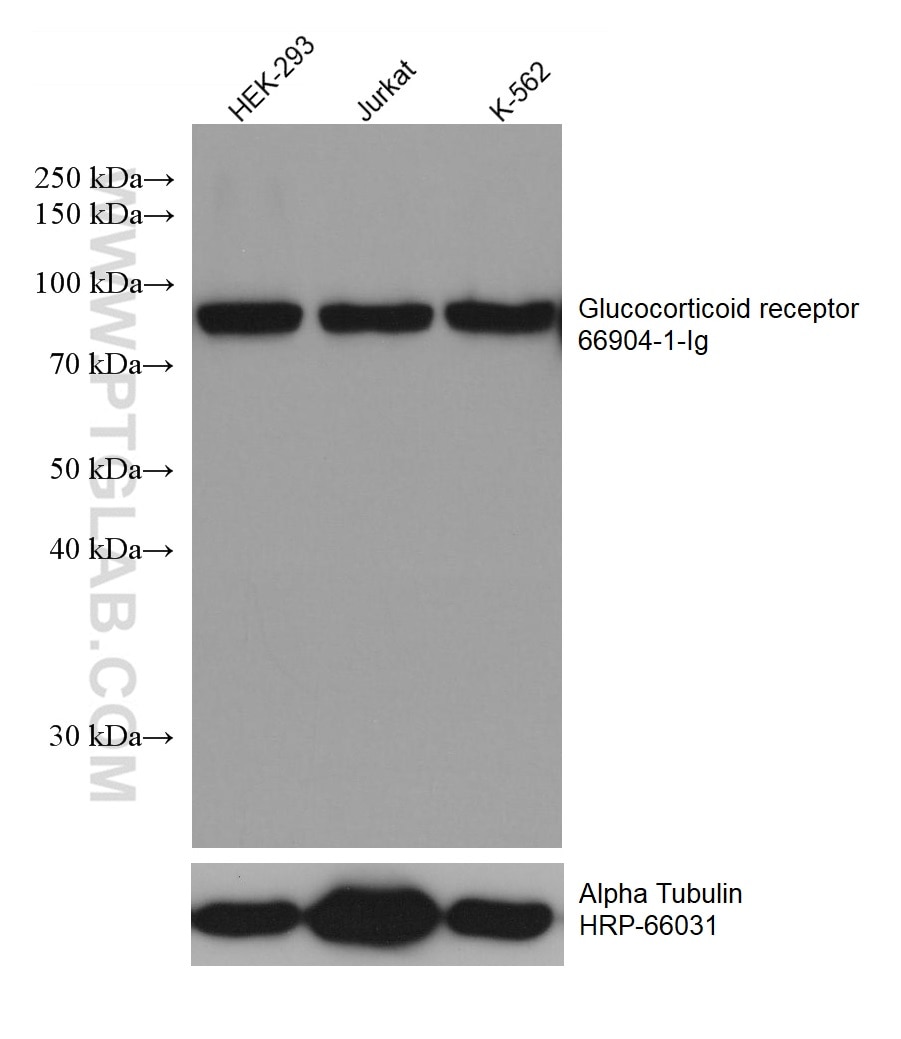
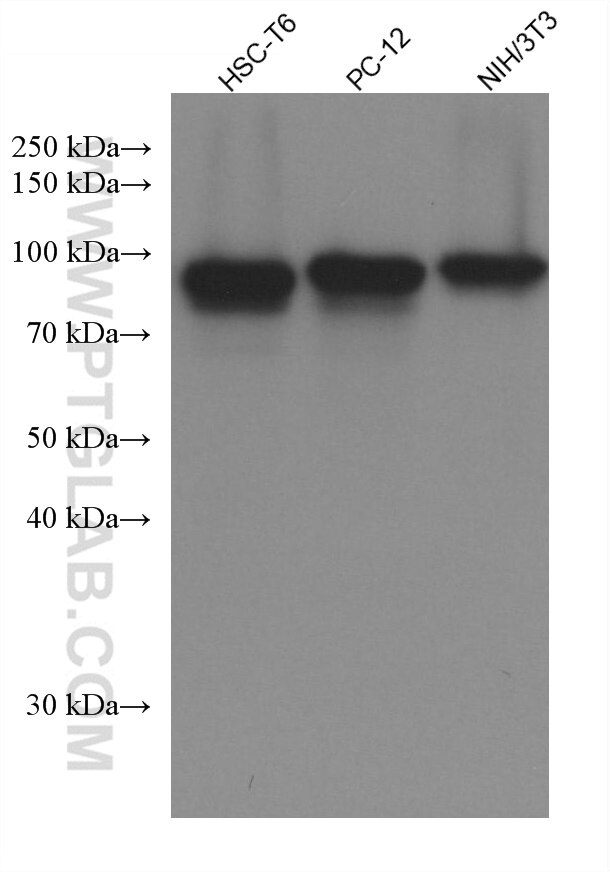
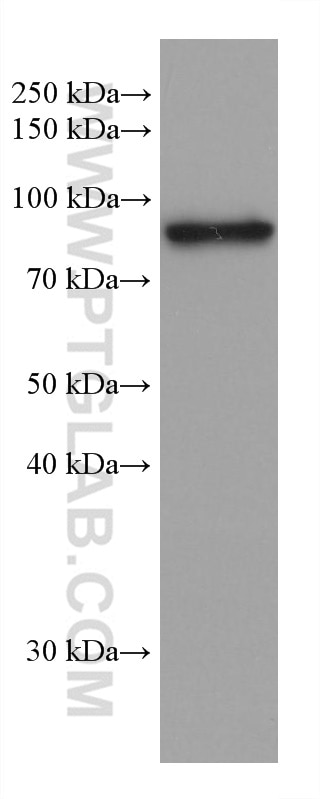
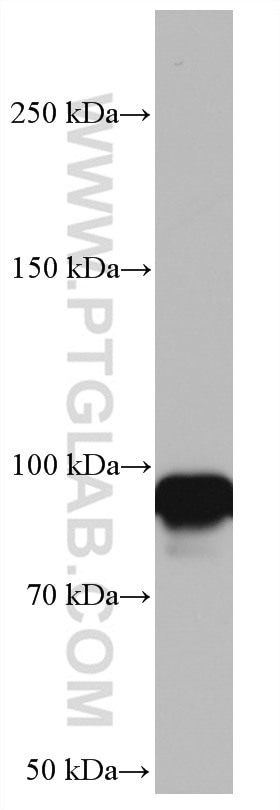
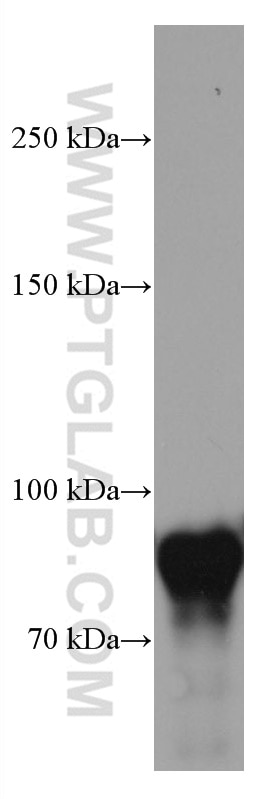
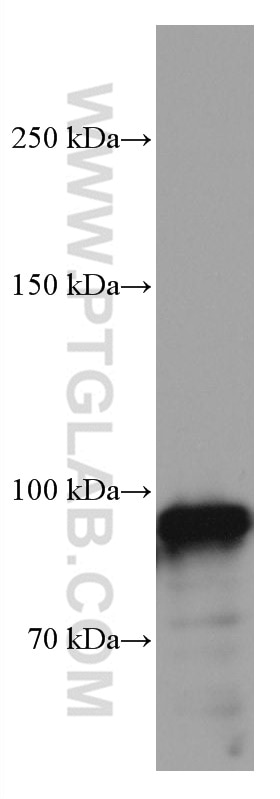
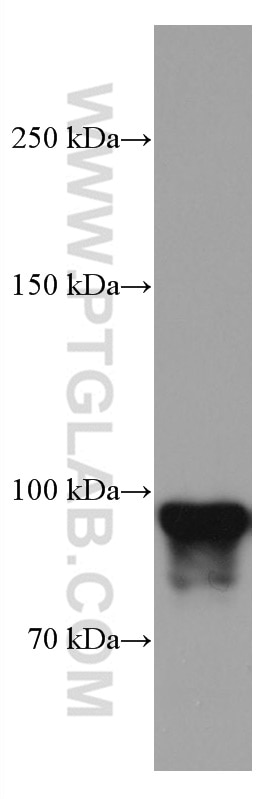
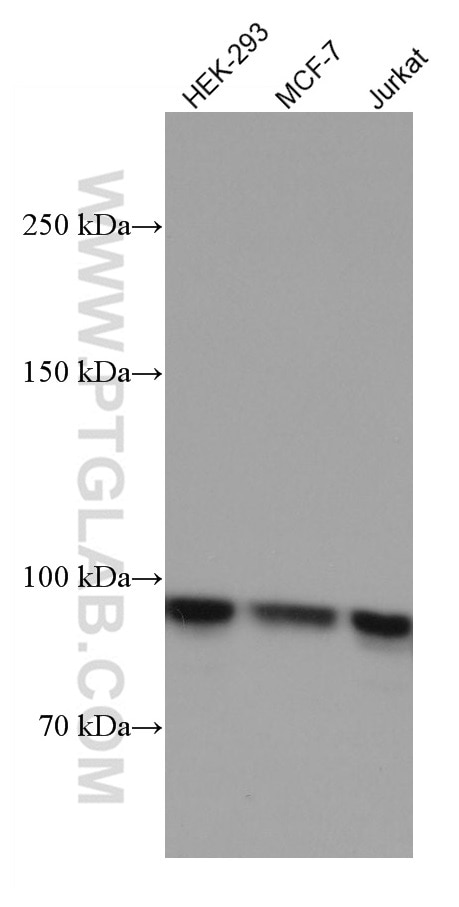
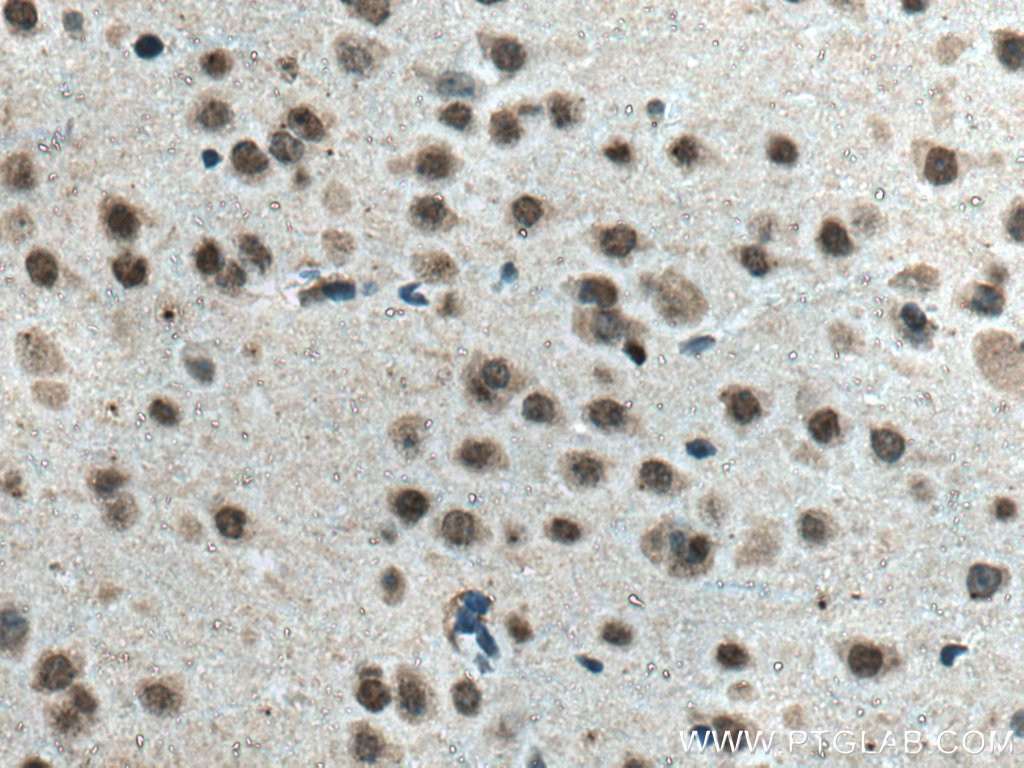
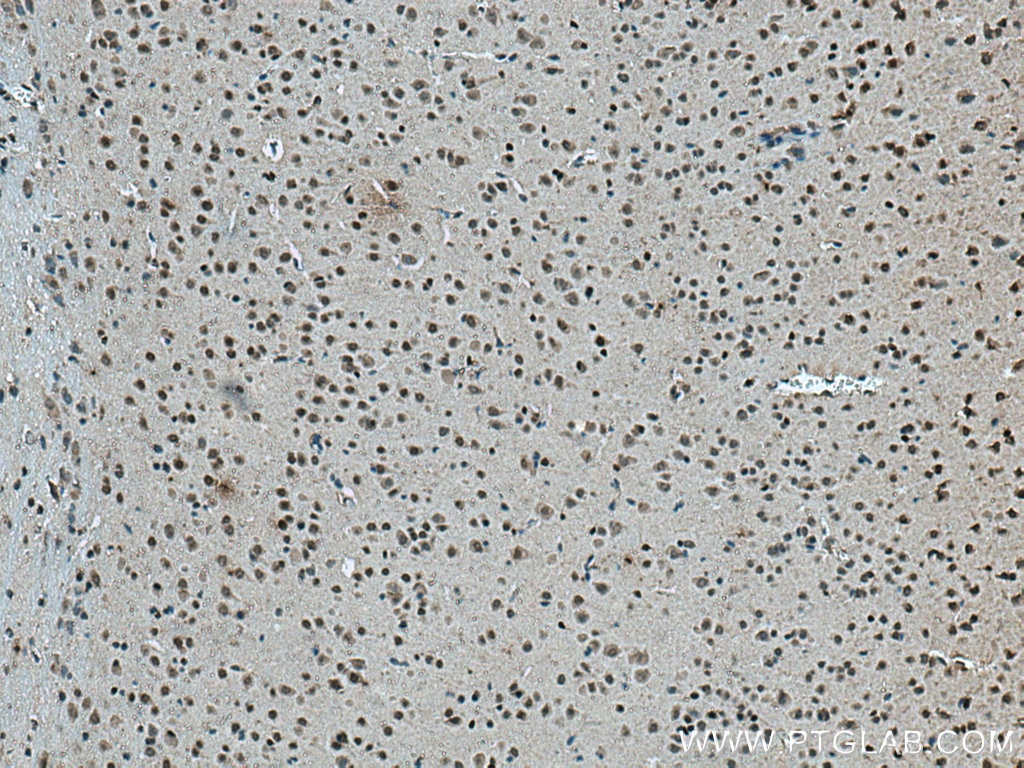
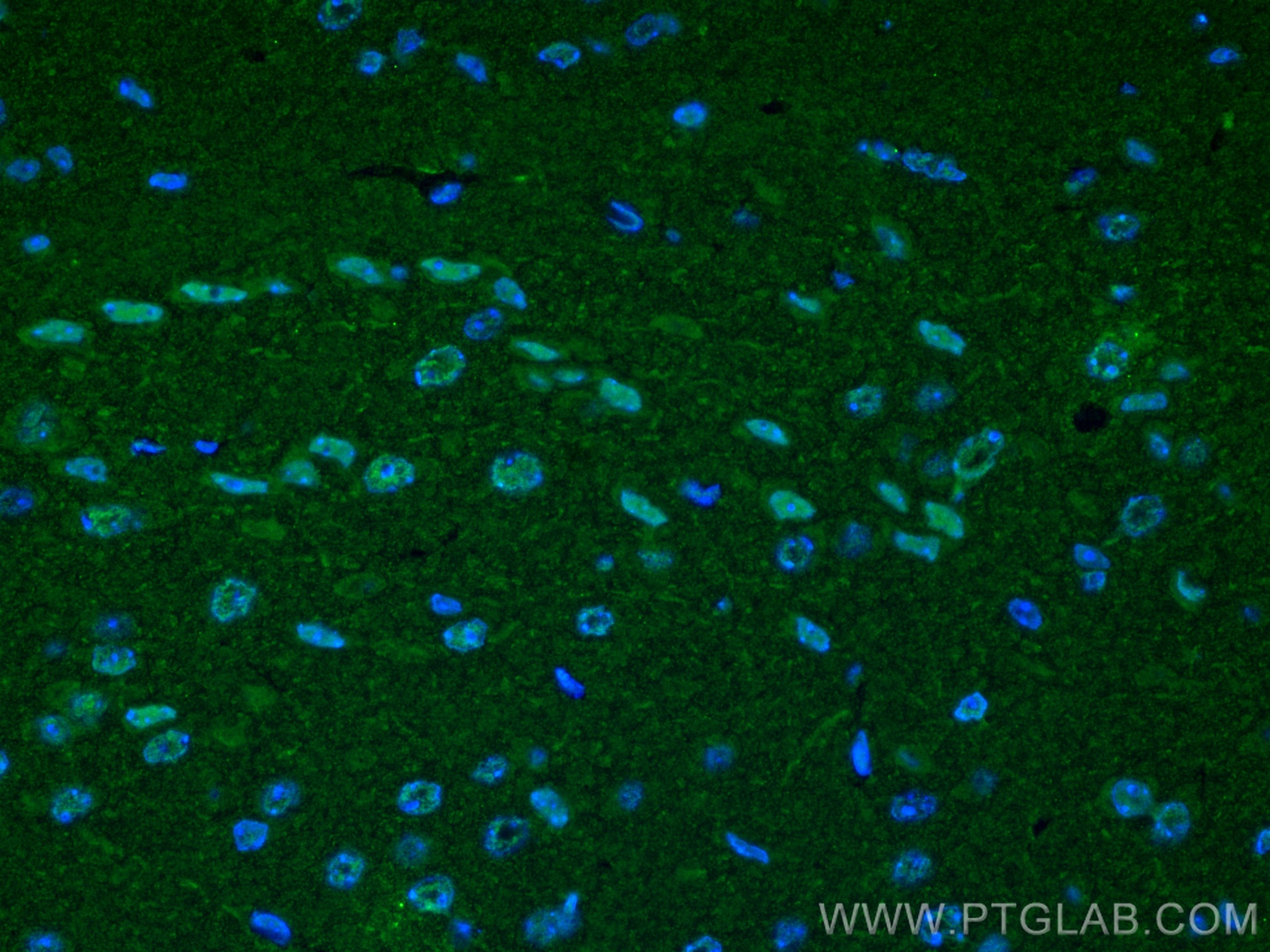
Applications testées
| Résultats positifs en WB | cellules HEK-293, cellules 4T1, cellules HeLa, cellules HepG2, cellules HSC-T6, cellules Jurkat, cellules K-562, cellules MCF-7, cellules NIH/3T3, cellules PC-12 |
| Résultats positifs en IHC | tissu cérébral de souris, il est suggéré de démasquer l'antigène avec un tampon de TE buffer pH 9.0; (*) À défaut, 'le démasquage de l'antigène peut être 'effectué avec un tampon citrate pH 6,0. |
| Résultats positifs en IF-P | tissu cérébral de souris, |
Dilution recommandée
| Application | Dilution |
|---|---|
| Western Blot (WB) | WB : 1:20000-1:100000 |
| Immunohistochimie (IHC) | IHC : 1:150-1:600 |
| Immunofluorescence (IF)-P | IF-P : 1:200-1:800 |
| It is recommended that this reagent should be titrated in each testing system to obtain optimal results. | |
| Sample-dependent, check data in validation data gallery | |
Applications publiées
| WB | See 5 publications below |
| IHC | See 2 publications below |
| IF | See 2 publications below |
Informations sur le produit
66904-1-Ig cible Glucocorticoid receptor dans les applications de WB, IHC, IF-P, ELISA et montre une réactivité avec des échantillons Humain, rat, souris
| Réactivité | Humain, rat, souris |
| Réactivité citée | Humain, souris |
| Hôte / Isotype | Mouse / IgG1 |
| Clonalité | Monoclonal |
| Type | Anticorps |
| Immunogène | Glucocorticoid receptor Protéine recombinante Ag28431 |
| Nom complet | nuclear receptor subfamily 3, group C, member 1 (glucocorticoid receptor) |
| Masse moléculaire calculée | 86 kDa |
| Poids moléculaire observé | 97 kDa |
| Numéro d’acquisition GenBank | BC015610 |
| Symbole du gène | Glucocorticoid receptor |
| Identification du gène (NCBI) | 2908 |
| Conjugaison | Non conjugué |
| Forme | Liquide |
| Méthode de purification | Purification par protéine G |
| Tampon de stockage | PBS with 0.02% sodium azide and 50% glycerol |
| Conditions de stockage | Stocker à -20°C. Stable pendant un an après l'expédition. L'aliquotage n'est pas nécessaire pour le stockage à -20oC Les 20ul contiennent 0,1% de BSA. |
Informations générales
Glucocorticoid receptor (GR, or GCR) also known as NR3C1 (nuclear receptor subfamily 3, group C, member 1) is a receptor for glucocorticoids, which owns a dual mode of action: as a transcription factor that binds to glucocorticoid response elements (GRE) and as a modulator of other transcription factors. It is involved in cell proliferation and differentiation and specifically implicated in newborn birth weight, thus providing a biological mechanism by which NR3C1 expression may influence birth weight (PMID:22810058).
Protocole
| Product Specific Protocols | |
|---|---|
| WB protocol for Glucocorticoid receptor antibody 66904-1-Ig | Download protocol |
| IHC protocol for Glucocorticoid receptor antibody 66904-1-Ig | Download protocol |
| IF protocol for Glucocorticoid receptor antibody 66904-1-Ig | Download protocol |
| Standard Protocols | |
|---|---|
| Click here to view our Standard Protocols |
Publications
| Species | Application | Title |
|---|---|---|
Antioxidants (Basel) Continuous Monochromatic Blue Light Exacerbates High-Fat Diet-Induced Kidney Injury via Corticosterone-Mediated Oxidative Stress | ||
Am J Physiol Cell Physiol Dual-Specificity Phosphatase 29 is Induced During Neurogenic Skeletal Muscle Atrophy and Attenuates Glucocorticoid Receptor Activity in Muscle Cell Culture. | ||
Heliyon Comparison of CUMS at different pregnancy stages, maternal separation, and their effects on offspring in postpartum depression mouse models | ||
Cell Death Dis Targeting EGFR-binding protein SLC7A11 enhancing antitumor immunity of T cells via inducing MHC-I antigen presentation in nasopharyngeal carcinoma | ||
J Neuroendocrinol Corticosteroid-regulated gene transcription in SH-SY5Y-derived neurons: Insights into the mineralocorticoid and glucocorticoid receptor-mediated response | ||
Ecotoxicol Environ Saf Dim blue light at night worsens high-fat diet-induced kidney damage via increasing corticosterone levels and modulating the expression of circadian clock genes |
Avis
The reviews below have been submitted by verified Proteintech customers who received an incentive for providing their feedback.
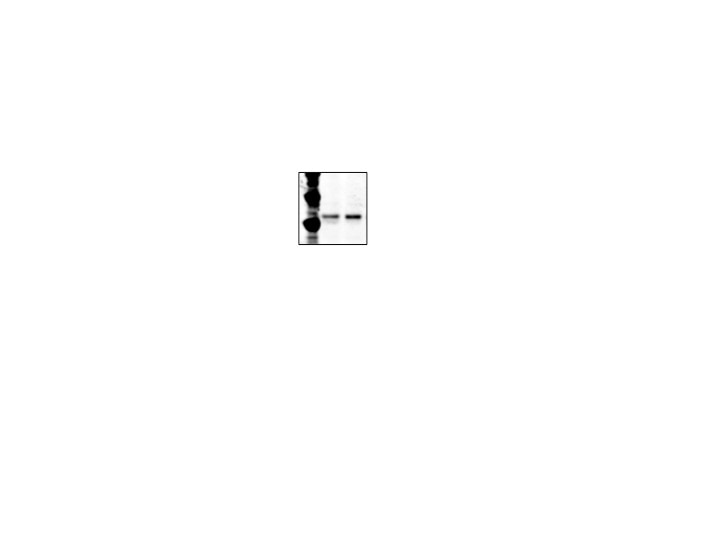
FH Shubham (Verified Customer) (04-15-2019) | Good
 |

