- Phare
- Validé par KD/KO
Anticorps Polyclonal de lapin anti-HDAC5-specific
HDAC5-specific Polyclonal Antibody for WB, IHC, IF/ICC, Indirect ELISA
Hôte / Isotype
Lapin / IgG
Réactivité testée
Humain, souris
Applications
WB, IHC, IF/ICC, Indirect ELISA
Conjugaison
Non conjugué
N° de cat : 16166-1-PBS
Synonymes
Galerie de données de validation
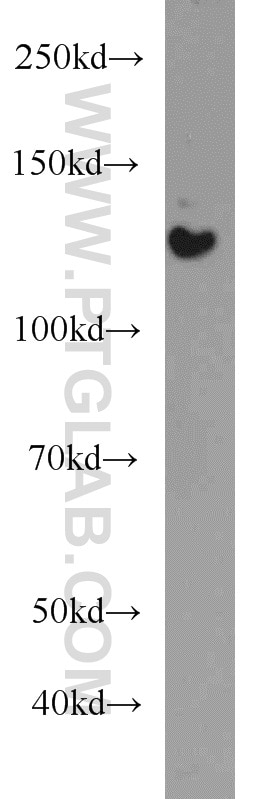
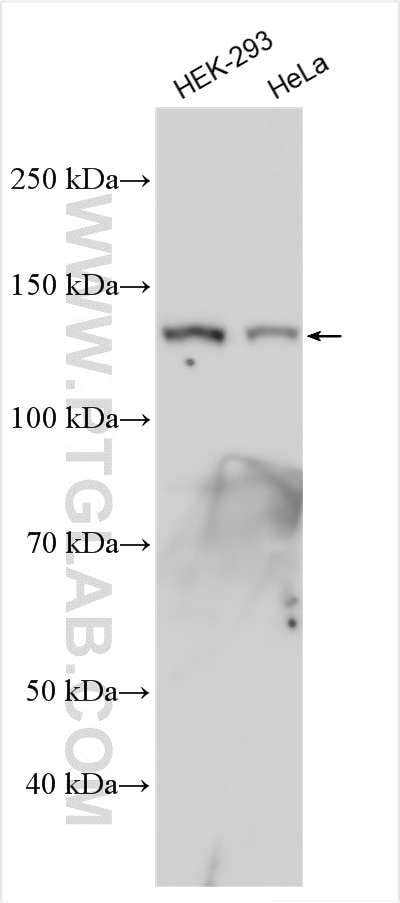
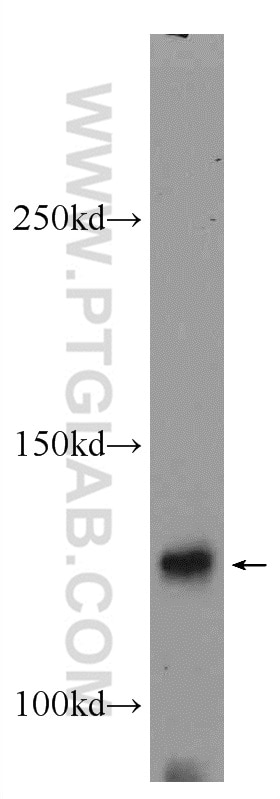
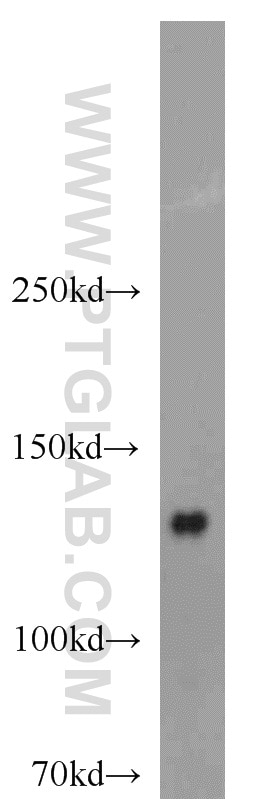
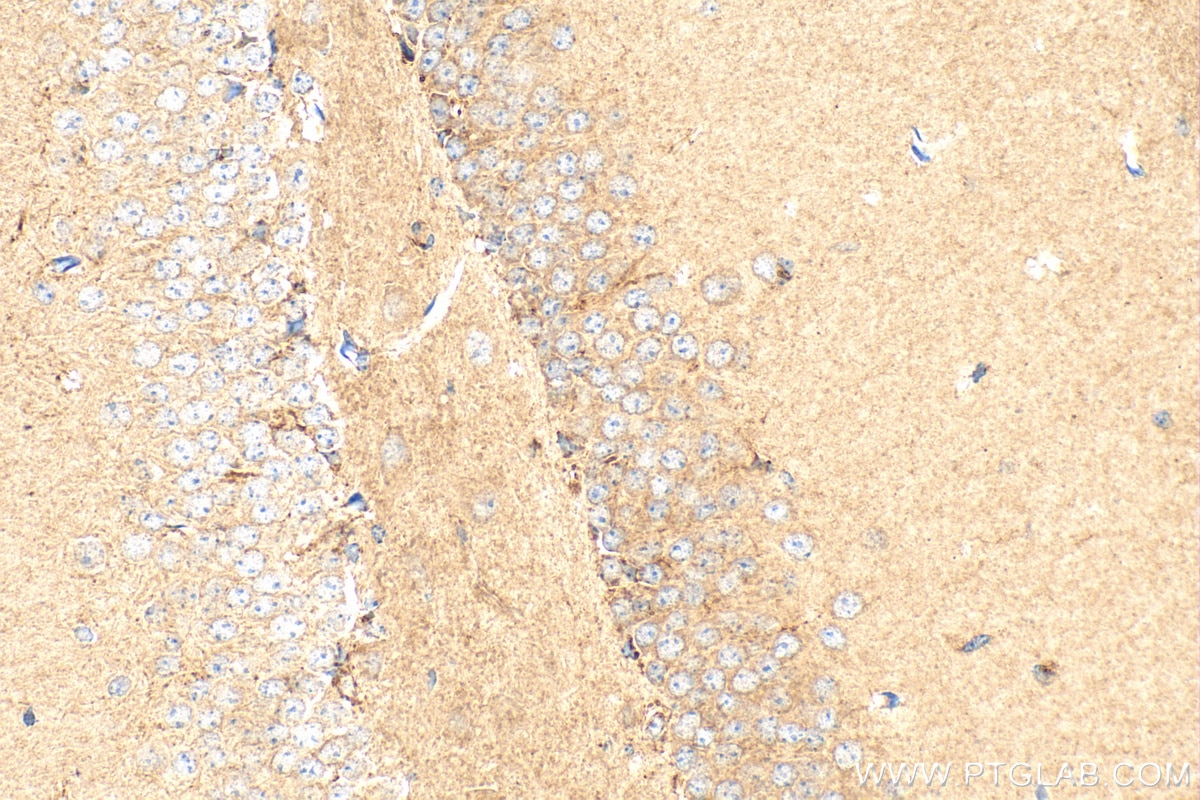
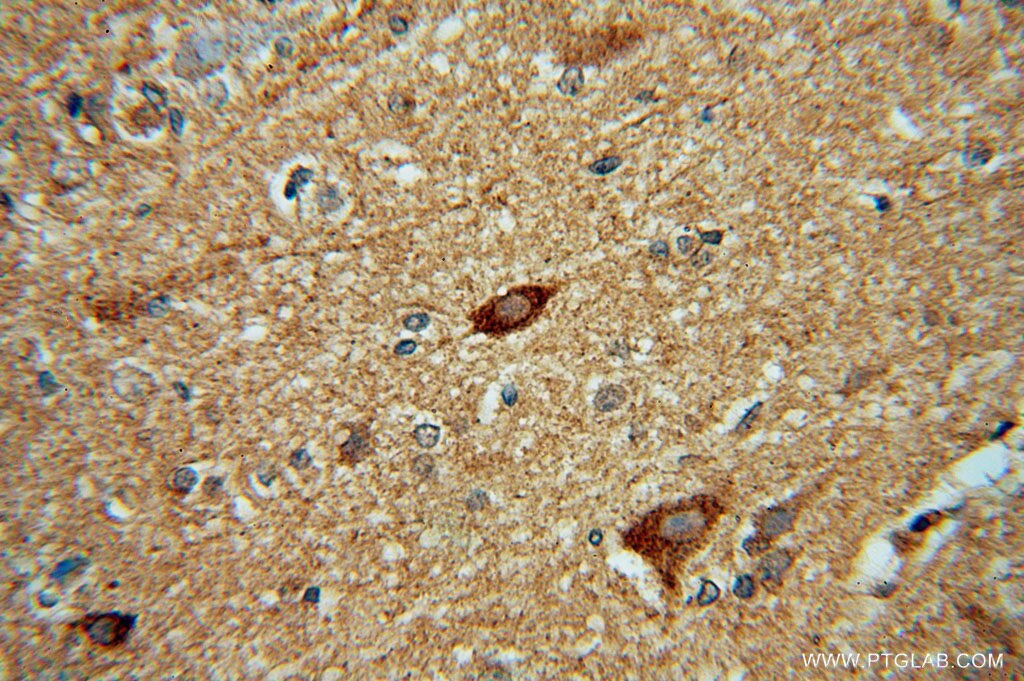
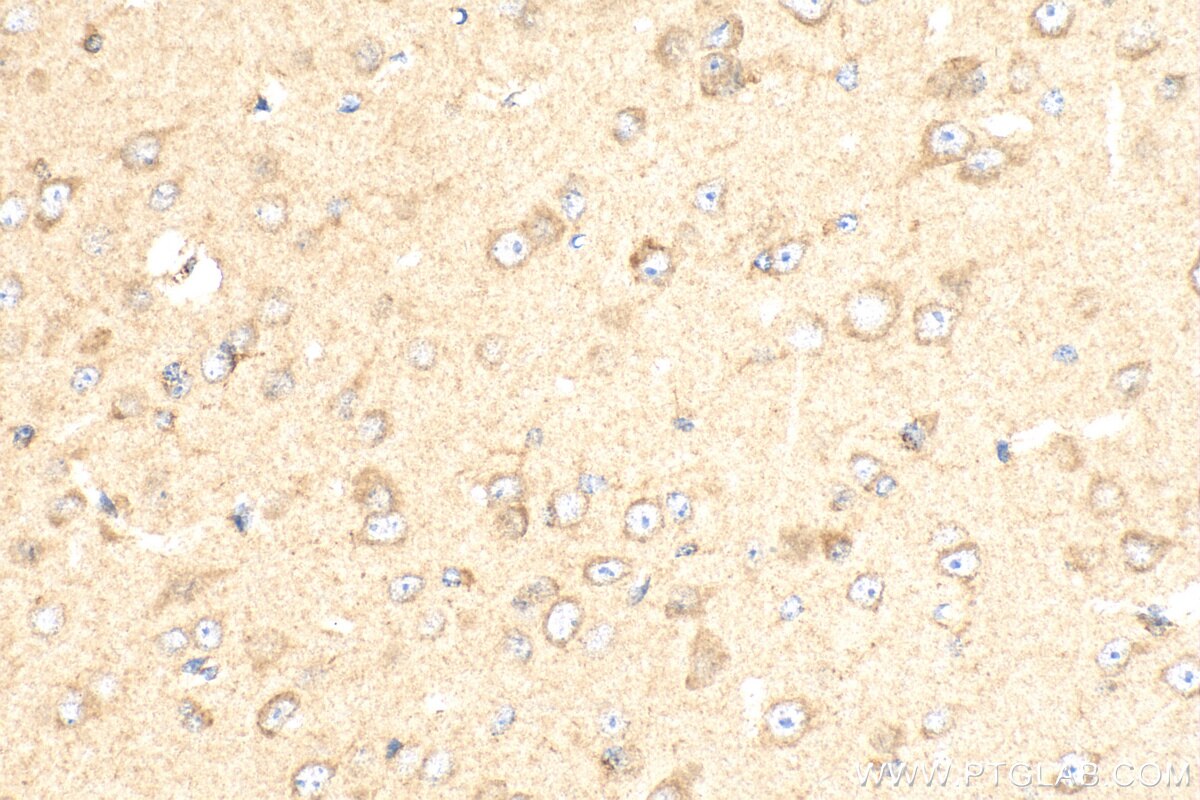
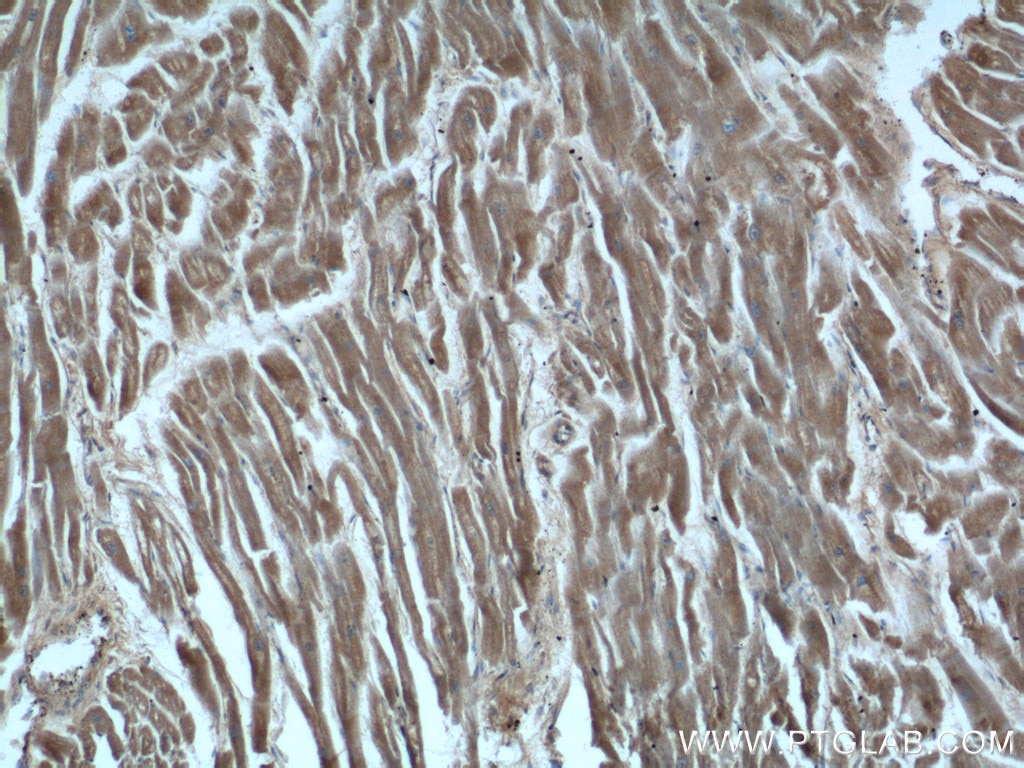
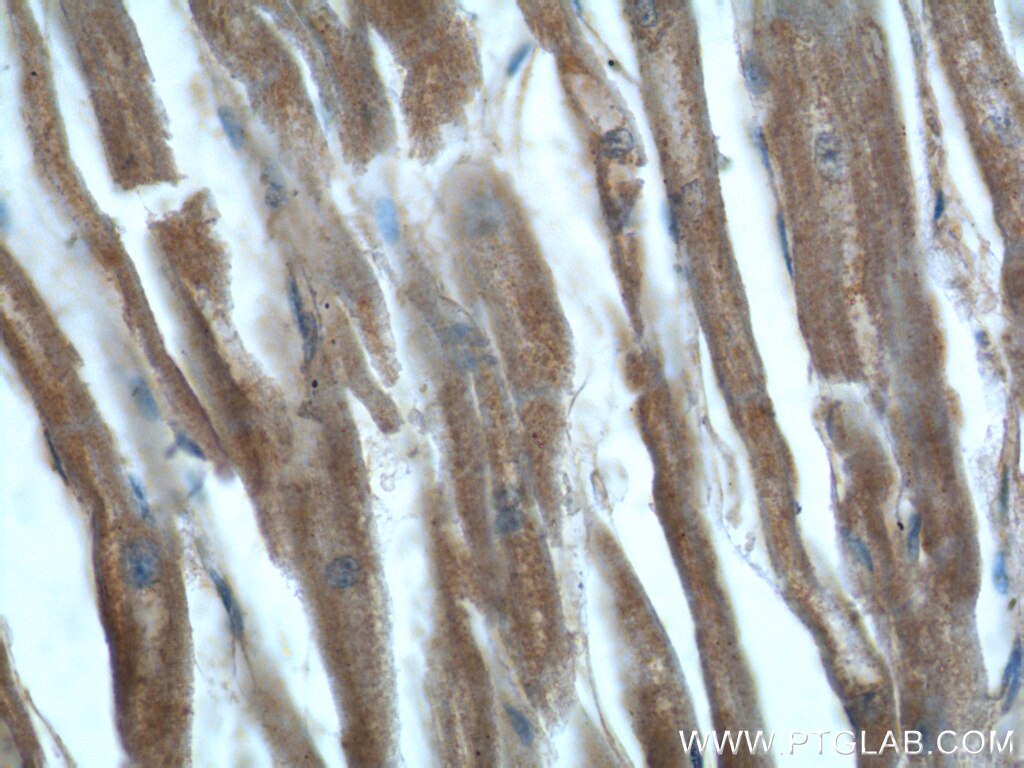
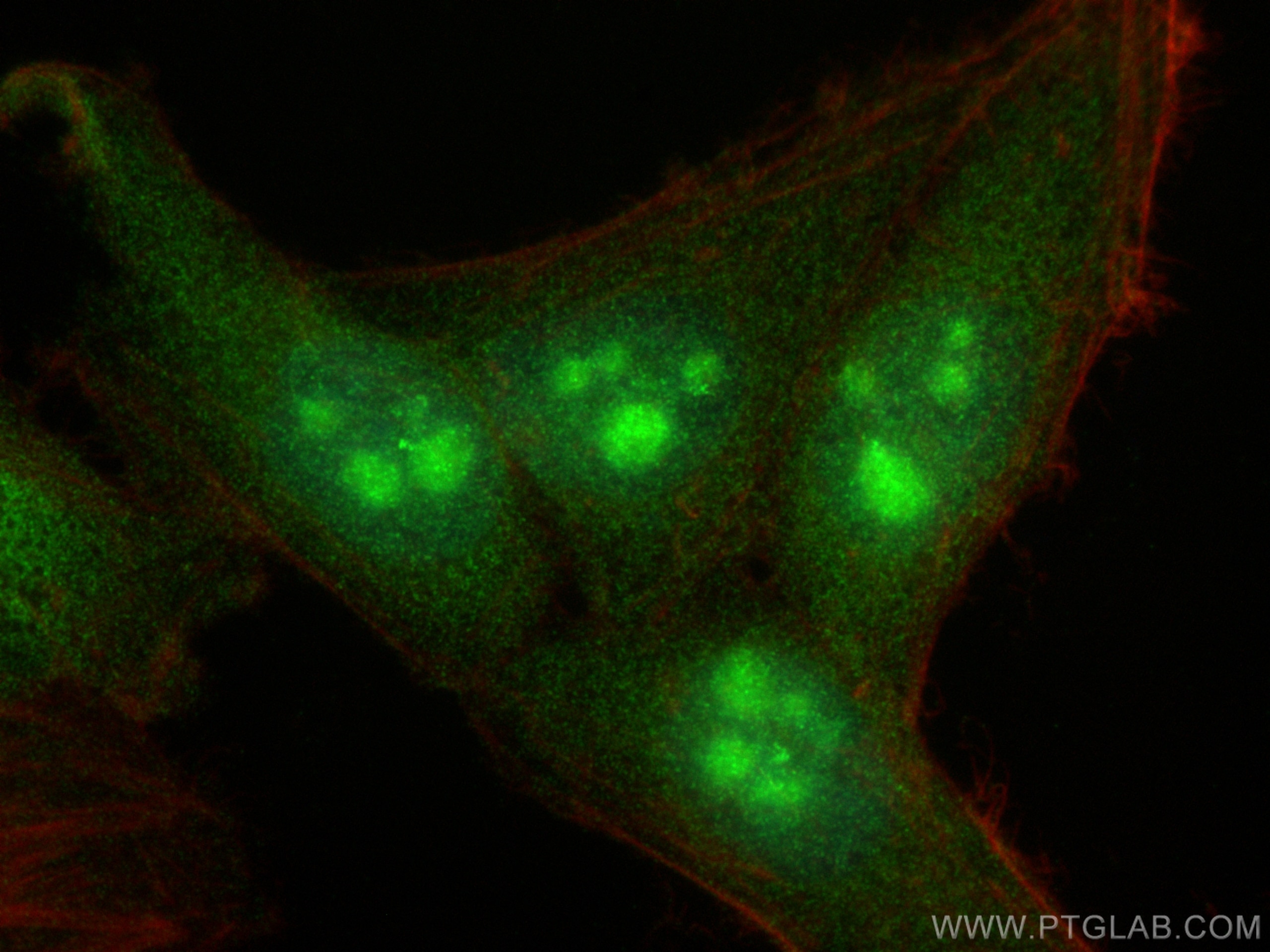
Informations sur le produit
16166-1-PBS cible HDAC5-specific dans les applications de WB, IHC, IF/ICC, Indirect ELISA et montre une réactivité avec des échantillons Humain, souris
| Réactivité | Humain, souris |
| Hôte / Isotype | Lapin / IgG |
| Clonalité | Polyclonal |
| Type | Anticorps |
| Immunogène | Peptide |
| Nom complet | histone deacetylase 5 |
| Masse moléculaire calculée | 122 kDa |
| Poids moléculaire observé | 120-140 kDa |
| Numéro d’acquisition GenBank | BC051824 |
| Symbole du gène | HDAC5 |
| Identification du gène (NCBI) | 10014 |
| Conjugaison | Non conjugué |
| Forme | Liquide |
| Méthode de purification | Purification par affinité contre l'antigène |
| Tampon de stockage | PBS only |
| Conditions de stockage | Store at -80°C. 20ul contiennent 0,1% de BSA. |
Informations générales
Histone acetylation and deacetylation alternately expose and occlude DNA to transcription factors. At least 4 classes of HDAC were identified. HDAC5 is a class II HDAC. HDAC5 is responsible for the deacetylation of lysine residues on the N-terminal part of the core histones (H2A, H2B, H3, and H4). Histone deacetylation gives a tag for epigenetic repression and plays an important role in transcriptional regulation, cell cycle progression, and developmental events. Histone deacetylases act via the formation of large multiprotein complexes. HDAC5 is involved in muscle maturation by repressing transcription of myocyte enhancer MEF2C. During muscle differentiation, HDAC5 shuttles into the cytoplasm, allowing the expression of myocyte enhancer factors. This antibody only binds HDAC5. It does not cross-react with other HDACs.


