Anticorps Polyclonal de lapin anti-HEPACAM
HEPACAM Polyclonal Antibody for WB, IHC, IF/ICC, IP, Indirect ELISA
Hôte / Isotype
Lapin / IgG
Réactivité testée
Humain, rat, souris
Applications
WB, IHC, IF/ICC, IP, Indirect ELISA
Conjugaison
Non conjugué
N° de cat : 18177-1-PBS
Synonymes
Galerie de données de validation
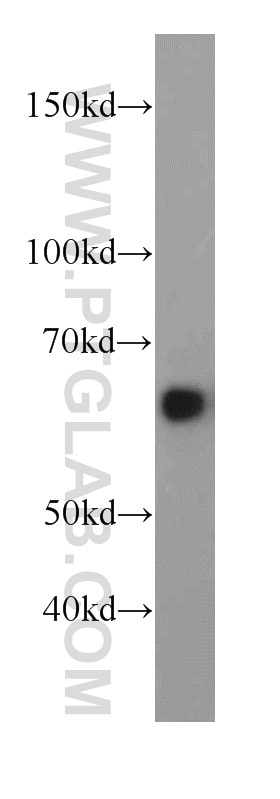
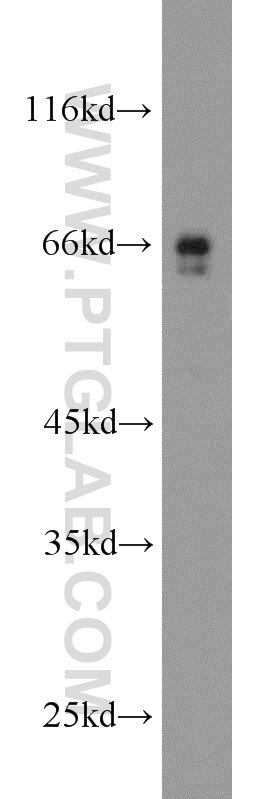
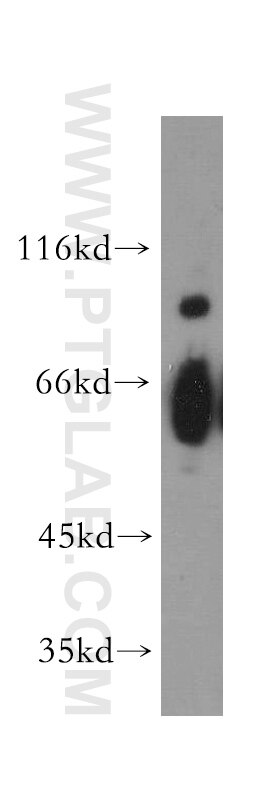
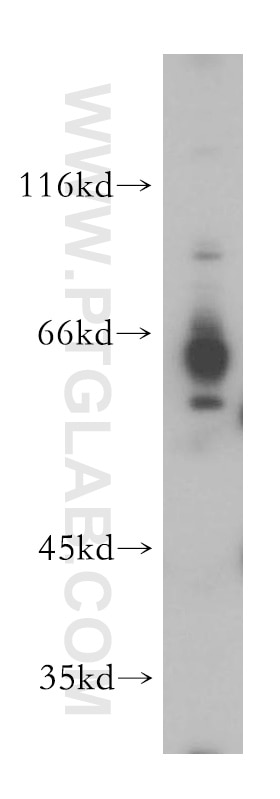
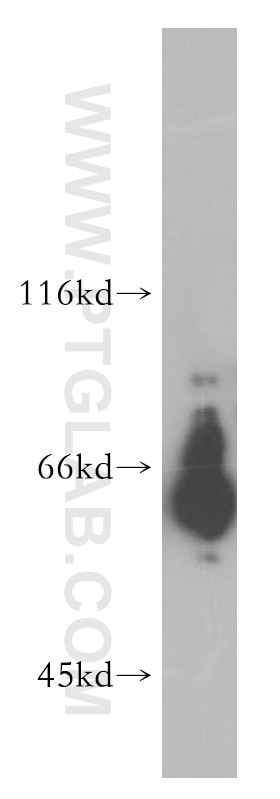
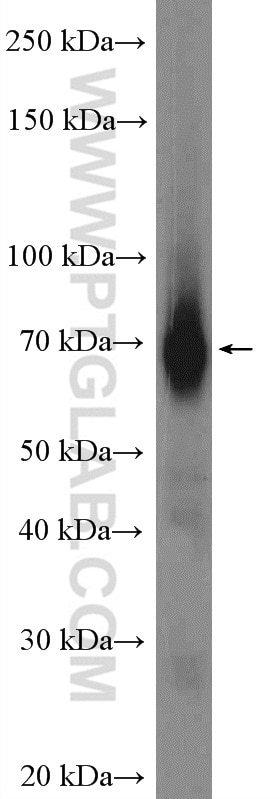
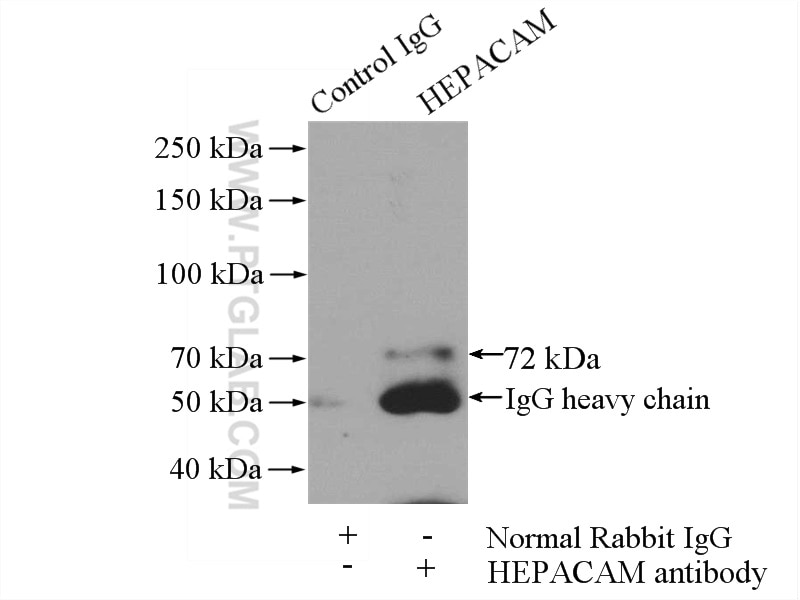
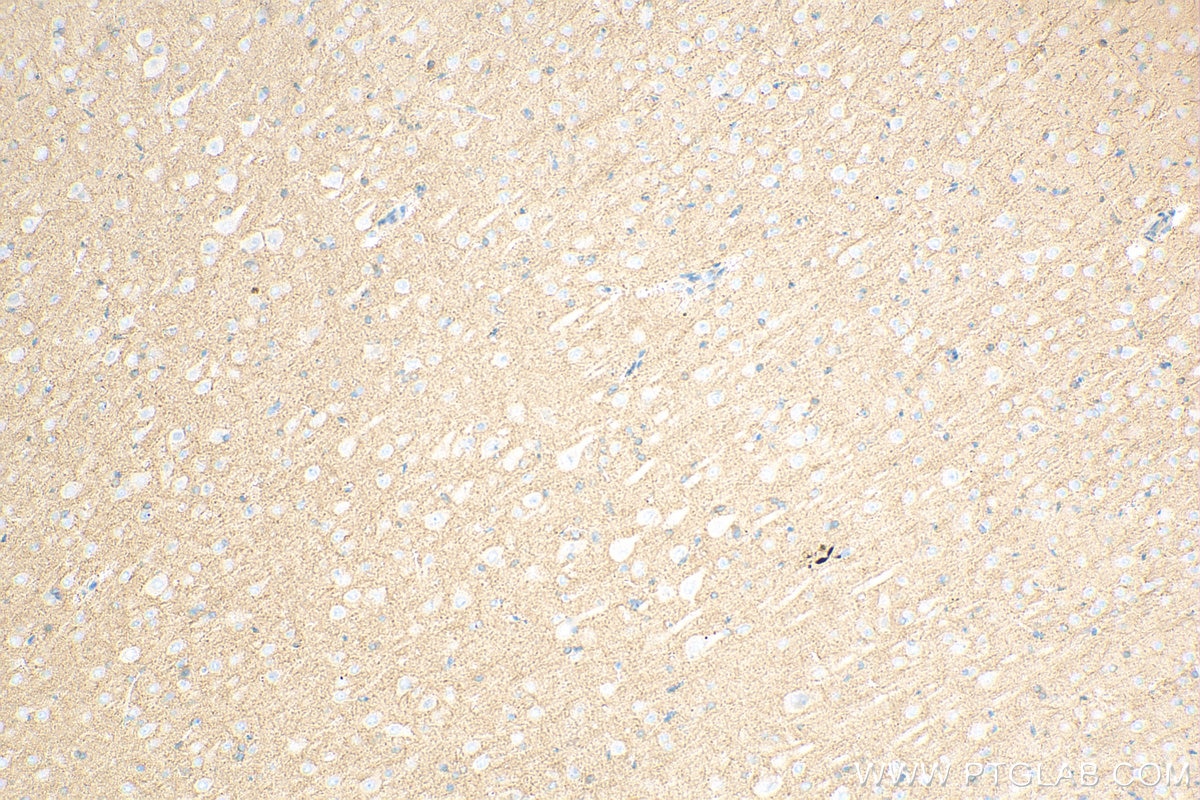
Informations sur le produit
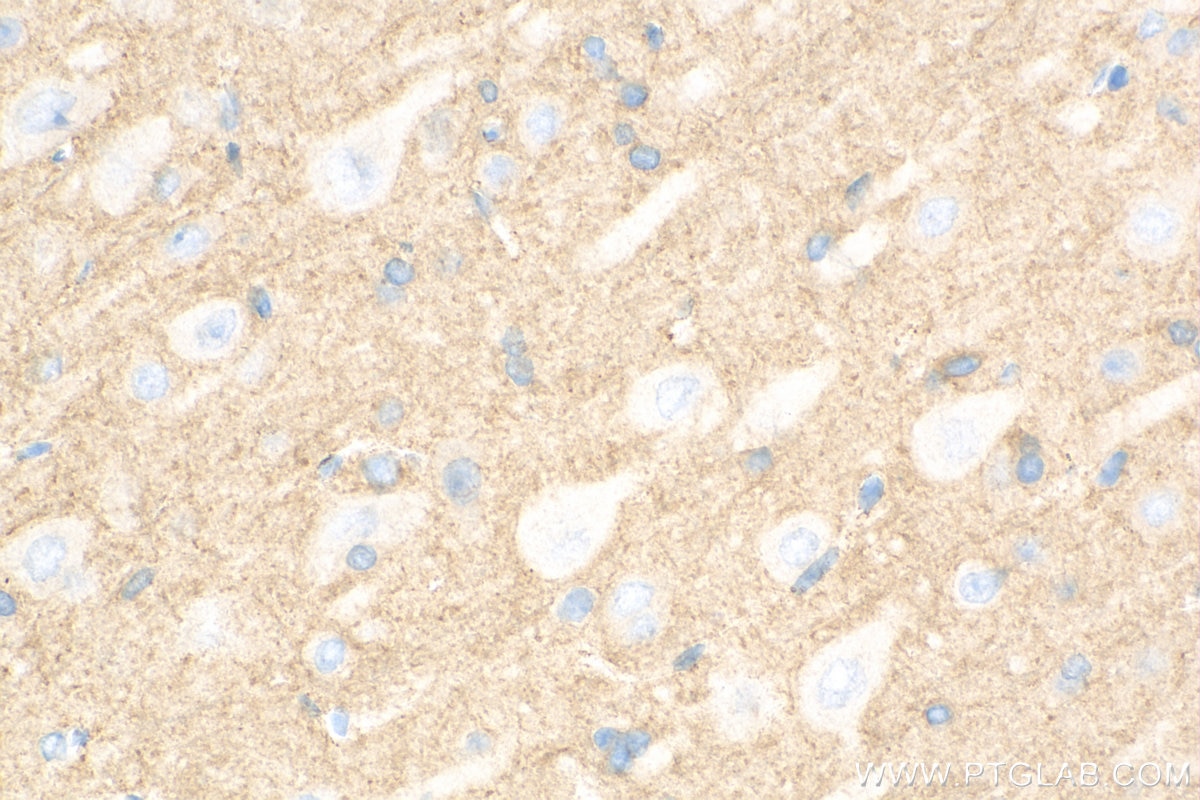
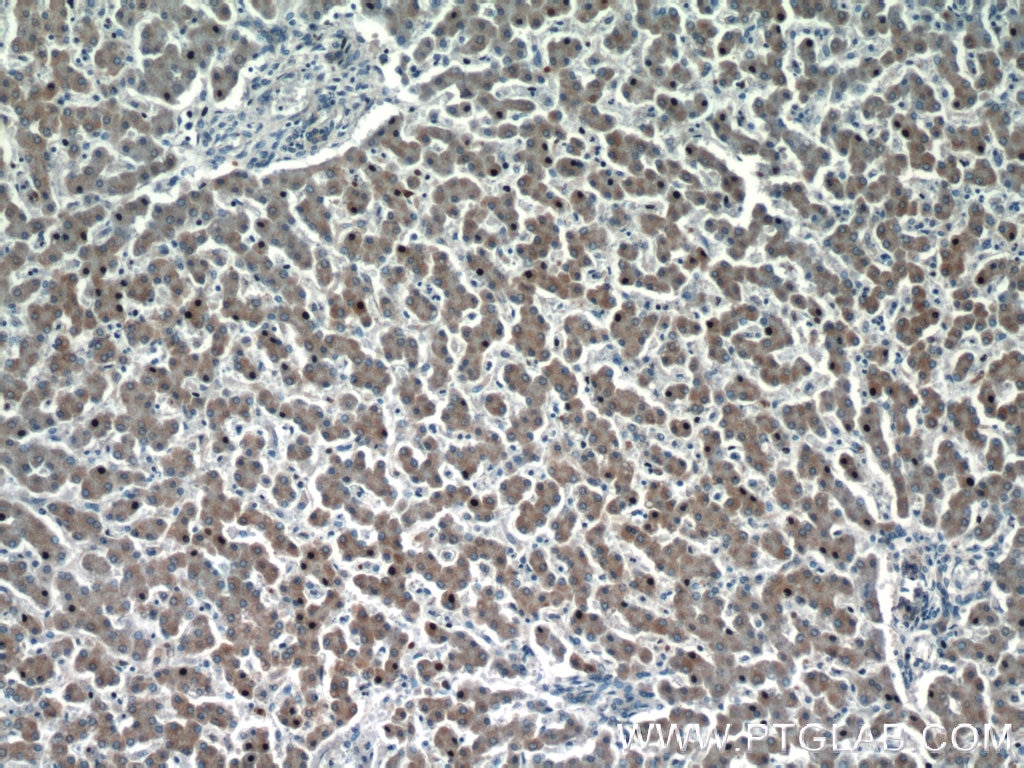
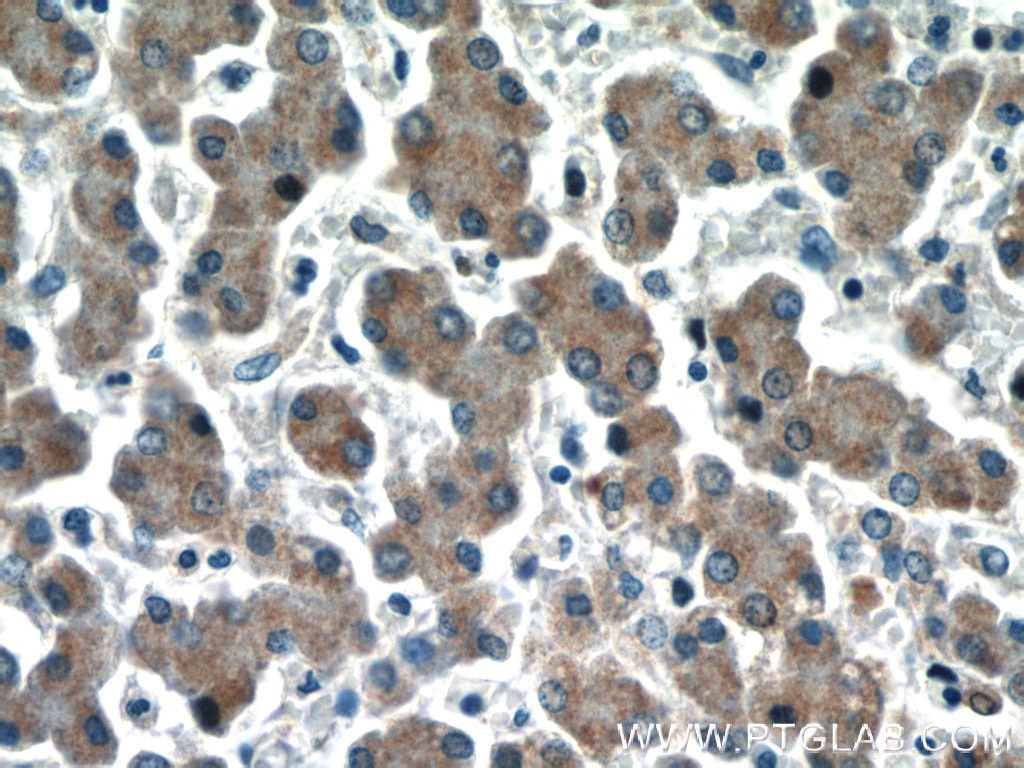
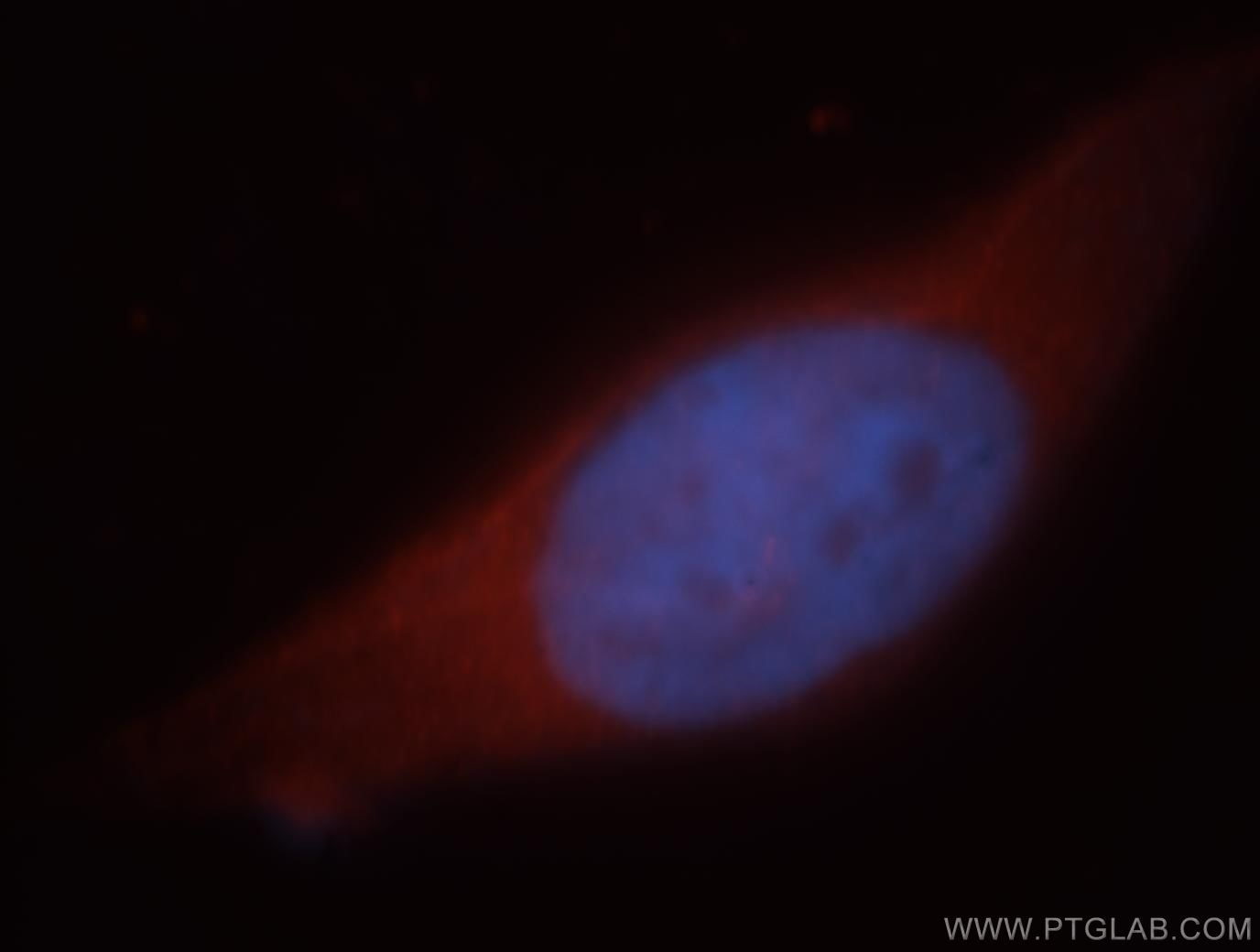
18177-1-PBS cible HEPACAM dans les applications de WB, IHC, IF/ICC, IP, Indirect ELISA et montre une réactivité avec des échantillons Humain, rat, souris
| Réactivité | Humain, rat, souris |
| Hôte / Isotype | Lapin / IgG |
| Clonalité | Polyclonal |
| Type | Anticorps |
| Immunogène | HEPACAM Protéine recombinante Ag12870 |
| Nom complet | hepatocyte cell adhesion molecule |
| Masse moléculaire calculée | 416 aa, 46 kDa |
| Poids moléculaire observé | 46-72 kDa |
| Numéro d’acquisition GenBank | BC104831 |
| Symbole du gène | HEPACAM |
| Identification du gène (NCBI) | 220296 |
| Conjugaison | Non conjugué |
| Forme | Liquide |
| Méthode de purification | Purification par affinité contre l'antigène |
| Tampon de stockage | PBS only |
| Conditions de stockage | Store at -80°C. 20ul contiennent 0,1% de BSA. |
Informations générales
HepaCAM (hepatocyte cell adhesion molecule), also known as GlialCAM, is a single-pass type I membrane glycoprotein of 416 amino acids. It displays a typical structure of immunoglobulin (Ig)-like adhesion molecules including two extracellular Ig-like domains, a transmembrane segment, and a cytoplasmic tail. It has been shown that hepaCAM forms a cis-homodimer on the cell surface, and modulates cell-matrix interaction. It is predominantly expressed in the CNS glial cells. Defects in HEPACAM gene are the cause of megalencephalic leukoencephalopathy with subcortical cysts type 2A (MLC2A). HEPACAM has also been suggested as a tumor suppressor gene.


