Anticorps Polyclonal de lapin anti-HIG2
HIG2 Polyclonal Antibody for WB, IHC, IF/ICC, Indirect ELISA
Hôte / Isotype
Lapin / IgG
Réactivité testée
Humain
Applications
WB, IHC, IF/ICC, Indirect ELISA
Conjugaison
Non conjugué
N° de cat : 15587-1-PBS
Synonymes
Galerie de données de validation
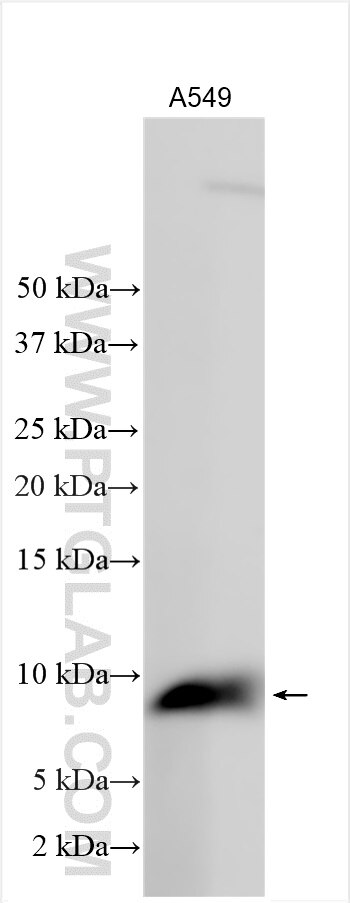
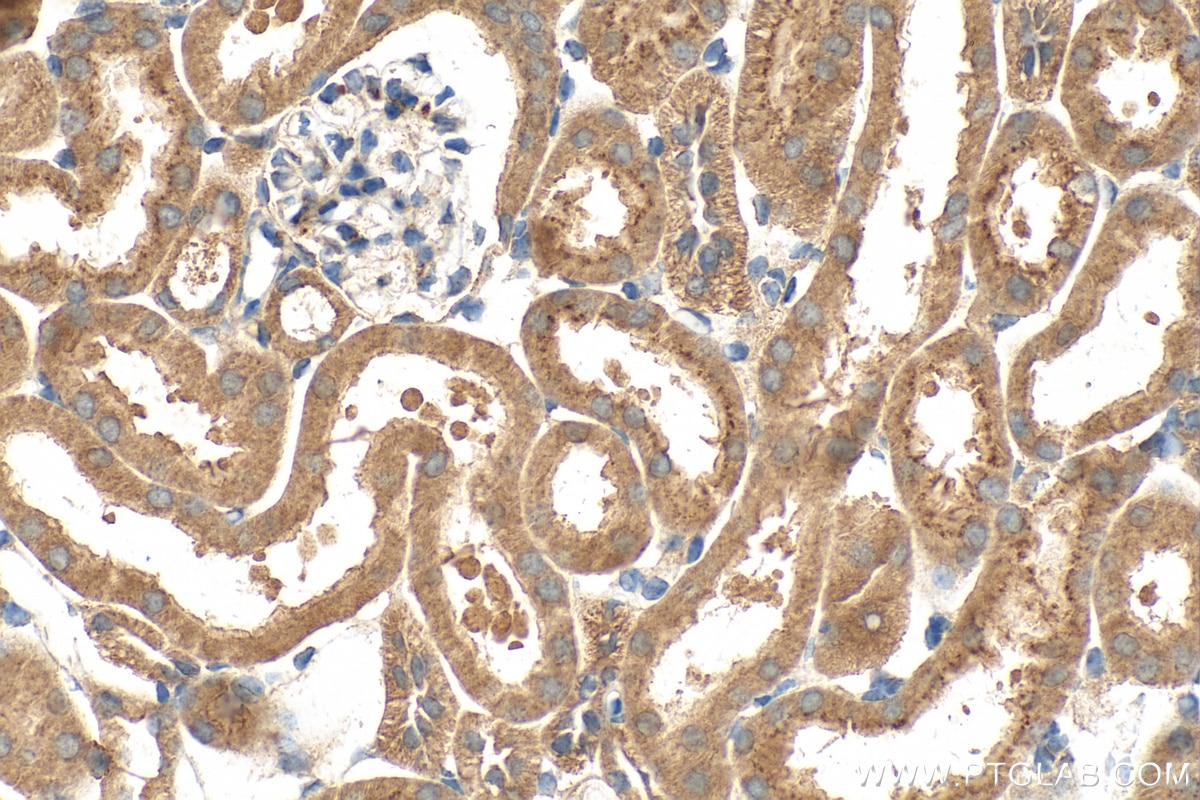
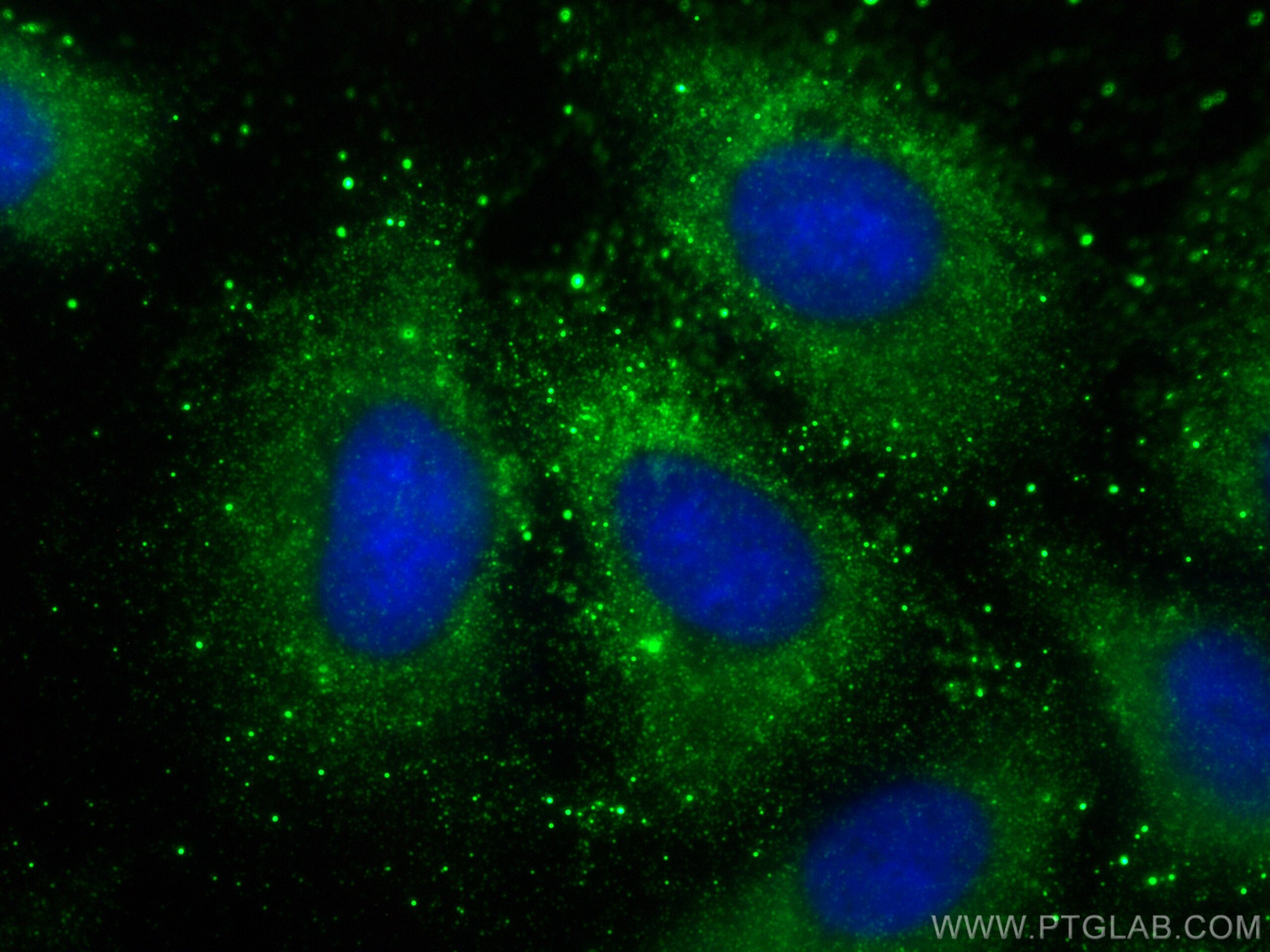
Informations sur le produit
15587-1-PBS cible HIG2 dans les applications de WB, IHC, IF/ICC, Indirect ELISA et montre une réactivité avec des échantillons Humain
| Réactivité | Humain |
| Hôte / Isotype | Lapin / IgG |
| Clonalité | Polyclonal |
| Type | Anticorps |
| Immunogène | HIG2 Protéine recombinante Ag7829 |
| Nom complet | chromosome 7 open reading frame 68 |
| Masse moléculaire calculée | 7 kDa |
| Poids moléculaire observé | 7-10 kDa |
| Numéro d’acquisition GenBank | BC001863 |
| Symbole du gène | C7orf68 |
| Identification du gène (NCBI) | 29923 |
| Conjugaison | Non conjugué |
| Forme | Liquide |
| Méthode de purification | Purification par affinité contre l'antigène |
| Tampon de stockage | PBS only |
| Conditions de stockage | Store at -80°C. 20ul contiennent 0,1% de BSA. |
Informations générales
HIG2 (Hypoxia inducible gene 2), also known as hypoxia inducible lipid droplet associated (HILPDA), is a gene that plays a significant role in the context of hypoxia, particularly in cancer biology. HIG2 is can be induced by hypoxia and glucose deprivation. It is expressed under low-oxygen conditions, which are common in the tumor microenvironment, and has been identified as a target gene of hypoxia-inducible factor-1 (HIF-1). HIG2 is implicated in the development and progression of various types of cancer, including renal cell carcinoma(PMID: 15930302), cell lymphoma(PMID: 26757780), epithelial ovarian cancer(PMID: 20134266), and uterine cancer(PMID: 21614900). Its expression is often elevated in these cancers and is associated with poor prognosis.


