Anticorps Monoclonal anti-IGFBP6
IGFBP6 Monoclonal Antibody for WB, IHC, IF/ICC, Indirect ELISA
Hôte / Isotype
Mouse / IgG2b
Réactivité testée
Humain
Applications
WB, IHC, IF/ICC, Indirect ELISA
Conjugaison
Non conjugué
CloneNo.
1D12B3
N° de cat : 67567-1-PBS
Synonymes
Galerie de données de validation
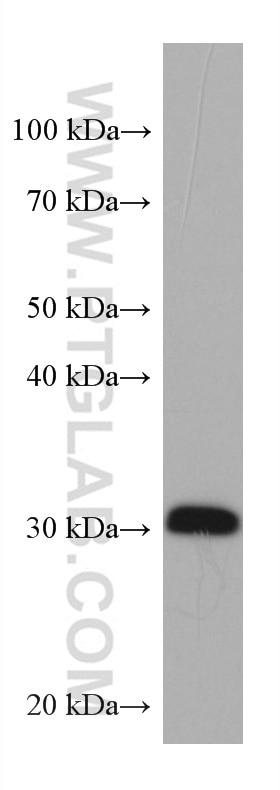
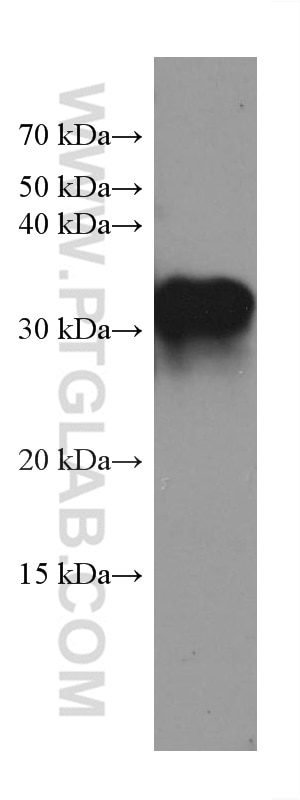
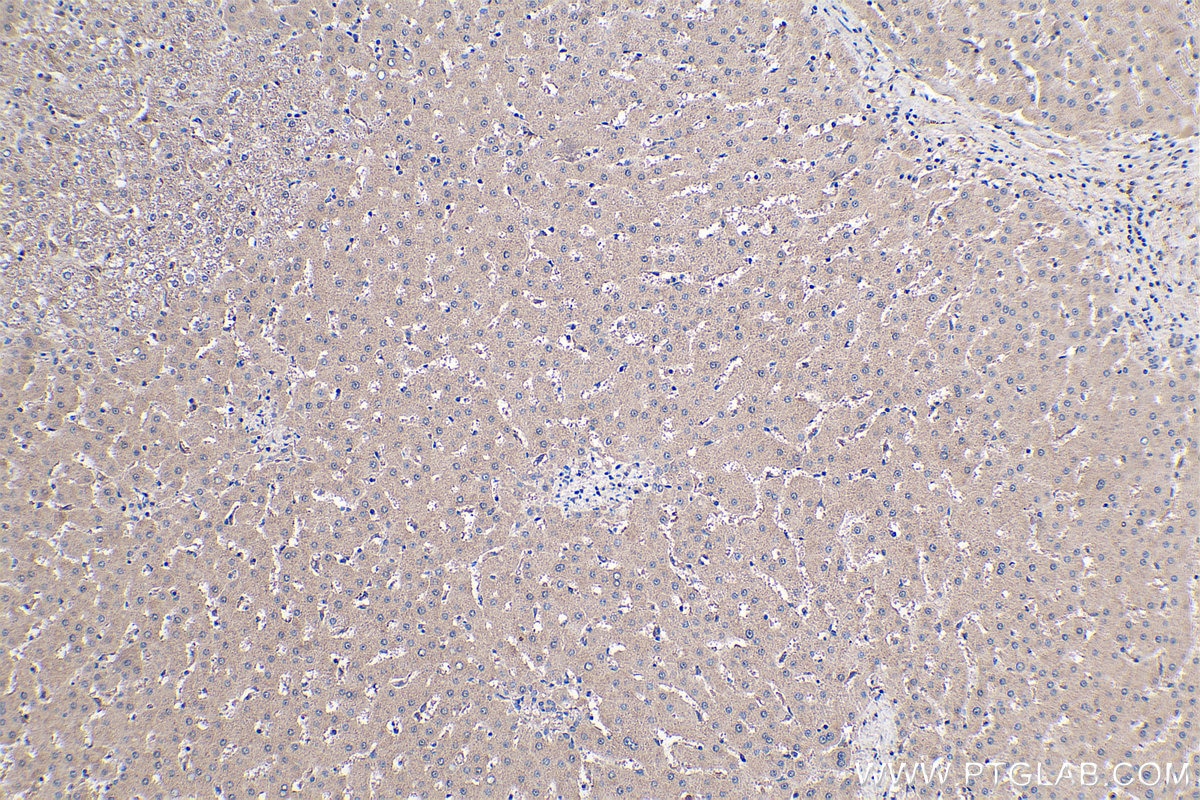
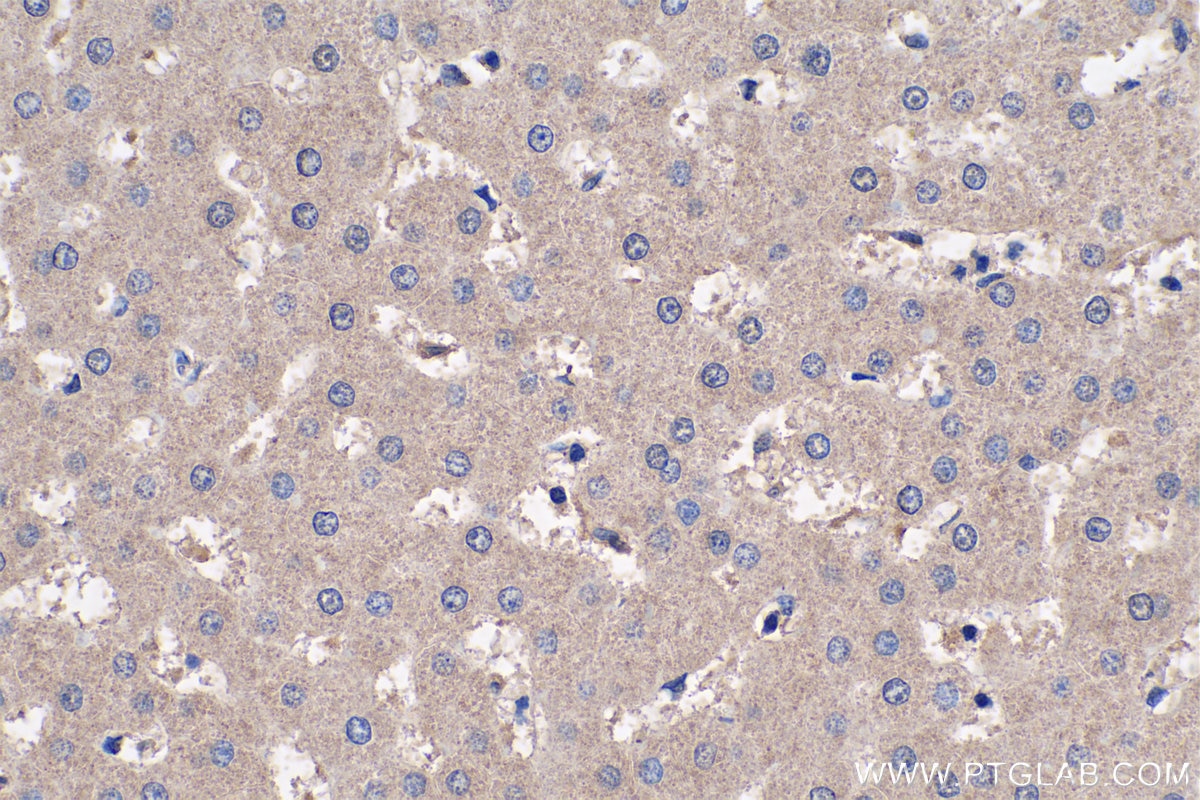
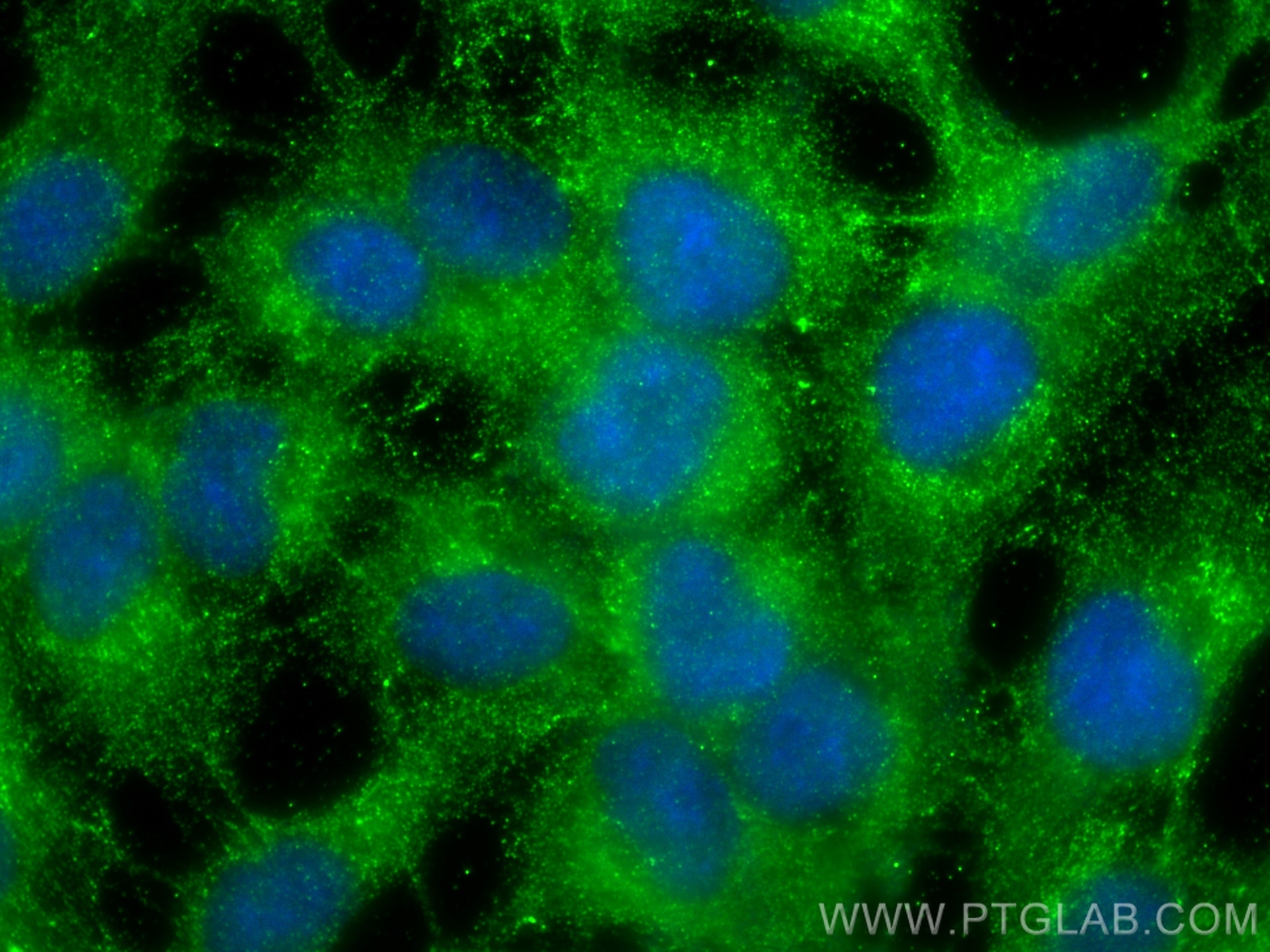
Informations sur le produit
67567-1-PBS cible IGFBP6 dans les applications de WB, IHC, IF/ICC, Indirect ELISA et montre une réactivité avec des échantillons Humain
| Réactivité | Humain |
| Hôte / Isotype | Mouse / IgG2b |
| Clonalité | Monoclonal |
| Type | Anticorps |
| Immunogène | IGFBP6 Protéine recombinante Ag30050 |
| Nom complet | insulin-like growth factor binding protein 6 |
| Masse moléculaire calculée | 25 kDa |
| Poids moléculaire observé | 30-33 kDa |
| Numéro d’acquisition GenBank | BC011708 |
| Symbole du gène | IGFBP6 |
| Identification du gène (NCBI) | 3489 |
| Conjugaison | Non conjugué |
| Forme | Liquide |
| Méthode de purification | Purification par protéine A |
| Tampon de stockage | PBS only |
| Conditions de stockage | Store at -80°C. 20ul contiennent 0,1% de BSA. |
Informations générales
Insulin-like growth factor (IGF) binding protein (IGFBP6), a 240 amino acid protein, contains an IGFBP N-terminal domain and a thyroglobulin type-1 domain. It modulates the activity of IGF and shows independent effects of IGF, such as growth inhibition and apoptosis. It can decrease the proliferation and survival of cancer cells such as lung cancer cells and naso-pharyngeal cancer cells. IGFBP-6 is distinctive for its 50-fold higher binding affinity for IGF-II over IGF-I and this specificity makes it an attractive potential therapeutic candidate for IGF-II-dependent pediatric malignancies such as rhabdomyosarcoma (RMS). In addition, it was found that IGFBP6 can promote the migration of RMS cells in an IGF-independent manner, and MAPK pathways were involved in this process. Further study reported that IGFBP6 is one of most highly expressed proteins in varicose vein tissues and is involved in the proliferation of vascular smooth muscle cells (VSMCs), which may provide insights into the underlying pathogenesis of varicose vein.


