Anticorps Polyclonal de lapin anti-KNCN
KNCN Polyclonal Antibody for IHC, Indirect ELISA
Hôte / Isotype
Lapin / IgG
Réactivité testée
Humain, souris
Applications
IHC, Indirect ELISA
Conjugaison
Non conjugué
N° de cat : 21532-1-PBS
Synonymes
Galerie de données de validation
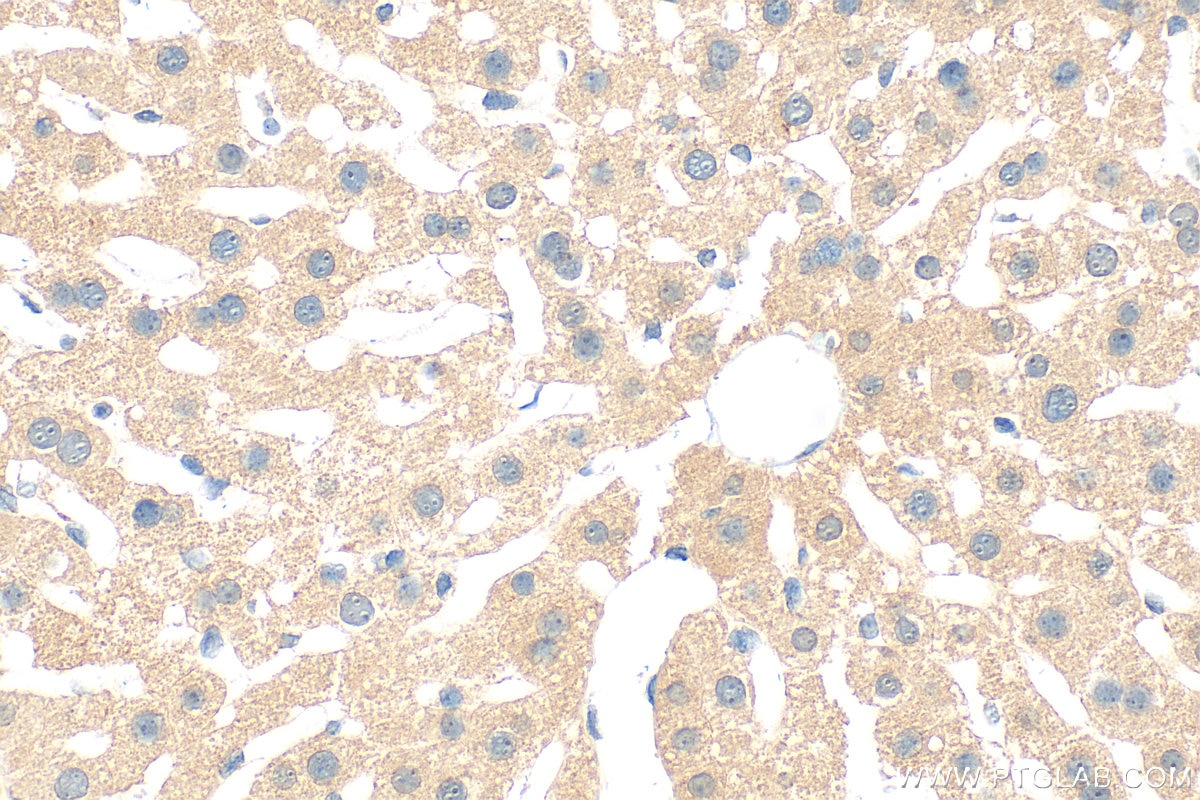
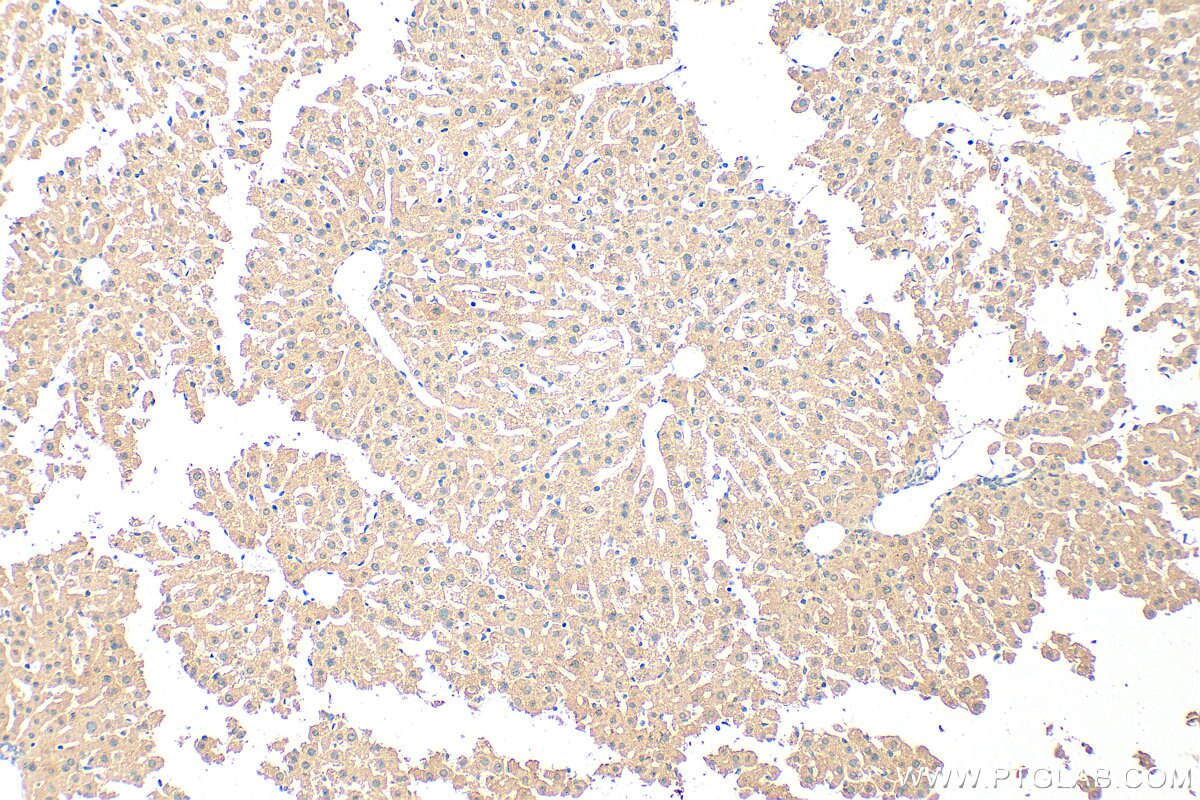
Informations sur le produit
21532-1-PBS cible KNCN dans les applications de IHC, Indirect ELISA et montre une réactivité avec des échantillons Humain, souris
| Réactivité | Humain, souris |
| Hôte / Isotype | Lapin / IgG |
| Clonalité | Polyclonal |
| Type | Anticorps |
| Immunogène | KNCN Protéine recombinante Ag16160 |
| Nom complet | kinocilin |
| Masse moléculaire calculée | 124 aa, 13 kDa |
| Numéro d’acquisition GenBank | BC101295 |
| Symbole du gène | KNCN |
| Identification du gène (NCBI) | 148930 |
| Conjugaison | Non conjugué |
| Forme | Liquide |
| Méthode de purification | Purification par affinité contre l'antigène |
| Tampon de stockage | PBS only |
| Conditions de stockage | Store at -80°C. 20ul contiennent 0,1% de BSA. |
Informations générales
Kinocilin (KNCN) was first detected in the kinocilia of vestibular and auditory hair cells at embryonic days 14.5 and 18.5, respectively. In mature auditory hair cells, KNCN was present at the cuticular plate, at the base of each stereocilium. KNCN was also expressed by the pillar cells and Deiters cells, both of which contain prominent transcellular and apical bundles of microtubules. KNCN expression was detected in both cochlear and vestibular hair cells. KNCN plays a role in stabilizing dense microtubular networks or invesicular trafficking (PMID: 30254566).


