- Phare
- Validé par KD/KO
Anticorps Recombinant de lapin anti-MNT
MNT Recombinant Antibody for WB, IF/ICC, FC (Intra), Cytometric bead array, Sandwich ELISA, Indirect ELISA, Sample test
Hôte / Isotype
Lapin / IgG
Réactivité testée
Humain, rat
Applications
WB, IF/ICC, FC (Intra), Cytometric bead array, Sandwich ELISA, Indirect ELISA, Sample test
Conjugaison
Non conjugué
CloneNo.
240550A10
N° de cat : 83648-1-PBS
Synonymes
Galerie de données de validation
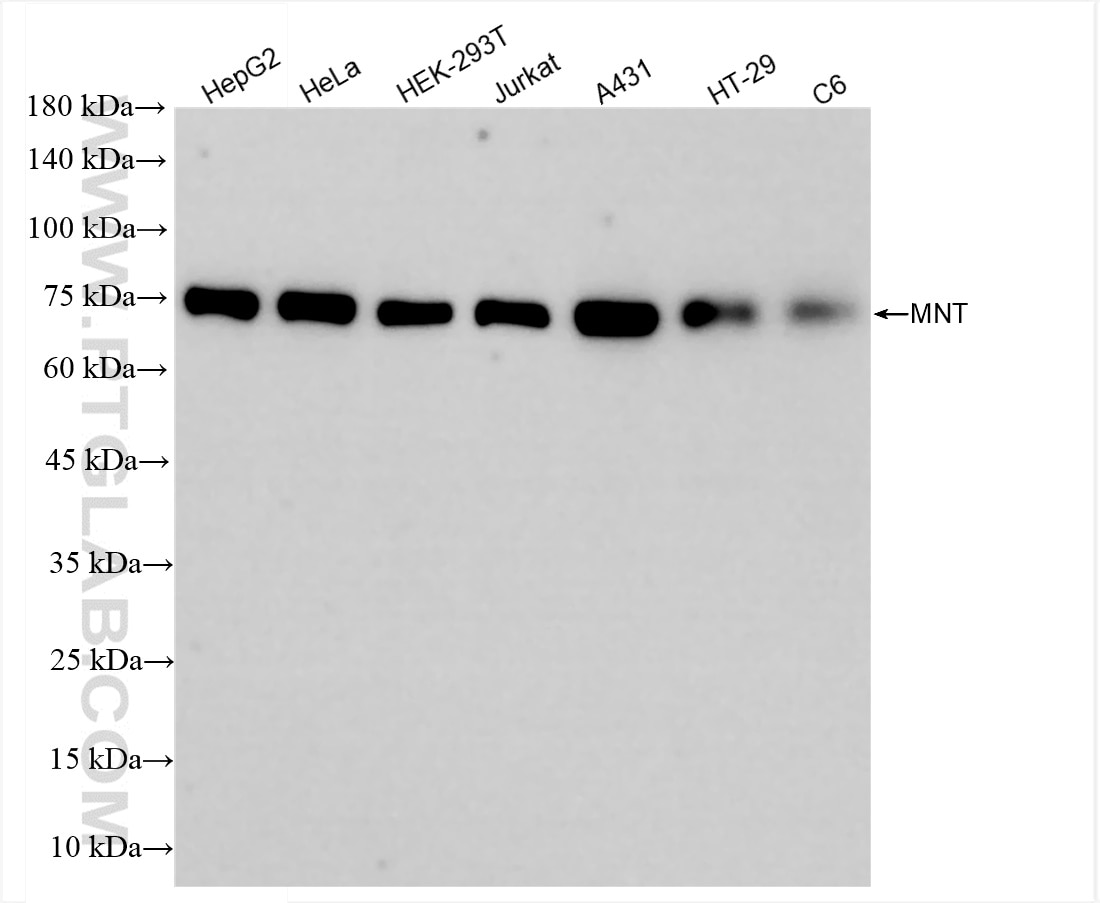
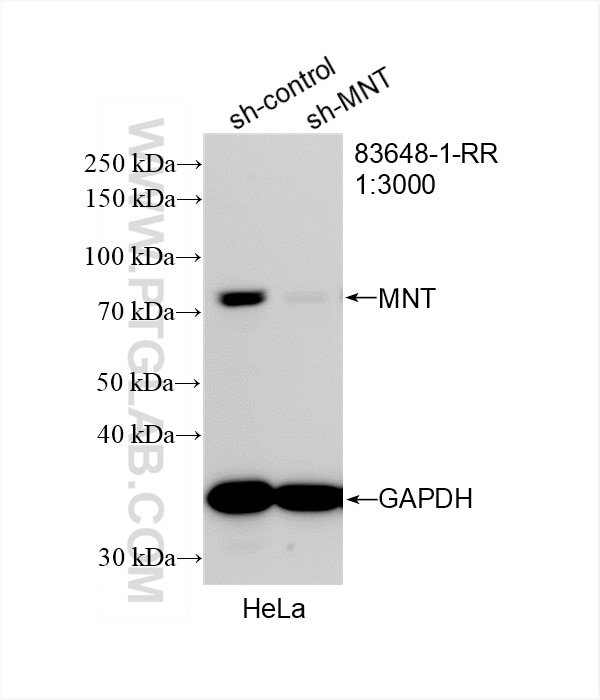
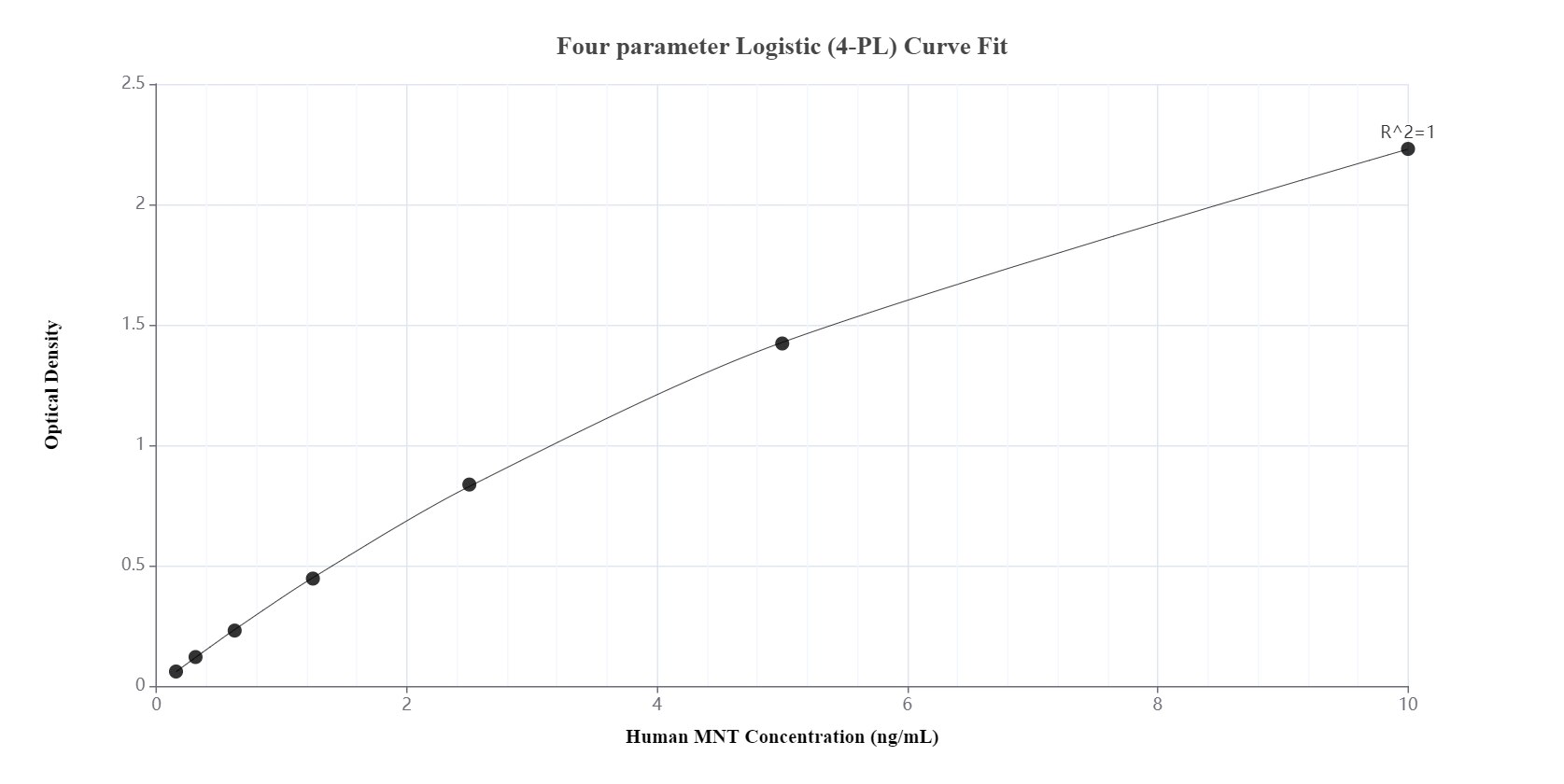
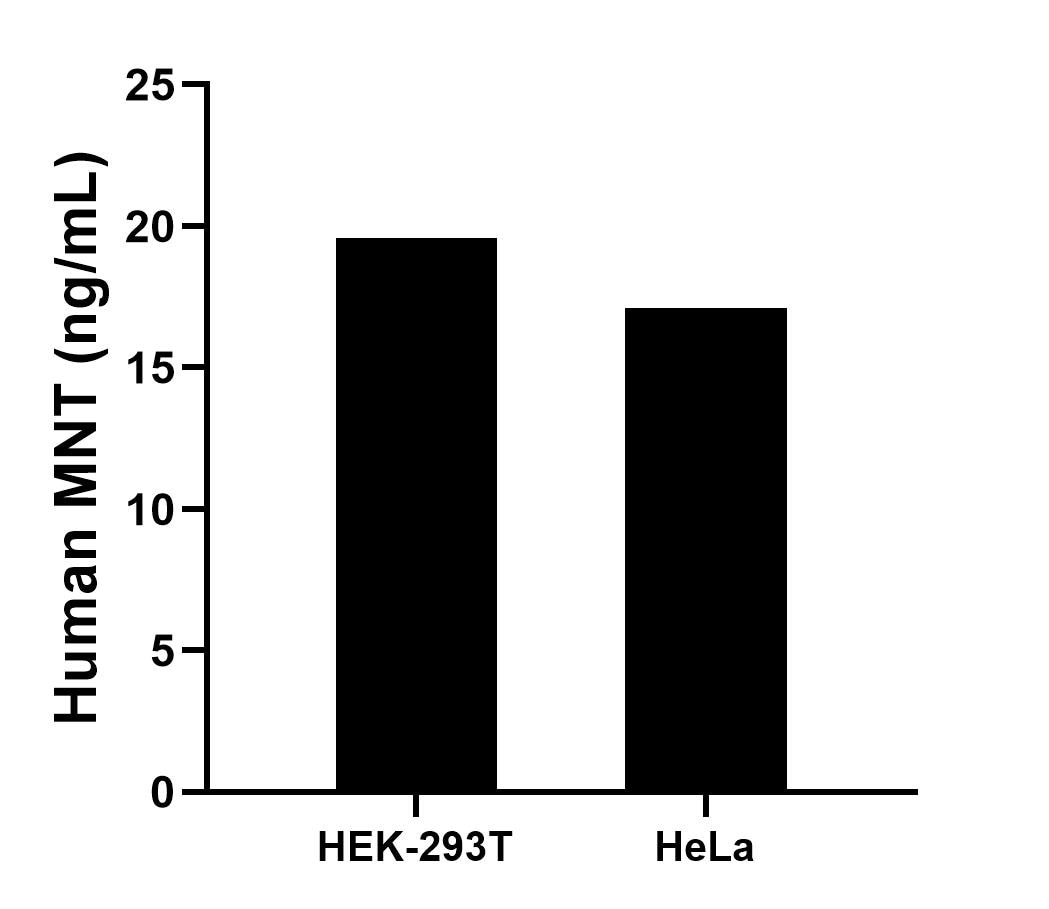
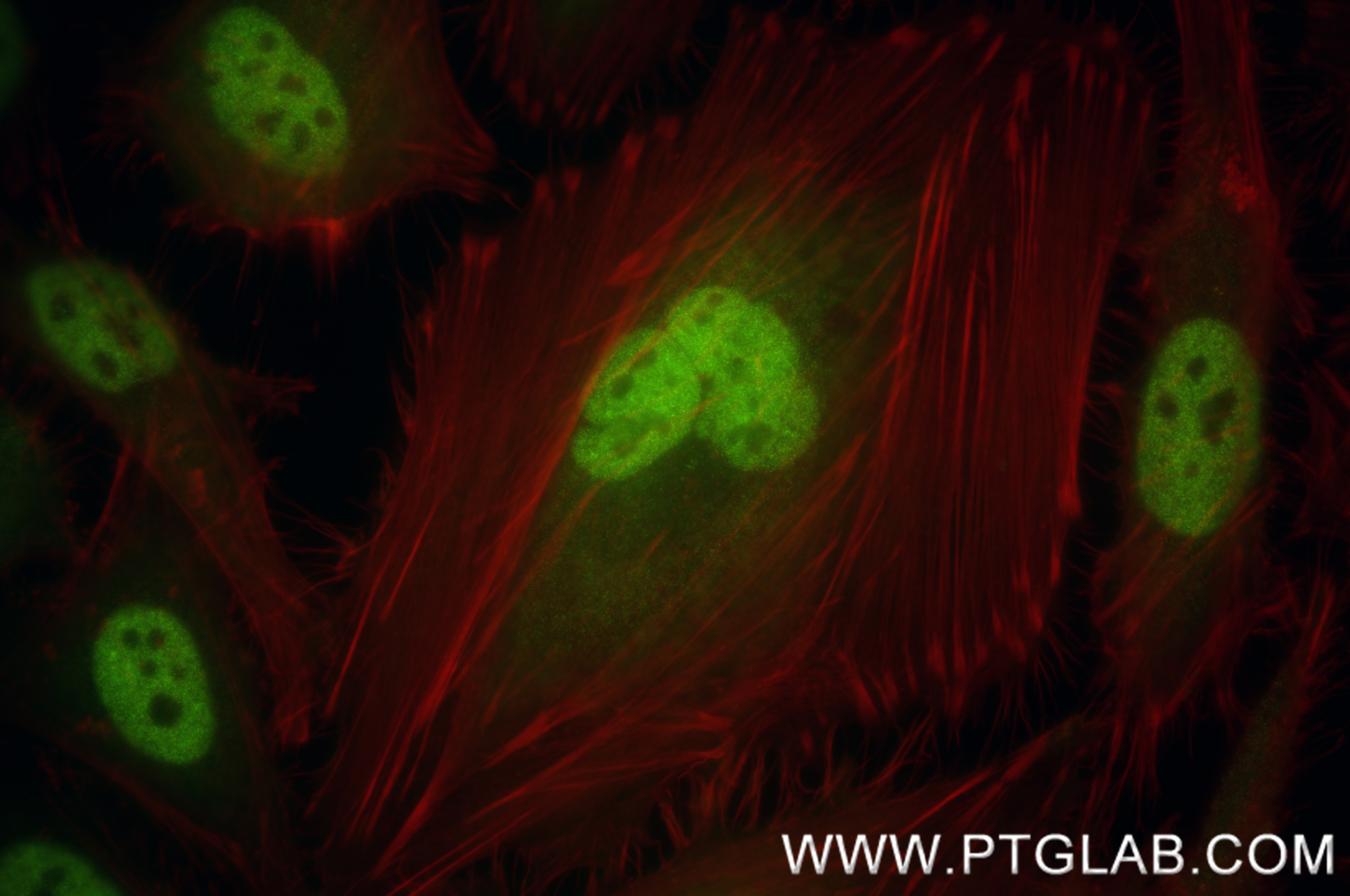
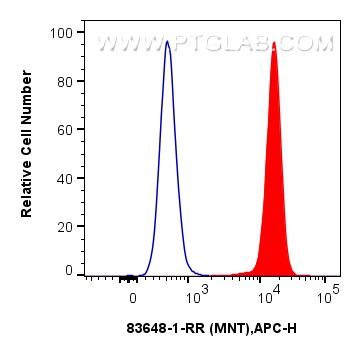
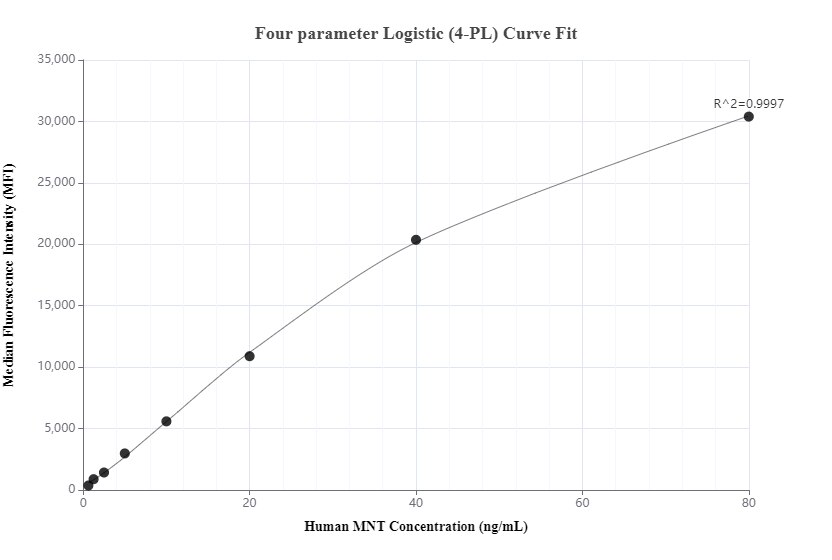
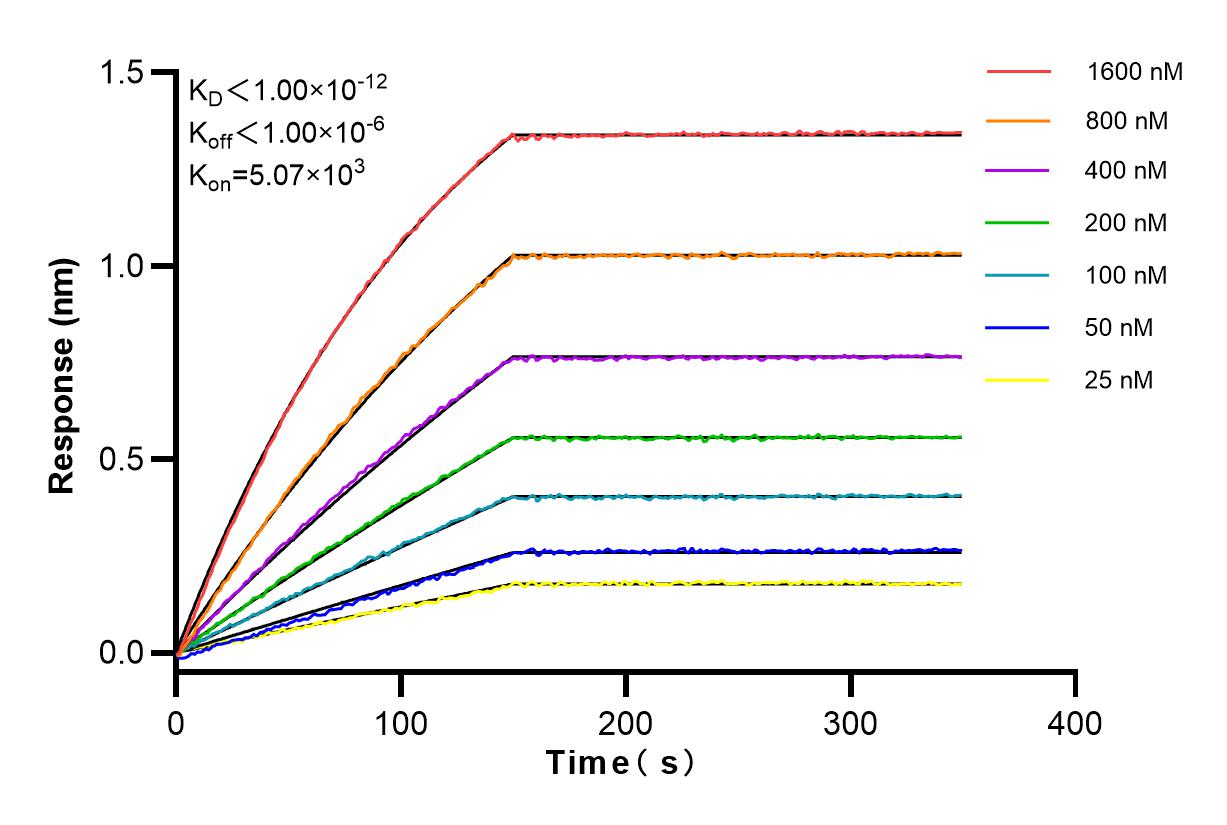
Informations sur le produit
83648-1-PBS cible MNT dans les applications de WB, IF/ICC, FC (Intra), Cytometric bead array, Sandwich ELISA, Indirect ELISA, Sample test et montre une réactivité avec des échantillons Humain, rat
| Réactivité | Humain, rat |
| Hôte / Isotype | Lapin / IgG |
| Clonalité | Recombinant |
| Type | Anticorps |
| Immunogène | MNT Protéine recombinante Ag34529 |
| Nom complet | MAX binding protein |
| Masse moléculaire calculée | 582 aa, 62 kDa |
| Poids moléculaire observé | 70 kDa |
| Numéro d’acquisition GenBank | BC117563 |
| Symbole du gène | MNT |
| Identification du gène (NCBI) | 4335 |
| Conjugaison | Non conjugué |
| Forme | Liquide |
| Méthode de purification | Purification par protéine A |
| Tampon de stockage | PBS only |
| Conditions de stockage | Store at -80°C. 20ul contiennent 0,1% de BSA. |
Informations générales
Mnt (Max binding protein), also known as MAD6, ROX, bHLHd3 (class D basic helix-loop-helix protein 3) or MXD6, is a 582 amino acid nuclear protein that forms a complex with Max (Myc-associated factor X) to repress transcription. Mnt contains one basic helix-loop-helix (bHLH) domain and is encoded by a gene that maps to human chromosome 17p13.3. Chromosome 17 comprises over 2.5% of the human genome and encodes over 1,200 genes. Two key tumor suppressor genes are associated with chromosome 17, namely, p53 and BRCA1. Tumor suppressor p53 is necessary for maintenance of cellular genetic integrity by moderating cell fate through DNA repair versus cell death. Like p53, BRCA1 is directly involved in DNA repair, though specifically it is recognized as a genetic determinant of early onset breast cancer and predisposition to cancers of the ovary, colon, prostate gland and fallopian tubes.


