Anticorps Polyclonal de lapin anti-MPG
MPG Polyclonal Antibody for WB, IHC, IP, Indirect ELISA
Hôte / Isotype
Lapin / IgG
Réactivité testée
Humain, rat, souris
Applications
WB, IHC, IP, Indirect ELISA
Conjugaison
Non conjugué
N° de cat : 11481-2-PBS
Synonymes
Galerie de données de validation
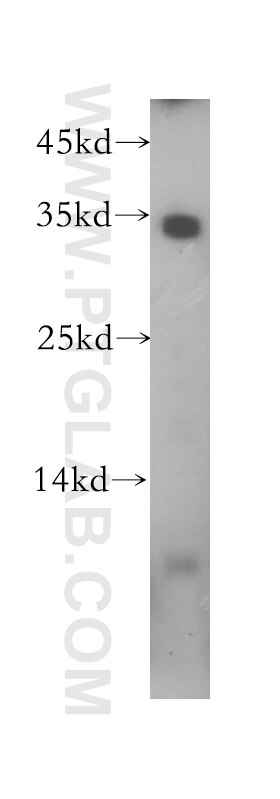
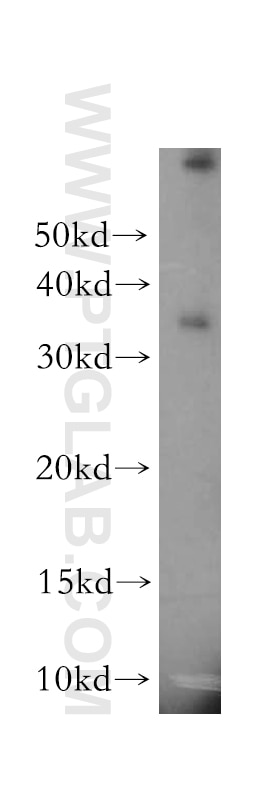
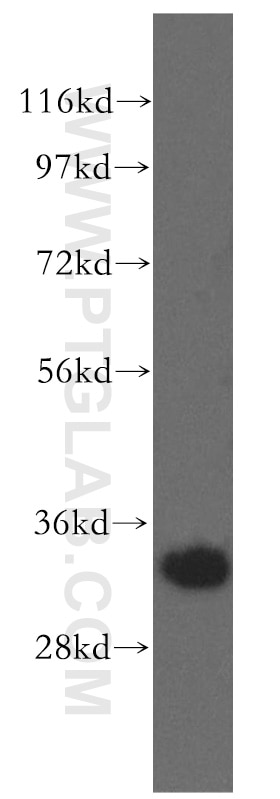
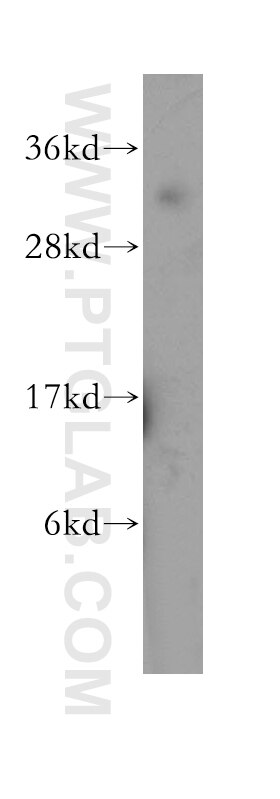
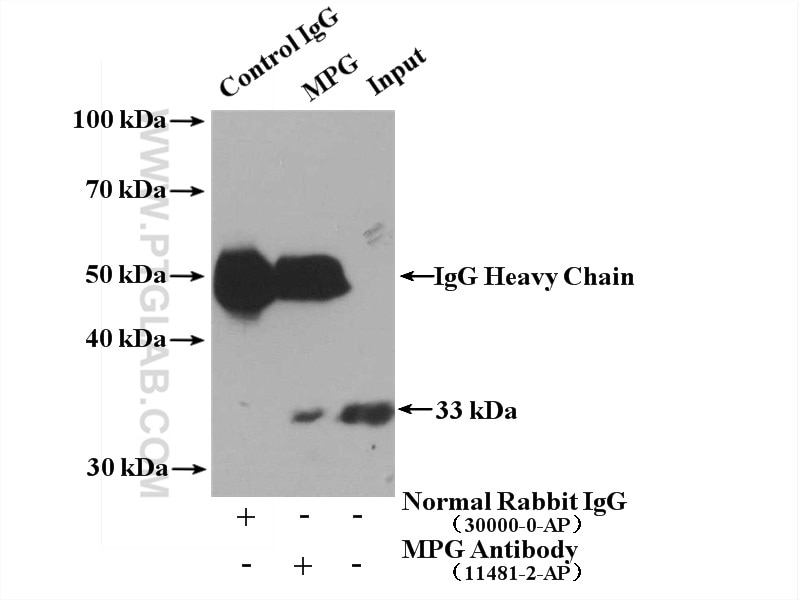
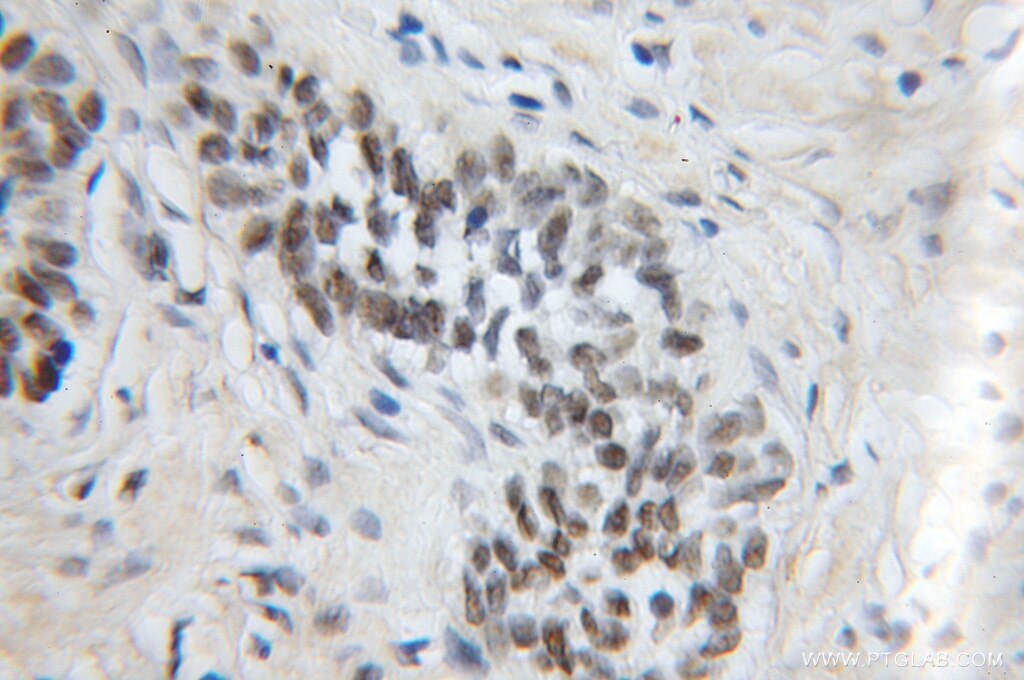
Informations sur le produit
11481-2-PBS cible MPG dans les applications de WB, IHC, IP, Indirect ELISA et montre une réactivité avec des échantillons Humain, rat, souris
| Réactivité | Humain, rat, souris |
| Hôte / Isotype | Lapin / IgG |
| Clonalité | Polyclonal |
| Type | Anticorps |
| Immunogène | MPG Protéine recombinante Ag2034 |
| Nom complet | N-methylpurine-DNA glycosylase |
| Masse moléculaire calculée | 293 aa, 32 kDa |
| Poids moléculaire observé | 33 kDa |
| Numéro d’acquisition GenBank | BC014991 |
| Symbole du gène | MPG |
| Identification du gène (NCBI) | 4350 |
| Conjugaison | Non conjugué |
| Forme | Liquide |
| Méthode de purification | Purification par affinité contre l'antigène |
| Tampon de stockage | PBS only |
| Conditions de stockage | Store at -80°C. 20ul contiennent 0,1% de BSA. |
Informations générales
N-methylpurine DNA glycosylase (MPG), an initiator glycosylase of the base excision repair (BER) pathway, typically repairs alkyl-induced DNA adducts, many of which are associated with genomic instability and tumorigenic risk [PMID:22801474] MPG initiates BER by removing TMZ-induced N3-methyladenine and N7-methylguanine base lesions, leaving abasic sites (AP sites) in DNA for further processing by BER [PMID:21377995]. MPG involves in modulating the genotoxic threshold response induced by the Sn2 alkylating agent ethyl methanesulfonate (EMS) [PMID:21071726].


