Anticorps Polyclonal de lapin anti-MYO7A
MYO7A Polyclonal Antibody for WB, IHC, IF/ICC, Indirect ELISA
Hôte / Isotype
Lapin / IgG
Réactivité testée
Humain, rat, souris
Applications
WB, IHC, IF/ICC, Indirect ELISA
Conjugaison
Non conjugué
N° de cat : 20720-1-PBS
Synonymes
Galerie de données de validation
Informations sur le produit
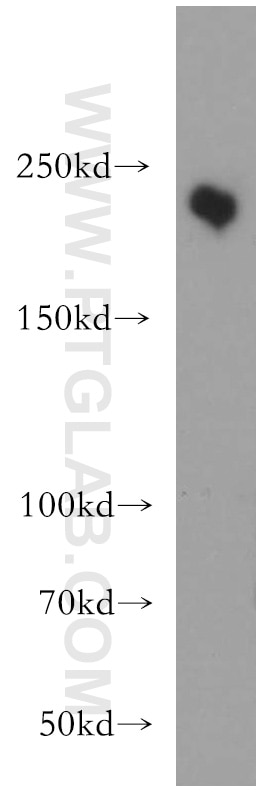
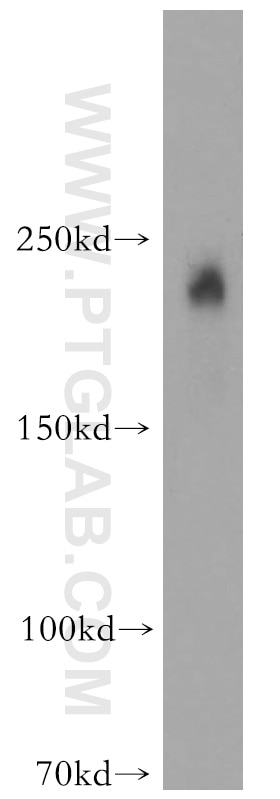
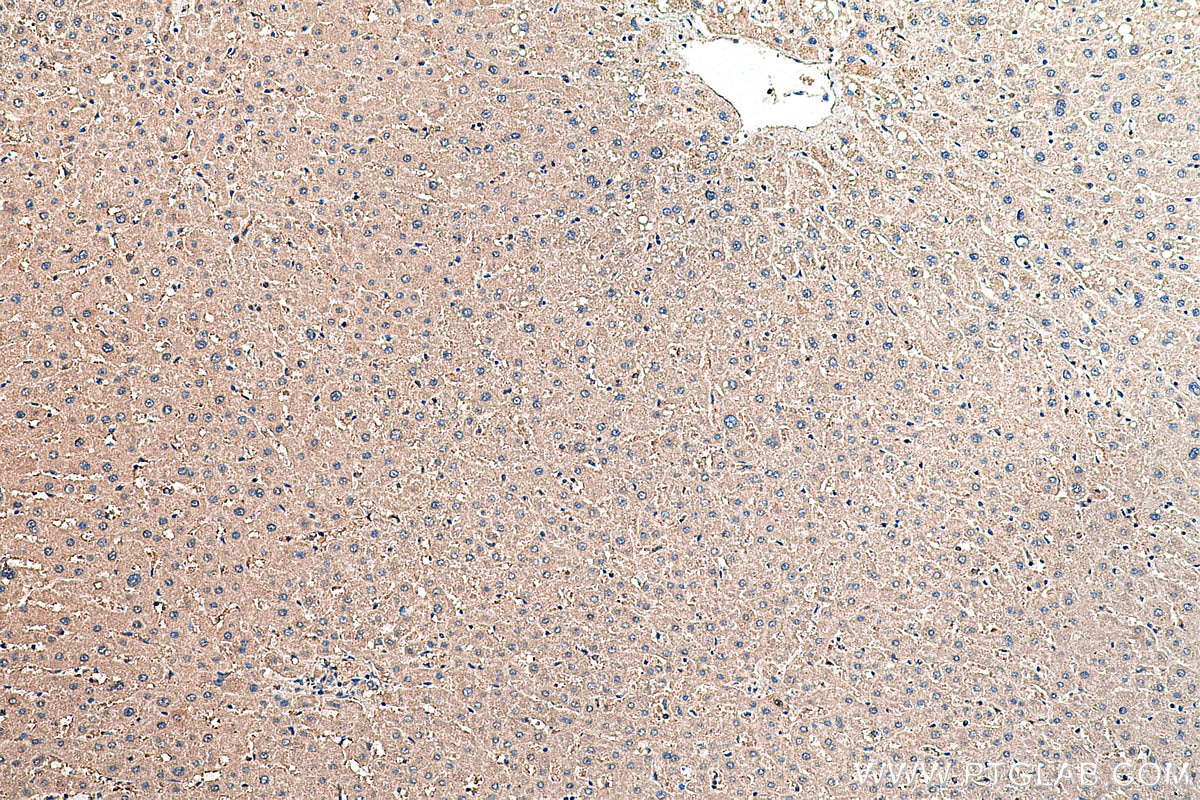
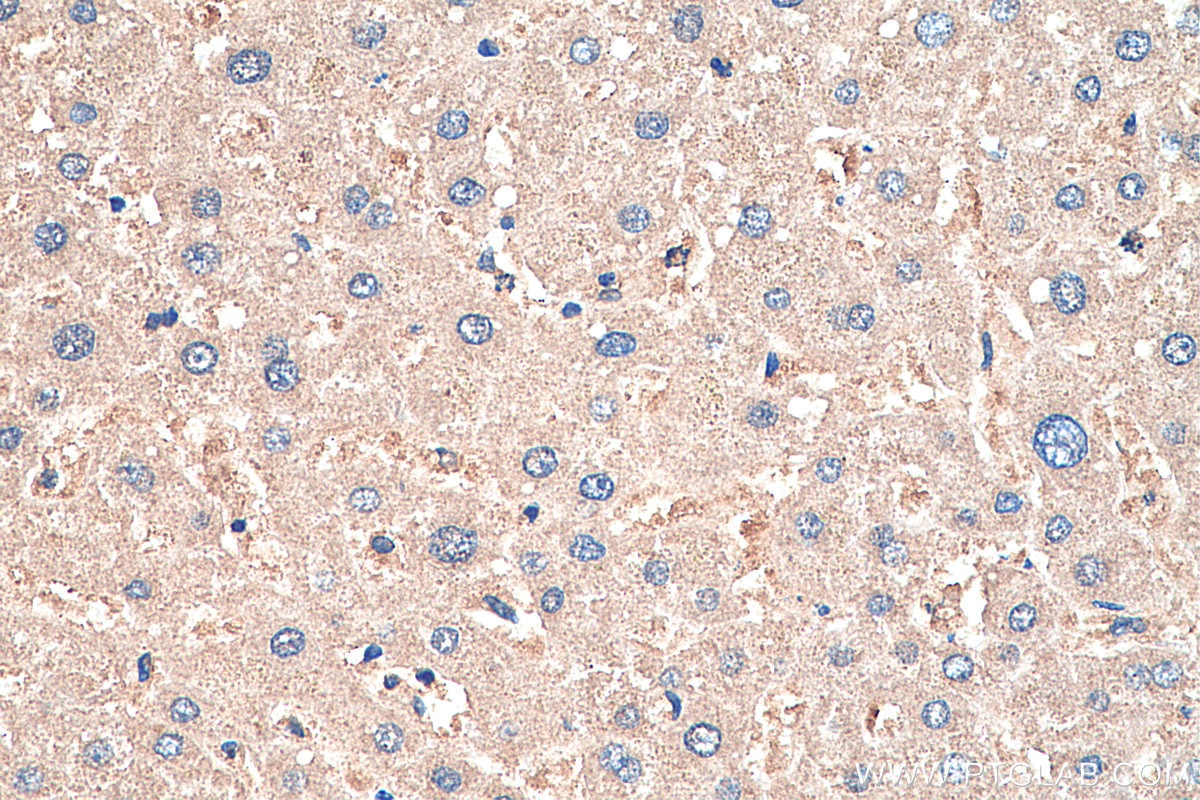
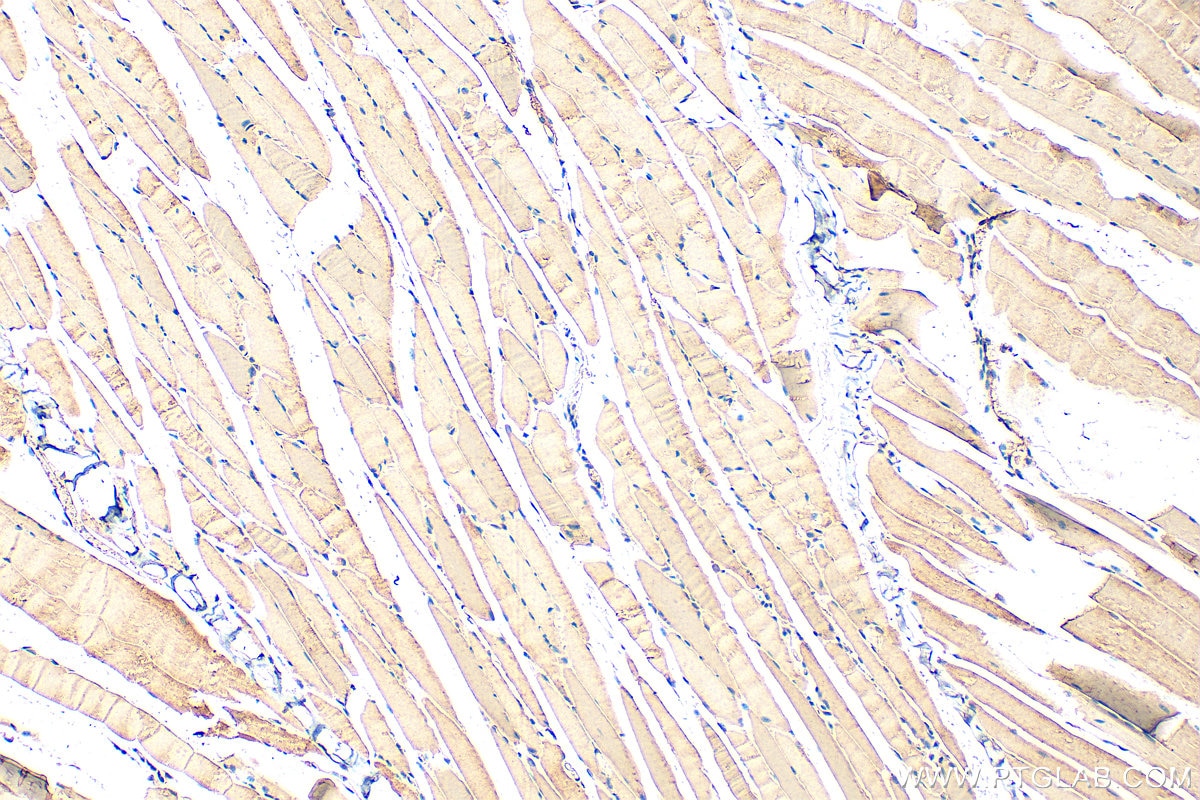
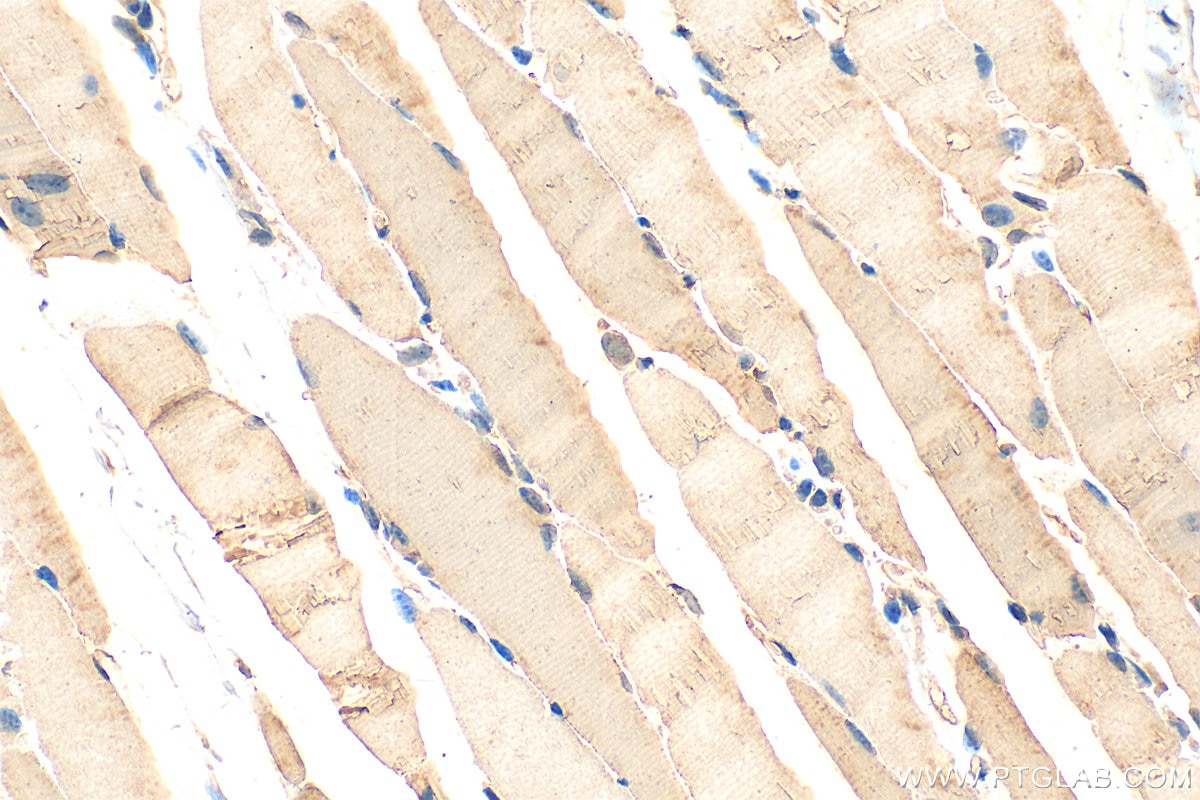
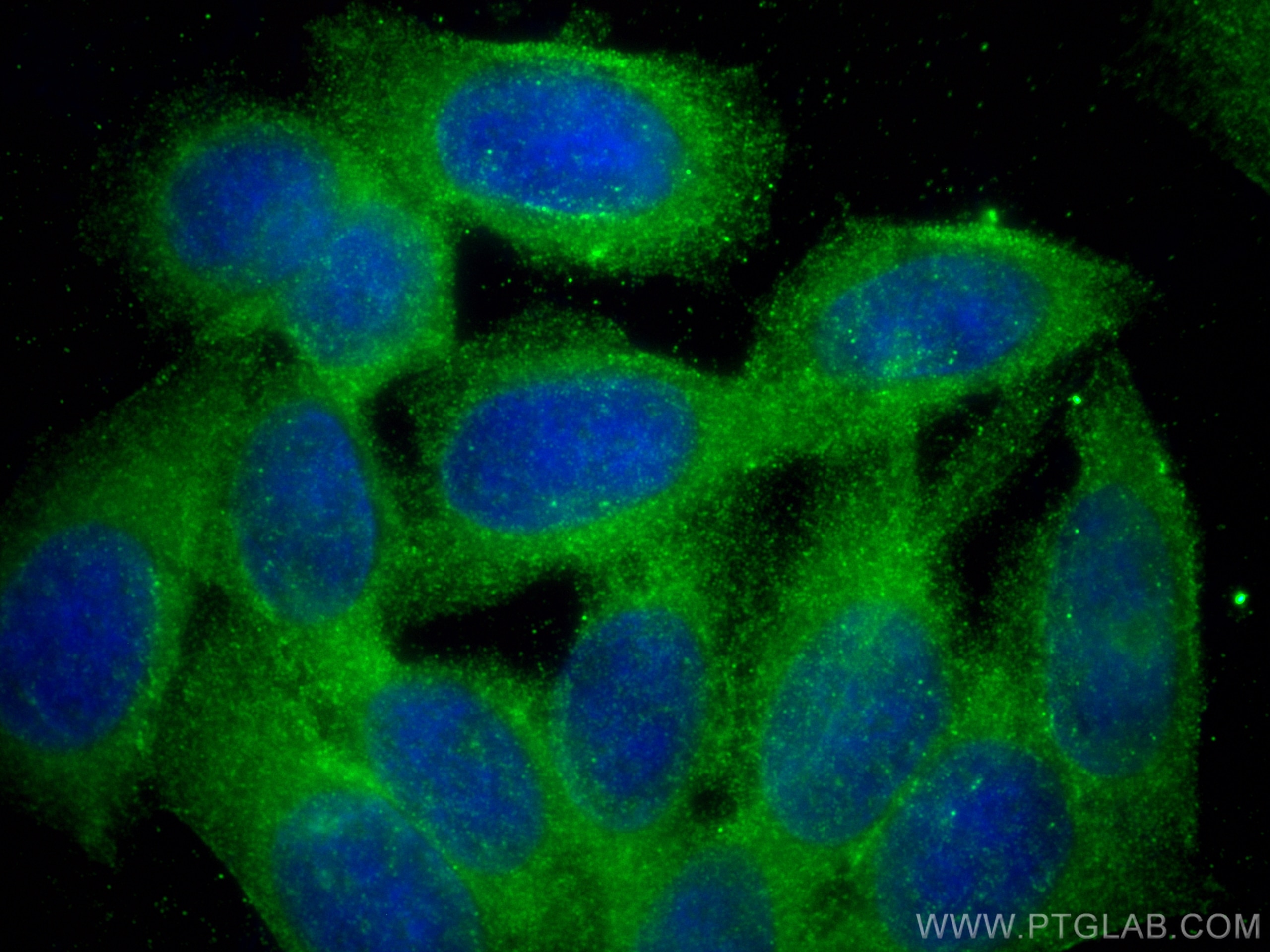
20720-1-PBS cible MYO7A dans les applications de WB, IHC, IF/ICC, Indirect ELISA et montre une réactivité avec des échantillons Humain, rat, souris
| Réactivité | Humain, rat, souris |
| Hôte / Isotype | Lapin / IgG |
| Clonalité | Polyclonal |
| Type | Anticorps |
| Immunogène | Peptide |
| Nom complet | myosin VIIA |
| Masse moléculaire calculée | 254 kDa |
| Poids moléculaire observé | 240-250 kDa |
| Numéro d’acquisition GenBank | NM_000260 |
| Symbole du gène | MYO7A |
| Identification du gène (NCBI) | 4647 |
| Conjugaison | Non conjugué |
| Forme | Liquide |
| Méthode de purification | Purification par affinité contre l'antigène |
| Tampon de stockage | PBS only |
| Conditions de stockage | Store at -80°C. 20ul contiennent 0,1% de BSA. |
Informations générales
MYO7A, also named a USH1B, is one of myosins protein which are actin-based motor molecules with ATPase activity. Unconventional myosins serve in intracellular movements. Their highly divergent tails are presumed to bind to membranous compartments, which would be moved relative to actin filaments. In retina, MYO7A might play a role in trafficking of ribbon-synaptic vesicle complexes and renewal of the outer photoreceptors disks. In inner ear, it might maintain the rigidity of stereocilia during the dynamic movements of the bundle. It is involved in hair-cell vesicle trafficking of aminoglycosides, which are known to induce ototoxicity. Defects in MYO7A are the cause of Usher syndrome type 1B (USH1B). Defects in MYO7A are the cause of deafness autosomal recessive type 2 (DFNB2). Defects in MYO7A are the cause of deafness autosomal dominant type 11 (DFNA11). The antibody is specific to MYO7A.


