- Phare
- Validé par KD/KO
Anticorps Polyclonal de lapin anti-NBN / NBS1
NBN / NBS1 Polyclonal Antibody for WB, IHC, IF/ICC, IP, Indirect ELISA
Hôte / Isotype
Lapin / IgG
Réactivité testée
Humain, rat, souris
Applications
WB, IHC, IF/ICC, IP, Indirect ELISA
Conjugaison
Non conjugué
N° de cat : 55025-1-PBS
Synonymes
Galerie de données de validation
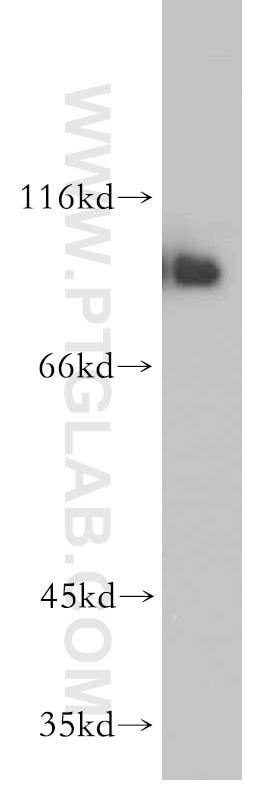
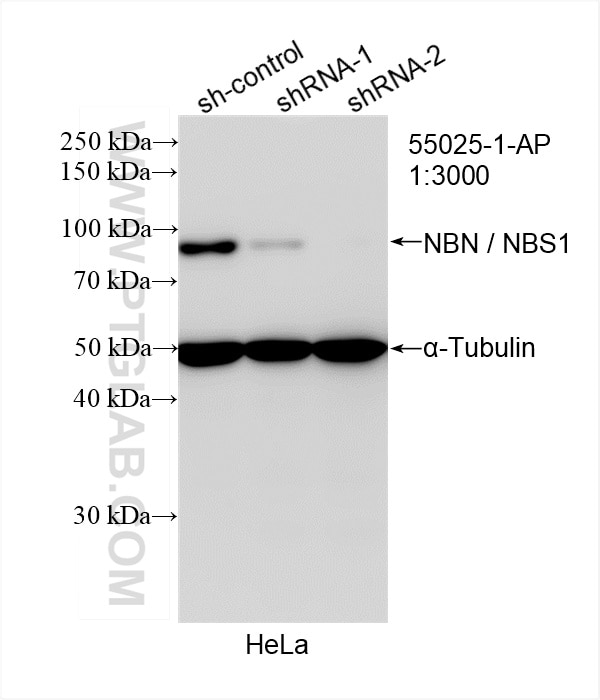
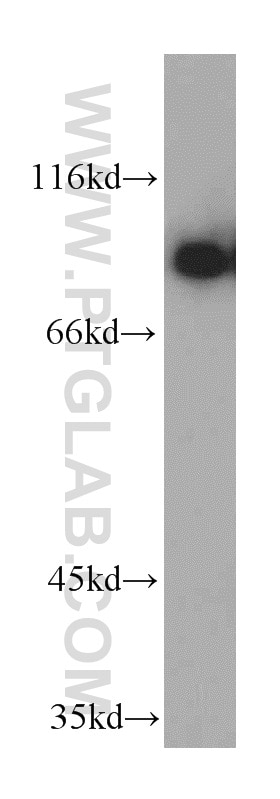
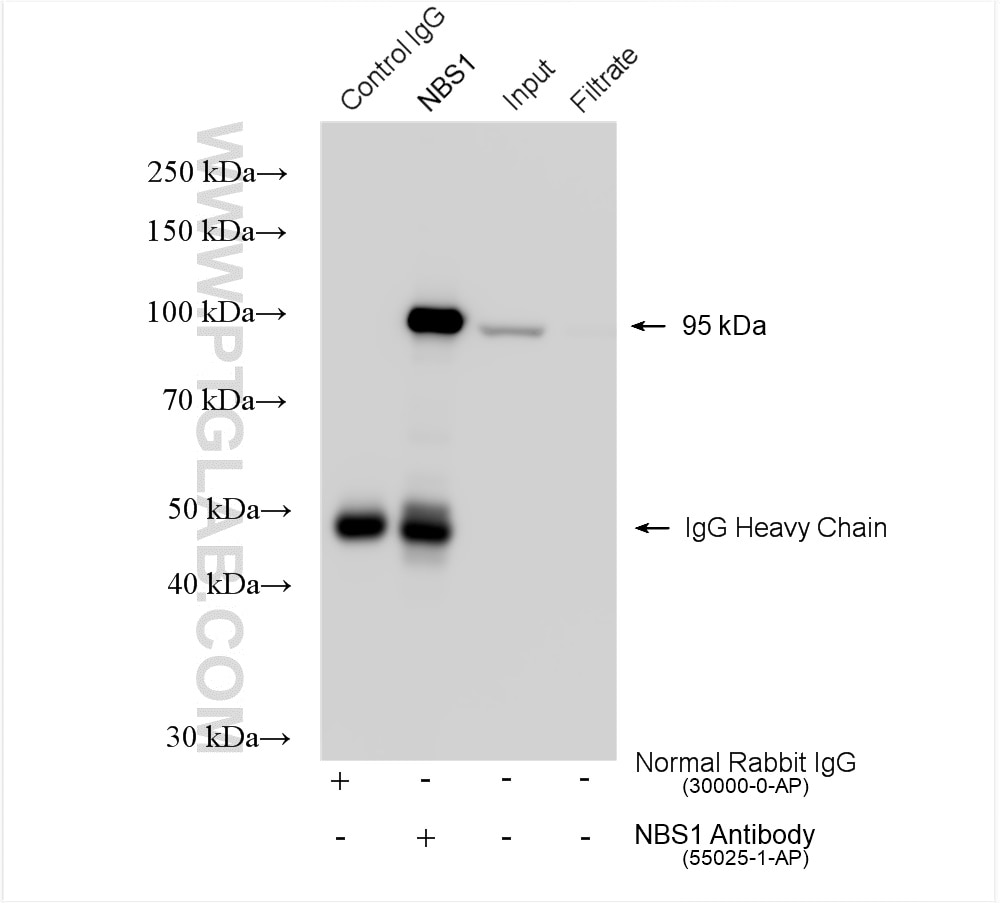
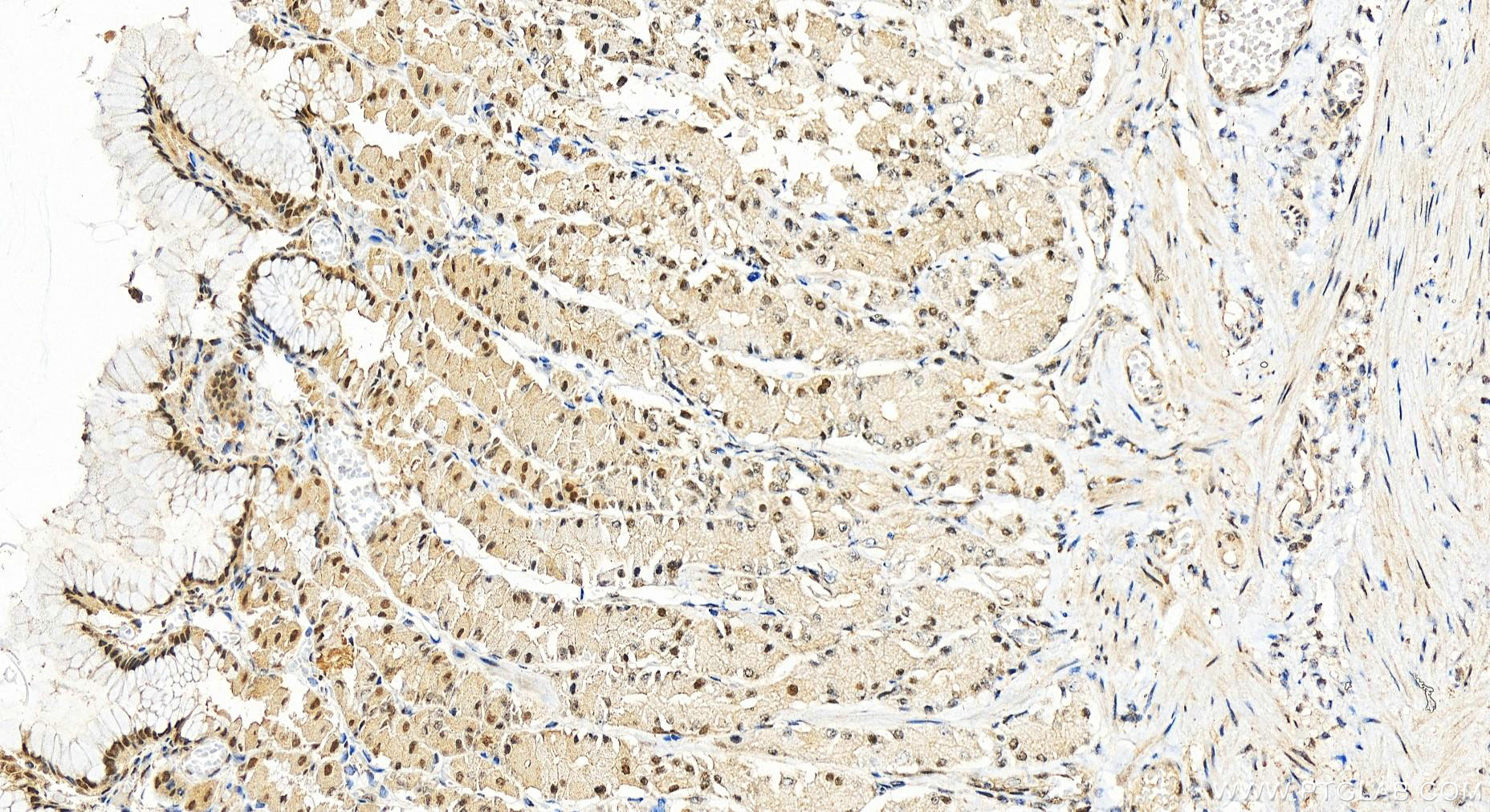
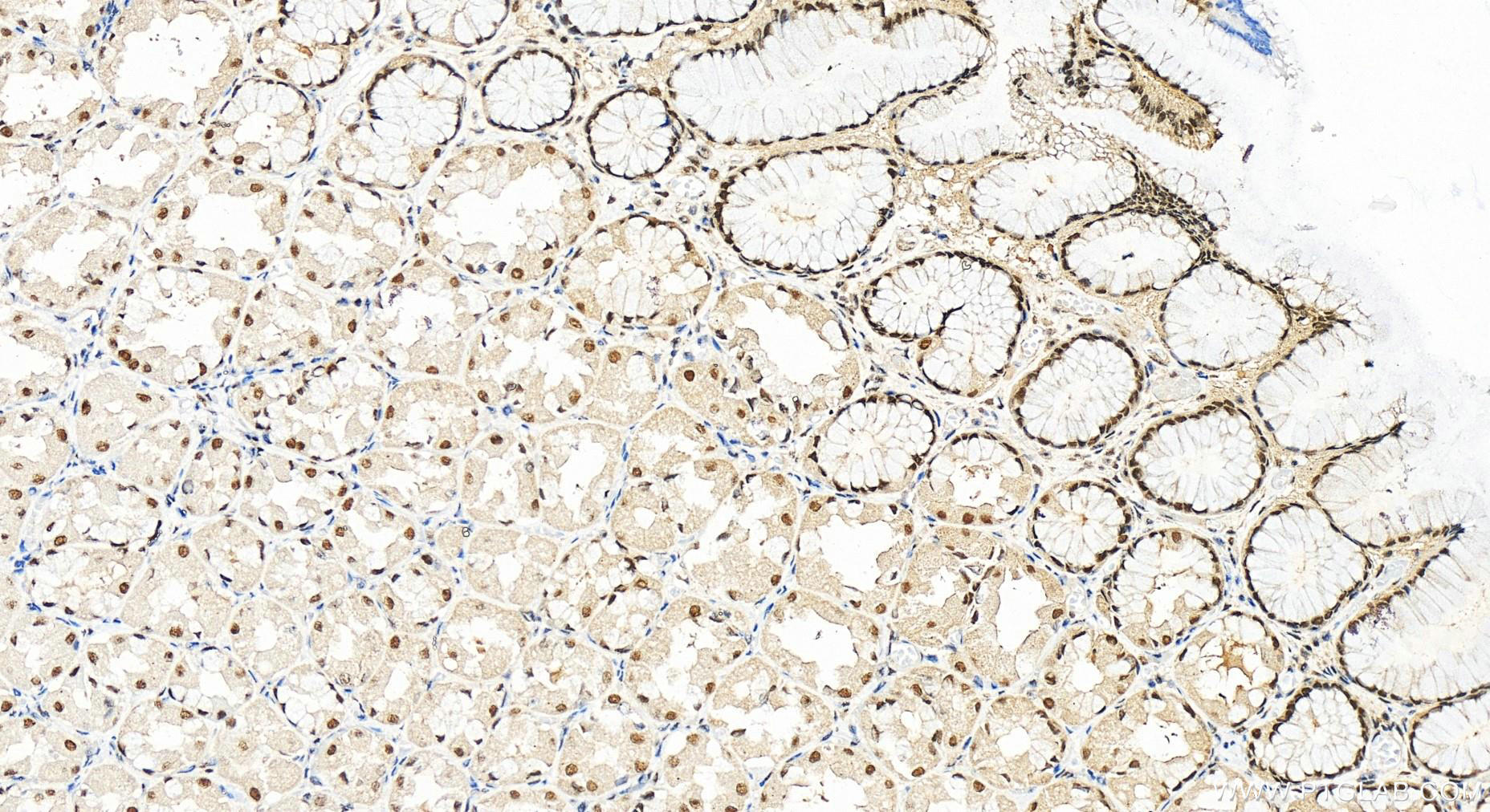
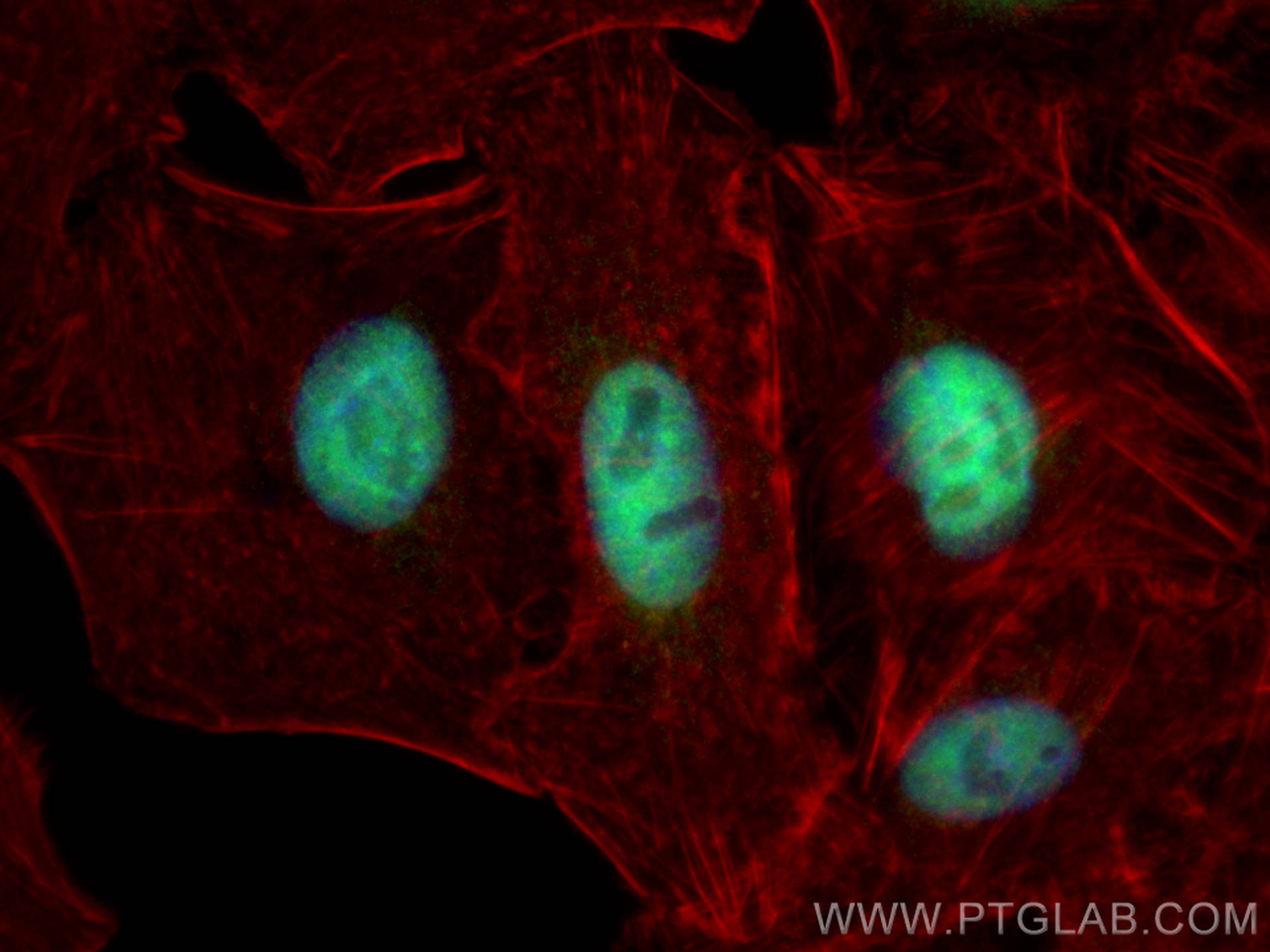
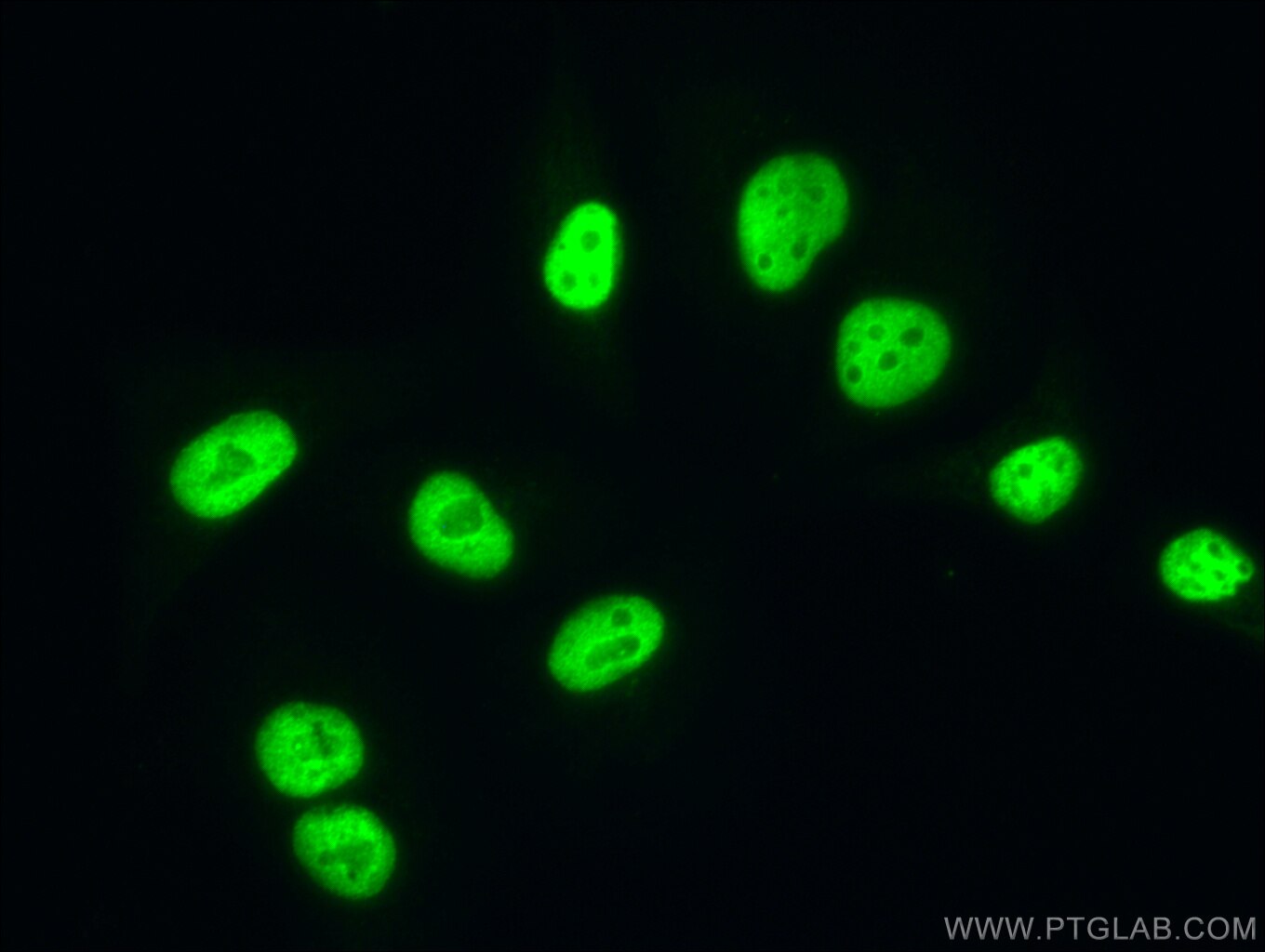
Informations sur le produit
55025-1-PBS cible NBN / NBS1 dans les applications de WB, IHC, IF/ICC, IP, Indirect ELISA et montre une réactivité avec des échantillons Humain, rat, souris
| Réactivité | Humain, rat, souris |
| Hôte / Isotype | Lapin / IgG |
| Clonalité | Polyclonal |
| Type | Anticorps |
| Immunogène | Peptide |
| Nom complet | nibrin |
| Masse moléculaire calculée | 85 kDa |
| Poids moléculaire observé | 90-95 kDa |
| Numéro d’acquisition GenBank | NM_002485 |
| Symbole du gène | NBN |
| Identification du gène (NCBI) | 4683 |
| Conjugaison | Non conjugué |
| Forme | Liquide |
| Méthode de purification | Purification par affinité contre l'antigène |
| Tampon de stockage | PBS only |
| Conditions de stockage | Store at -80°C. 20ul contiennent 0,1% de BSA. |
Informations générales
NBN, also named as NBS, NBS1 and P95, is a component of the MRE11/RAD50/NBN (MRN complex) which plays a critical role in the cellular response to DNA damage and the maintenance of chromosome integrity. The complex is involved in double-strand break (DSB) repair, DNA recombination, maintenance of telomere integrity, cell cycle checkpoint control and meiosis. The complex possesses single-strand endonuclease activity and double-strand-specific 3'-5' exonuclease activity, which are provided by MRE11A. NBN modulate the DNA damage signal sensing by recruiting PI3/PI4-kinase family members ATM, ATR, and probably DNA-PKcs to the DNA damage sites and activating their functions. NBN also functions in telomere length maintenance by generating the 3' overhang which serves as a primer for telomerase dependent telomere elongation. NBN is a major player in the control of intra-S-phase checkpoint and there is some evidence that NBN is involved in G1 and G2 checkpoints. Defects in NBN are the cause of Nijmegen breakage syndrome (NBS). Defects in NBN are a cause of genetic susceptibility to breast cancer (BC). Defects in NBN may be associated with aplastic anemia. Defects in NBN might play a role in the pathogenesis of childhood acute lymphoblastic leukemia (ALL). The antibody is specific to NBN. The full-length NBN protein, with an apparent molecular weight of 95 kDa and the two protein fragments of 26 and 70 kDa arising from the c.657_661del5 (p.K219fsX19) mutation, and the 80 kDa protein found in patient RR with the mutation c.742_743insGG leading to excision of exons 6 and 7 from the NBN mRNA are shown. (PMID: 26265251) The predicted molecular weight of NBN protein (p95) is 85kDa, actually detection result is about 95kDa(PMID: 23762398).


