- Phare
- Validé par KD/KO
Anticorps Polyclonal de lapin anti-NEUROD1
NEUROD1 Polyclonal Antibody for WB, IHC, IF-P, IP, Indirect ELISA
Hôte / Isotype
Lapin / IgG
Réactivité testée
Humain, rat, souris
Applications
WB, IHC, IF-P, IP, Indirect ELISA
Conjugaison
Non conjugué
N° de cat : 12081-1-PBS
Synonymes
Galerie de données de validation
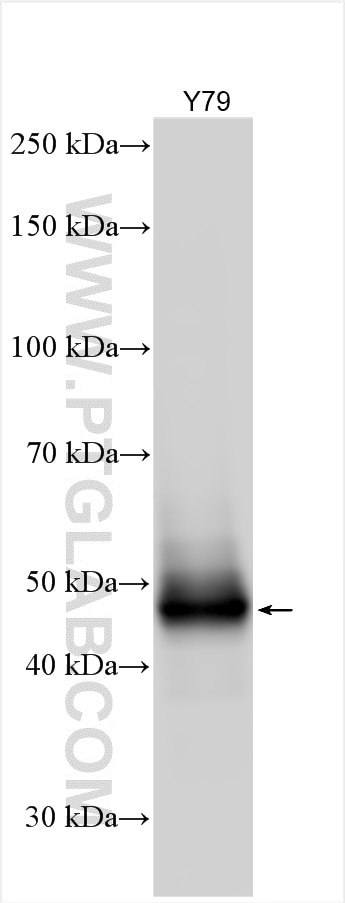
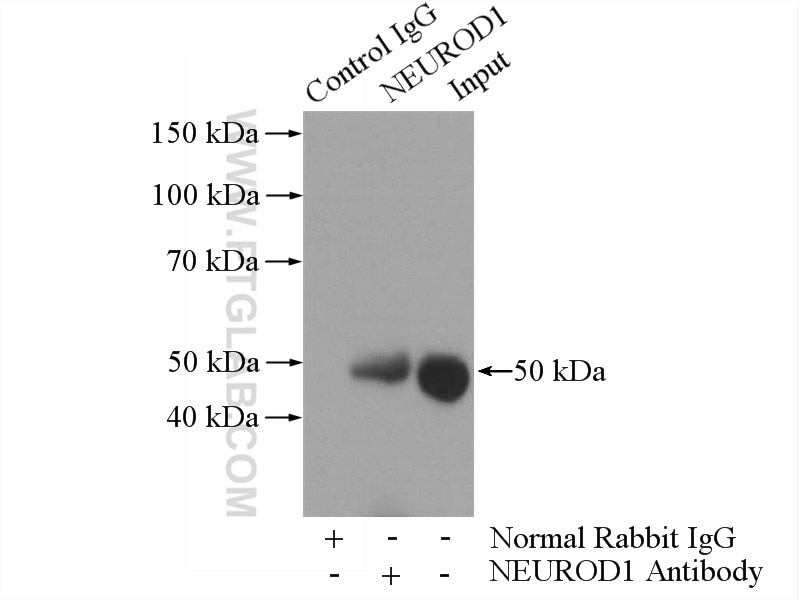
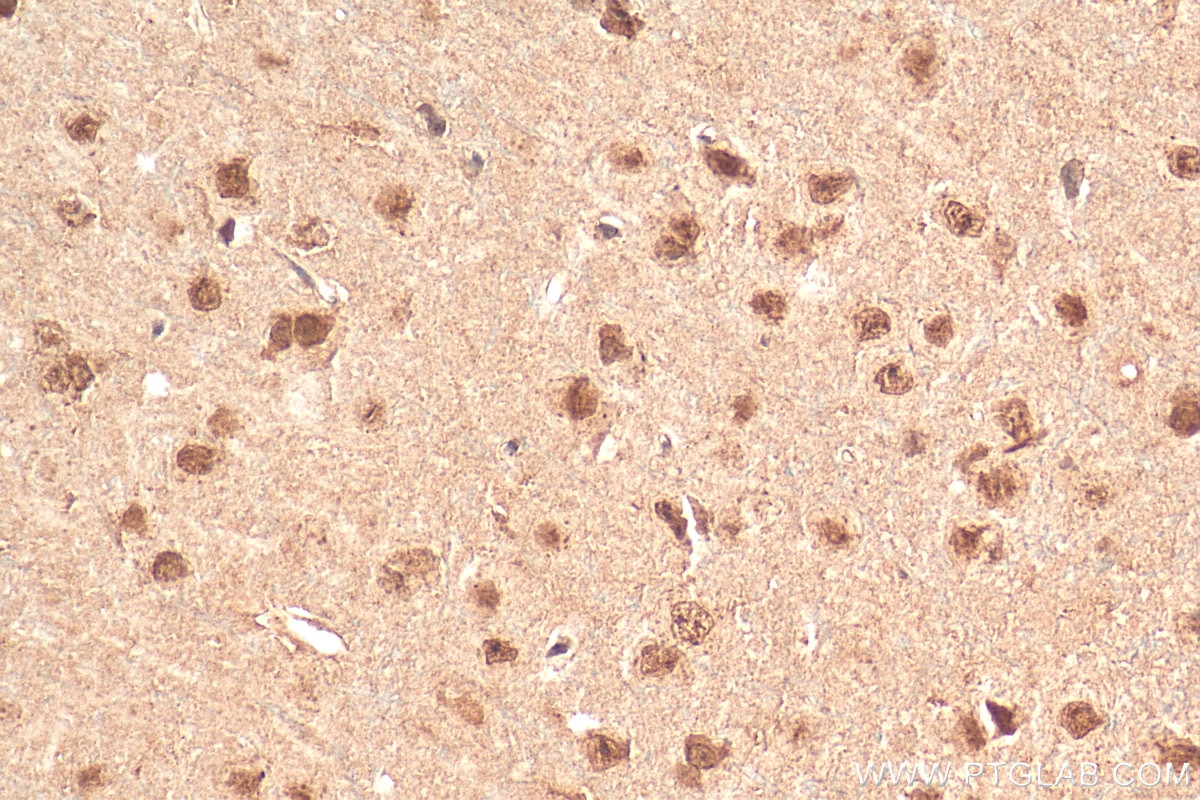
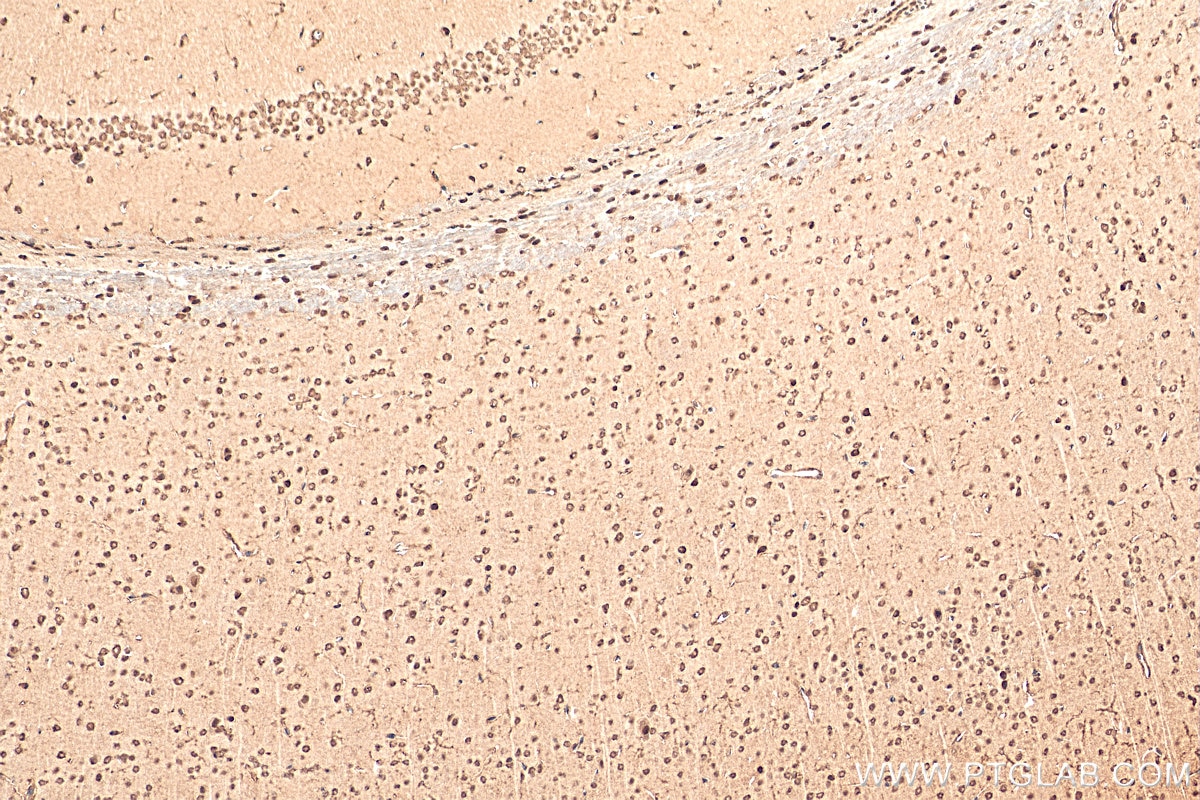
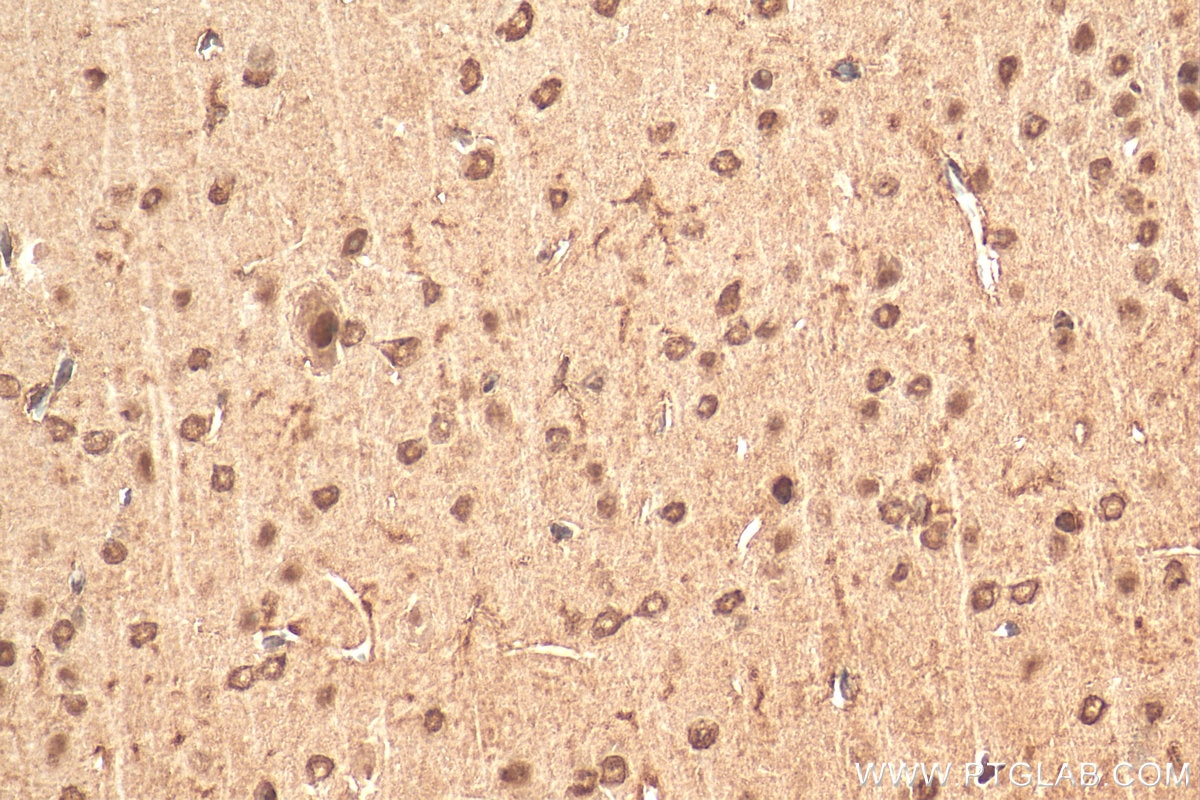
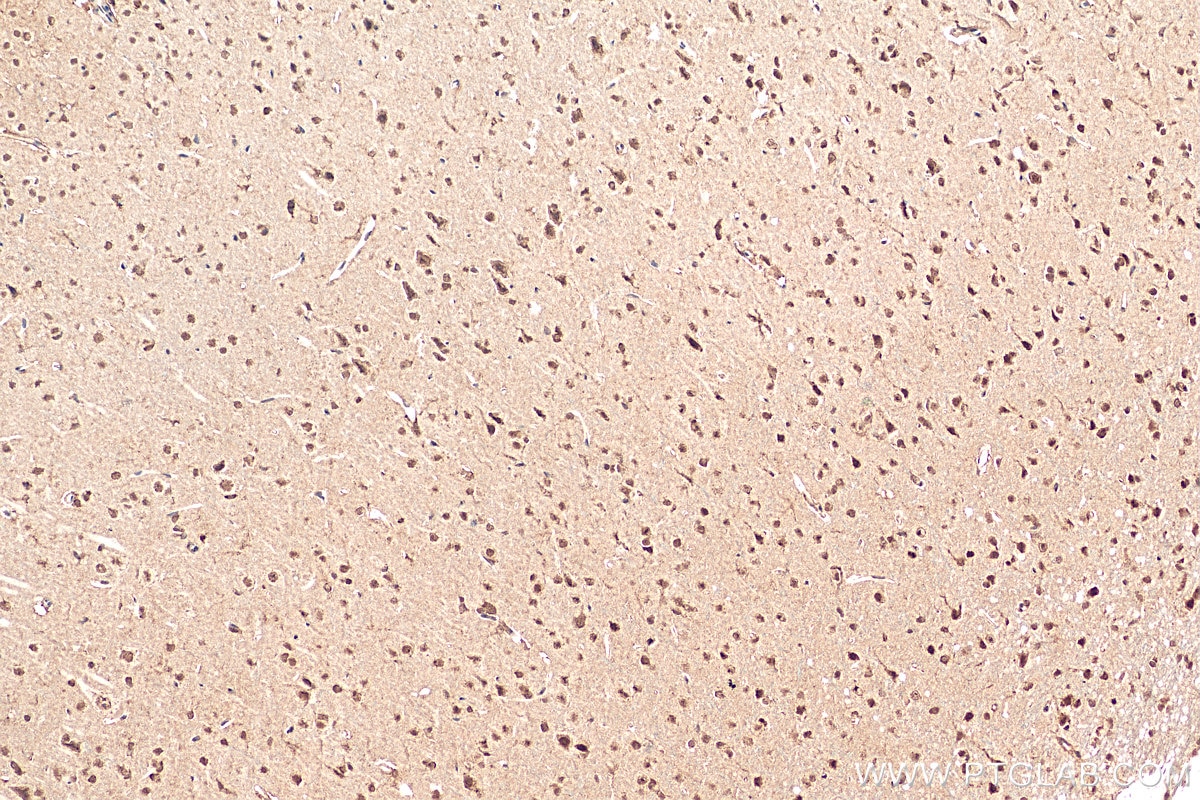
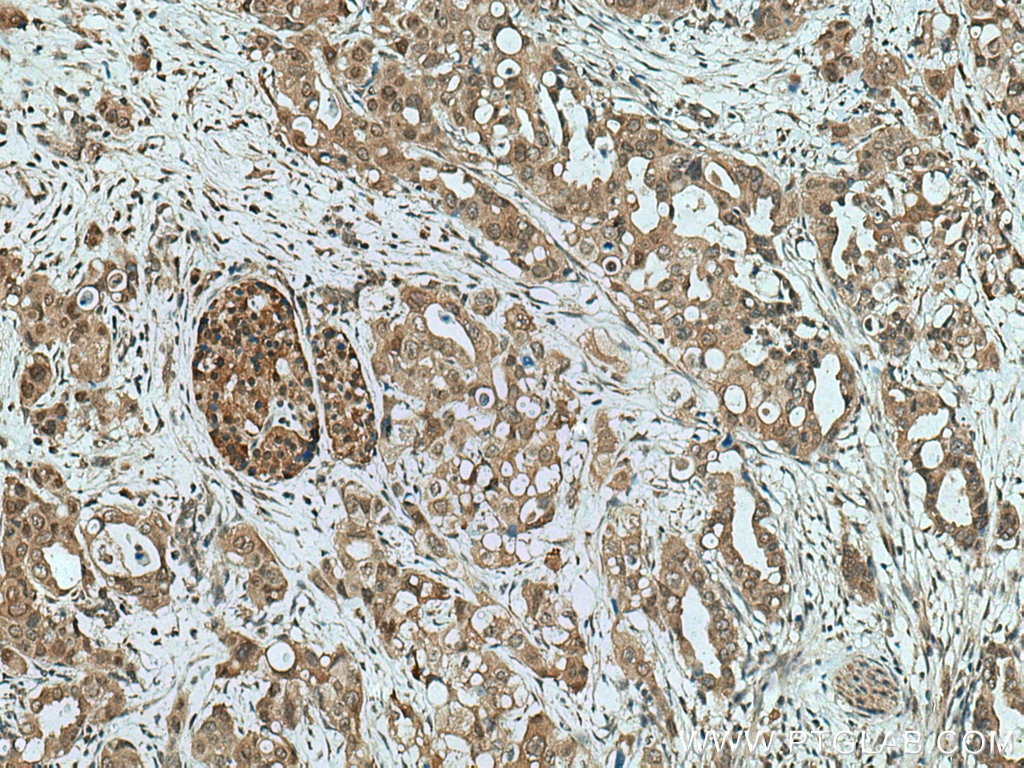
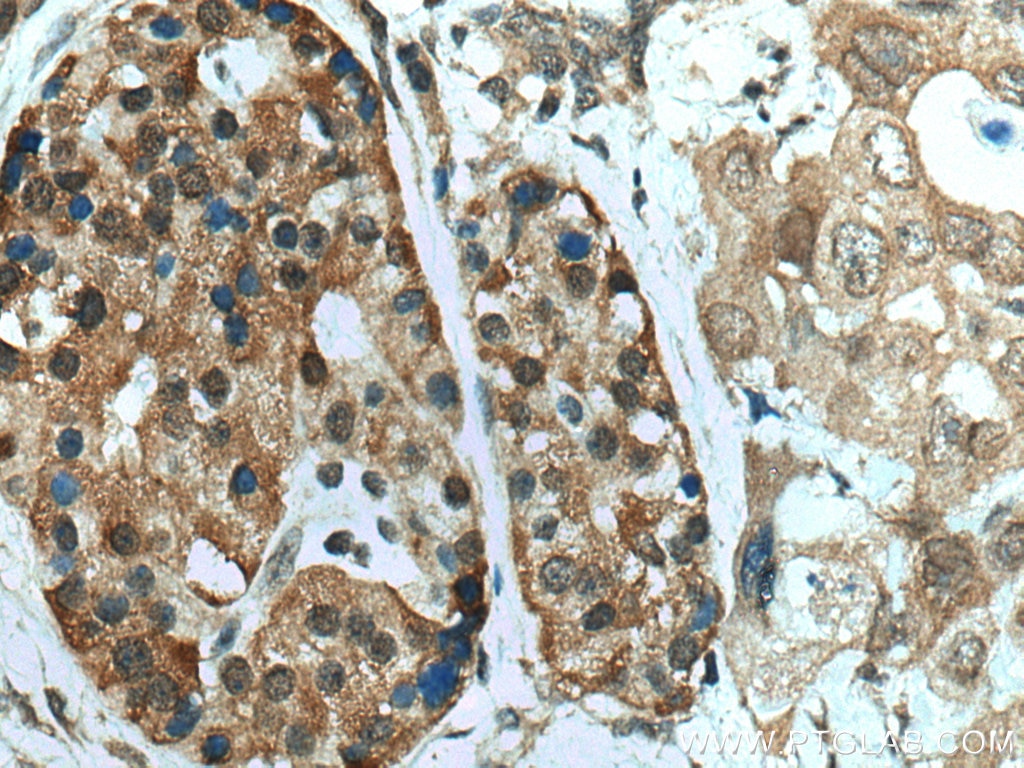
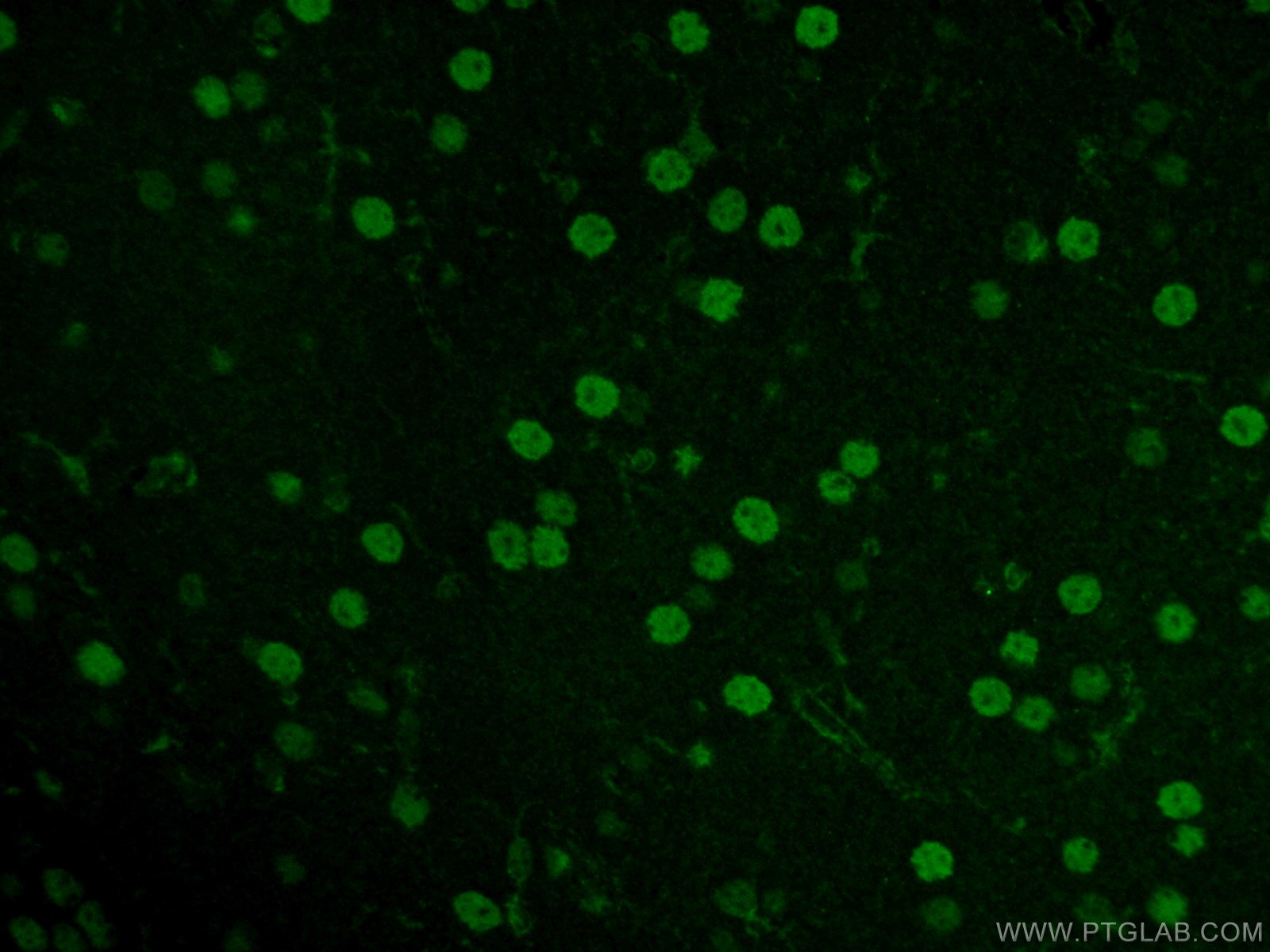
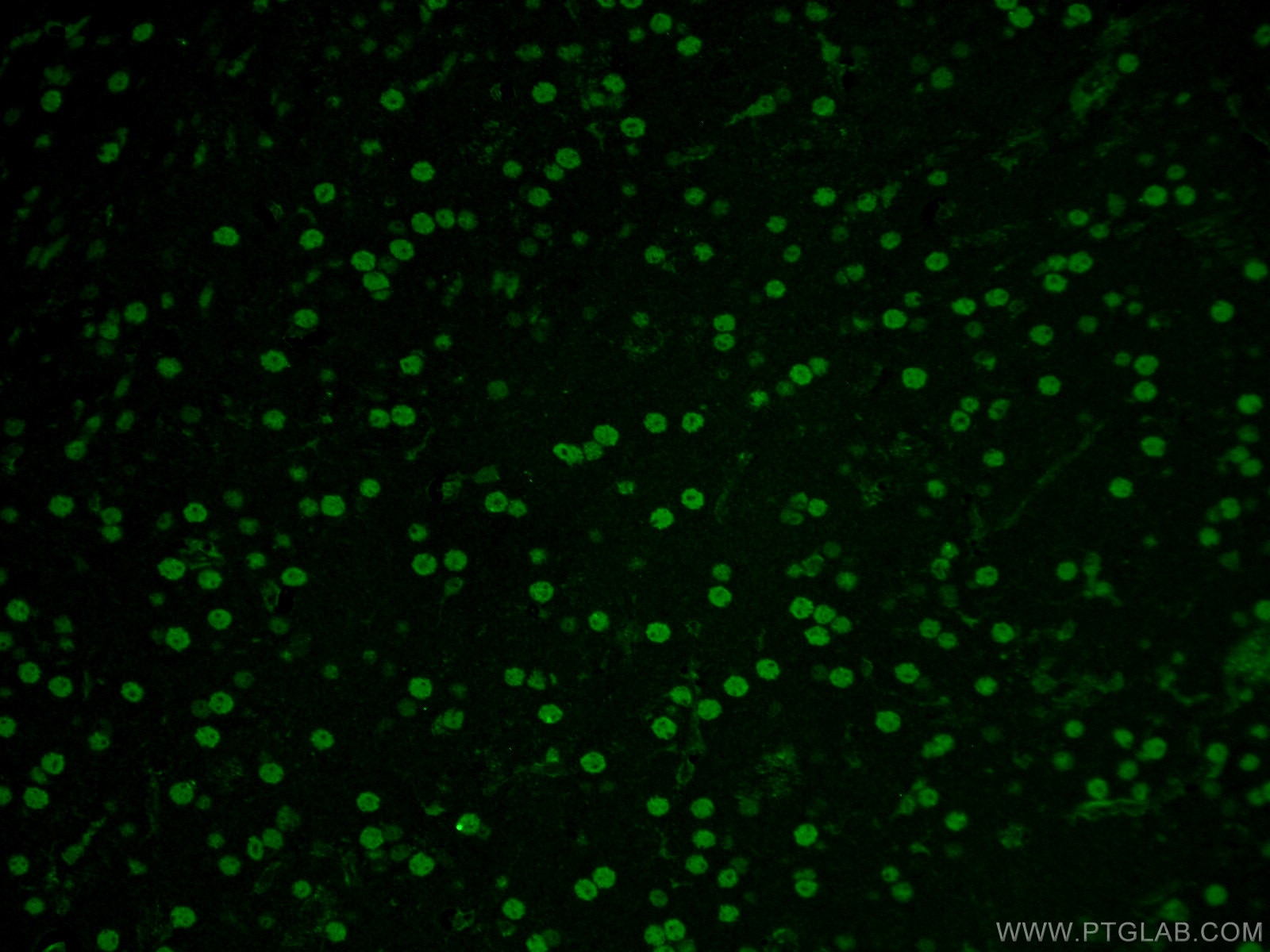
Informations sur le produit
12081-1-PBS cible NEUROD1 dans les applications de WB, IHC, IF-P, IP, Indirect ELISA et montre une réactivité avec des échantillons Humain, rat, souris
| Réactivité | Humain, rat, souris |
| Hôte / Isotype | Lapin / IgG |
| Clonalité | Polyclonal |
| Type | Anticorps |
| Immunogène | NEUROD1 Protéine recombinante Ag2713 |
| Nom complet | neurogenic differentiation 1 |
| Masse moléculaire calculée | 356 aa, 40 kDa |
| Poids moléculaire observé | 50 kDa |
| Numéro d’acquisition GenBank | BC009046 |
| Symbole du gène | NEUROD1 |
| Identification du gène (NCBI) | 4760 |
| Conjugaison | Non conjugué |
| Forme | Liquide |
| Méthode de purification | Purification par affinité contre l'antigène |
| Tampon de stockage | PBS only |
| Conditions de stockage | Store at -80°C. 20ul contiennent 0,1% de BSA. |
Informations générales
NeuroD is a member of the basic helix-loop-helix (bHLH) family of transcription factors. The basic helix-loop-helix (bHLH) proteins are transcription factors that are required for several aspects of development, including cell type determination, terminal differentiation and sex determination. Members of the myogenic determination family, MyoD, myf5, myogenin and MRF4, all have bHLH domains.These proteins function by forming heterodimers with E-proteins and binding to the canonical E-box sequence CANNTG. Neuro D is expressed transiently in a subset of neurons in the central and peripheral nervous systems at the time of their terminal differentiation into mature neurons. Moreover, ectopic expression of Neuro D in Xenopus embryos induces premature differentiation of neuronal precursors and Neuro D can convert presumptive epidermal cells into neurons.The lack of NeuroD in the brain results in severe defects in development. Human mutations have been linked to a number of types of diabetes including type I diabetes mellitus and maturity-onset diabetes of the young. The calculated molecular weight of NEUROD1 is 39 kDa, but the modified NEUROD1 protein is about 45-50 kDa.


