Anticorps Monoclonal anti-PACSIN1
PACSIN1 Monoclonal Antibody for WB, IHC, IF/ICC, IF-P, FC (Intra), Indirect ELISA
Hôte / Isotype
Mouse / IgG1
Réactivité testée
Humain, Lapin, porc, poulet, rat, souris
Applications
WB, IHC, IF/ICC, IF-P, FC (Intra), Indirect ELISA
Conjugaison
Non conjugué
CloneNo.
1B7B4
N° de cat : 68115-1-PBS
Synonymes
Galerie de données de validation
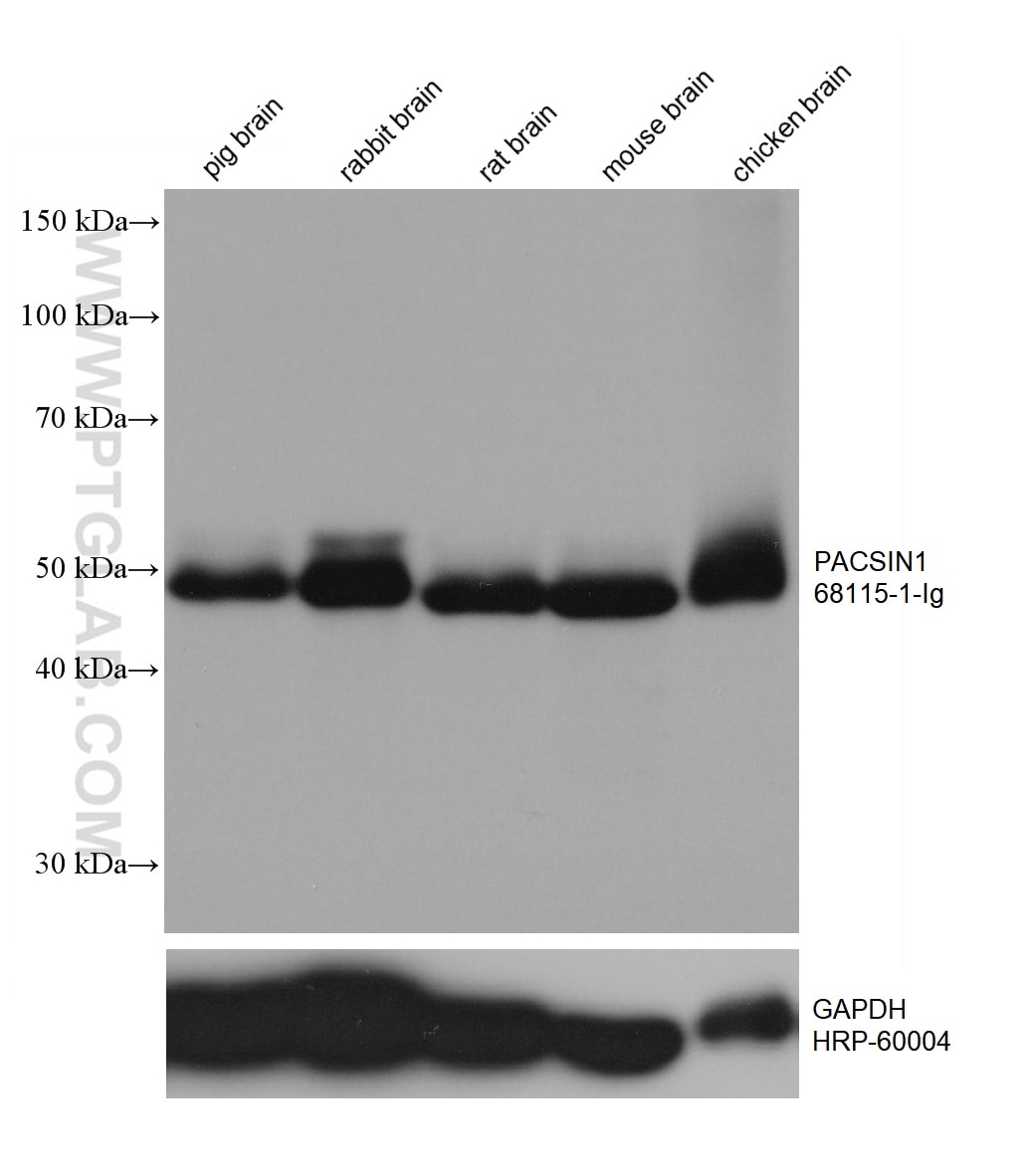
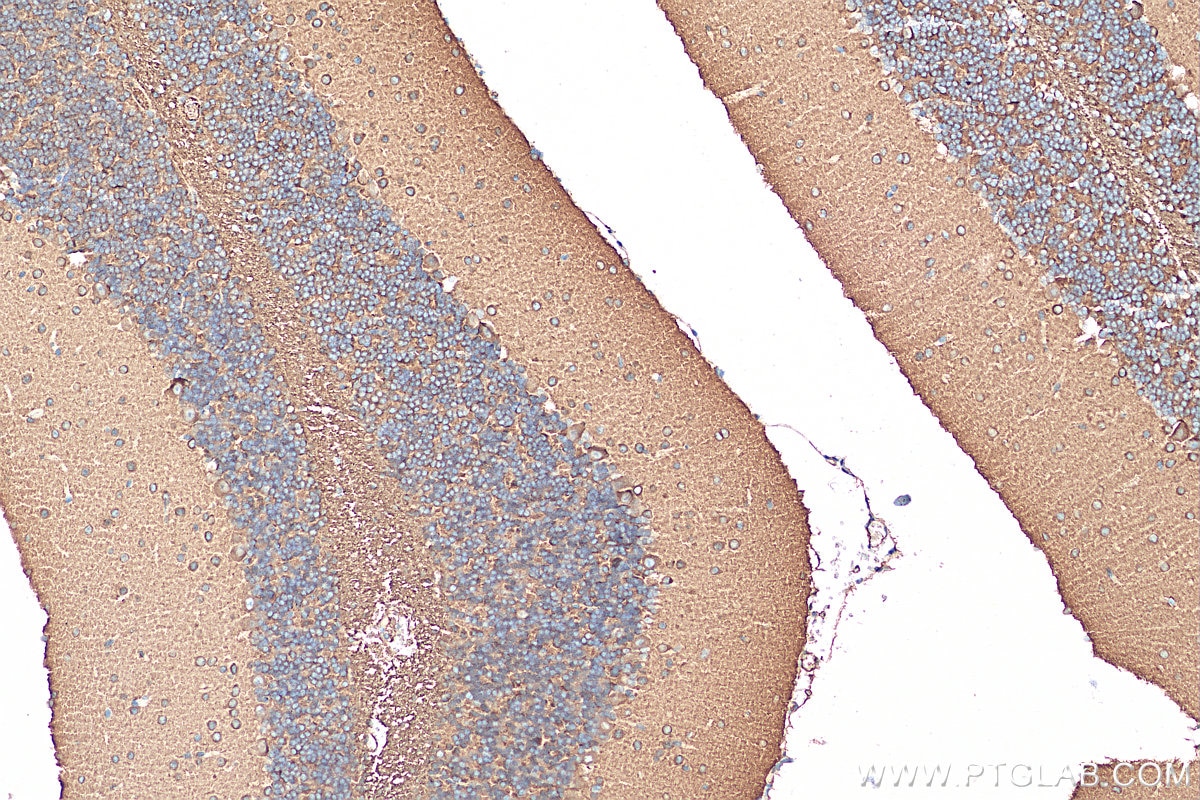
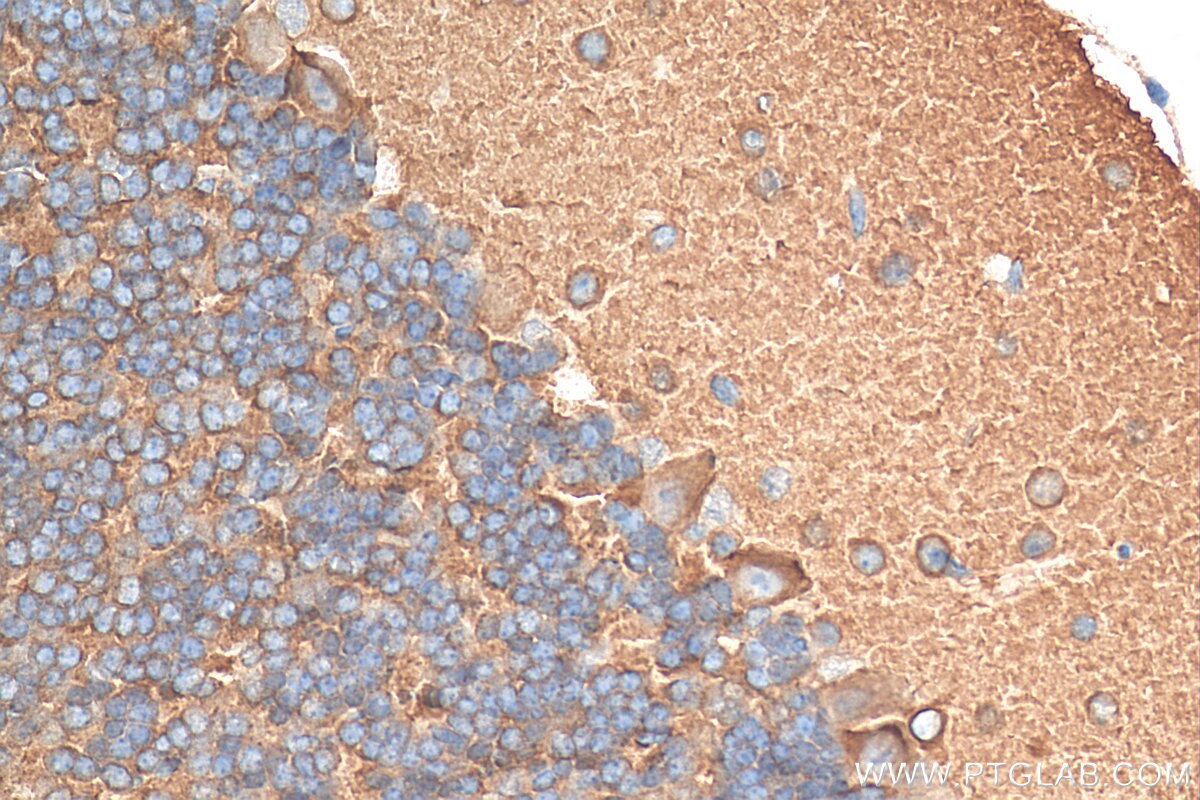
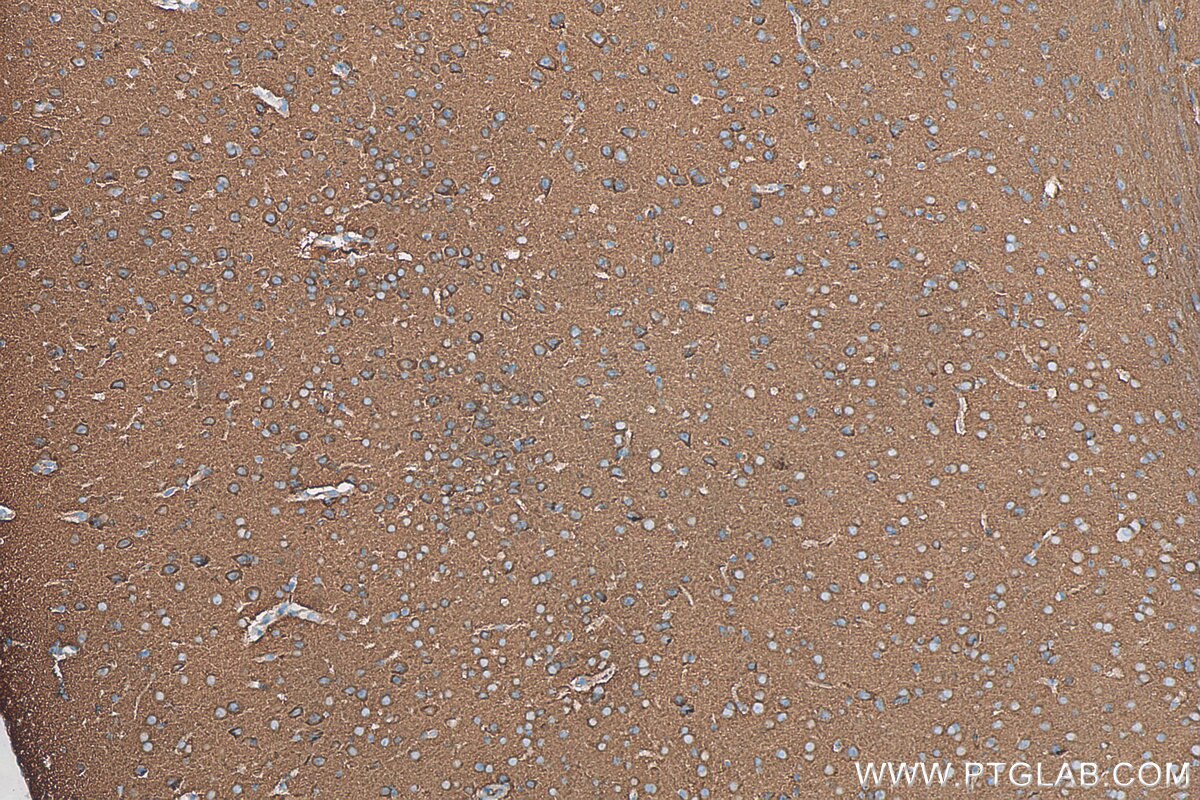
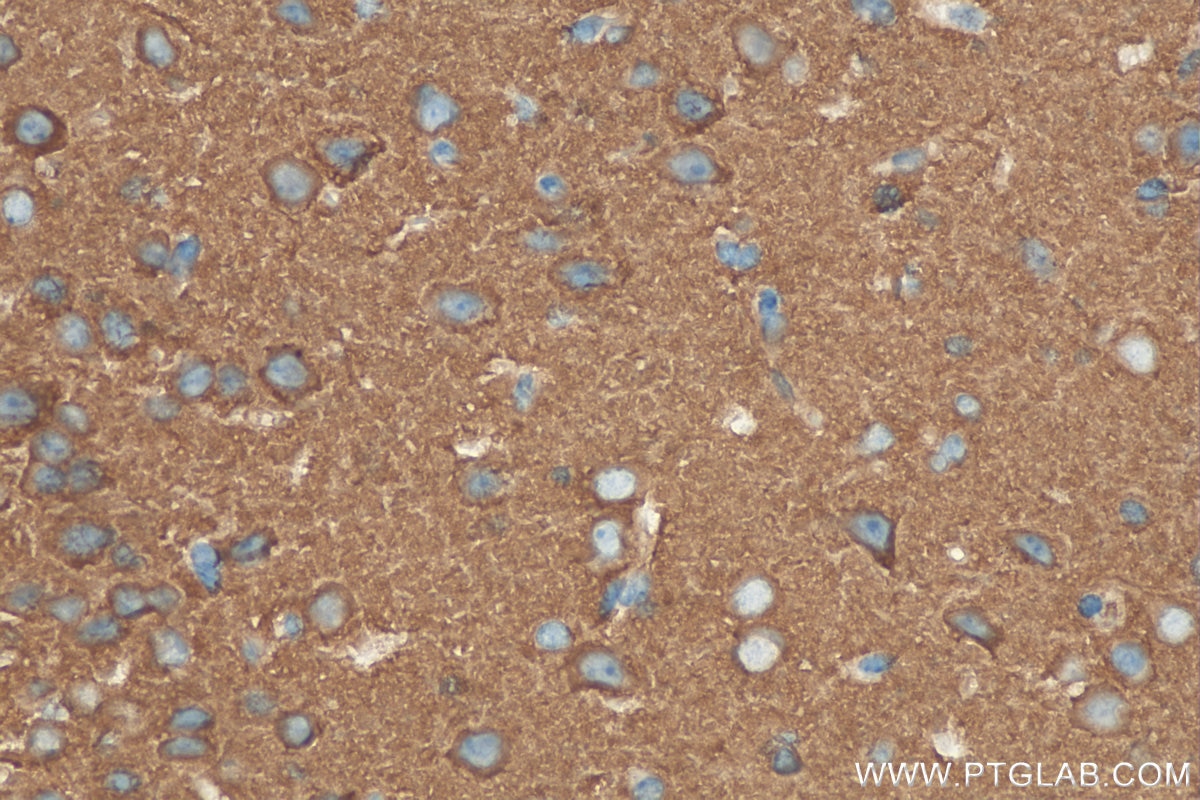
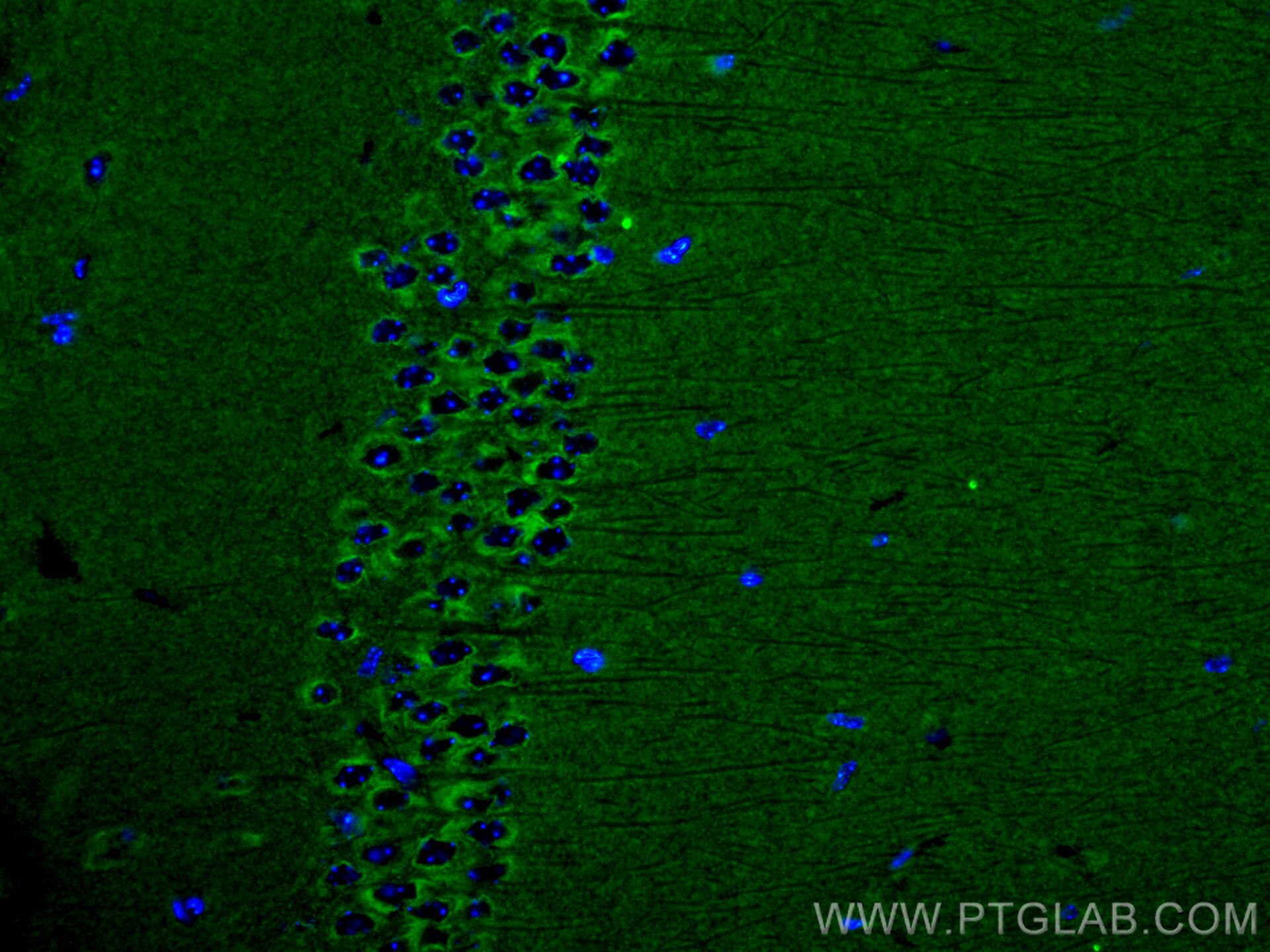
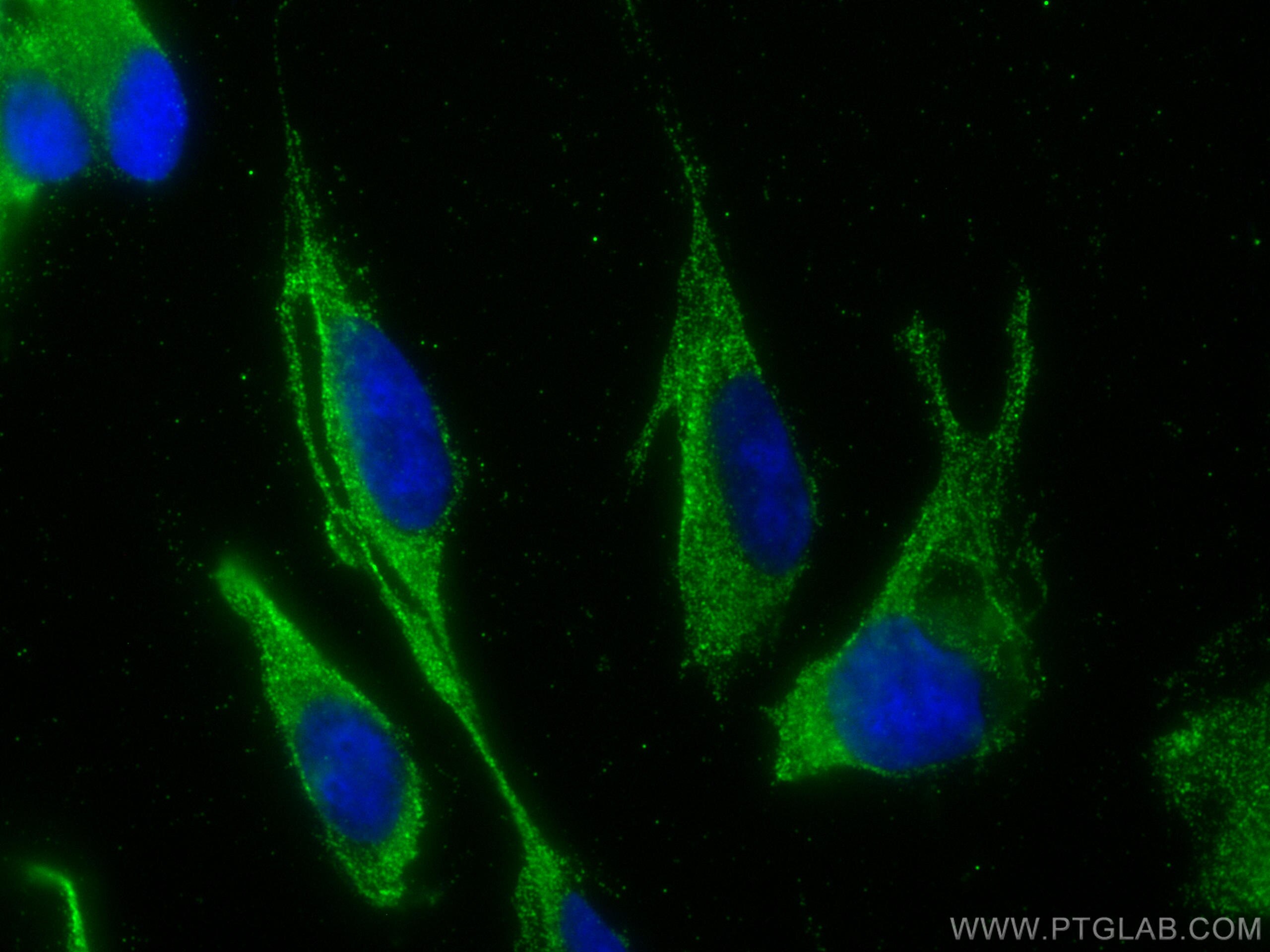
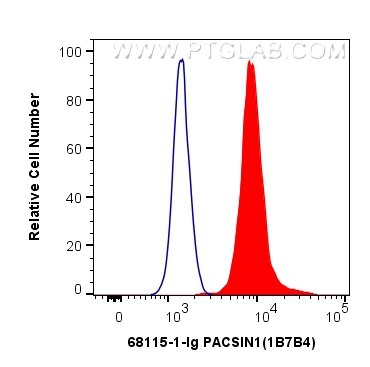
Informations sur le produit
68115-1-PBS cible PACSIN1 dans les applications de WB, IHC, IF/ICC, IF-P, FC (Intra), Indirect ELISA et montre une réactivité avec des échantillons Humain, Lapin, porc, poulet, rat, souris
| Réactivité | Humain, Lapin, porc, poulet, rat, souris |
| Hôte / Isotype | Mouse / IgG1 |
| Clonalité | Monoclonal |
| Type | Anticorps |
| Immunogène | PACSIN1 Protéine recombinante Ag4102 |
| Nom complet | protein kinase C and casein kinase substrate in neurons 1 |
| Masse moléculaire calculée | 444 aa, 51 kDa |
| Poids moléculaire observé | 48-51 kDa |
| Numéro d’acquisition GenBank | BC040228 |
| Symbole du gène | PACSIN1 |
| Identification du gène (NCBI) | 29993 |
| Conjugaison | Non conjugué |
| Forme | Liquide |
| Méthode de purification | Purification par protéine G |
| Tampon de stockage | PBS only |
| Conditions de stockage | Store at -80°C. 20ul contiennent 0,1% de BSA. |
Informations générales
PACSIN1 (also known as syndapin-1) is a member of the protein kinase C and casein kinase substrate in neurons (PACSIN) family. In mammals, the PACSIN family is comprised of three members, PACSIN1, PACSIN2, and PACSIN3 (PMID: 34990060). PACSIN1 is expressed mainly in neurons, whereas PACSIN2 is ubiquitously expressed in all tissues, and PACSIN3 is expressed mainly in skeletal muscle and the heart (PMID: 23668323). All of these three members contain an N-terminal F-BAR domain and a C-terminal SH3 domain. PACSIN1 plays a role in endocytosis and endosomal recycling. Meanwhile, it has a role in actin remodeling and microtubule nucleation and also plays a particular role in membrane shaping and reconstruction (PMID: 23035120; 34422904). PACSIN1 is involved in neuromorphogenesis and the regulation of the nervous system, and the inappropriate expression of PACSIN1 has been associated with some neurological diseases, including schizophrenia, Alzheimer's disease, and Huntington's disease (PMID: 34990060).


