Anticorps Recombinant de lapin anti-PCF11
PCF11 Recombinant Antibody for IF/ICC, FC (Intra), Indirect ELISA
Hôte / Isotype
Lapin / IgG
Réactivité testée
Humain
Applications
IF/ICC, FC (Intra), Indirect ELISA
Conjugaison
Non conjugué
CloneNo.
241213B12
N° de cat : 84081-5-PBS
Synonymes
Galerie de données de validation
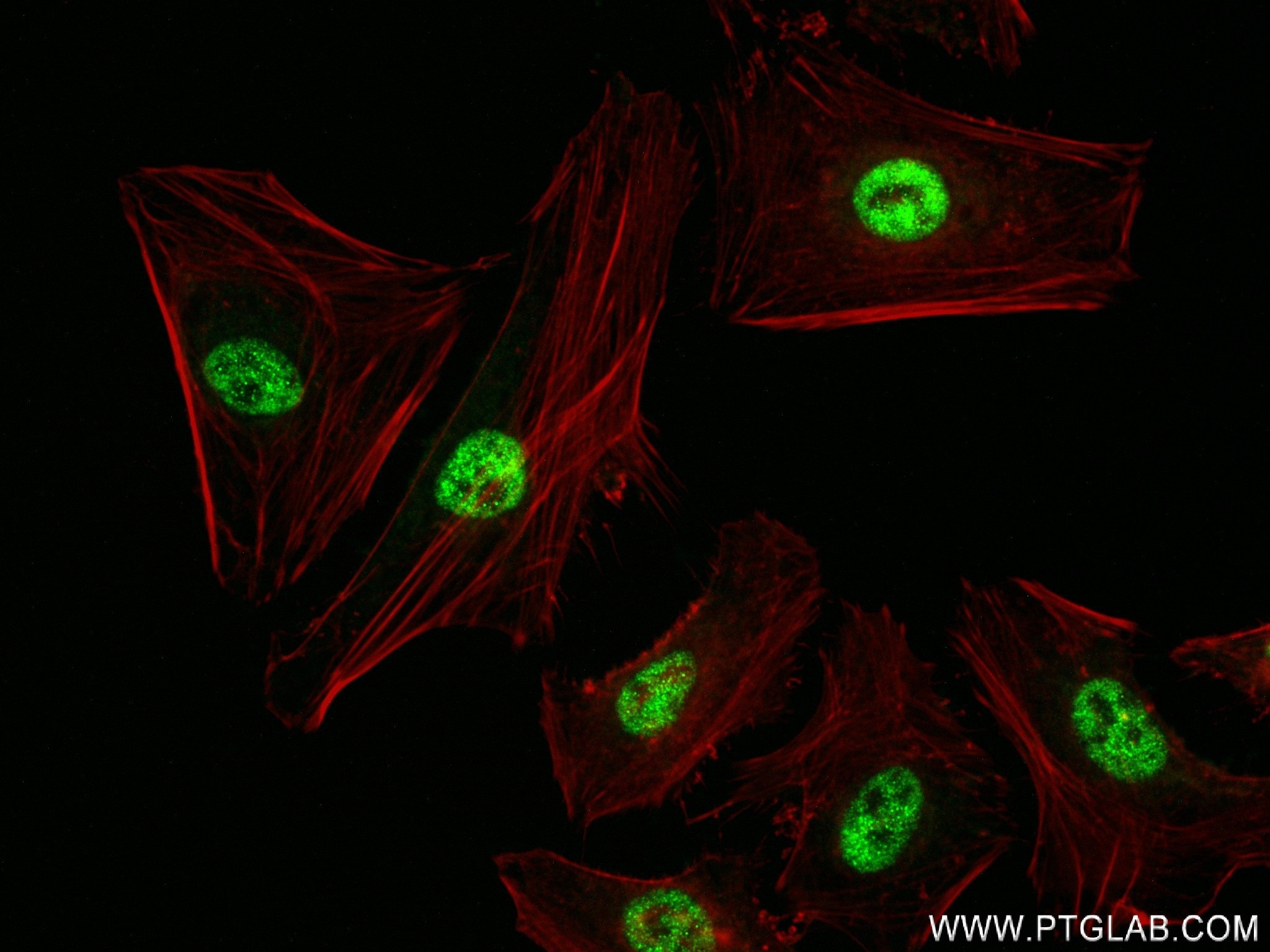
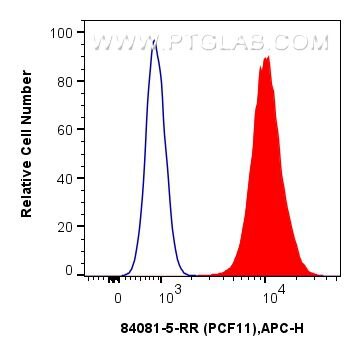
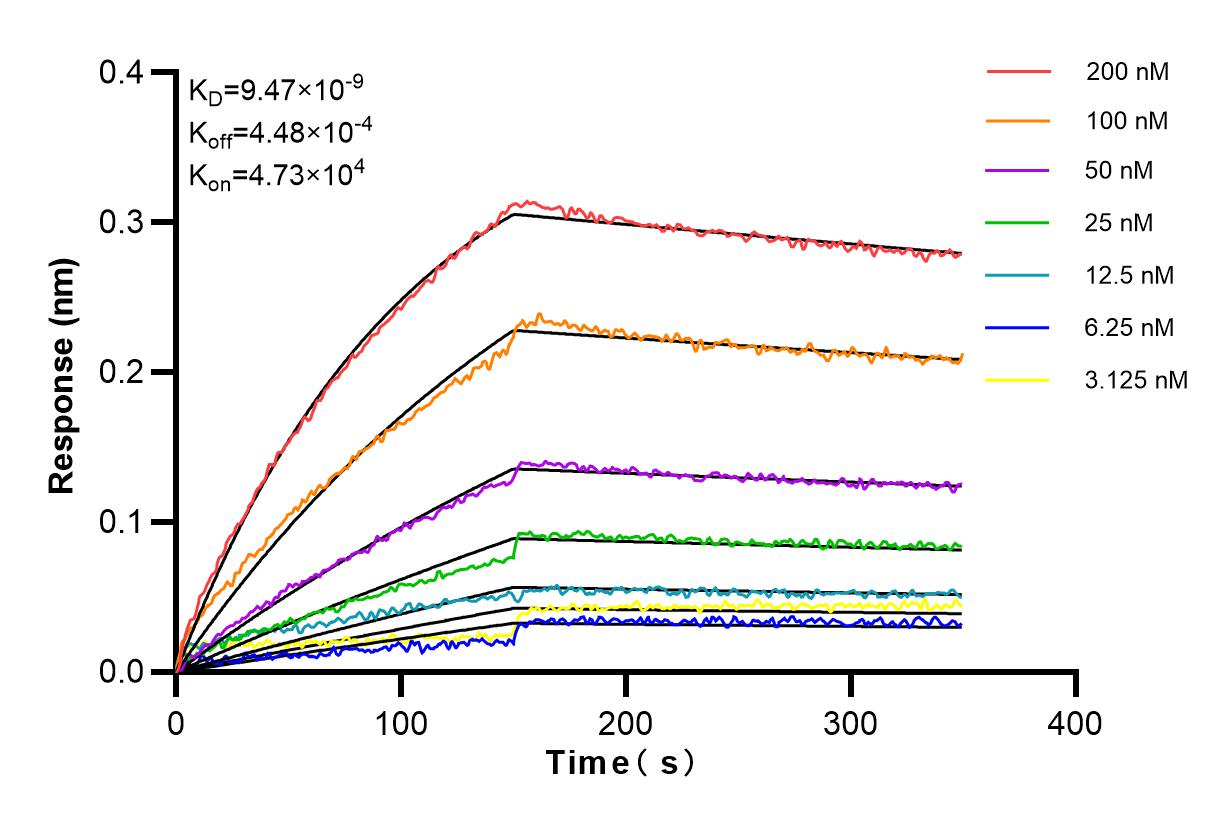
Informations sur le produit
84081-5-PBS cible PCF11 dans les applications de IF/ICC, FC (Intra), Indirect ELISA et montre une réactivité avec des échantillons Humain
| Réactivité | Humain |
| Hôte / Isotype | Lapin / IgG |
| Clonalité | Recombinant |
| Type | Anticorps |
| Immunogène | PCF11 Protéine recombinante Ag20263 |
| Nom complet | PCF11, cleavage and polyadenylation factor subunit, homolog (S. cerevisiae) |
| Masse moléculaire calculée | 1555 aa, 173 kDa |
| Numéro d’acquisition GenBank | BC146778 |
| Symbole du gène | PCF11 |
| Identification du gène (NCBI) | 51585 |
| Conjugaison | Non conjugué |
| Forme | Liquide |
| Méthode de purification | Protein A purfication |
| Tampon de stockage | PBS only |
| Conditions de stockage | Store at -80°C. 20ul contiennent 0,1% de BSA. |
Informations générales
In Saccharomyces cerevisiae, the cleavage/polyadenylation factor Pcf11 is a crucial regulatory factor required for recruiting polyadenylation machinery to elongating RNA polymerase II (RNAPII), and is necessary for correct transcriptional termination. Pcf11 (PCF11, cleavage and polyadenylation factor subunit, homolog (S. cerevisiae)), is a 1,555 amino acid nuclear protein that is a component of pre-mRNA cleavage complex II. It is suggested that Pcf11 is capable of promoting the dissociation of Pol II elongation complexes from DNA. Pcf11 contains a CTD-interaction domain that binds in a phospho-dependent manner to the heptad repeats within the RNA polymerase II CTD. The gene encoding Pcf11 is located on human chromosoem 11, which houses over 1,400 genes and comprises nearly 4% of the human genome. Jervell and Lange-Nielsen syndrome, Jacobsen syndrome, Niemann-Pick disease, hereditary angioedema and Smith-Lemli-Opitz syndrome are associated with defects in genes that maps to chromosome 11.


