- Phare
- Validé par KD/KO
Anticorps Polyclonal de lapin anti-PCM1
PCM1 Polyclonal Antibody for WB, IHC, IF/ICC, IP, Indirect ELISA
Hôte / Isotype
Lapin / IgG
Réactivité testée
Humain, souris
Applications
WB, IHC, IF/ICC, IP, Indirect ELISA
Conjugaison
Non conjugué
N° de cat : 19856-1-PBS
Synonymes
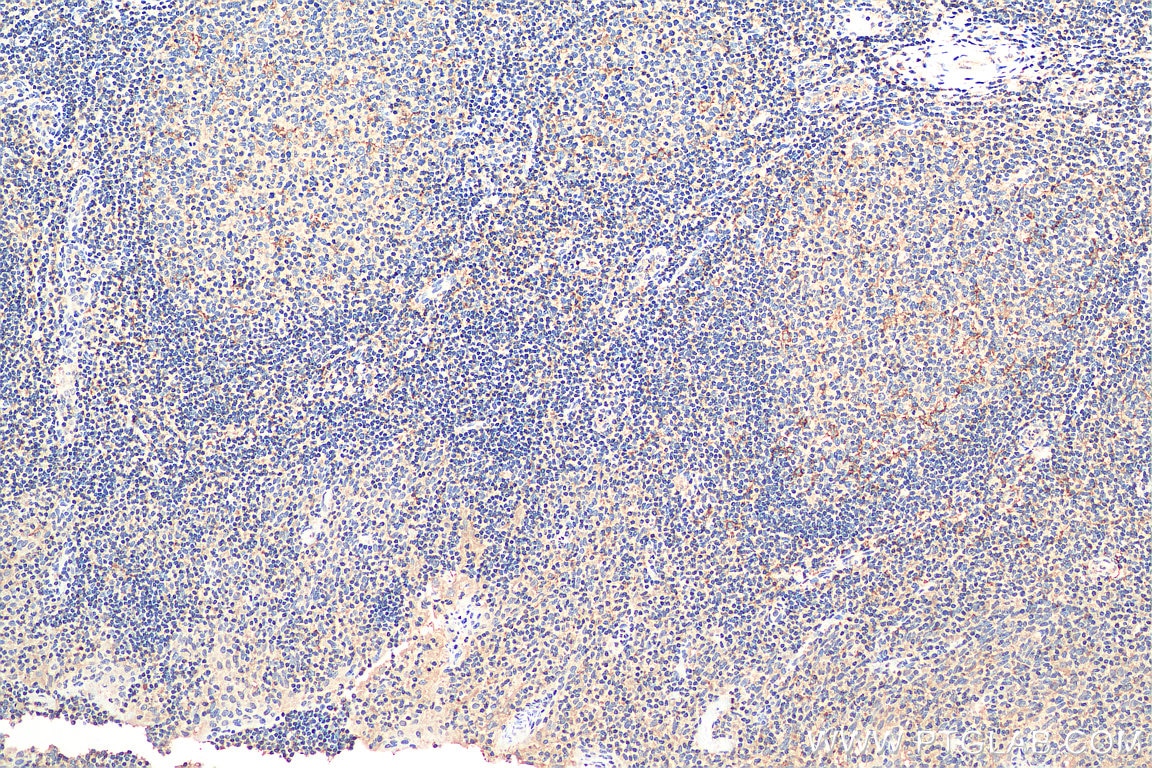
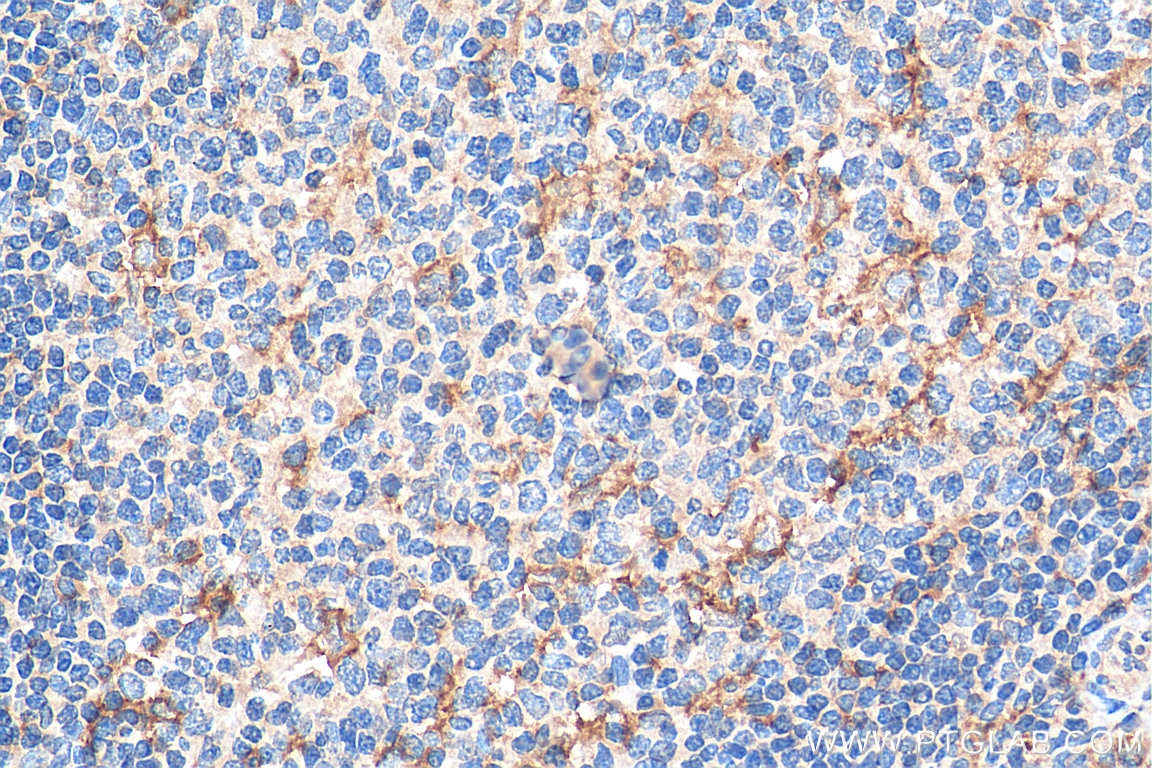
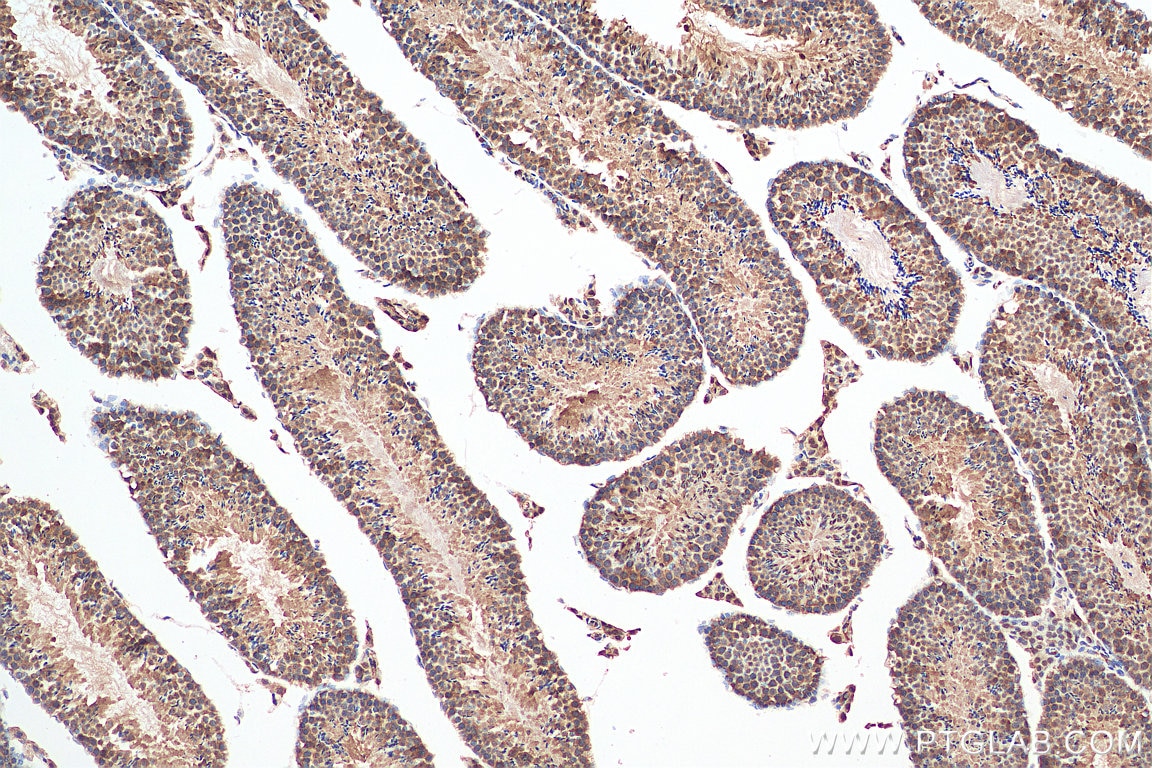
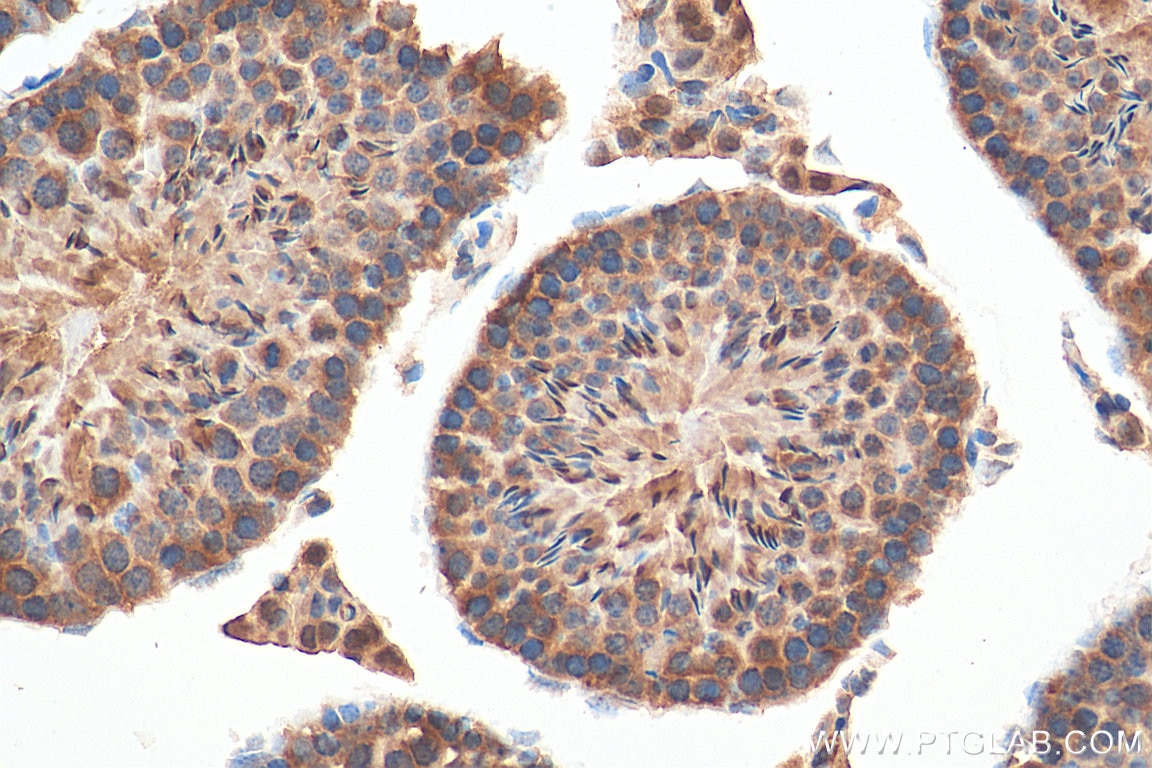
Galerie de données de validation
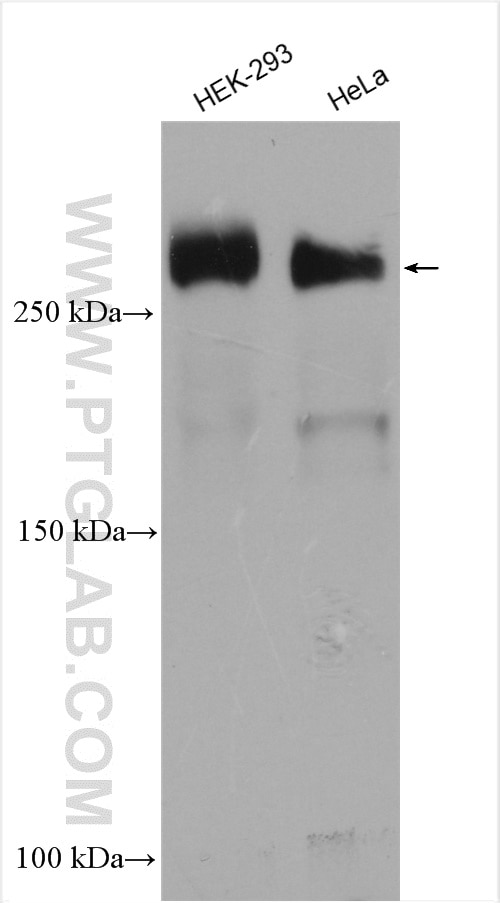
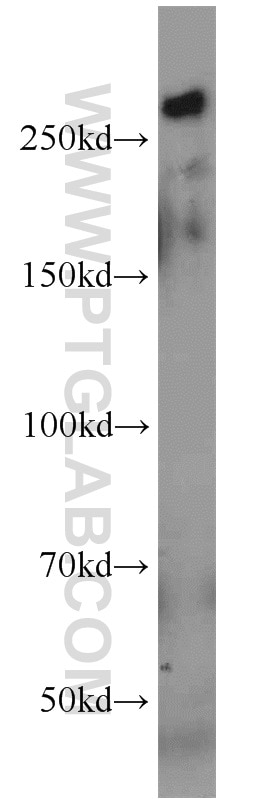
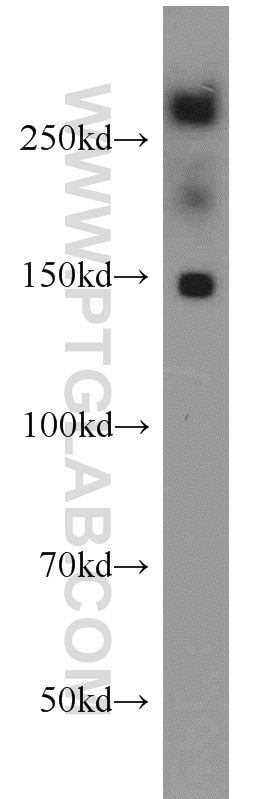
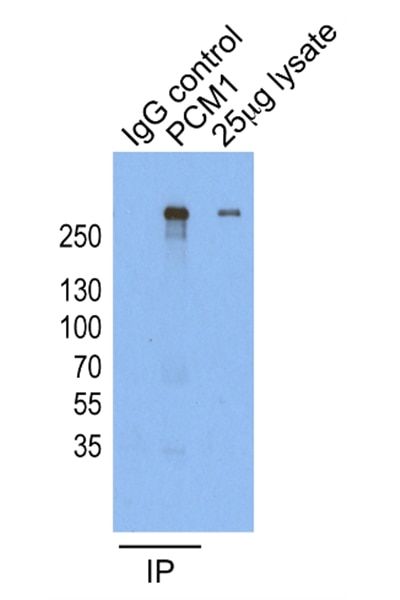
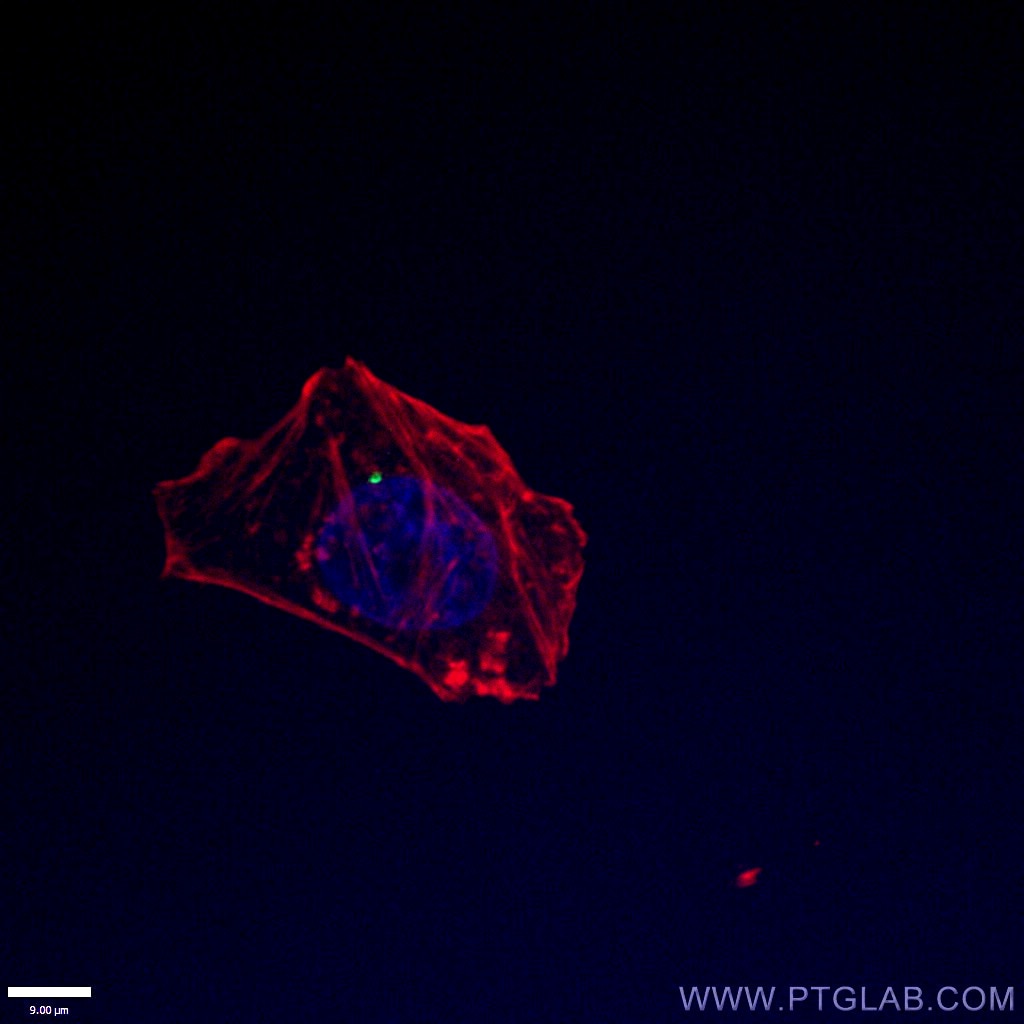
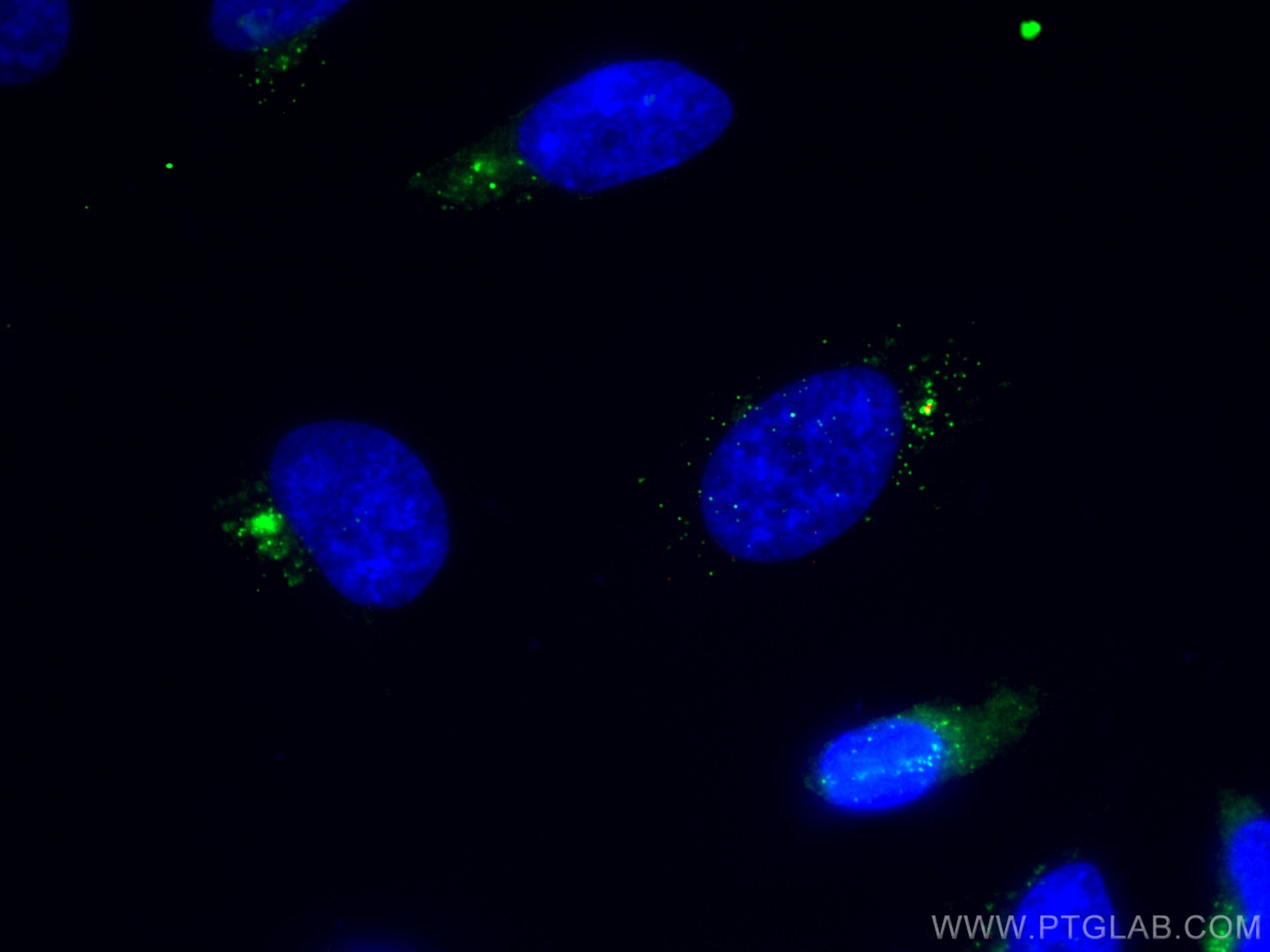
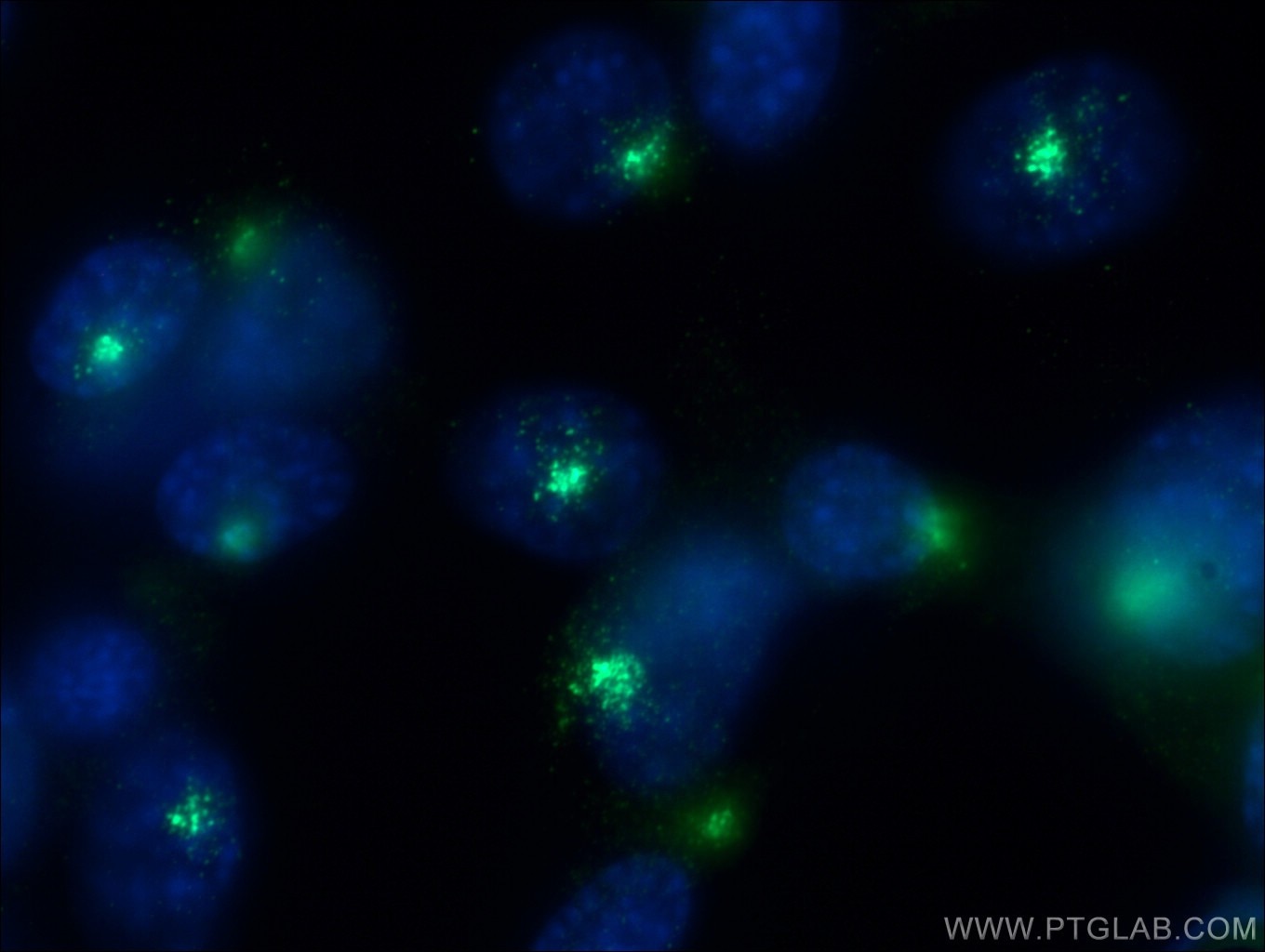
Informations sur le produit
19856-1-PBS cible PCM1 dans les applications de WB, IHC, IF/ICC, IP, Indirect ELISA et montre une réactivité avec des échantillons Humain, souris
| Réactivité | Humain, souris |
| Hôte / Isotype | Lapin / IgG |
| Clonalité | Polyclonal |
| Type | Anticorps |
| Immunogène | PCM1 Protéine recombinante Ag13929 |
| Nom complet | pericentriolar material 1 |
| Masse moléculaire calculée | 2024 aa, 228 kDa |
| Poids moléculaire observé | 260-280 kDa |
| Numéro d’acquisition GenBank | BC000453 |
| Symbole du gène | PCM1 |
| Identification du gène (NCBI) | 5108 |
| Conjugaison | Non conjugué |
| Forme | Liquide |
| Méthode de purification | Purification par affinité contre l'antigène |
| Tampon de stockage | PBS only |
| Conditions de stockage | Store at -80°C. 20ul contiennent 0,1% de BSA. |
Informations générales
Pericentriolar material 1 (PCM1) is a component of centriolar satellites, which are electron dense granules scattered around centrosomes (PMID: 10579718). PCM1 is required for centrosome assembly and function. It acts as a scaffold to target several proteins to the centrosome in a dynein motor-dependent manner and regulate microtubular dynamics (PMID:18762586; 12403812). It is also involved in the biogenesis of cilia (PMID: 18772192). Chromosomal aberrations involving PCM1 gene are associated with papillary thyroid carcinomas and a variety of hematological malignancies, including atypical chronic myeloid leukemia and T-cell lymphoma. (PMID: 10980597; 16091753; 15805263; 16424865).


