Anticorps Recombinant de lapin anti-PCSK9
PCSK9 Recombinant Antibody for WB, IF/ICC, FC (Intra), Sandwich ELISA, Indirect ELISA, Sample test
Hôte / Isotype
Lapin / IgG
Réactivité testée
Humain
Applications
WB, IF/ICC, FC (Intra), Sandwich ELISA, Indirect ELISA, Sample test
Conjugaison
Non conjugué
CloneNo.
241395G1
N° de cat : 84172-4-PBS
Synonymes
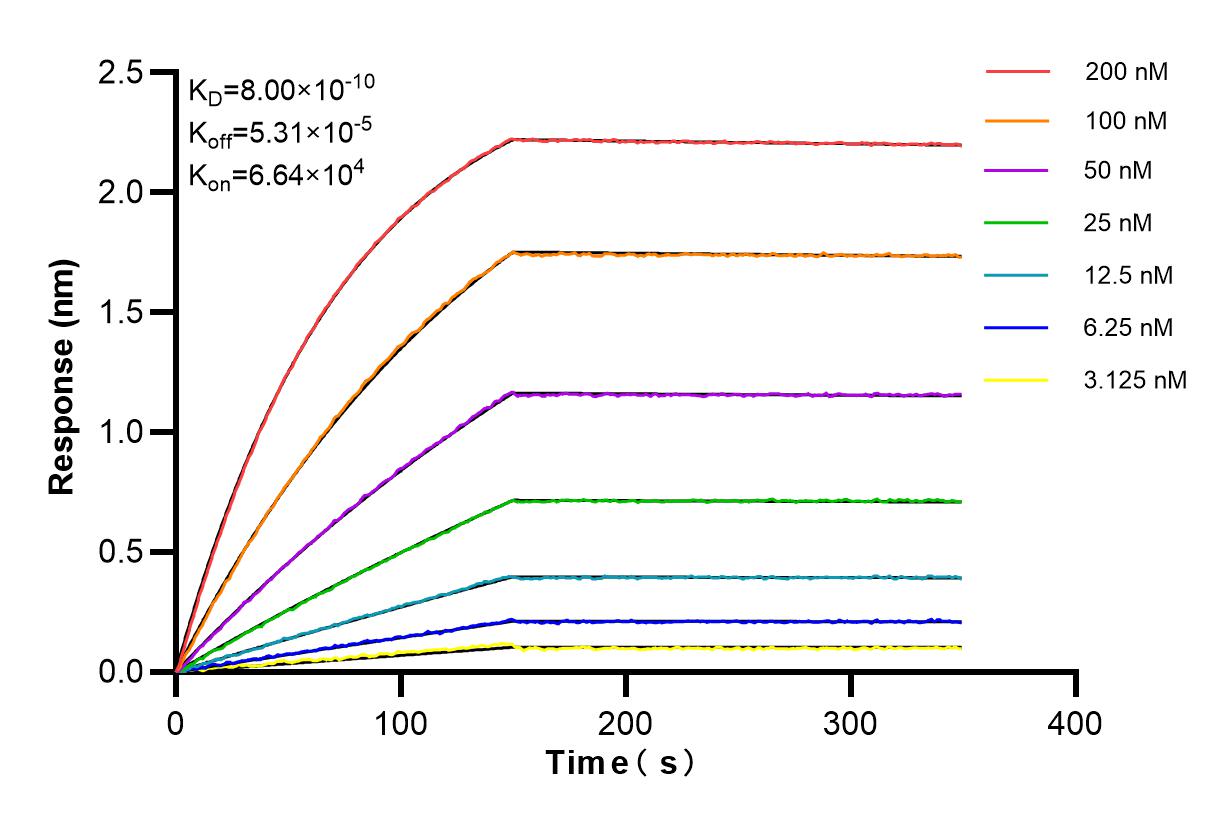
Galerie de données de validation
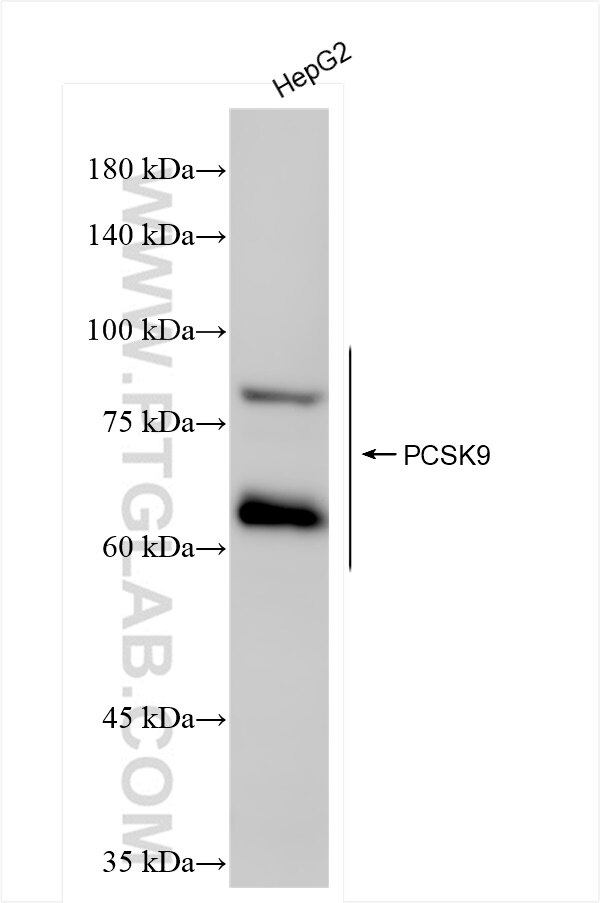
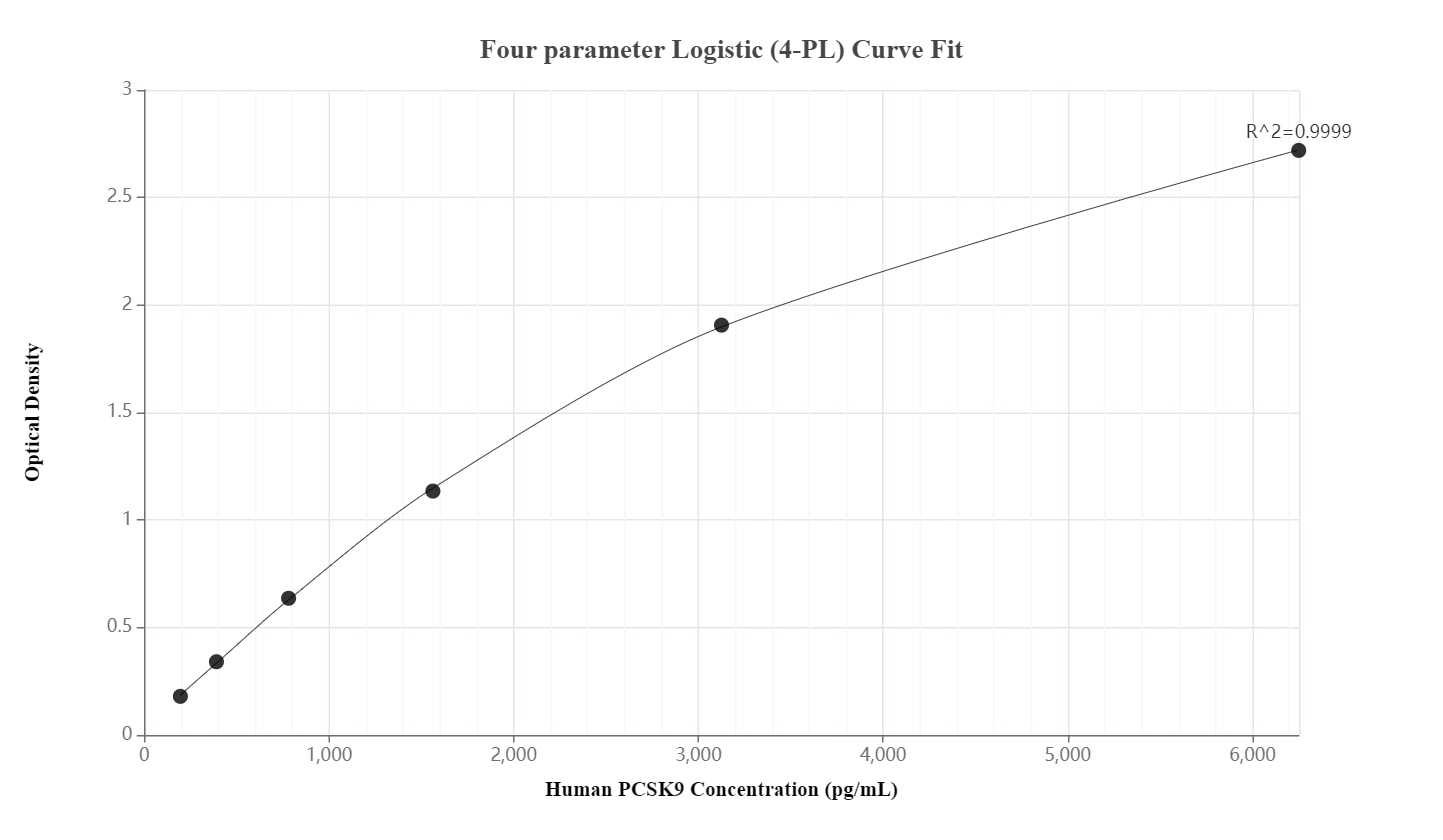
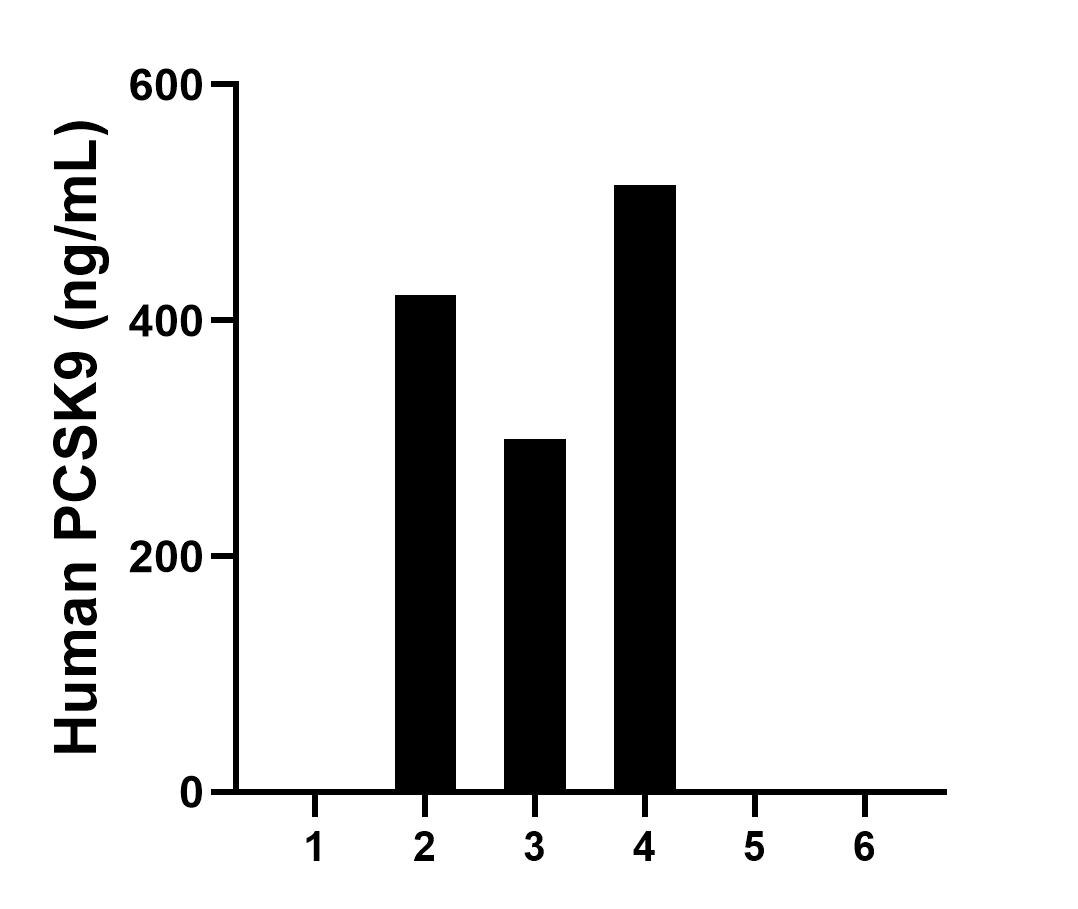
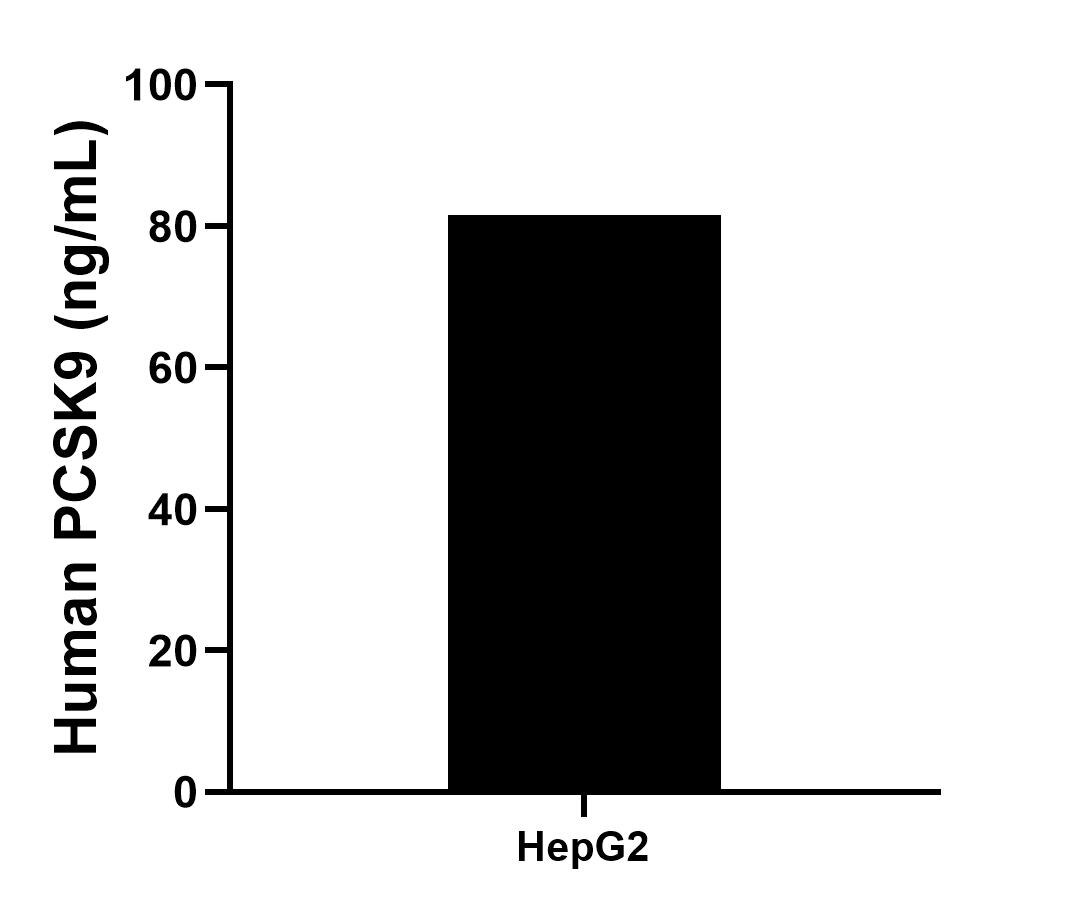
Informations sur le produit
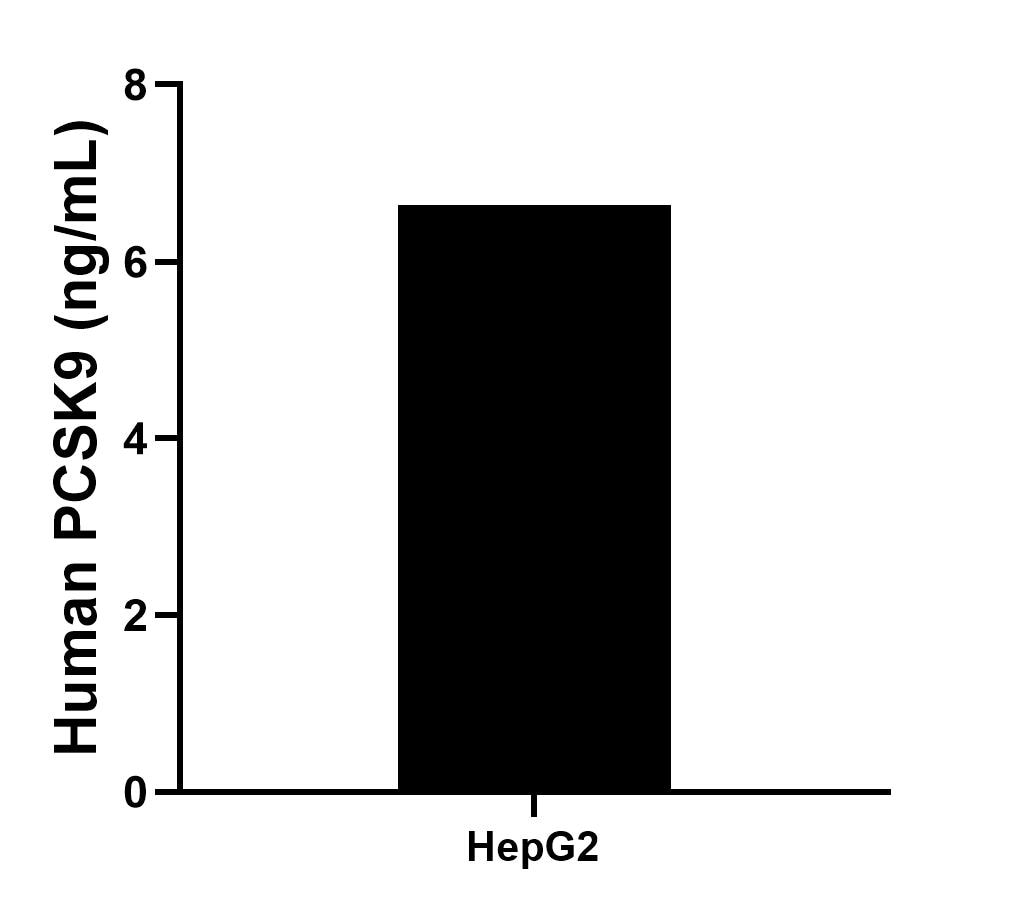
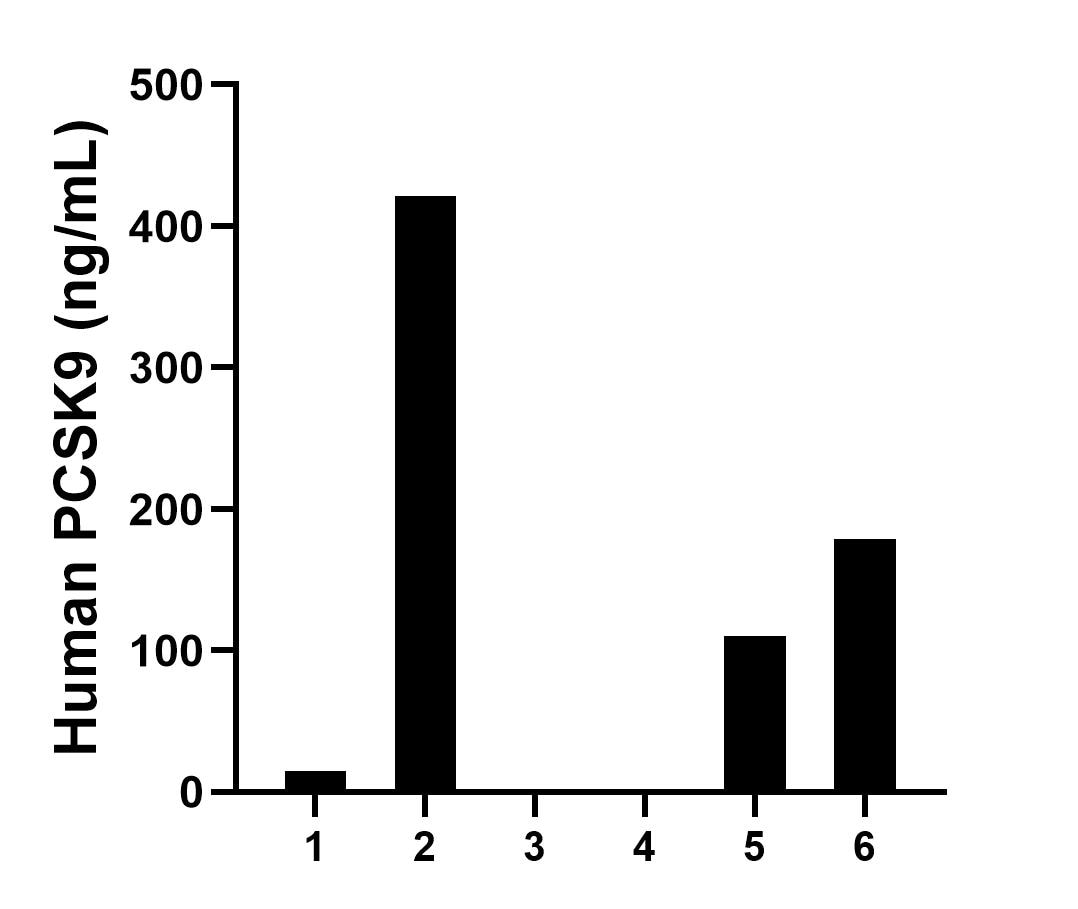
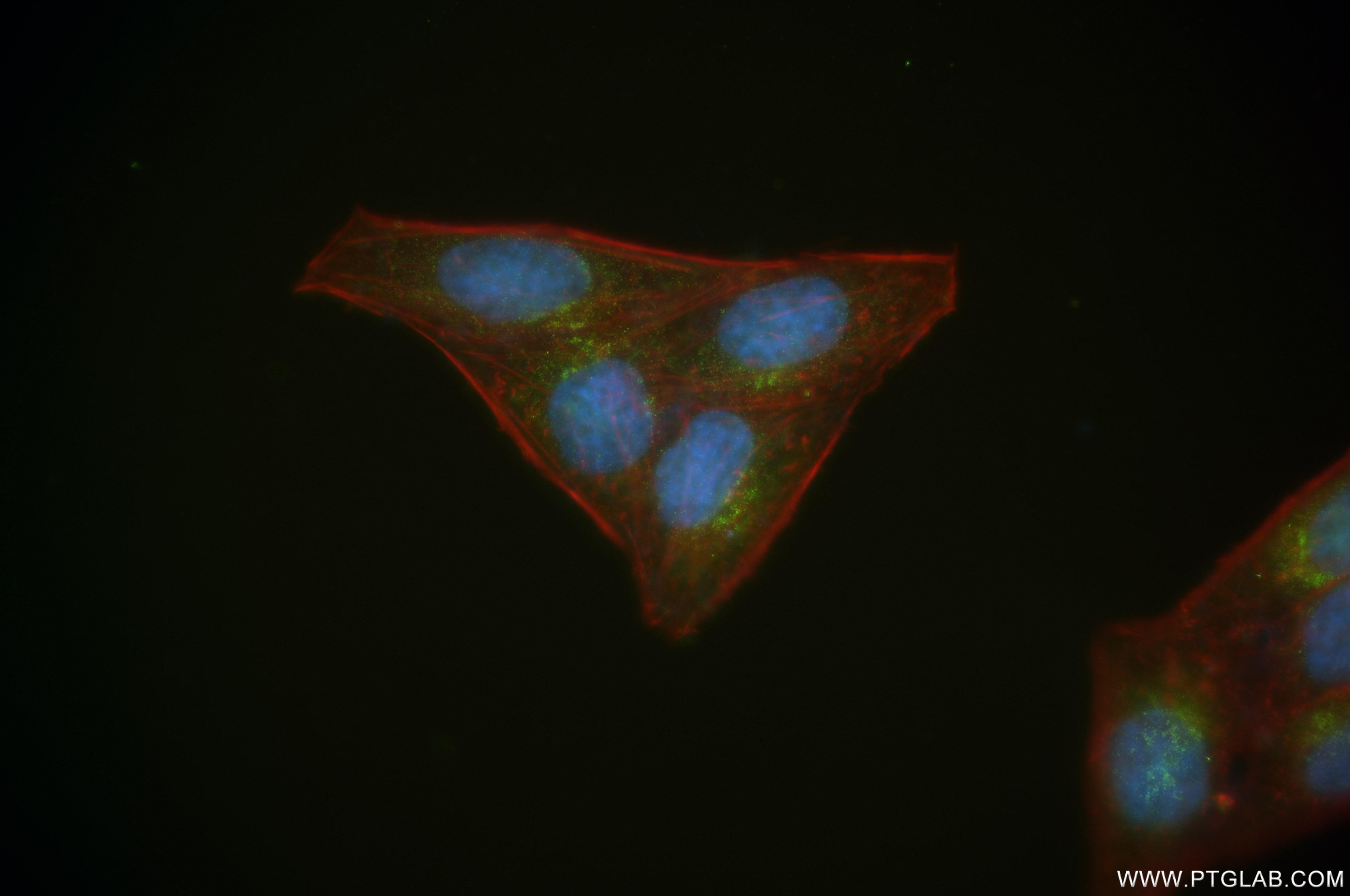
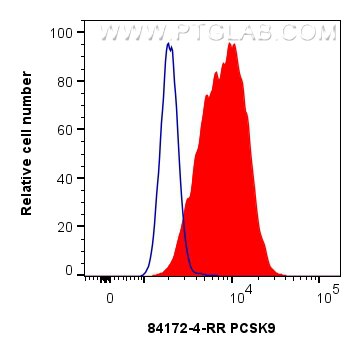
84172-4-PBS cible PCSK9 dans les applications de WB, IF/ICC, FC (Intra), Sandwich ELISA, Indirect ELISA, Sample test et montre une réactivité avec des échantillons Humain
| Réactivité | Humain |
| Hôte / Isotype | Lapin / IgG |
| Clonalité | Recombinant |
| Type | Anticorps |
| Immunogène | PCSK9 Protéine recombinante Eg0362 |
| Nom complet | proprotein convertase subtilisin/kexin type 9 |
| Masse moléculaire calculée | 74 kDa |
| Poids moléculaire observé | 72-78 kDa, 62 kDa |
| Numéro d’acquisition GenBank | NM_174936.4 |
| Symbole du gène | PCSK9 |
| Identification du gène (NCBI) | 255738 |
| Conjugaison | Non conjugué |
| Forme | Liquide |
| Méthode de purification | Purification par protéine A |
| Tampon de stockage | PBS only |
| Conditions de stockage | Store at -80°C. 20ul contiennent 0,1% de BSA. |
Informations générales
Proprotein convertase subtilisin/kexin type 9 (PCSK9) is a crucial protein governing the circulating levels of low density lipoprotein-cholesterol (LDL-C), by virtue of its pivotal role in the degradation of the LDL receptor (LDLR). PCSK9 is expressed in the kidney and lung. It is synthesized as a 72 kDa immature precursor that undergoes autocatalytic cleavage in the endoplasmic reticulum to generate a 63 kDa mature protein. The cleaved N-terminal fragment remains associated with the mature protein and is necessary for its secretion, allowing it to circulate in the blood. The ability of PCSK9 to regulate a diverse group of cell-surface proteins hinted that it might also be able to influence additional membrane proteins that are important in anti-tumour immune responses. Targeting PCSK9 to treat cancer is also attractive because two neutralizing antibodies against it, evolocumab and alirocumab, have already been approved for human clinical use to lower cholesterol levels. (PMID: 30522786, PMID: 22493497)


