Anticorps Monoclonal anti-PELP1
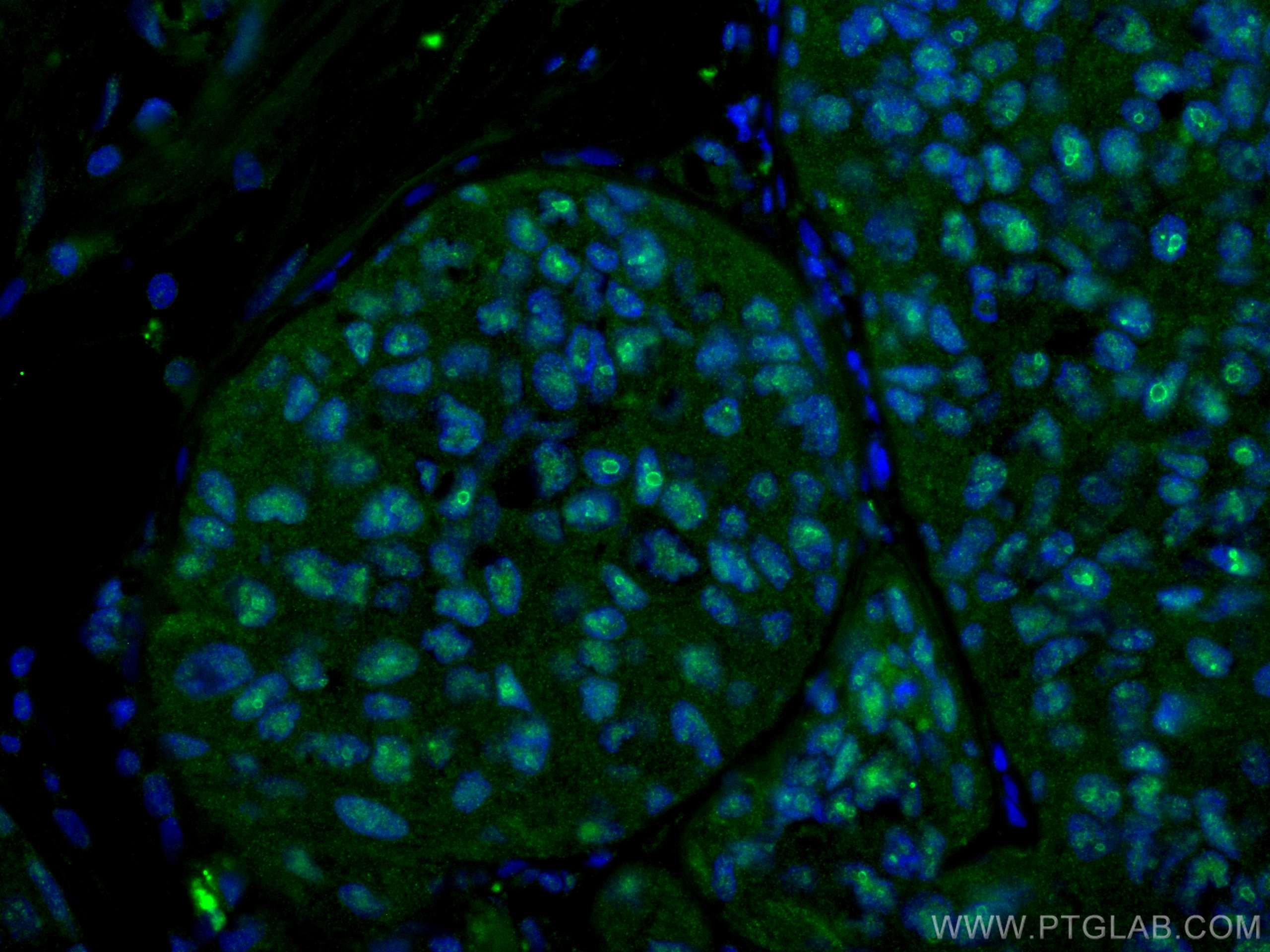
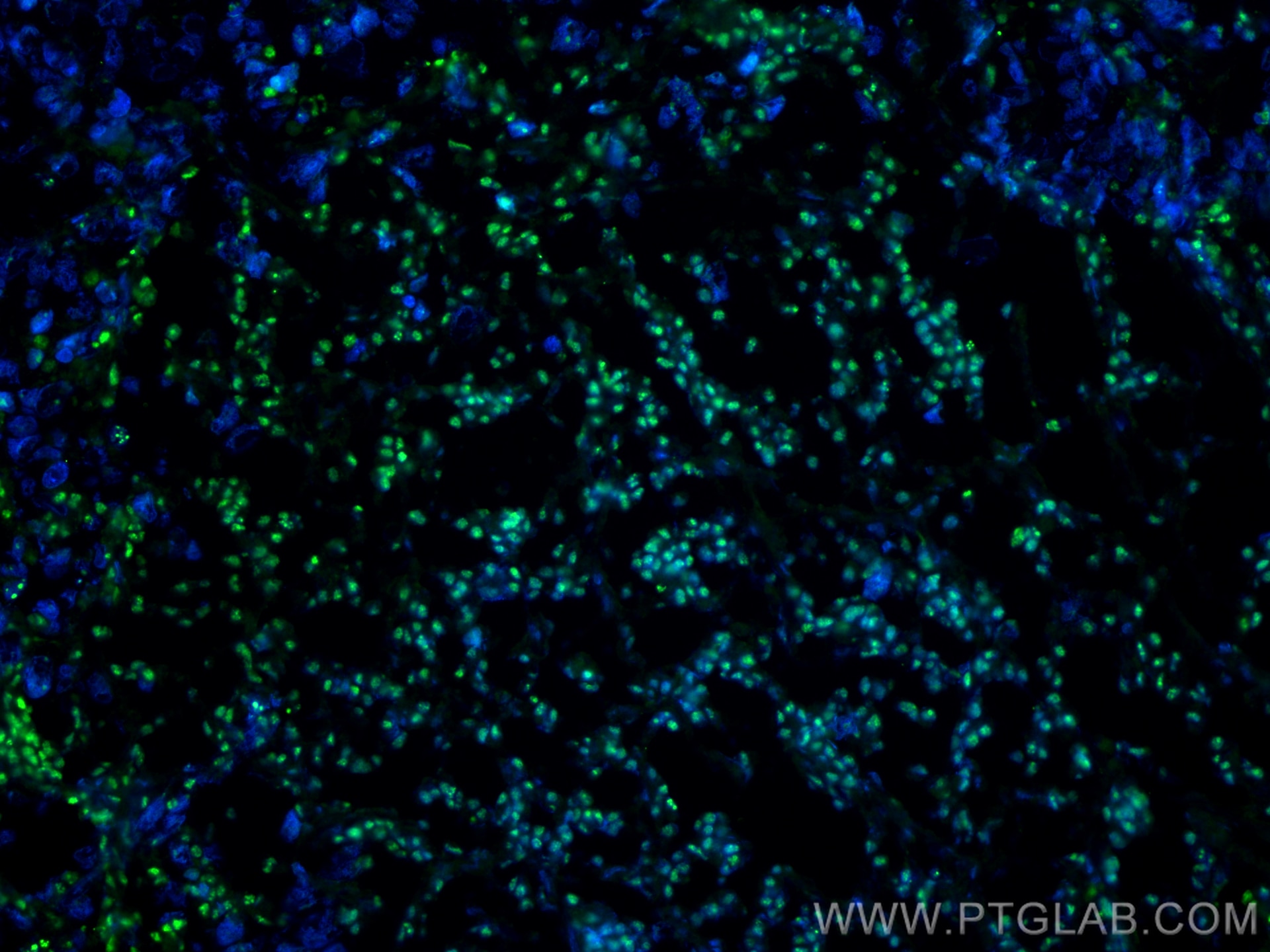
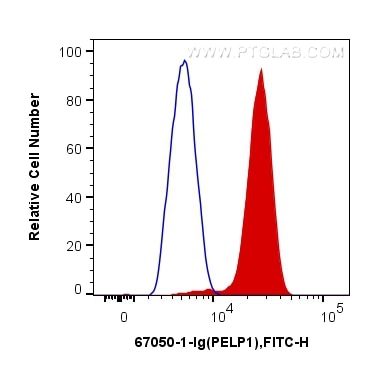
PELP1 Monoclonal Antibody for WB, IHC, IF-P, IF-Fro, FC (Intra), Indirect ELISA
Hôte / Isotype
Mouse / IgG2b
Réactivité testée
Humain
Applications
WB, IHC, IF-P, IF-Fro, FC (Intra), Indirect ELISA
Conjugaison
Non conjugué
CloneNo.
1B11E4
N° de cat : 67050-1-PBS
Synonymes
Galerie de données de validation
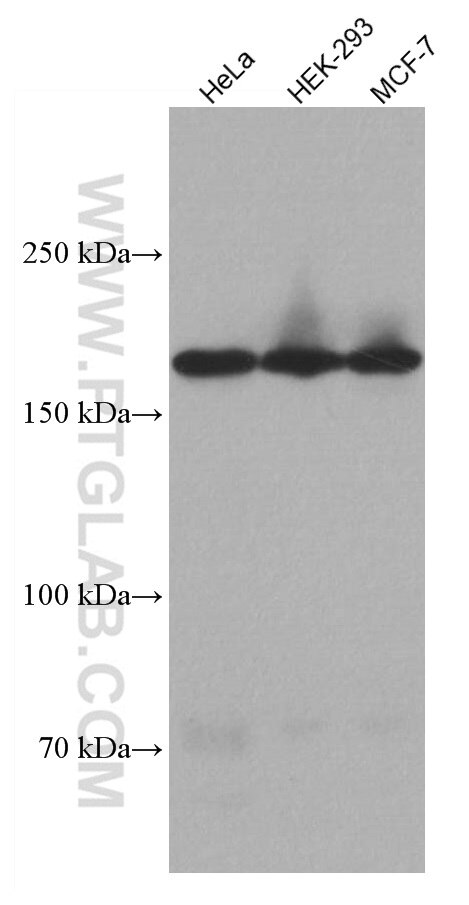
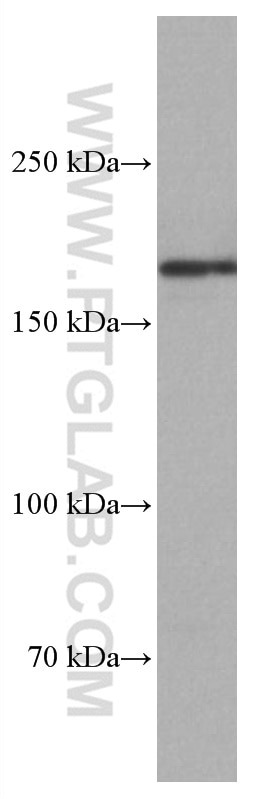
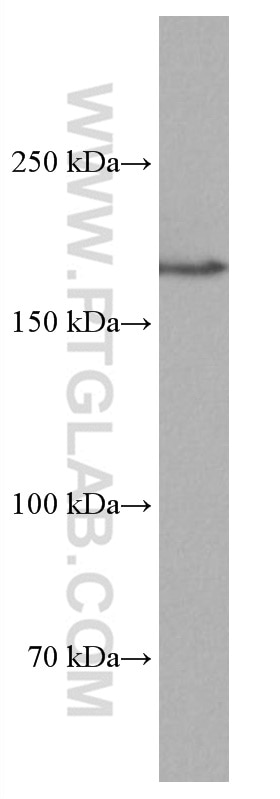
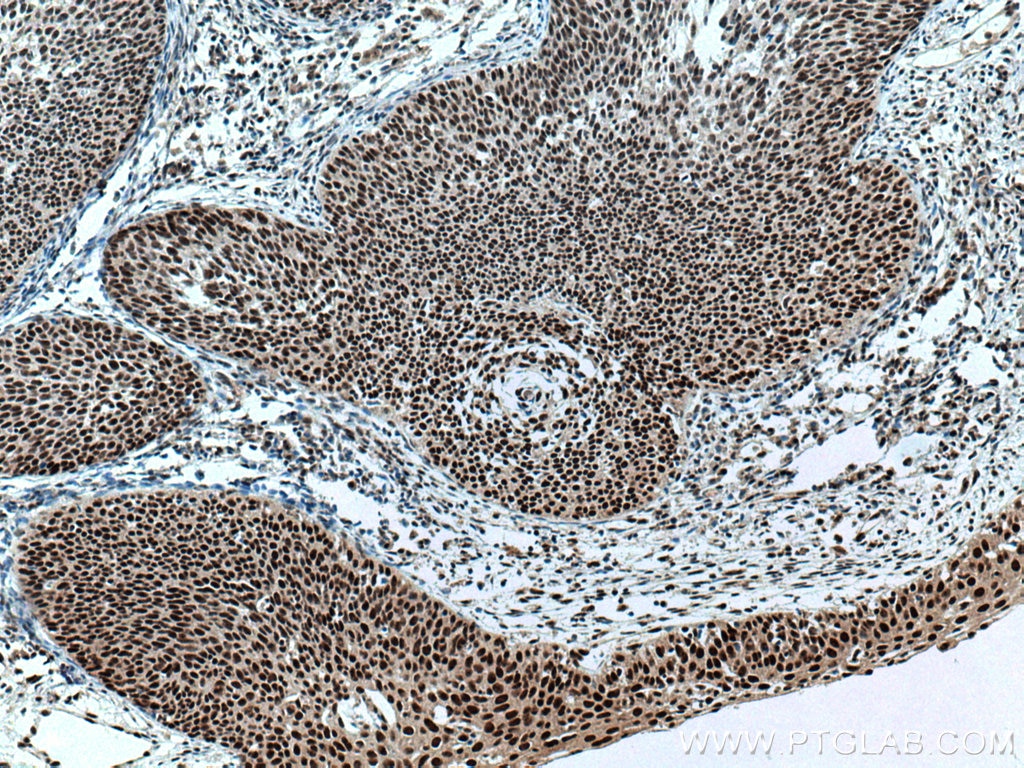
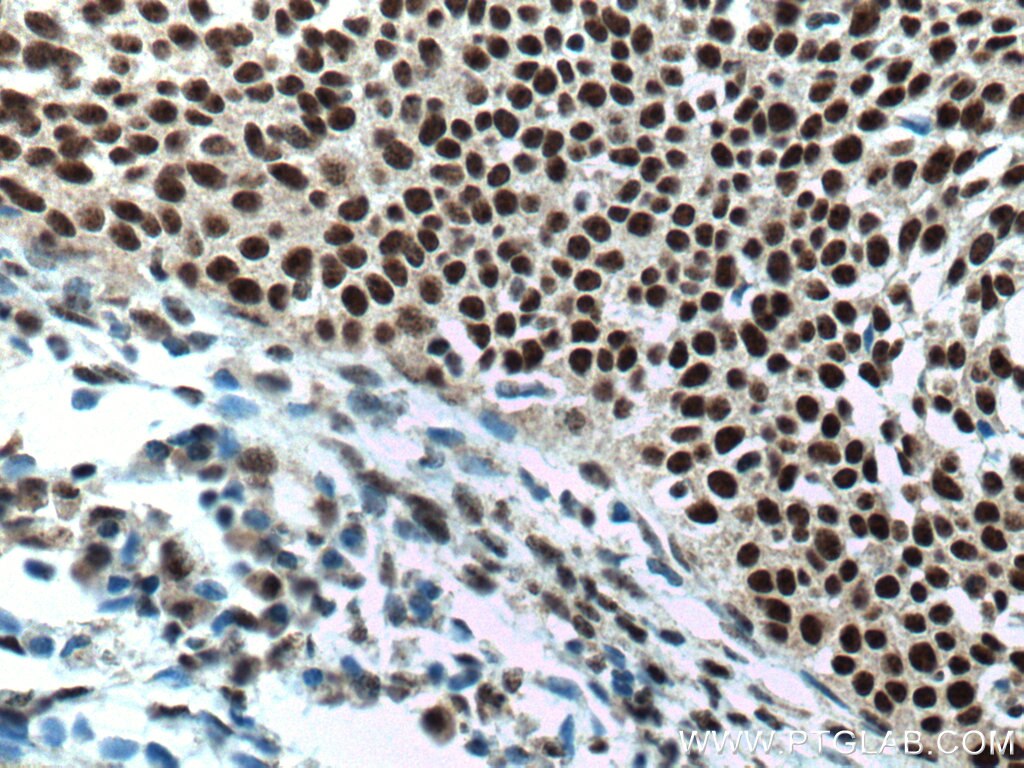
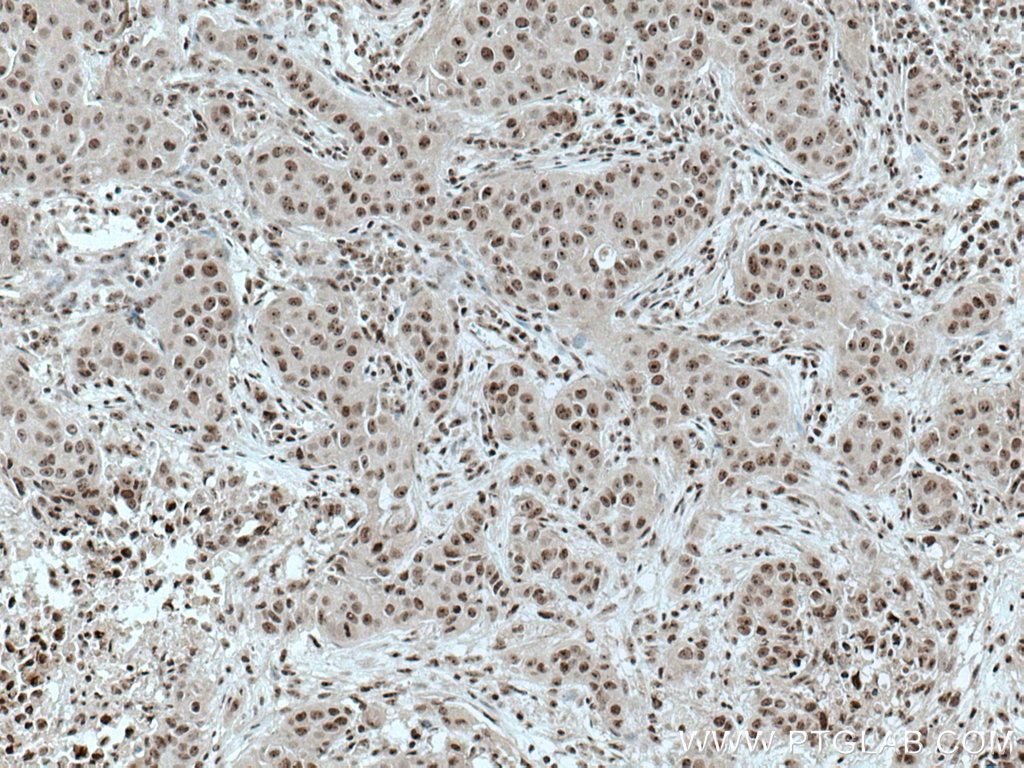
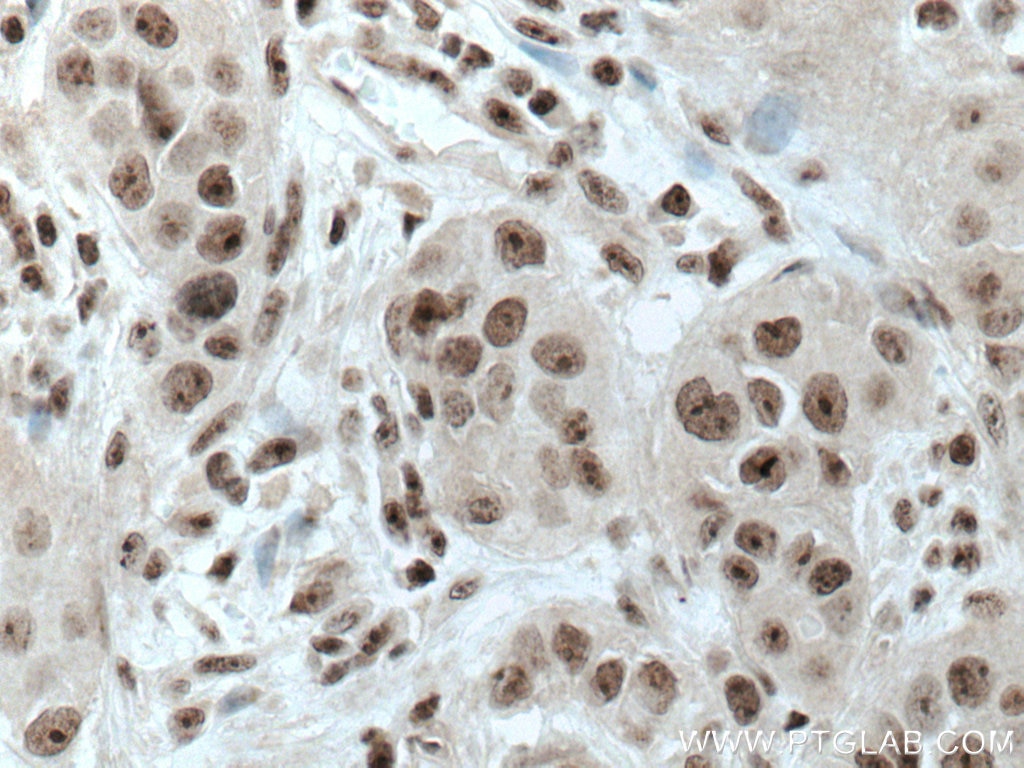
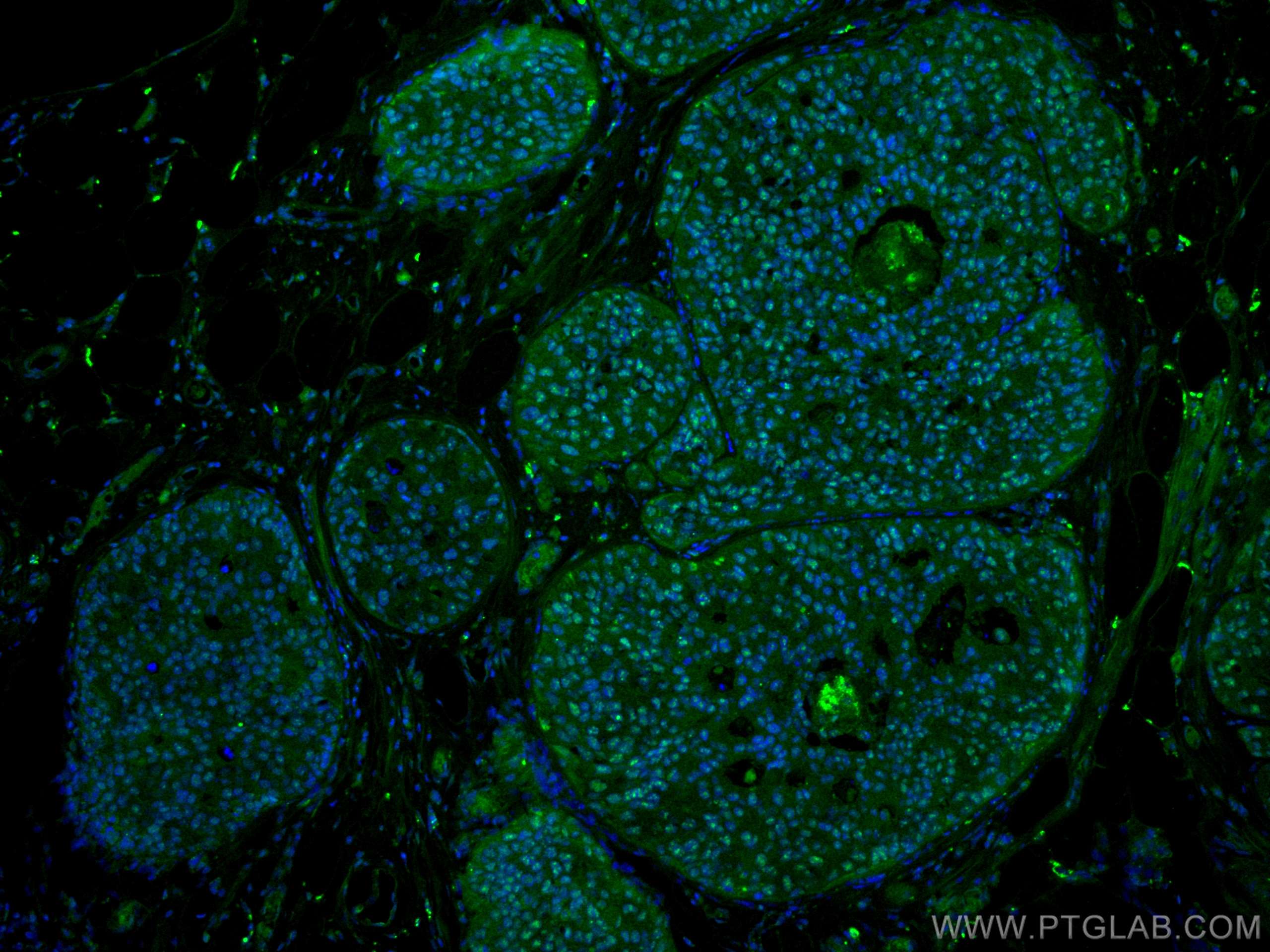
Informations sur le produit
67050-1-PBS cible PELP1 dans les applications de WB, IHC, IF-P, IF-Fro, FC (Intra), Indirect ELISA et montre une réactivité avec des échantillons Humain
| Réactivité | Humain |
| Hôte / Isotype | Mouse / IgG2b |
| Clonalité | Monoclonal |
| Type | Anticorps |
| Immunogène | PELP1 Protéine recombinante Ag25729 |
| Nom complet | proline, glutamate and leucine rich protein 1 |
| Masse moléculaire calculée | 1130 aa, 120 kDa |
| Poids moléculaire observé | 160 kDa |
| Numéro d’acquisition GenBank | BC069058 |
| Symbole du gène | PELP1 |
| Identification du gène (NCBI) | 27043 |
| Conjugaison | Non conjugué |
| Forme | Liquide |
| Méthode de purification | Purification par protéine A |
| Tampon de stockage | PBS only |
| Conditions de stockage | Store at -80°C. 20ul contiennent 0,1% de BSA. |
Informations générales
PELP1 was first identified as a 160 kDa protein in a screen for Src homology 2 (SH2) domain-binding proteins. PELP1 is overexpressed in 60-80% of breast tumors and plays important roles in both ER genomic and non-genomic signaling. In vivo, PELP1 subcellular localization is primarily nuclear in normal breast tissue, but it is localized to the cytoplasm in about 40% of invasive breast tumors. In the nucleus, PELP1 interacts with a number of transcription factors. The proto-oncogenic functions of PELP1 involve different cellular processes including epigenetic modifications leading to ER transactivation and breast cancer progression. Furthermore, PELP1 activates kinase cascades in the cytoplasm such as MAPK activation via c-Src and PI3K signaling.


