

Tested Applications
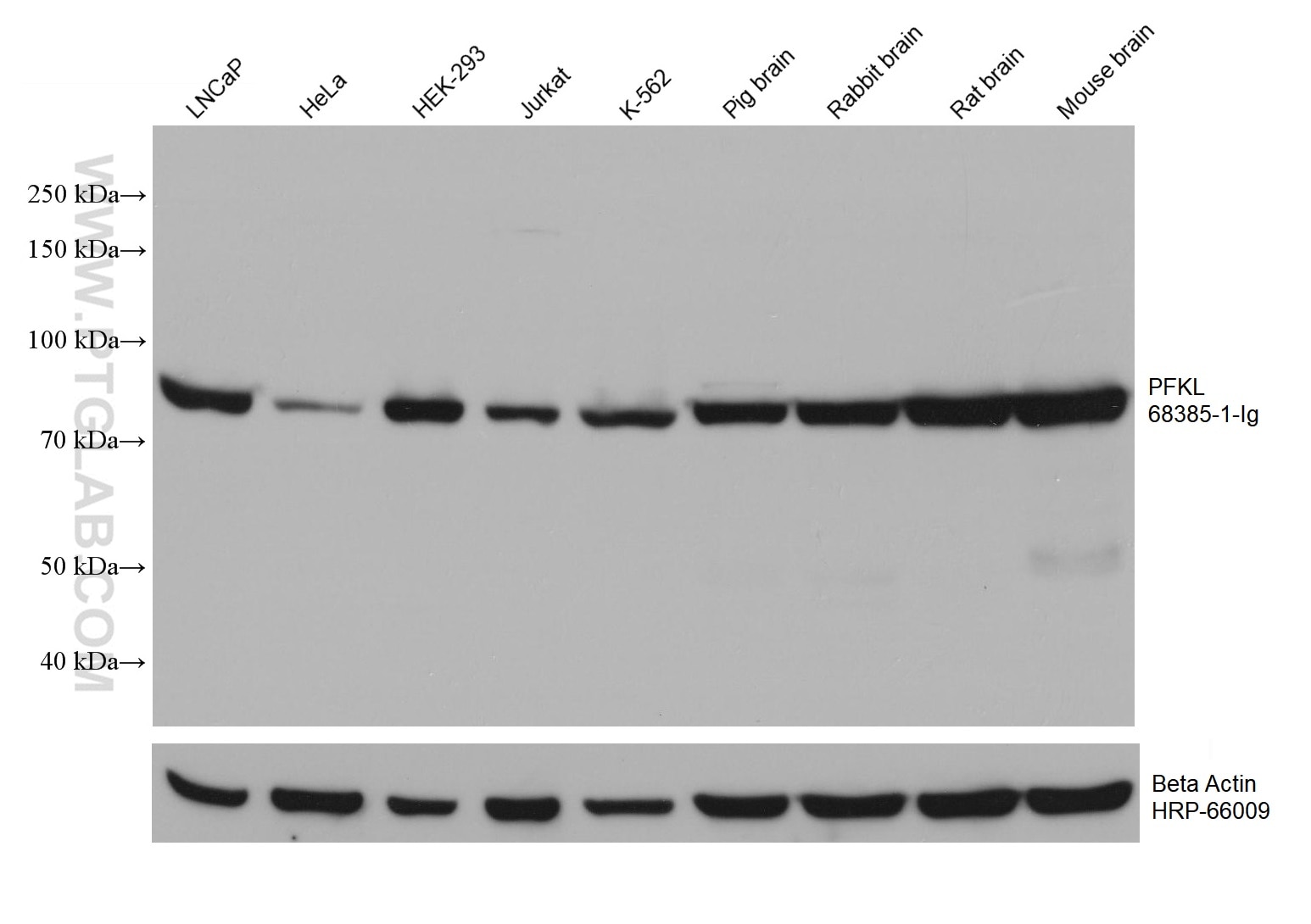
| Positive WB detected in | LNCaP cells, HeLa cells, HEK-293 cells, Jurkat cells, K-562 cells, pig brain tissue, rabbit brain tissue, rat brain tissue, mouse brain tissue |
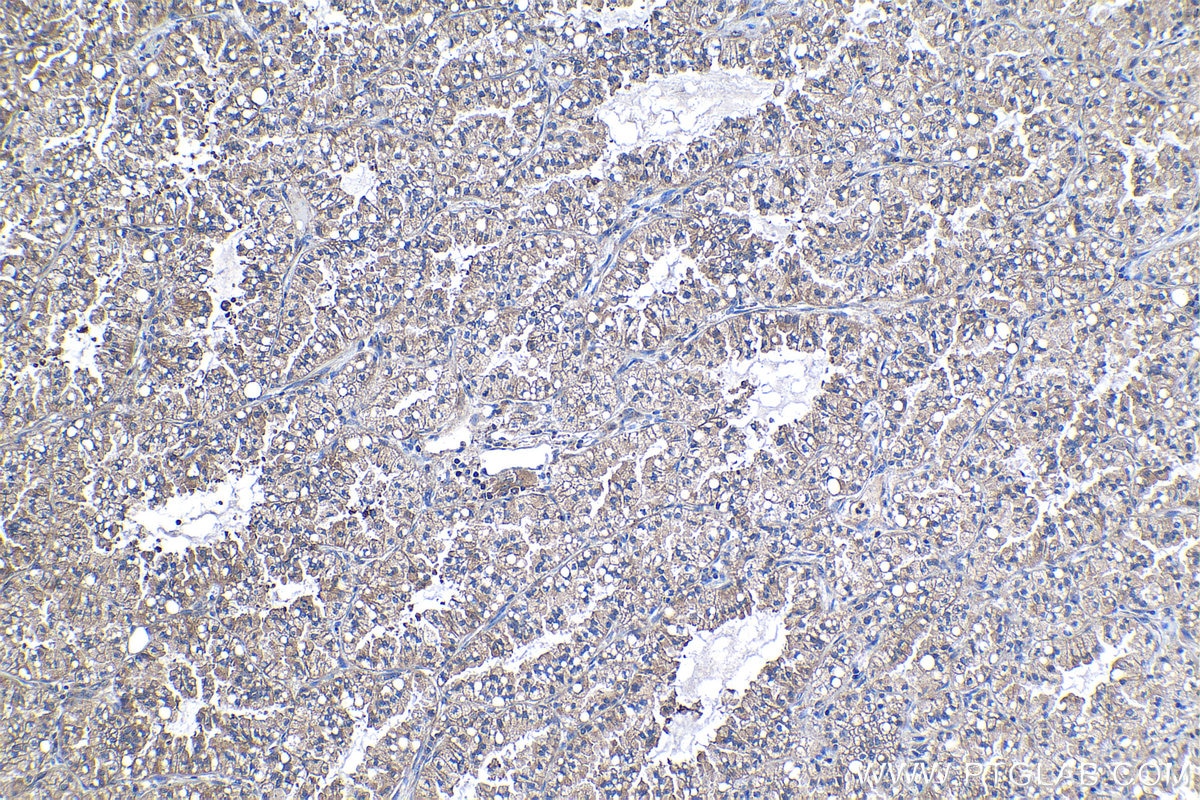
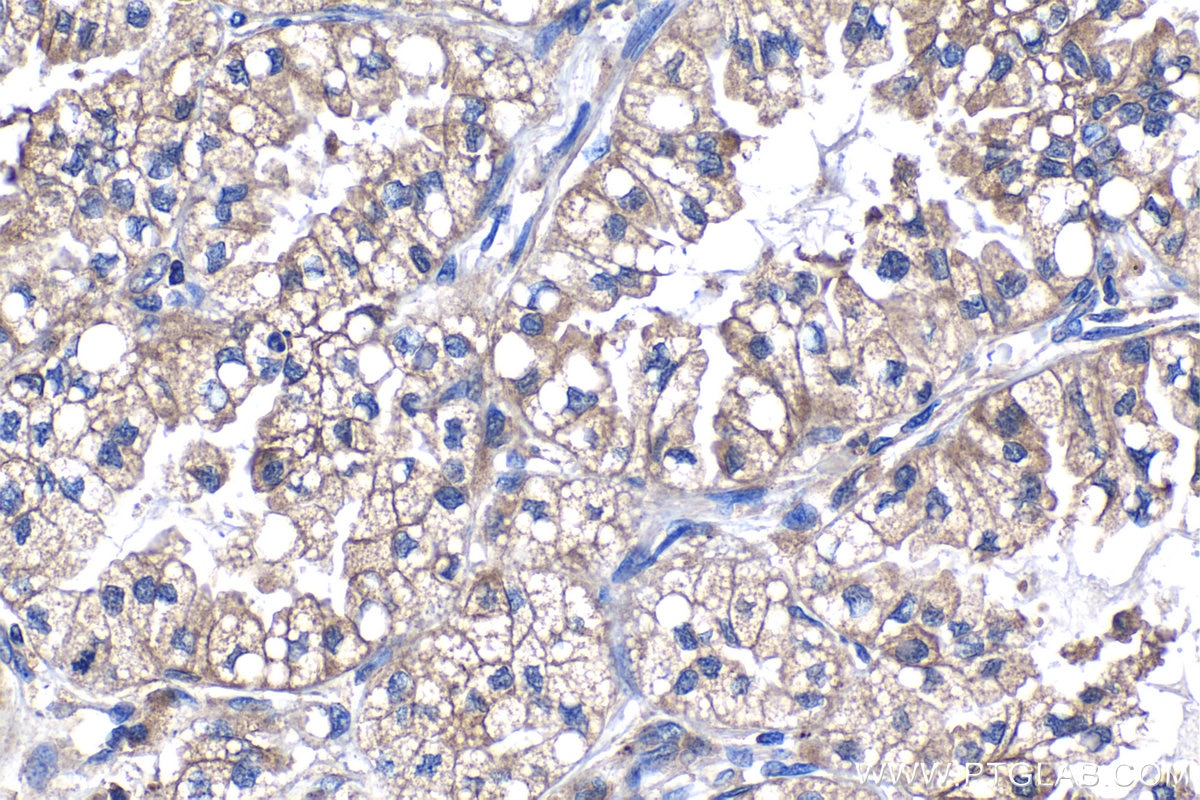
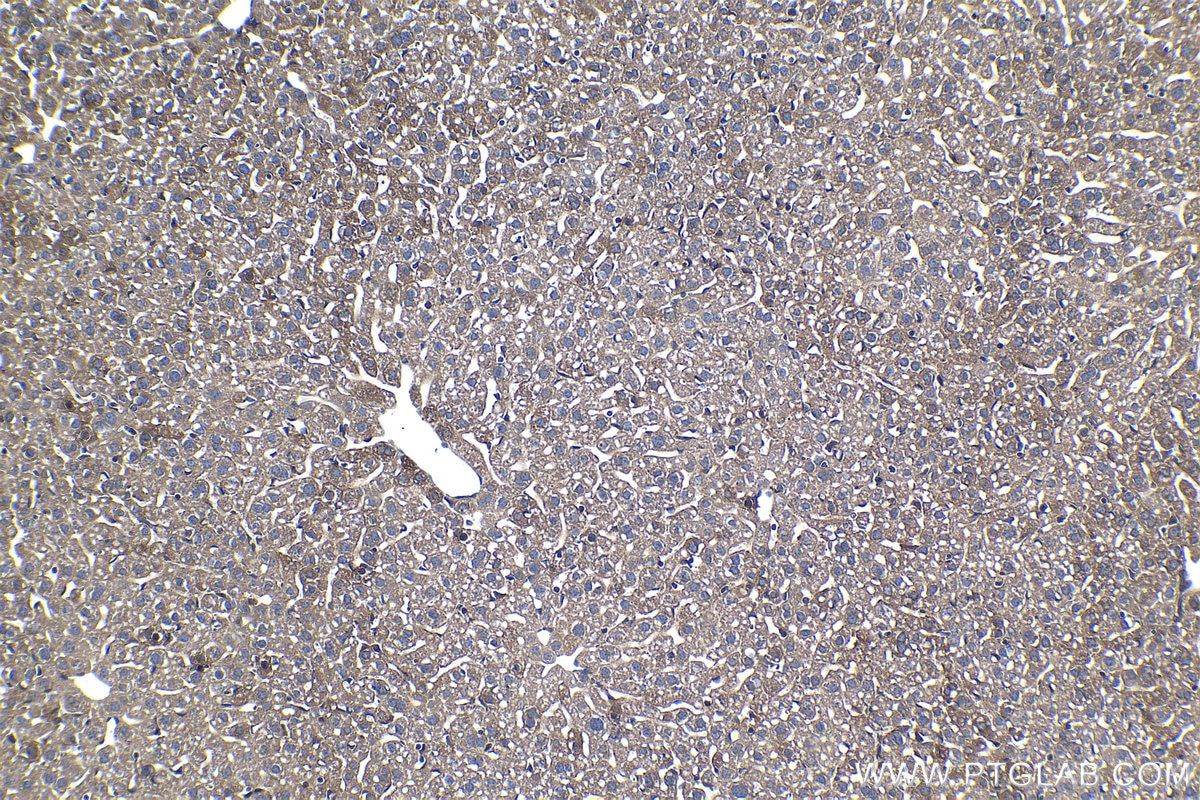
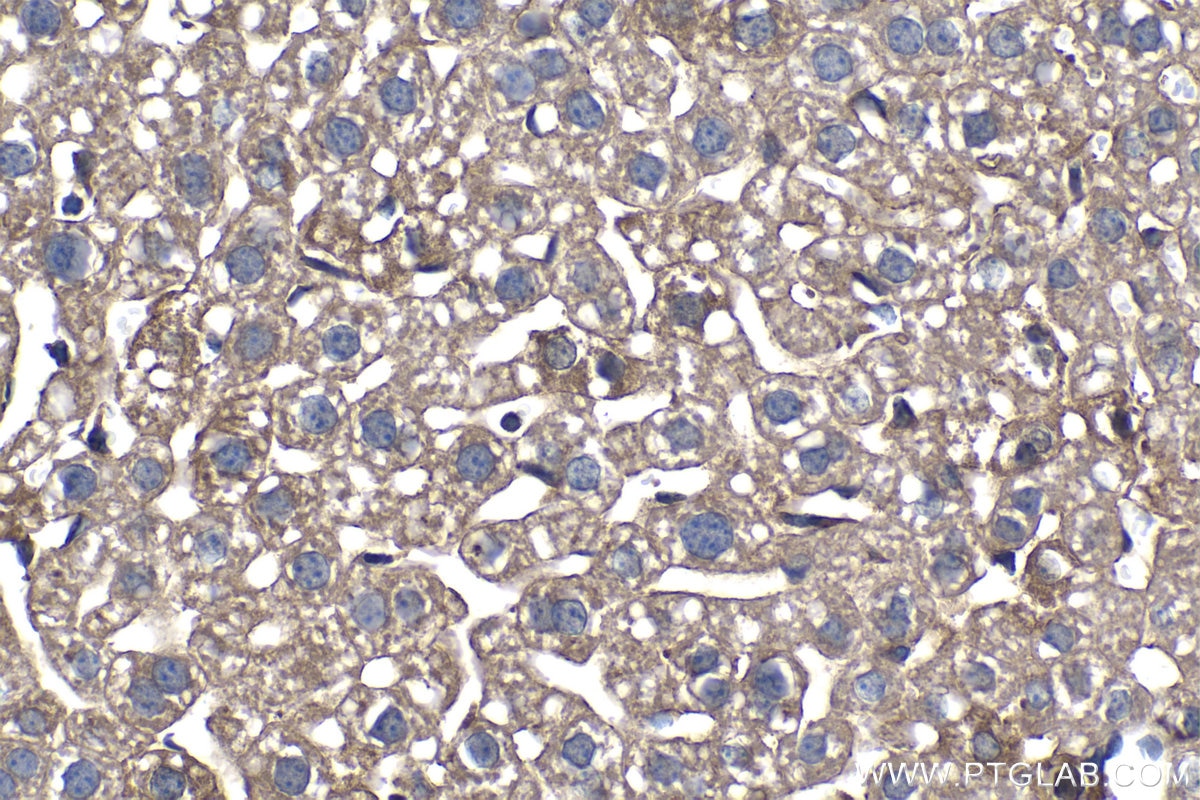
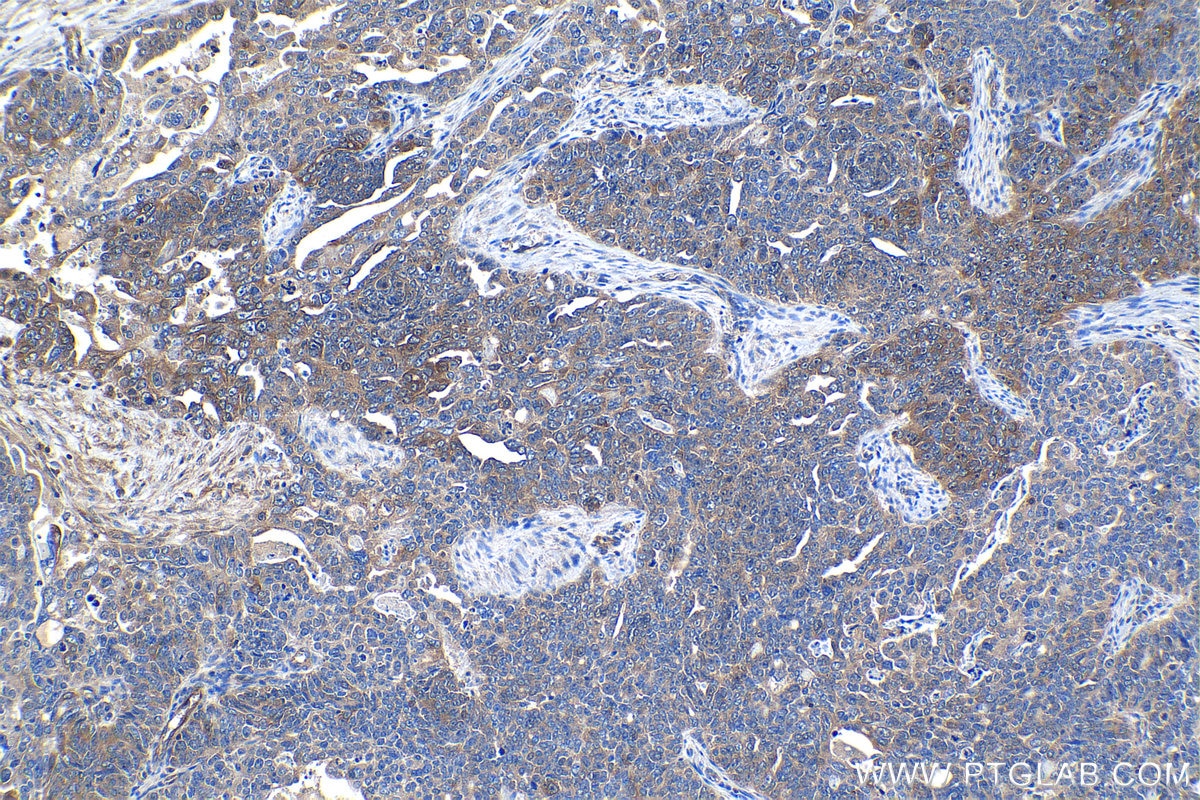
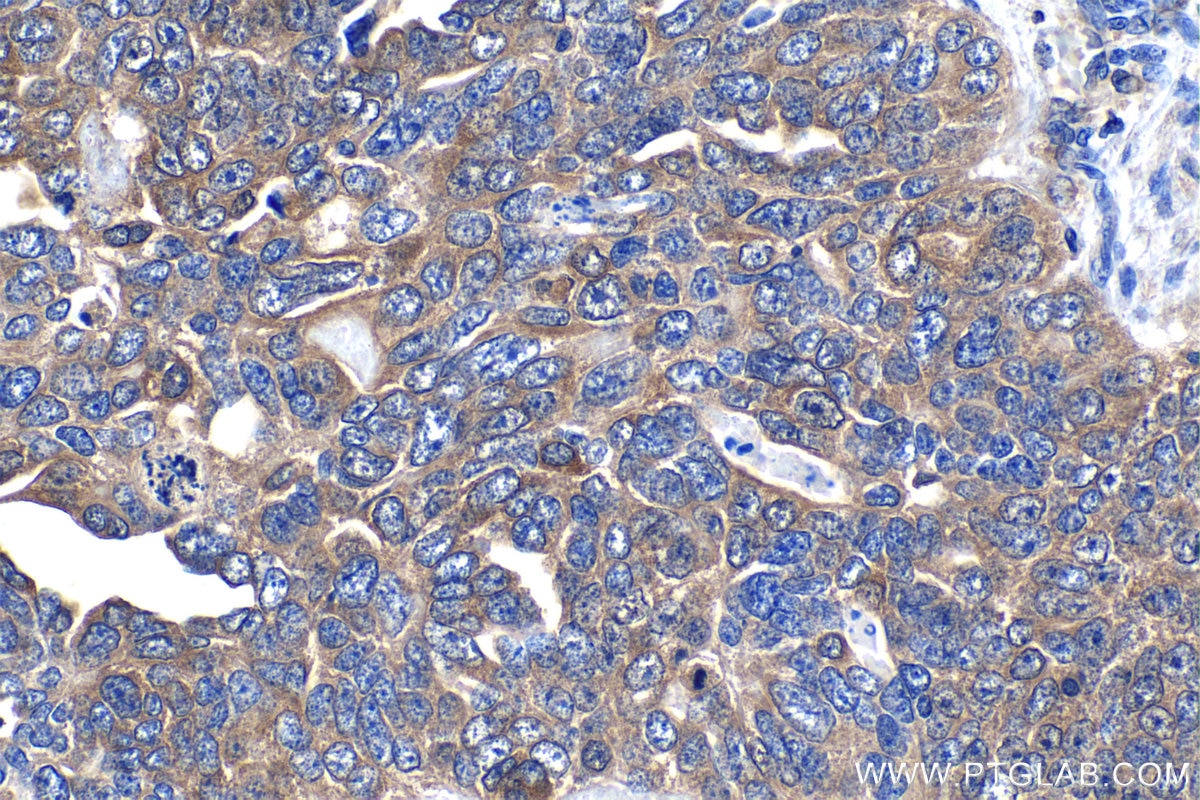
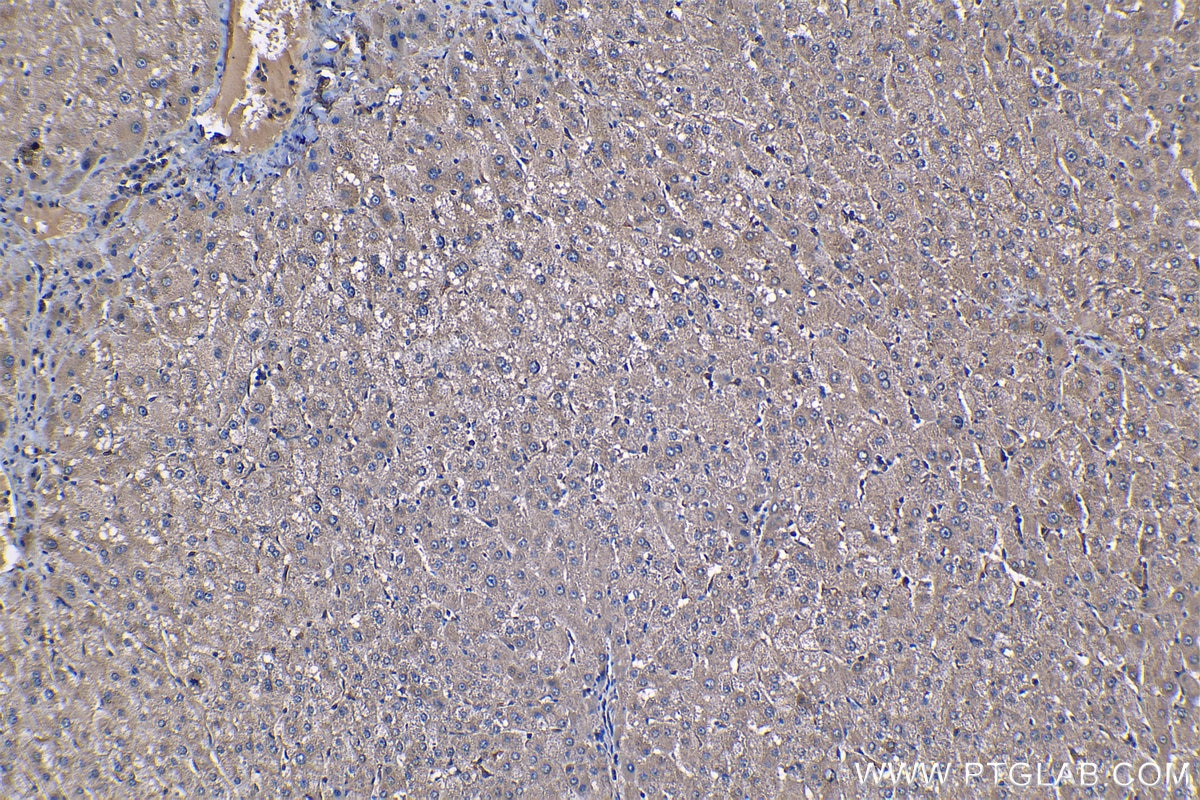
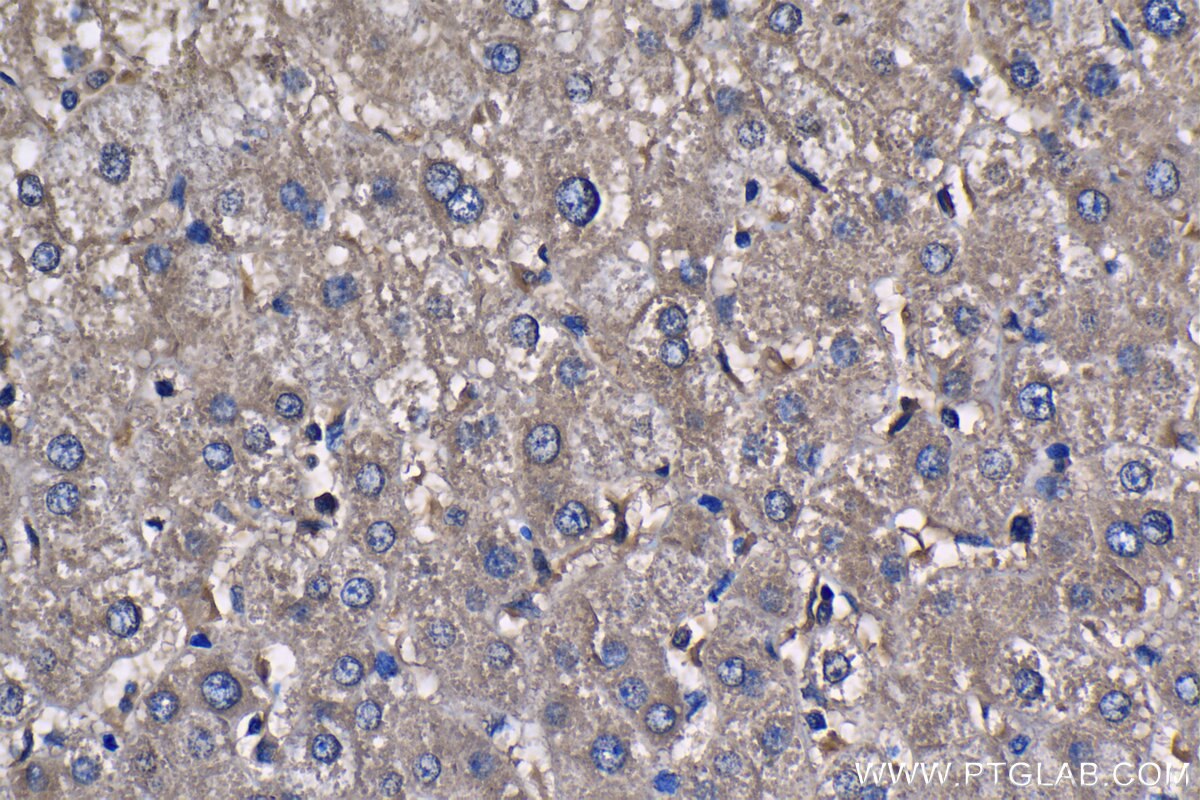
| Positive IHC detected in | human lung cancer tissue, human liver tissue, human ovary tumor tissue, mouse liver tissue Note: suggested antigen retrieval with TE buffer pH 9.0; (*) Alternatively, antigen retrieval may be performed with citrate buffer pH 6.0 |
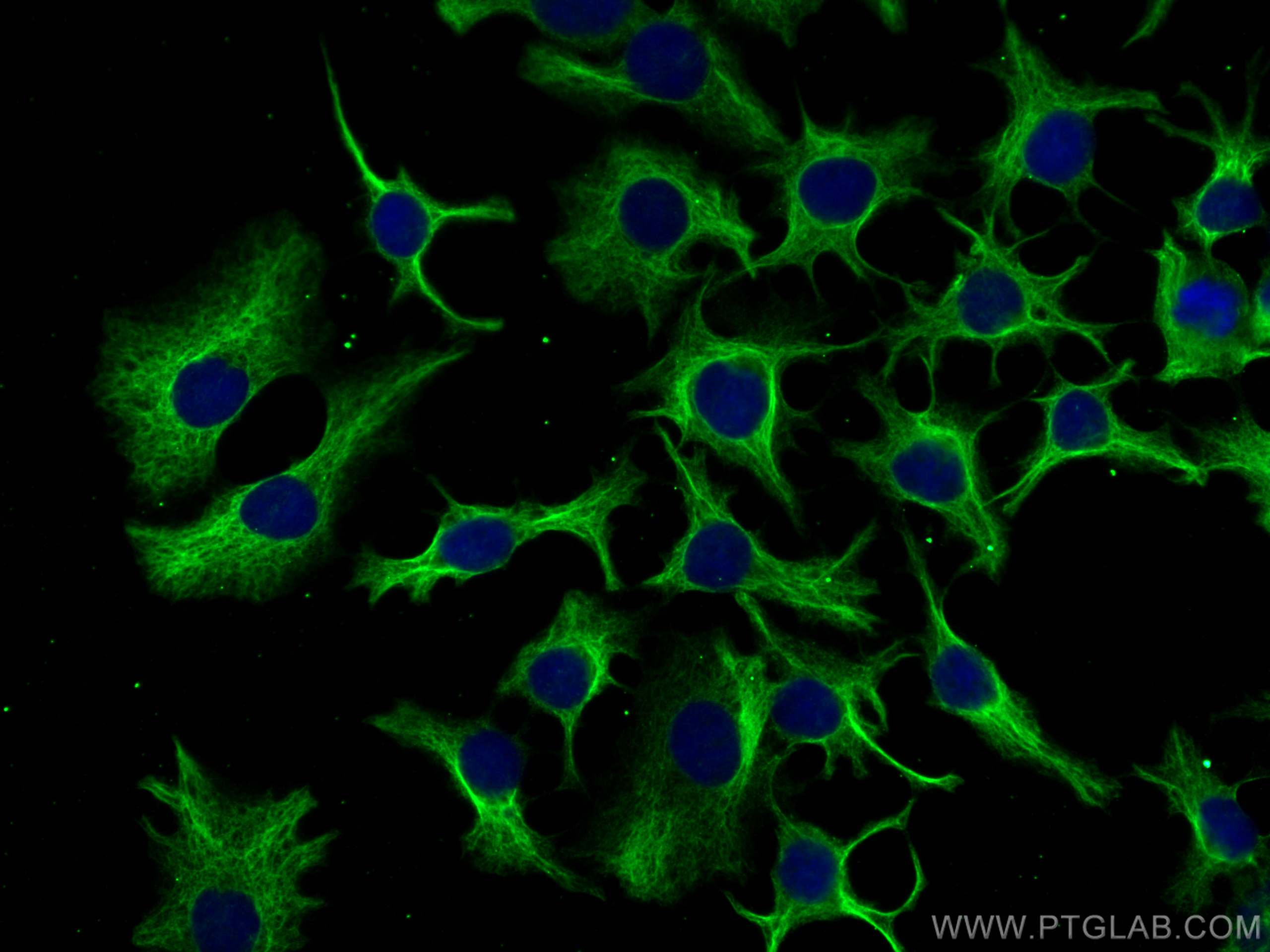
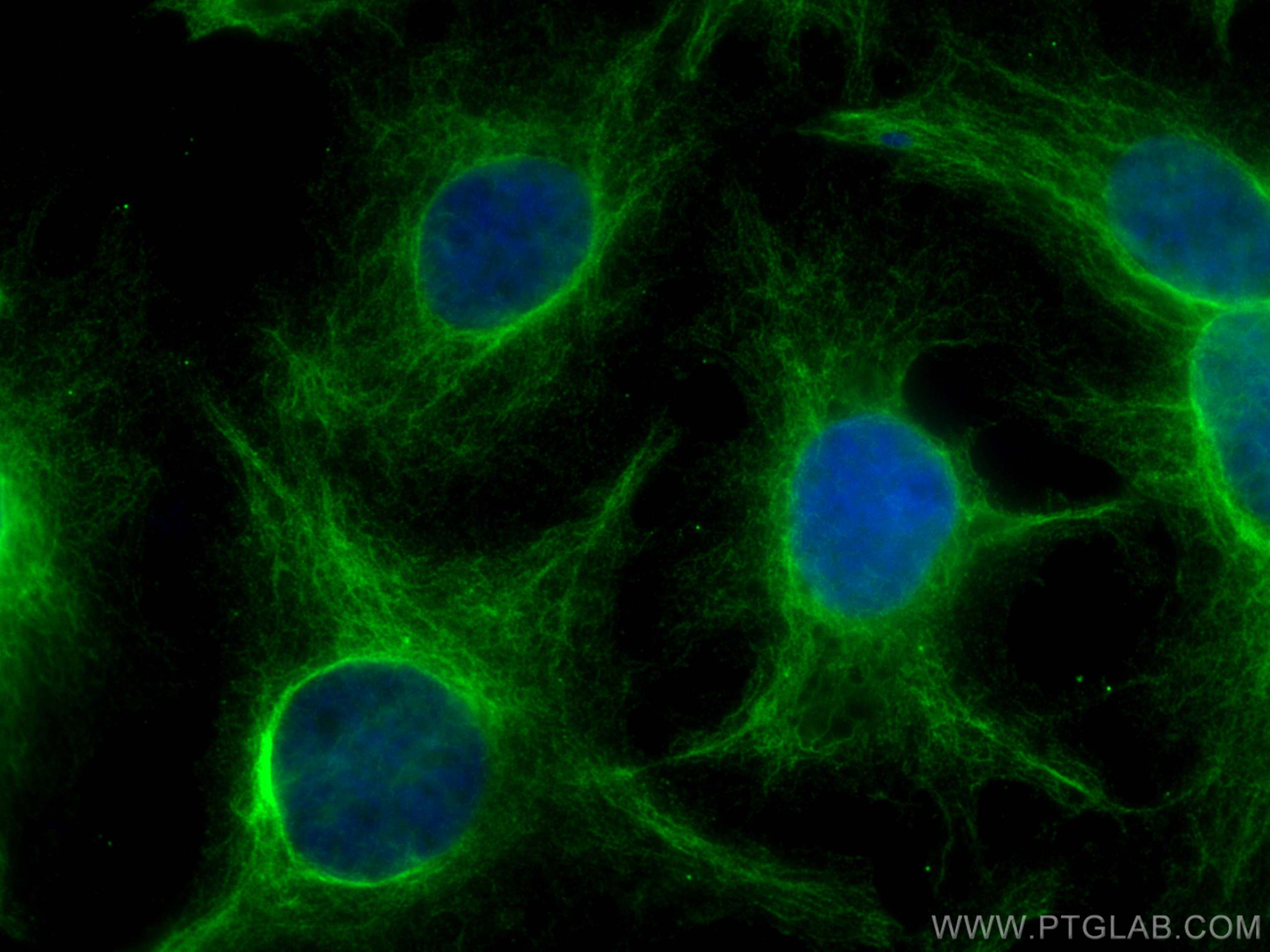
| Positive IF/ICC detected in | HuH-7 cells |
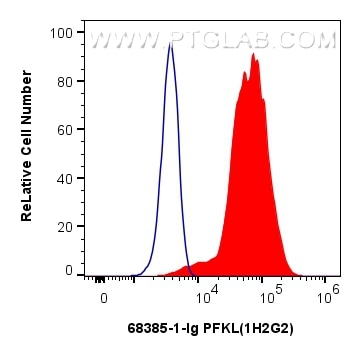
| Positive FC (Intra) detected in | HEK-293 cells |
Recommended dilution
| Application | Dilution |
|---|---|
| Western Blot (WB) | WB : 1:5000-1:50000 |
| Immunohistochemistry (IHC) | IHC : 1:1000-1:4000 |
| Immunofluorescence (IF)/ICC | IF/ICC : 1:400-1:1600 |
| Flow Cytometry (FC) (INTRA) | FC (INTRA) : 0.80 ug per 10^6 cells in a 100 µl suspension |
| It is recommended that this reagent should be titrated in each testing system to obtain optimal results. | |
| Sample-dependent, Check data in validation data gallery. | |
Product Information
68385-1-Ig targets PFKL in WB, IHC, IF/ICC, FC (Intra), ELISA applications and shows reactivity with human, mouse, rat, pig, rabbit samples.
| Tested Reactivity | human, mouse, rat, pig, rabbit |
| Cited Reactivity | human, mouse |
| Host / Isotype | Mouse / IgG1 |
| Class | Monoclonal |
| Type | Antibody |
| Immunogen |
CatNo: Ag8250 Product name: Recombinant human PFKL protein Source: e coli.-derived, PGEX-4T Tag: GST Domain: 424-780 aa of BC008964 Sequence: TGISHGHTVYVVHDGFEGLAKGQVQEVGWHDVAGWLGRGGSMLGTKRTLPKGQLESIVENIRIYGIHALLVVGGFEAYEGVLQLVEARGRYEELCIVMCVIPATISNNVPGTDFSLGSDTAVNAAMESCDRIKQSASGTKRRVFIVETMGGYCGYLATVTGIAVGADAAYVFEDPFNIHDLKVNVEHMTEKMKTDIQRGLVLRNEKCHDYYTTEFLYNLYSSEGNGVFDCRTNVLGHLQQGGAPTPFDRNYGTKLGVKAMLWLSEKLREVYRKGRVFANAPDSACVIGLKKKAAAFSPVTELKKDTDFEHRMPREQWWLSLRLMLKMLAQYRISMAAYVSGELEHVTRRTLSMDKGF Predict reactive species |
| Full Name | phosphofructokinase, liver |
| Calculated Molecular Weight | 85 kDa |
| Observed Molecular Weight | 85 kDa |
| GenBank Accession Number | BC008964 |
| Gene Symbol | PFKL |
| Gene ID (NCBI) | 5211 |
| RRID | AB_3085103 |
| Conjugate | Unconjugated |
| Form | Liquid |
| Purification Method | Protein G purification |
| UNIPROT ID | P17858 |
| Storage Buffer | PBS with 0.02% sodium azide and 50% glycerol, pH 7.3. |
| Storage Conditions | Store at -20°C. Stable for one year after shipment. Aliquoting is unnecessary for -20oC storage. 20ul sizes contain 0.1% BSA. |
Background Information
PFKL (6-phosphofructokinase, liver type) is also named as PFK-B and belongs to the phosphofructokinase family. The PFKL gene encodes the liver isoform of phosphofructokinase (PFK) (ATP: D-fructose-6-phosphate-1-phosphotransferase). PFK catalyzes the irreversible conversion of fructose-6-phosphate to fructose-1,6-bisphosphate and is a key regulatory enzyme in glycolysis. In human beings, PFK exists as a system of three subunits: these are the muscle(PFKM), liver(PFKL), and platelet(PFKP) PFKs (PMID: 2139864). It has 2 isoforms produced by alternative splicing.
Protocols
| Product Specific Protocols | |
|---|---|
| FC protocol for PFKL antibody 68385-1-Ig | Download protocol |
| IF protocol for PFKL antibody 68385-1-Ig | Download protocol |
| IHC protocol for PFKL antibody 68385-1-Ig | Download protocol |
| WB protocol for PFKL antibody 68385-1-Ig | Download protocol |
| Standard Protocols | |
|---|---|
| Click here to view our Standard Protocols |
Publications
What published studies show
PFKL Monoclonal antibody (1H2G2), catalog number 68385-1-Ig, has 10 total citations published in journals including Cell Metabolism, Metabolism, Redox Biology, Biomaterials, Free Radical Biology and Medicine, Cell Reports, Brain Research Bulletin, Food and Chemical Toxicology, BMC Cardiovascular Disorders, and Frontiers in Cardiovascular Medicine. Research fields span glycolysis, metabolic regulation, ferroptosis, stroke, cancer, inflammation, cardiovascular disease, and gut microbiota.
| Species | Application | Title |
|---|---|---|
Cell Metab Semaglutide ameliorates osteoarthritis progression through a weight loss-independent metabolic restoration mechanism. | ||
Metabolism Protein kinase N1 deficiency results in upregulation of cerebral energy metabolism and is highly protective in in vivo and in vitro stroke models | ||
Redox Biol Histone lactylation drives liver cancer metastasis by facilitating NSF1-mediated ferroptosis resistance after microwave ablation | ||
Biomaterials Gut-confined fullerene reprograms lactate metabolism to Rescue hypoxia-induced exercise intolerance. | ||
Free Radic Biol Med Orientin alleviates severe inflammation via regulating macrophage glycolysis and immune function in sepsis. | ||
Cell Rep GCLM lactylation mediated by ACAT2 promotes ferroptosis resistance in KRASG12D-mutant cancer |













