Anticorps Monoclonal anti-PGAM5
PGAM5 Monoclonal Antibody for WB, IHC, ELISA
Hôte / Isotype
Mouse / IgG1
Réactivité testée
Humain, Lapin, porc, rat, souris
Applications
WB, IHC, ELISA
Conjugaison
Non conjugué
CloneNo.
1C8B9
N° de cat : 68116-1-PBS
Synonymes
Galerie de données de validation
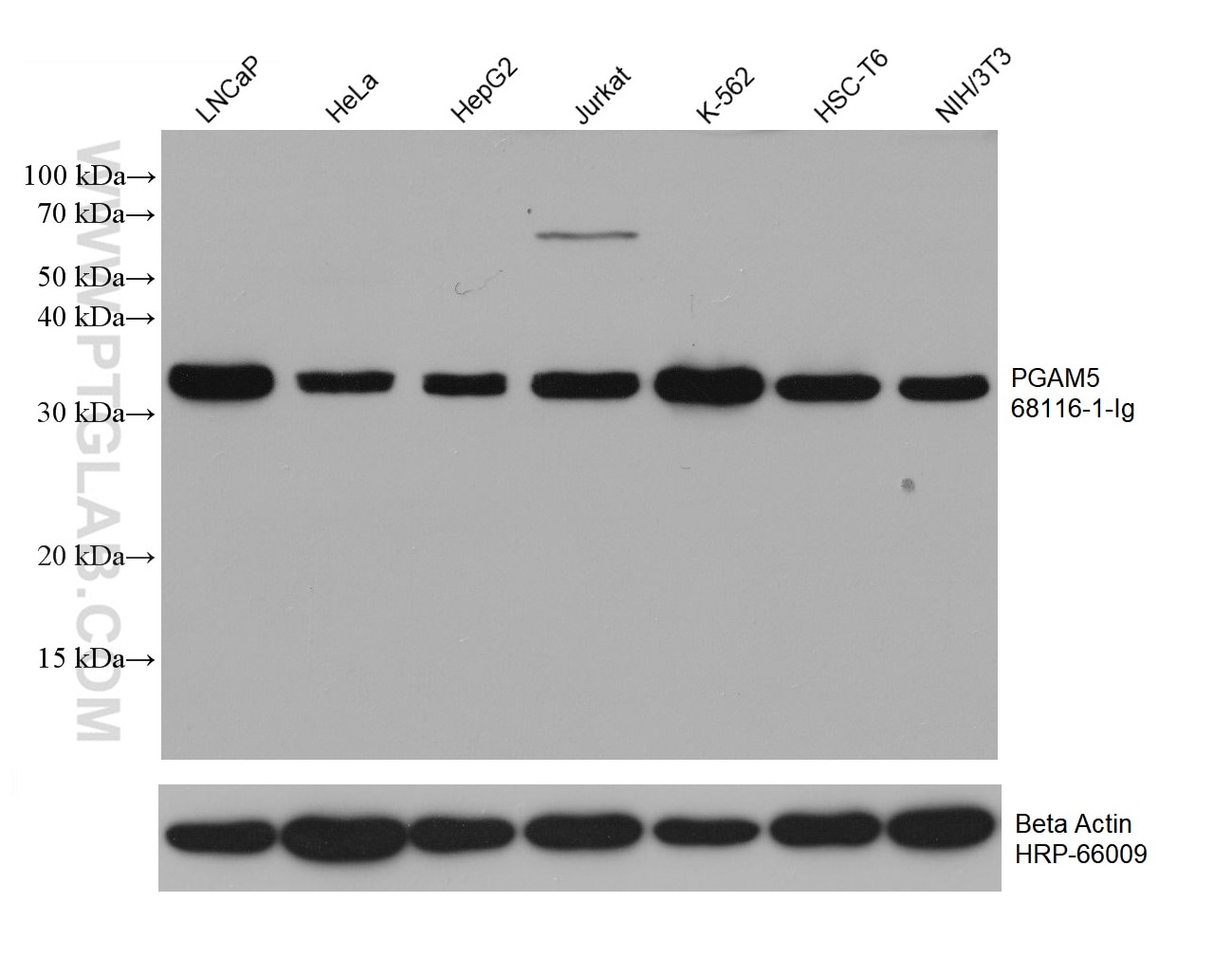
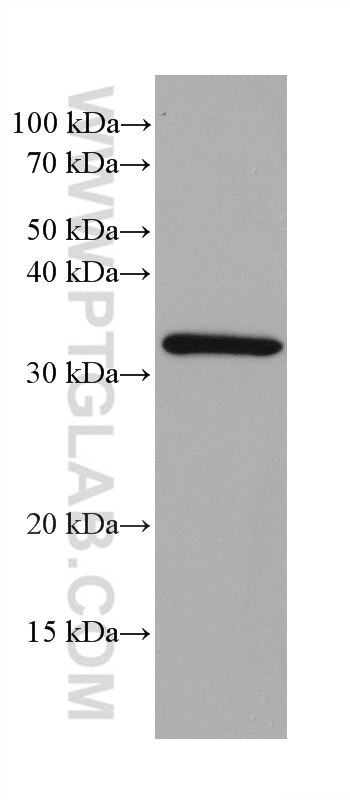
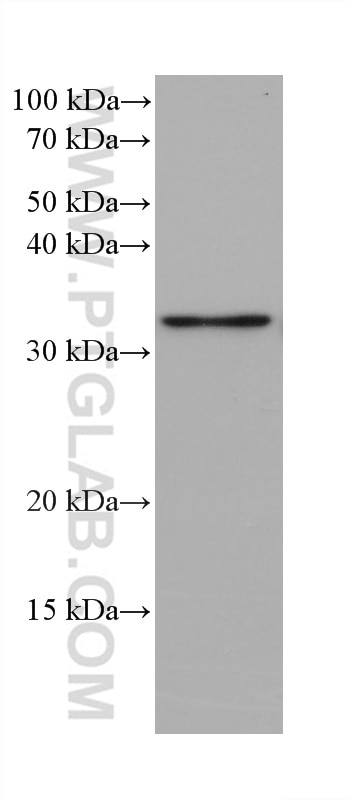
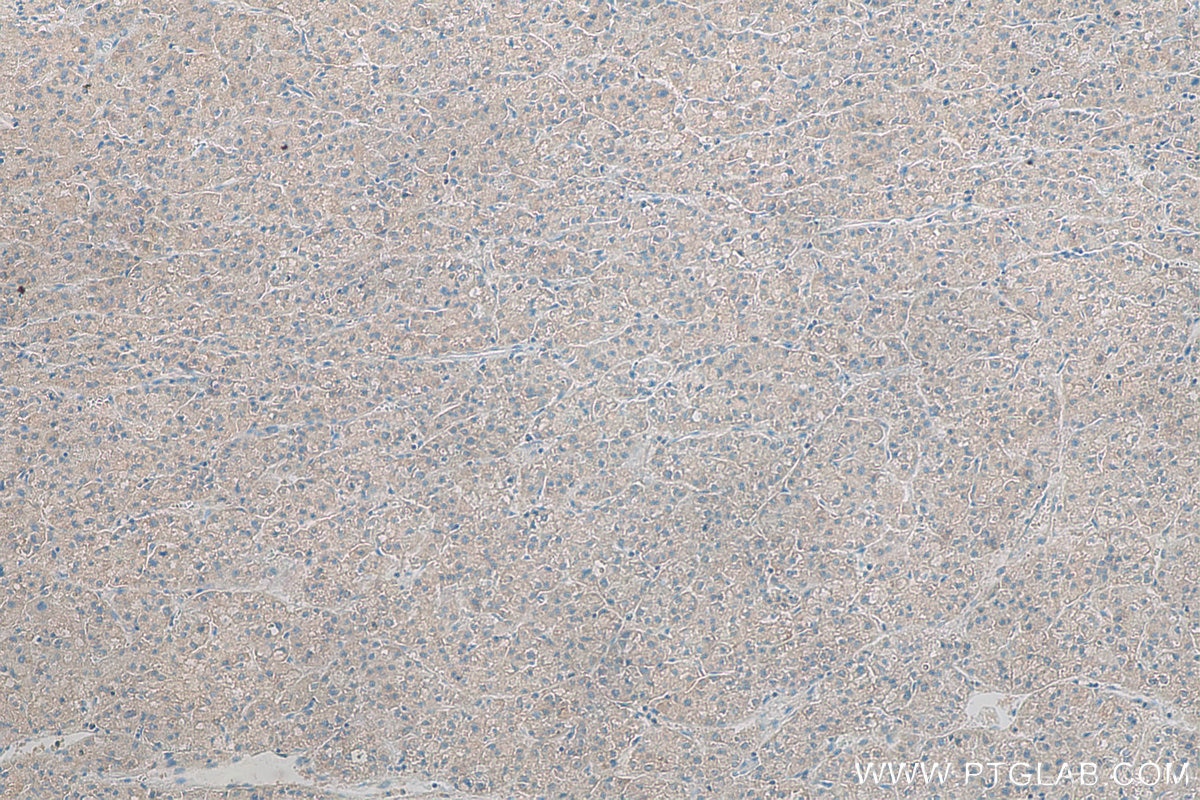
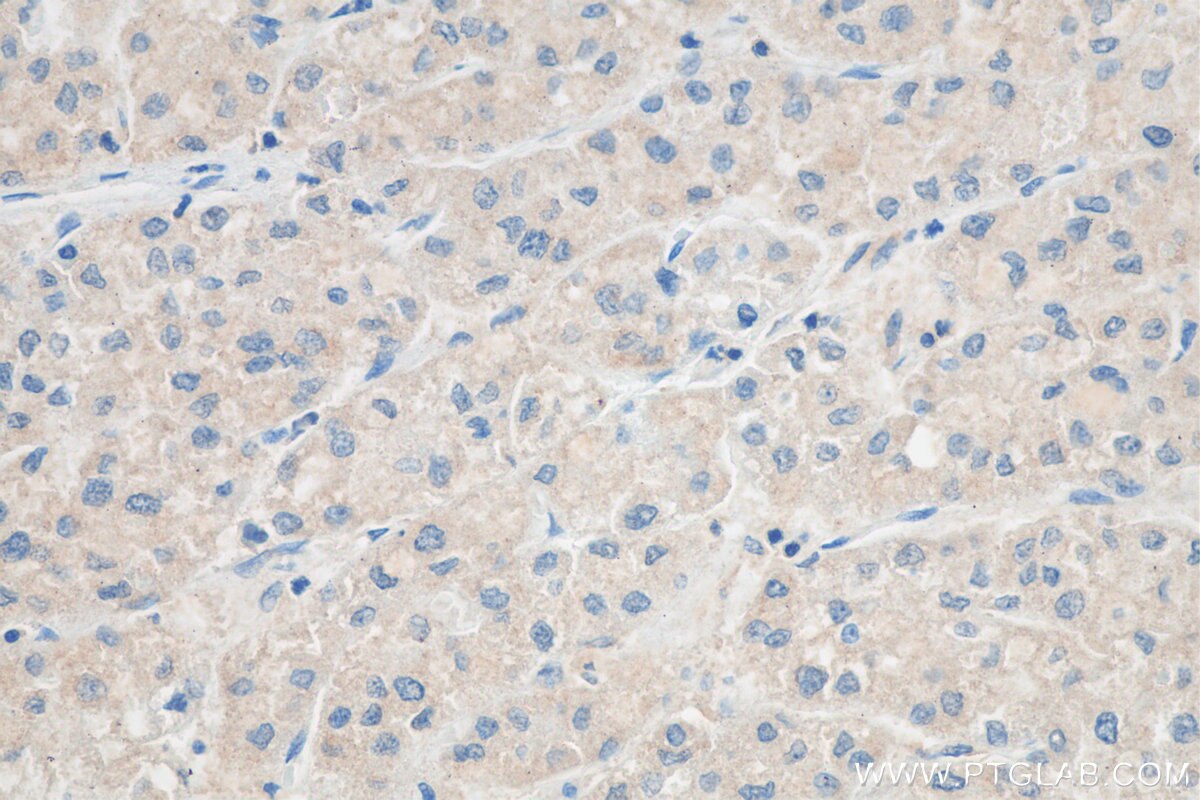
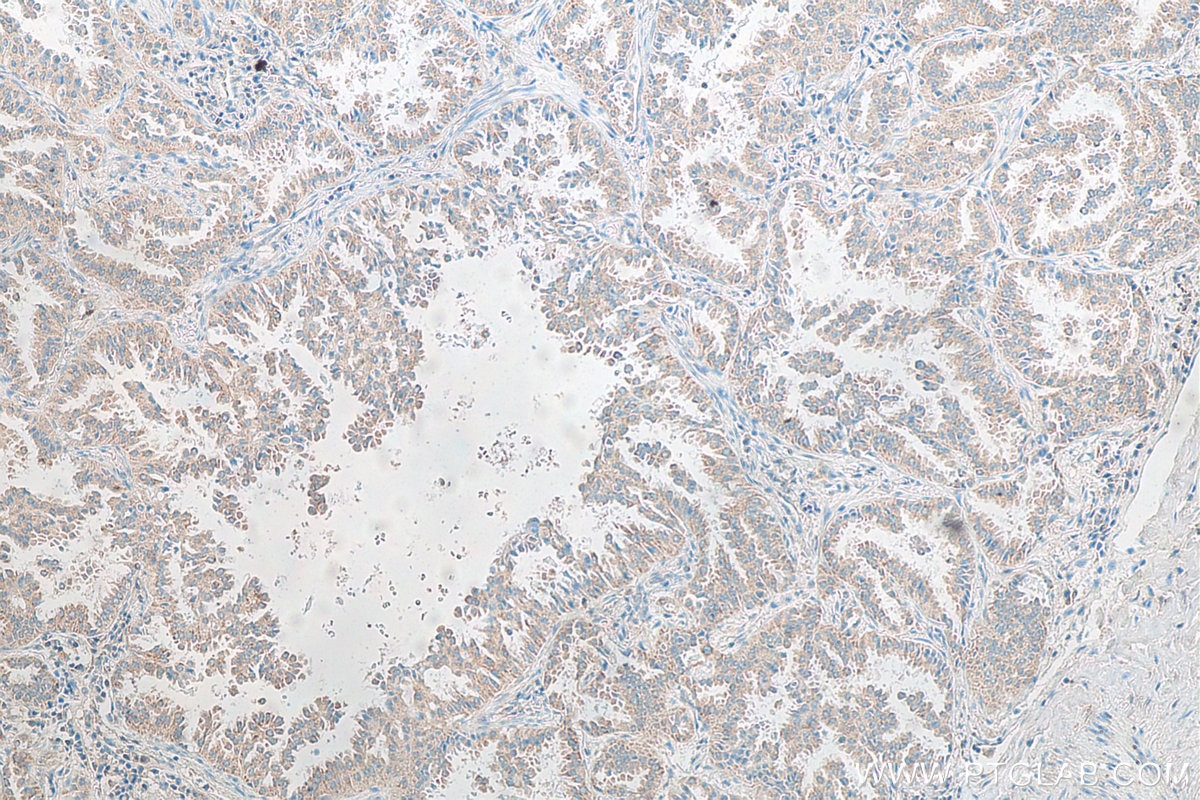
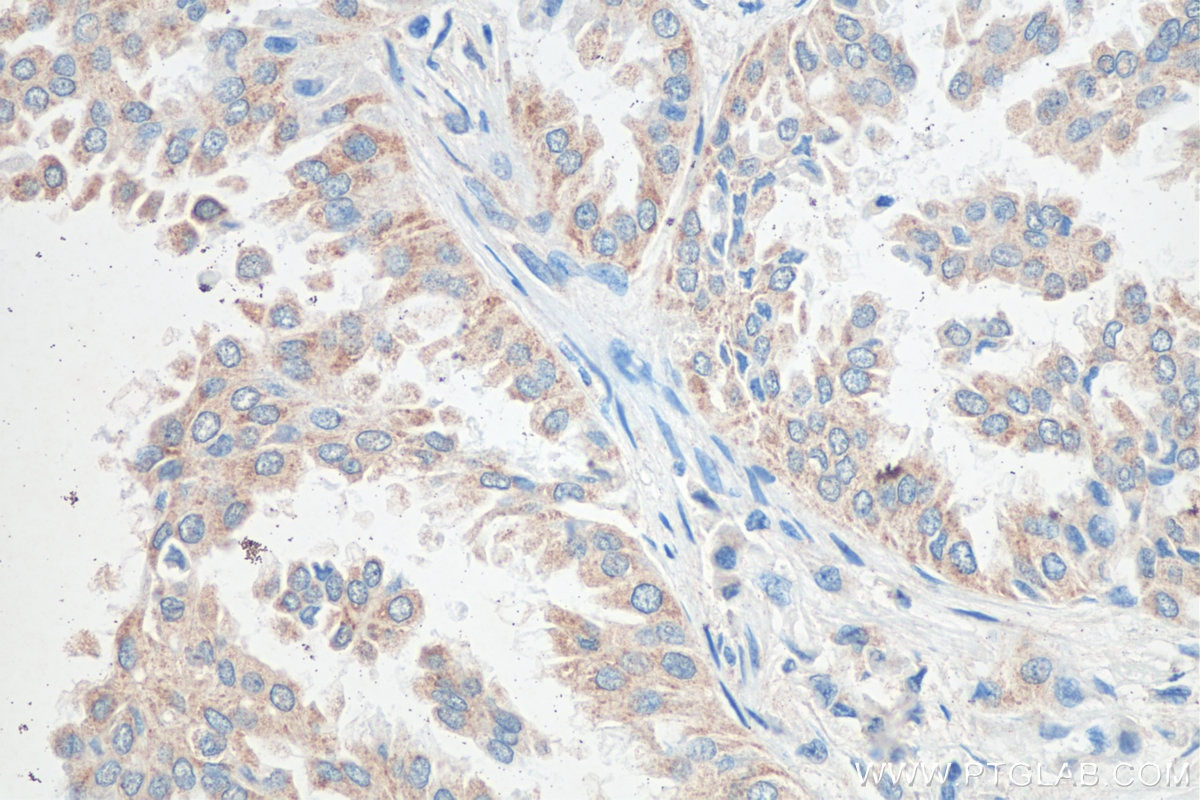
Informations sur le produit
68116-1-PBS cible PGAM5 dans les applications de WB, IHC, ELISA et montre une réactivité avec des échantillons Humain, Lapin, porc, rat, souris
| Réactivité | Humain, Lapin, porc, rat, souris |
| Hôte / Isotype | Mouse / IgG1 |
| Clonalité | Monoclonal |
| Type | Anticorps |
| Immunogène | PGAM5 Protéine recombinante Ag28195 |
| Nom complet | phosphoglycerate mutase family member 5 |
| Masse moléculaire calculée | 32 kDa |
| Poids moléculaire observé | 32 kDa |
| Numéro d’acquisition GenBank | BC008196 |
| Symbole du gène | PGAM5 |
| Identification du gène (NCBI) | 192111 |
| Conjugaison | Non conjugué |
| Forme | Liquide |
| Méthode de purification | Purification par protéine G |
| Tampon de stockage | PBS only |
| Conditions de stockage | Store at -80°C. 20ul contiennent 0,1% de BSA. |
Informations générales
Phosphoglycerate mutase 5 (PGAM5) is a mitochondrial Serine (Ser)/Threonine (Thr) phosphatase normally located in the inner mitochondrial membrane. Upon mitochondrial dysfunction, PGAM5 recruits and dephosphorylates Drp1 at Ser-637, triggers its GTPase activity and promotes mitochondrial fission. PGAM5 regulates mitophagy by stabilizing PINK1 under stress conditions, which recruits E3 ubiquitin ligase PARKIN for degradation of the damaged mitochondria. PGAM5 can be cleaved and released to the cytoplasm through PARKIN, which activates Wnt signaling and induces mitochondrial biogenesis (PMID: 32439975). PGAM5 has 2 isoforms with the molecular mass of 28 and 32 kDa.


