Anticorps Monoclonal anti-PHGDH
PHGDH Monoclonal Antibody for WB, IHC, IF/ICC, IP, Indirect ELISA
Hôte / Isotype
Mouse / IgG1
Réactivité testée
Humain, rat, souris
Applications
WB, IHC, IF/ICC, IP, Indirect ELISA
Conjugaison
Non conjugué
CloneNo.
1E8B8
N° de cat : 67591-1-PBS
Synonymes
Galerie de données de validation
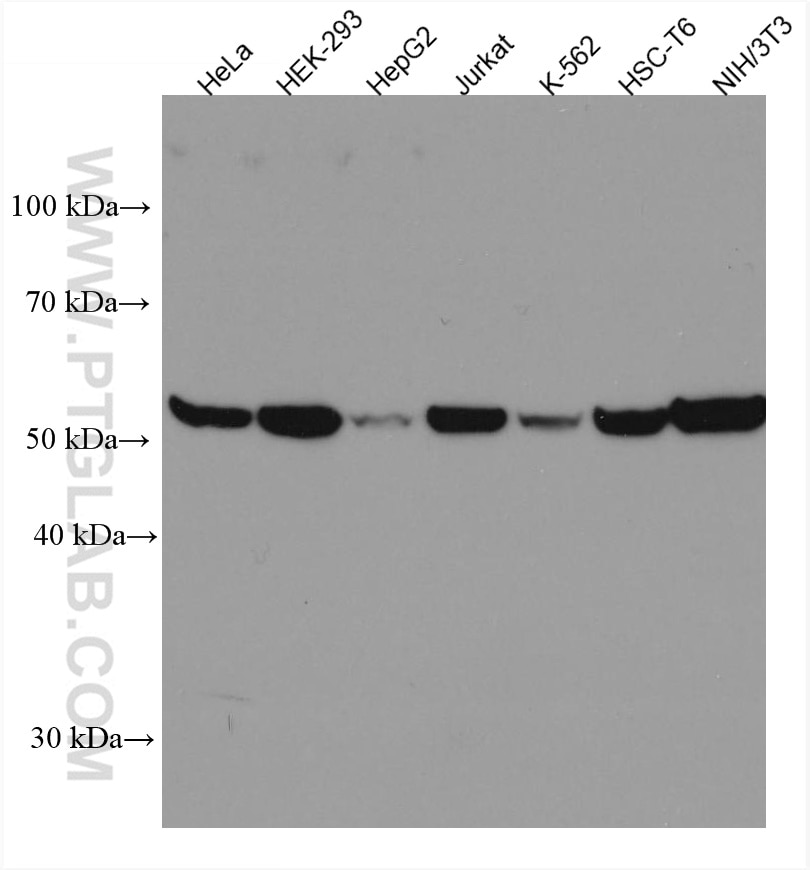
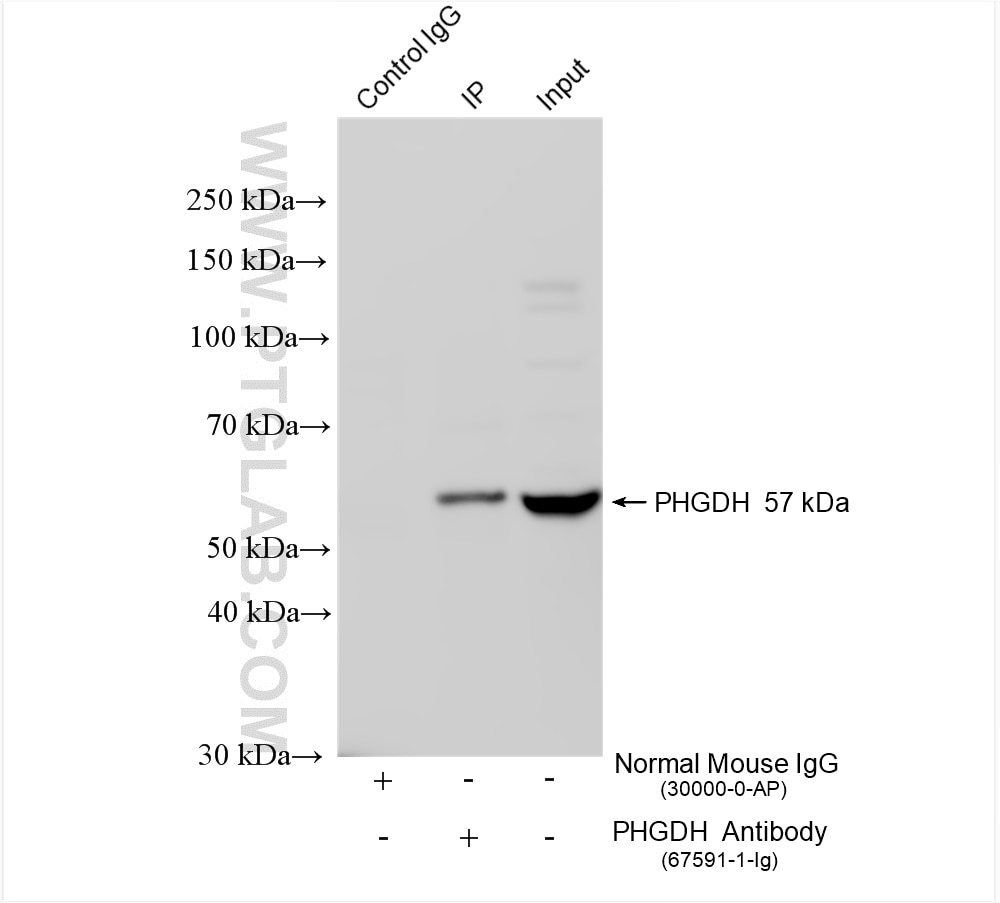
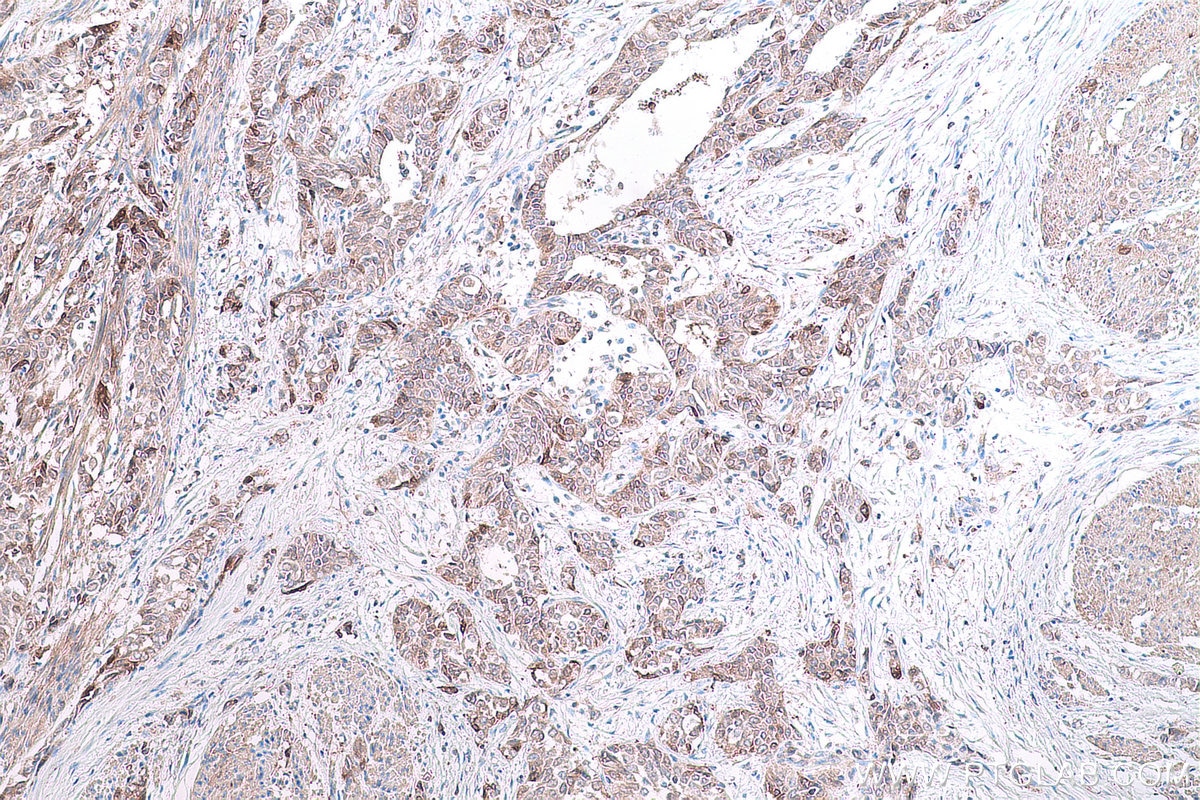
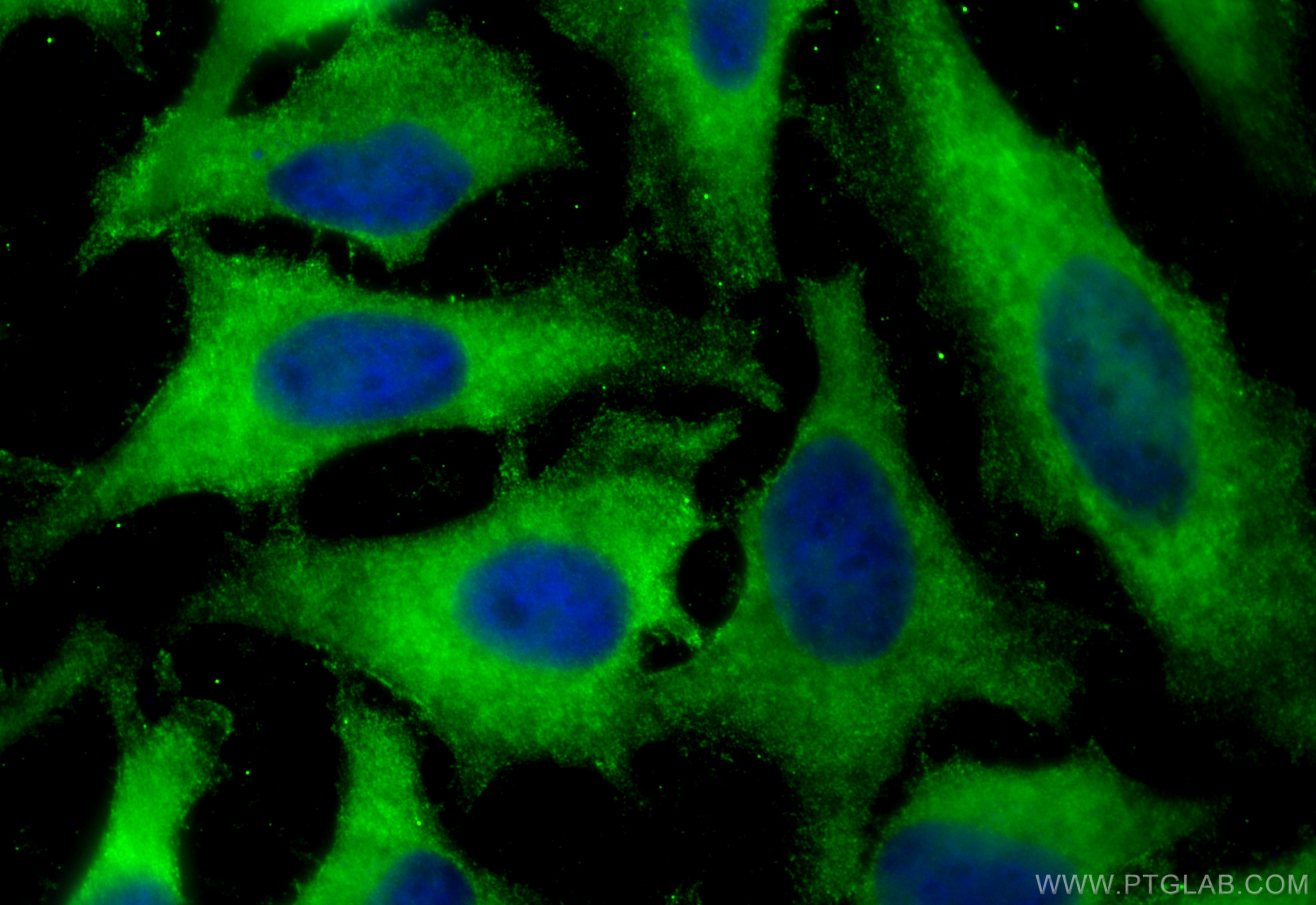
Informations sur le produit
67591-1-PBS cible PHGDH dans les applications de WB, IHC, IF/ICC, IP, Indirect ELISA et montre une réactivité avec des échantillons Humain, rat, souris
| Réactivité | Humain, rat, souris |
| Hôte / Isotype | Mouse / IgG1 |
| Clonalité | Monoclonal |
| Type | Anticorps |
| Immunogène | PHGDH Protéine recombinante Ag6877 |
| Nom complet | phosphoglycerate dehydrogenase |
| Masse moléculaire calculée | 57 kDa |
| Poids moléculaire observé | 57 kDa |
| Numéro d’acquisition GenBank | BC000303 |
| Symbole du gène | PHGDH |
| Identification du gène (NCBI) | 26227 |
| Conjugaison | Non conjugué |
| Forme | Liquide |
| Méthode de purification | Purification par protéine G |
| Tampon de stockage | PBS only |
| Conditions de stockage | Store at -80°C. 20ul contiennent 0,1% de BSA. |
Informations générales
PHGDH(D-3-phosphoglycerate dehydrogenase) is also named as 3-PGDH, PGDH3 and belongs to the D-isomer specific 2-hydroxyacid dehydrogenase family. It catalyzes the transition of 3-phosphoglycerate into 3-phosphohydroxypyruvate, which is the first and rate-limiting step in the phosphorylated pathway of serine biosynthesis, using NAD+/NADH as a cofactor. 3-PGDH deficiency is a rare recessive inborn error in the biosynthesis of the amino acid L-serine characterized clinically by congenital microcephaly, psychomotor retardation, and intractable seizures(PMID:19235232 ).


