- Phare
- Validé par KD/KO
Anticorps Polyclonal de lapin anti-PINK1
PINK1 Polyclonal Antibody for WB, IHC, IF-P, ELISA
Hôte / Isotype
Lapin / IgG
Réactivité testée
Humain, rat, souris
Applications
WB, IHC, IF-P, ELISA
Conjugaison
Non conjugué
N° de cat : 23274-1-PBS
Synonymes
Galerie de données de validation
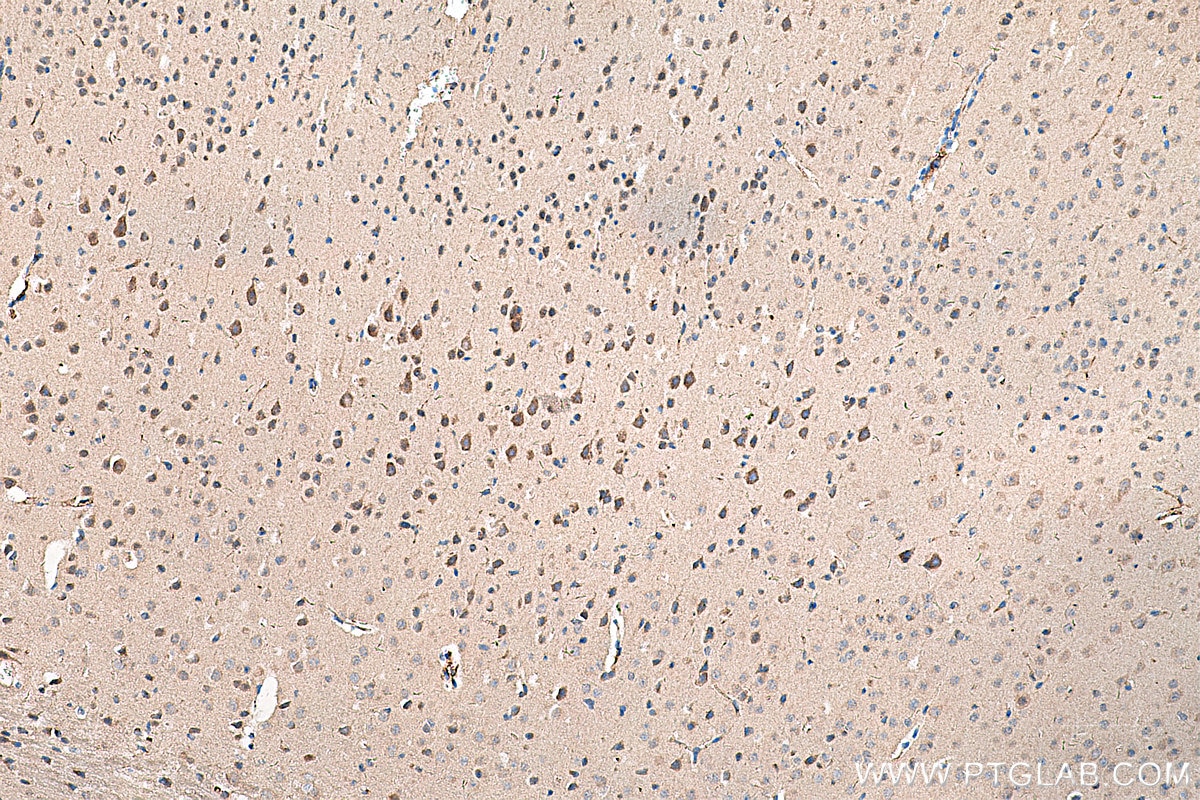
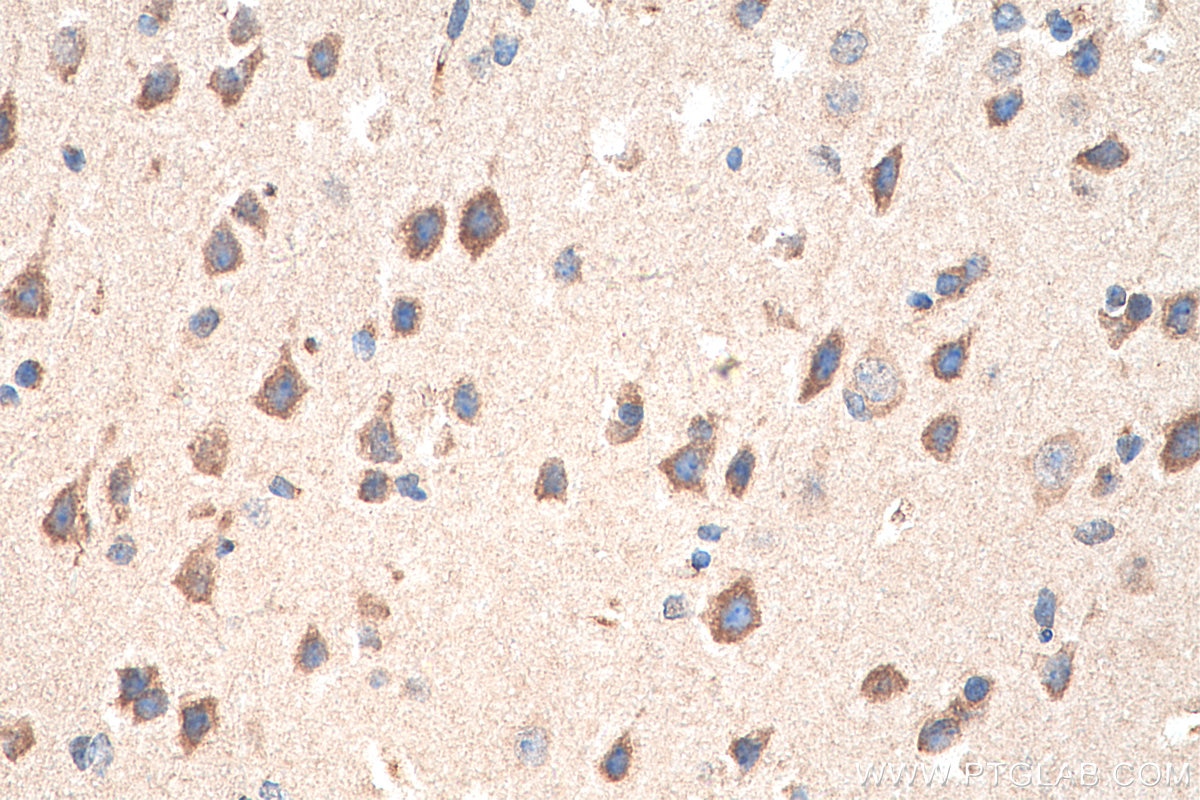
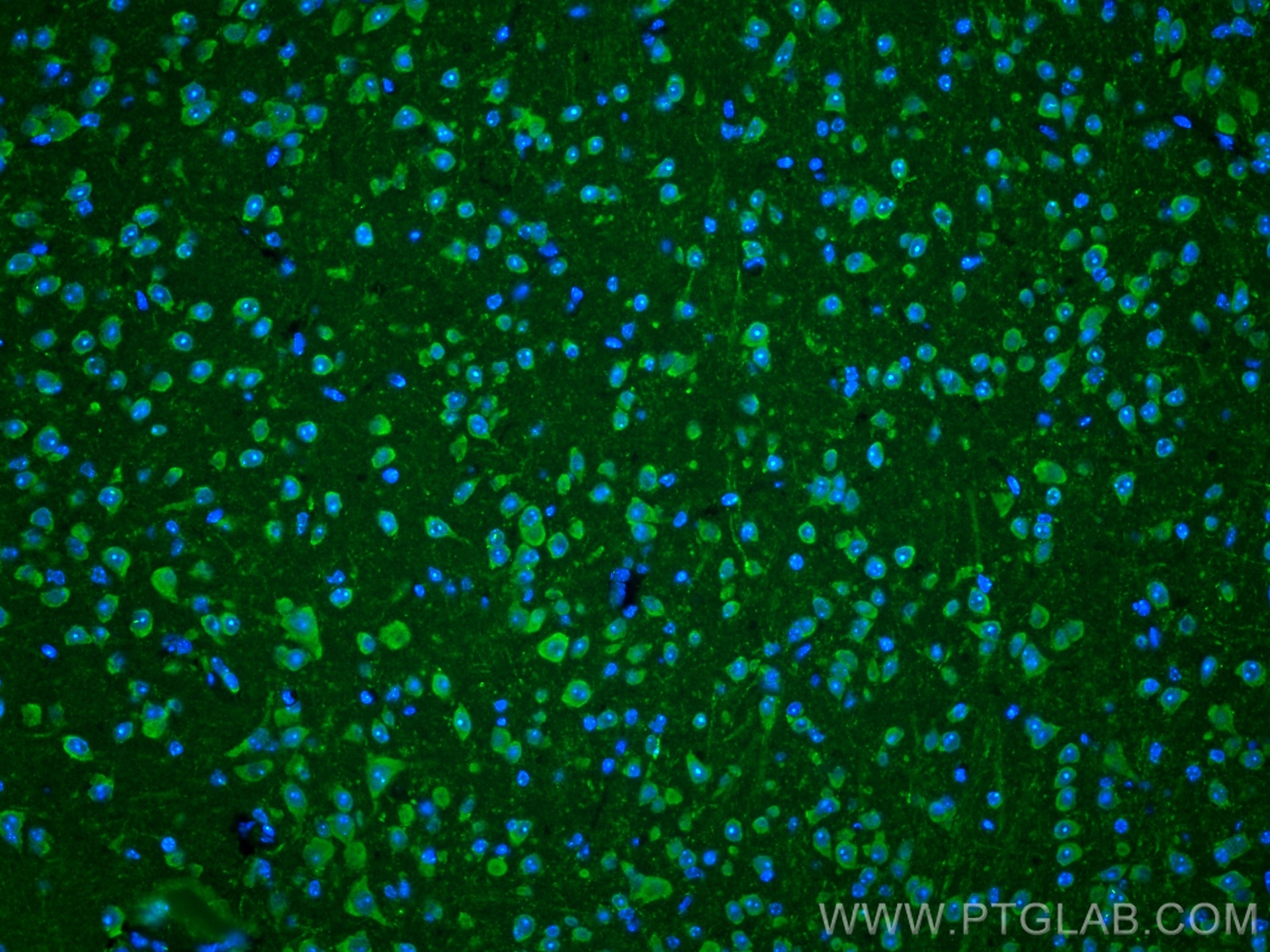
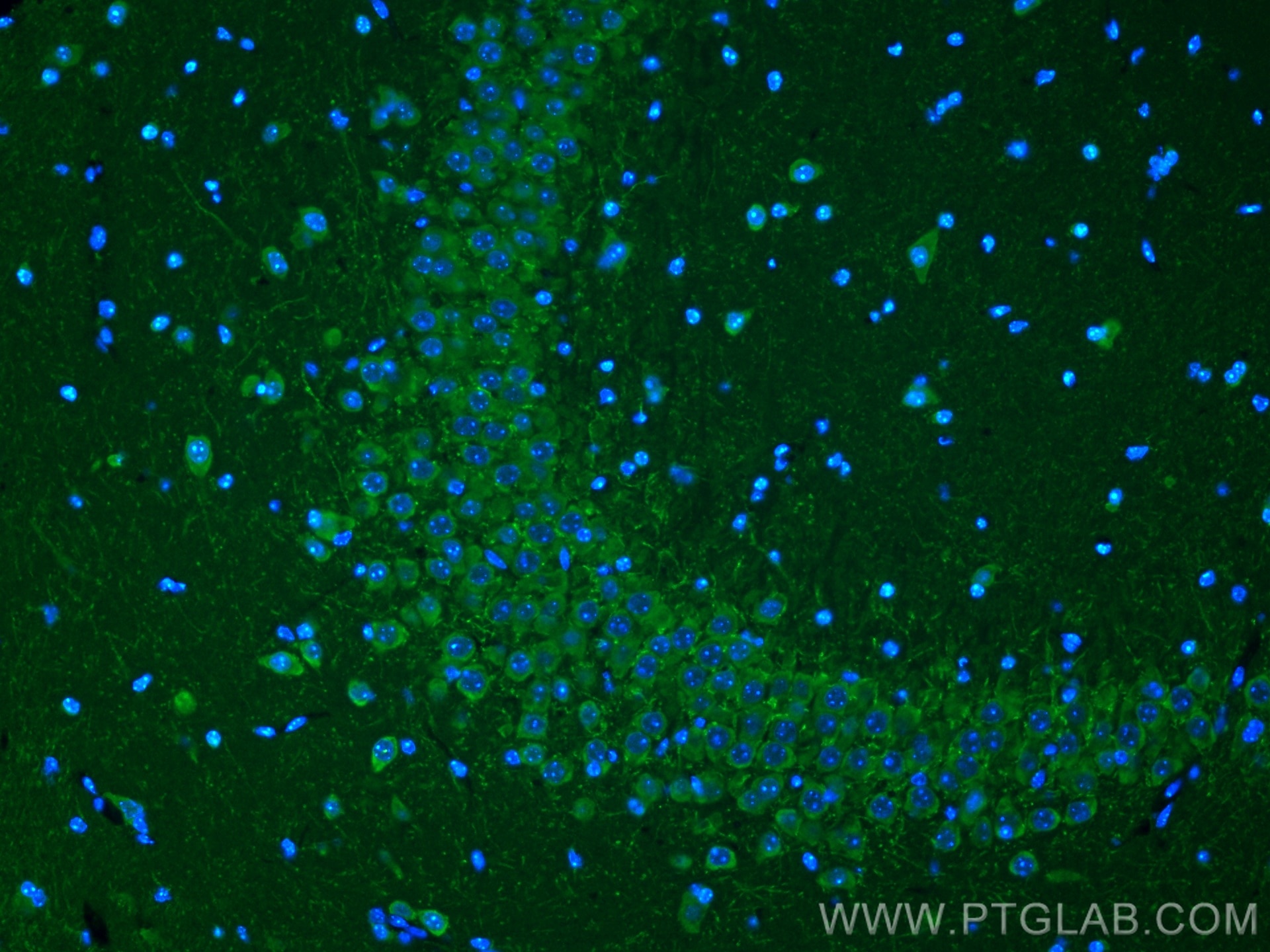
Informations sur le produit
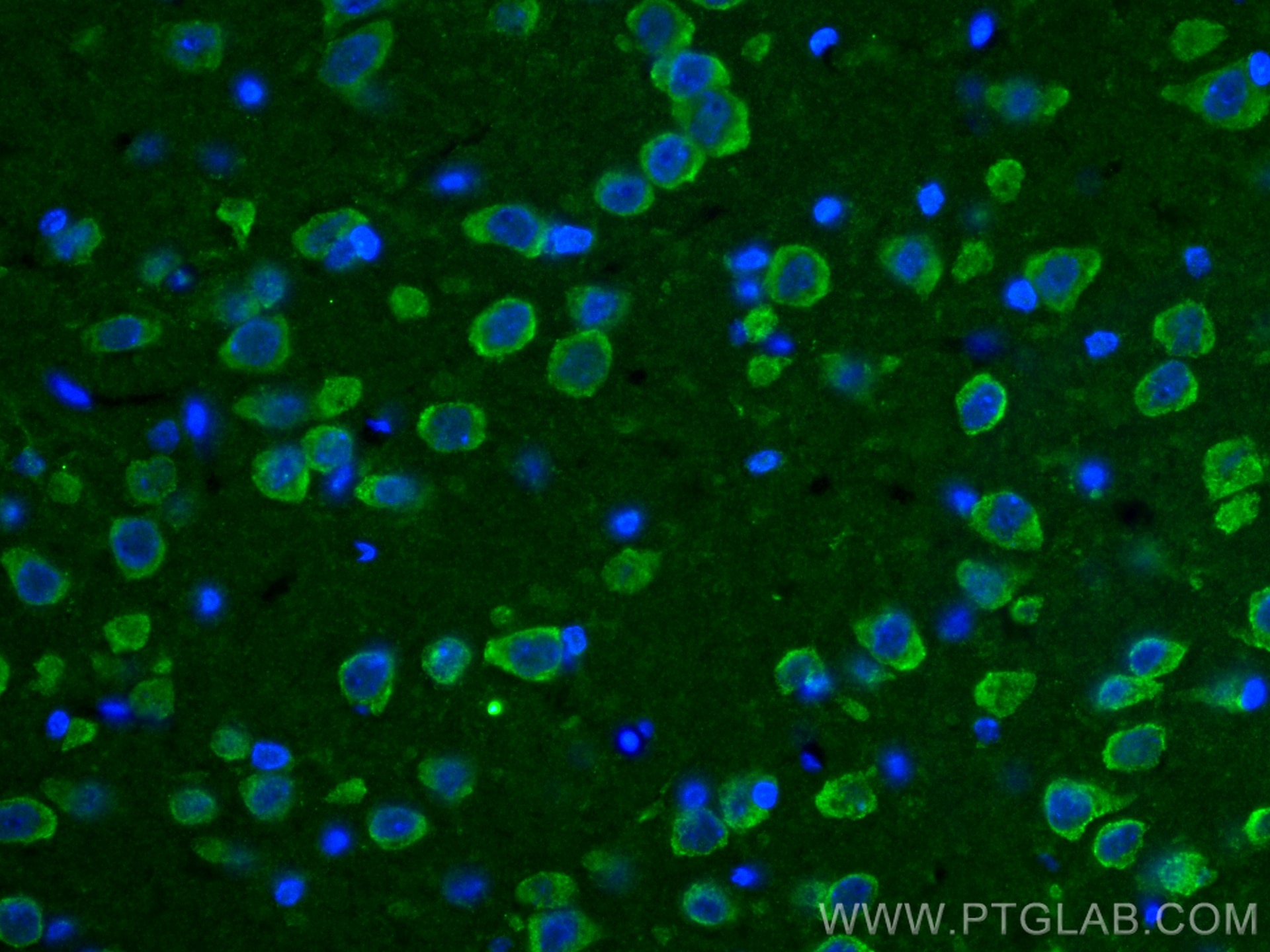
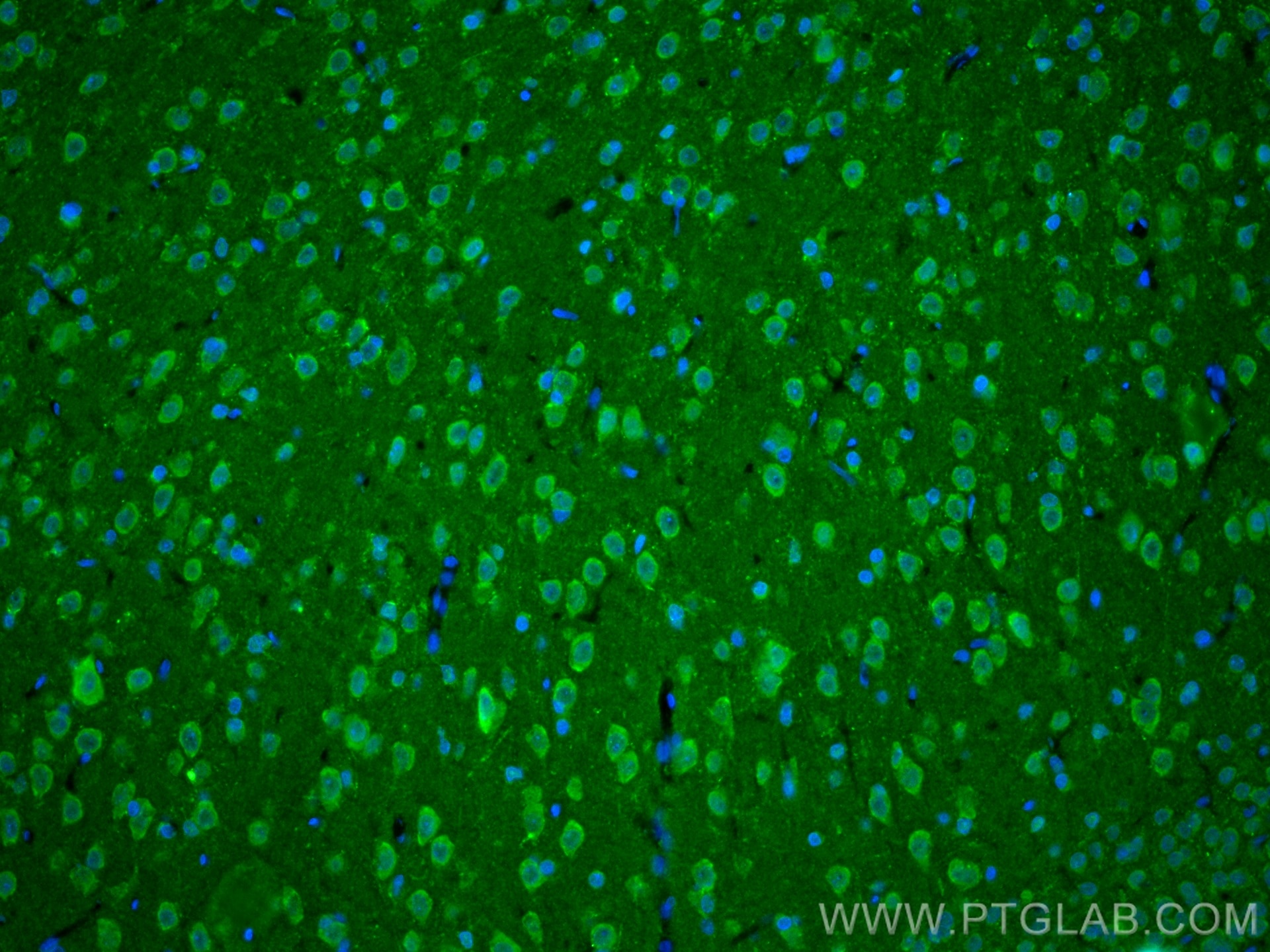
23274-1-PBS cible PINK1 dans les applications de WB, IHC, IF-P, ELISA et montre une réactivité avec des échantillons Humain, rat, souris
| Réactivité | Humain, rat, souris |
| Hôte / Isotype | Lapin / IgG |
| Clonalité | Polyclonal |
| Type | Anticorps |
| Immunogène | PINK1 Protéine recombinante Ag19825 |
| Nom complet | PTEN induced putative kinase 1 |
| Masse moléculaire calculée | 581 aa, 63 kDa |
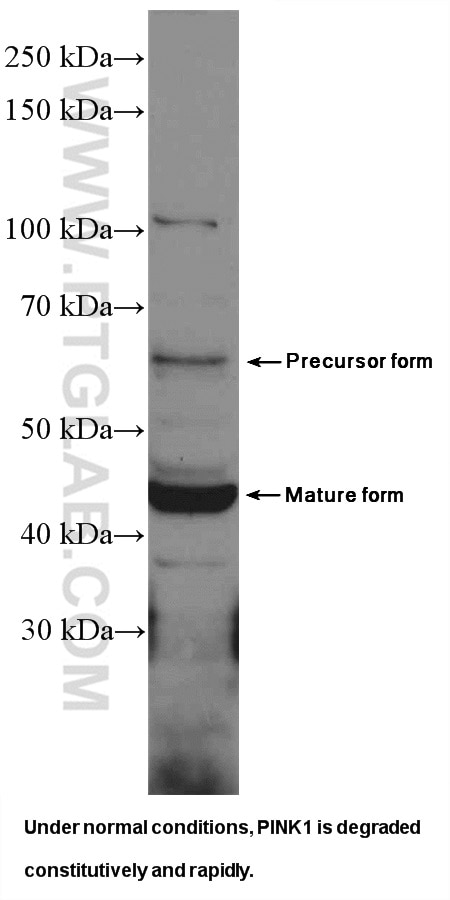
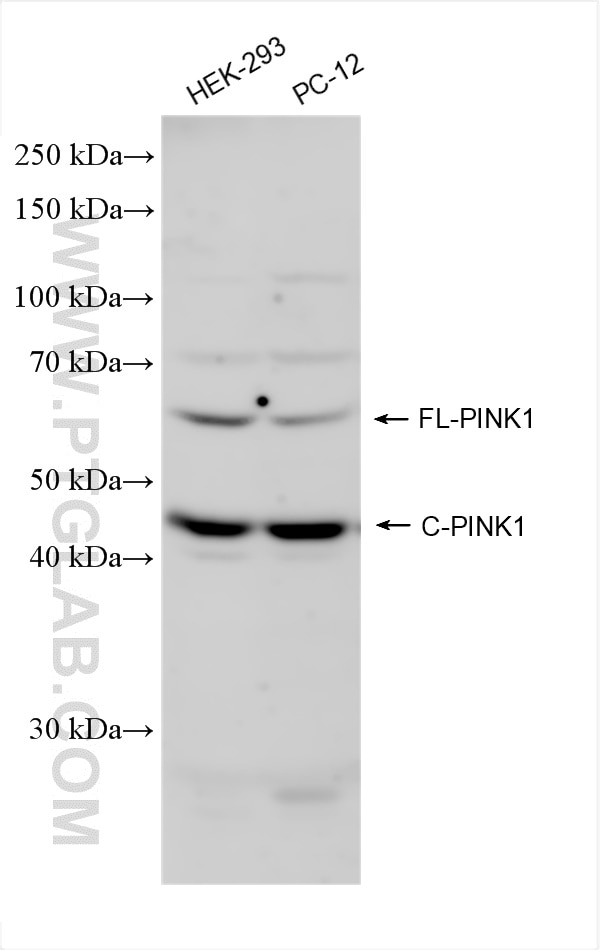
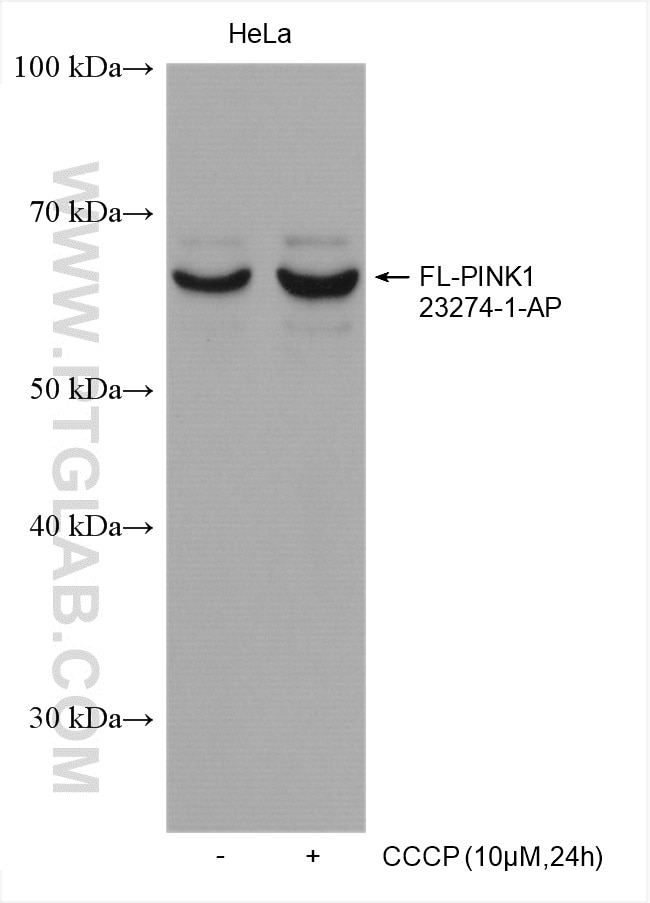
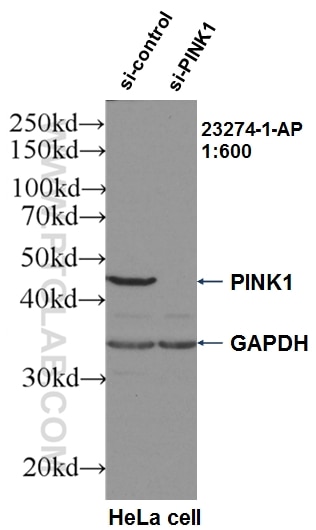
| Poids moléculaire observé | 65 kDa, 45 kDa |
| Numéro d’acquisition GenBank | BC028215 |
| Symbole du gène | PINK1 |
| Identification du gène (NCBI) | 65018 |
| Conjugaison | Non conjugué |
| Forme | Liquide |
| Méthode de purification | Purifié par affinité contre l'antigène |
| Tampon de stockage | PBS only |
| Conditions de stockage | Store at -80°C. 20ul contiennent 0,1% de BSA. |
Informations générales
PINK1 is a mitochondrial serine/threonine-protein kinase that protects cells from stress-induced mitochondrial dysfunction. The precursor of PINK1 (65 kDa) is synthesized in the cytosol and is imported into the outer membrane of mitochondria. PINK1 is further transferred into the inner membrane. The full-length PINK1 can be proteolytically processed into 52-55 kDa and 45-46 kDa forms (PMID: 18221368; 25108683; 18031932). The half-life of the mature form of PINK1 is very short and it was proposed that the proteasome is involved in its degradation (PMID: 23472196). The gene of PINK1 maps to chromosome 1p36.12. Two alternatively spliced variants exist, the shorter isoform (30 kDa) produced by alternative splicing. Mutations in the PINK1 gene cause autosomal recessive early-onset Parkinson's disease.


