Anticorps Polyclonal de lapin anti-PKIA
PKIA Polyclonal Antibody for IHC, IF/ICC, Indirect ELISA
Hôte / Isotype
Lapin / IgG
Réactivité testée
Humain, rat, souris
Applications
IHC, IF/ICC, Indirect ELISA
Conjugaison
Non conjugué
N° de cat : 11743-1-PBS
Synonymes
Galerie de données de validation
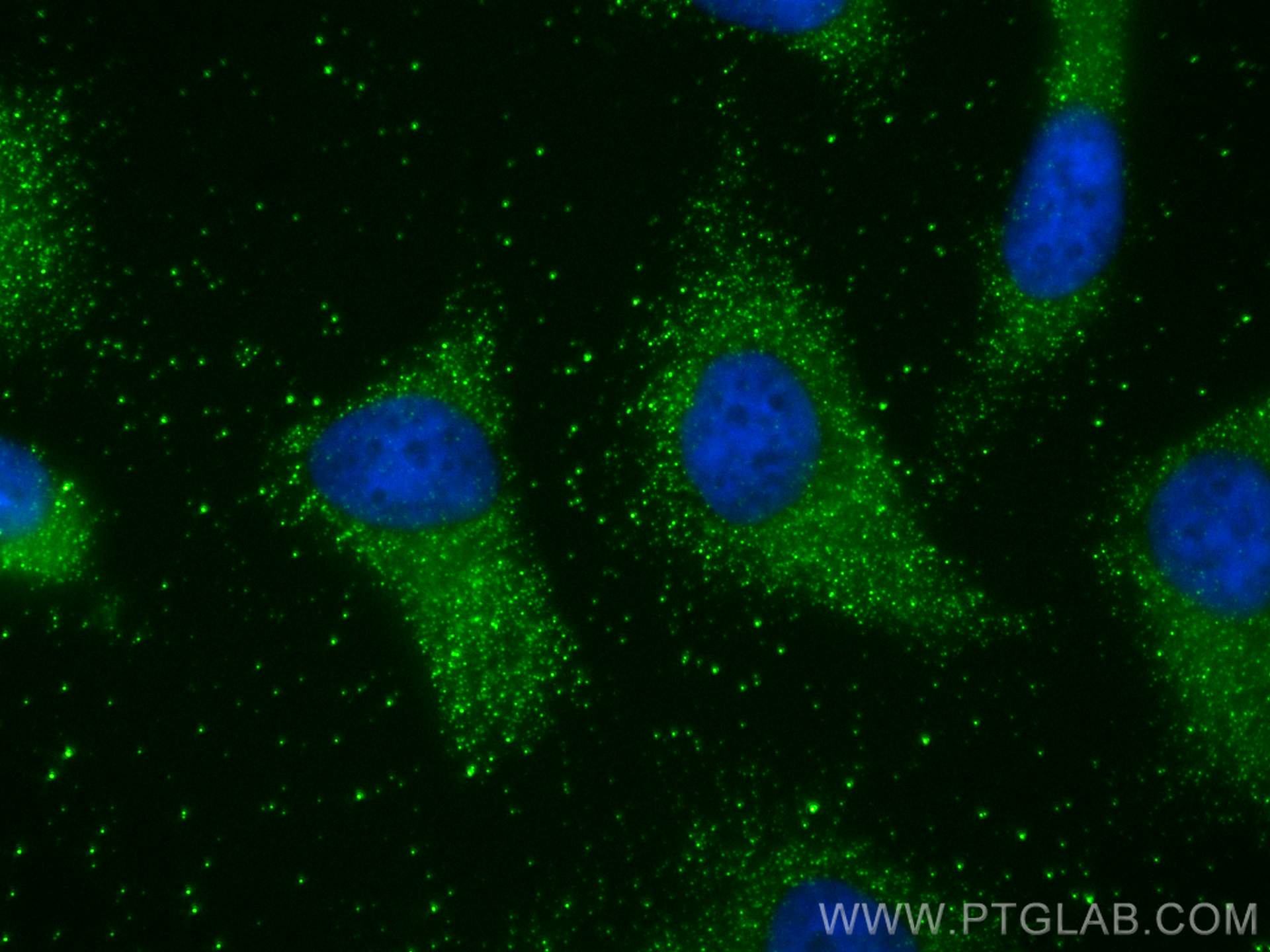
Informations sur le produit
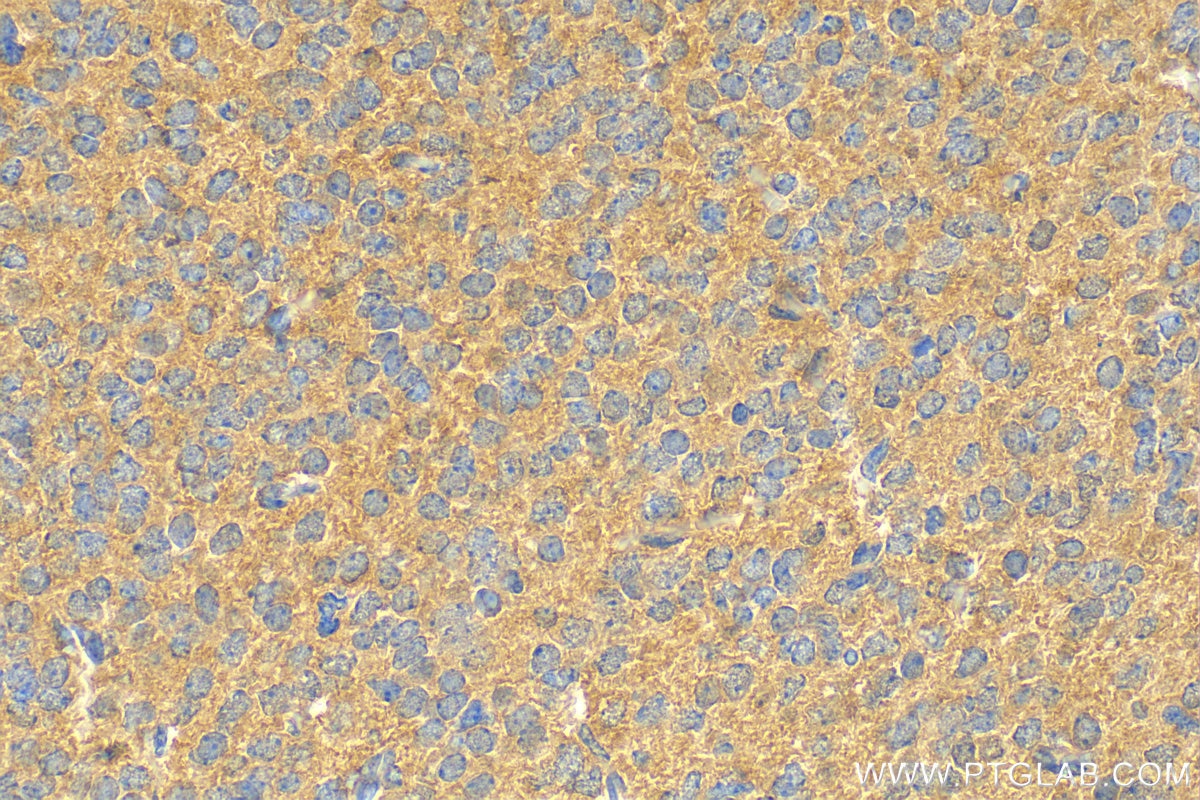
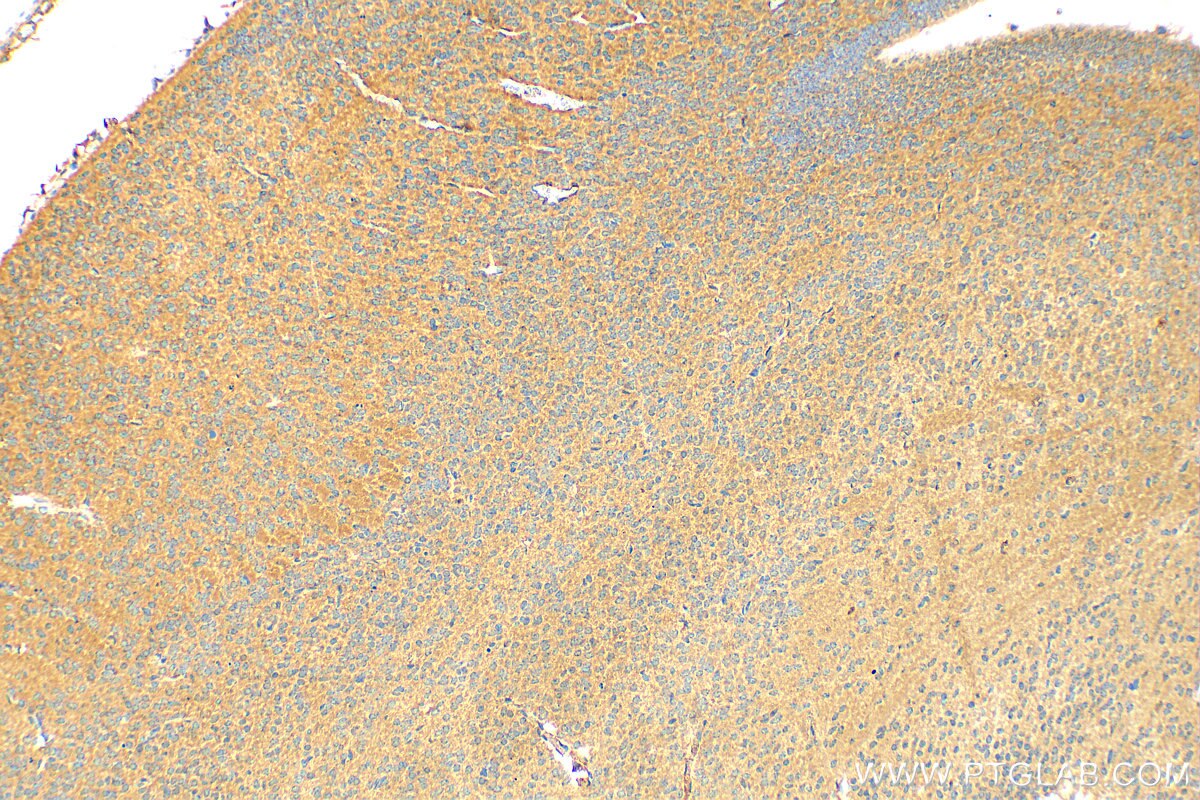
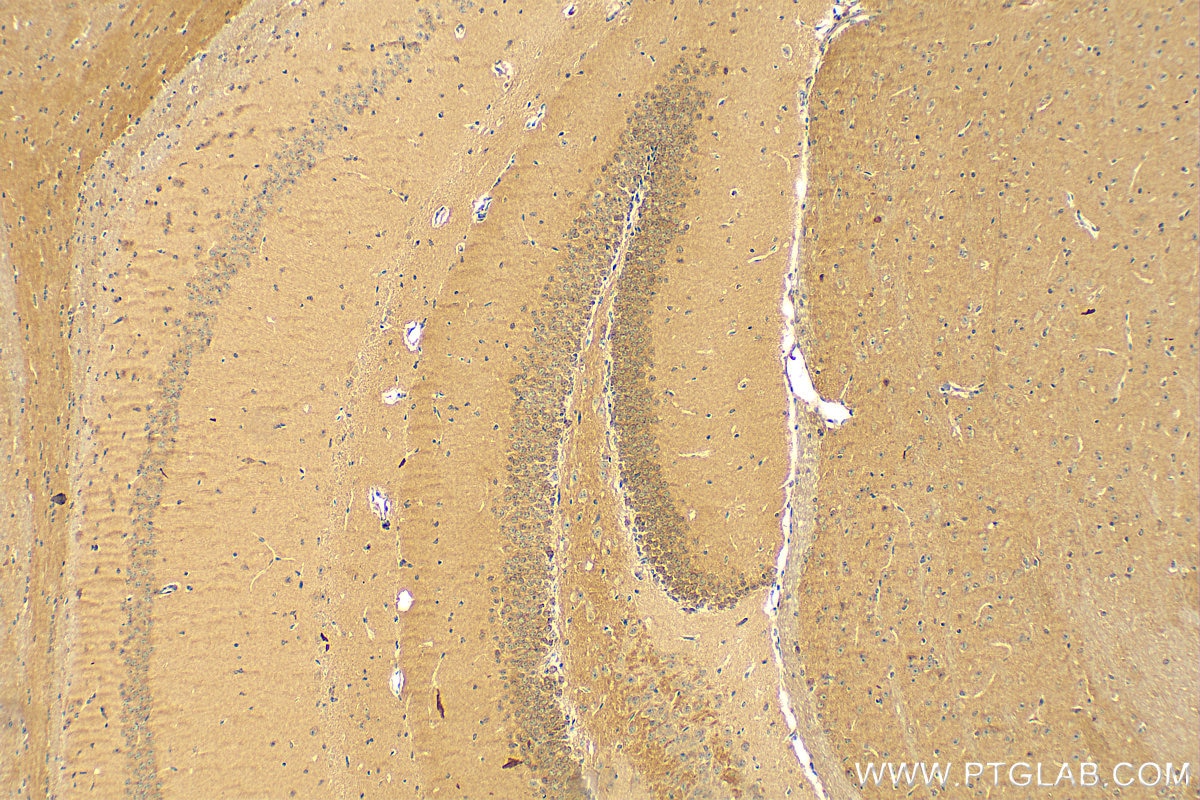
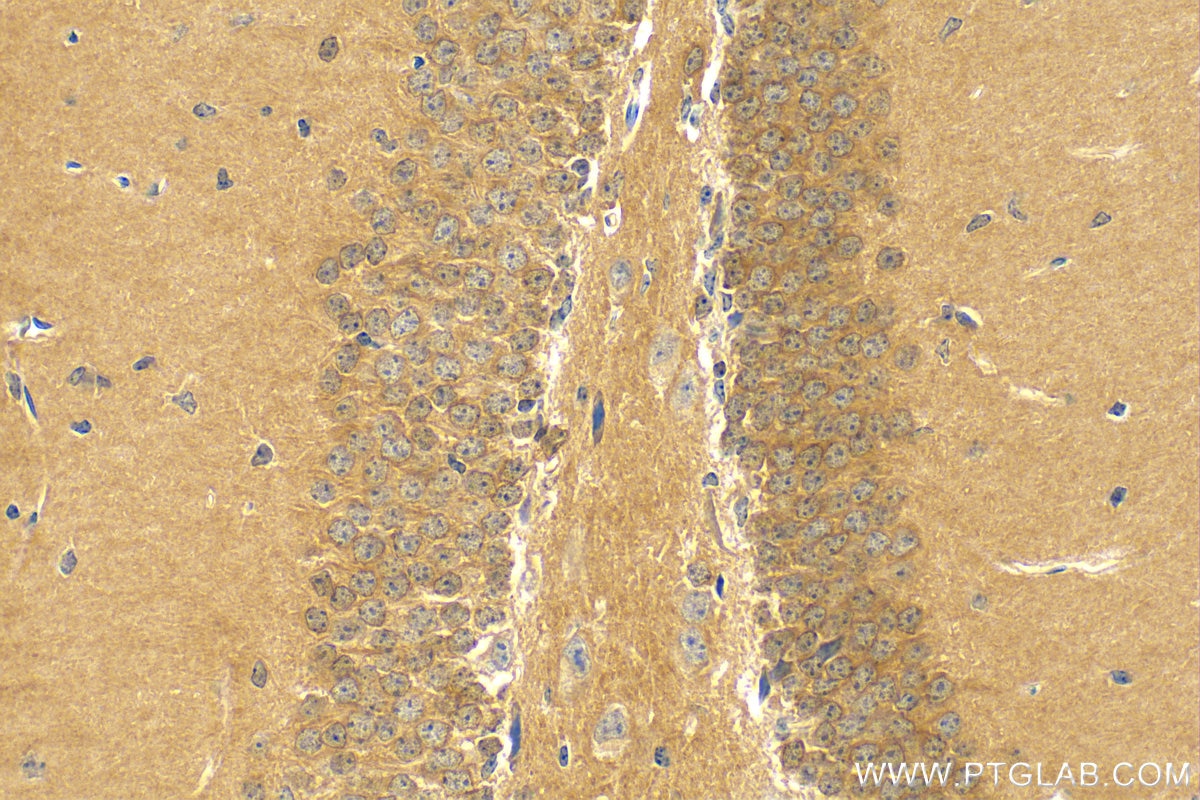
11743-1-PBS cible PKIA dans les applications de IHC, IF/ICC, Indirect ELISA et montre une réactivité avec des échantillons Humain, rat, souris
| Réactivité | Humain, rat, souris |
| Hôte / Isotype | Lapin / IgG |
| Clonalité | Polyclonal |
| Type | Anticorps |
| Immunogène | PKIA Protéine recombinante Ag2338 |
| Nom complet | protein kinase (cAMP-dependent, catalytic) inhibitor alpha |
| Masse moléculaire calculée | 76 aa, 8 kDa |
| Numéro d’acquisition GenBank | BC022265 |
| Symbole du gène | PKIA |
| Identification du gène (NCBI) | 5569 |
| Conjugaison | Non conjugué |
| Forme | Liquide |
| Méthode de purification | Purification par affinité contre l'antigène |
| Tampon de stockage | PBS only |
| Conditions de stockage | Store at -80°C. 20ul contiennent 0,1% de BSA. |
Informations générales
cAMP-dependent protein kinase inhibitor alpha (PKIA) is also named as PRKACN1, and belongs to the PKI family. Among them, PKIA, a member of protein kinase A (PKA) inhibitor family, was found to be most significantly and highly expressed in susceptible animals (PMID:24910983). Decreased PKIA signaling would directly impact PKA activation, potentially inducing DRP1 phosphorylation and increasing ER Ca2+ stores (PMID:32152556). miR-129-5p activated PKA to regulate the phosphorylation of beta-catenin and cAMP-response element binding protein (CREB) by inhibiting PKIA (PMID:36222334).


