- Phare
- Validé par KD/KO
Anticorps Monoclonal anti-PLOD3
PLOD3 Monoclonal Antibody for WB, IHC, IF/ICC, IP, ELISA
Hôte / Isotype
Mouse / IgG2a
Réactivité testée
Humain, rat, souris
Applications
WB, IHC, IF/ICC, IP, ELISA
Conjugaison
Non conjugué
CloneNo.
2G12B8
N° de cat : 60058-1-Ig
Synonymes
Galerie de données de validation
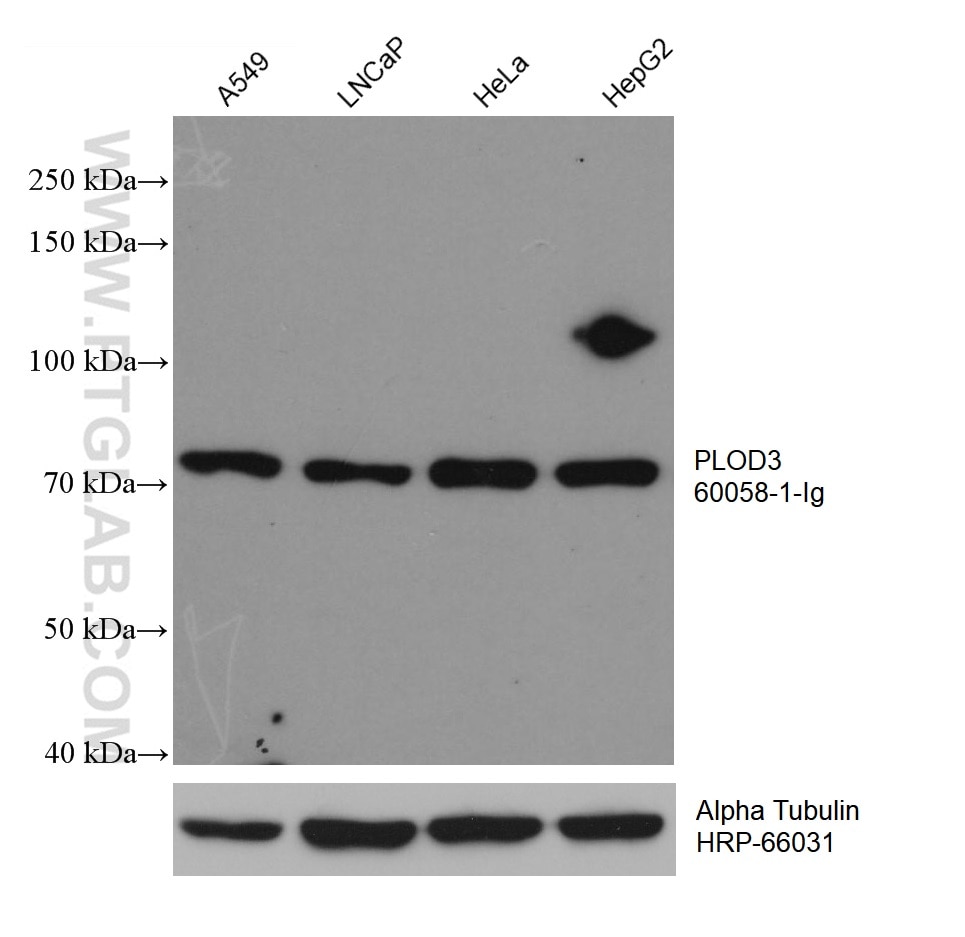
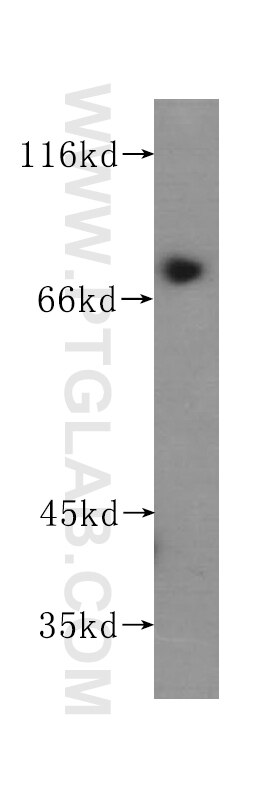
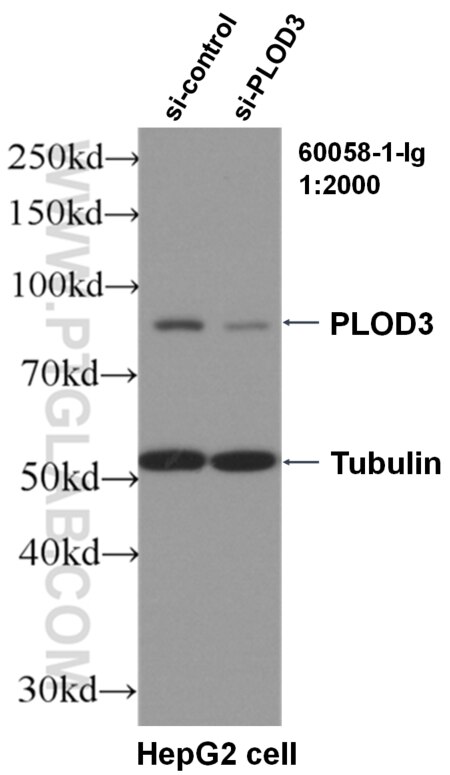
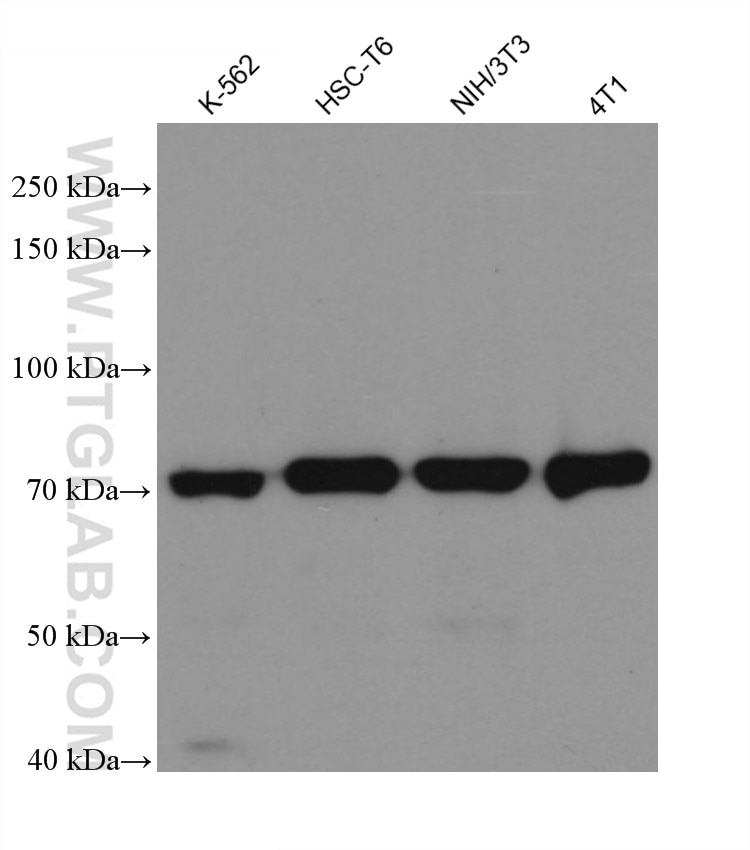
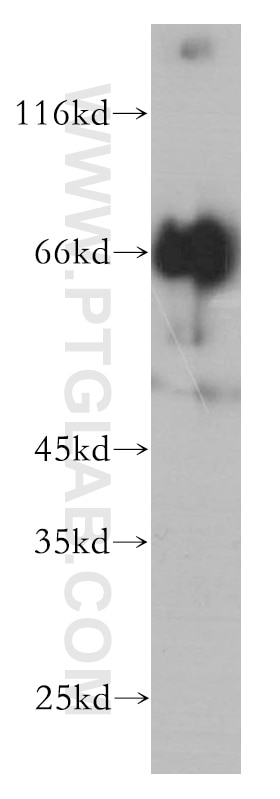
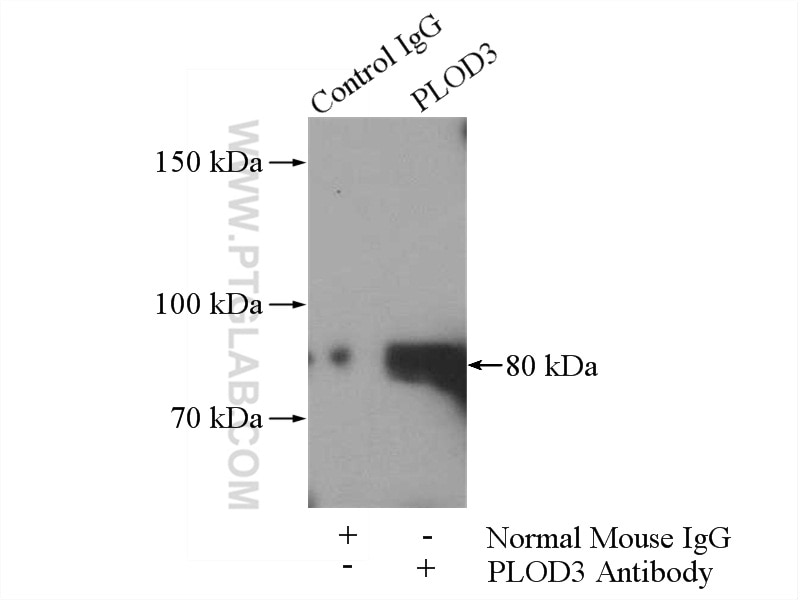
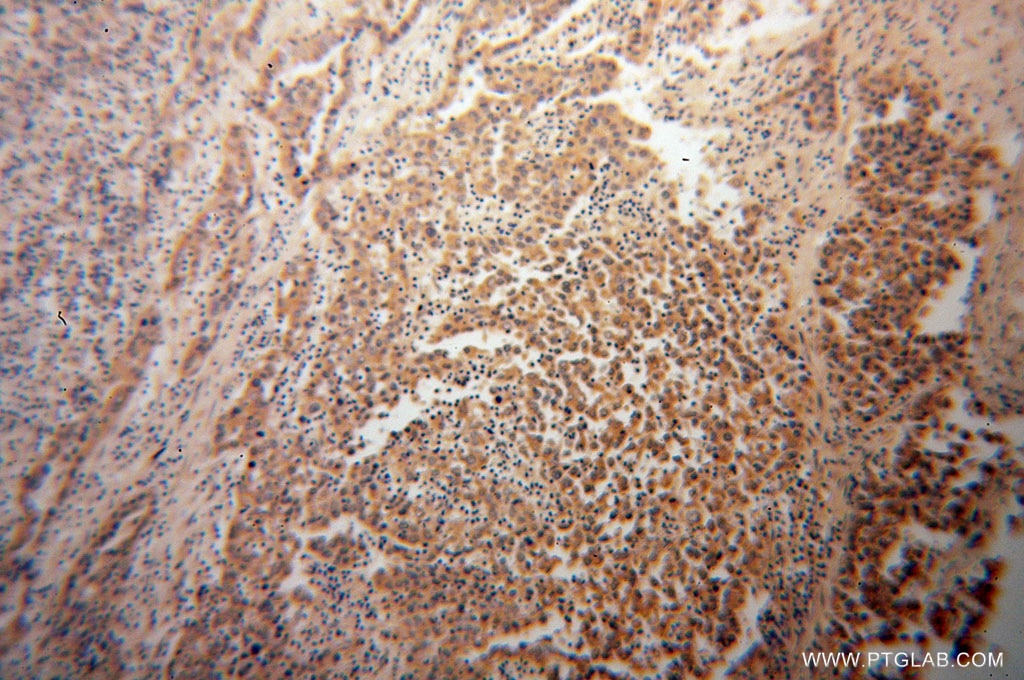
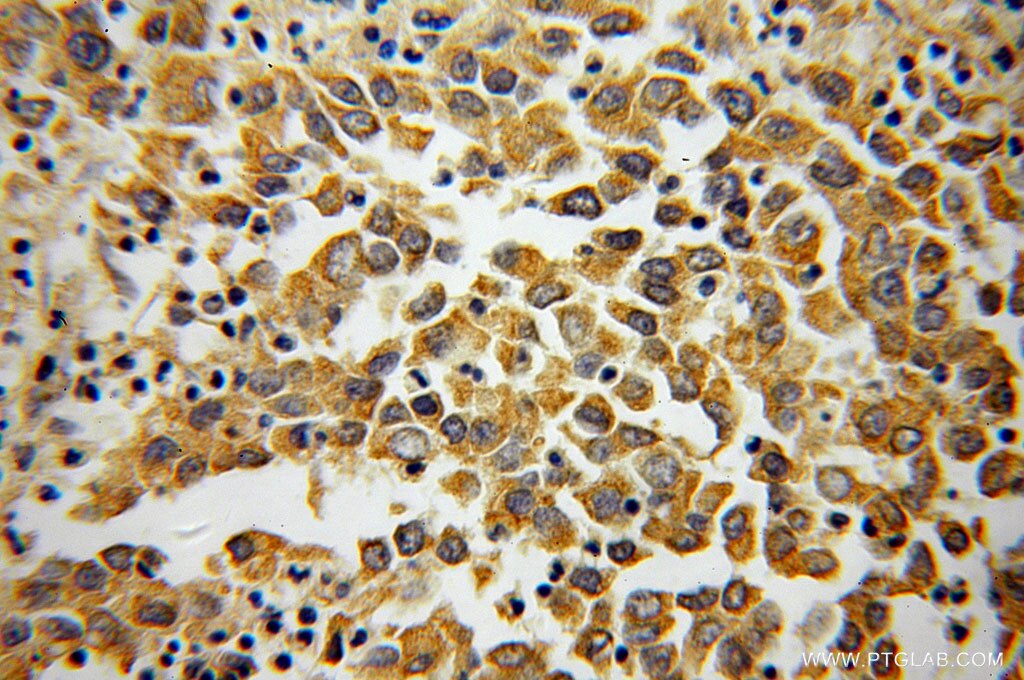
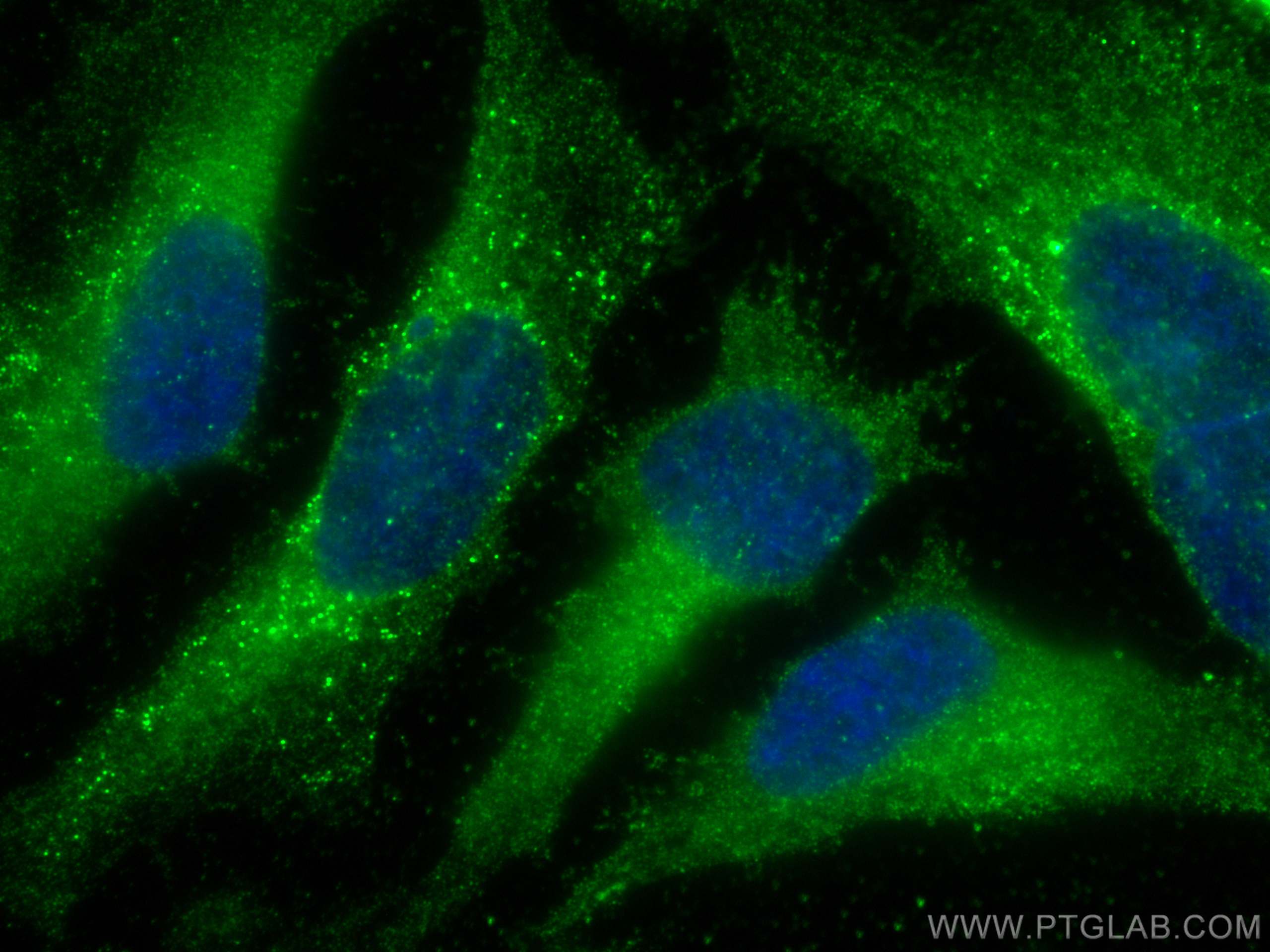
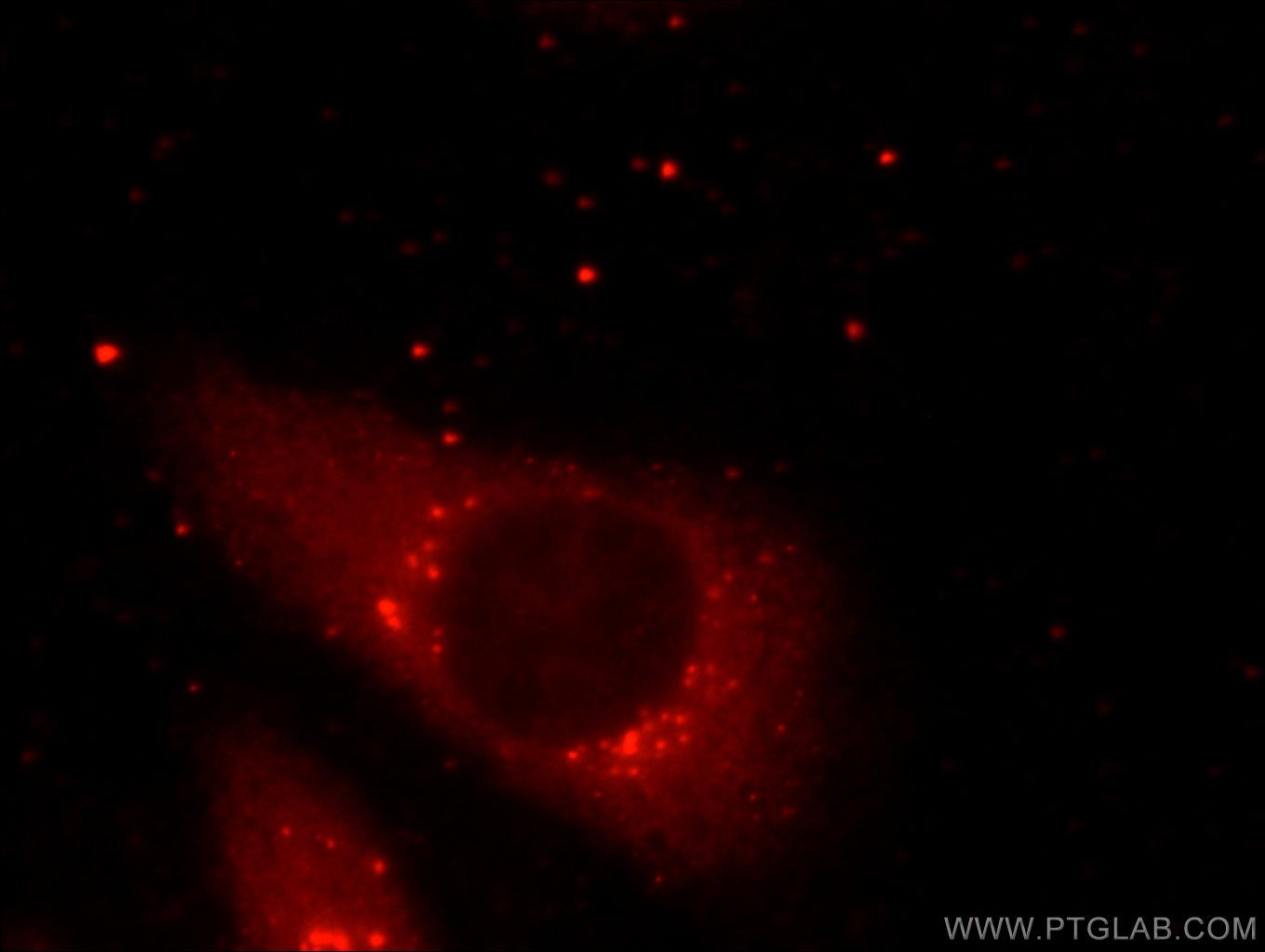
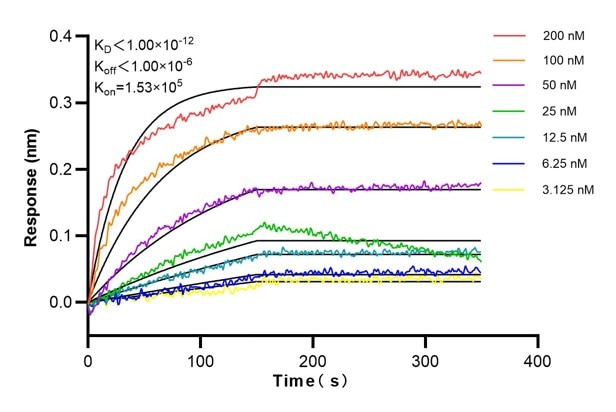
Applications testées
| Résultats positifs en WB | cellules A549, cellules 4T1, cellules HeLa, cellules HepG2, cellules HSC-T6, cellules K-562, cellules LNCaP, cellules NIH/3T3, cellules PC-3, tissu placentaire humain |
| Résultats positifs en IP | cellules HeLa |
| Résultats positifs en IHC | tissu de cancer du pancréas humain il est suggéré de démasquer l'antigène avec un tampon de TE buffer pH 9.0; (*) À défaut, 'le démasquage de l'antigène peut être 'effectué avec un tampon citrate pH 6,0. |
| Résultats positifs en IF/ICC | cellules HeLa, |
Dilution recommandée
| Application | Dilution |
|---|---|
| Western Blot (WB) | WB : 1:5000-1:50000 |
| Immunoprécipitation (IP) | IP : 0.5-4.0 ug for 1.0-3.0 mg of total protein lysate |
| Immunohistochimie (IHC) | IHC : 1:20-1:200 |
| Immunofluorescence (IF)/ICC | IF/ICC : 1:200-1:800 |
| It is recommended that this reagent should be titrated in each testing system to obtain optimal results. | |
| Sample-dependent, check data in validation data gallery | |
Applications publiées
| WB | See 3 publications below |
Informations sur le produit
60058-1-Ig cible PLOD3 dans les applications de WB, IHC, IF/ICC, IP, ELISA et montre une réactivité avec des échantillons Humain, rat, souris
| Réactivité | Humain, rat, souris |
| Réactivité citée | Humain, souris |
| Hôte / Isotype | Mouse / IgG2a |
| Clonalité | Monoclonal |
| Type | Anticorps |
| Immunogène | PLOD3 Protéine recombinante Ag1480 |
| Nom complet | procollagen-lysine, 2-oxoglutarate 5-dioxygenase 3 |
| Masse moléculaire calculée | 738 aa, 85 kDa |
| Poids moléculaire observé | 80-85 kDa |
| Numéro d’acquisition GenBank | BC011674 |
| Symbole du gène | PLOD3 |
| Identification du gène (NCBI) | 8985 |
| Conjugaison | Non conjugué |
| Forme | Liquide |
| Méthode de purification | Purification par protéine A |
| Tampon de stockage | PBS with 0.02% sodium azide and 50% glycerol |
| Conditions de stockage | Stocker à -20°C. Stable pendant un an après l'expédition. L'aliquotage n'est pas nécessaire pour le stockage à -20oC Les 20ul contiennent 0,1% de BSA. |
Informations générales
PLOD3, also named as LH3, forms hydroxylysine residues in -Xaa-Lys-Gly- sequences in collagens. These hydroxylysines serve as sites of attachment for carbohydrate units and are essential for the stability of the intermolecular collagen cross-links. The major function of PLOD3 in osteoblasts is to glucosylate galactosylhydroxylysine residues in type I collagen.
Protocole
| Product Specific Protocols | |
|---|---|
| WB protocol for PLOD3 antibody 60058-1-Ig | Download protocol |
| IHC protocol for PLOD3 antibody 60058-1-Ig | Download protocol |
| IF protocol for PLOD3 antibody 60058-1-Ig | Download protocol |
| IP protocol for PLOD3 antibody 60058-1-Ig | Download protocol |
| Standard Protocols | |
|---|---|
| Click here to view our Standard Protocols |
Publications
| Species | Application | Title |
|---|---|---|
PLoS One Lysyl Hydroxylase 3 Localizes to Epidermal Basement Membrane and Is Reduced in Patients with Recessive Dystrophic Epidermolysis Bullosa. | ||
Matrix Biol Plus Use of osteoblast-derived matrix to assess the influence of collagen modifications on cancer cells. | ||
JCI Insight Transcriptional control of a collagen deposition and adhesion process that promotes lung adenocarcinoma growth and metastasis. |


