Anticorps Polyclonal de lapin anti-PTGDS
PTGDS Polyclonal Antibody for WB, IHC, IP, Indirect ELISA
Hôte / Isotype
Lapin / IgG
Réactivité testée
Humain, souris
Applications
WB, IHC, IP, Indirect ELISA
Conjugaison
Non conjugué
N° de cat : 10754-2-PBS
Synonymes
Galerie de données de validation
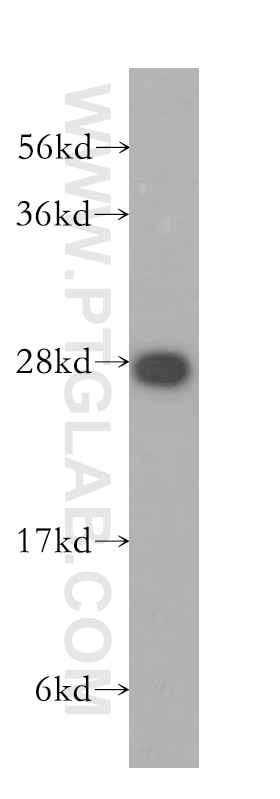
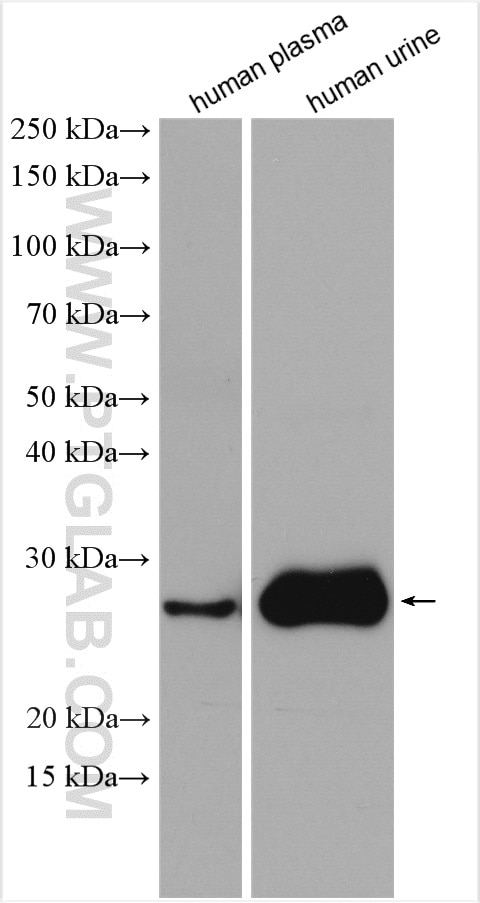
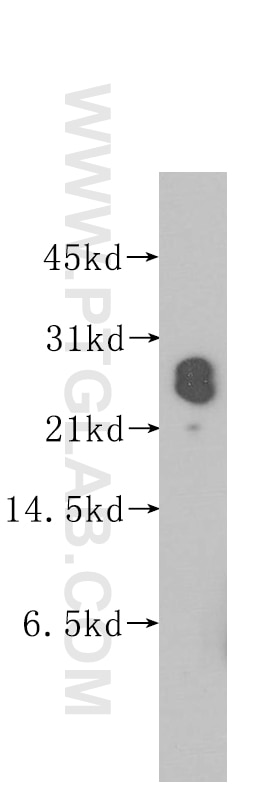
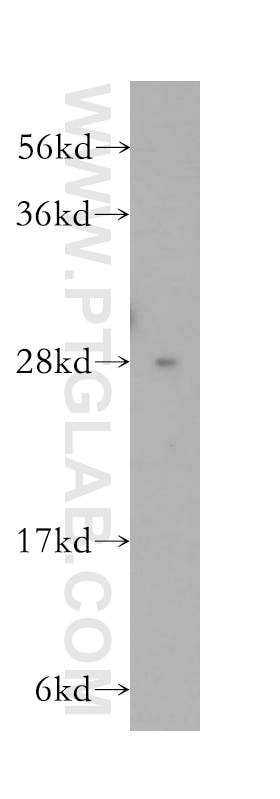
Informations sur le produit
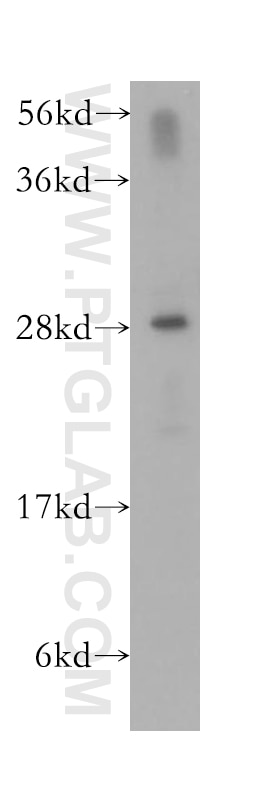
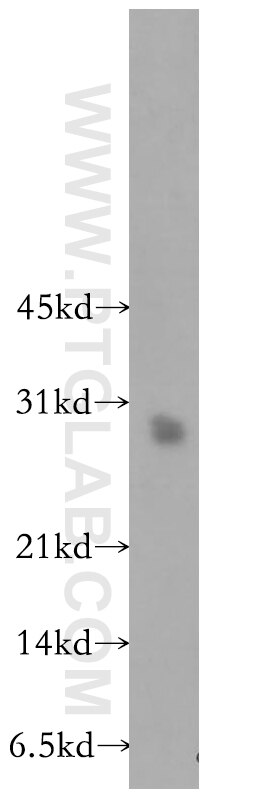
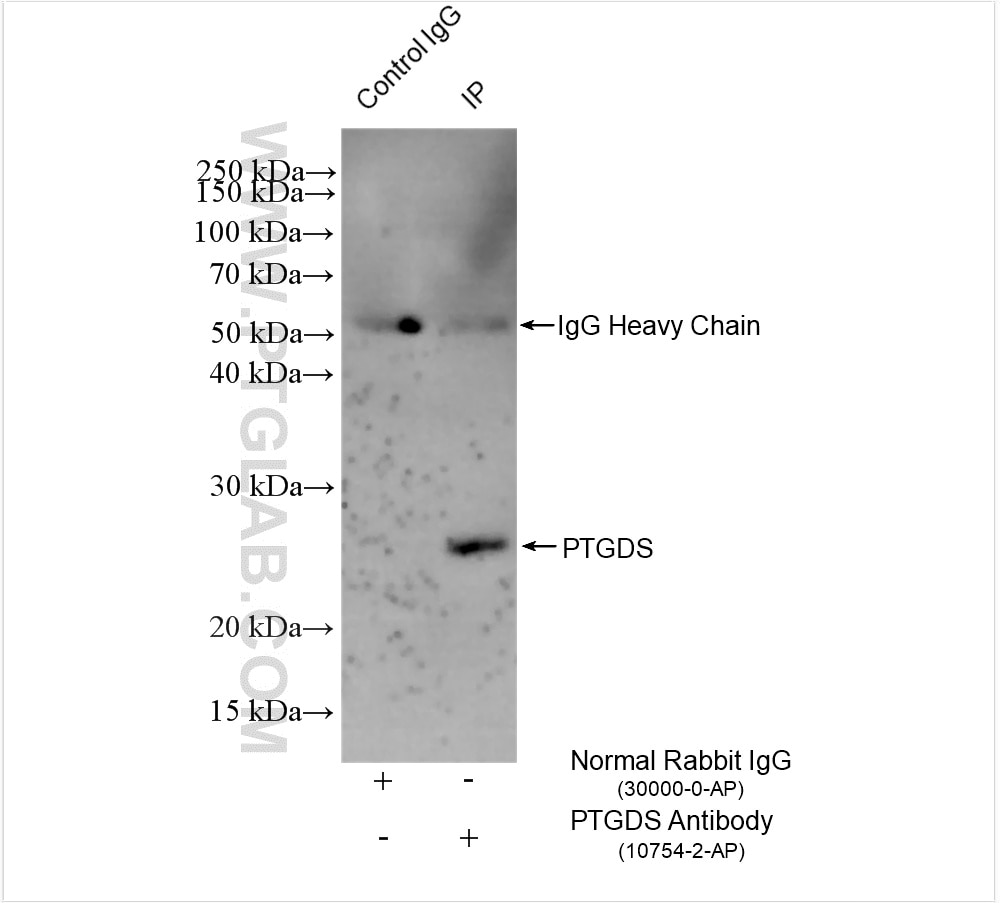
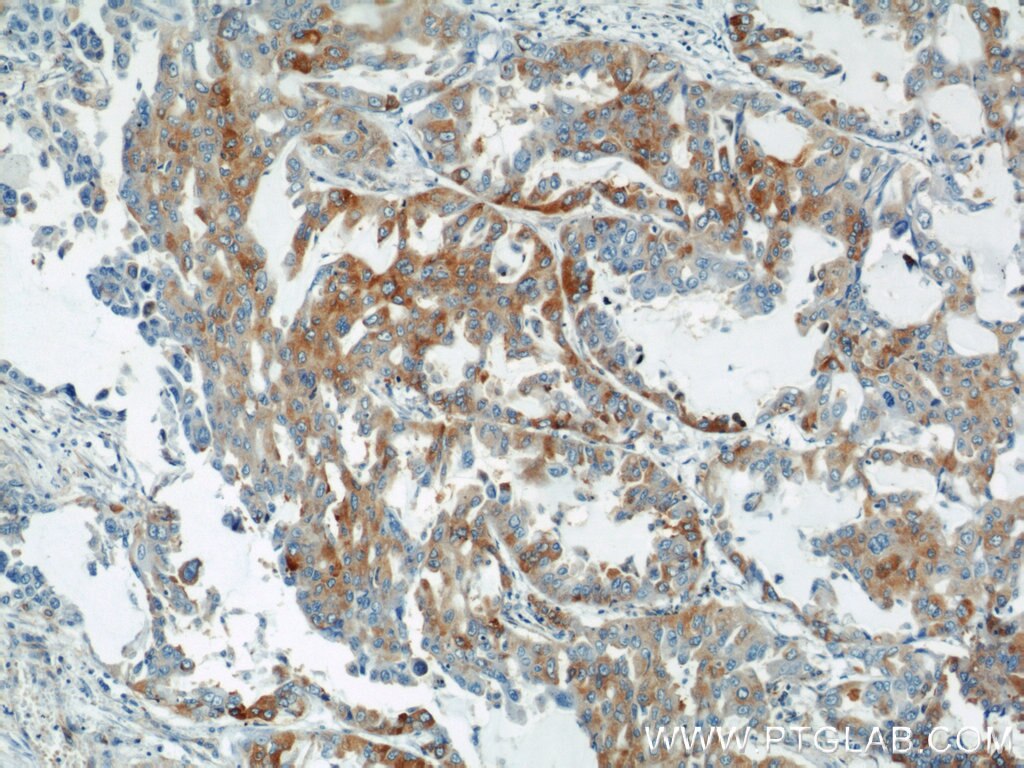
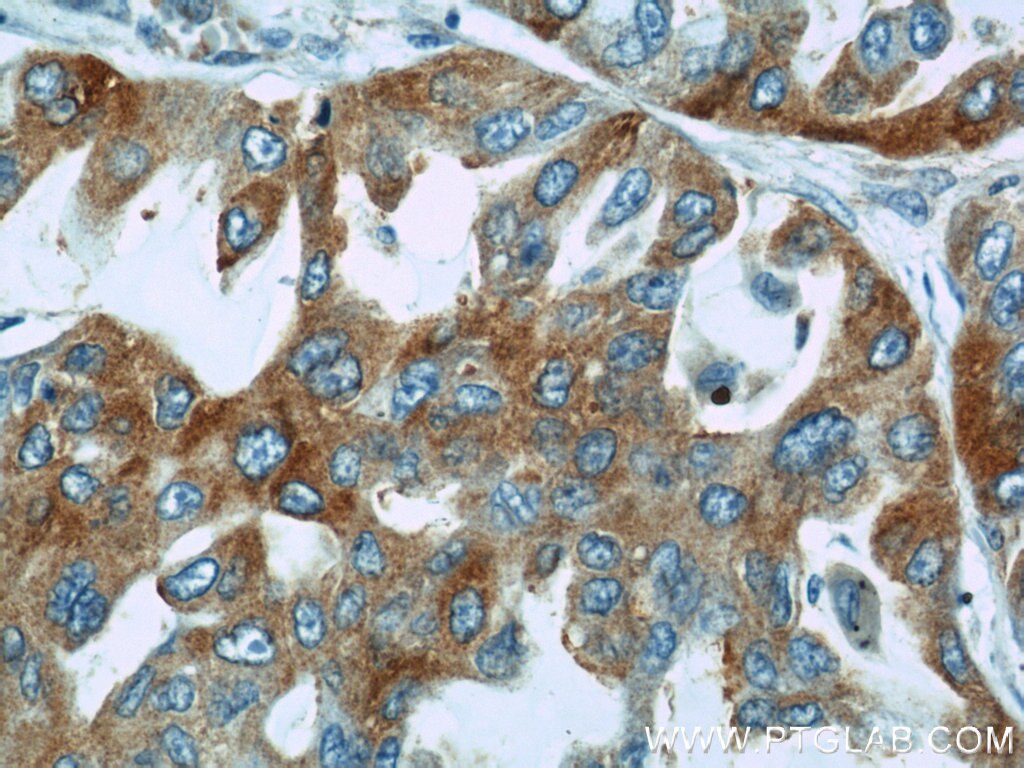
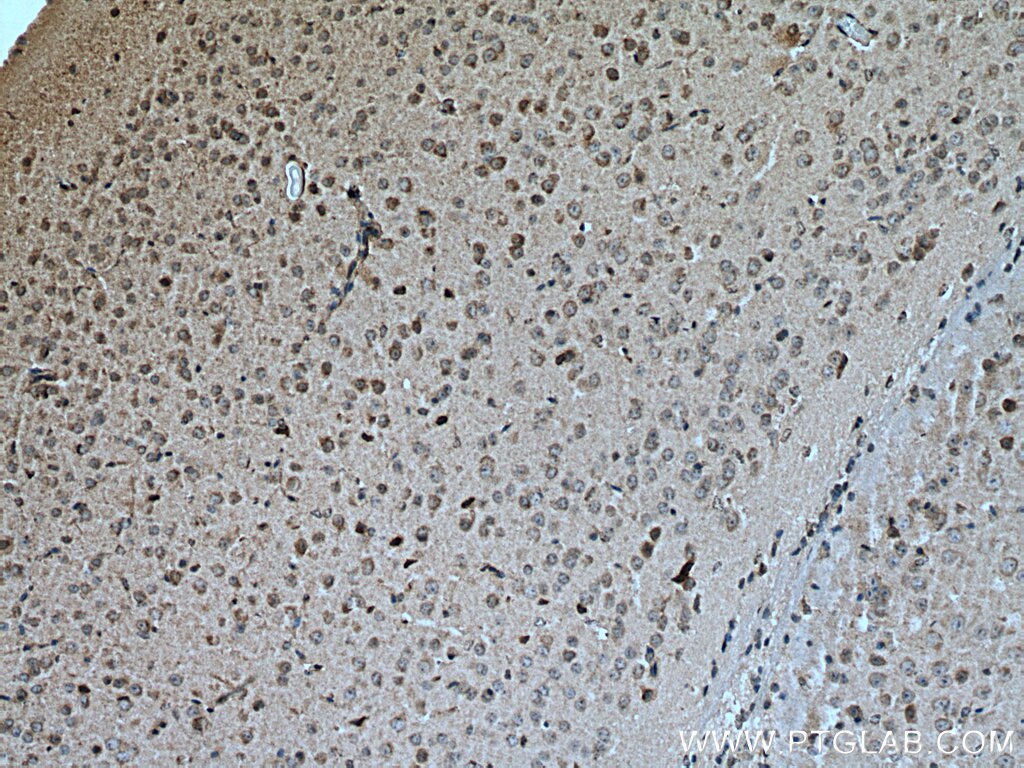
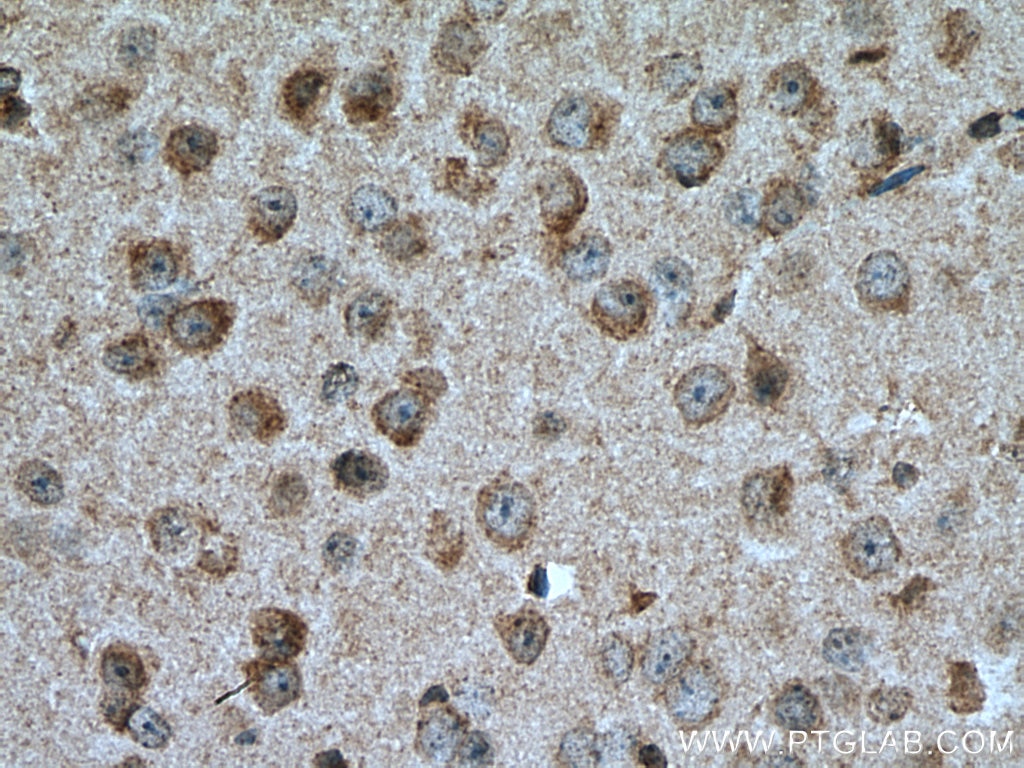
10754-2-PBS cible PTGDS dans les applications de WB, IHC, IP, Indirect ELISA et montre une réactivité avec des échantillons Humain, souris
| Réactivité | Humain, souris |
| Hôte / Isotype | Lapin / IgG |
| Clonalité | Polyclonal |
| Type | Anticorps |
| Immunogène | PTGDS Protéine recombinante Ag1163 |
| Nom complet | prostaglandin D2 synthase 21kDa (brain) |
| Masse moléculaire calculée | 21 kDa |
| Poids moléculaire observé | 28 kDa |
| Numéro d’acquisition GenBank | BC005939 |
| Symbole du gène | PTGDS |
| Identification du gène (NCBI) | 5730 |
| Conjugaison | Non conjugué |
| Forme | Liquide |
| Méthode de purification | Purification par affinité contre l'antigène |
| Tampon de stockage | PBS only |
| Conditions de stockage | Store at -80°C. 20ul contiennent 0,1% de BSA. |
Informations générales
Glycoprotein prostaglandin D2 synthase (PTGDS), also known as L-PGDS, PGDS, and LPGDS, is a member of the lipocalin superfamily and plays dual roles in prostaglandins metabolism and lipid transport (PMID: 34743203). PTGD2 functions as a neuromodulator as well as a trophic factor in the central nervous system. PTGD2 is also involved in smooth muscle contraction/relaxation and is a potent inhibitor of platelet aggregation. PTGDS is abundantly expressed in the brain and heart and has also been found in testis, prostate, kidney, spleen and leukocytes. It can be found as a collection of monomeric glycoforms with molecular weights in the 27-34 kDa range (PMID: 32430846).


