Anticorps Polyclonal de lapin anti-RELN
RELN Polyclonal Antibody for IHC, IF-P, Indirect ELISA
Hôte / Isotype
Lapin / IgG
Réactivité testée
Humain, souris
Applications
IHC, IF-P, Indirect ELISA
Conjugaison
Non conjugué
N° de cat : 20689-1-PBS
Synonymes
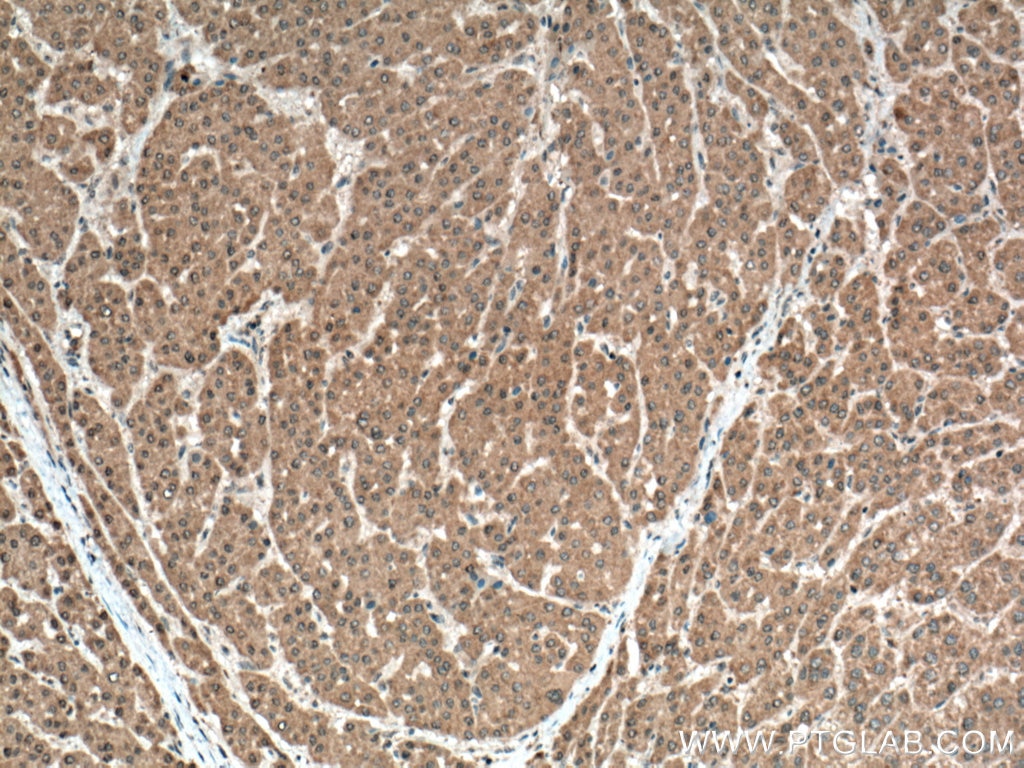
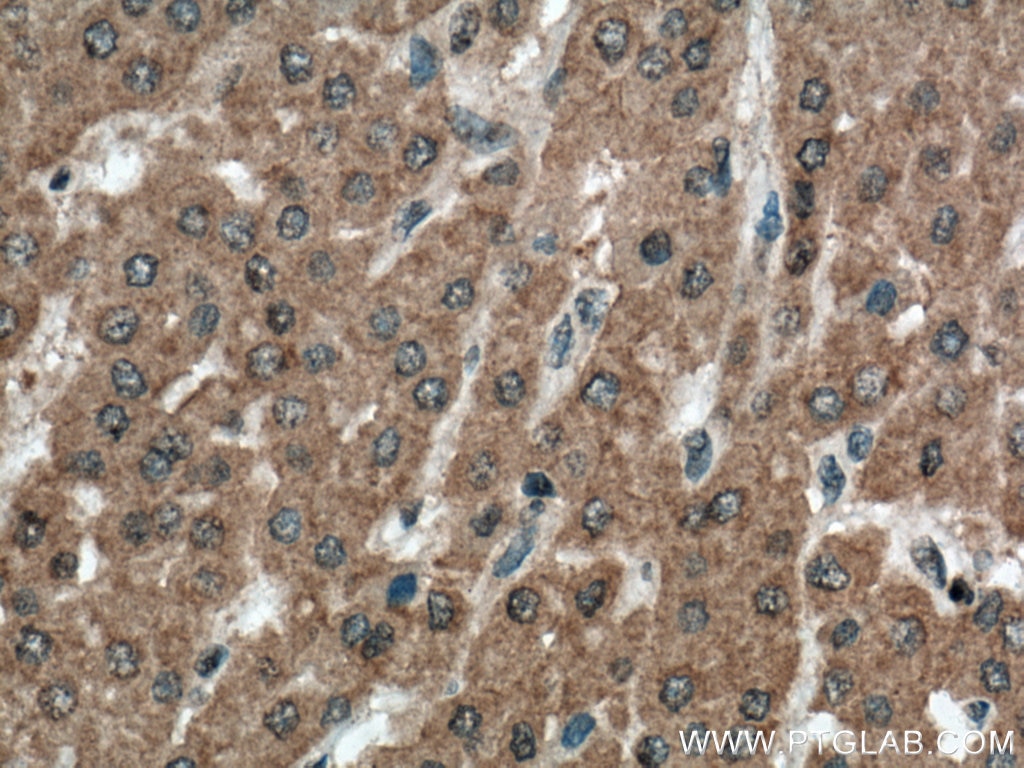
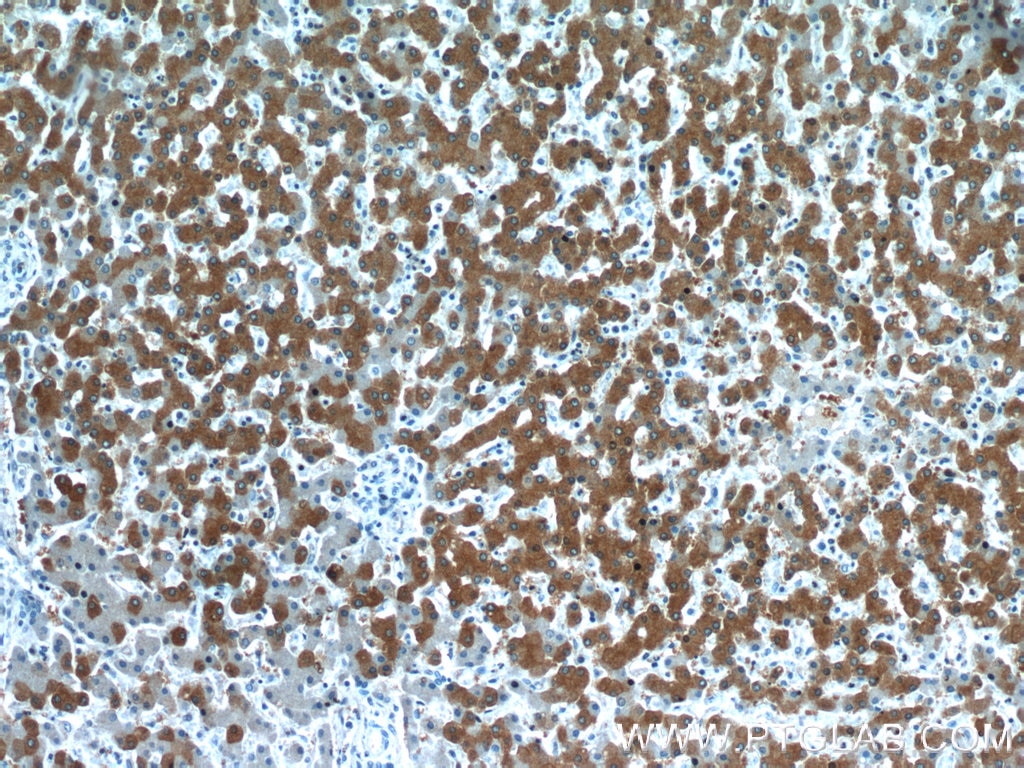
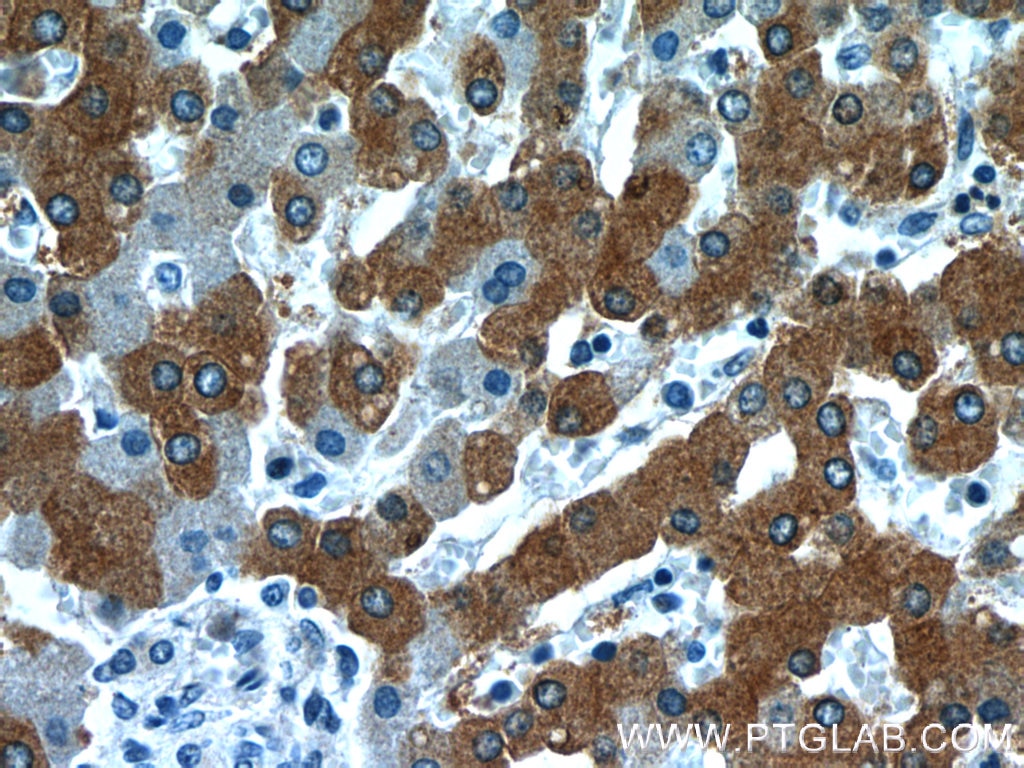
Galerie de données de validation
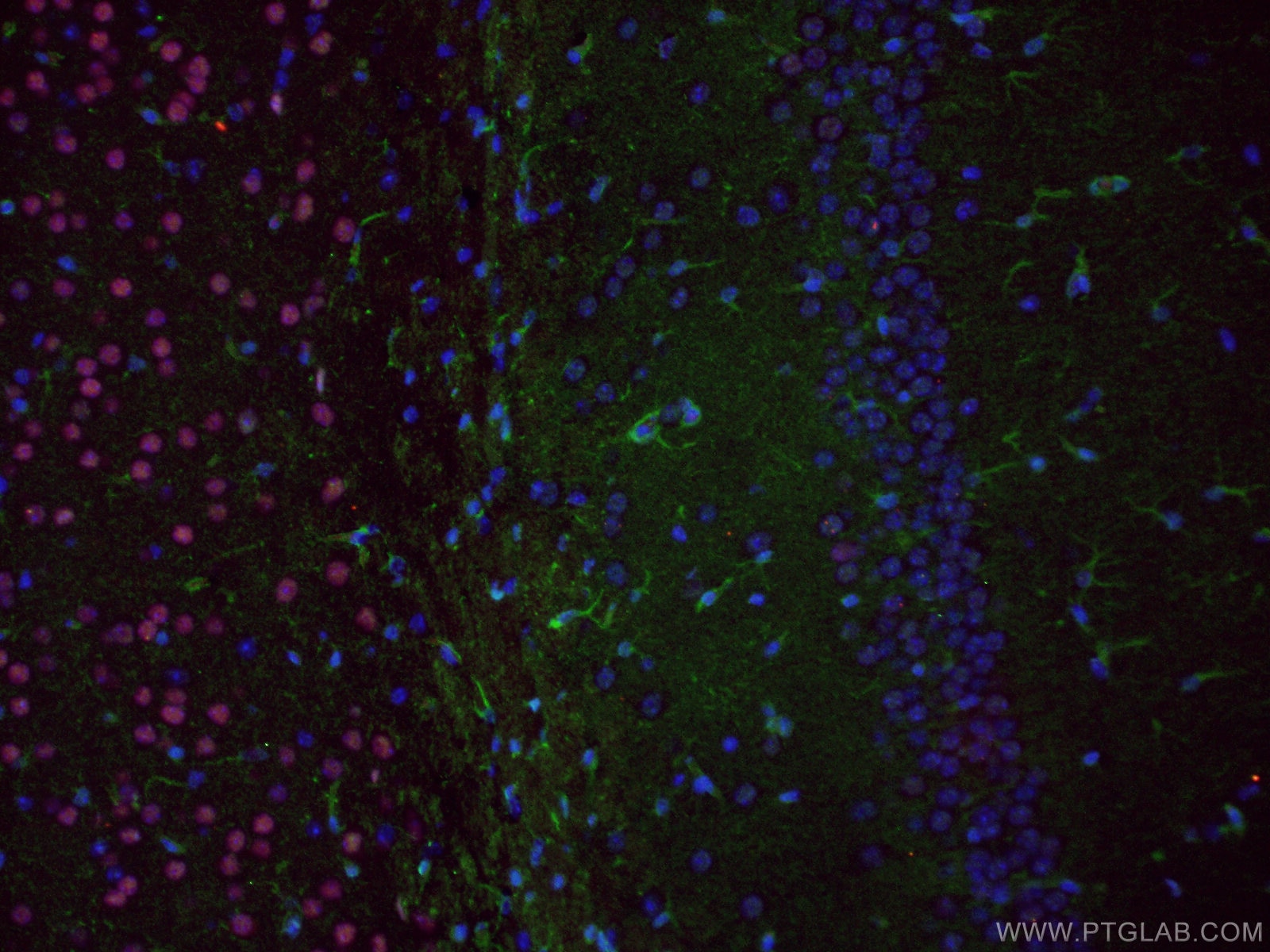
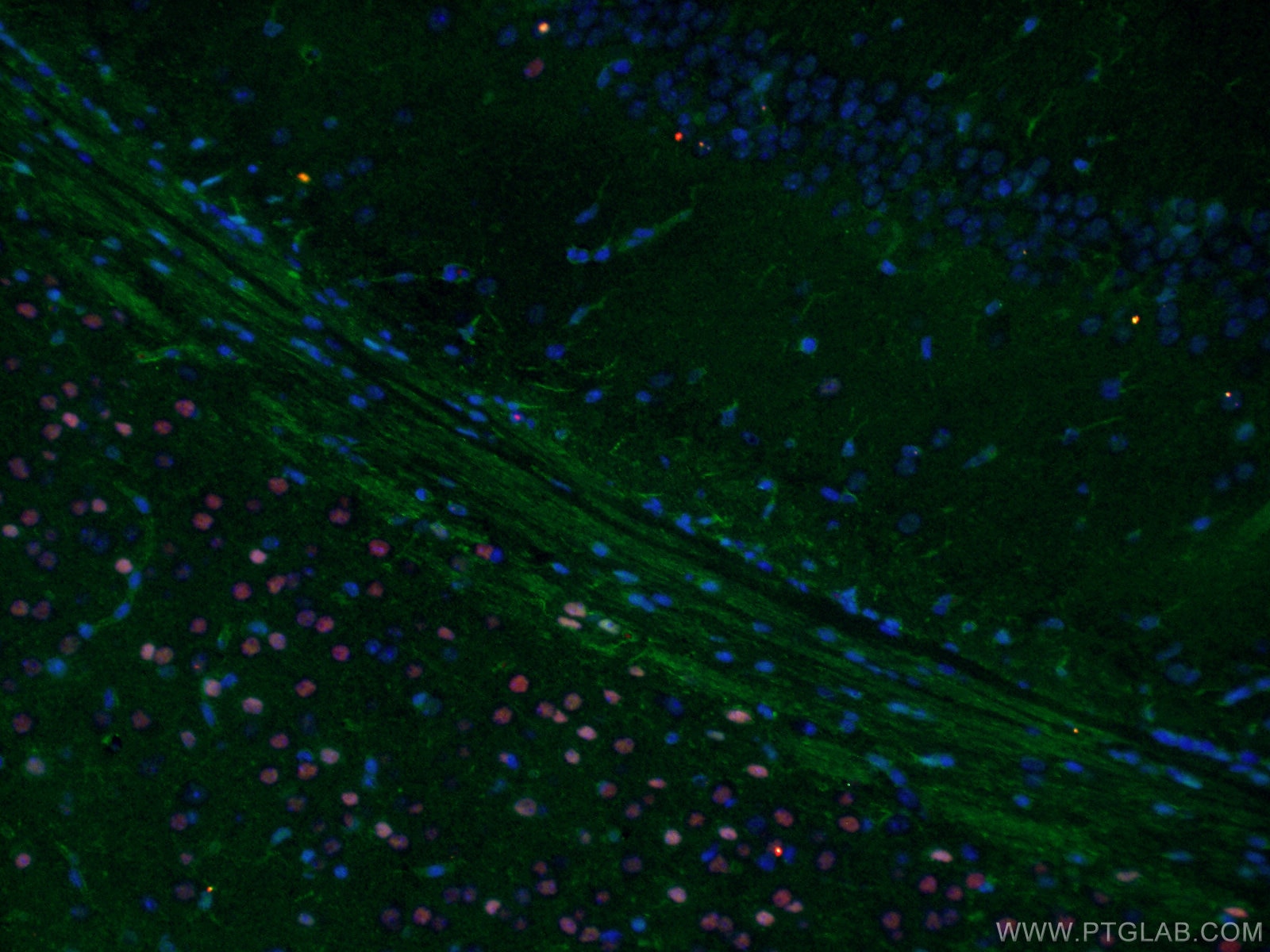
Informations sur le produit
20689-1-PBS cible RELN dans les applications de IHC, IF-P, Indirect ELISA et montre une réactivité avec des échantillons Humain, souris
| Réactivité | Humain, souris |
| Hôte / Isotype | Lapin / IgG |
| Clonalité | Polyclonal |
| Type | Anticorps |
| Immunogène | Peptide |
| Nom complet | reelin |
| Masse moléculaire calculée | 388 kDa |
| Numéro d’acquisition GenBank | NM_005045 |
| Symbole du gène | RELN |
| Identification du gène (NCBI) | 5649 |
| Conjugaison | Non conjugué |
| Forme | Liquide |
| Méthode de purification | Purification par affinité contre l'antigène |
| Tampon de stockage | PBS only |
| Conditions de stockage | Store at -80°C. 20ul contiennent 0,1% de BSA. |
Informations générales
RELN belongs to the reelin family. It is an extracellular matrix serine protease that plays a role in layering of neurons in the cerebral cortex and cerebellum. It is a secreted glycoprotein which is essential for neuronal migration in the cortex. RELN regulates microtubule function in neurons and neuronal migration. It affects migration of sympathetic preganglionic neurons in the spinal cord, where it seems to act as a barrier to neuronal migration. Enzymatic activity is important for the modulation of cell adhesion. Binding to the extracellular domains of lipoprotein receptors VLDLR and ApoER2, RELN induces tyrosine phosphorylation of Dab1 and modulation of Tau phosphorylation. Defects in RELN are the cause of lissencephaly type 2 (LIS2).


