Anticorps Recombinant de lapin anti-SKIV2L2
SKIV2L2 Recombinant Antibody for WB, IF/ICC, Cytometric bead array, Indirect ELISA
Hôte / Isotype
Lapin / IgG
Réactivité testée
Humain, souris
Applications
WB, IF/ICC, Cytometric bead array, Indirect ELISA
Conjugaison
Non conjugué
CloneNo.
251430D11
N° de cat : 86536-1-PBS
Synonymes
Galerie de données de validation
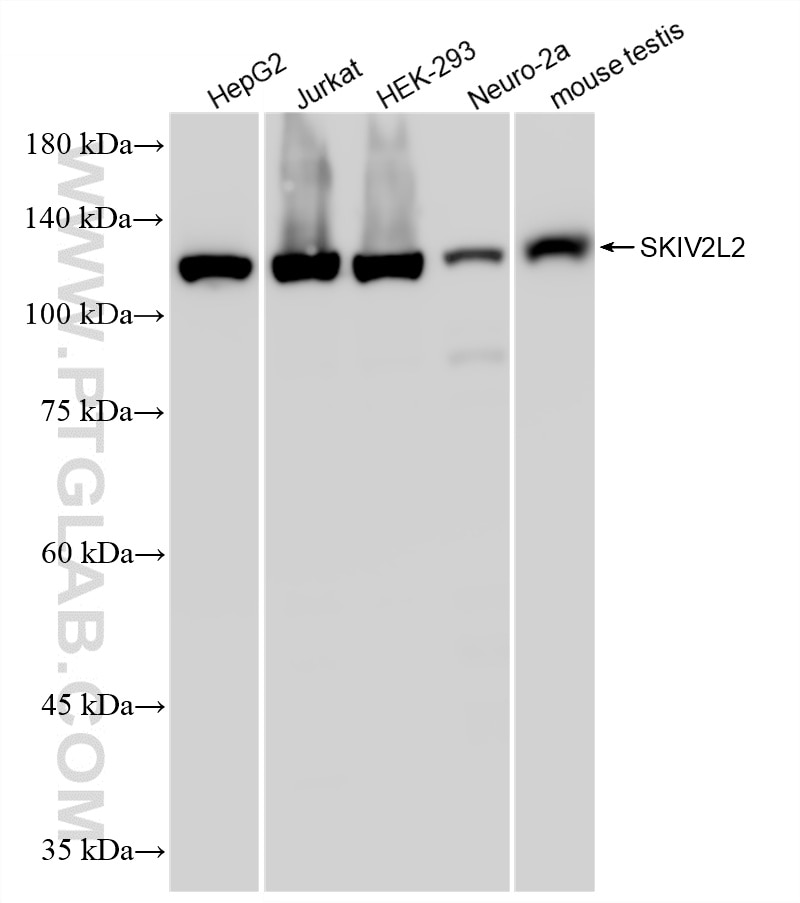
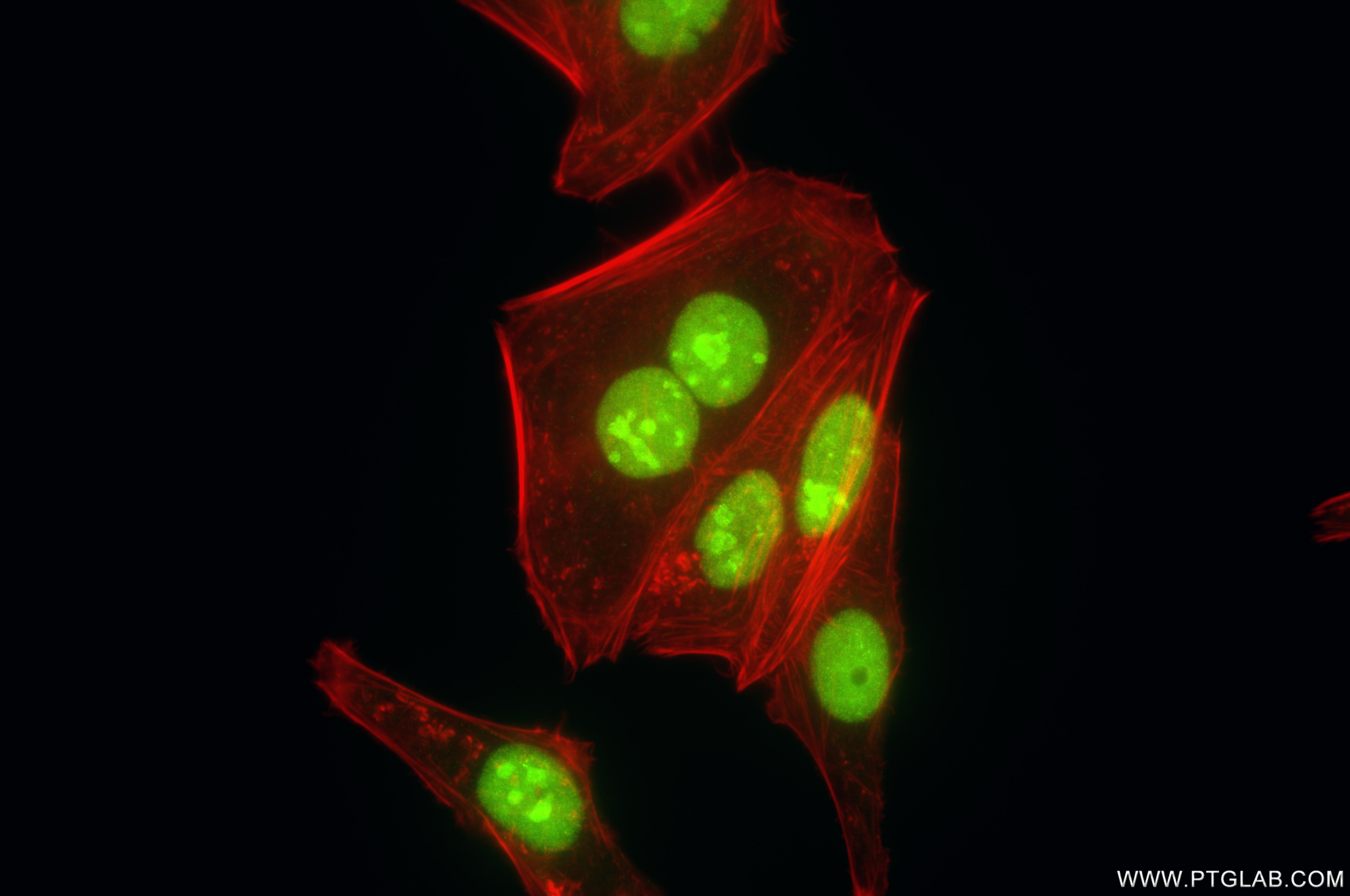
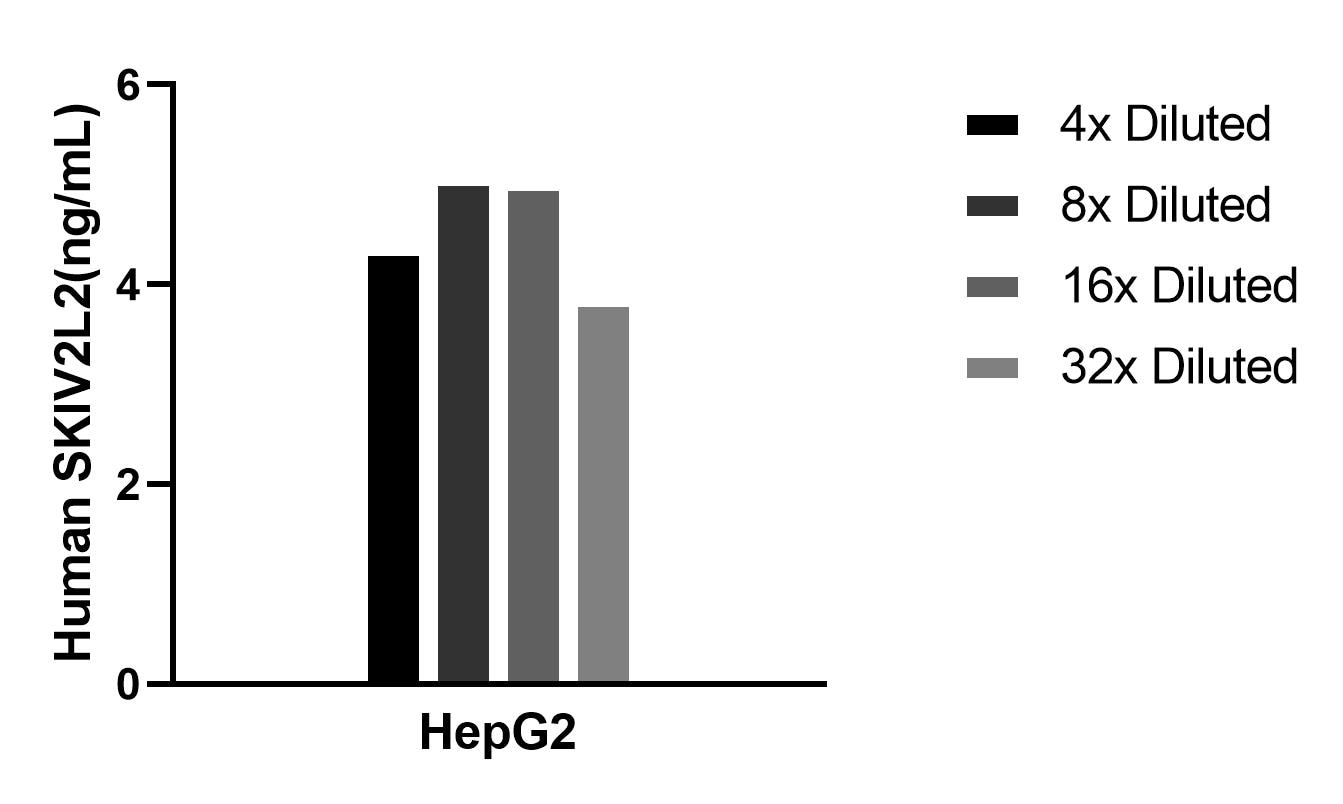
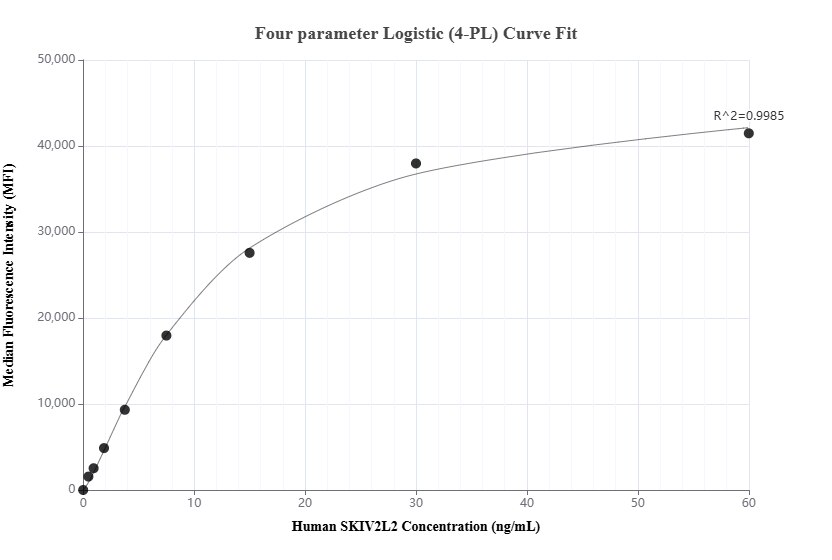
Informations sur le produit
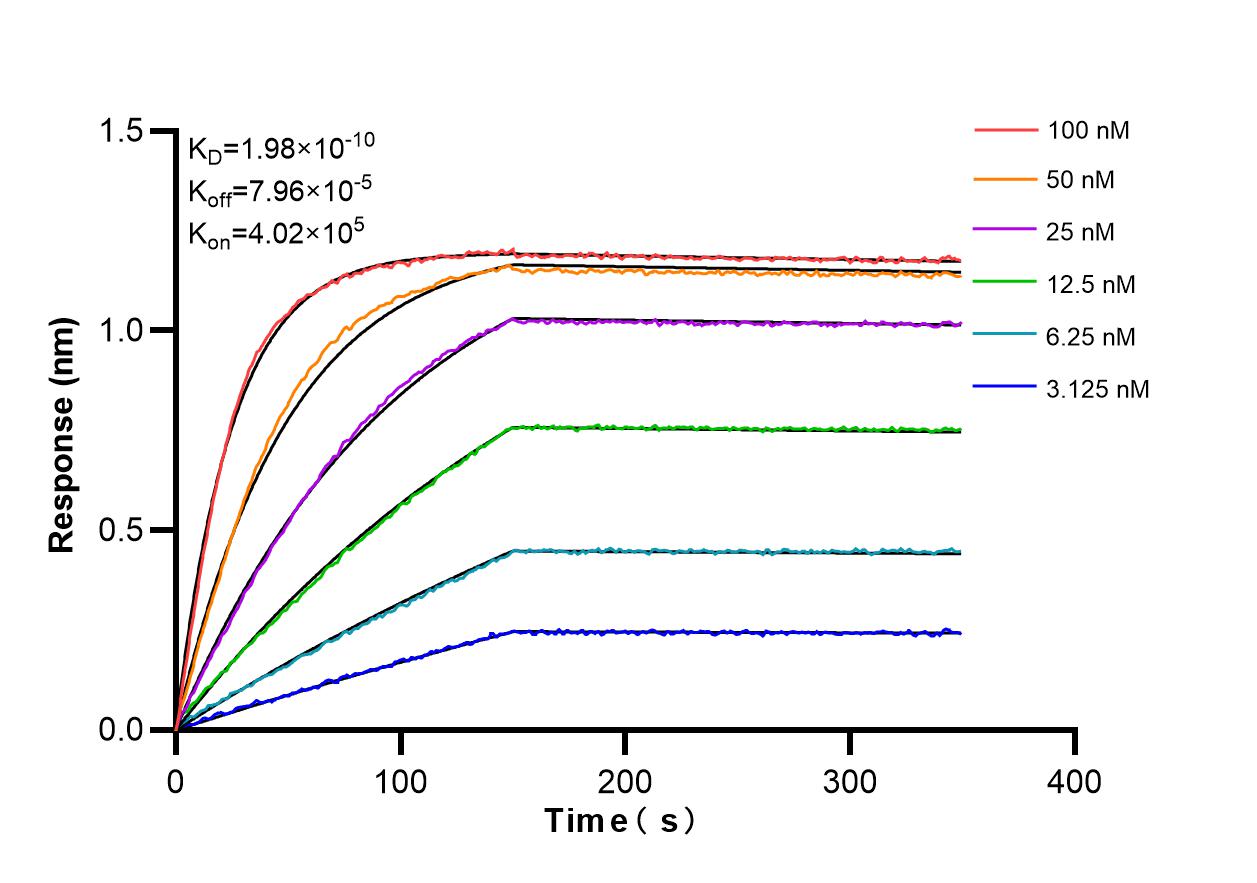
86536-1-PBS cible SKIV2L2 dans les applications de WB, IF/ICC, Cytometric bead array, Indirect ELISA et montre une réactivité avec des échantillons Humain, souris
| Réactivité | Humain, souris |
| Hôte / Isotype | Lapin / IgG |
| Clonalité | Recombinant |
| Type | Anticorps |
| Immunogène | SKIV2L2 Protéine recombinante Ag3414 |
| Nom complet | superkiller viralicidic activity 2-like 2 (S. cerevisiae) |
| Masse moléculaire calculée | 1042 aa, 118 kDa |
| Poids moléculaire observé | 118 kDa |
| Numéro d’acquisition GenBank | BC028604 |
| Symbole du gène | SKIV2L2 |
| Identification du gène (NCBI) | 23517 |
| Conjugaison | Non conjugué |
| Forme | Liquide |
| Méthode de purification | Purification par protéine A |
| Tampon de stockage | PBS only |
| Conditions de stockage | Store at -80°C. 20ul contiennent 0,1% de BSA. |
Informations générales
SKIV2L2 (Ski2-like RNA helicase 2, also called Mtr4) is an evolutionarily conserved 3′→5′ RNA helicase belonging to the Ski2-like subfamily of DExH-box helicases.SKIV2L2 is an essential component of the nuclear exosome targeting (NEXT) complex, where it acts as the major ATP-dependent motor that threads RNA substrates into the catalytic core of the RNA exosome for processing and degradation. Through this activity, SKIV2L2 regulates the turnover of aberrant pre-mRNAs, non-coding RNAs, and promoter-associated RNAs, thereby influencing gene expression, ribosomal RNA biogenesis, and maintenance of nuclear RNA homeostasis. It plays a role in cell differentiation and spermatogenesis. Clinically, germline mutations in SKIV2L2 have been associated with tricho-hepato-enteric syndrome, highlighting its importance in intestinal and hepatic development. (PMID: 39863862)


