Anticorps Recombinant de lapin anti-STAMBP
STAMBP Recombinant Antibody for WB, IF/ICC, Indirect ELISA
Hôte / Isotype
Lapin / IgG
Réactivité testée
Humain, rat, souris
Applications
WB, IF/ICC, Indirect ELISA
Conjugaison
Non conjugué
CloneNo.
251545B3
N° de cat : 86601-3-PBS
Synonymes
Galerie de données de validation
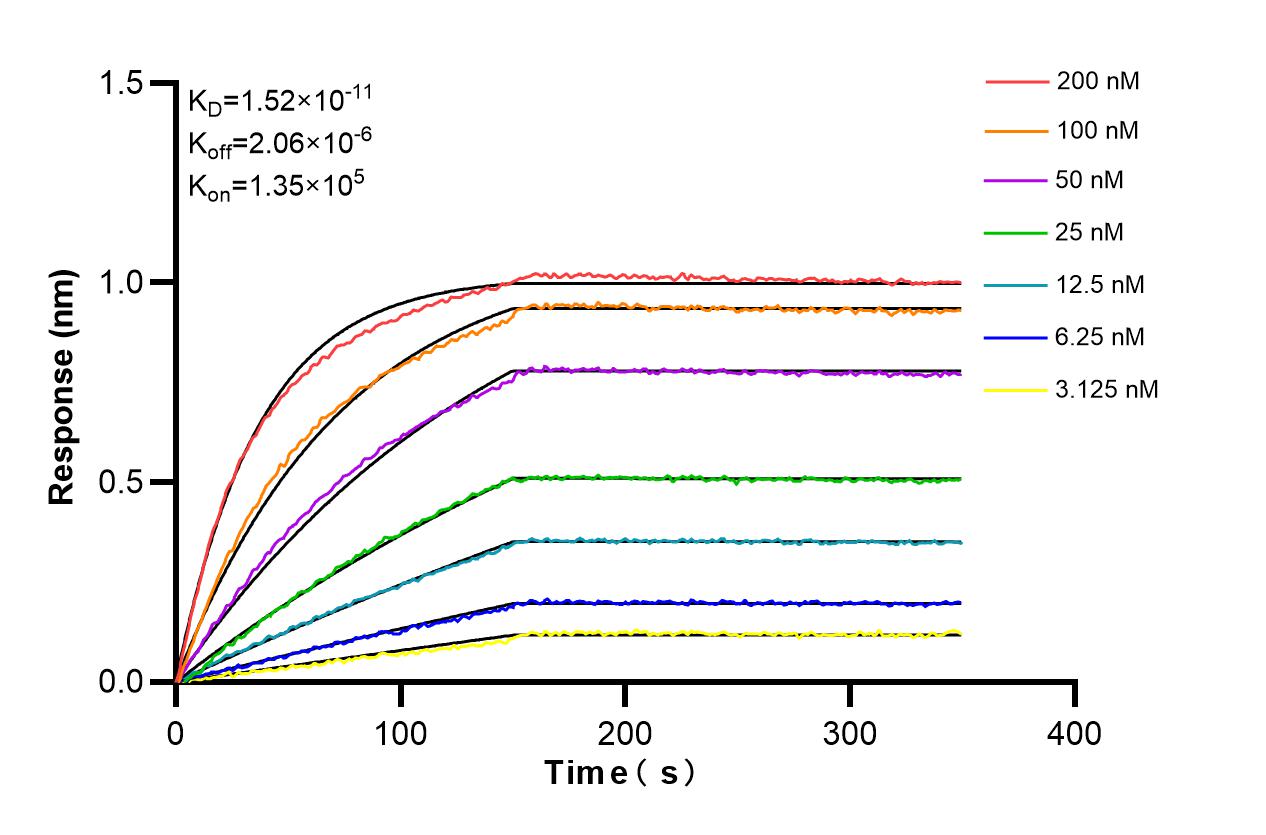
Informations sur le produit
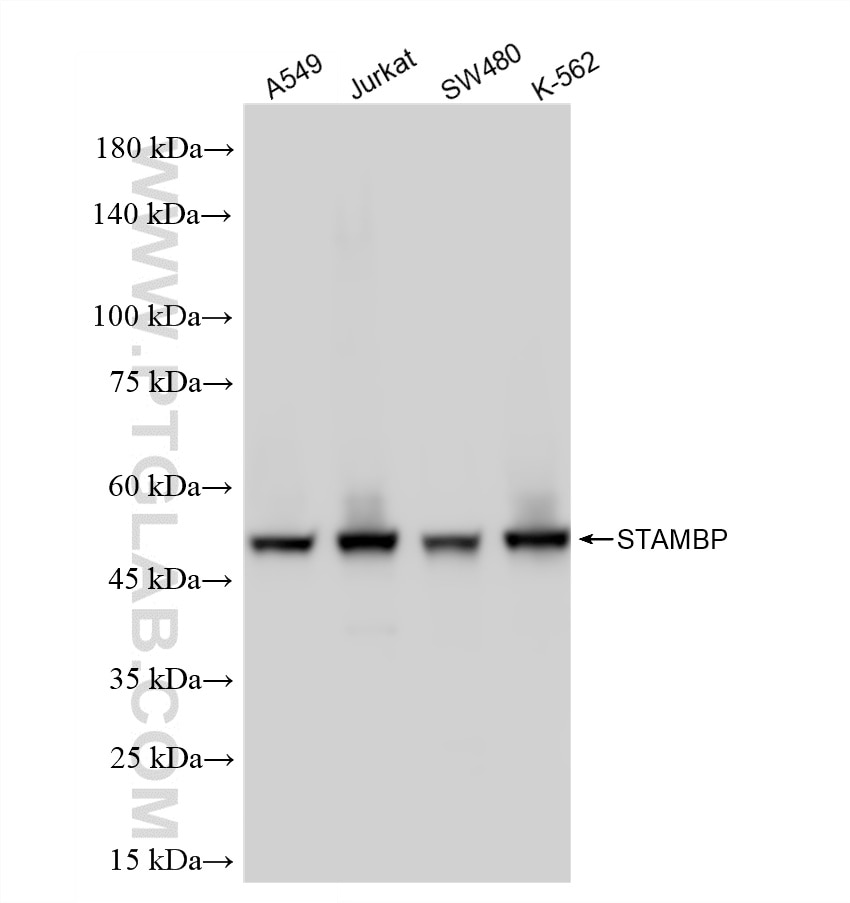
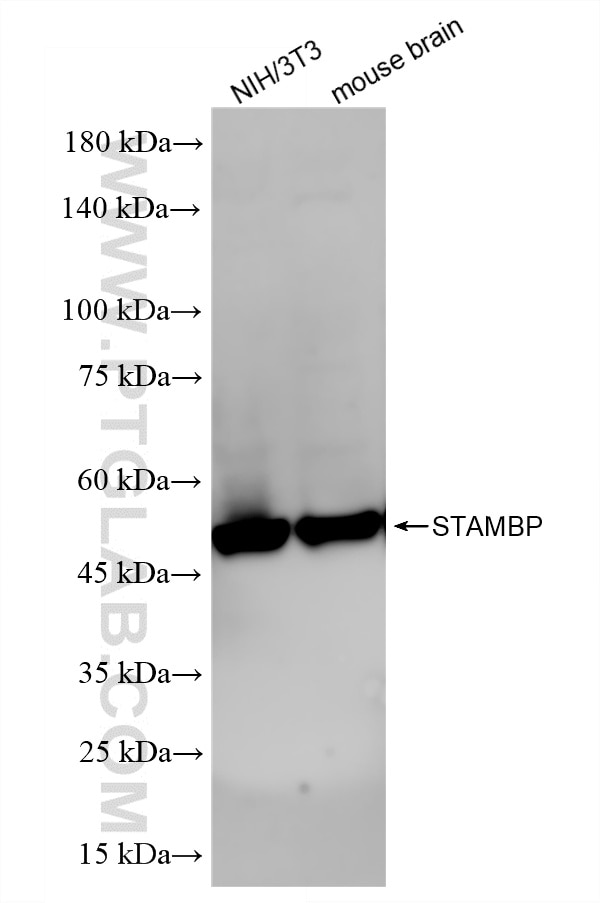
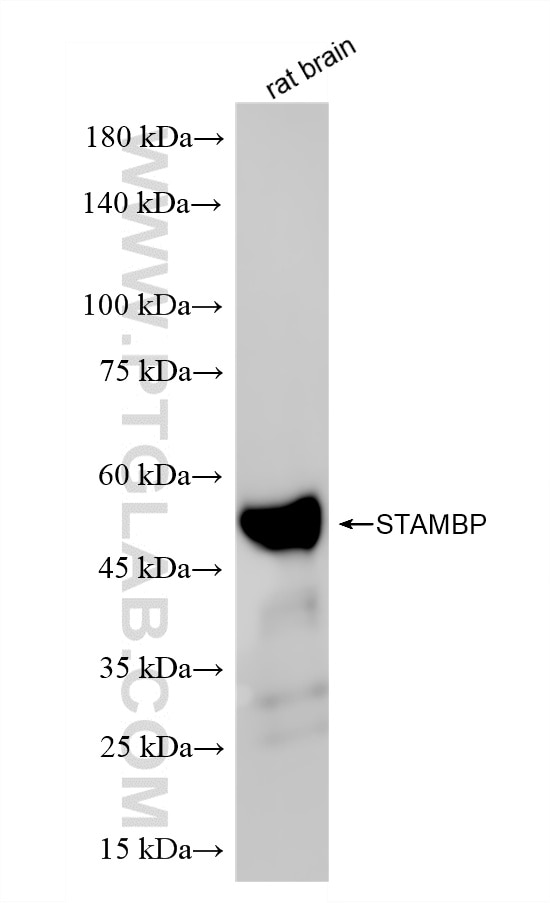
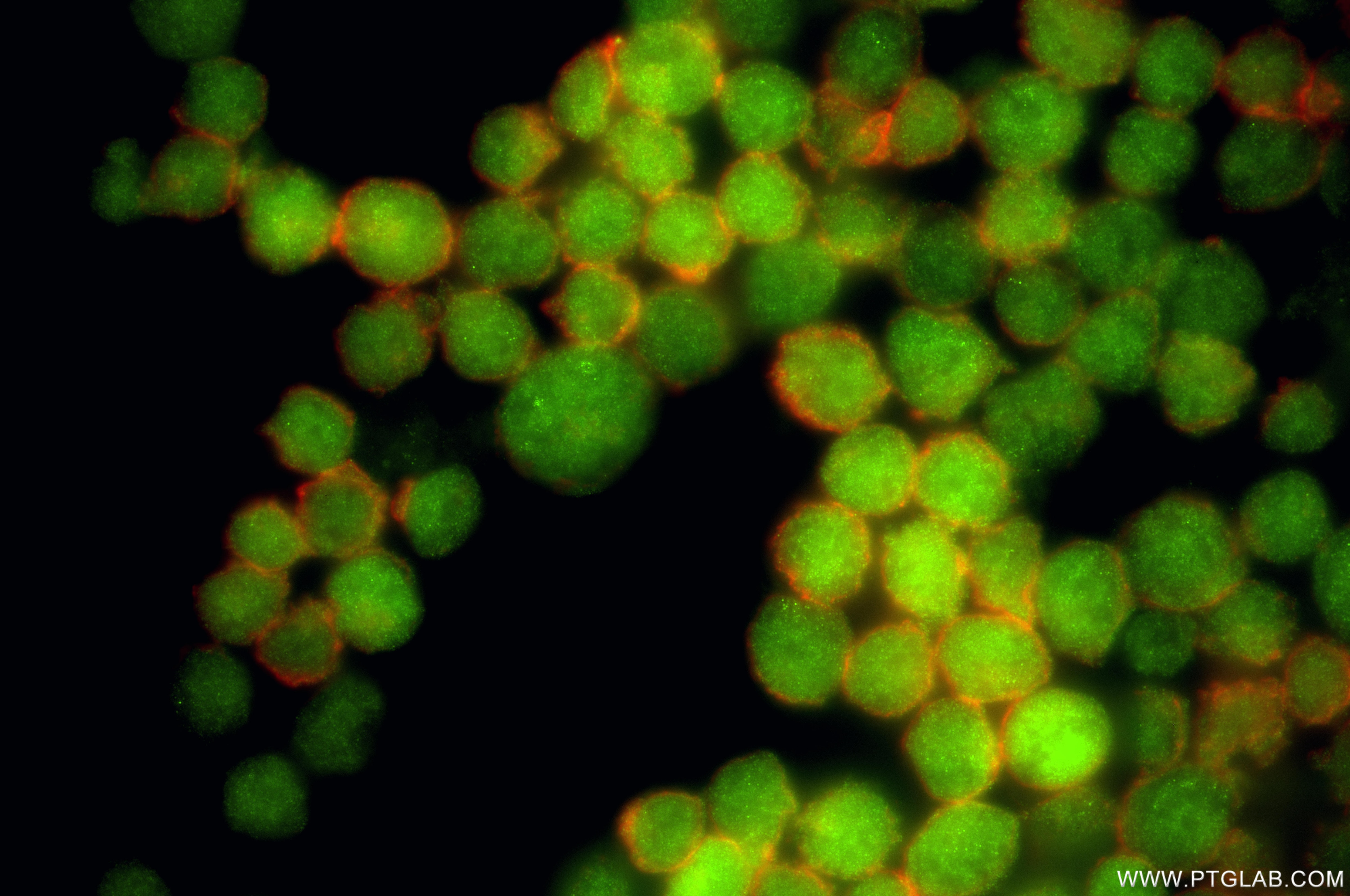
86601-3-PBS cible STAMBP dans les applications de WB, IF/ICC, Indirect ELISA et montre une réactivité avec des échantillons Humain, rat, souris
| Réactivité | Humain, rat, souris |
| Hôte / Isotype | Lapin / IgG |
| Clonalité | Recombinant |
| Type | Anticorps |
| Immunogène | STAMBP Protéine recombinante Ag1895 |
| Nom complet | STAM binding protein |
| Masse moléculaire calculée | 48 kDa |
| Poids moléculaire observé | 48 kDa |
| Numéro d’acquisition GenBank | BC007682 |
| Symbole du gène | STAMBP |
| Identification du gène (NCBI) | 10617 |
| Conjugaison | Non conjugué |
| Forme | Liquide |
| Méthode de purification | Purification par protéine A |
| Tampon de stockage | PBS only |
| Conditions de stockage | Store at -80°C. 20ul contiennent 0,1% de BSA. |
Informations générales
STAM-binding protein (STAMBP) is also named AMSH. STAMBP, a member of the Jab1/MPN metalloenzyme family of deubiquitinating enzymes (DUBs), specifically cleaves K63-linked polyubiquitination chains from substrates (PMID: 15314065, PMID: 26601948). STAMBP is implicated in the endosome-lysosome pathway and shuttles ubiquitinated substrate proteins to lysosomes for degradation (PMID: 10383417, PMID: 24151880). STAMBP regulates protein degradation by binding to the ESCRT-0 protein STAM and the charged multivesicular body proteins of the ESCRT-III complex (PMID: 20159979). STAMBP is implicated in the inflammatory response by promoting the deubiquitination and stabilization of NALP7 and increasing the activity of inflammasomes (PMID: 28492230). STAMBP expression was increased in the cytoplasm of tumor cells from LUAD patients. STAMBP overexpression promoted cell migration and invasion, whereas STAMBP knockdown attenuated these processes in LUAD cells after epidermal growth factor treatment (PMID: 3410245).


