Anticorps Recombinant de lapin anti-SWAP70
SWAP70 Recombinant Antibody for WB, IHC, FC (Intra), ELISA
Hôte / Isotype
Lapin / IgG
Réactivité testée
Humain, souris
Applications
WB, IHC, FC (Intra), ELISA
Conjugaison
Non conjugué
CloneNo.
240641F5
N° de cat : 83646-6-PBS
Synonymes
Galerie de données de validation
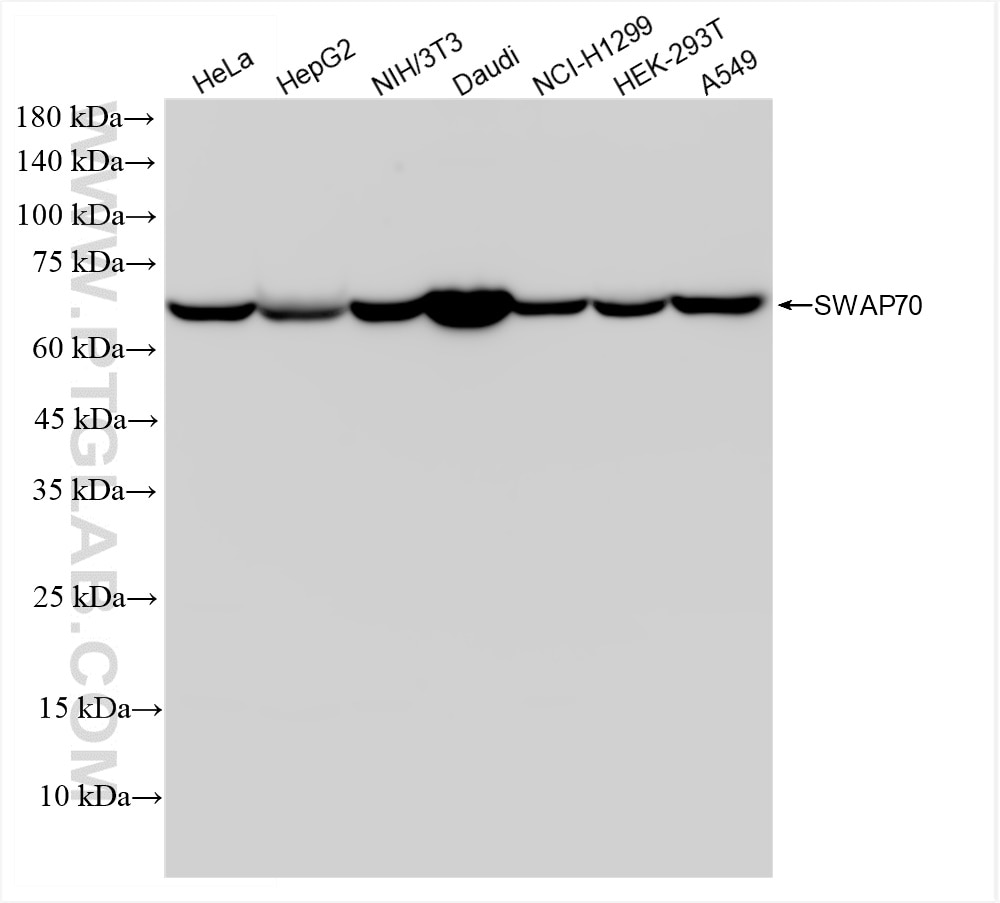
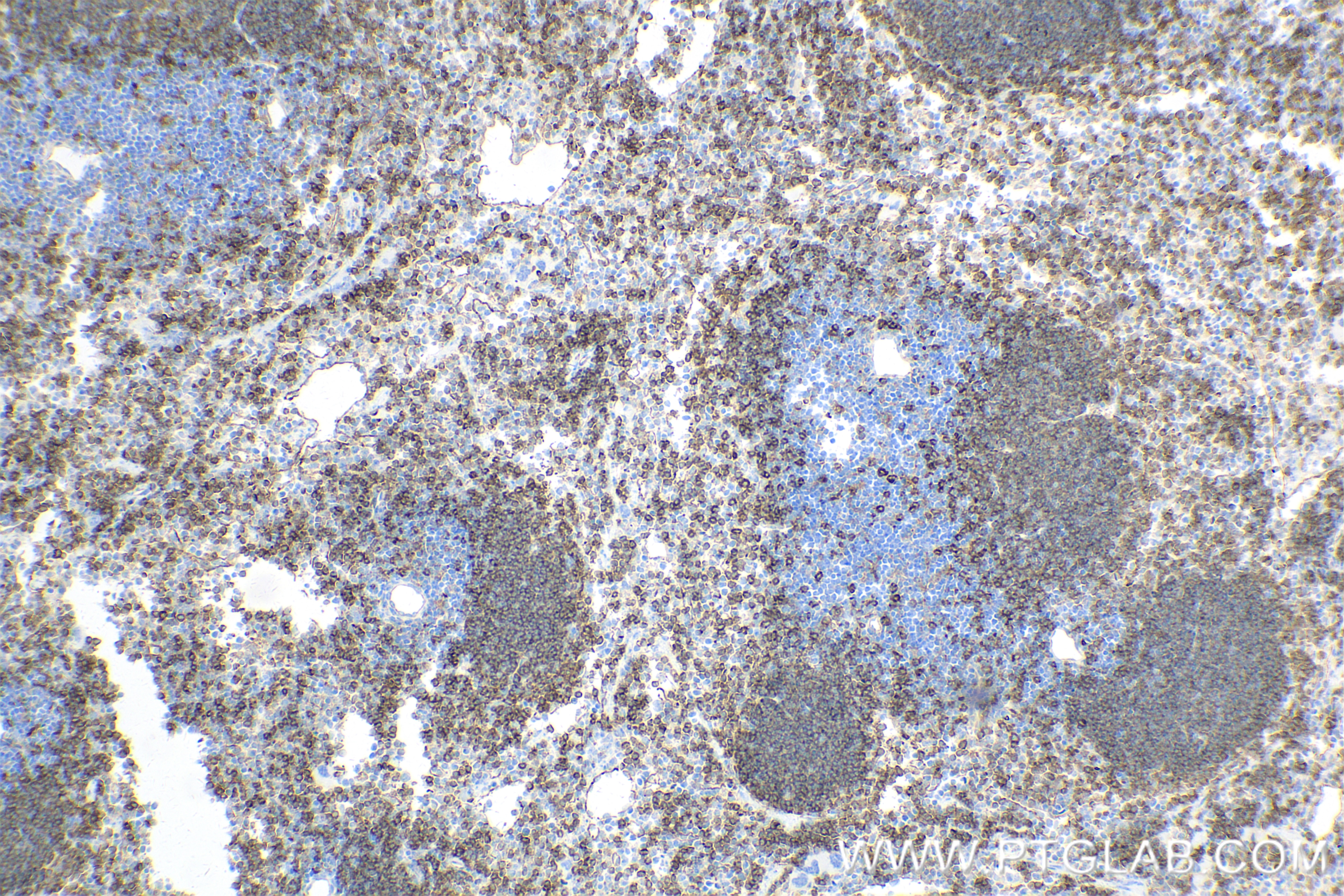
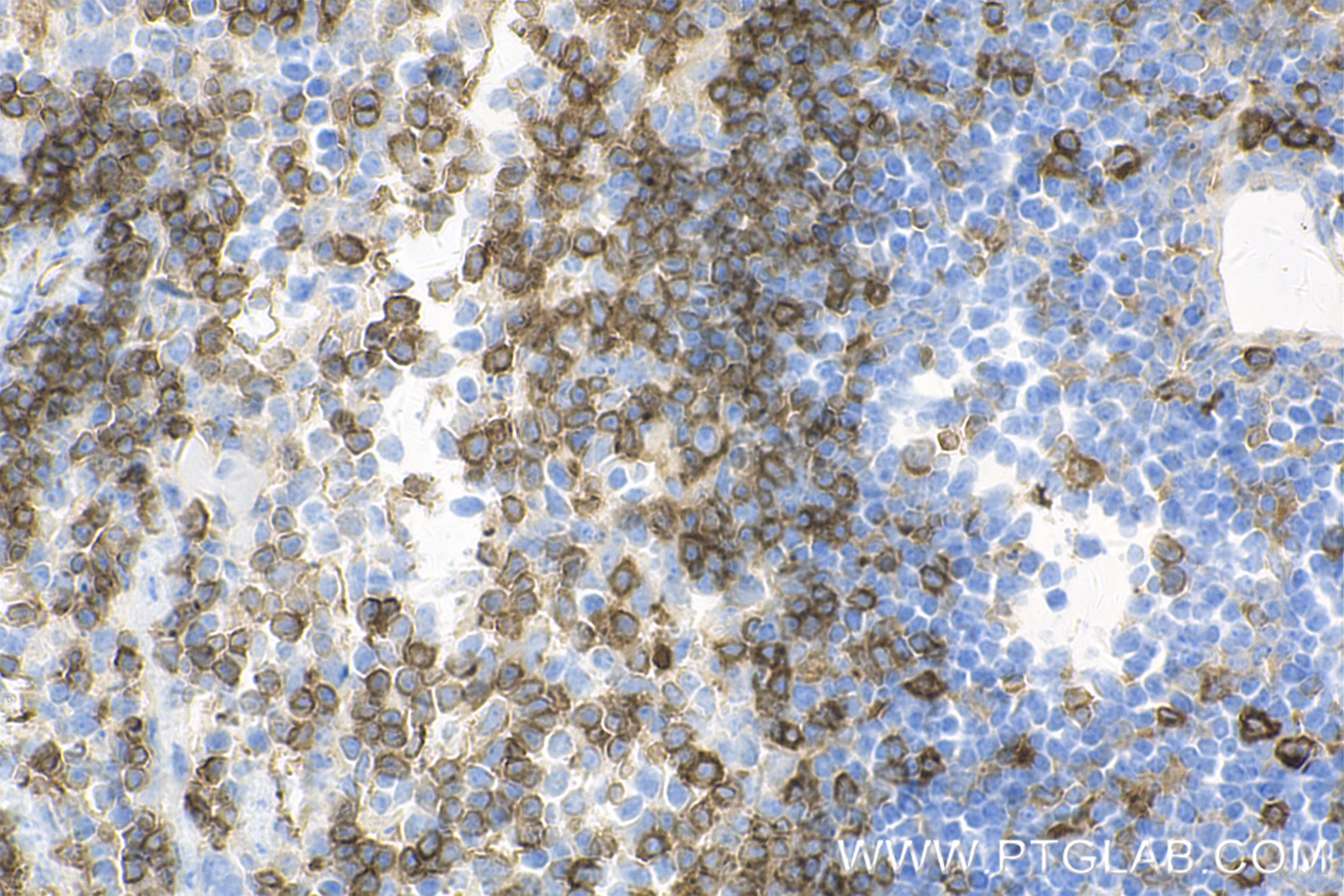
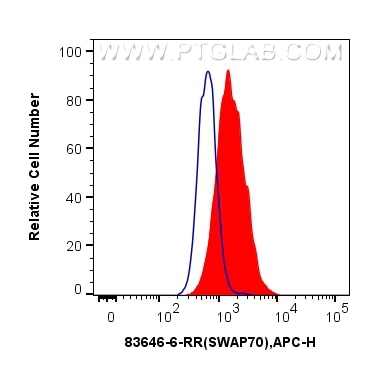
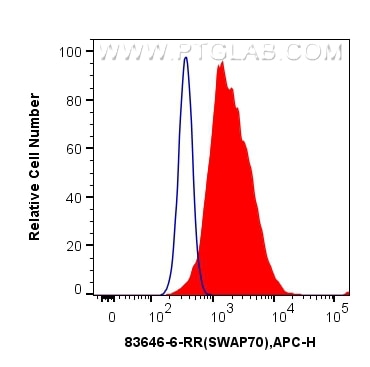
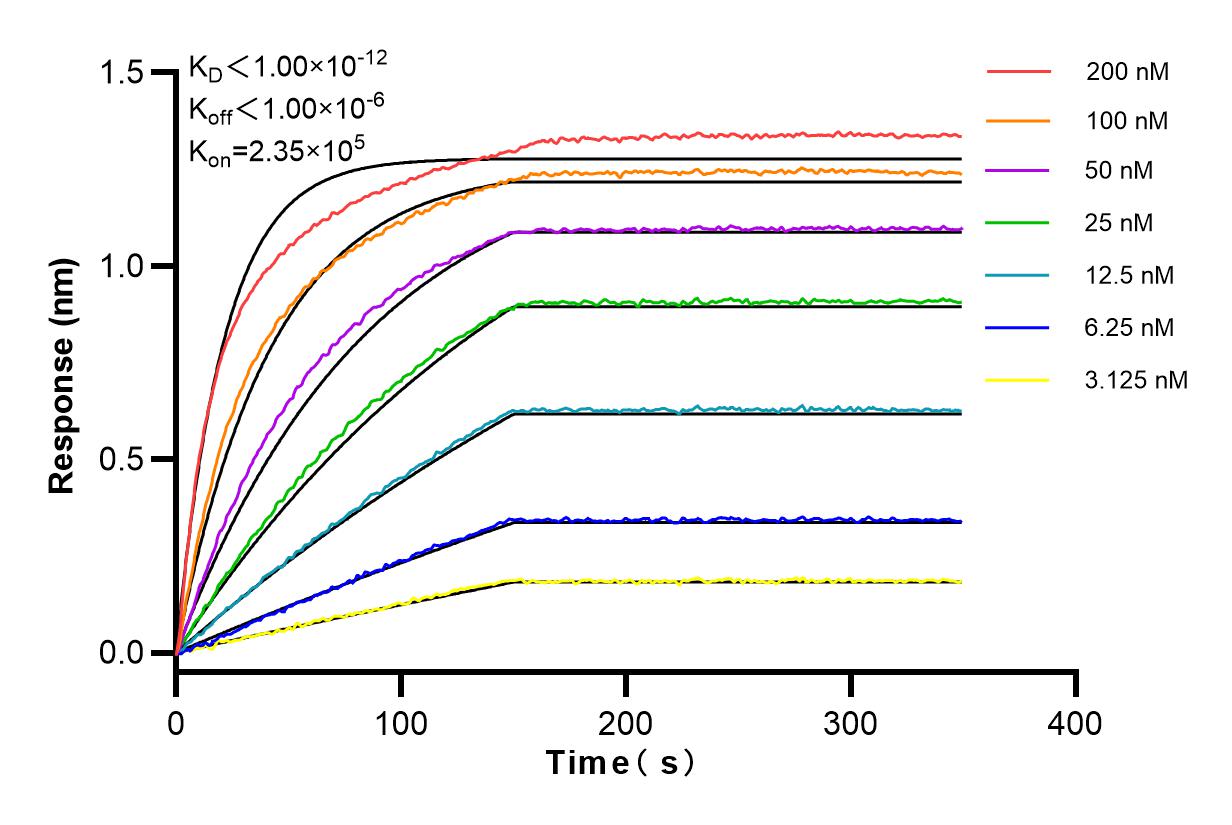
Informations sur le produit
83646-6-PBS cible SWAP70 dans les applications de WB, IHC, FC (Intra), ELISA et montre une réactivité avec des échantillons Humain, souris
| Réactivité | Humain, souris |
| Hôte / Isotype | Lapin / IgG |
| Clonalité | Recombinant |
| Type | Anticorps |
| Immunogène | SWAP70 Protéine recombinante Ag34855 |
| Nom complet | SWAP-70 protein |
| Masse moléculaire calculée | 69 kDa |
| Poids moléculaire observé | 65-70 kDa |
| Numéro d’acquisition GenBank | BC000616 |
| Symbole du gène | SWAP70 |
| Identification du gène (NCBI) | 23075 |
| Conjugaison | Non conjugué |
| Forme | Liquide |
| Méthode de purification | Protein A purfication |
| Tampon de stockage | PBS only |
| Conditions de stockage | Store at -80°C. 20ul contiennent 0,1% de BSA. |
Informations générales
SWAP70 (switching B cell complex subunit), also known as HSPC321. It is expected to be located in cell membrane, cytoplasm and nucleus, the protein is mainly expressed in spleen, and fairly abundant in kidney, lung and liver. Also found in monocytes, macrophages and mature B-cells (PMID: 10681448). The calculated molecular weight of SWAP70 is 69 kDa. SWAP-70 is a component of an enzyme complex that recombines Ig switch regions in vitro. It is reported that the cloning of the human cDNA and its B lymphocyte-specific expression. Although its sequence contains three nuclear localization signals, in small resting B cells, SWAP-70 is mainly found in the cytoplasm. On stimulation, SWAP-70 translocates to the nucleus. In activated, class-switching B cell cultures, it is associated with membrane IgG, but not IgM. The membrane Ig association requires a functional pleckstrin homology domain and is controlled by the C terminus. It is suggested that SWAP-70 is involved not only in nuclear events but also in signaling in B cell activation (PMID: 10681448).


