Anticorps Polyclonal de lapin anti-SYNGAP1
SYNGAP1 Polyclonal Antibody for WB, IHC, IF/ICC, IP, Indirect ELISA
Hôte / Isotype
Lapin / IgG
Réactivité testée
Humain, porc, rat, souris
Applications
WB, IHC, IF/ICC, IP, Indirect ELISA
Conjugaison
Non conjugué
N° de cat : 19739-1-PBS
Synonymes
Galerie de données de validation
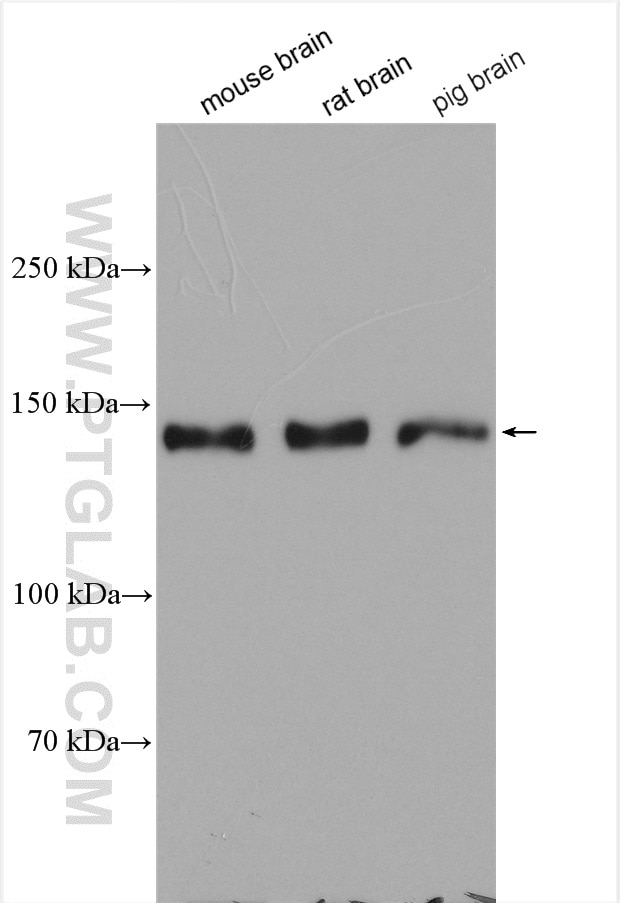
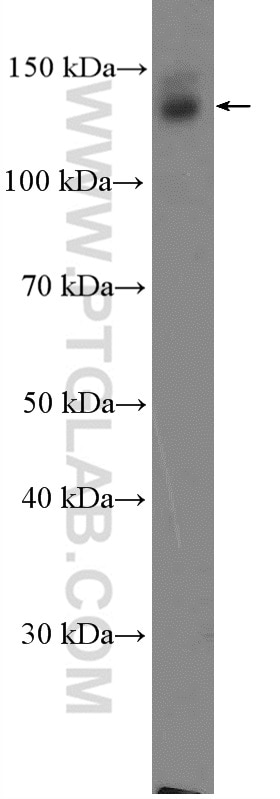

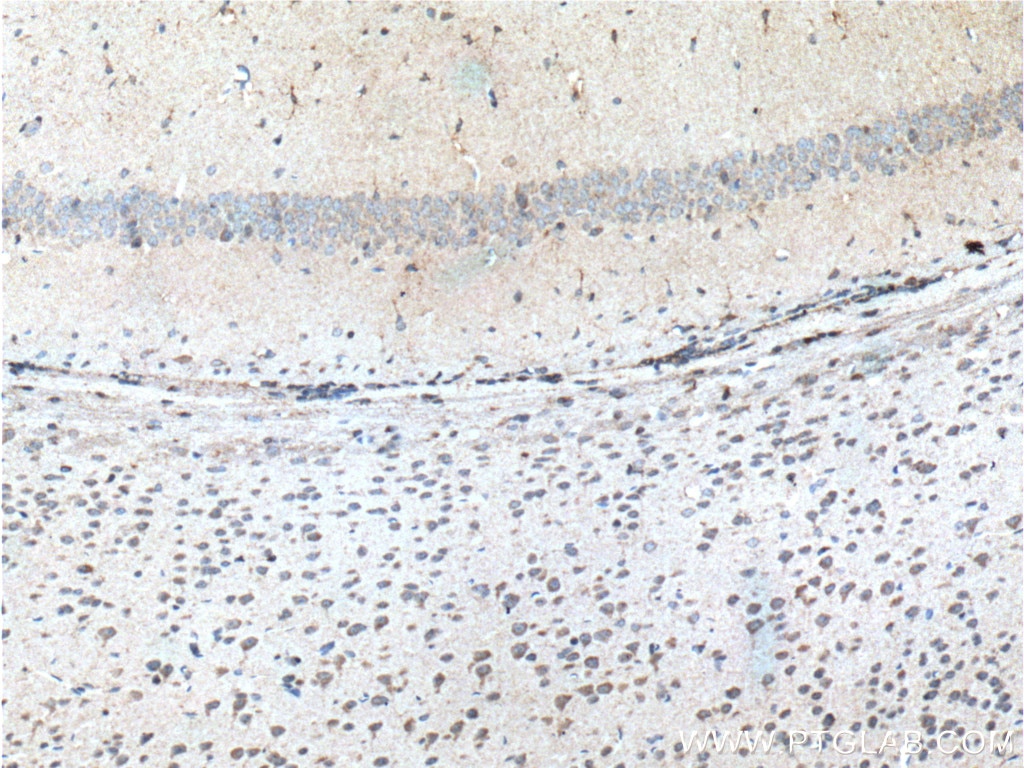
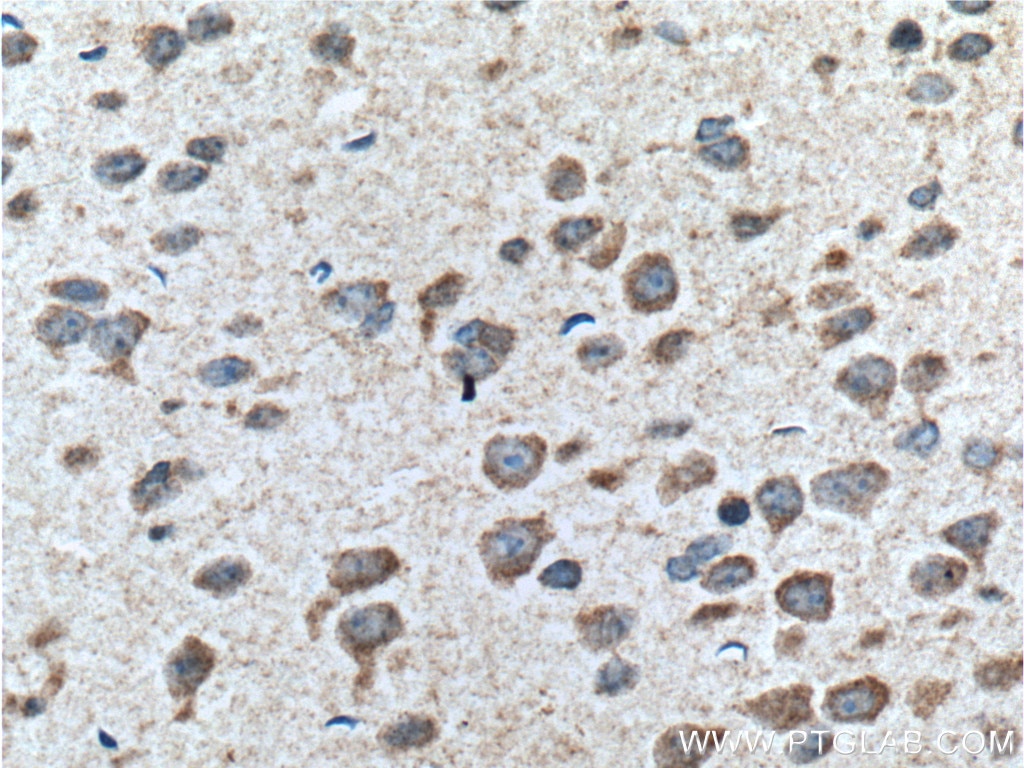
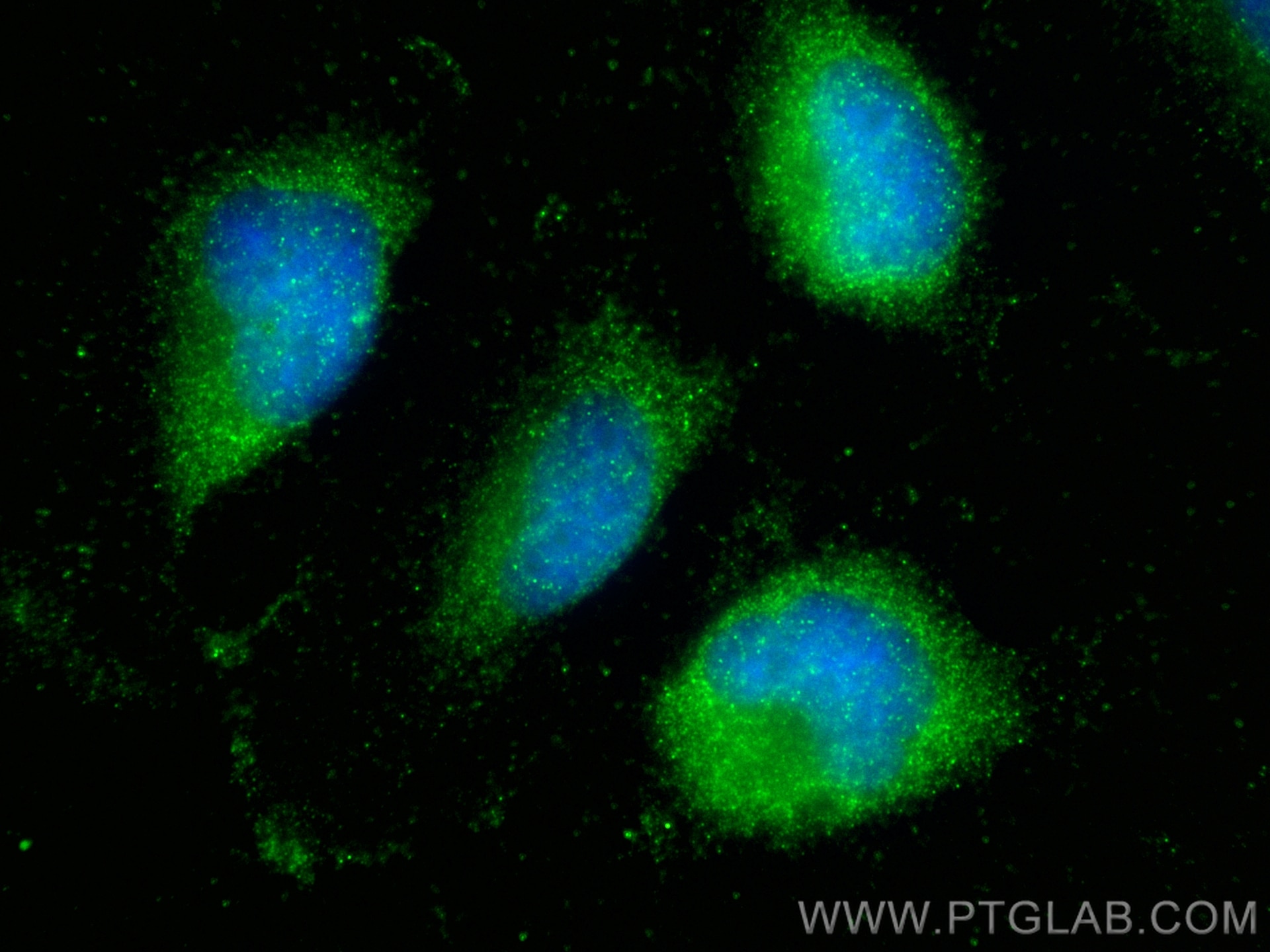
Informations sur le produit
19739-1-PBS cible SYNGAP1 dans les applications de WB, IHC, IF/ICC, IP, Indirect ELISA et montre une réactivité avec des échantillons Humain, porc, rat, souris
| Réactivité | Humain, porc, rat, souris |
| Hôte / Isotype | Lapin / IgG |
| Clonalité | Polyclonal |
| Type | Anticorps |
| Immunogène | Peptide |
| Nom complet | synaptic Ras GTPase activating protein 1 homolog (rat) |
| Masse moléculaire calculée | 1343 aa, 148 kDa |
| Poids moléculaire observé | 148 kDa |
| Numéro d’acquisition GenBank | NM_006772 |
| Symbole du gène | SYNGAP1 |
| Identification du gène (NCBI) | 8831 |
| Conjugaison | Non conjugué |
| Forme | Liquide |
| Méthode de purification | Purification par affinité contre l'antigène |
| Tampon de stockage | PBS only |
| Conditions de stockage | Store at -80°C. 20ul contiennent 0,1% de BSA. |
Informations générales
SYNGAP1, also named as KIAA1938, is the major constituent of the PSD essential for postsynaptic signaling. It's an inhibitory regulator of the Ras-cAMP pathway. SYNGAP1 is a member of the NMDAR signaling complex in excitatory synapses, it may play a role in NMDAR-dependent control of AMPAR potentiation, AMPAR membrane trafficking and synaptic plasticity. SYNGAP1 regulates AMPAR-mediated miniature excitatory postsynaptic currents. SYNGAP1 may be involved in certain forms of brain injury, leading to long-term learning and memory deficits Defects in SYNGAP1 are the cause of mental retardation autosomal dominant type 5 (MRD5).


