- Phare
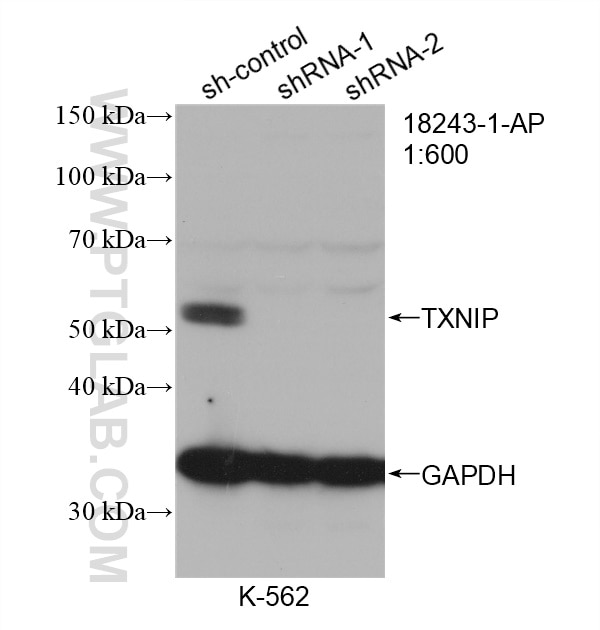
- Validé par KD/KO
Anticorps Polyclonal de lapin anti-TXNIP
TXNIP Polyclonal Antibody for WB, IHC, Indirect ELISA
Hôte / Isotype
Lapin / IgG
Réactivité testée
Humain, rat, souris
Applications
WB, IHC, Indirect ELISA
Conjugaison
Non conjugué
N° de cat : 18243-1-PBS
Synonymes
Galerie de données de validation
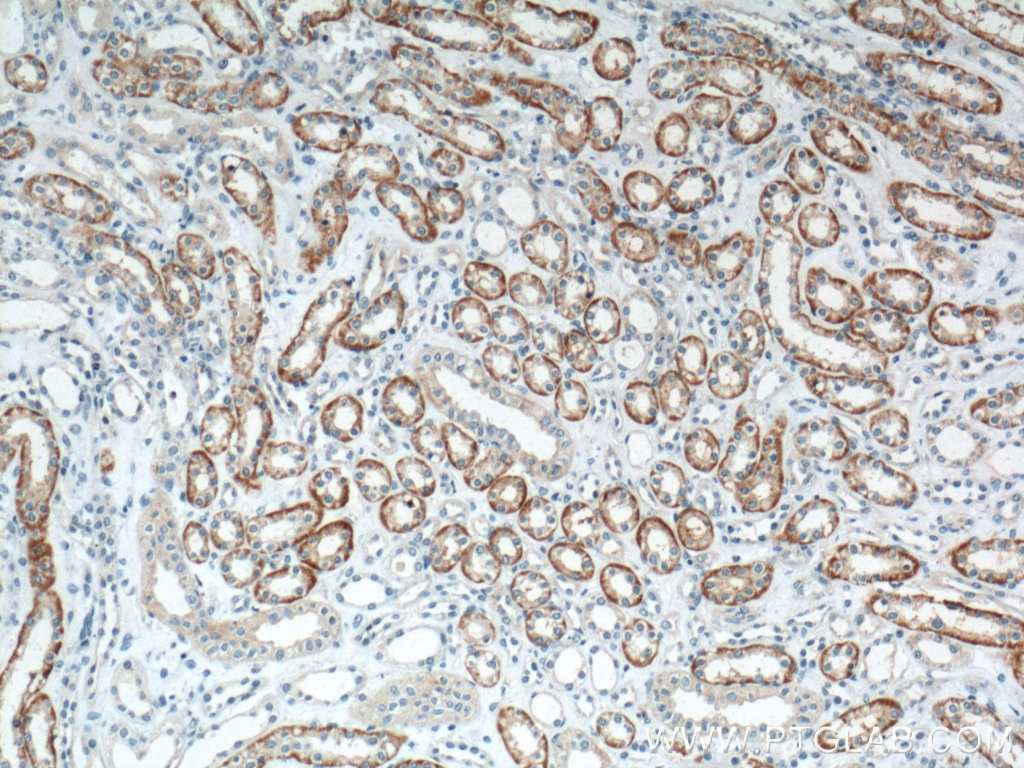
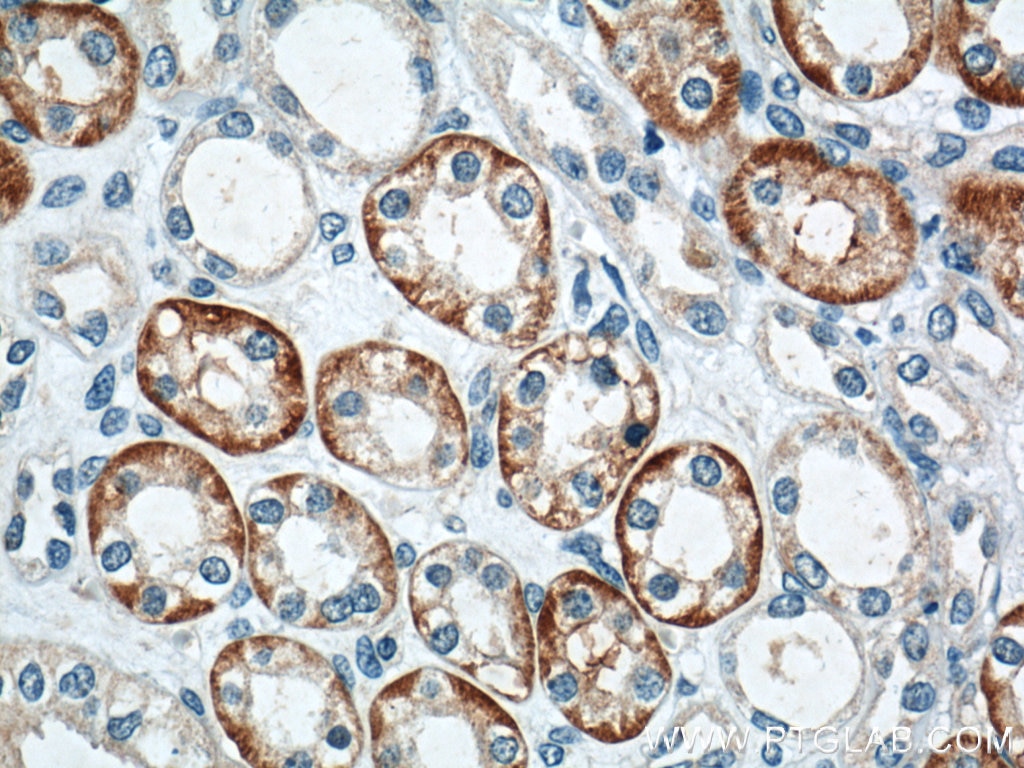
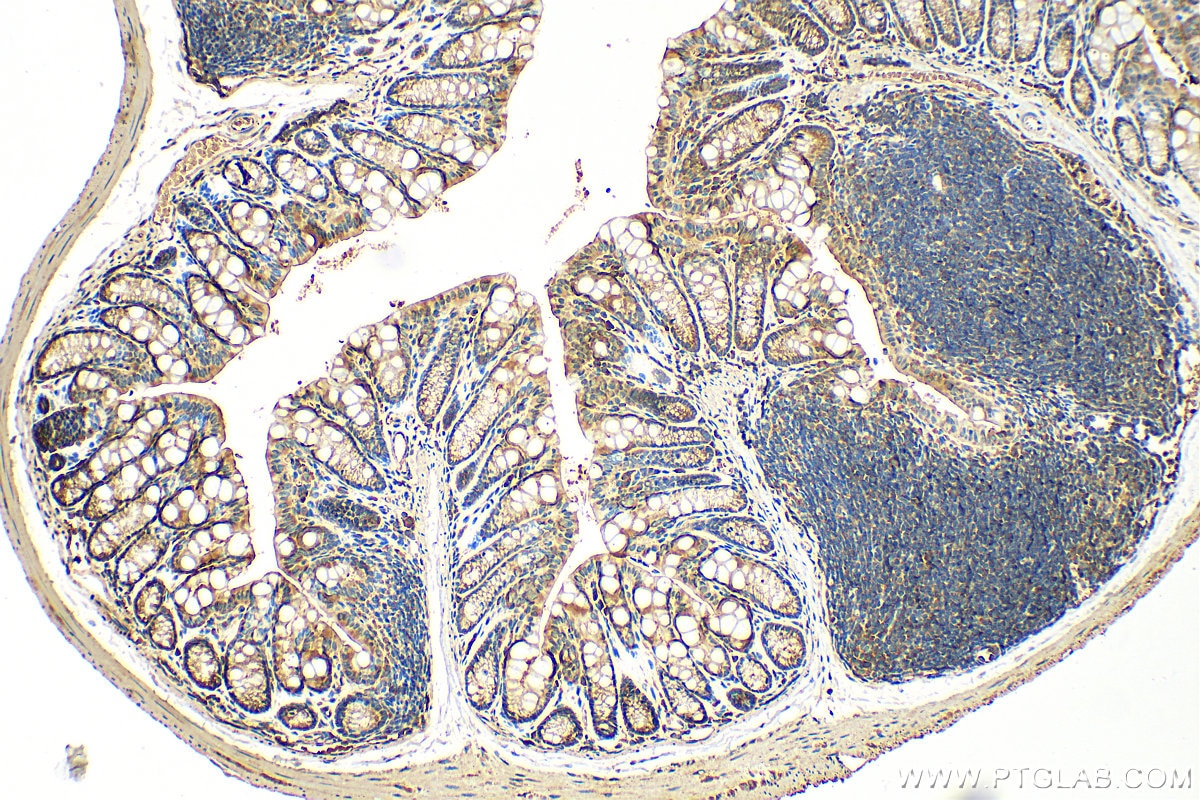
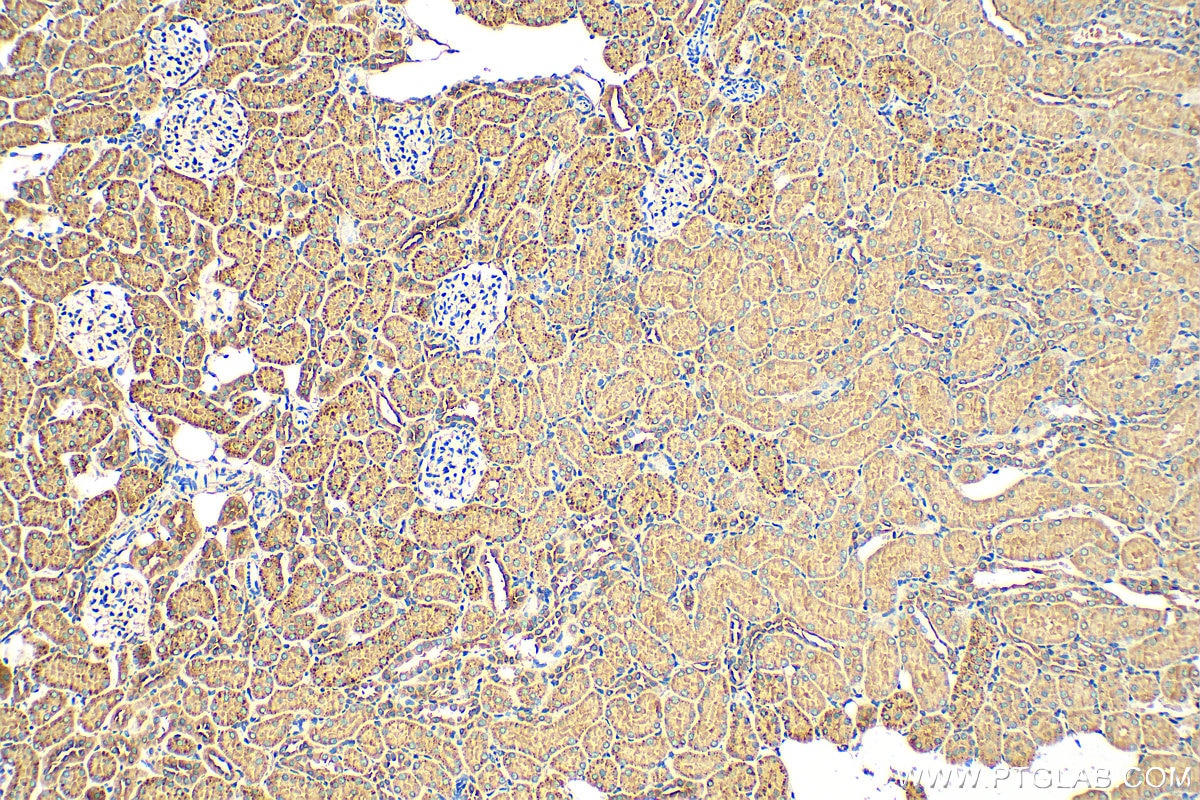
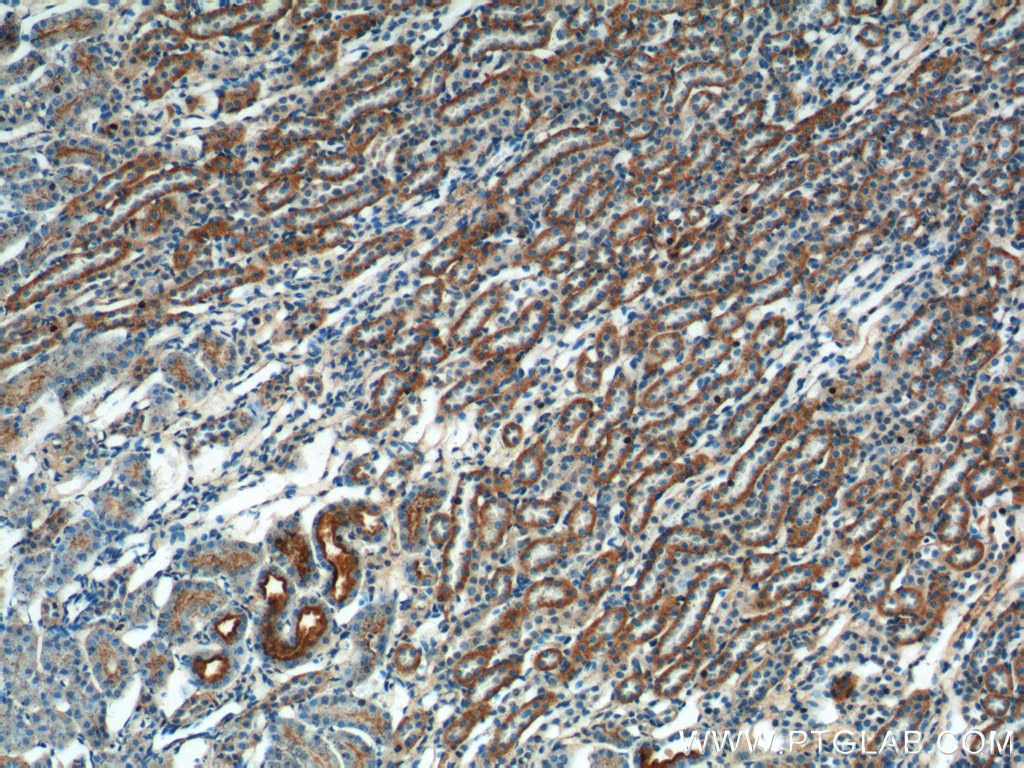
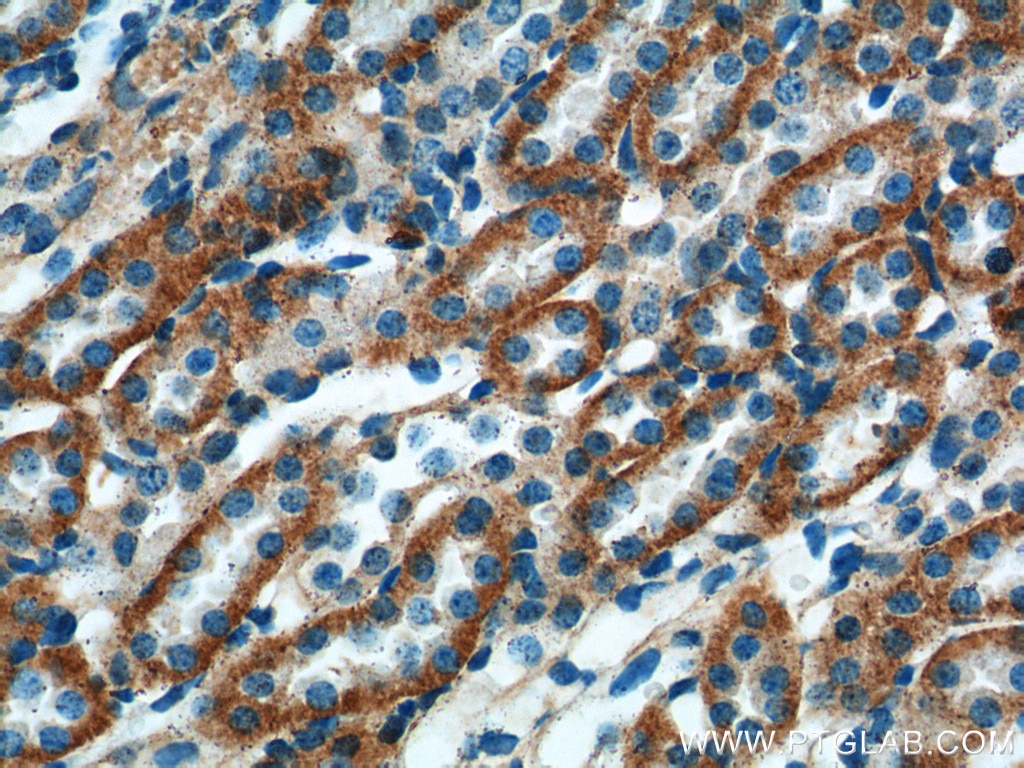
Informations sur le produit
18243-1-PBS cible TXNIP dans les applications de WB, IHC, Indirect ELISA et montre une réactivité avec des échantillons Humain, rat, souris
| Réactivité | Humain, rat, souris |
| Hôte / Isotype | Lapin / IgG |
| Clonalité | Polyclonal |
| Type | Anticorps |
| Immunogène | TXNIP Protéine recombinante Ag13009 |
| Nom complet | thioredoxin interacting protein |
| Masse moléculaire calculée | 391 aa, 44 kDa |
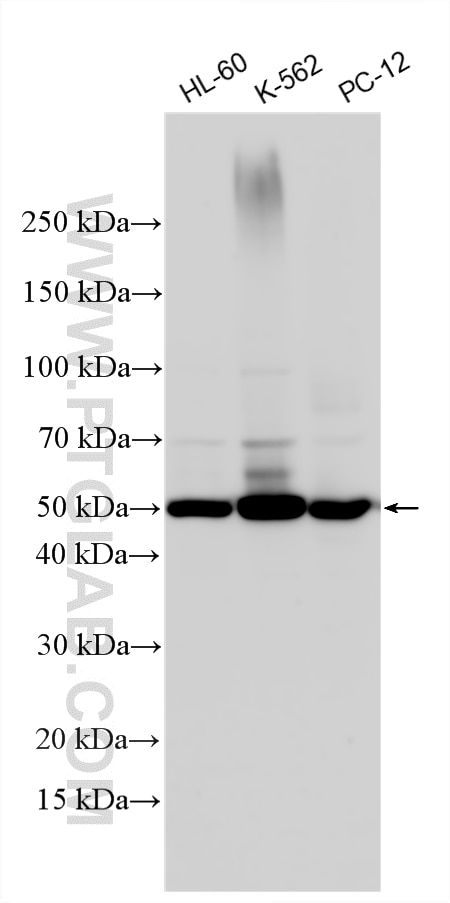
| Poids moléculaire observé | 44-55 kDa |
| Numéro d’acquisition GenBank | BC093702 |
| Symbole du gène | TXNIP |
| Identification du gène (NCBI) | 10628 |
| Conjugaison | Non conjugué |
| Forme | Liquide |
| Méthode de purification | Purification par affinité contre l'antigène |
| Tampon de stockage | PBS only |
| Conditions de stockage | Store at -80°C. 20ul contiennent 0,1% de BSA. |
Informations générales
TXNIP, also known as VDUP-1 or TBP-2, belongs to alpha-arrestin protein family and is perhaps the only family member known to bind thioredoxin (TRX). TXNIP was induced by Vitamin D3, but not induced by another monocyte or macrophage differentiation inducer: phorbol 12-myristate 13-acetate (PMA). TXNIP bound catalytic active center of thioredoxin (TRX), which protected cells against oxidative stress. TXNIP was found to be a negative regulator of thioredoxin activity and inducer of the intracellular level of reactive oxygen species (ROS). TXNIP plays an important role in a wide variety of biological functions, such as the regulation of cell death, growth, differentiation, and energy metabolism.


