Anticorps Recombinant de lapin anti-YAP1
YAP1 Recombinant Antibody for WB, IHC, IF/ICC, ELISA
Hôte / Isotype
Lapin / IgG
Réactivité testée
Humain, rat, souris
Applications
WB, IHC, IF/ICC, ELISA
Conjugaison
Non conjugué
CloneNo.
5E3
N° de cat : 81090-1-RR
Synonymes
Galerie de données de validation
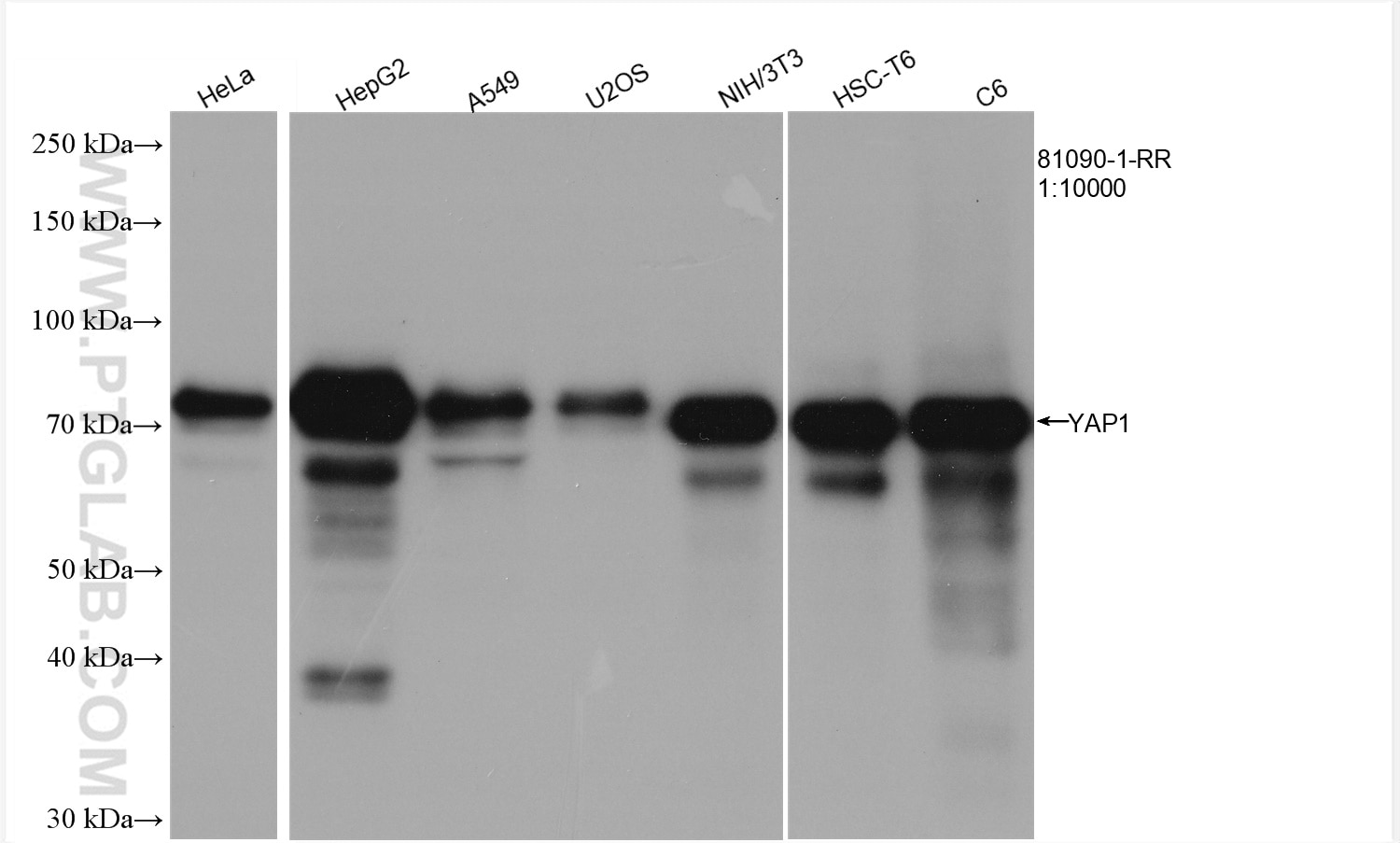
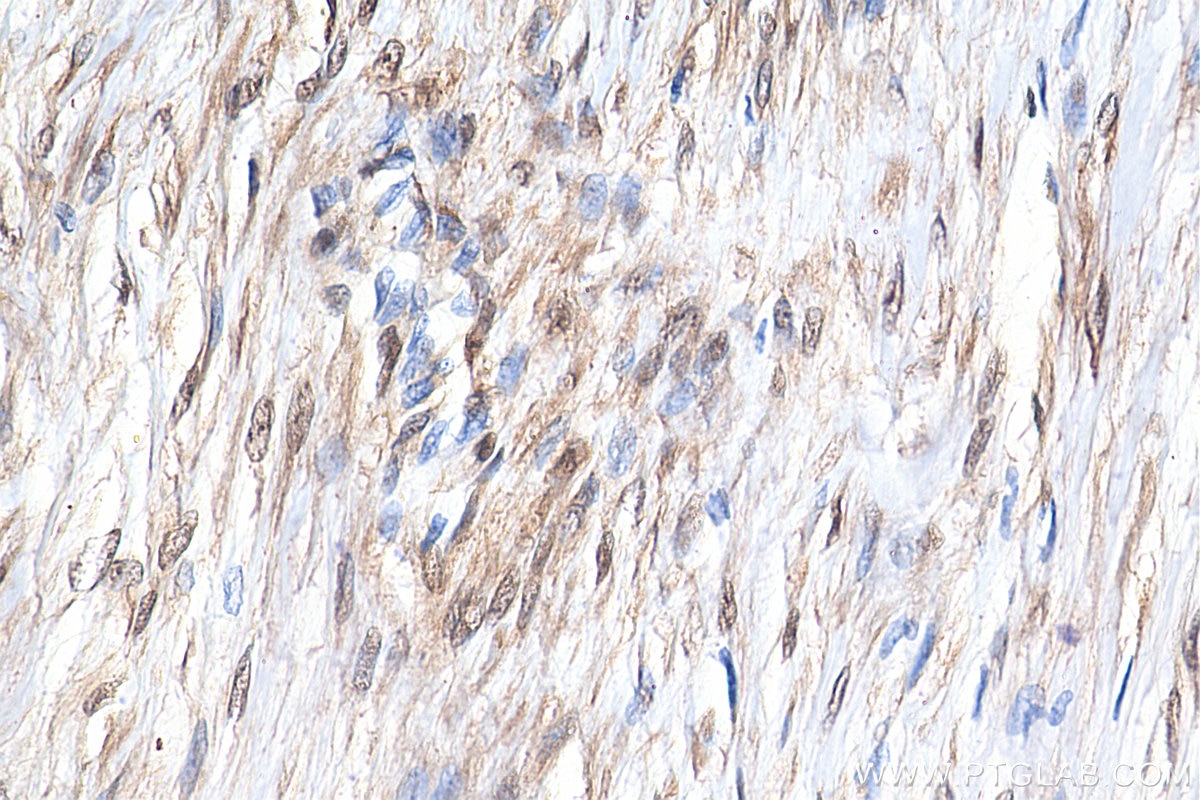
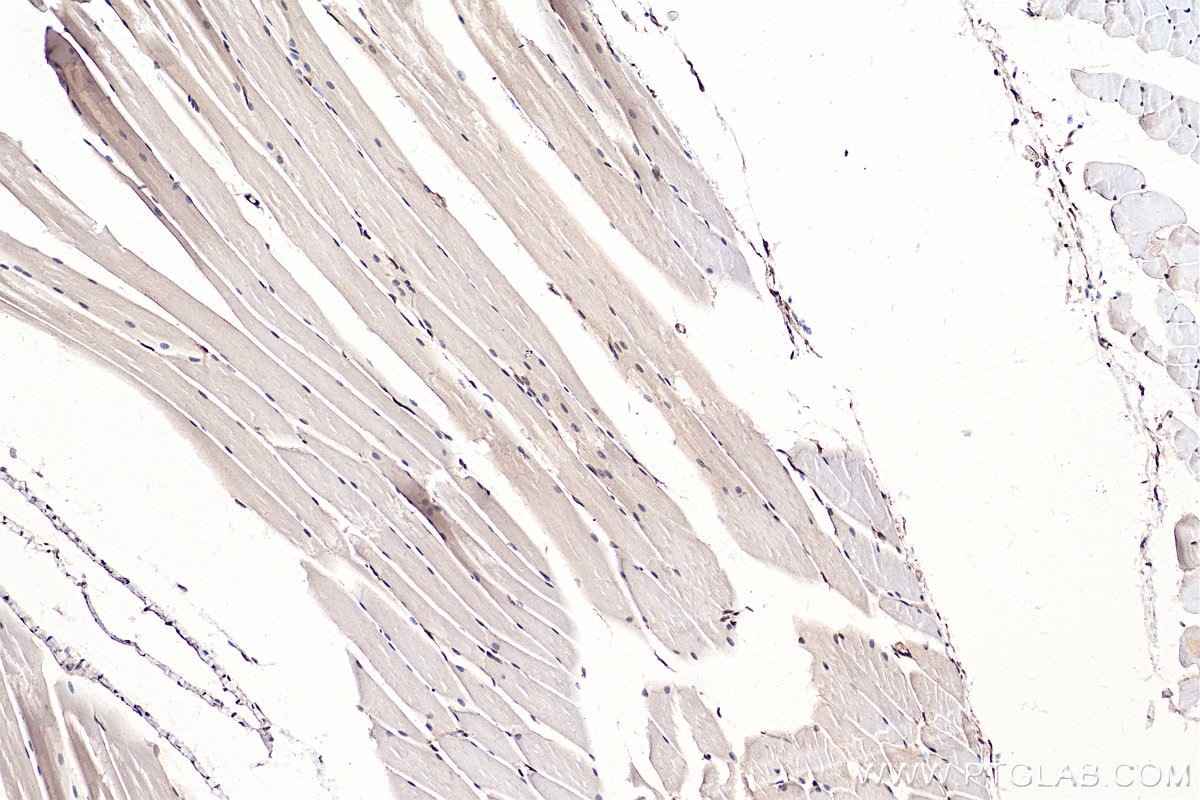
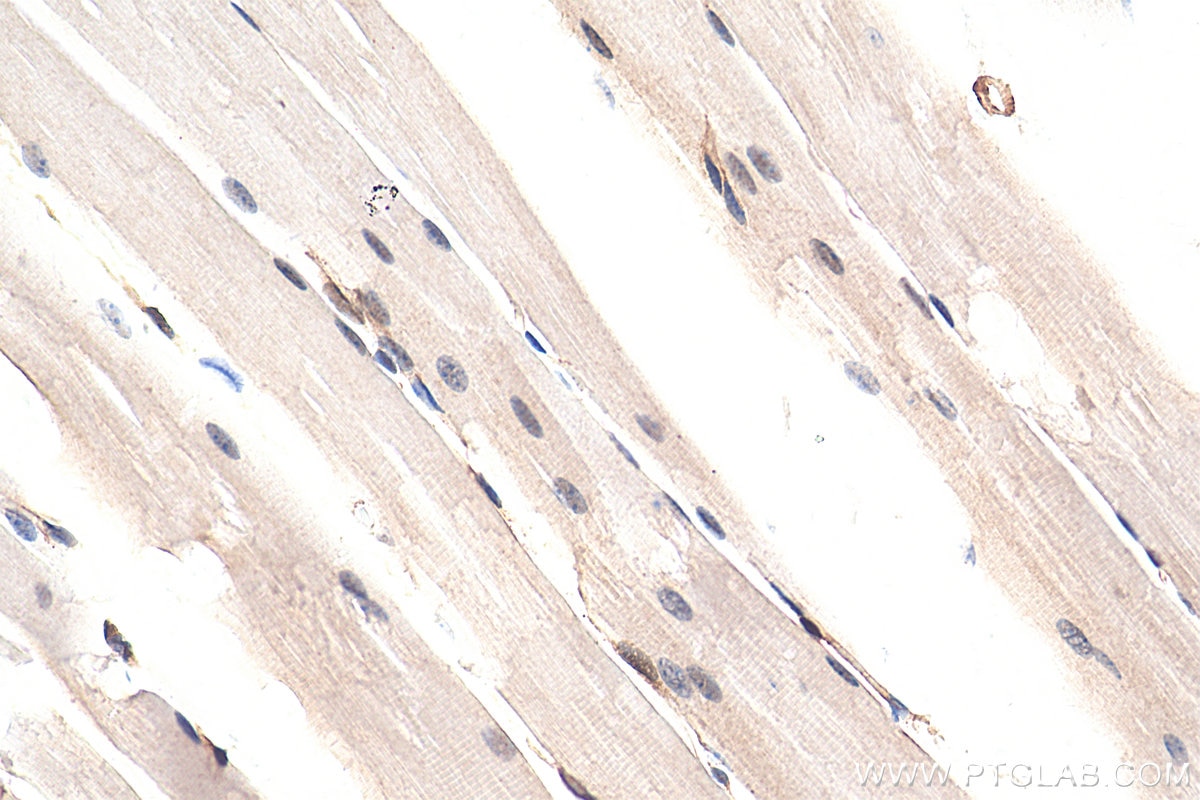
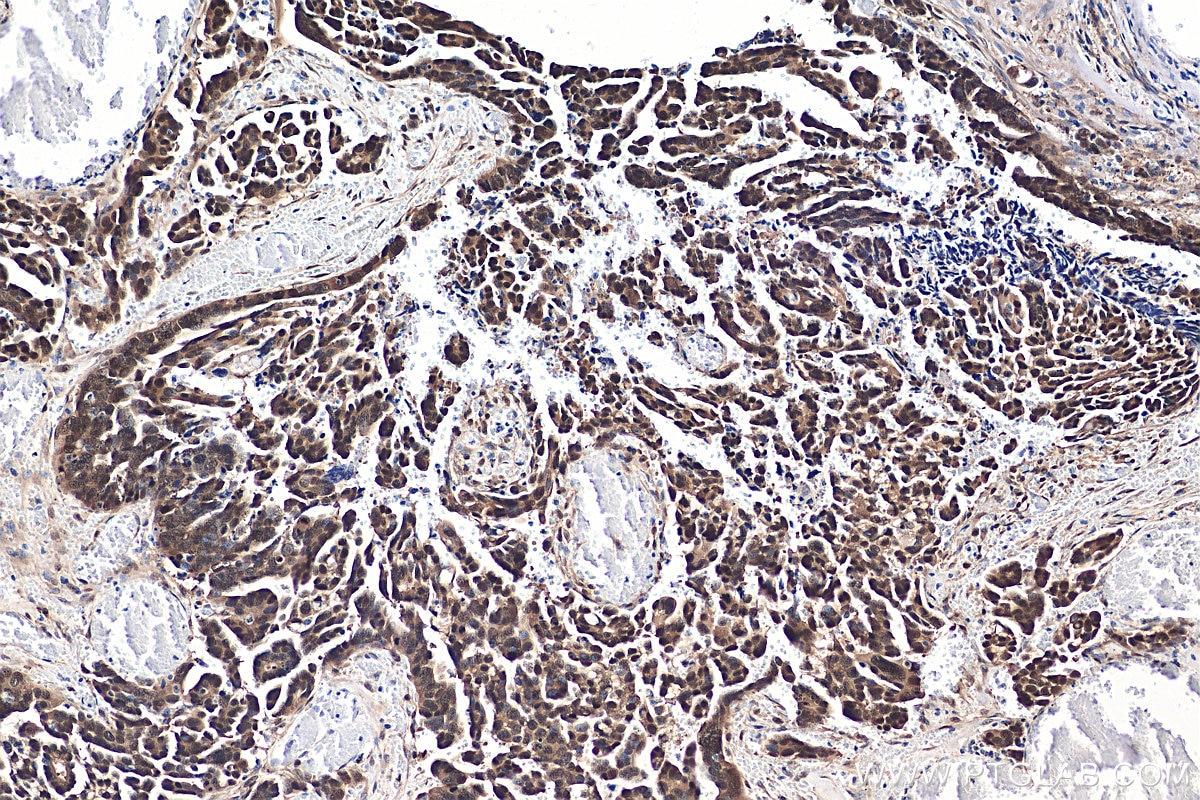
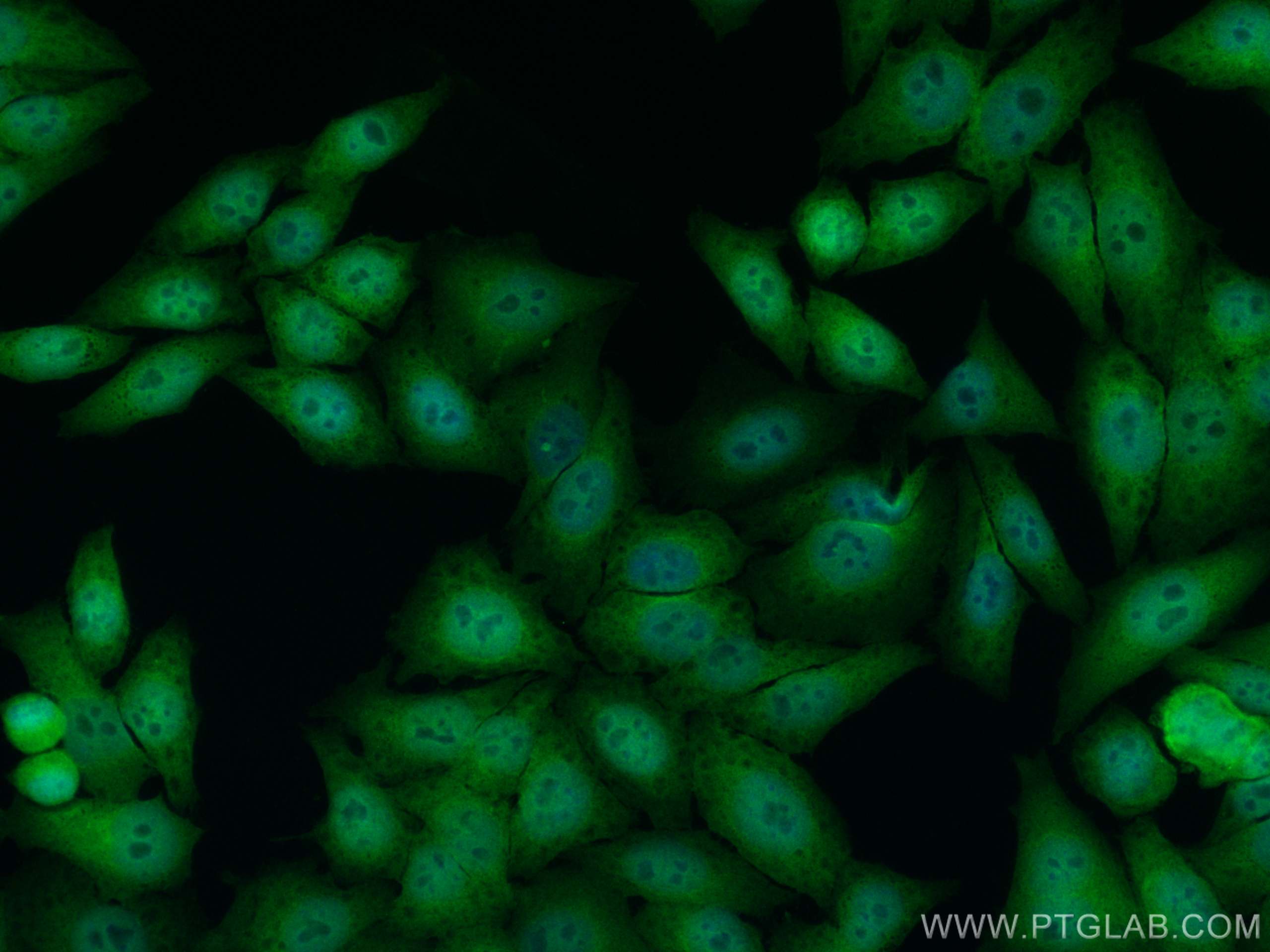
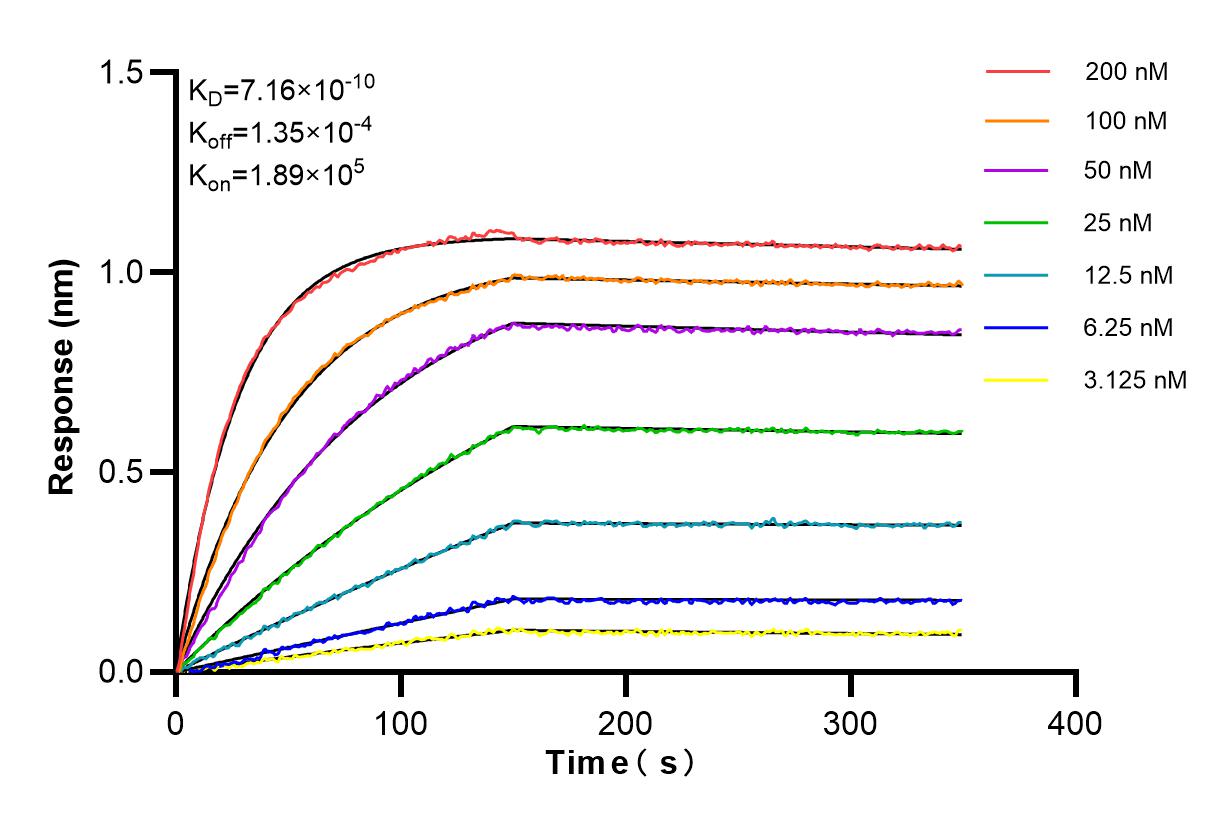
Applications testées
| Résultats positifs en WB | cellules HeLa, cellules A549, cellules C6, cellules HepG2, cellules HSC-T6, cellules NIH/3T3, cellules U2OS |
| Résultats positifs en IHC | tissu de cancer du côlon humain, tissu de muscle squelettique de souris il est suggéré de démasquer l'antigène avec un tampon de TE buffer pH 9.0; (*) À défaut, 'le démasquage de l'antigène peut être 'effectué avec un tampon citrate pH 6,0. |
| Résultats positifs en IF/ICC | cellules HepG2, |
Dilution recommandée
| Application | Dilution |
|---|---|
| Western Blot (WB) | WB : 1:5000-1:50000 |
| Immunohistochimie (IHC) | IHC : 1:250-1:1000 |
| Immunofluorescence (IF)/ICC | IF/ICC : 1:500-1:2000 |
| It is recommended that this reagent should be titrated in each testing system to obtain optimal results. | |
| Sample-dependent, check data in validation data gallery | |
Applications publiées
| IHC | See 1 publications below |
Informations sur le produit
81090-1-RR cible YAP1 dans les applications de WB, IHC, IF/ICC, ELISA et montre une réactivité avec des échantillons Humain, rat, souris
| Réactivité | Humain, rat, souris |
| Réactivité citée | souris |
| Hôte / Isotype | Lapin / IgG |
| Clonalité | Recombinant |
| Type | Anticorps |
| Immunogène | YAP1 Protéine recombinante Ag4510 |
| Nom complet | Yes-associated protein 1, 65kDa |
| Masse moléculaire calculée | 504 aa, 54 kDa |
| Poids moléculaire observé | 65-75 kDa |
| Numéro d’acquisition GenBank | BC038235 |
| Symbole du gène | YAP1 |
| Identification du gène (NCBI) | 10413 |
| Conjugaison | Non conjugué |
| Forme | Liquide |
| Méthode de purification | Purification par protéine A |
| Tampon de stockage | PBS with 0.02% sodium azide and 50% glycerol |
| Conditions de stockage | Stocker à -20°C. Stable pendant un an après l'expédition. L'aliquotage n'est pas nécessaire pour le stockage à -20oC Les 20ul contiennent 0,1% de BSA. |
Informations générales
Yes-associated protein 1 (YAP1) is a transcriptional regulator which can act both as a coactivator and a corepressor and is the critical downstream regulatory target in the Hippo signaling pathway that plays a pivotal role in organ size control and tumor suppression by restricting proliferation and promoting apoptosis. The core of this pathway is composed of a kinase cascade wherein STK3/MST2 and STK4/MST1, in complex with its regulatory protein SAV1, phosphorylates and activates LATS1/2 in complex with its regulatory protein MOB1, which in turn phosphorylates and inactivates YAP1 oncoprotein and WWTR1/TAZ. Plays a key role to control cell proliferation in response to cell contact. Phosphorylation of YAP1 by LATS1/2 inhibits its translocation into the nucleus to regulate cellular genes important for cell proliferation, cell death, and cell migration. The presence of TEAD transcription factors are required for it to stimulate gene expression, cell growth, anchorage-independent growth, and epithelial mesenchymal transition (EMT) induction. Isoform 2 and isoform 3 can activate the C-terminal fragment (CTF) of ERBB4 (isoform 3).Increased expression seen in some liver and prostate cancers. Isoforms lacking the transactivation domain found in striatal neurons of patients with Huntington disease (at protein level).It is actived by phosphorylation and degradated by ubiquitination (20048001). The calcualted molecular weight of YAP1 is 54 kDa, but routinely observed at 65-75 kDa by Western Blot (PMID: 28230103, 33264286, 36255405).
Protocole
| Product Specific Protocols | |
|---|---|
| WB protocol for YAP1 antibody 81090-1-RR | Download protocol |
| IHC protocol for YAP1 antibody 81090-1-RR | Download protocol |
| IF protocol for YAP1 antibody 81090-1-RR | Download protocol |
| Standard Protocols | |
|---|---|
| Click here to view our Standard Protocols |
Publications
| Species | Application | Title |
|---|---|---|
Sci Rep YAP promotes the early development of temporomandibular joint bony ankylosis by regulating mesenchymal stem cell function | ||
Front Immunol Modified Gegen Qinlian Decoction modulated the gut microbiome and bile acid metabolism and restored the function of goblet cells in a mouse model of ulcerative colitis |


