
Tested Applications
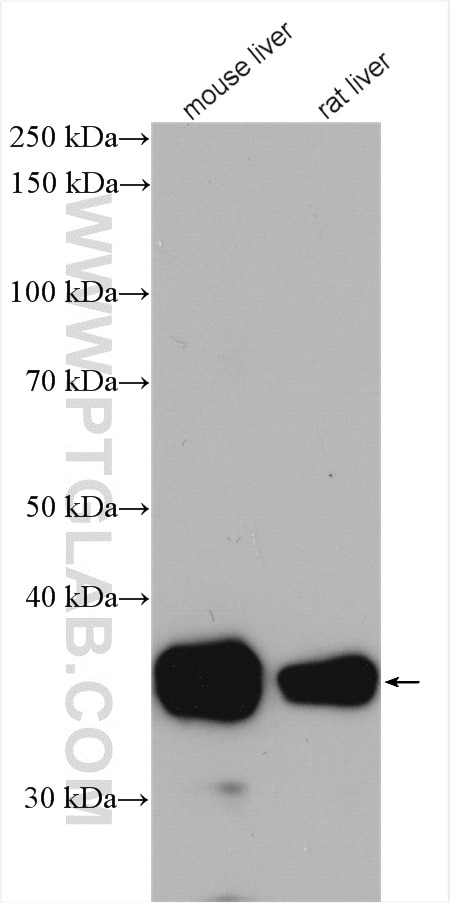
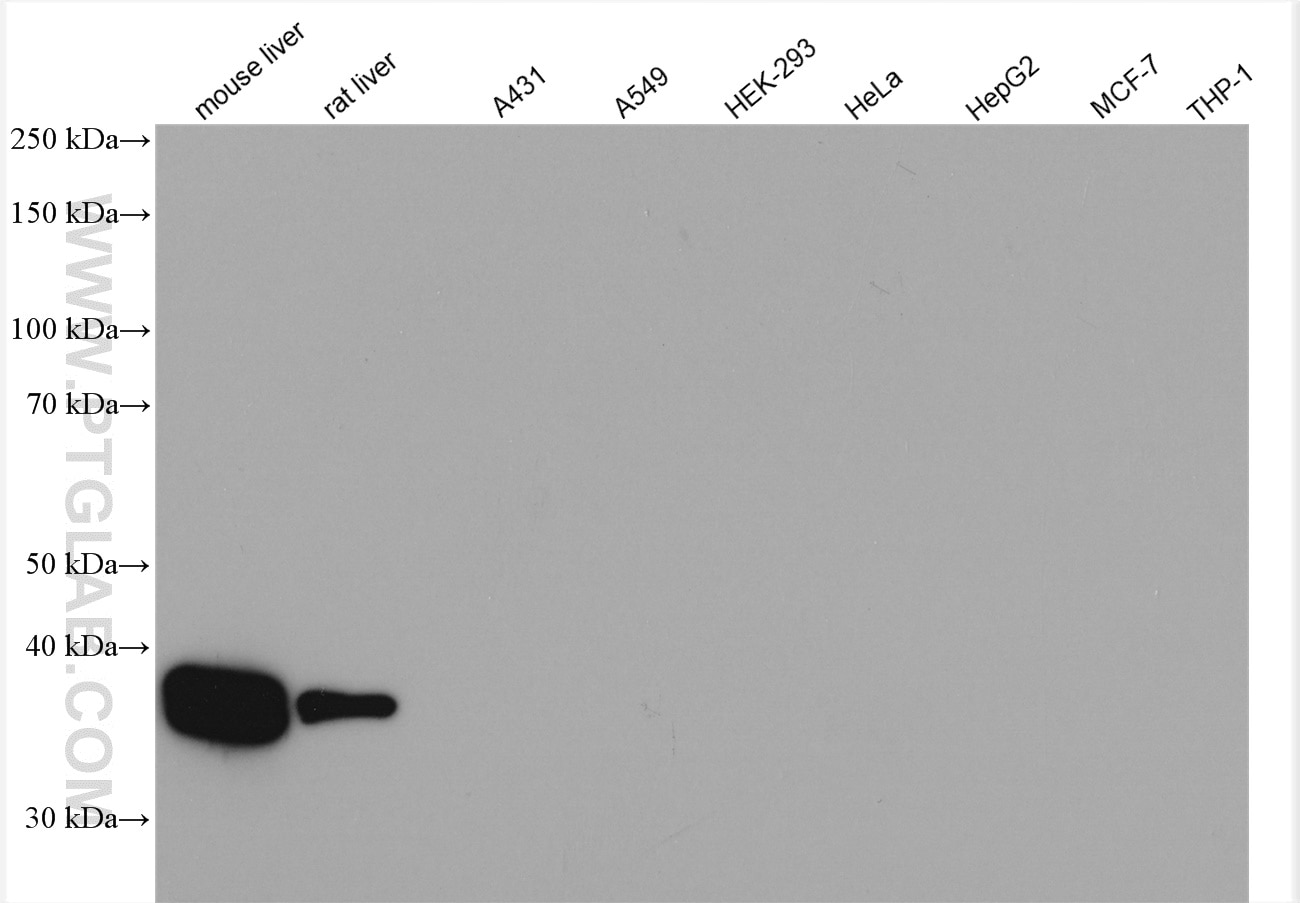
| Positive WB detected in | mouse liver tissue, rat liver tissue |
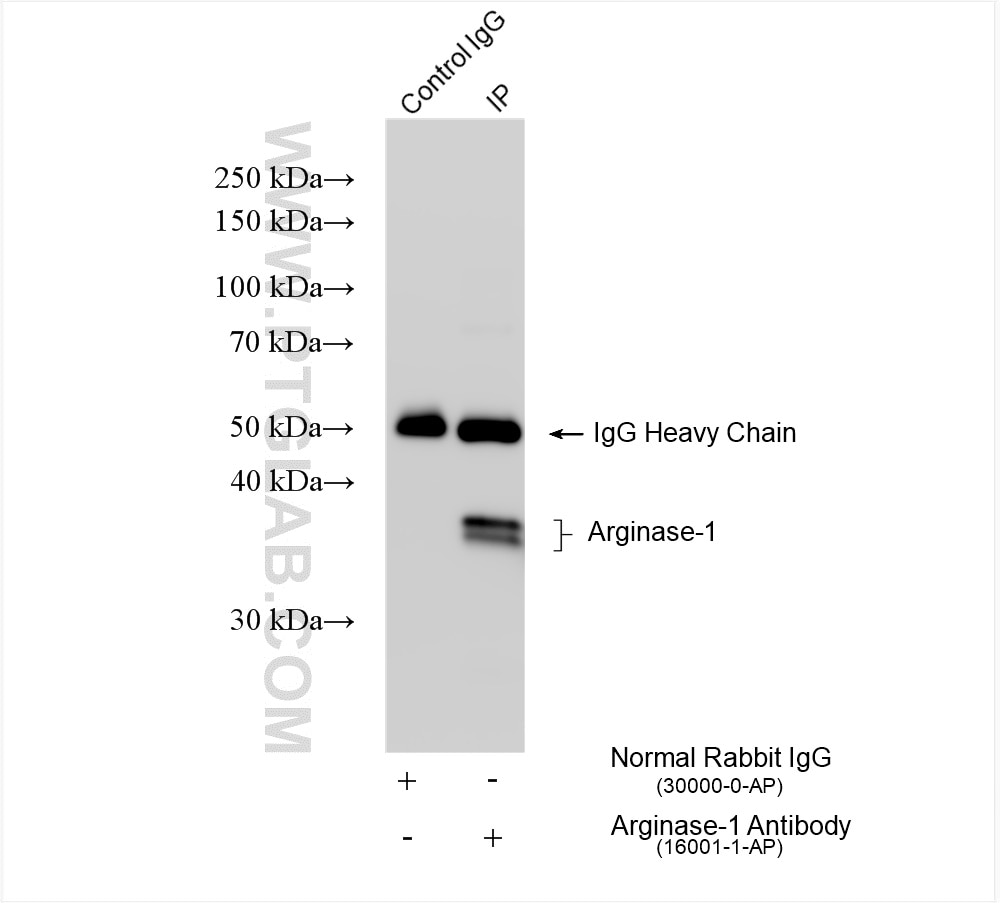
| Positive IP detected in | mouse liver tissue |
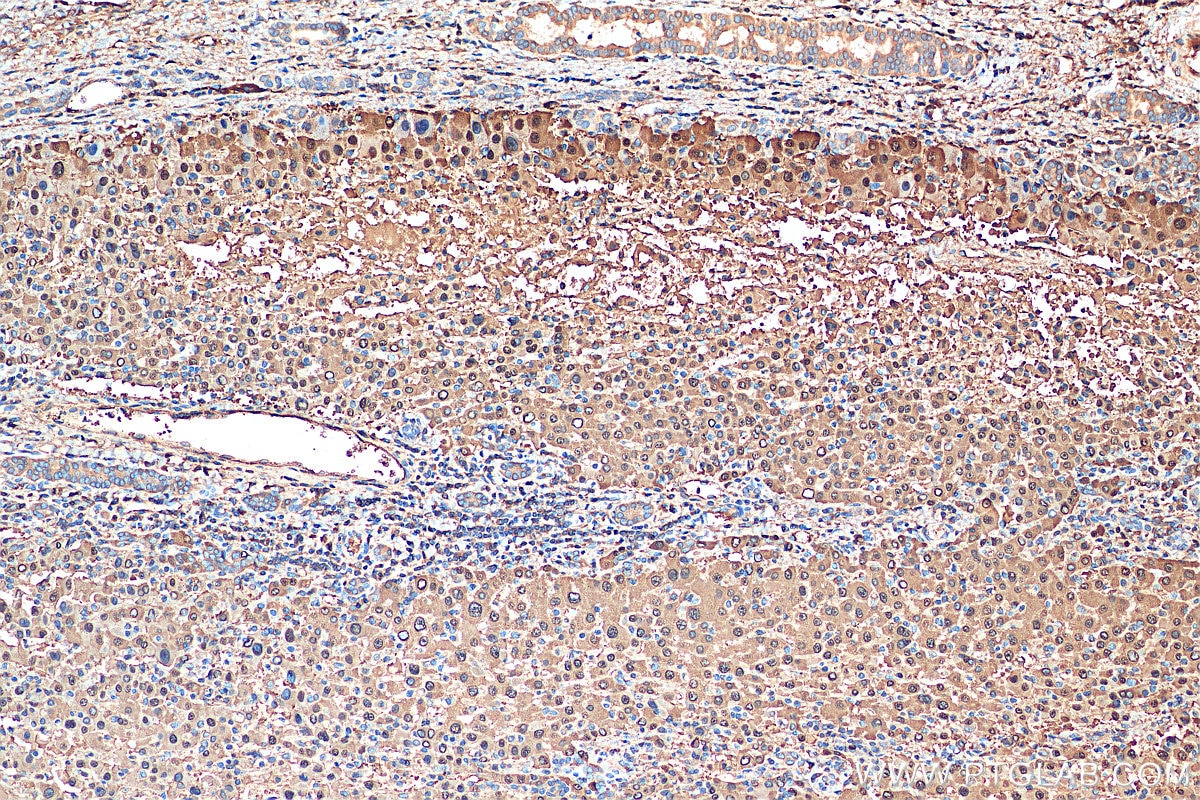
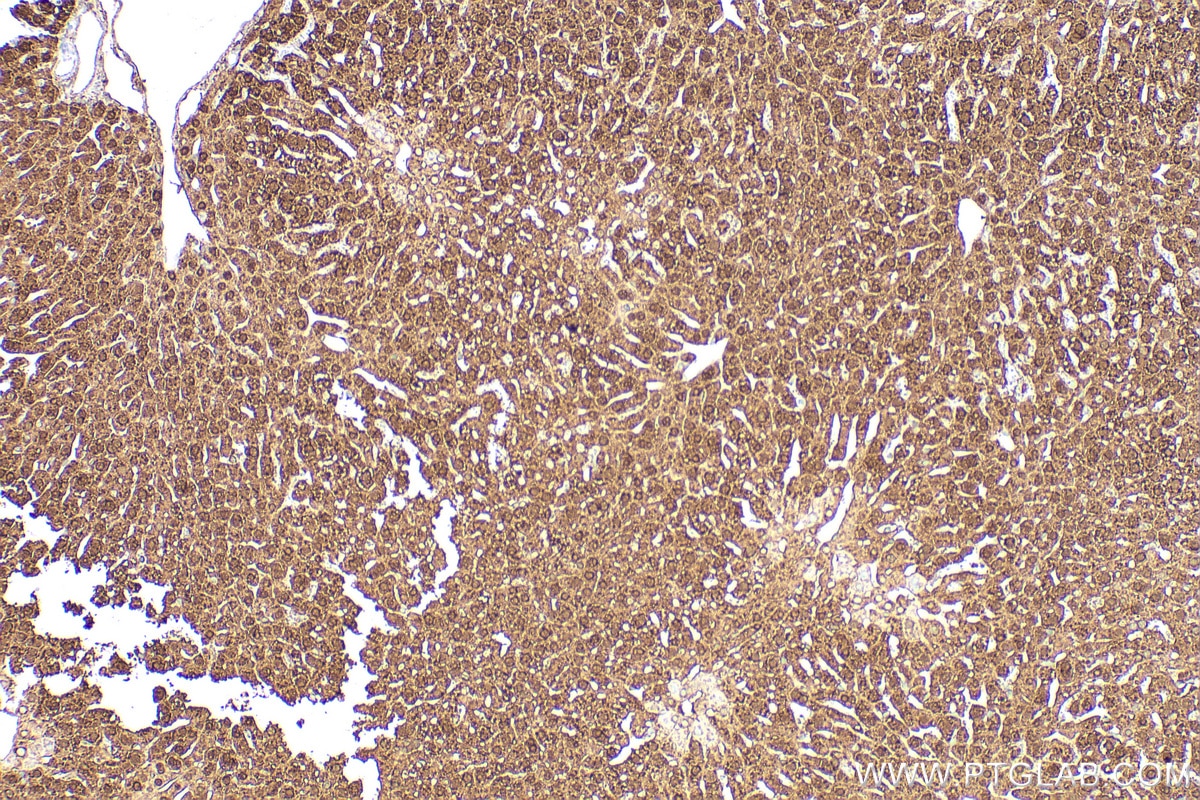
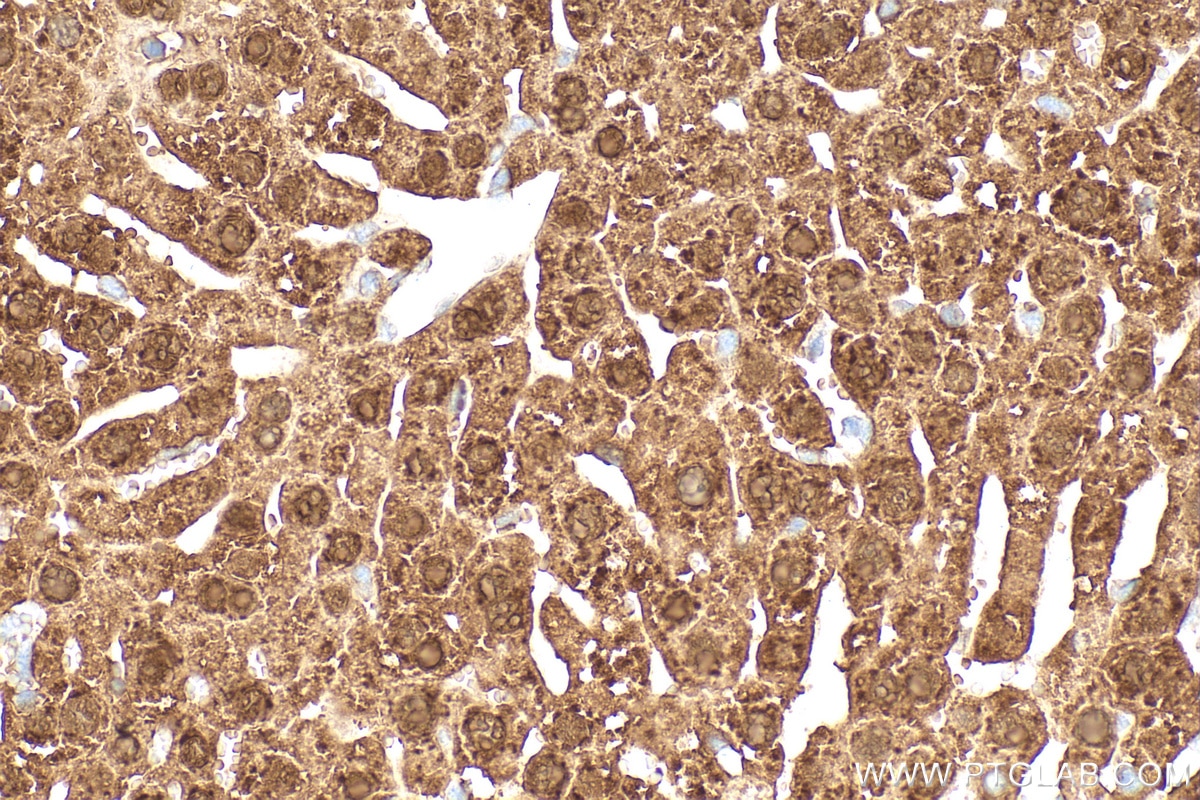
| Positive IHC detected in | human liver cancer tissue, mouse liver tissue Note: suggested antigen retrieval with TE buffer pH 9.0; (*) Alternatively, antigen retrieval may be performed with citrate buffer pH 6.0 |
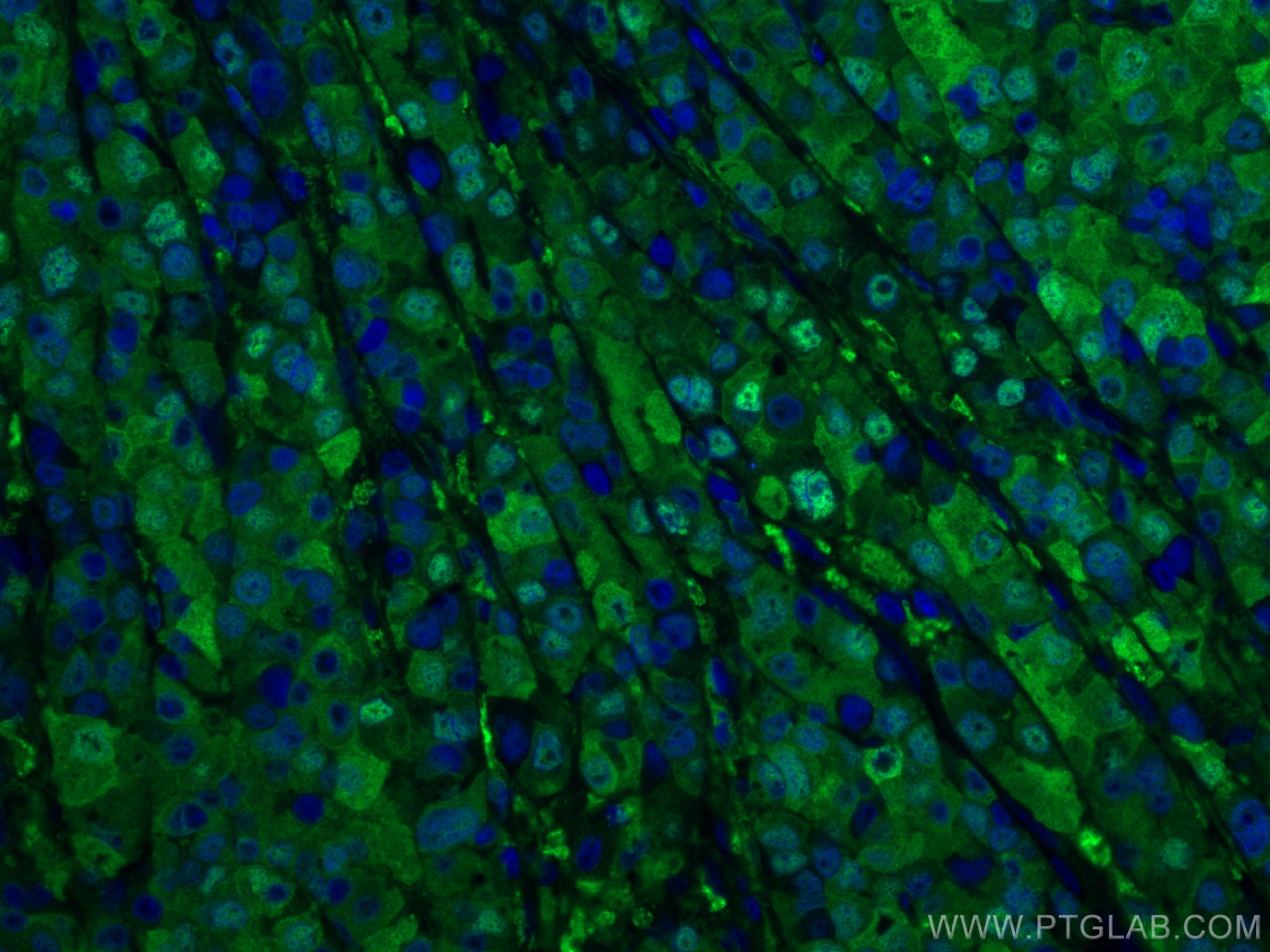
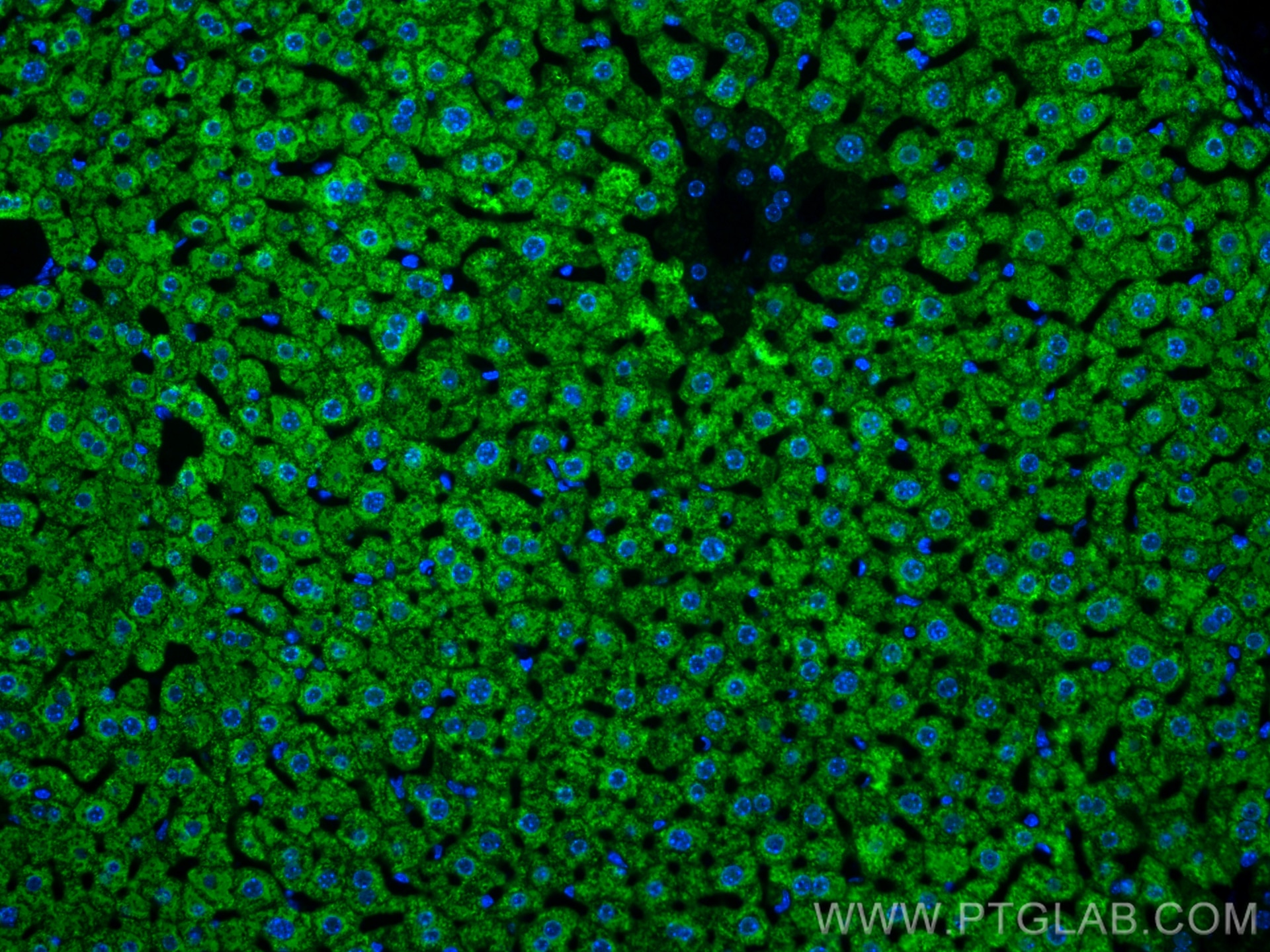
| Positive IF-P detected in | mouse liver tissue, human liver cancer tissue |
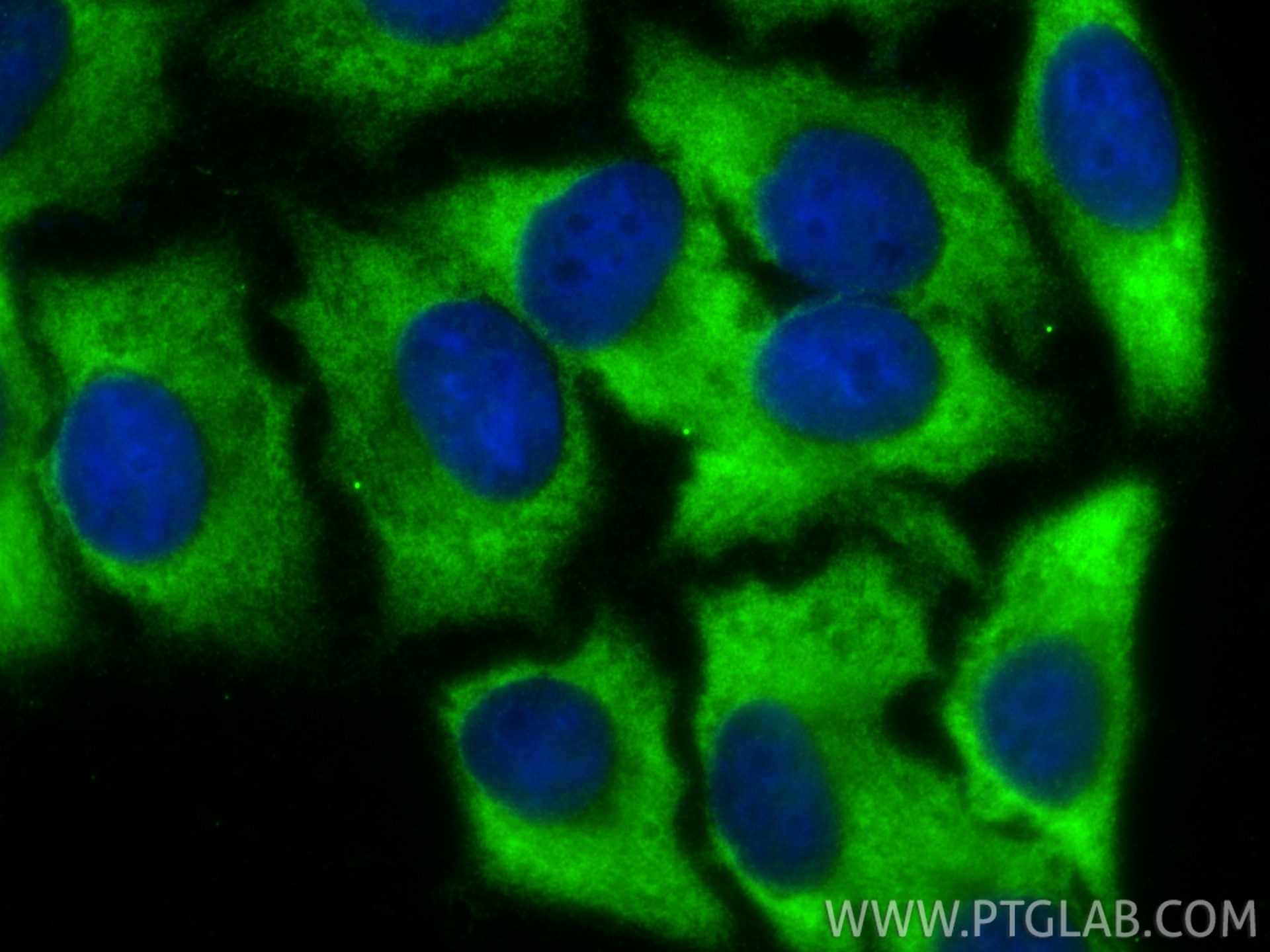
| Positive IF/ICC detected in | HepG2 cells |
Recommended dilution
| Application | Dilution |
|---|---|
| Western Blot (WB) | WB : 1:5000-1:50000 |
| Immunoprecipitation (IP) | IP : 0.5-4.0 ug for 1.0-3.0 mg of total protein lysate |
| Immunohistochemistry (IHC) | IHC : 1:50-1:500 |
| Immunofluorescence (IF)-P | IF-P : 1:50-1:500 |
| Immunofluorescence (IF)/ICC | IF/ICC : 1:200-1:800 |
| It is recommended that this reagent should be titrated in each testing system to obtain optimal results. | |
| Sample-dependent, Check data in validation data gallery. | |
Product Information
16001-1-AP targets Arginase-1 in WB, IHC, IF/ICC, IF-P, IP, CoIP, ELISA applications and shows reactivity with human, mouse, rat samples.
| Tested Reactivity | human, mouse, rat |
| Cited Reactivity | human, mouse, rat, pig, bovine |
| Host / Isotype | Rabbit / IgG |
| Class | Polyclonal |
| Type | Antibody |
| Immunogen |
CatNo: Ag8595 Product name: Recombinant human ARG1 protein Source: e coli.-derived, PGEX-4T Tag: GST Domain: 1-236 aa of BC005321 Sequence: MSAKSRTIGIIGAPFSKGQPRGGVEEGPTVLRKAGLLEKLKEQECDVKDYGDLPFADIPNDSPFQIVKNPRSVGKASEQLAGKVAEVKKNGRISLVLGGDHSLAIGSISGHARVHPDLGVIWVDAHTDINTPLTTTSGNLHGQPVSFLLKELKGKIPDVPGFSWVTPCISAKDIVYIGLRDVDPGEHYILKTLGIKYFSMTEVTRTVNTAVAITLACFGLAREGNHKPIDYLNPPK Predict reactive species |
| Full Name | arginase, liver |
| Calculated Molecular Weight | 236aa,25 kDa; 322aa,35 kDa |
| Observed Molecular Weight | 35-36 kDa |
| GenBank Accession Number | BC005321 |
| Gene Symbol | Arginase-1 |
| Gene ID (NCBI) | 383 |
| RRID | AB_2289842 |
| Conjugate | Unconjugated |
| Form | Liquid |
| Purification Method | Antigen affinity purification |
| UNIPROT ID | P05089 |
| Storage Buffer | PBS with 0.02% sodium azide and 50% glycerol, pH 7.3. |
| Storage Conditions | Store at -20°C. Stable for one year after shipment. Aliquoting is unnecessary for -20oC storage. 20ul sizes contain 0.1% BSA. |
Background Information
Arginase-1 (Liver arginase) belongs to the arginase family. ARG1 is a novel immunohistochemical marker of hepatocellular differentiation in fine needle aspiration cytology and a marker of hepatocytes and hepatocellular neoplasms. ARG1 is closely associated with alternative macrophage activation and ARG1 has been shown to protect motor neurons from trophic factor deprivation and allow sensory neurons to overcome neurite outgrowth inhibition by myelin proteins (PMID: 20071539, PMID:12098359). It can exist as a homotrimer and has 3 isoforms produced by alternative splicing (PMID:16141327). Defects in ARG1 are the cause of argininemia (ARGIN). Deletion or TNF-mediated restriction of ARG1 unleashes the production of NO by NOS2, which is critical for pathogen control (PMID:27117406). ARG1 is mainly expresses in neurons in a normal brain. The expression of ARG1 increases in microglia/macrophages and astrocytes early after CNS injuries. ARG1 has been regarded as a marker for beneficial microglia/macrophages and possesses anti-inflammatory and tissue repair properties under various pathological conditions (PMID: 26538310, PMID: 31619589).
Protocols
| Product Specific Protocols | |
|---|---|
| IF protocol for Arginase-1 antibody 16001-1-AP | Download protocol |
| IHC protocol for Arginase-1 antibody 16001-1-AP | Download protocol |
| IP protocol for Arginase-1 antibody 16001-1-AP | Download protocol |
| WB protocol for Arginase-1 antibody 16001-1-AP | Download protocol |
| Standard Protocols | |
|---|---|
| Click here to view our Standard Protocols |
Publications
What published studies show
| Species | Application | Title |
|---|---|---|
Cancer Cell Distinct roles of TREM2 in central nervous system cancers and peripheral cancers | ||
Cell Dietary arginine drives codon-dependent MHC class I translation and improves immunity in colon tumorigenesis and respiratory viral infection. | ||
Mol Cancer Integrating single cell- and spatial- resolved transcriptomics unravels the inter-tumor heterogeneity and immunosuppressive landscape in HBV- and Clonorchis sinensis-associated hepatocellular carcinoma. | ||
Adv Mater Suppression of Sepsis Cytokine Storm by Escherichia Coli Cell Wall-Derived Carbon Dots |
Reviews
What customers say
The reviews below have been submitted by verified Proteintech customers who received an incentive for providing their feedback.
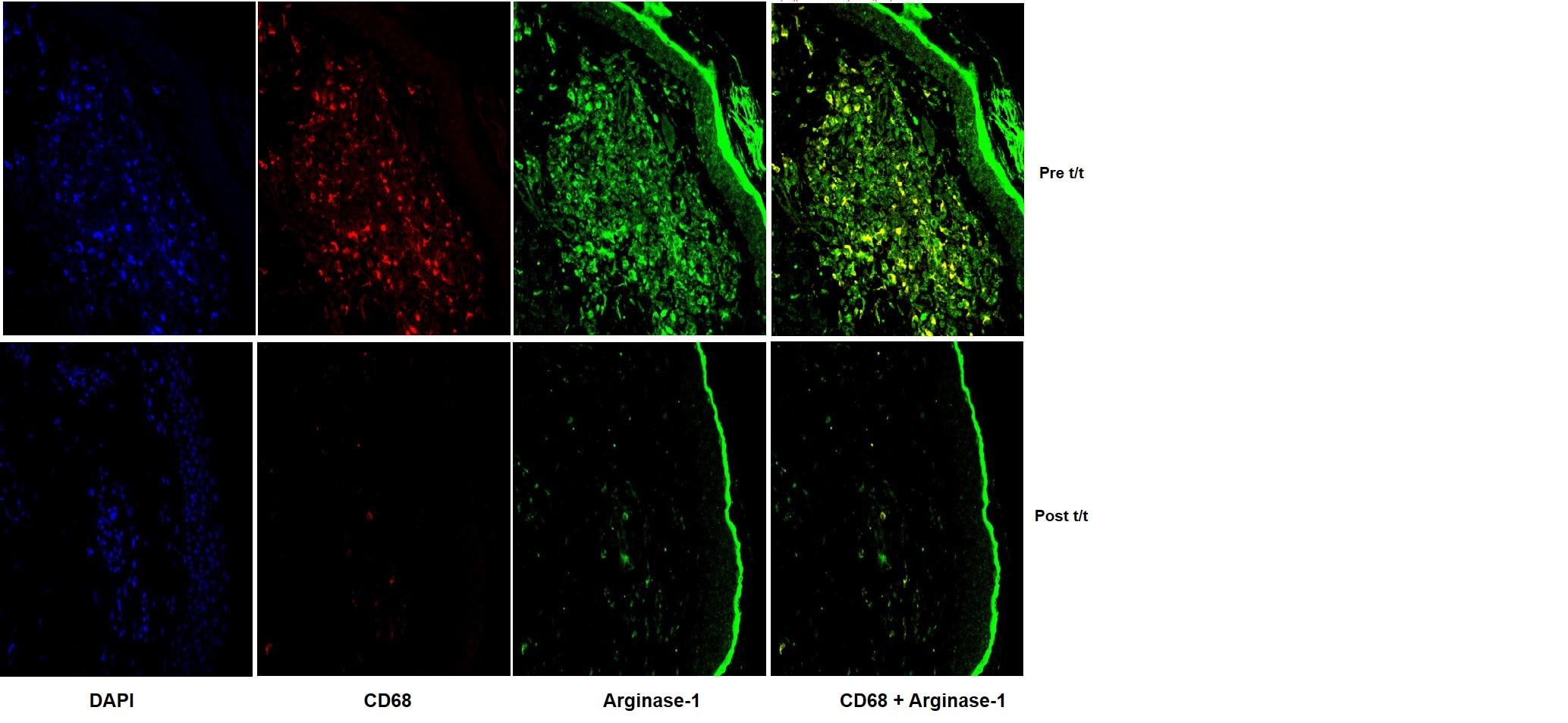
Debanjan (Verified Customer) (12-23-2019) | This antibody performs very well for immunohistochemistry from human skin samples
 |










