

Tested Applications
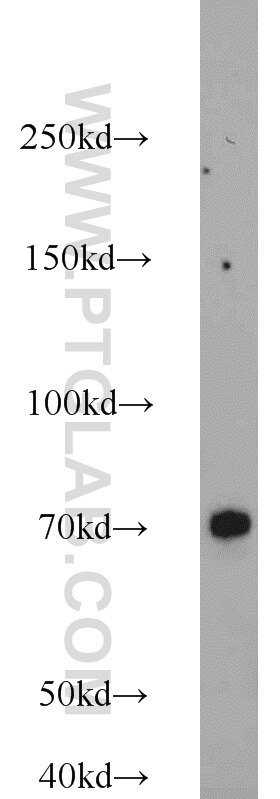
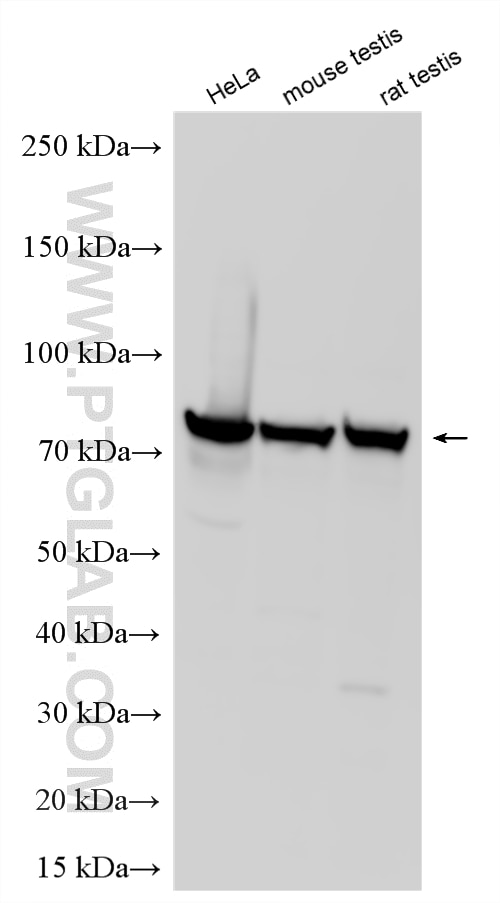
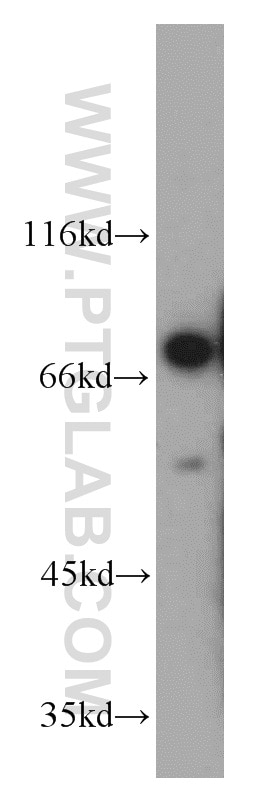
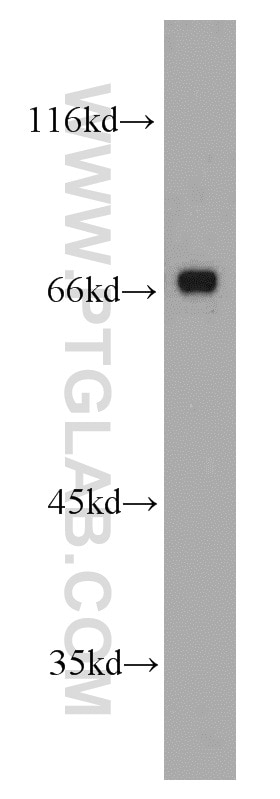
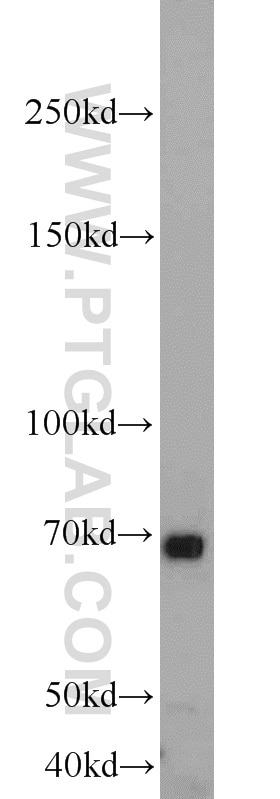
| Positive WB detected in | HEK-293 cells, mouse uterus tissue, SH-SY5Y cells, HeLa cells, mouse testis tissue, rat testis tissue |
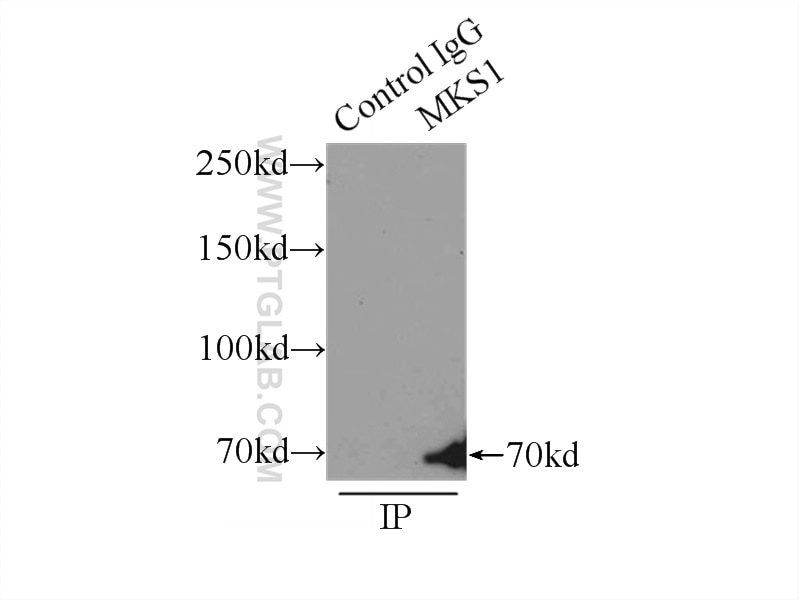
| Positive IP detected in | HEK-293 cells |
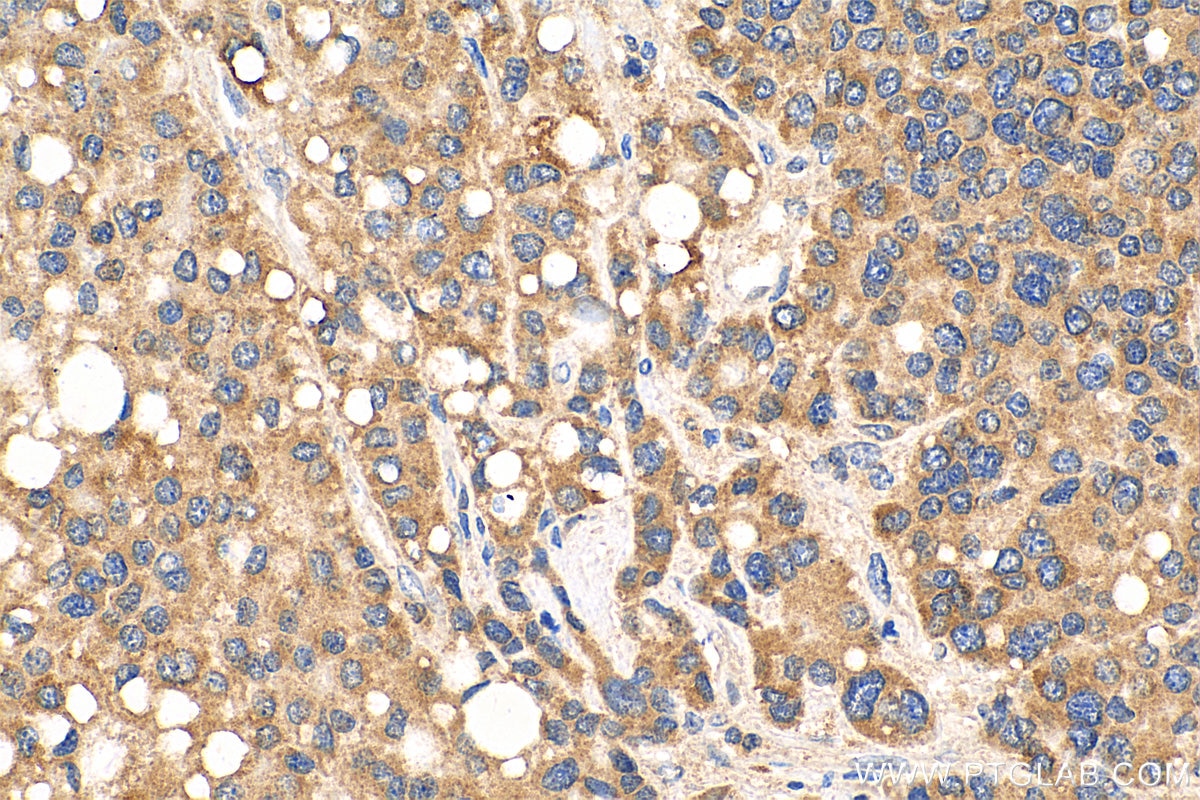
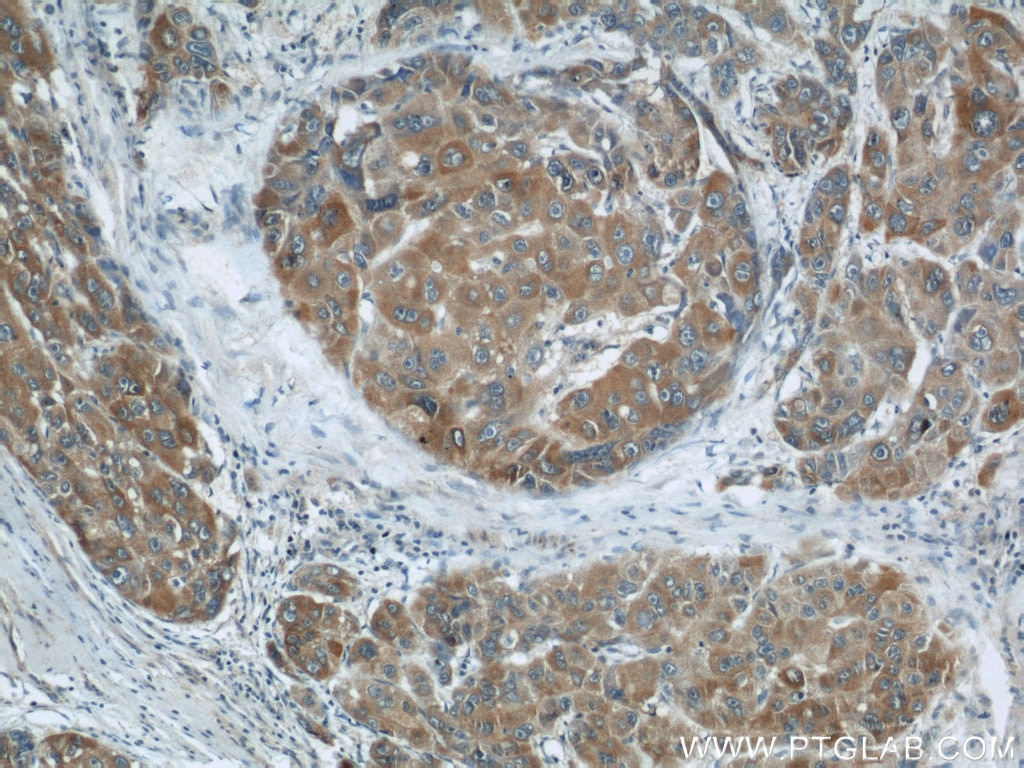
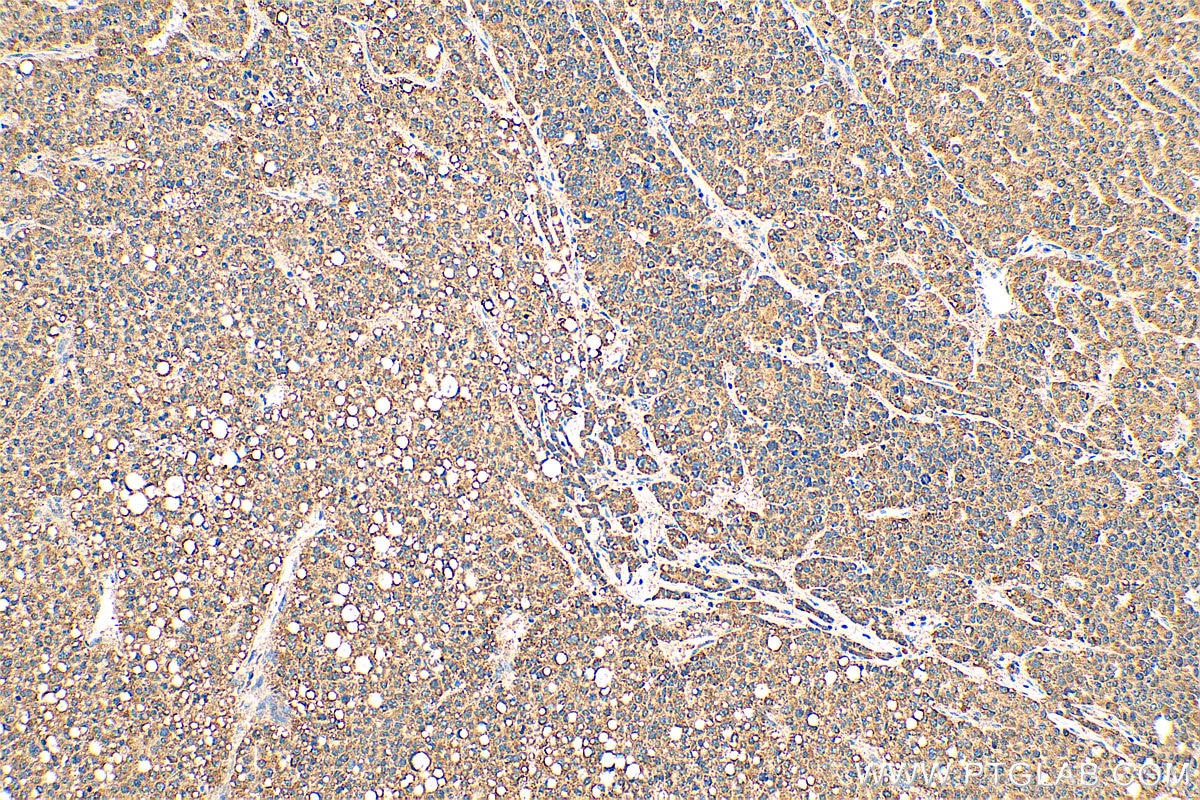
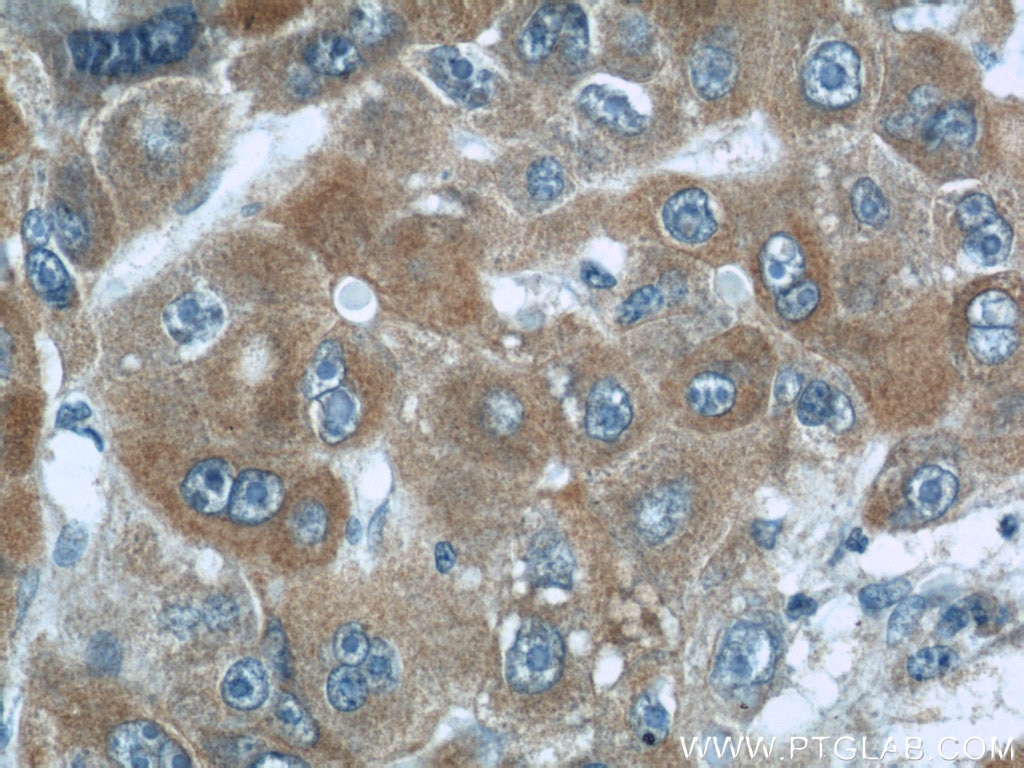
| Positive IHC detected in | human liver cancer tissue Note: suggested antigen retrieval with TE buffer pH 9.0; (*) Alternatively, antigen retrieval may be performed with citrate buffer pH 6.0 |
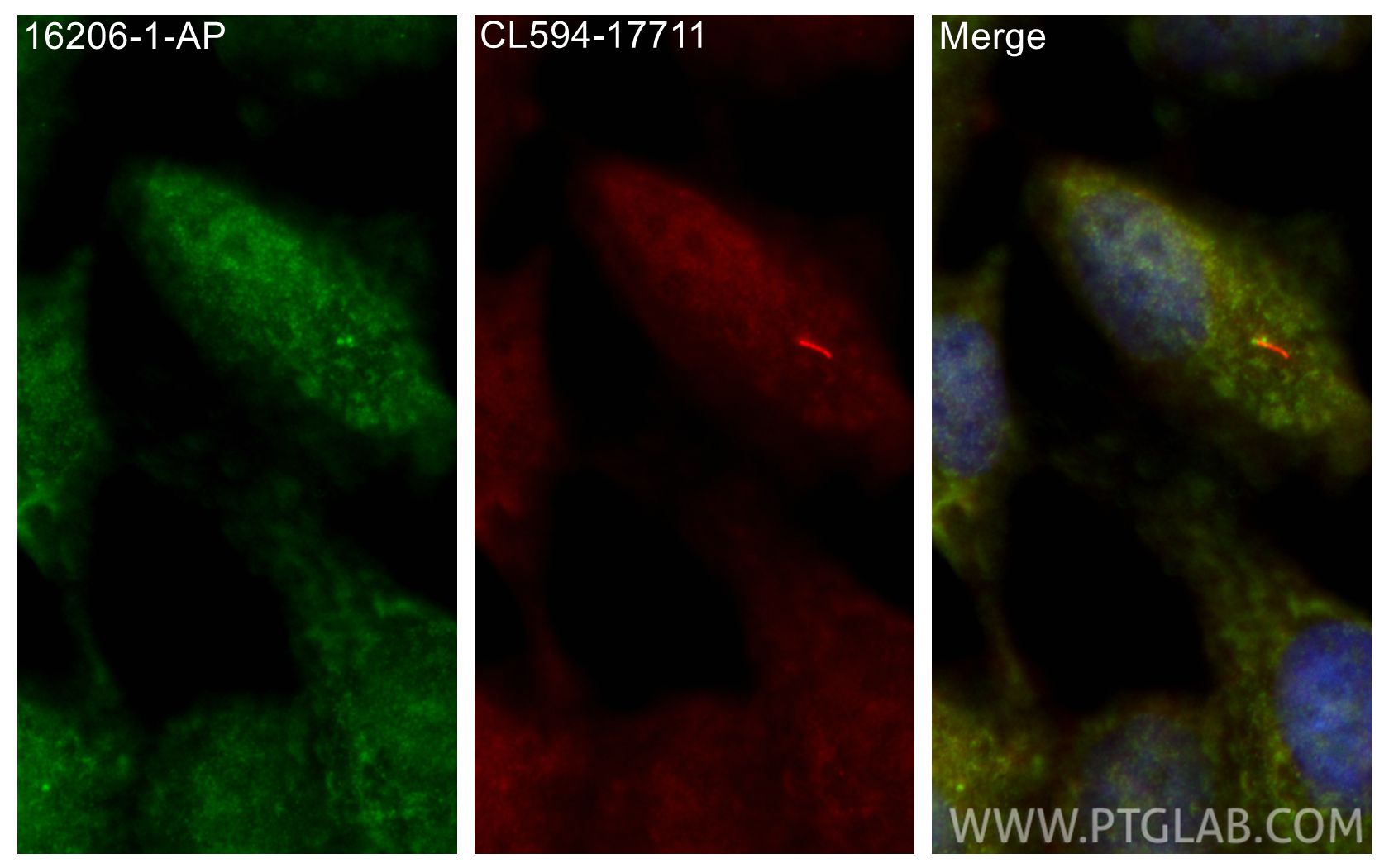
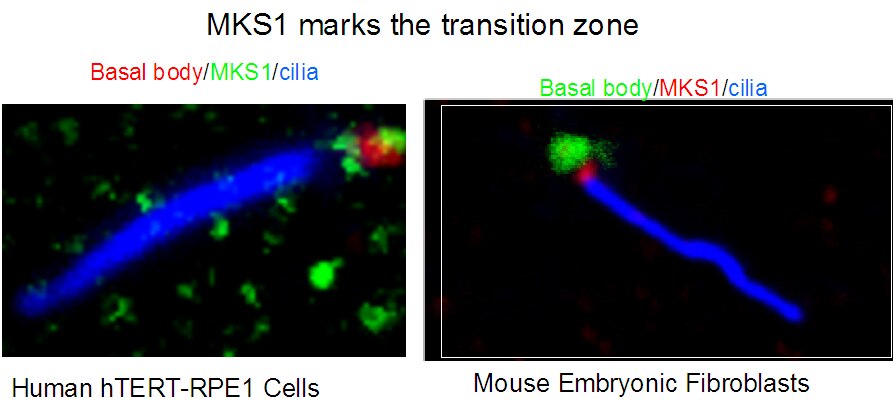
| Positive IF detected in | hTERT-RPE1 cells and Mouse embryonic fibroblasts |
Recommended dilution
| Application | Dilution |
|---|---|
| Western Blot (WB) | WB : 1:500-1:2000 |
| Immunoprecipitation (IP) | IP : 0.5-4.0 ug for 1.0-3.0 mg of total protein lysate |
| Immunohistochemistry (IHC) | IHC : 1:50-1:500 |
| Immunofluorescence (IF) | IF : 1:20-1:200 |
| It is recommended that this reagent should be titrated in each testing system to obtain optimal results. | |
| Sample-dependent, Check data in validation data gallery. | |
Product Information
16206-1-AP targets MKS1 in WB, IHC, IF, IP, ELISA applications and shows reactivity with human, mouse, rat samples.
| Tested Reactivity | human, mouse, rat |
| Cited Reactivity | human, mouse |
| Host / Isotype | Rabbit / IgG |
| Class | Polyclonal |
| Type | Antibody |
| Immunogen |
CatNo: Ag9177 Product name: Recombinant human BBS13 protein Source: e coli.-derived, PGEX-4T Tag: GST Domain: 1-321 aa of BC010061 Sequence: MTTAASEVPSFLVERMANVRRRRQDRRGMEGGILKSRIVTWEPSEEFVRNNHVINTPLQTMHIMADLGPYKKLGYKKYEHVLCTLKVDSNGVITVKPDFTGLKGPYRIETEGEKQELWKYTIDNVSPHAQPEEEERERRVFKDLYGRHKEYLSSLVGTDFEMTVPGALRLFVNGEVVSAQGYEYDNLYVHFFVELPTAHWSSPAFQQLSGVTQTCTTKSLAMDKVAHFSYPFTFEAFFLHEDESSDALPEWPVLYCEVLSLDFWQRYRVEGYGAVVLPATPGSHTLTVSTWRPVELGTVAELRRFFIGGSLELEDLSYVRI Predict reactive species |
| Full Name | Meckel syndrome, type 1 |
| Calculated Molecular Weight | 559 aa, 65 kDa |
| Observed Molecular Weight | 65-70 kDa |
| GenBank Accession Number | BC010061 |
| Gene Symbol | MKS1 |
| Gene ID (NCBI) | 54903 |
| RRID | AB_10637856 |
| Conjugate | Unconjugated |
| Form | Liquid |
| Purification Method | Antigen affinity purification |
| UNIPROT ID | Q9NXB0 |
| Storage Buffer | PBS with 0.02% sodium azide and 50% glycerol, pH 7.3. |
| Storage Conditions | Store at -20°C. Stable for one year after shipment. Aliquoting is unnecessary for -20oC storage. 20ul sizes contain 0.1% BSA. |
Background Information
MKS1 (Meckel syndrome type 1 protein) is a 559-amino acid protein that contains a conserved B9 domain. It is a component of a large protein complex which localizes to the ciliary transition zone and regulates mammalian ciliogenesis and ciliary membrane composition (PMID: 21725307). MKS1 is required for ciliary structure and function, and is involved in centrosome migration to the apical cell surface during early ciliogenesis (PMID: 17185389; 19515853). Broad tissue expression of the MKS1 gene has been reported (PMID: 16415886). Defects in MKS1 are the cause of Meckel syndrome type 1 (MKS1), an autosomal recessive lethal malformation syndrome characterized by renal cystic dysplasia, central nervous system malformations, and hepatic developmental defects (PMID: 16415886). In addition, defects in MKS1 are also the cause of Bardet-Biedl syndrome type 13 (BBS13) (PMID: 18327255).
Protocols
| Product Specific Protocols | |
|---|---|
| IF protocol for MKS1 antibody 16206-1-AP | Download protocol |
| IHC protocol for MKS1 antibody 16206-1-AP | Download protocol |
| IP protocol for MKS1 antibody 16206-1-AP | Download protocol |
| WB protocol for MKS1 antibody 16206-1-AP | Download protocol |
| Standard Protocols | |
|---|---|
| Click here to view our Standard Protocols |
Publications
What published studies show
MKS1 Polyclonal antibody (Cat# 16206-1-AP) has 33 citations across 22 journals, including Cell, Nature Genetics, Nature Communications, Journal of Clinical Investigation, Developmental Cell, Journal of Cell Biology, eLife, and Science Advances. Research fields center on ciliogenesis, ciliary transition zone biology, ciliopathies (Meckel syndrome, Bardet-Biedl syndrome), and primary cilia structure and function.
| Species | Application | Title |
|---|---|---|
Cell The spinocerebellar ataxia-associated gene Tau tubulin kinase 2 controls the initiation of ciliogenesis. | ||
Cell Res CYLD mediates ciliogenesis in multiple organs by deubiquitinating Cep70 and inactivating HDAC6. | ||
Nat Genet A transition zone complex regulates mammalian ciliogenesis and ciliary membrane composition. | ||
Nat Commun Phosphatidylinositol phosphate kinase PIPKIγ and phosphatase INPP5E coordinate initiation of ciliogenesis. | ||
Nat Commun Microtubule asters anchored by FSD1 control axoneme assembly and ciliogenesis. |













