

Tested Applications
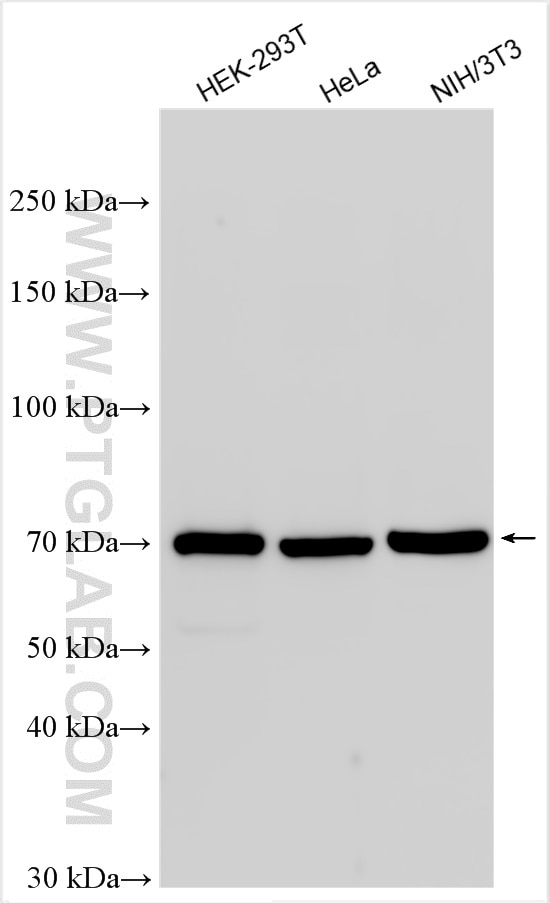
| Positive WB detected in | HEK-293T cells, HeLa cells, NIH/3T3 cells |
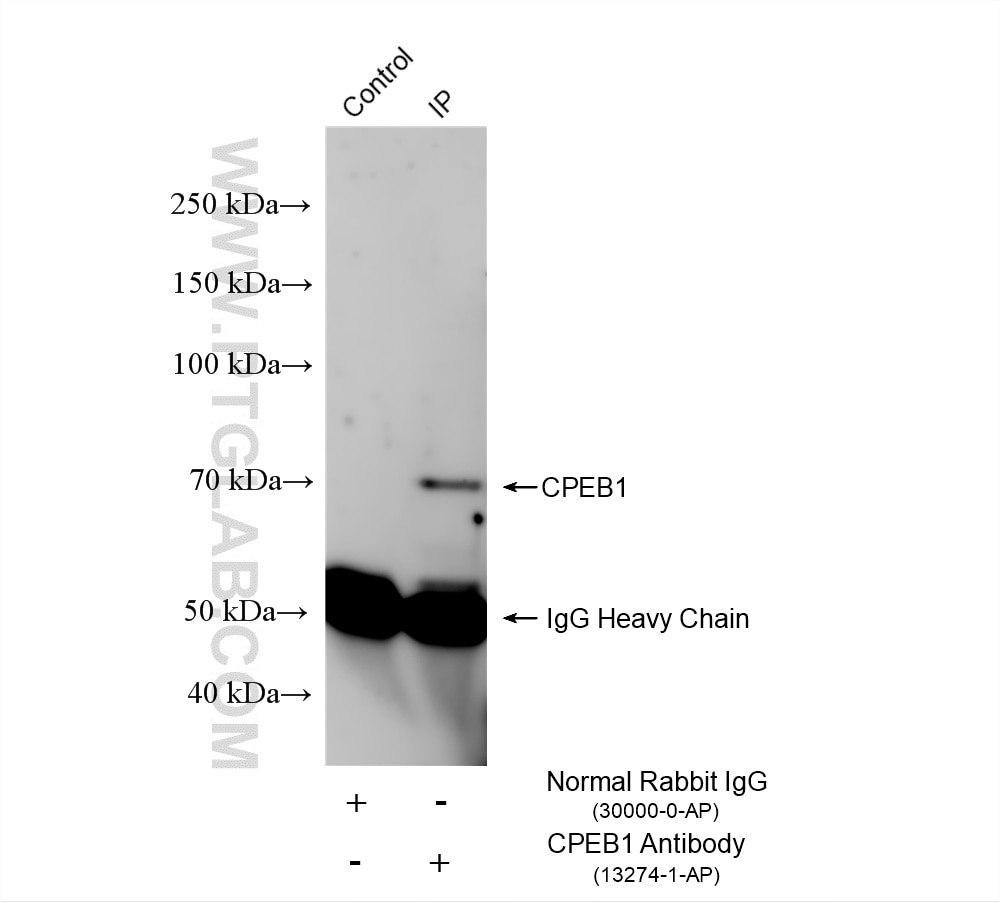
| Positive IP detected in | Neuro-2a cells |
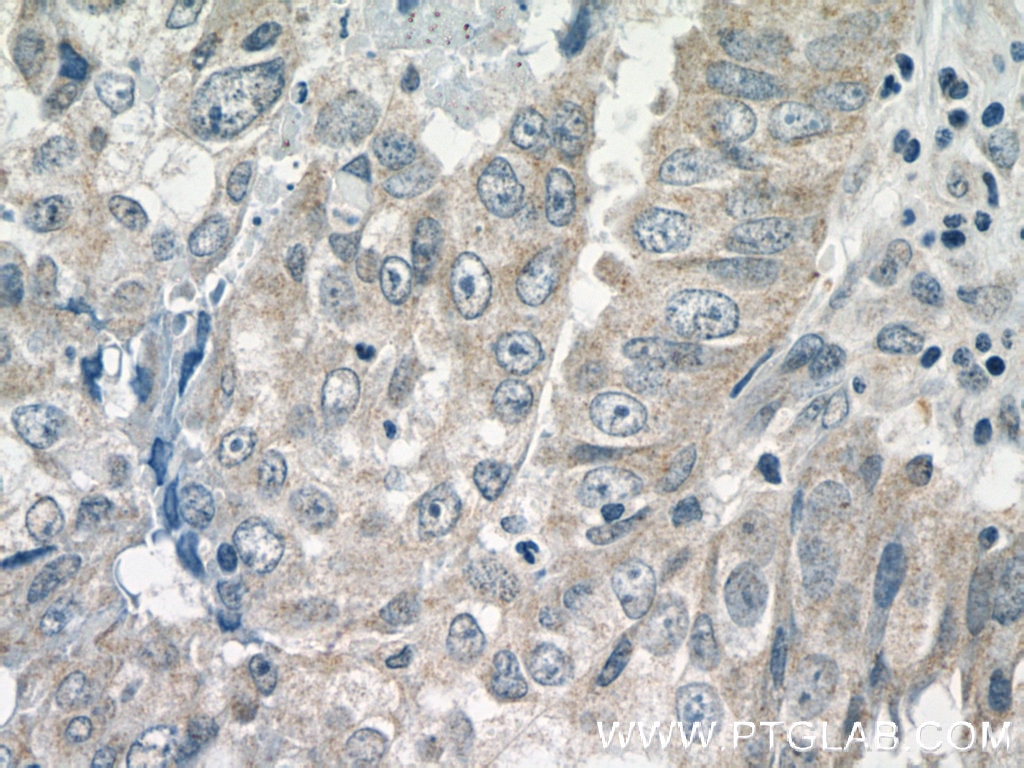
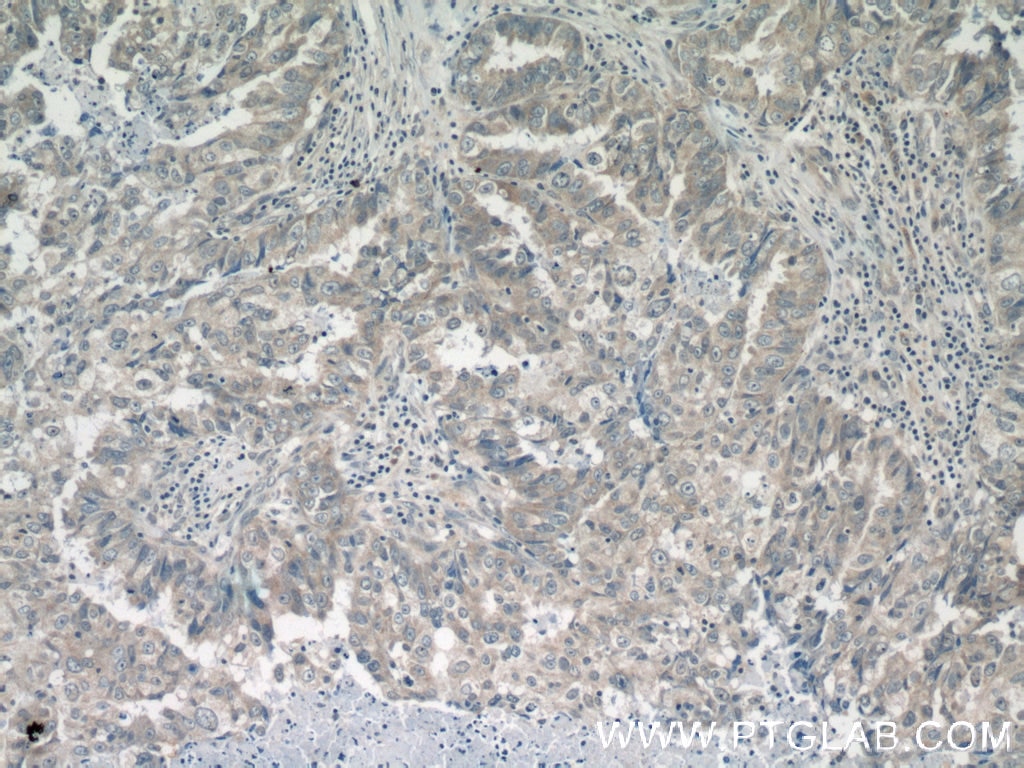
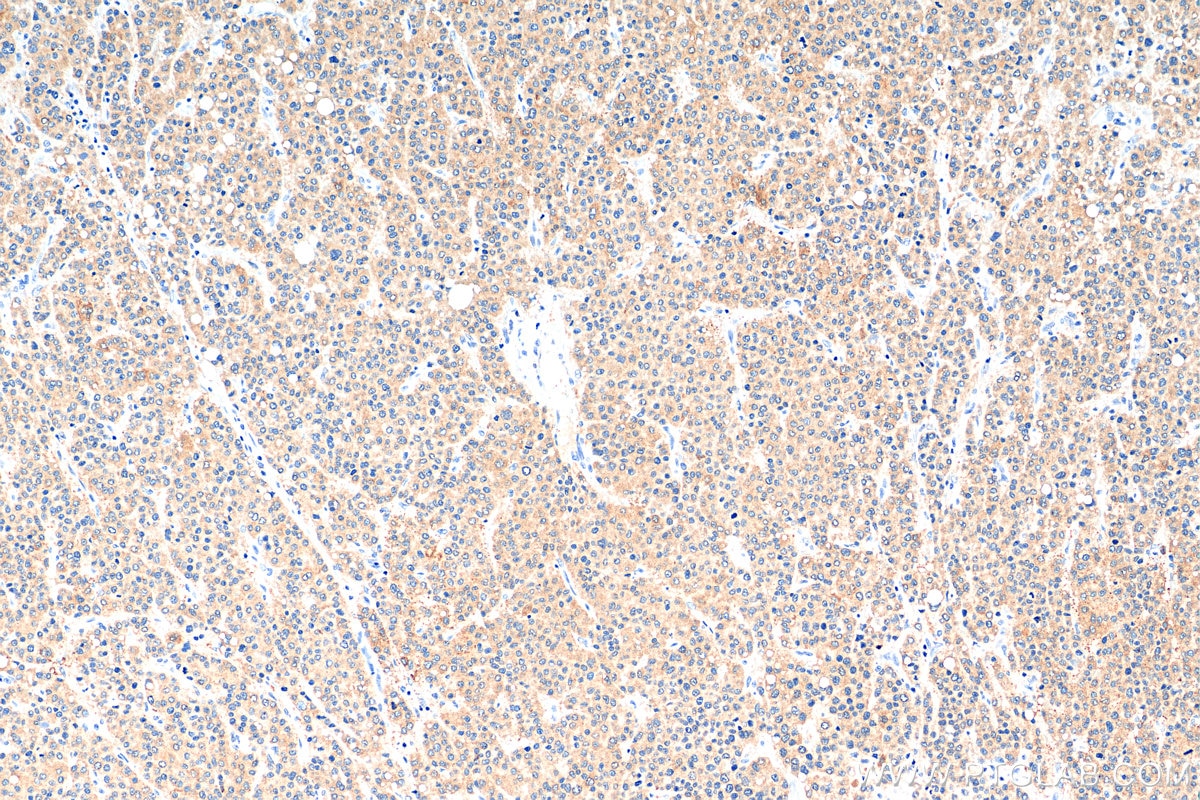
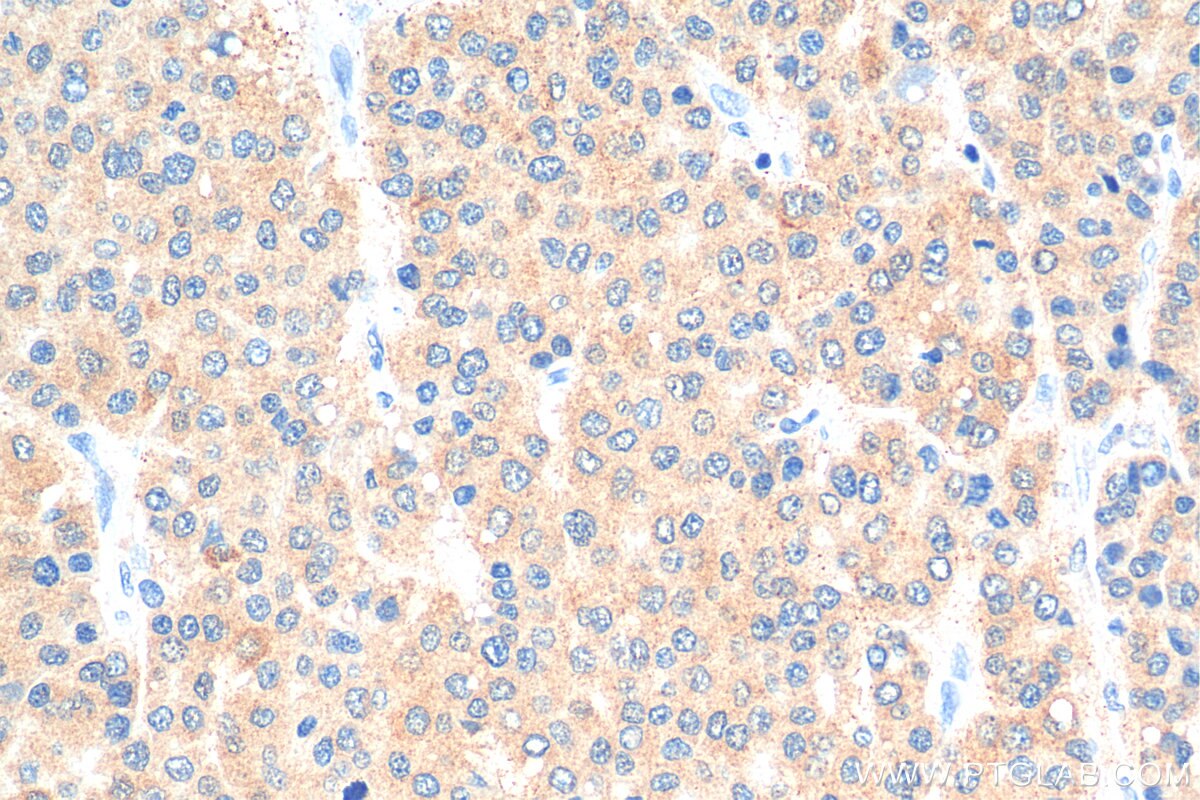
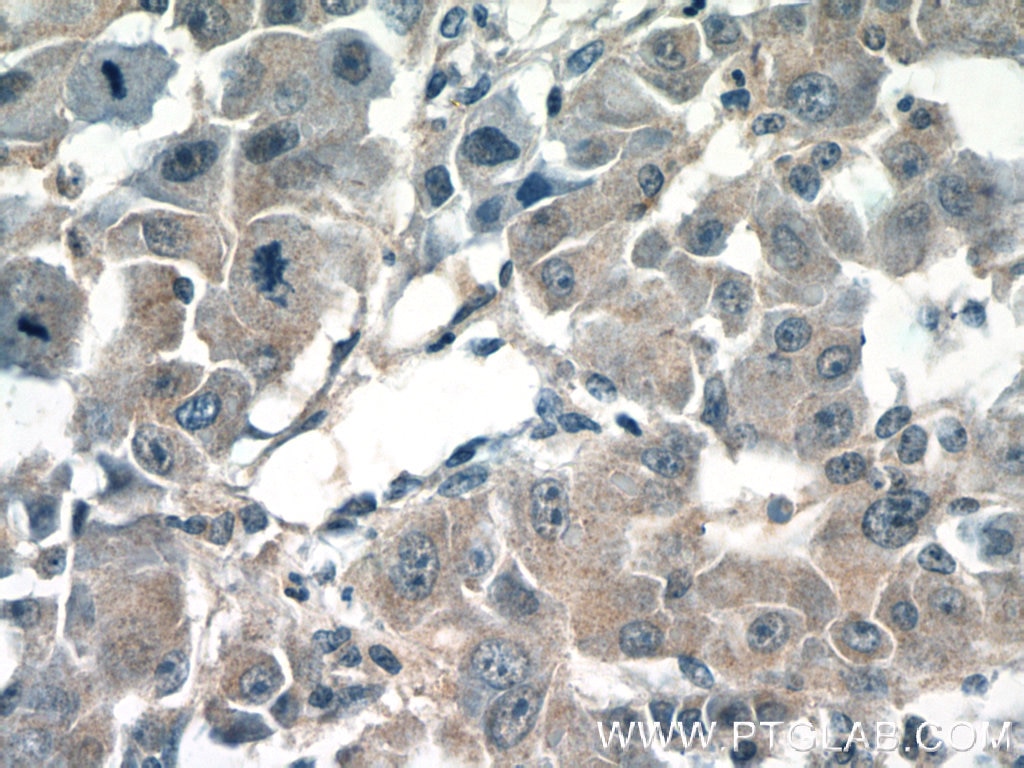
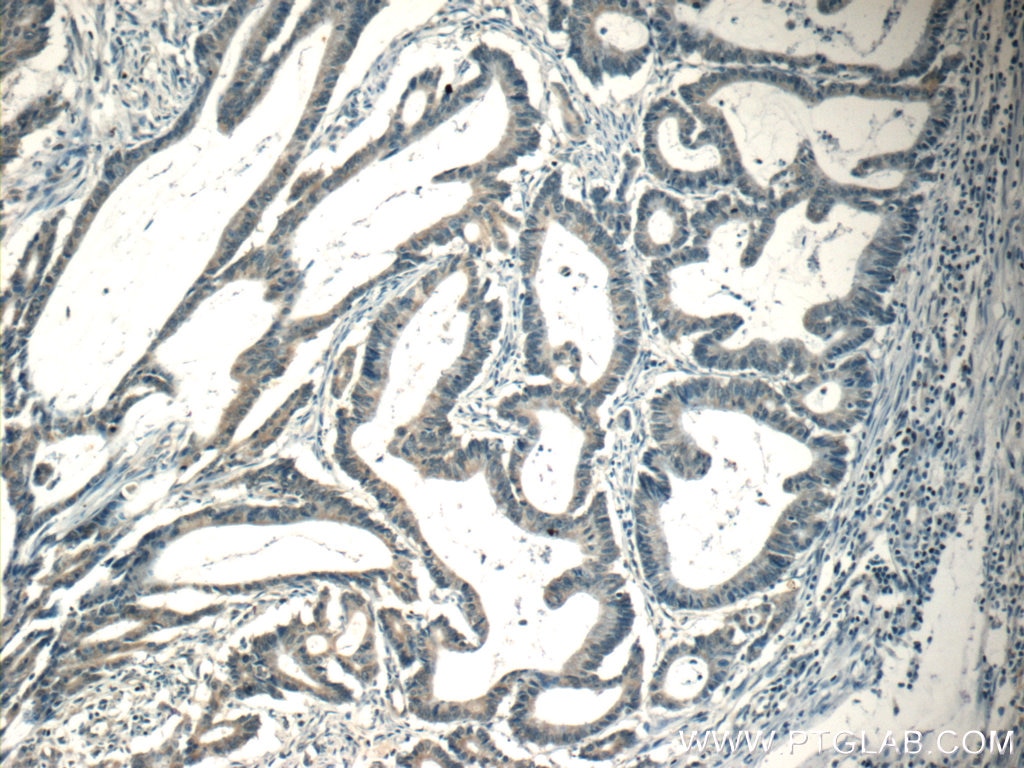
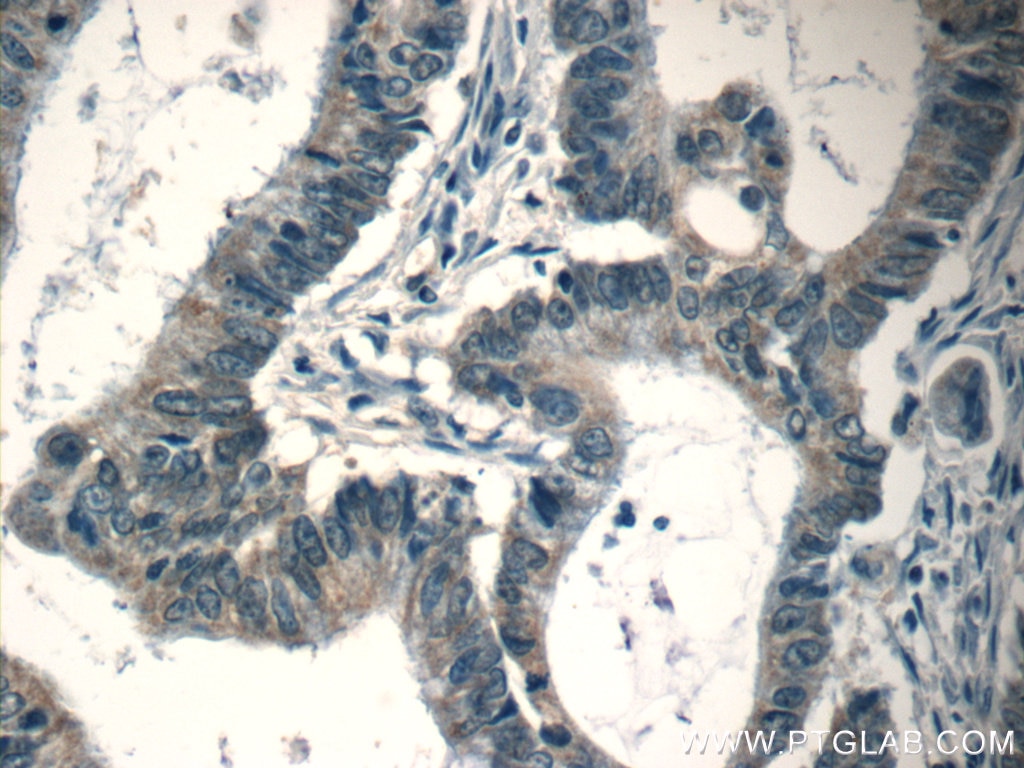
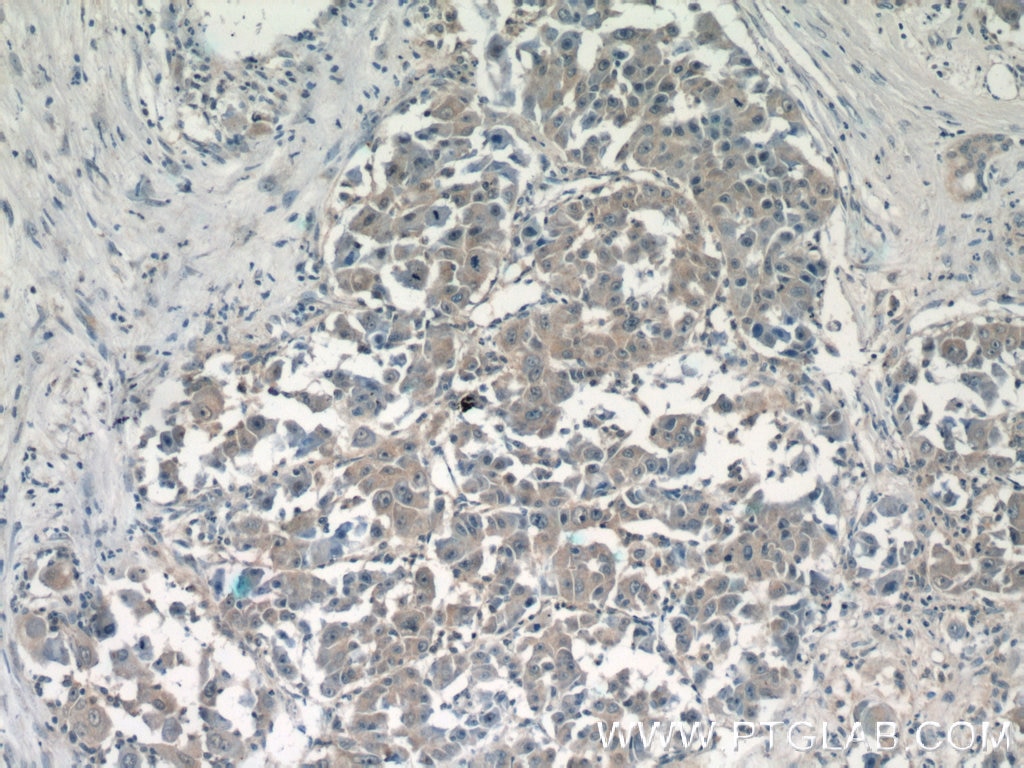
| Positive IHC detected in | human liver cancer tissue, human breast cancer tissue, human colon cancer tissue Note: suggested antigen retrieval with TE buffer pH 9.0; (*) Alternatively, antigen retrieval may be performed with citrate buffer pH 6.0 |
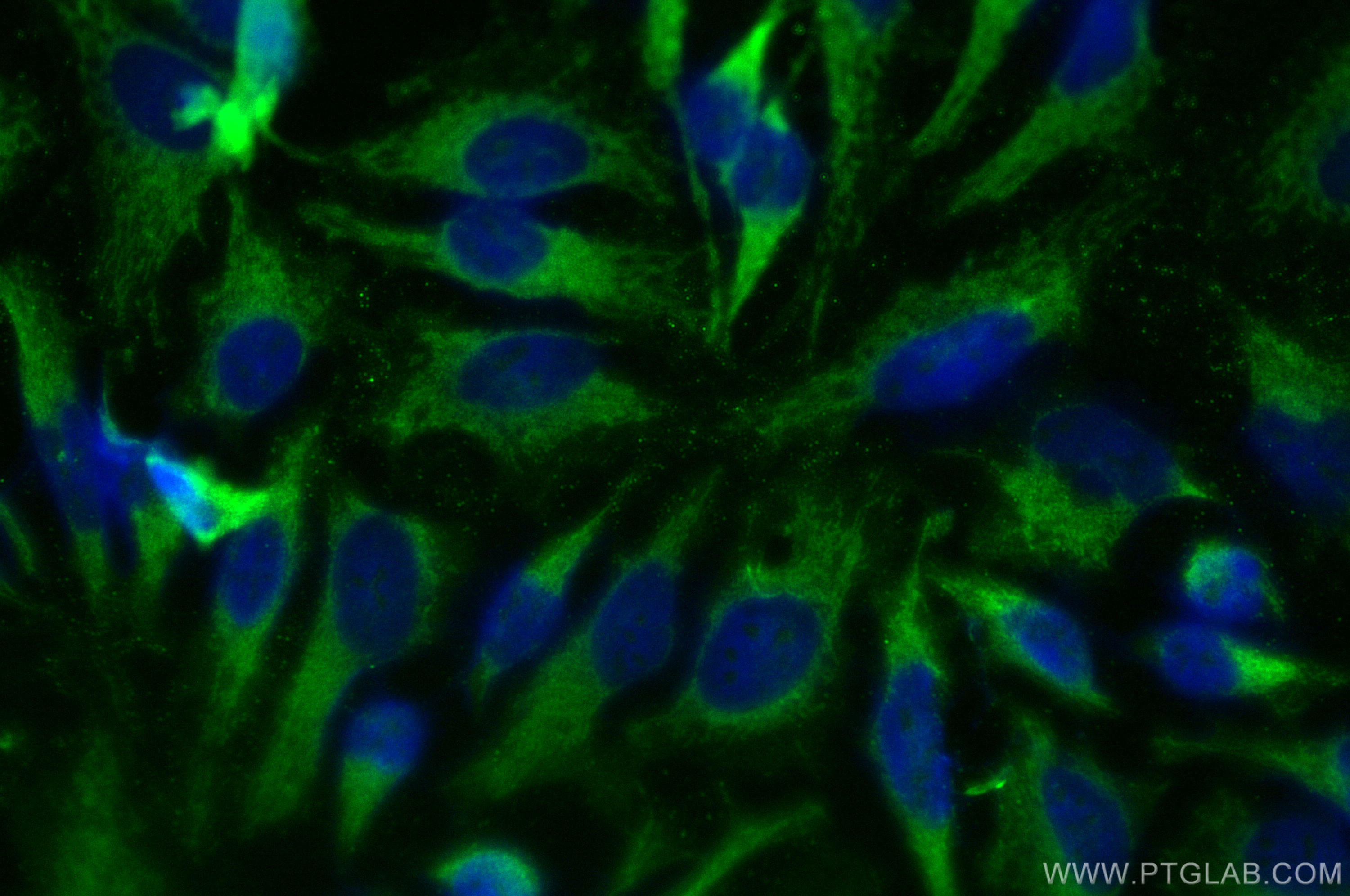
| Positive IF/ICC detected in | HeLa cells |
Recommended dilution
| Application | Dilution |
|---|---|
| Western Blot (WB) | WB : 1:1000-1:4000 |
| Immunoprecipitation (IP) | IP : 0.5-4.0 ug for 1.0-3.0 mg of total protein lysate |
| Immunohistochemistry (IHC) | IHC : 1:50-1:200 |
| Immunofluorescence (IF)/ICC | IF/ICC : 1:50-1:500 |
| It is recommended that this reagent should be titrated in each testing system to obtain optimal results. | |
| Sample-dependent, Check data in validation data gallery. | |
Product Information
13274-1-AP targets CPEB1 in WB, IHC, IF/ICC, IP, RIP, ELISA applications and shows reactivity with human, mouse, rat samples.
| Tested Reactivity | human, mouse, rat |
| Cited Reactivity | human, mouse, rat, asterina pectinifera |
| Host / Isotype | Rabbit / IgG |
| Class | Polyclonal |
| Type | Antibody |
| Immunogen |
CatNo: Ag3994 Product name: Recombinant human CPEB1 protein Source: e coli.-derived, PGEX-4T Tag: GST Domain: 188-486 aa of BC035348 Sequence: WDLLEAPKDPFSIEREARLHRQAAAVNEATCTWSGQLPPRNYKNPIYSCKVFLGGVPWDITEAGLVNTFRVFGSLSVEWPGKDGKHPRCPPKGYVYLVFELEKSVRSLLQACSHDPLSPDGLSEYYFKMSSRRMRCKEVQVIPWVLADSNFVRSPSQRLDPSRTVFVGALHGMLNAEALAAILNDLFGGVVYAGIDTDKHKYPIGSGRVTFNNQRSYLKAVSAAFVEIKTTKFTKKVQIDPYLEDSLCHICSSQPGPFFCRDQVCFKYFCRSCWHWRHSMEGLRHHSPLMRNQKNRDSS Predict reactive species |
| Full Name | cytoplasmic polyadenylation element binding protein 1 |
| Calculated Molecular Weight | 486 aa, 54 kDa |
| Observed Molecular Weight | 60-70kDa |
| GenBank Accession Number | BC035348 |
| Gene Symbol | CPEB1 |
| Gene ID (NCBI) | 64506 |
| RRID | AB_2083771 |
| Conjugate | Unconjugated |
| Form | Liquid |
| Purification Method | Antigen affinity purification |
| UNIPROT ID | Q9BZB8 |
| Storage Buffer | PBS with 0.02% sodium azide and 50% glycerol, pH 7.3. |
| Storage Conditions | Store at -20°C. Stable for one year after shipment. Aliquoting is unnecessary for -20oC storage. 20ul sizes contain 0.1% BSA. |
Background Information
CPEB1, also named as CEBP, CPEB and CPE-BP1, contains two RRM (RNA recognition motif) domains and belongs to the RRM CPEB family. It is a sequence-specific RNA-binding protein that regulates mRNA cytoplasmic polyadenylation and translation initiation during oocyte maturation, early development and at postsynapse sites of neurons. CPEB1 regulated translation is a key process involved in INS signaling. This is a rabbit polyclonal antibody raised against residues near the C terminus of human CPEB1.
Protocols
| Product Specific Protocols | |
|---|---|
| IF protocol for CPEB1 antibody 13274-1-AP | Download protocol |
| IHC protocol for CPEB1 antibody 13274-1-AP | Download protocol |
| IP protocol for CPEB1 antibody 13274-1-AP | Download protocol |
| WB protocol for CPEB1 antibody 13274-1-AP | Download protocol |
| Standard Protocols | |
|---|---|
| Click here to view our Standard Protocols |
Publications
What published studies show
The anti-CPEB1 antibody (Cat# 13274-1-AP) has 25 total citations across journals including Nature, Nat Commun, Nat Cell Biol, Gastroenterology, EMBO J, Nucleic Acids Res, Sci Adv, Adv Sci, and others. Research fields span translational regulation, oocyte-to-embryo development, cancer (breast, gastric), neuroscience (Alzheimer's disease, fear extinction, axonal regeneration), chronic liver disease, ferroptosis, cell cycle control, neuromuscular junction stability, and adipose tissue biology.
| Species | Application | Title |
|---|---|---|
Nature CPEB1 coordinates alternative 3'-UTR formation with translational regulation.
| ||
Gastroenterology Sequential Functions of CPEB1 and CPEB4 Regulate Pathologic Expression of Vascular Endothelial Growth Factor and Angiogenesis in Chronic Liver Disease.
| ||
Nat Cell Biol Ultrasensitive Ribo-seq reveals translational landscapes during mammalian oocyte-to-embryo transition and pre-implantation development. | ||
Nat Commun Two mechanisms repress cyclin B1 translation to maintain prophase arrest in mouse oocytes | ||
Nat Commun Translational reprogramming in tumour cells can generate oncoselectivity in viral therapies. |












