

Tested Applications
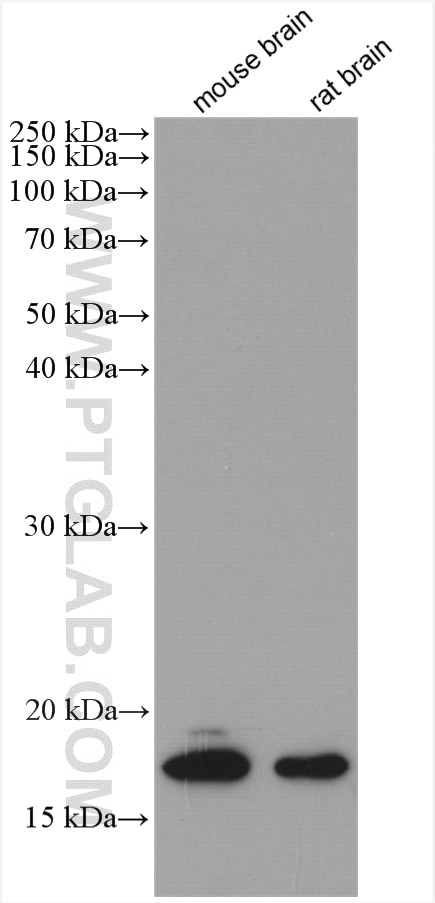
| Positive WB detected in | mouse brain tissue, rat brain tissue |
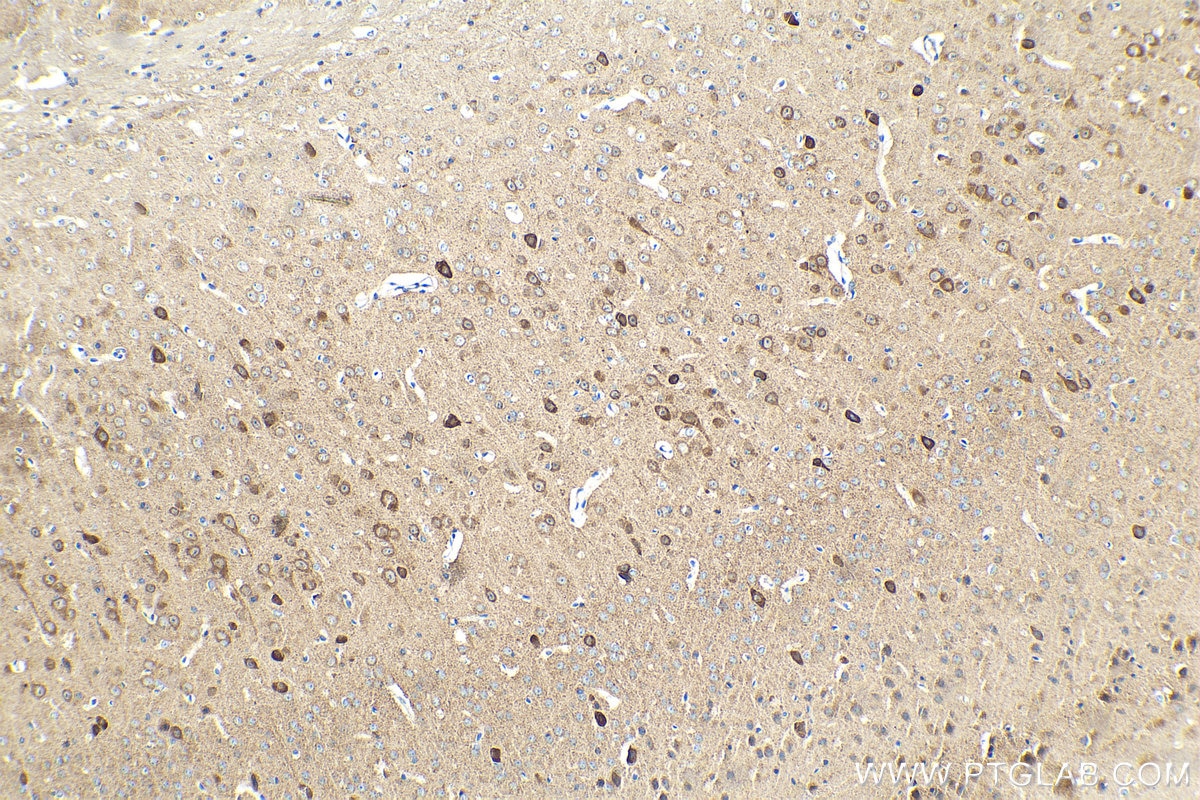
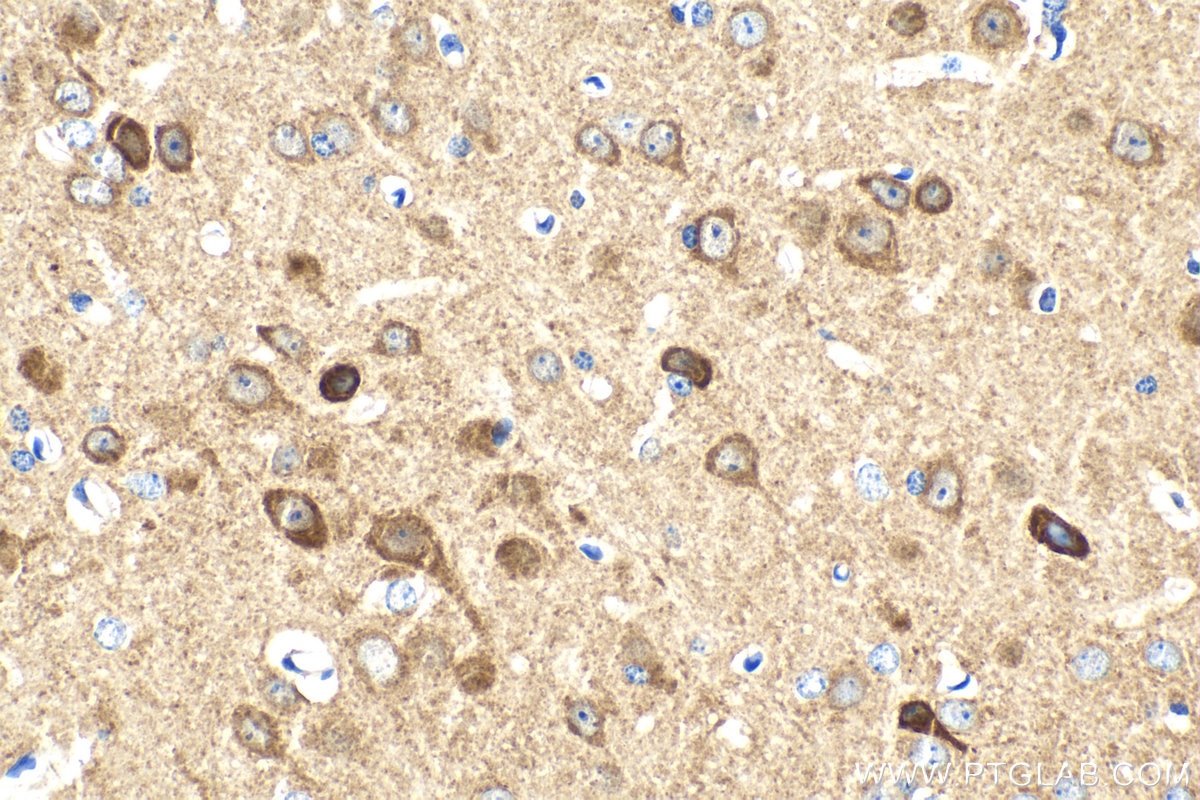
| Positive IHC detected in | mouse brain tissue Note: suggested antigen retrieval with TE buffer pH 9.0; (*) Alternatively, antigen retrieval may be performed with citrate buffer pH 6.0 |
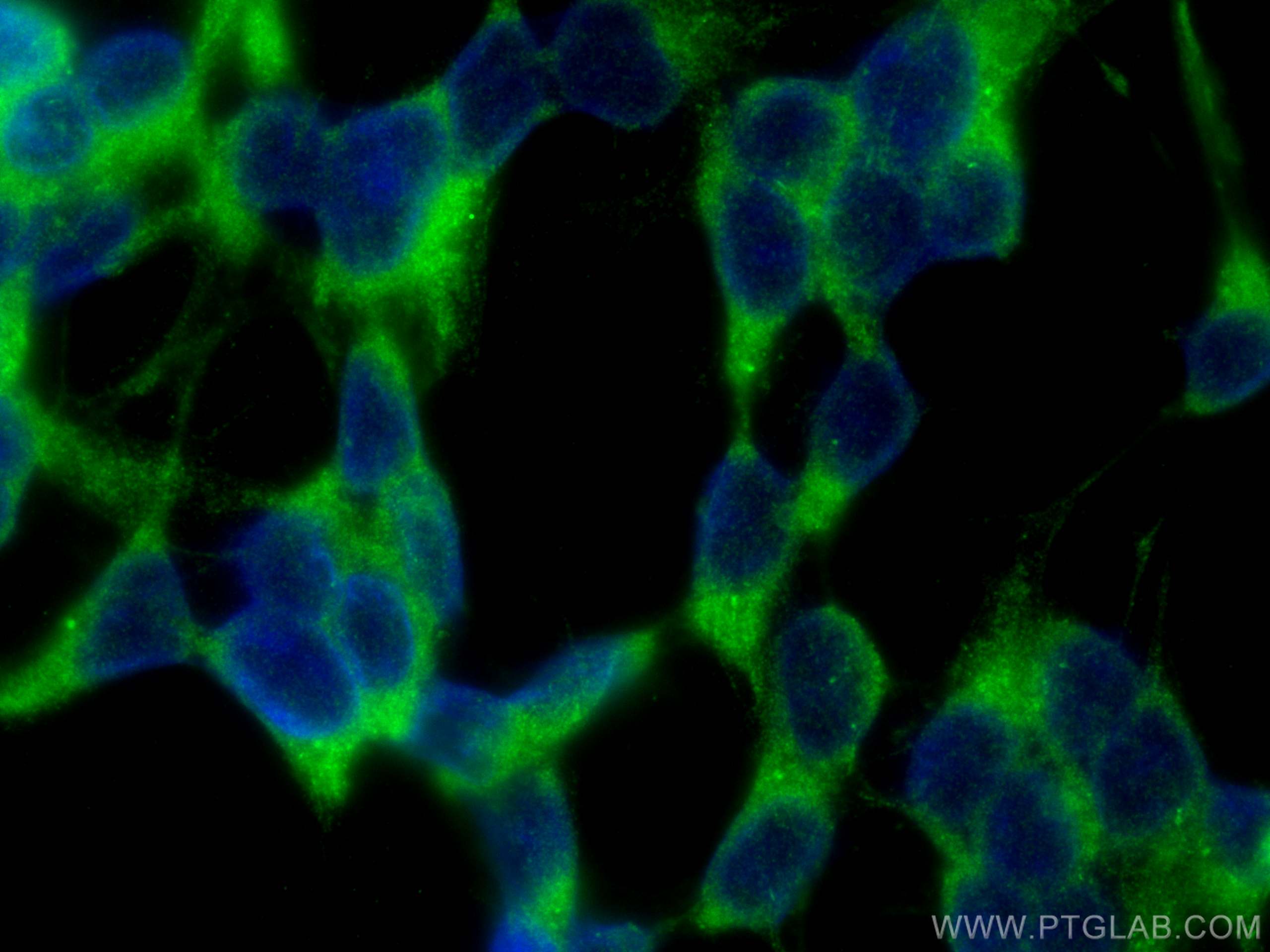
| Positive IF/ICC detected in | SH-SY5Y cells |
Recommended dilution
| Application | Dilution |
|---|---|
| Western Blot (WB) | WB : 1:2000-1:10000 |
| Immunohistochemistry (IHC) | IHC : 1:500-1:2000 |
| Immunofluorescence (IF)/ICC | IF/ICC : 1:200-1:800 |
| It is recommended that this reagent should be titrated in each testing system to obtain optimal results. | |
| Sample-dependent, Check data in validation data gallery. | |
Product Information
10246-2-AP targets CPLX1 in WB, IHC, IF/ICC, ELISA applications and shows reactivity with human, mouse, rat samples.
| Tested Reactivity | human, mouse, rat |
| Cited Reactivity | human, mouse, macaque |
| Host / Isotype | Rabbit / IgG |
| Class | Polyclonal |
| Type | Antibody |
| Immunogen |
CatNo: Ag0387 Product name: Recombinant human CPLX1 protein Source: e coli.-derived, PGEX-4T Tag: GST Domain: 4-134 aa of BC002471 Sequence: VMKQALGGATKDMGKMLGGDEEKDPDAAKKEEERQEALRQAEEERKAKYAKMEAEREAVRQGIRDKYGIKKKEEREAEAQAAMEANSEGSLTRPKKAIPPGCGDEVEEEDESILDTVIKYLPGPLQDMLKK Predict reactive species |
| Full Name | complexin 1 |
| Calculated Molecular Weight | 15 kDa |
| Observed Molecular Weight | 15-20 kDa |
| GenBank Accession Number | BC002471 |
| Gene Symbol | CPLX1 |
| Gene ID (NCBI) | 10815 |
| RRID | AB_2084033 |
| Conjugate | Unconjugated |
| Form | Liquid |
| Purification Method | Antigen affinity purification |
| UNIPROT ID | O14810 |
| Storage Buffer | PBS with 0.02% sodium azide and 50% glycerol, pH 7.3. |
| Storage Conditions | Store at -20°C. Stable for one year after shipment. Aliquoting is unnecessary for -20oC storage. 20ul sizes contain 0.1% BSA. |
Background Information
Complexin 1 (CPLX1) is a member of the complexin/synaphin gene family, which are cytosolic proteins that function in synaptic vesicle exocytosis. Complexins are enriched in neurons where they colocalize with syntaxin and SNAP-25. Complexins bind weakly to syntaxin alone and not at all to synaptobrevin and SNAP-25, but strongly to the SNAP receptor-core complex composed of these three molecules. Compexins also compete with alpha-SNAP for binding to the core complex but not with other interacting molecules, including synaptotagmin I, and regulate the sequential interactions of alpha-SNAP and synaptotagmins with the SNAP receptor during exocytosis. CLPX1 binds to the SNAP receptor complex and disrupts it, leading to the release of transmitters. Alterations of complexins may contribute to the molecular substrate for abnormalities of neural connectivity in severe mental disorders.
Protocols
| Product Specific Protocols | |
|---|---|
| IF protocol for CPLX1 antibody 10246-2-AP | Download protocol |
| IHC protocol for CPLX1 antibody 10246-2-AP | Download protocol |
| WB protocol for CPLX1 antibody 10246-2-AP | Download protocol |
| Standard Protocols | |
|---|---|
| Click here to view our Standard Protocols |
Publications
What published studies show
The CPLX1 Polyclonal antibody (Cat# 10246-2-AP) has 11 citations published in journals including Nature Neuroscience, Molecular Therapy, Cell Reports, Free Radical Biology and Medicine, Translational Psychiatry, Frontiers in Immunology, Brain Communications, Journal of Neuroscience, Journal of Virology, Molecular Cell Probes, and International Journal of Developmental Neuroscience. Research fields span synaptic biology, schizophrenia, Alzheimer's disease, stroke, colorectal cancer, ferroptosis, and viral neuroinfection.
| Species | Application | Title |
|---|---|---|
Mol Ther MicroRNA137-loaded lipid nanoparticles regulate synaptic proteins in the prefrontal cortex | ||
Free Radic Biol Med NOX2 Deficiency Ameliorates Cerebral Injury by Reduction of Complexin II-mediated Glutamate Excitotoxicity in Experimental Stroke. | ||
Cell Rep The complement inhibitor CD59 is required for GABAergic synaptic transmission in the dentate gyrus | ||
Transl Psychiatry G6PD deficiency in brain induces schizophrenia-like behaviors and synaptic dysfunction. | ||
Front Immunol CPLX1 is a novel prognostic biomarker in CRC correlating with immunotherapy resistance and ferroptosis |





